There is something almost absurd about the idea of Las Vegas flooding. It is a city that gets barely over four inches of rain per year, surrounded by desert, famous for neon lights and dry heat. Yet the danger is very real, and it has caught thousands of homeowners off guard. Flash floods in the Las Vegas Valley do not politely announce themselves days in advance.
They arrive fast, fierce, and without mercy. So if you own a home here and you have not taken the right precautions, you are essentially leaving your front door open and hoping for the best. Here is what you actually need to do.
Understand the Real Risk Before You Do Anything Else
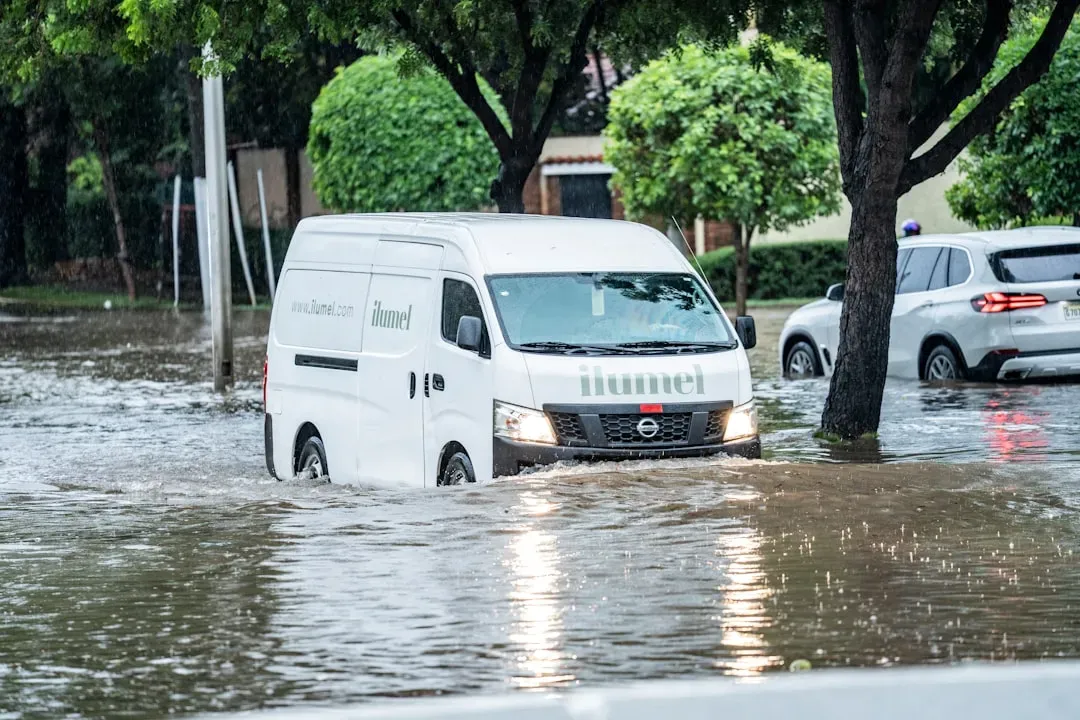
Let’s be real: most Vegas homeowners think their flood risk is basically zero. Honestly, it is an easy mistake to make in a desert. But here is the thing – while Las Vegas only receives four to five inches of annual rainfall, much of it falls during intense summer monsoon storms, and desert soil does not absorb water well, with the abundance of concrete and asphalt creating rapid runoff that can overwhelm drainage systems and create dangerous flash floods.
Las Vegas is one of the fastest-growing metropolitan regions in the country – in 1950, fewer than 35,000 people lived there, but by 2020 that number had grown to 2.6 million, with development spreading across the valley floor and into surrounding mountain terrain. As concrete and pavement replace more porous desert soils, the risk of flooding in residential communities rises. It is like paving over a sponge. The water has nowhere to go, so it goes everywhere.
Flash flood risk is difficult to predict by zone alone, because intense localized rainfall can flood areas well outside mapped high-risk boundaries. So do not assume your neighborhood is safe just because your FEMA flood zone designation looks favorable. Find out whether your property is in a flood-prone or high-risk area by using FEMA’s Flood Maps at the FEMA Flood Map Service Center online. This is step one – everything else builds on knowing where you actually stand.
Fix Your Yard’s Grading Before the Next Storm Hits
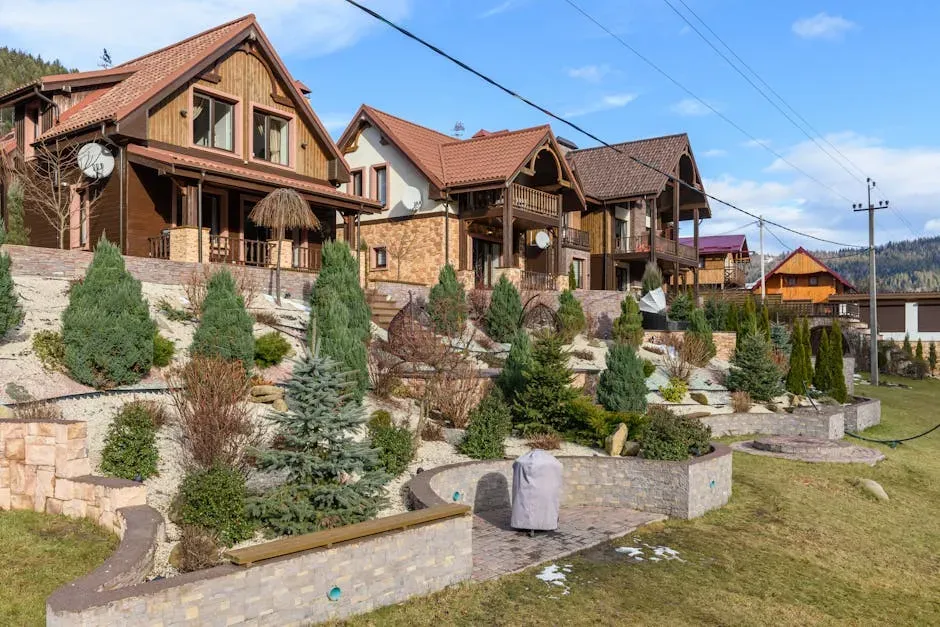
Grading is, without question, one of the most overlooked but most impactful things a homeowner can do. Think of it like this: your yard is a water slide. The question is simply which direction that slide is pointed. Ideally, the land around your home should slope away from the foundation to prevent water from pooling against the house. If the slope goes the wrong way, even an inch of rain can sneak under your doors or seep through your walls.
Grading involves shaping the land to create a slope that directs water away from your home, and ideally the ground should slope away from your house at a rate of about six inches for every ten feet. That might not sound like a lot, but the difference in a flash flood scenario is enormous. Lot grading involves contouring your yard by building up sunken areas with fill, compacting existing or adding new backfill soil around your foundation, and digging small channels to reroute water away from the structure.
Site grading is most effective as a flood protection method for buildings at risk of slow, shallow flooding rather than those at risk of flash or deep flooding, so pairing grading with other measures is key. For large regrading jobs, it is worth hiring a licensed professional. Getting it wrong can actually make things worse by redirecting runoff onto a neighbor’s property.
Install Proper Drainage Systems Around Your Home
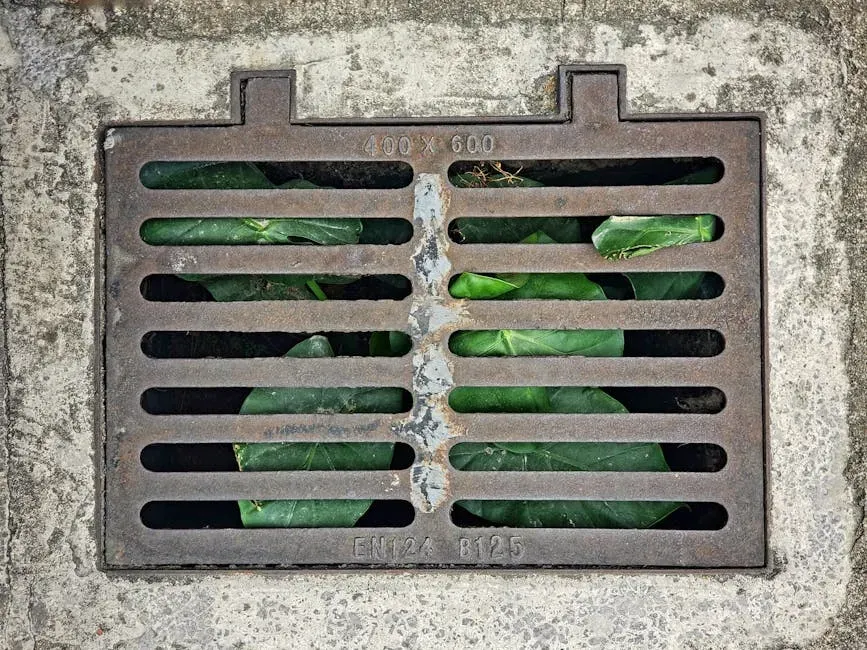
The drainage system of Las Vegas was not built to handle the torrential downpours it sometimes receives, and it is difficult to imagine any city that could be fully equipped for flash flooding in the amounts Las Vegas sees – the storm drains simply cannot keep up with the pace of a Las Vegas flood. That is not pessimism. That is just physics. The city’s infrastructure can only do so much, and the responsibility of protecting your individual property falls on you.
One of the most practical and proven tools is a French drain. A French drain is a simple yet highly effective solution – it consists of a trench filled with gravel and a perforated pipe that redirects water away from your home, and is particularly useful for properties with poor natural drainage or areas that frequently become waterlogged. You can also combine this with swales. A swale is a shallow, gently sloping ditch that channels water away from your home and toward a designated drainage area, and lined with rock or vegetation, it works like a natural river diverting the flood surge before it reaches your walls.
Raising your electrical outlets, switches, and breaker boxes above potential flood levels reduces the risk of electrical damage and may allow you to avoid rewiring in future floods. I know it sounds like a big project, but compared to the cost of replacing a flooded electrical system, it is a bargain. Investing in proper drainage systems and elevating electrical systems are key steps to prevent future flooding from causing catastrophic damage, and a sump pump or French drain system can keep water from pooling around your foundation.
Use Physical Flood Barriers at Key Entry Points
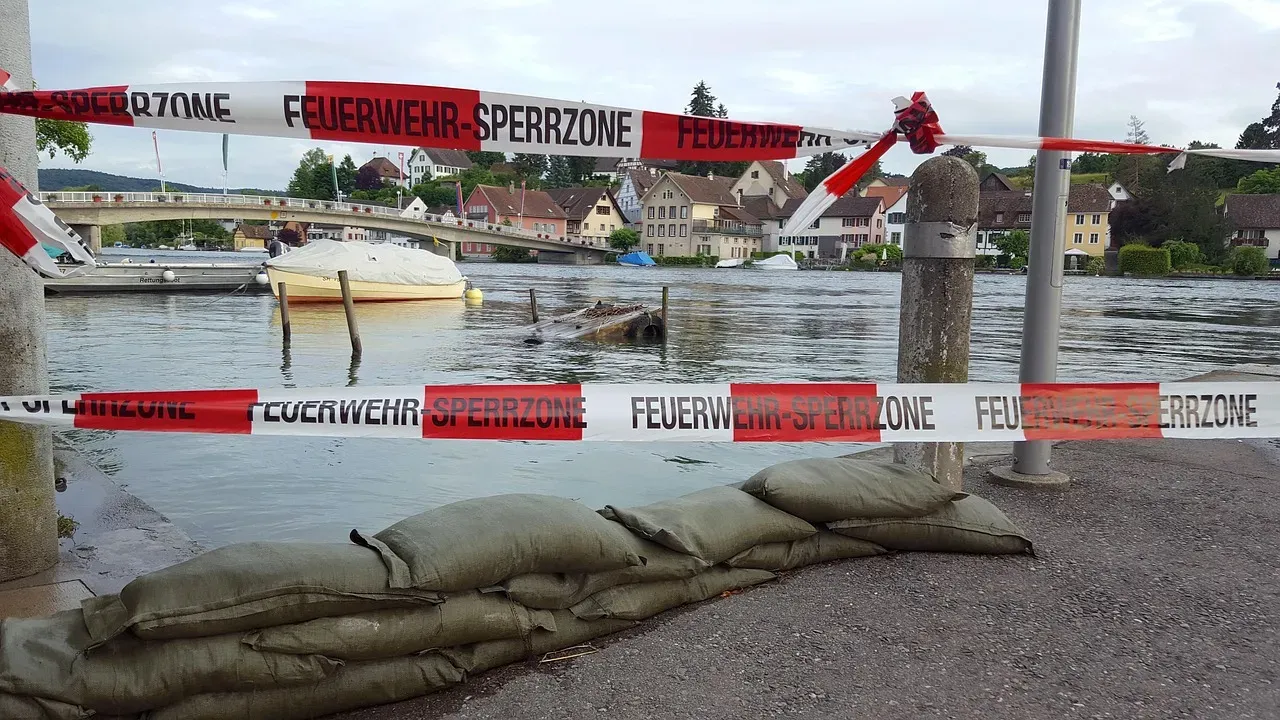
When a flash flood warning goes out in Las Vegas, you often have minutes, not hours, to respond. Flash flood waters move at very fast speeds and can roll boulders, tear out trees, destroy buildings, and obliterate bridges, with walls of water reaching heights of ten to twenty feet and generally carrying a deadly cargo of debris. That image alone should convince anyone to take this seriously. Traditional sandbags are one option, but they have serious limitations.
Erecting sandbag flood defenses can be slow, back-breaking work, but these days there are alternatives to labor-intensive sandbags, and in fact there is a wide choice of modern, innovative flood defense products available offering flood-threatened communities an alternative. Products like expandable water-filled barriers can be deployed in minutes and provide a much tighter seal around doors and garage entrances. These are worth having stored and ready before the monsoon season, which runs from July through September in Clark County, though floods can happen at any time of year without warning.
Garage doors and entry points at ground level are your home’s biggest vulnerabilities. Sealing door thresholds with flood-resistant materials and keeping temporary barriers on hand is a practical, low-cost layer of defense. It is the kind of preparation that takes an afternoon to set up and could save you tens of thousands of dollars in damage.
Get the Right Insurance Coverage – And Don’t Wait
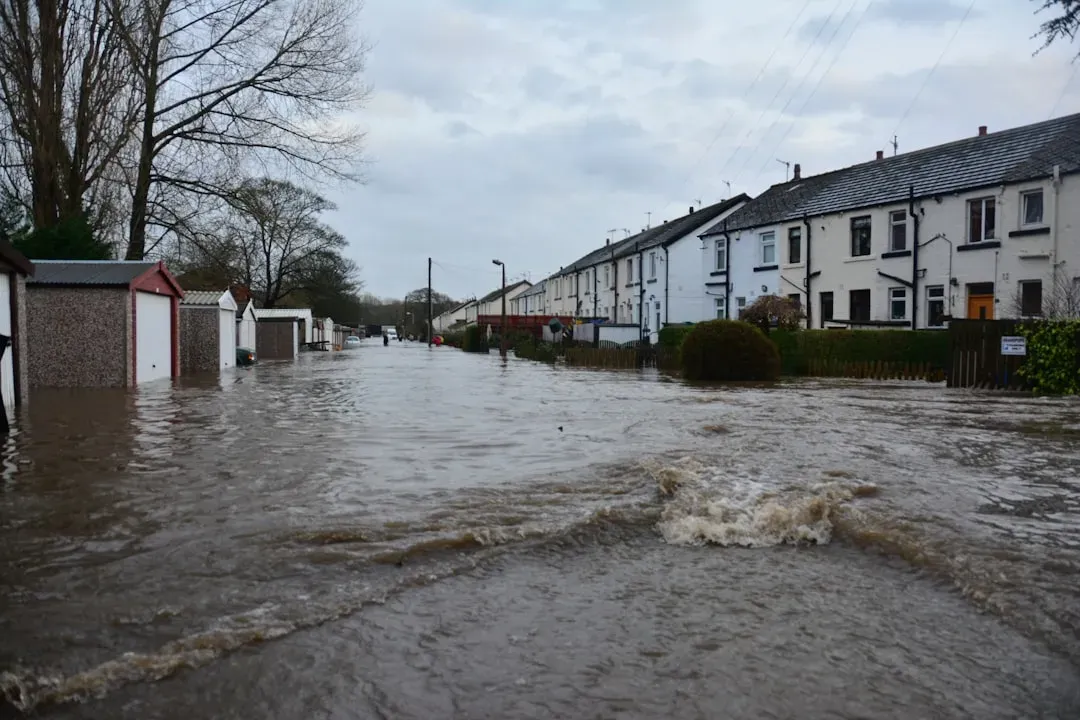
Here is something that surprises a lot of Las Vegas homeowners: standard homeowners insurance does not cover flood damage. At all. Regardless of whether you live in Las Vegas or any other part of Nevada, flood insurance has to be purchased as a separate, stand-alone policy – it is not covered by homeowners insurance. That gap in coverage has cost families in this valley everything after a single bad storm.
From 2014 to 2024, about one third of NFIP flood insurance claims came from areas located outside of current high-risk flood zones. Think about that. A huge portion of claims came from people who probably assumed they were safe. While flood insurance is not required in the lowest-risk zones, flash floods can occur anywhere during intense monsoon storms, and Zone X flood insurance is typically more affordable than high-risk zone coverage while still providing protection against unexpected events.
In most situations, there is a 30-day waiting period when you buy flood insurance, so do not wait until a storm is forecast. That timing detail alone makes procrastination genuinely dangerous here. Las Vegas holds a Class 5 rating in FEMA’s Community Rating System, meaning NFIP policyholders in the Special Flood Hazard Area can receive up to a 25% discount on their flood insurance premiums. That is money left on the table for homeowners who have not looked into this yet.
Know Your Neighborhood’s Specific Vulnerabilities
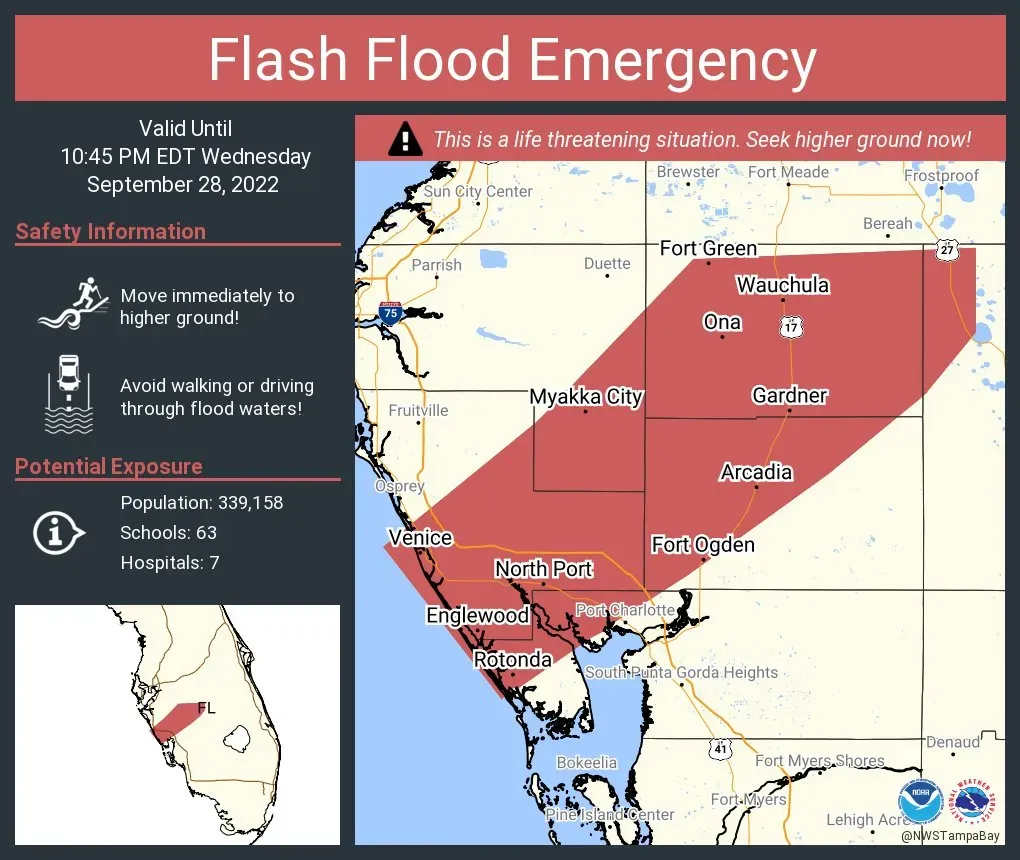
Las Vegas experiences its highest flood risk during summer monsoon season, typically from July through September, with high-risk areas including properties near washes and flood control channels, low-lying neighborhoods with poor drainage, and areas near mountains where runoff creates flash flood risk. If you live near a wash or a natural drainage corridor, your exposure during a storm event is genuinely different from someone in a flat, centrally drained master-planned community. Knowing which category you fall into changes everything about how you prepare.
Flash flood zone boundaries can shift when FEMA updates its stormwater drainage studies or when new development changes runoff patterns, and urbanization in particular increases impervious surface area and can expand flood risk into previously unaffected neighborhoods. In other words, your neighbor building a new concrete driveway could actually change your own flood risk profile. It is worth checking Clark County’s GIS flood mapping tools periodically, not just once when you first buy your home.
Know where the detention basins and washes are in your neighborhood, and if it looks like rain, stay away from those areas. Beyond physical preparation, signing up for local alert systems is essential. Listen to EAS, NOAA Weather Radio, or local alerting systems for current emergency information and instructions regarding flooding. The speed of a flash flood in the desert means the gap between a warning and actual water at your door can be shockingly short.
Conclusion
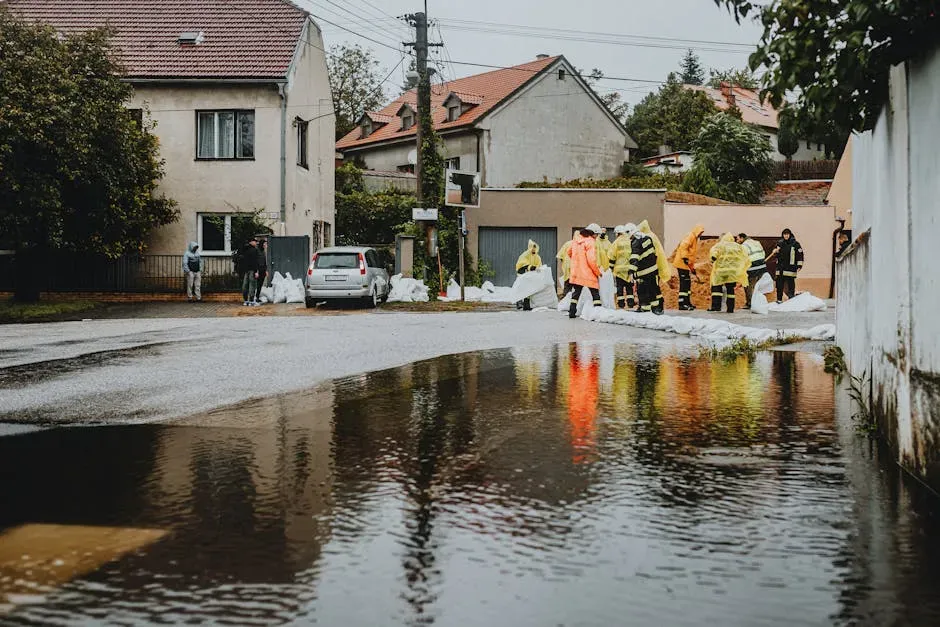
Las Vegas is a city that bets big on everything – entertainment, real estate, and apparently, on the idea that a desert town does not need to think about floods. That bet does not always pay off. The storms of 2023 alone reminded tens of thousands of residents that the desert can turn into a river with very little notice.
The good news is that disaster-proofing your home is not one massive, overwhelming project. It is five smaller, manageable steps: understand your real risk, fix your grading, install proper drainage, have physical barriers ready, secure the right insurance, and know your neighborhood’s specific flood patterns. Each layer you add makes your home that much harder for a flash flood to reach.
The next big monsoon storm in Las Vegas is not a question of “if” – only “when.” What would you rather be doing when it hits: scrambling in a panic, or sitting inside knowing you already handled it?