It has never been easier for a child to be inside a celebrity’s world. Not just watching them from a distance, but following their morning routines, their diet choices, their skincare regimens, and their unfiltered opinions on everything from politics to body image. That kind of access is genuinely new, and it is changing what kids want, how they see themselves, and what they think is normal.
Parents across the country are paying attention. Many say that celebrity culture has shifted from background noise to a direct and daily force shaping their children’s values, spending habits, and self-worth. Here are fifteen of the trends they flag most often, backed by research that shows their concerns are well-founded.
1. Unrealistic Beauty Standards Promoted Through Social Media
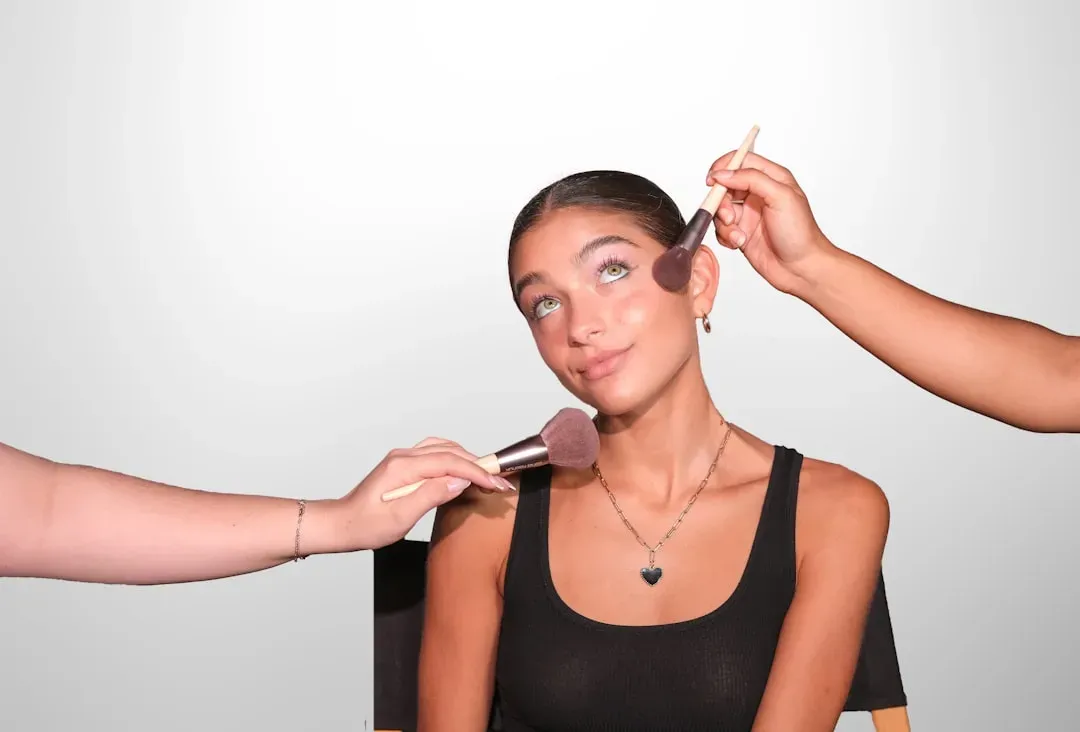
Platforms like Instagram and TikTok, along with shows like “Keeping Up With the Kardashians” and “Love Island,” target teenagers and frequently depict women who base their worth on their beauty and appearance. For younger kids who are still developing their identities, that kind of relentless messaging can be quietly destructive. The images aren’t presented as aspirational fiction. They’re dressed up as everyday life.
Social media has made celebrity influence more intense than ever before, essentially expanding both the idea of who counts as a celebrity and making every part of a celebrity’s life more visible and accessible. Due to comparisons with unrealistic beauty standards seen in the media, many social media users suffer from diminished self-confidence. Children, who are still building their sense of self, are particularly exposed to that erosion.
2. Celebrity-Driven Cosmetic Procedure Culture
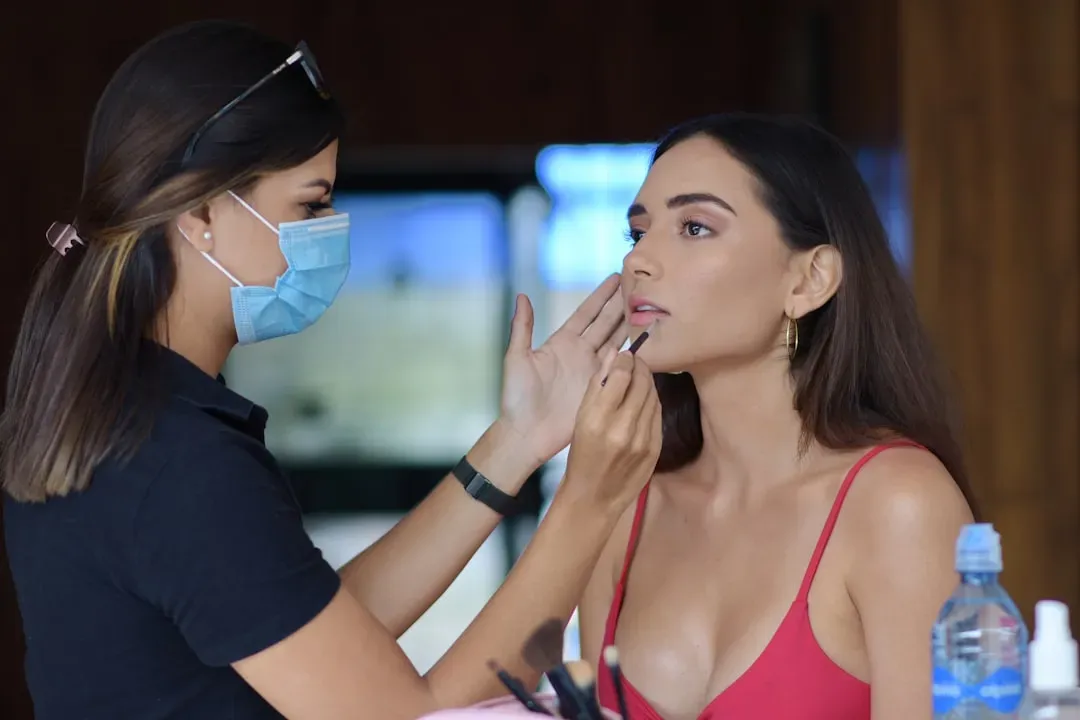
A 2024 study by the American Society of Plastic Surgeons found that over 23,000 cosmetic procedures, including nose reshaping and liposuction, were performed on people aged 19 and under nationwide. That number reflects a generation increasingly shaped by what they see celebrities normalize. When celebrities undergo cosmetic procedures and publicly share their experiences and results, they normalize these practices and make them more desirable to their audiences, and followers who admire these celebrities may be motivated to undergo similar procedures to emulate their idols.
With younger people jumping on cosmetic surgery trends, the risks become generational. The concern isn’t cosmetic surgery itself. It’s that teenagers, whose bodies are still developing, are increasingly requesting adult procedures after seeing celebrities frame them as routine personal choices. Social pressure, unrealistic beauty ideals, and the addictive nature of quick fixes can lead to a dangerous cycle where people chase ever-shifting standards rather than addressing underlying issues of self-esteem or body image.
3. Luxury Skincare Products Pushed on Preteens
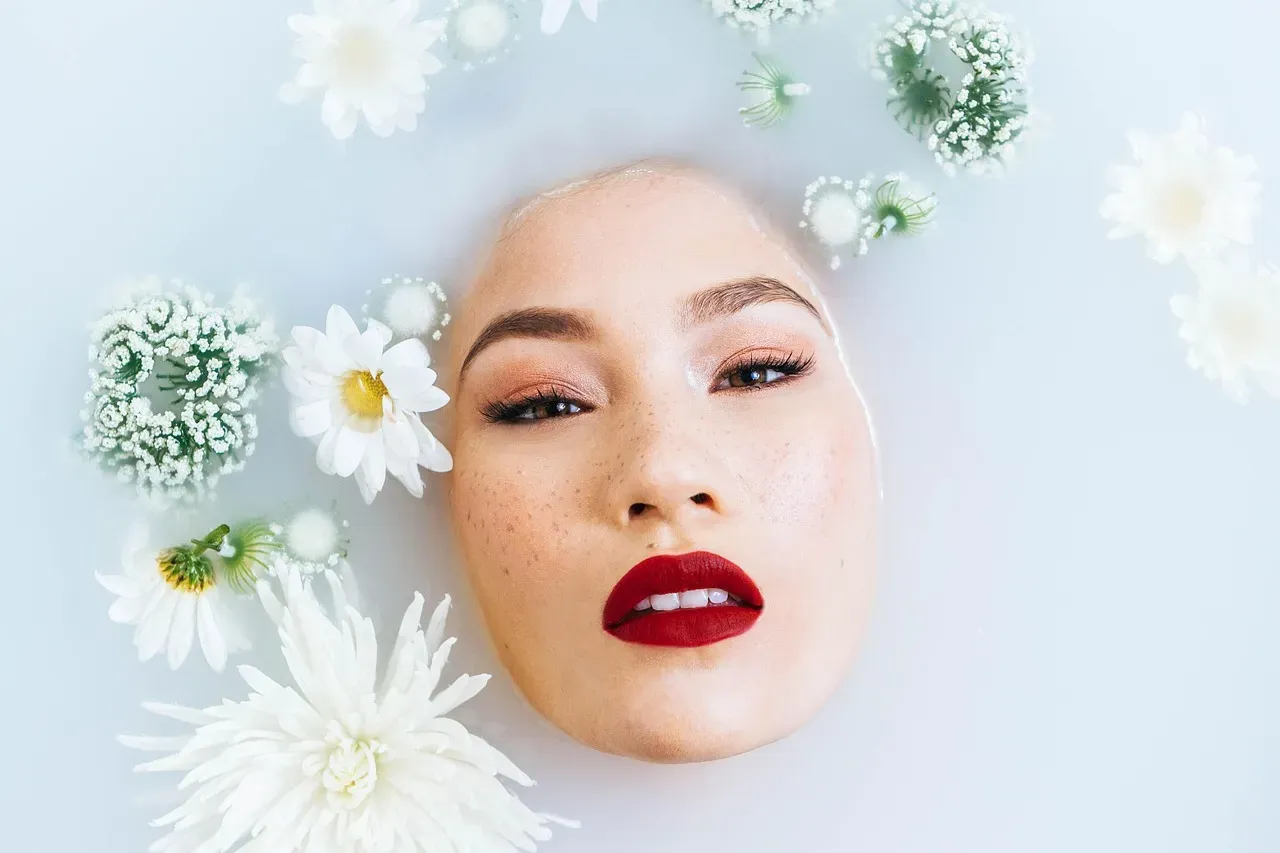
Dubbed by the internet as “Sephora kids,” tweens and teenagers have flooded popular branded stores and are fighting with their parents to get their hands on the latest trending products, even if it means competing with adult shoppers. Celebrity-affiliated brands and influencer hauls have turned high-end skincare into a status symbol for kids who are barely in middle school. Products designed for aging adult skin are now appearing in the bathrooms of ten-year-olds.
Companies routinely pay social media influencers to promote their products, and consumers frequently see their favorite influencers promising they cannot go without a specific skincare item. When those influencers also have a celebrity co-sign, the pressure on younger audiences intensifies. Dermatologists have repeatedly noted that many high-concentration active ingredients, retinoids among them, are simply inappropriate for young skin that is still developing.
4. Dangerous Social Media Challenges Amplified by Influencers
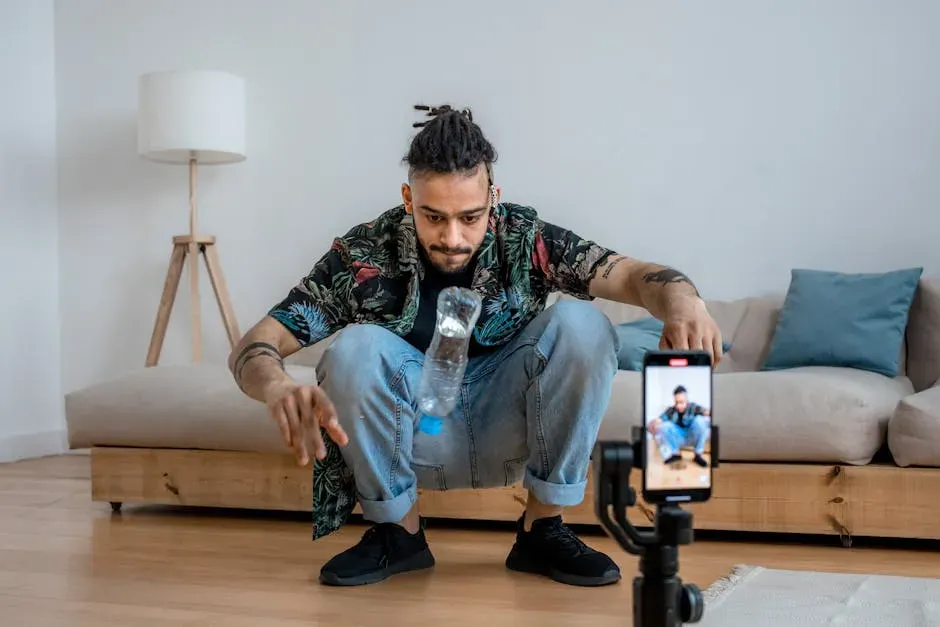
One dangerous trend involves inhaling toxic fumes from aerosol cans or keyboard cleaners to get high, and in 2025 the so-called “dusting challenge” began circulating widely as a renamed version of the older “chroming challenge,” which once gathered over 500 million views on TikTok. The rename is telling: once a hashtag is banned, the challenge resurfaces with a new label. Several teenagers have lost their lives participating in this challenge, and the chemicals inhaled can cause addiction, brain damage, and even sudden death due to cardiac arrest.
Viral challenges arise when TikTokers are called upon by other users to copy a specific task under an accompanying hashtag, and while anyone can start a challenge, they often become major trends when celebrities with large followings participate. That celebrity amplification is exactly what turns a niche online stunt into a nationwide phenomenon reaching millions of children overnight.
5. The “Influencer Career” Dream Putting Kids at Risk
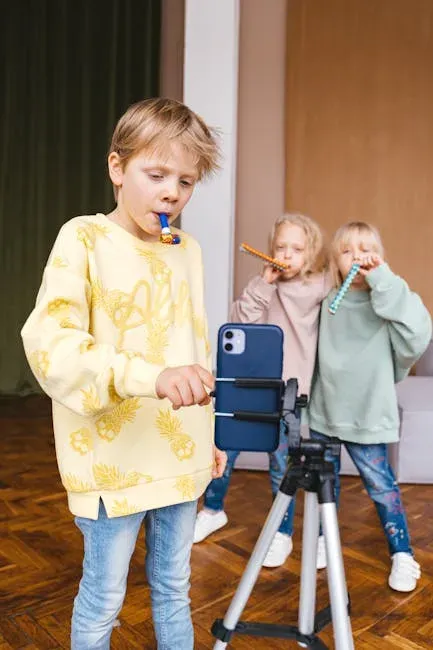
One in three preteens say being an influencer is a career goal, but the reality poses serious risks to underage girls. Celebrity culture has made fame through social media seem not only achievable but desirable, and younger children are increasingly being put in front of cameras by parents eager to capitalize on that dream. The line between a childhood hobby and digital labor is blurring fast.
Kidfluencing is a social media business in which children serve as primary influencers of audience opinions or behavior, and it has become a rapidly growing entrepreneurial phenomenon where parents build enterprises around the likability and antics of their children. Managing these accounts safely can require hours every day of blocking potentially predatory individuals, and real-life threats can move from the online world into reality, including reports of strange packages appearing at families’ homes.
6. Celebrity Alcohol Brands Reaching Underage Audiences
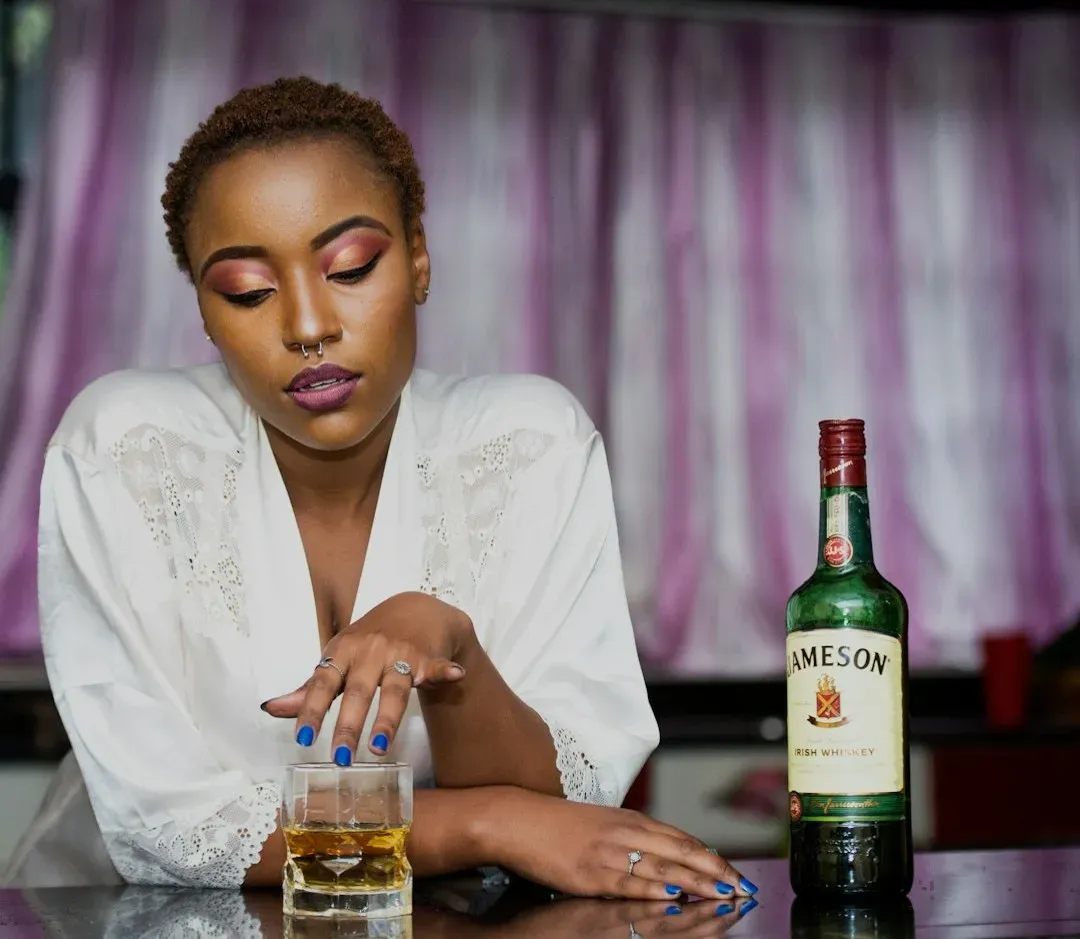
Most underage users on social media can see posts promoting celebrity-owned alcohol brands, many of which are not disclosed as being advertisements. This is a meaningful loophole: when a celebrity is the owner rather than the paid spokesperson, standard sponsorship disclosure rules often don’t apply. Celebrities can get around disclosure rules by posting about brands they own rather than brands they are paid to represent.
Young people are more likely to report wanting to drink after watching content from influencers that featured alcohol. Research published in JAMA Pediatrics in 2026 found that participants who saw influencer content featuring alcohol were significantly more likely to want to drink immediately after viewing it, and participants who believed the content creator was highly trustworthy were more than five times more likely to want to drink. Celebrity trust is a powerful and often underestimated variable.
7. Celebrity Gambling Endorsements Normalizing Betting for Teens
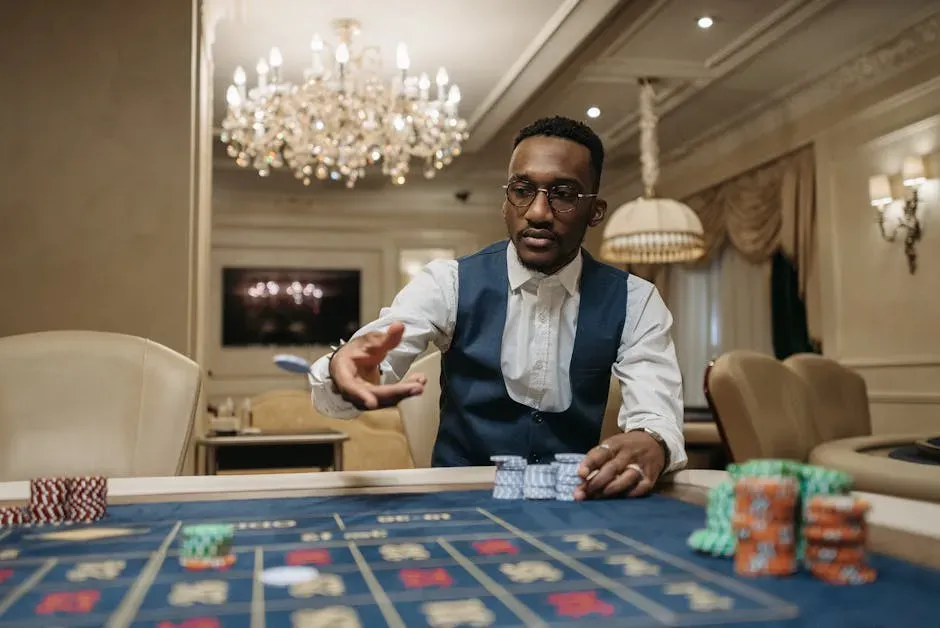
Young people’s exposure to gambling marketing has had a clear impact on their gambling attitudes, risk perceptions, and consumption intentions, and celebrities and social media influencers are increasingly used by the gambling industry in a wide range of promotions. Sports stars and online personalities have become standard faces for betting platforms, making gambling feel like a natural extension of fandom. For teenagers who already follow those celebrities closely, the line between admiring a player and trusting their betting recommendations is thin.
Celebrity endorsements of gambling contribute to children’s trust of gambling brands, and inducements and celebrity promotions are particularly likely to encourage young people to believe that gambling is a risk-free activity. Despite some regulatory changes, children and young people are still significantly exposed to gambling content, and influencers’ promotional tactics increase engagement and lower the perceived risks of gambling.
8. Celebrity-Endorsed Energy Drinks Targeting Young Consumers
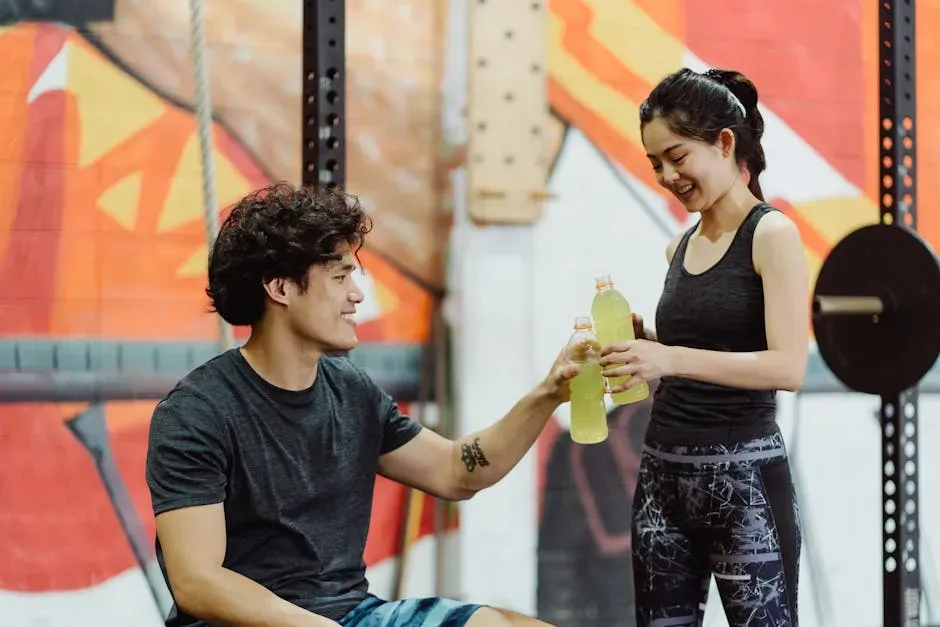
The surge in popularity of energy drinks among young people and even children is largely due to social media’s role in glamorizing these beverages as tools for boosting energy and staying awake, with influencers on TikTok and Instagram presenting them as trendy and harmless. The packaging is slick, the celebrities are cool, and the health implications are rarely part of the conversation. Energy drinks contain high levels of caffeine and sugar, which can cause serious health issues including increased heart rate, high blood pressure, and sleep problems, in addition to a host of psychological problems.
Partner offer
Influencers and peers often showcase energy drinks as trendy and essential for an active lifestyle, with figures like Logan Paul and KSI popularizing brands like PRIME, which led to high demand and even resale markets in schools. That last detail says a lot: when a celebrity-branded drink becomes a trading commodity on school grounds, it has reached a level of cultural saturation that goes far beyond a simple product choice.
9. The Return of Extreme Thinness as a Beauty Ideal
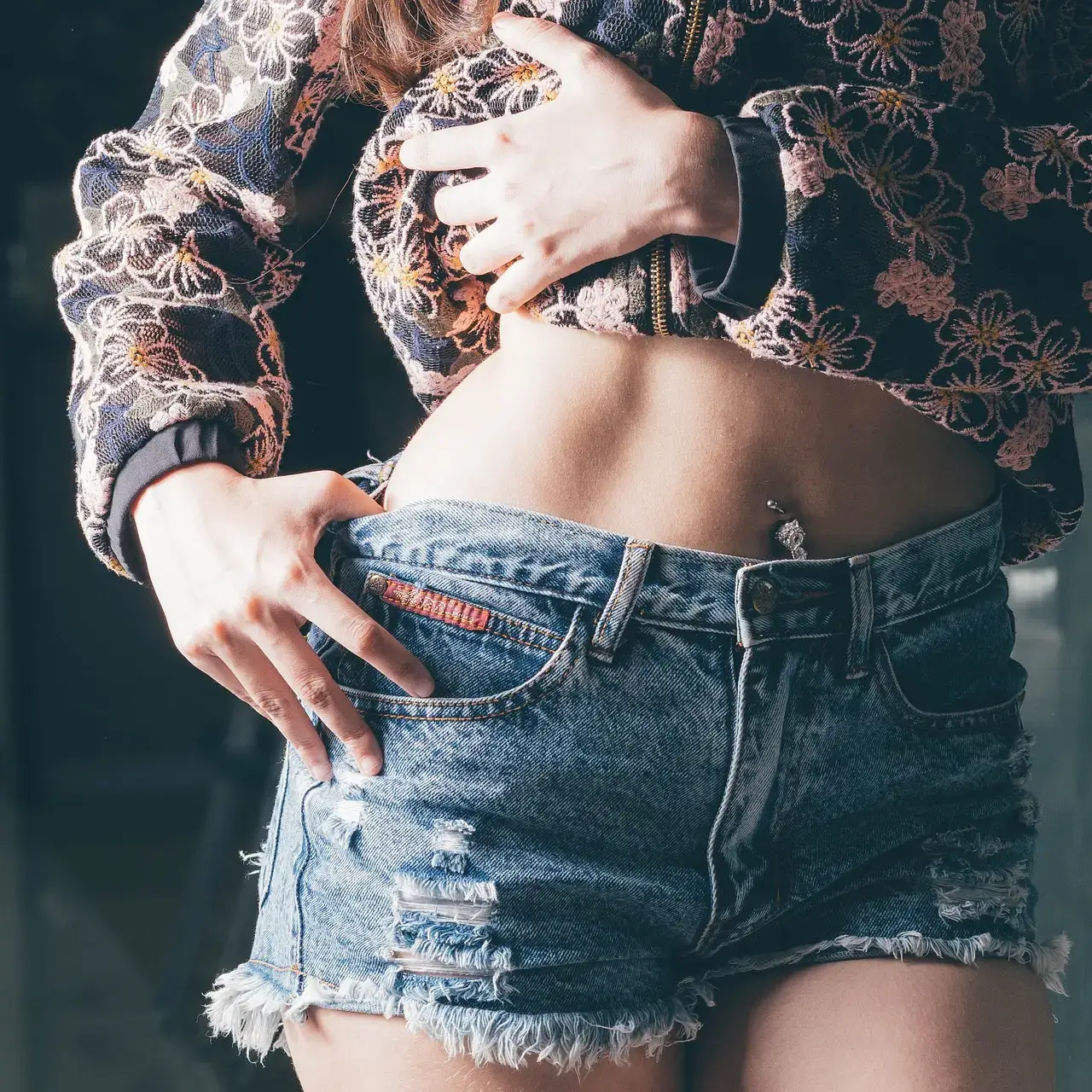
By the early to mid-2020s, the illusion of Hollywood promoting body positivity began to vanish, and images from red carpets and press tours began raising alarms, with many Hollywood figures appearing more gaunt and frail than previously seen. The brief cultural moment when slightly more diverse body types were celebrated on screen appears to be over, at least for now. When the most visible celebrities perpetuate eating disorder culture, fans become desensitized to the issue, and seeing ill-fed actors and actresses becomes normal.
No amount of public messaging about self-love or mental health awareness can compete with the subconscious influence of constant exposure to bodies that look unhealthy, because people listen to statements but they internalize images. For young people scrolling past these images dozens of times a day, the cumulative effect on their self-perception is difficult to overstate. Eating disorder charities have consistently reported increases in referrals that track closely with spikes in this kind of media content.
10. Health Misinformation Spread by Non-Expert Influencers
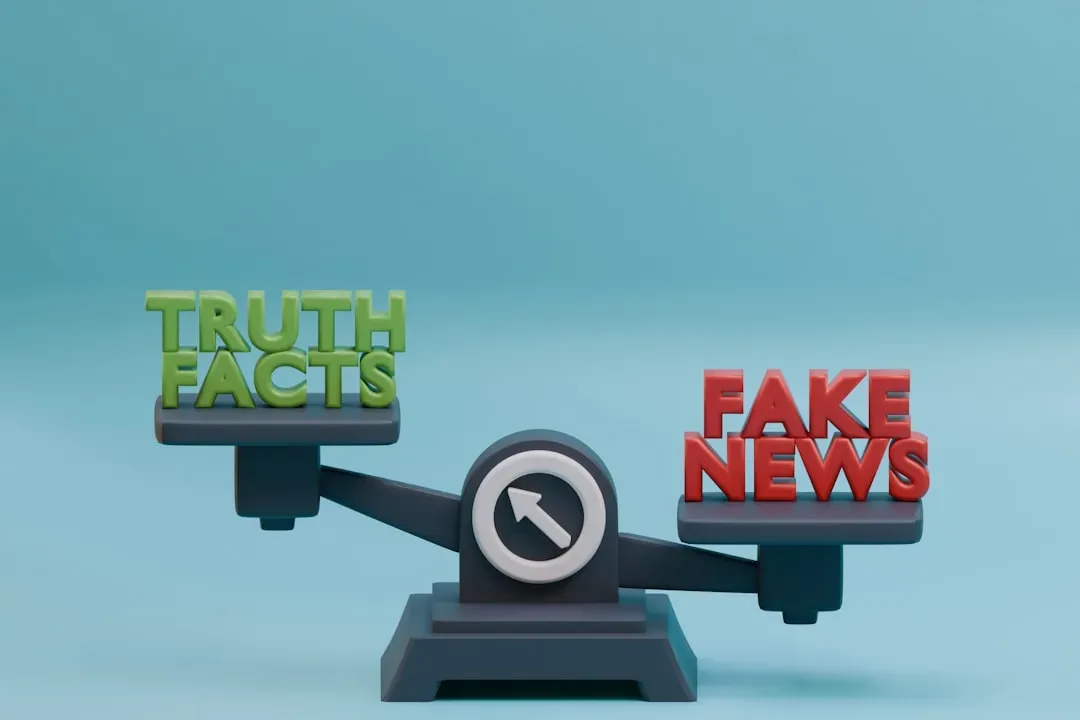
Researchers from the University of Chicago discovered that almost 60 percent of health videos posted by “nonmedical influencers,” meaning content creators without medical expertise, included misinformation. When celebrities jump on wellness trends, from unproven supplements to DIY skincare remedies, those claims travel to millions of young followers who may have no framework for questioning them. Going outside without sunscreen has been promoted by some influencers as a way to reduce acne, with users following DIY tutorials to make their own at-home sunscreen.
Burning skin in the sun does not help reduce acne and can result in painful blisters that may eventually lead to skin cancer, and DIY sunscreen doesn’t contain the right ingredients to protect against UV rays. This is a clear example of celebrity-adjacent wellness culture creating genuine physical harm. Teens are increasingly using TikTok and YouTube as search engines, turning away from traditional search on Google, and user-generated platforms may not be the best places for teens to turn to for information.
11. Sharenting and the Commercialization of Children’s Privacy
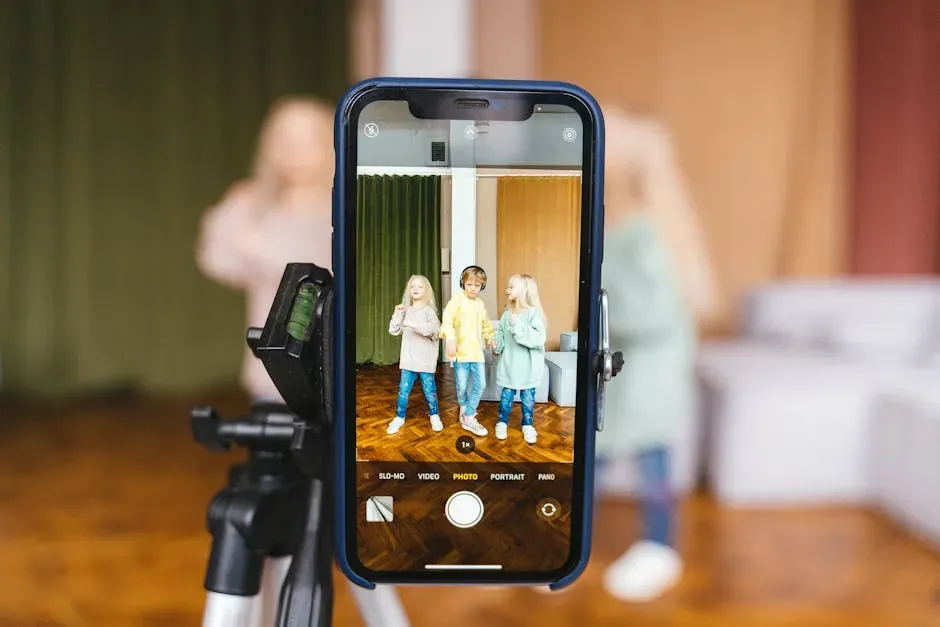
Parents who are influencers regularly share highly personal images of their underage children, and in these posts the privacy and rights of the children can sometimes be overlooked. Celebrity parents with enormous followings normalize this behavior, and it trickles down to everyday families who aspire to replicate that lifestyle. Posts that featured children’s images received approximately twice as many likes as those that did not, which creates a powerful financial incentive to keep posting.
Research has shown that social media influencers who focus on parenting content can have a negative impact and may monetize their children by engaging them in digital labor. The children at the center of these accounts rarely consent in any meaningful way. The recently released Netflix series “Bad Influence: The Dark Side of Kidfluencing” depicts concerning issues related to this growing trend. Lawmakers in multiple countries have begun grappling with how to protect these children, but comprehensive legal protections remain limited.
12. Toxic Masculinity and Hypermasculine Celebrity Role Models
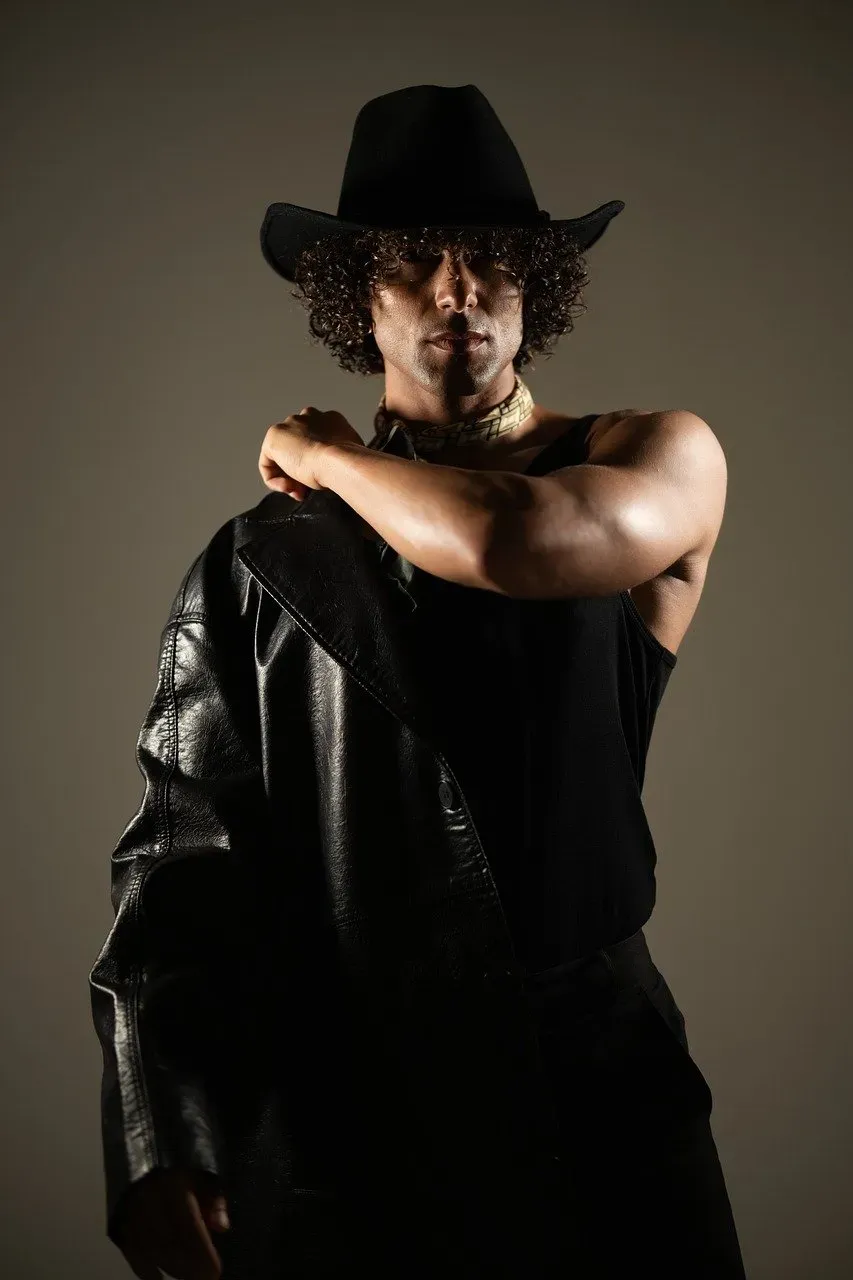
A wave of celebrity figures promoting hyper-aggressive, dismissive, and misogynistic attitudes toward women has found a massive audience among boys and young men. Through curated online personas, celebrities influence how youth engage digitally, modeling communication styles and social interactions in ways that can be either constructive or deeply damaging. When the modeled behavior includes contempt for women or the glorification of dominance, those patterns embed themselves in teenage social dynamics.
While celebrities can have a significant impact on teenagers’ lives, it is important to acknowledge the negative influences that can arise from this power dynamic, and two prominent concerns are the promotion of unattainable standards and the potential for risky behavior and impressionability. Parents of both boys and girls consistently describe concern about celebrity figures who frame empathy and emotional intelligence as weaknesses. That framing has real consequences in schools, relationships, and mental health.
13. Aspirational Materialism and Haul Culture
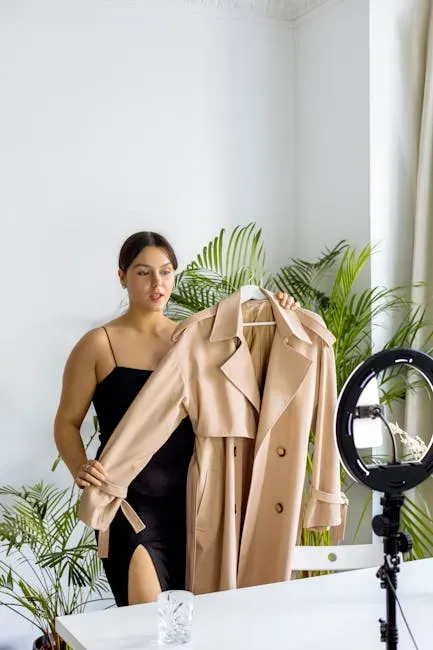
The brands celebrities associate with, such as Nike, Adidas, Skims, and Fenty Beauty, become lifestyle beacons that shape consumption patterns and personal identity among young people. Celebrity haul videos, unboxing content, and lavish lifestyle showcases send a clear message: your worth is tied to what you own. Children who cannot afford these products can quickly feel excluded or inadequate in social settings defined by them.
Engaging with influencer content can foster early consumerist attitudes and drive learning processes that shape self-conceptions and consumer behaviors in later life. With children now spending an average of over 11 hours a week on YouTube, their interactions with influencer-driven content play an increasingly formative role in their social development. The cumulative effect is a childhood increasingly measured in things rather than experiences or relationships.
14. Social Media Addiction Modeled as Normal Behavior
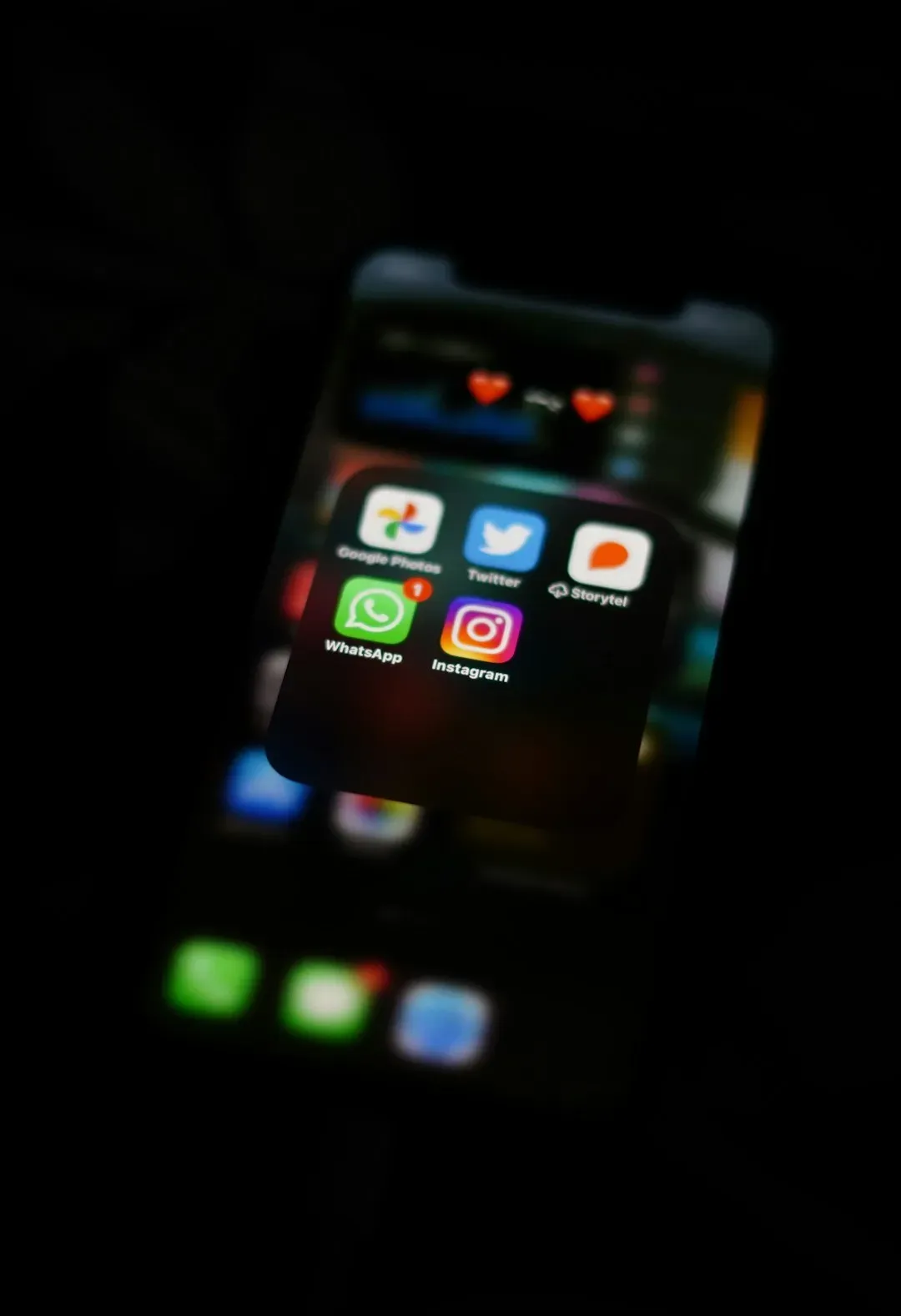
Adolescents are spending increasing amounts of time immersed in a digital world, with roughly a third of teenagers reporting continuous online contact with others, and roughly one in ten adolescents reporting pathological use and addiction-like symptoms, including an inability to control their use and withdrawal symptoms of anxiety and low mood when unable to access social media. Celebrities who live their lives entirely in public and post constantly model this behavior as both normal and aspirational.
Despite widespread concern about social media’s impact on teen mental health, teens are using technology as much as ever, with nearly half saying they are online “almost constantly,” and the vast majority still visiting YouTube daily. Hundreds of school districts have sued major social media companies, claiming that their products are eroding students’ mental health and forcing schools to devote significant resources to managing the behavioral and academic fallout. Celebrity social media behavior, which rarely models boundaries or intentional offline time, makes restraint seem oddly out of step with modern life.
15. Mental Health Performance and Superficial Wellness Culture
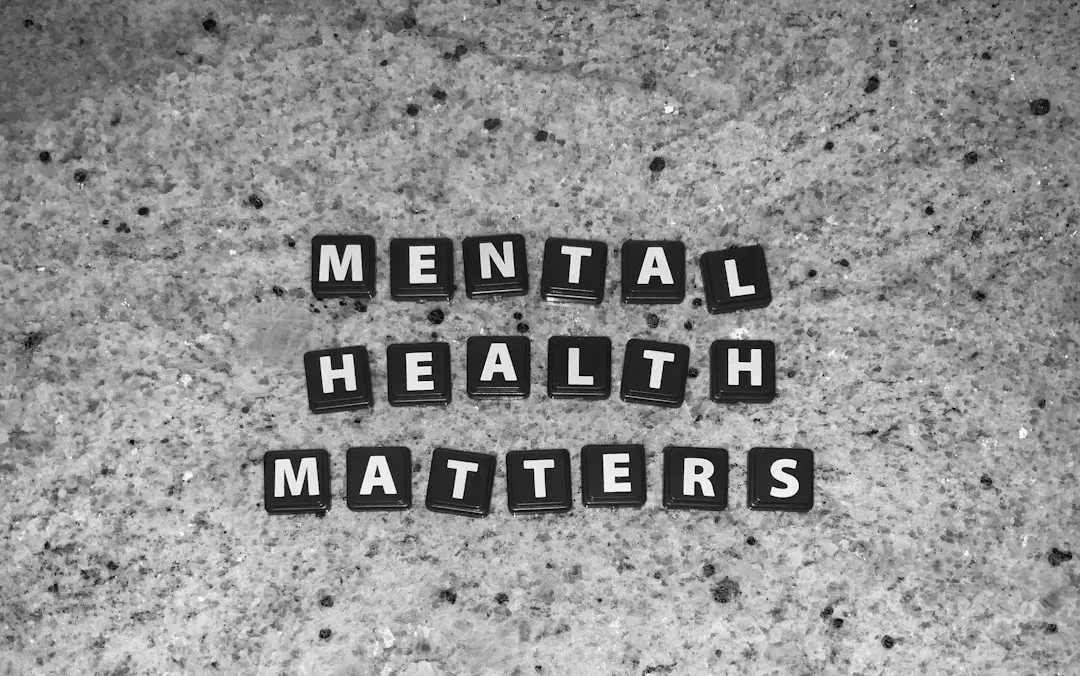
Celebrities increasingly speak publicly about mental health, which carries genuine value. The problem emerges when that conversation becomes performative, branded, or attached to expensive wellness products that have little clinical basis. Rates of mental illness and self-harm in people aged 10 to 24 have increased alongside growing use of social media, and these trends have prompted serious questions from public health authorities, including the U.S. Surgeon General.
With the 2024 release of “The Anxious Generation” by Jonathan Haidt, the connection between social media use and a youth mental health crisis came into sharper focus, highlighting how a generation went through puberty with addictive and developmentally unsuitable digital environments in their pockets. Celebrity wellness content, however well-intentioned, can sometimes glamorize struggle without offering real tools, or push children toward products and routines that replace genuine support with the aesthetics of self-care. When suffering becomes a brand, it stops being something kids can actually talk about honestly.
For parents navigating all of this, the challenge isn’t simply limiting screen time. It’s helping children build the critical thinking skills to ask why a celebrity is telling them something, who benefits, and what they actually feel when the screen goes dark.
Partner offer
Planning a trip to Vegas?
Compare hotel rates and show tickets on VEGAS.com.