Millions of people around the world head to festivals every single year, and the numbers keep climbing. It’s become more than just going to a concert – it’s a full-blown lifestyle. The packing list, though? That’s where first-timers and veterans diverge dramatically. Seasoned festival-goers have learned, often the hard way, exactly what to bring. The difference between a miserable weekend and a legendary one often comes down to what’s sitting in your bag.
Festival travel has become one of the fastest-growing segments of global tourism, with over 30 million people worldwide traveling each year primarily to attend festivals. With that kind of crowd culture, smart preparation is everything. So whether you’re heading to Coachella, Glastonbury, Tomorrowland, or a scrappy local outdoor event, here’s the definitive gallery of items no experienced festival-goer would ever leave behind. Let’s dive in.
1. A High-Quality, Waterproof Tent
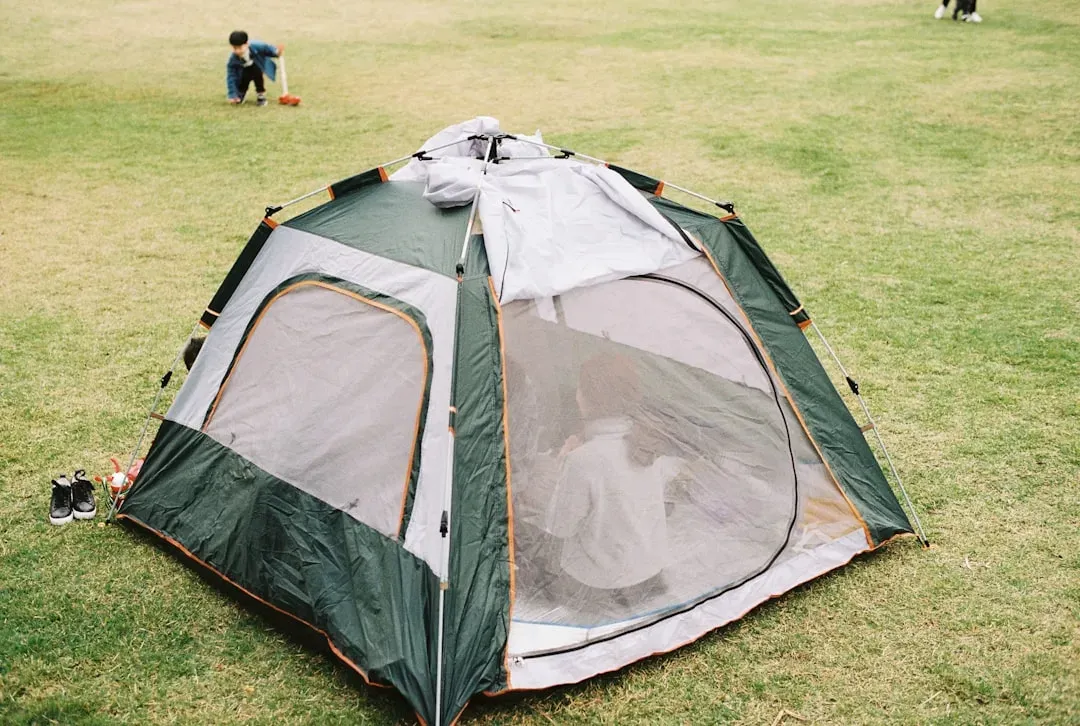
Your tent is your home base – your shelter, your charging station corner, and your escape hatch from the madness. It will serve as your basecamp during the festival, and having a great tent makes all the difference when you finally get some rest after a day of dancing and having fun. Skimp here, and you will regret it. Deeply.
Pop-up tents are a quick, easy option for festival-goers who don’t want any fuss – they’re also light and easy to carry over long distances. Still, whatever style you choose, waterproofing is non-negotiable. When it inevitably rains, you don’t want to get the inside of your tent wet, which is why a good microfibre towel to dry off your body and wipe down water is equally useful.
2. A Reusable Water Bottle or Hydration Pack
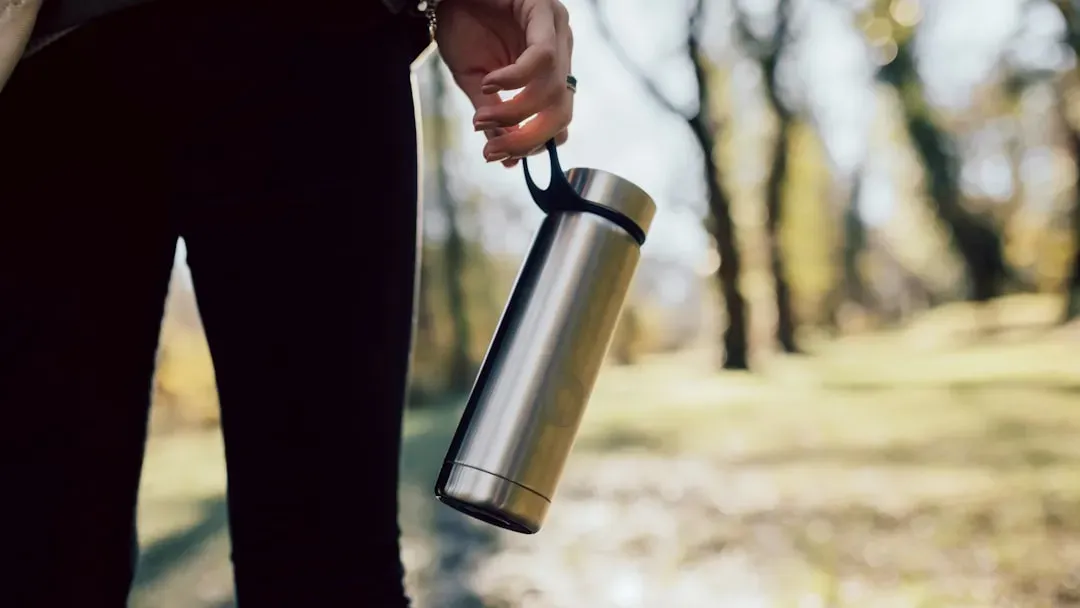
Dehydration sneaks up on you fast when you’re dancing in the sun for eight hours straight. Think of it like running a car on an empty tank – it just doesn’t work. A hydration pack is ideal because it’s hands-free and holds enough water for hours, while a sturdy refillable bottle works well at most festivals that provide water stations.
In 2024, many festivals even banned single-use plastic bottles, making this an absolute must. Experts recommend drinking at least 2 to 3 liters a day, especially in summer. Beyond the health angle, carrying your own bottle cuts down on waste, and many festivals are rewarding eco-friendly choices with perks.
3. A Reliable Portable Power Bank
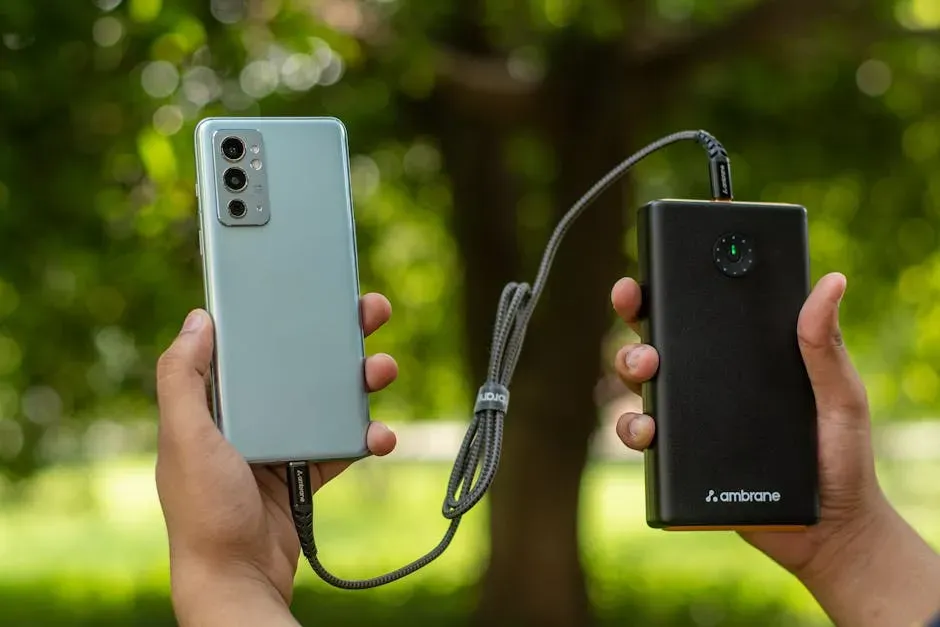
Here’s the thing – your phone is basically your entire festival infrastructure. It’s your map, your camera, your flashlight, your friend-finder, and your emergency contact. Lose that battery and you’re basically flying blind. Your phone is almost as important as your ticket, and at the 2023 Coachella, over 85% of festival-goers reported using their phones for navigating, documenting, and connecting.
A portable power bank is one of the festival essentials you don’t want to forget – you’ll definitely be using your phone to capture photos and videos, so make sure you have a power bank with enough juice. Portable chargers are festival currency – bring a high-capacity power bank and charging cables for all your devices, and consider a solar charger for multi-day festivals.
4. High-Fidelity Earplugs

Honestly, this one surprises a lot of newcomers. Earplugs at a music festival? Absolutely. Most concerts exceed 120 decibels, sometimes reaching up to 130 dB – equivalent to a jet engine at close range – and prolonged exposure to noise above 85 dB can cause Noise-Induced Hearing Loss. That’s not a small thing. That’s permanent damage.
A study published by JAMA Otolaryngology shows that earplug use is effective in preventing temporary hearing loss caused by exposure to loud music averaging 100 decibels over several hours, with the study earplugs offering a noise reduction rate of 18 decibels. The good news is that modern high-fidelity earplugs don’t muffle sound. They filter sound rather than block it, so you’ll still hear every note and beat perfectly at festivals and concerts – just quieter.
5. Sunscreen (SPF 30 or Higher)

You’d be stunned how many people arrive at an outdoor festival and just… forget to pack sunscreen. Then they’re burned to a crisp by lunchtime and miserable for the rest of the weekend. Don’t be that person. According to the American Academy of Dermatology, you should use a sunscreen that’s SPF 30 or higher, applying one ounce to your entire body and reapplying every two hours.
The sun’s rays are strongest between the hours of 10 a.m. and 4 p.m. – which, not surprisingly, is exactly when you’ll be out in the field near the main stage. According to dermatologist Dr. Angela Lamb, if you are outside sweating or doing any sports, your sunscreen really needs to be reapplied approximately every 80 to 90 minutes. A travel-size tube in your bag makes reapplication a no-brainer.
6. A Compact First Aid Kit
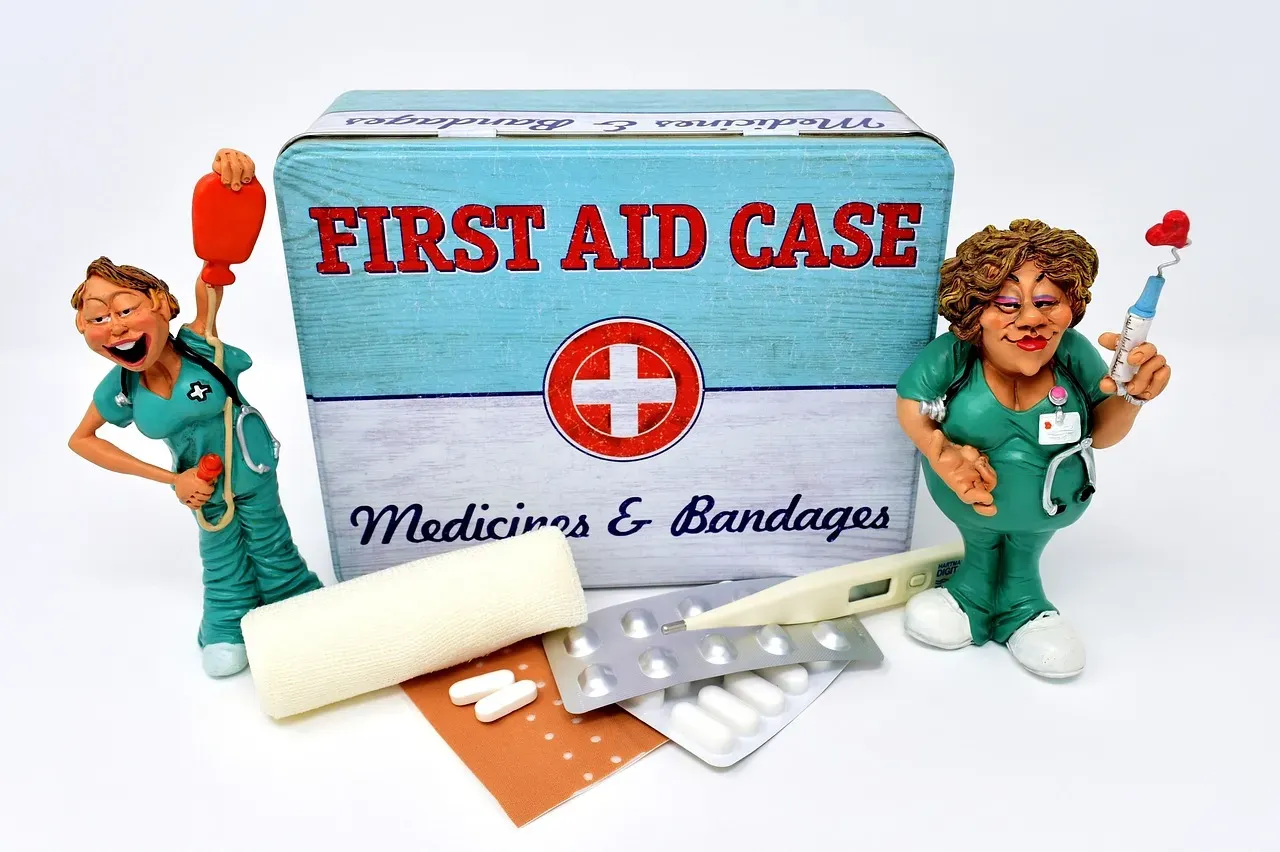
Festivals are wonderfully chaotic, and minor injuries happen constantly – blisters, cuts, headaches, twisted ankles. Having a basic kit on you means you handle it yourself in two minutes instead of hunting down the medical tent. A basic first aid kit with plasters and sterile dressings is useful for any cuts, and should include basic pain killers and tablets for tummy trouble.
Blisters in particular are almost a festival rite of passage. Experienced blister bandages specifically. The American Podiatric Medical Association stresses the importance of supportive shoes for preventing blisters, injuries, and exhaustion – flat sandals or flimsy sneakers may look cool, but they don’t hold up after hours of walking and dancing, which is why seasoned festival-goers recommend broken-in shoes with good arch support and thick soles.
7. Hand Sanitizer and Wet Wipes
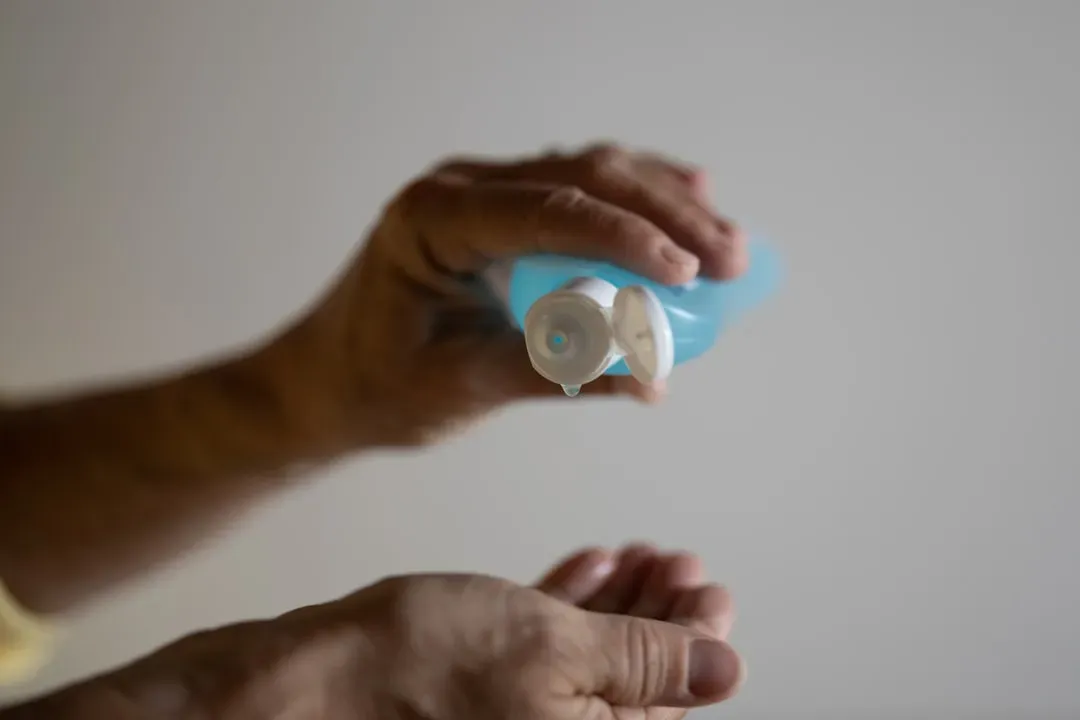
Festival bathrooms are… a whole experience. Let’s be real: porta-potties run out of soap within the first few hours, and communal areas are touched by thousands of hands per day. The American Journal of Infection Control found that regular use of hand sanitizer at crowded events can reduce illness by up to 50%. That statistic alone should convince you.
Wet wipes are great festival essentials, especially for multi-day events – bring a small pack of standard, unscented wipes to help you cool off and freshen up if there aren’t shower facilities available. Many experienced festival-goers opt for biodegradable wipes to help protect the environment. It’s a small swap that matters more than you’d think.
8. A Sleeping Bag Rated for Cold Nights
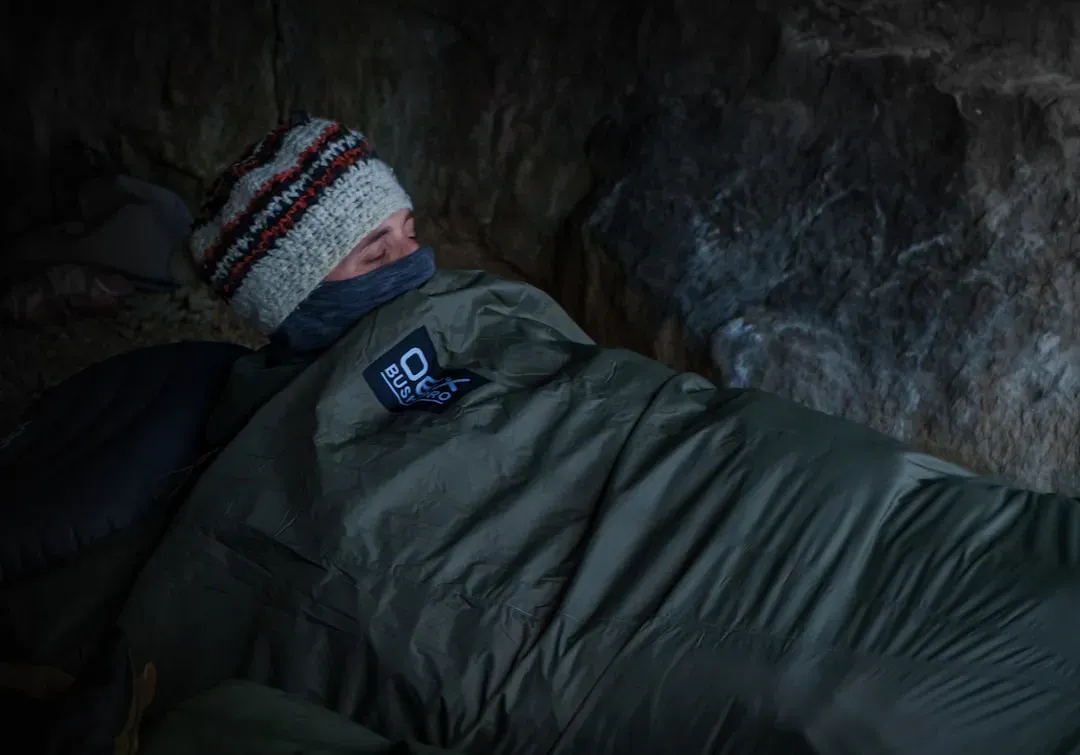
Temperatures at festivals can drop dramatically after sundown, even in summer. It’s one of the most common mistakes new festival-goers make – assuming warm days mean warm nights. They don’t. You never know when it’s going to get super chilly at night, even in summer, and extra blankets will protect you from the cold and keep you cosy throughout the night.
A good sleeping bag is an essential for when the music stops and the parties end – sleep well and get ready to do it all again the following day. I think this is where a lot of people cut corners and then spend the weekend shivering at 3 a.m., wondering why they didn’t just pack properly. A warm sleep equals an energetic morning. It’s that simple.
9. A Waterproof Bag or Dry Sack
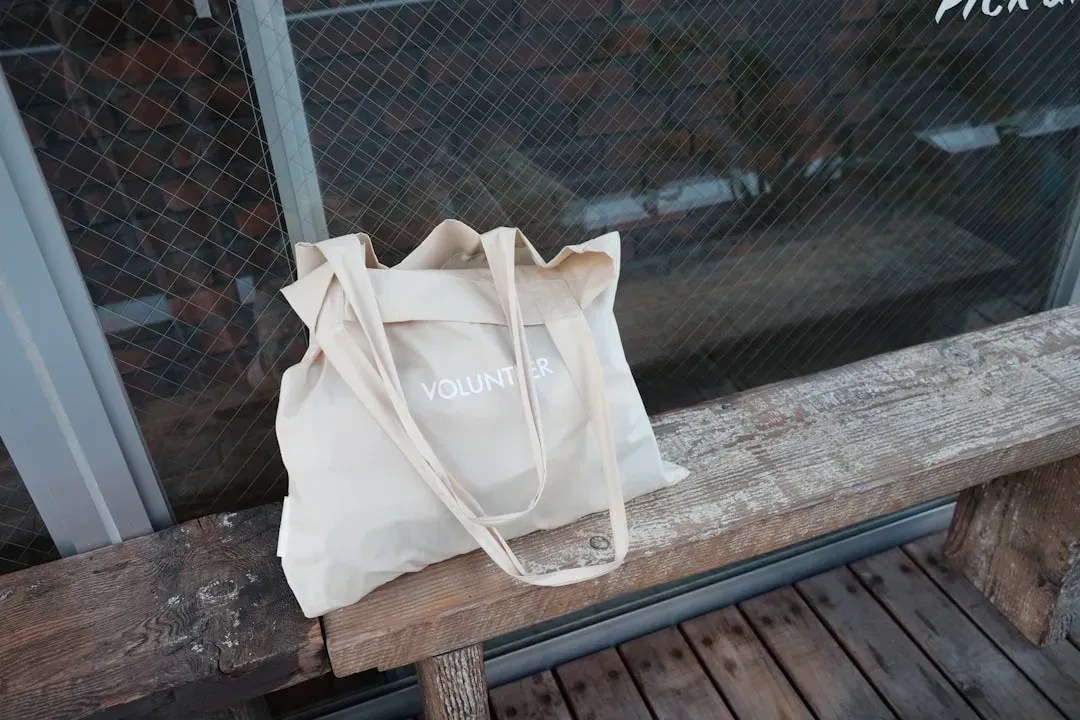
It’s going to rain. Maybe not on day one, maybe not on day two, but it will rain. Whether you’re travelling to and from the festival each day or spending long hours in the crowds, waterproof bags will protect your clothes and belongings from rain or spills. A soggy sleeping bag or a waterlogged phone is not the kind of memory you want to make.
Think of your dry sack the same way you’d think of an umbrella – it’s the thing you’re grateful you have and furious you forgot. Seasoned festival-goers sometimes pack a few large zip-lock bags too. Keep your ID, festival tickets, and emergency contacts in a waterproof case or zip-lock bag, and take photos of important documents as backup.
10. Your ID, Ticket, and Cash

It sounds so obvious that it barely seems worth mentioning. Yet every single festival season, people forget one of these three things and end up in a genuine panic. As obvious as it sounds, these essentials are sometimes overlooked in the rush to pack, and many vendors still don’t accept cards – losing your entry wristband can mean you’re out for good.
Many festival vendors still prefer cash, and ATM lines can be brutal – bring small bills and keep money in multiple locations. You won’t get in without your ticket, so it’s best to have both a digital copy for easy access and a physical printout just in case – cell service can be unreliable at festivals, so having a hard copy might even save the day.
11. Comfortable, Broken-In Footwear
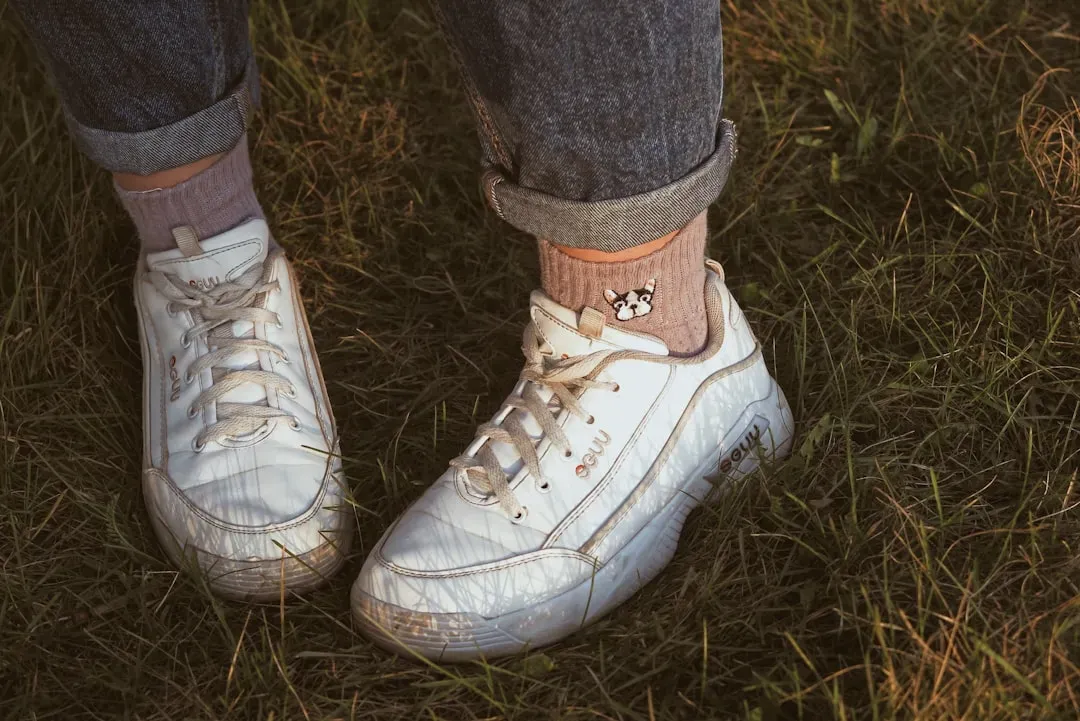
New shoes and festivals are mortal enemies. Brand new trainers or sandals straight out of the box will have you limping by noon. Your feet will be on hard terrain, wet ground, mud, and packed crowd areas for potentially 12 hours a day. Seasoned festival-goers recommend broken-in shoes with good arch support and thick soles – waterproof or quick-drying materials are a plus for muddy grounds, and bringing blister bandages as backup is also common.
Some say festivals and mud are two sides of the same coin – packing wellies will prepare you for this kind of terrain, keeping your feet dry and the mess off your socks and trousers. Even if the weather forecast looks sunny, many veteran festival-goers throw a pair of wellies in the car just in case. Call it insurance for your feet.
12. Layered Clothing and a Lightweight Raincoat
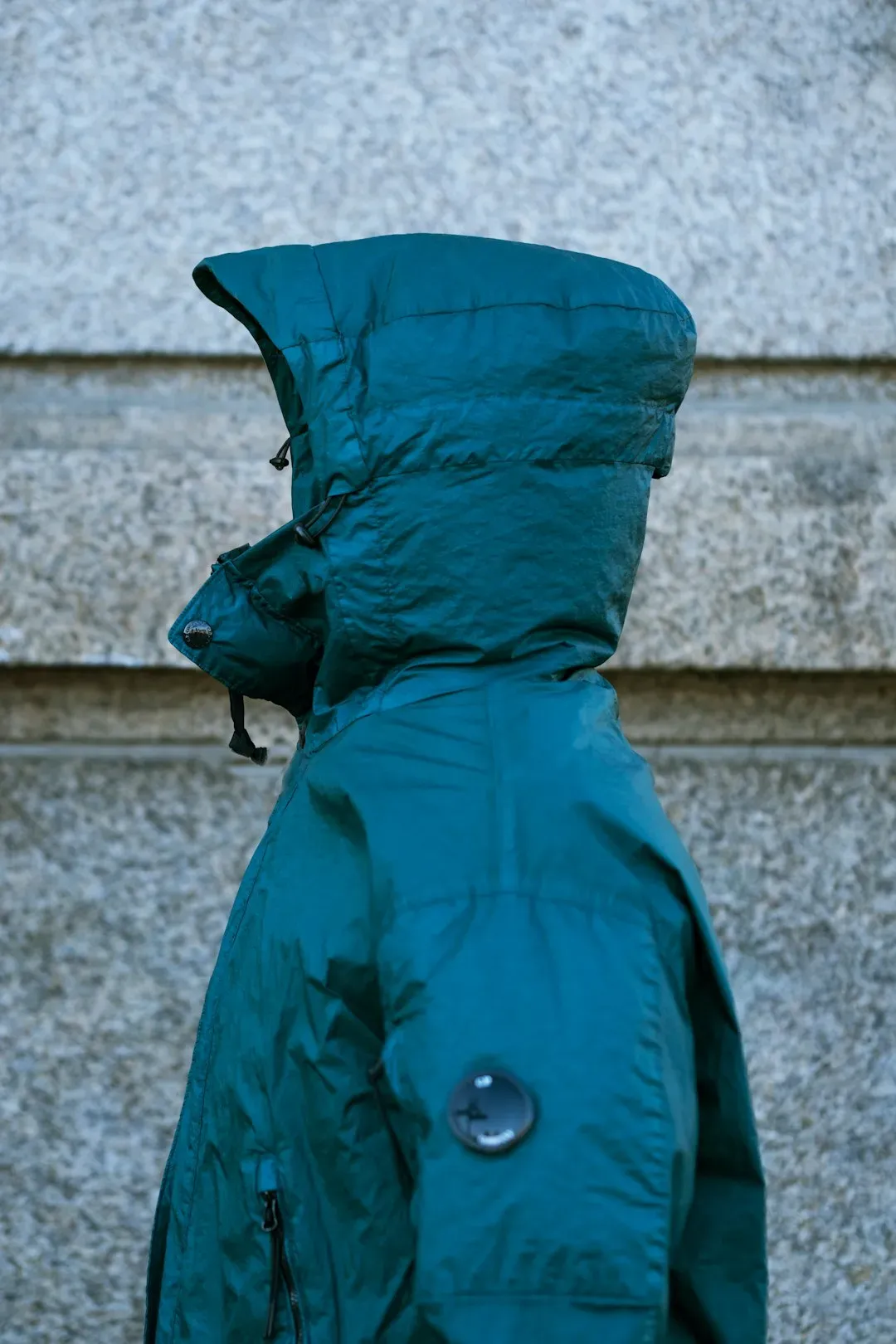
Festival weather is unpredictable almost everywhere in the world. You can start the day sweating in a tank top and end it shivering in a hoodie. Layering is the key strategy here, and it’s one seasoned festival-goers have mastered. A lightweight windbreaker jacket is perfect for keeping the breeze off your back – it keeps you warm without being too bulky and won’t take up much space in your pack.
Pack moisture-wicking undergarments and breathable basics, as cotton sounds comfortable but synthetic blends will keep you dry during sweaty dance sessions and unexpected weather changes. Typically, you should think about taking a few t-shirts, comfortable trousers and a warm jumper for cold evenings, with cargo shorts ideal for warmer afternoons.
13. A Headlamp or Small Torch
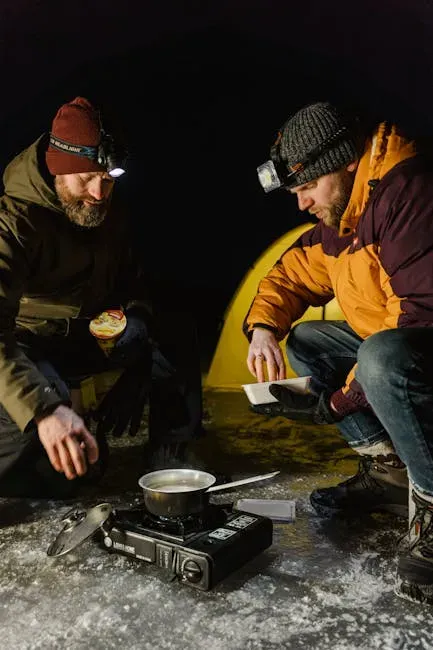
This one is wildly underrated. Finding your way back to your tent at 2 a.m. through a dark, sprawling campsite while your phone battery is at 4% is an experience that converts non-believers immediately. Flashlights and headlamps are a must for navigating the campsite at night – don’t forget extra batteries.
Lightweight and efficient LED models are popular among experienced campers and festival-goers alike, and it’s a small item that makes a big difference in safety and convenience. A headlamp wins over a handheld torch every time because it keeps your hands free. Free hands mean you can still hold a drink and a festival map at the same time. Priorities.
14. A Bandana or Buff
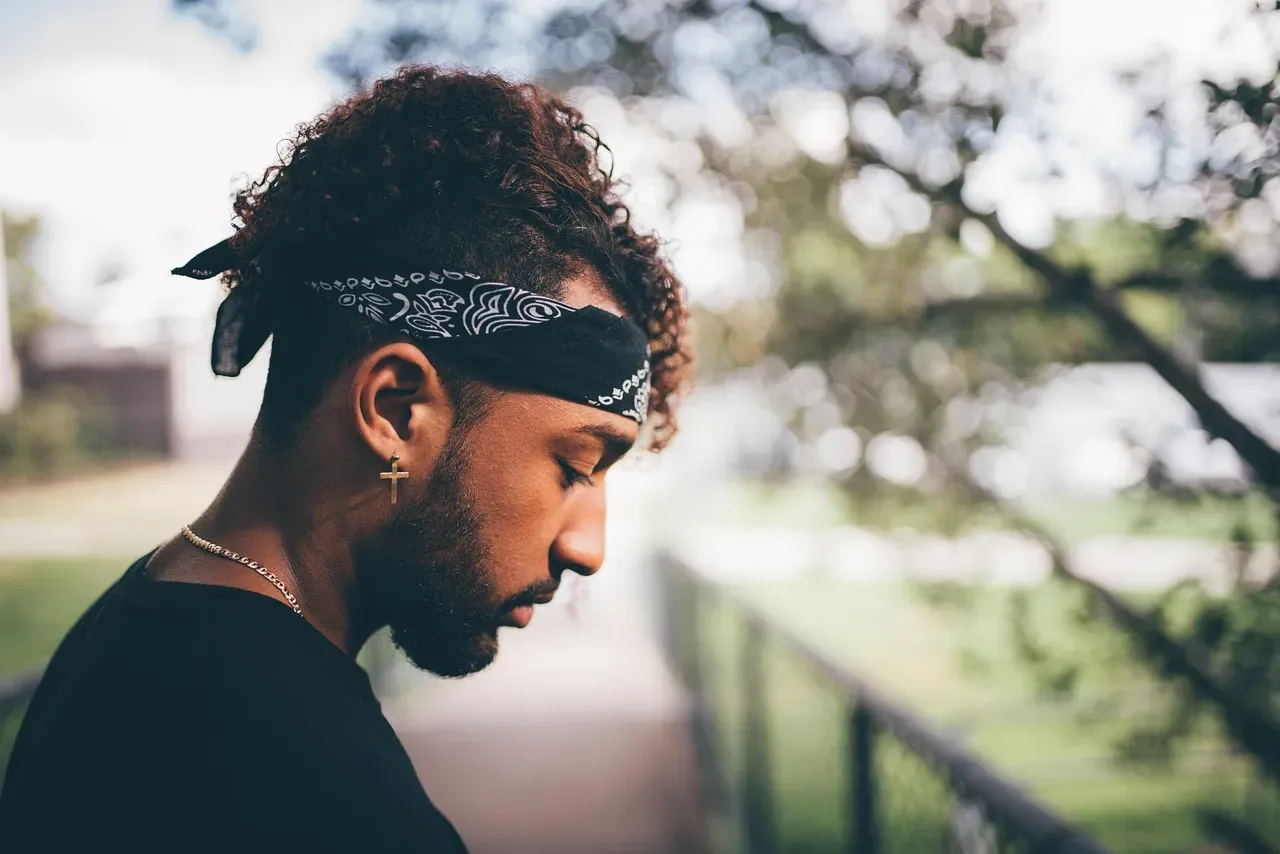
This might be the most versatile object you can bring to a festival, and it takes up almost no space whatsoever. It’s like the Swiss Army knife of fabric. Few items are as versatile as a bandana or buff – dust storms, sun, sweat, and even chilly nights are all addressed by this little accessory, and over 60% of regular festival attendees report using a bandana for everything from face coverings to sun shields.
Use it as a sweat wipe, a neck wrap against the sun, a hair tie, a makeshift bag handle, or an impromptu pillow cover. In dusty outdoor environments like desert festivals, it also doubles as a face covering to filter out the grit. It’s hard to say for sure what scenario you’ll need it for, but trust that you will need it.
15. A Foldable Camping Chair or Lightweight Blanket
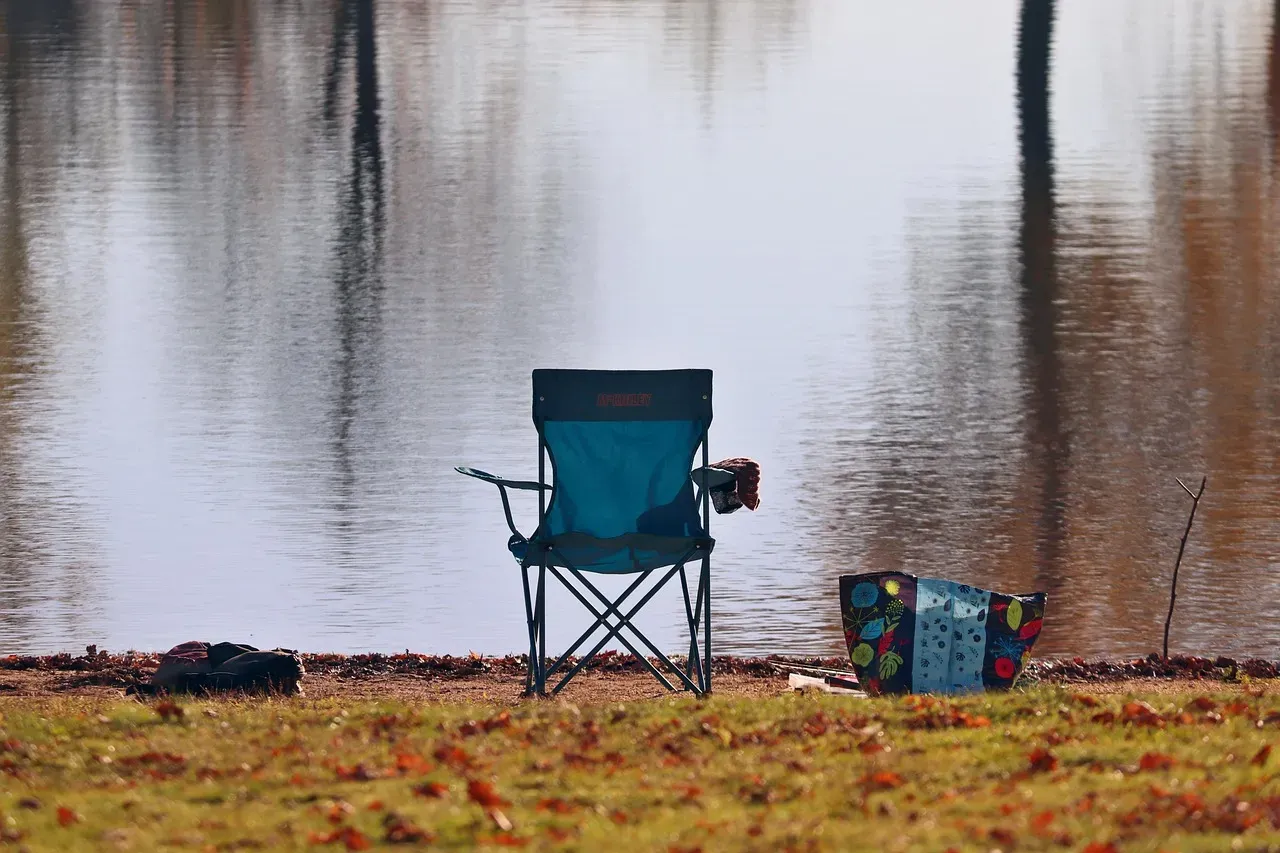
After six hours on your feet, the ability to sit down properly is nothing short of life-changing. Relaxing between sets becomes so much easier with a camping chair – it’s a small luxury that provides a place to chill out and enjoy the festival atmosphere without having to sit on the ground, and picking one with a cup holder adds extra convenience.
A foldable camp chair can make all the difference when relaxing outside the festival grounds – bringing along a blanket or two adds extra comfort when lounging around or watching performances. 73% of festival-goers say that watching live music at a festival boosts their mood and impacts buying habits – and honestly, being comfortable enough to actually sit and enjoy a set without your legs aching is a big part of that positive experience.
The Bottom Line
The gap between a veteran festival-goer and a first-timer often has nothing to do with attitude or enthusiasm. It has everything to do with preparation. These 15 items have been stress-tested across muddy fields, blazing deserts, and rainy campgrounds around the world. They’re not luxuries. They’re field-tested essentials.
The global Music Festival market was valued at USD 3.05 billion in 2024 and is projected to reach approximately USD 4.63 billion by 2026 – meaning more people than ever are showing up to these events. More crowds mean more competition for resources, more unpredictable conditions, and more reason to be prepared before you walk through those gates.
Pack smart, stay safe, and never underestimate the power of a good pair of earplugs. What’s the one item you’d add to this list that nobody talks about enough? Drop it in the comments.