
Most people treat car maintenance like a dentist appointment – something to deal with when things already hurt. In Las Vegas, that attitude will leave you stranded on the shoulder of I-15 in triple-digit heat, waiting for a tow truck that’s probably helping three other people who made the same mistake. The desert doesn’t negotiate.
Las Vegas summers are no joke. With temperatures regularly climbing well above 100°F, the desert heat can take a serious toll on your vehicle. What follows is a chapter-by-chapter breakdown of exactly what you need to do before summer turns your car into a liability. Let’s get into it.
Understand What You’re Actually Up Against

The summer of 2024 was the hottest ever recorded for Las Vegas. That’s not just dramatic weather commentary – that’s a benchmark that should recalibrate how seriously every local driver takes vehicle preparation. Throughout summer 2024, Las Vegas set or tied 13 daily record highs and 26 daily record warm lows. Perhaps most alarming were new consecutive heat records: seven straight days with temperatures of 115 degrees or higher, nearly doubling the previous record of four days.
By September 25, 2024, the region had logged 101 days with temperatures exceeding 100 degrees, breaking a record that had stood since 1947. Think about that. Over 100 days above 100 degrees. That’s not a heat wave – that’s a way of life. The average high temperature for the three summer months hit 107.6 degrees, surpassing the 1940 record of 106.2.
Your Cooling System Is Your Car’s Life Support
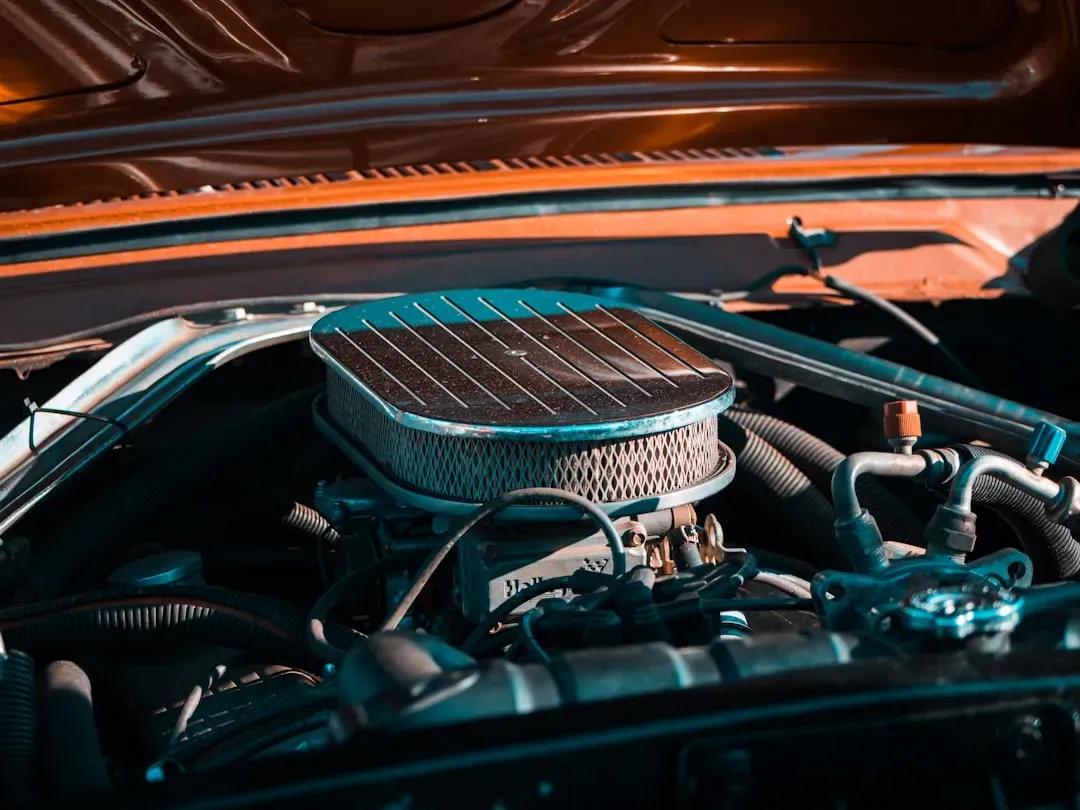
Your vehicle’s cooling system works overtime during Las Vegas summers. If your radiator, coolant, or hoses are not in good condition, your car could easily overheat in extreme temperatures. Honestly, think of the cooling system as the kidneys of your car – you don’t notice them until they fail, and by then it’s expensive.
Check coolant every month during summer and before any long trip, and top off with the right mix of antifreeze and water. A flush is also worth considering. Most vehicles need their radiators flushed every 50,000 to 75,000 miles, so if you’ve passed the 50k mark, it’s a good idea to flush your radiator to lower the risk of heat-related damage. If your temperature gauge creeps toward the red zone, pull over safely, turn the engine off, and let it cool before checking coolant or calling for help.
The Battery Situation Is Worse Than You Think
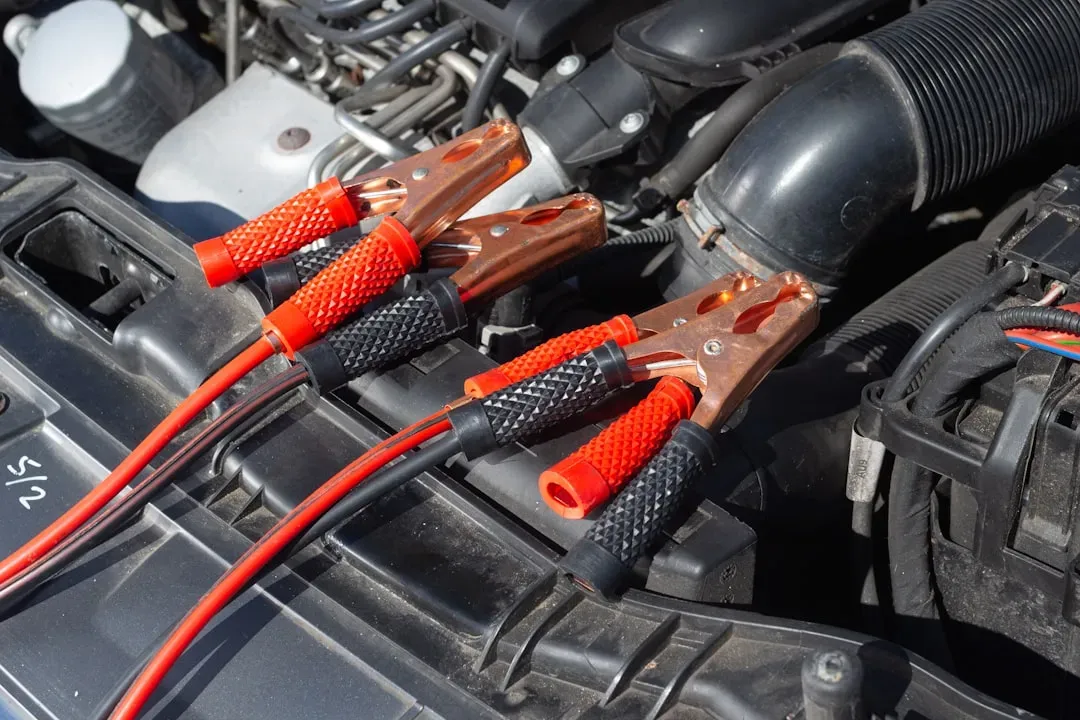
Here’s the thing most drivers get wrong: they blame the cold for killing batteries when heat is doing most of the damage quietly in the background. While many associate reduced car battery life with cold winter months, experts from AAA say heat is the number one cause of battery failure and reduced life.
AAA reports that it responded to 1.83 million battery-related service calls in the summer of 2024. That’s a staggering number. Battery tests have indicated that for every 15 degrees Fahrenheit the ambient temperature rises, the life of a typical car battery is cut roughly in half. A battery that might last ten years at 77 degrees might only last five years at 92 degrees, and if the temperature increases to 106 degrees, that lifespan drops to two and a half years.
Vehicle batteries in the southern United States on average last 17 months less than in colder northern climates, according to Consumer Reports. Get your battery tested before summer hits hard. Replace it proactively if it’s approaching the three-year mark in this climate.
Your Car’s Interior Becomes a Furnace – Fast

You’ve experienced it. You step out for groceries and come back to a car that feels like a preheated oven. Here’s what’s actually happening inside while you’re in the store. If you’re in a desert heat wave and the outside temperature is 110, expect a car interior to be around 160 degrees.
Researchers found that, for vehicles parked in the sun during a simulated shopping trip, the average temperature inside the vehicles hit 116 degrees, dashboards reached 157 degrees, steering wheels 127 degrees, and seats 123 degrees in one hour. Those aren’t uncomfortable numbers – those are dangerous numbers. After 90 minutes, the inside of a parked car can be 48 degrees hotter than the outside air. In Las Vegas summer, that math produces results that can damage electronics, warp plastics, and accelerate the degradation of every interior component you own.
Tire Safety in the Heat Is a Life-or-Death Matter
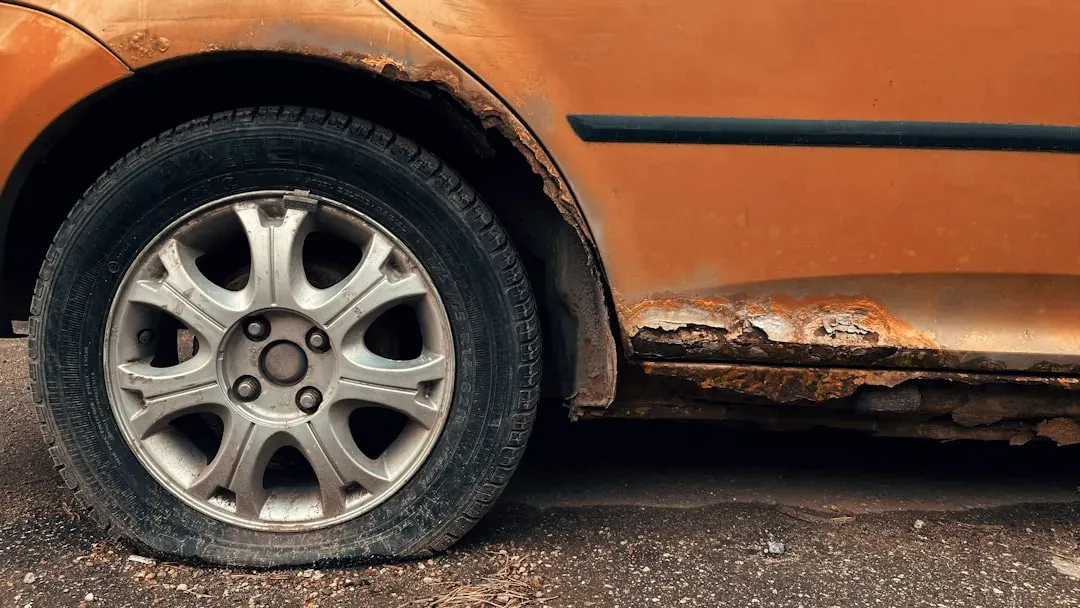
Las Vegas heat causes air inside your tires to expand, which can increase tire pressure and lead to uneven wear or blowouts. Most drivers check tire pressure in spring using winter-inflation numbers, which means by July their tires are dangerously overinflated. If your tires were inflated to the ideal pressure during the winter, there’s a fair chance they’re overinflated now. Overinflated tires are one of the biggest causes of blowouts.
Partner offer
There are nearly 11,000 car accidents and 700 deaths every year because of tire-related issues, according to the National Highway Traffic Safety Administration (NHTSA). Many of these accidents happen in the summertime, when blowouts become more common due to high temperatures. High temperatures and hot roads take a greater toll on your tire treads. Tires with low treads are also more prone to blowouts. Check your tread depth and pressure weekly when it’s this hot. It’s a five-minute habit that could genuinely save your life.
Your A/C System Needs to Be Checked – Before It Fails
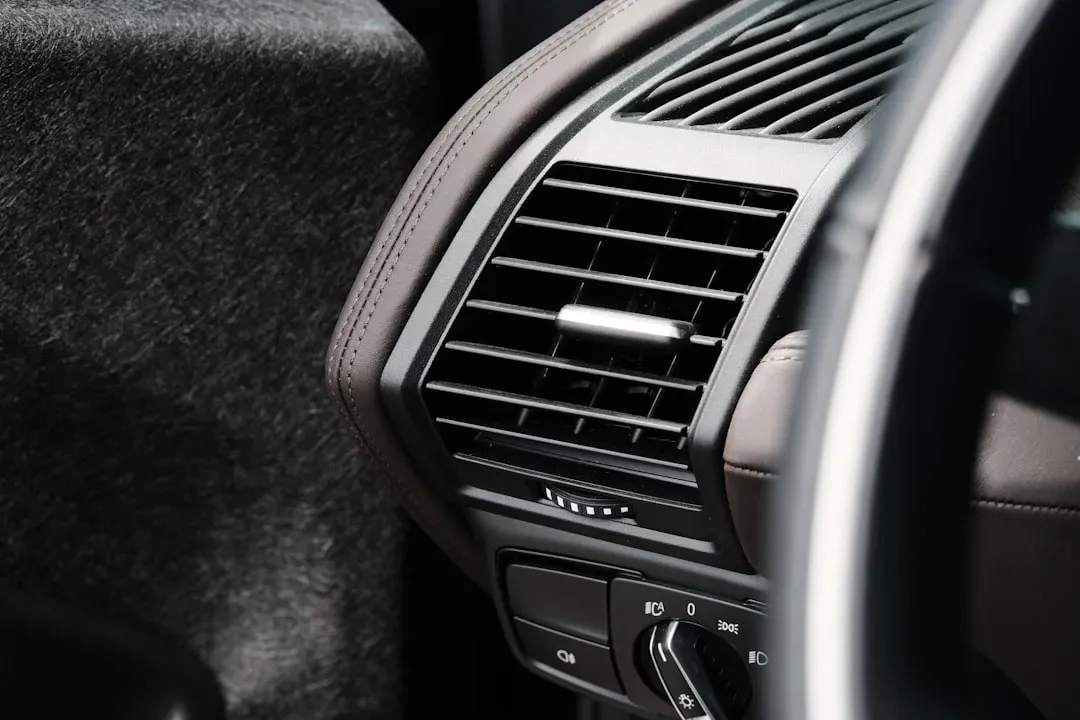
Driving around Las Vegas without working air conditioning is not something anyone wants to experience. I’d go further than that – it’s not just uncomfortable, it’s genuinely risky. If the AC breaks down, it can lead to distracted driving. The intense heat can cause you to take your hands off the steering wheel to wipe away sweat, while high temperatures can cause passengers to become unruly. If you’re driving for an extended period of time without air conditioning, you may suffer from heat stroke and other heat illnesses.
If your A/C system is blowing warm air, making unusual noises, or not cooling efficiently, it may need service. A professional inspection can help ensure your air conditioning system is ready for the desert heat. Don’t wait for the system to fully fail in July. Get it inspected in spring. An A/C recharge is inexpensive. An ER visit is not.
Check All Fluids – Not Just the Coolant
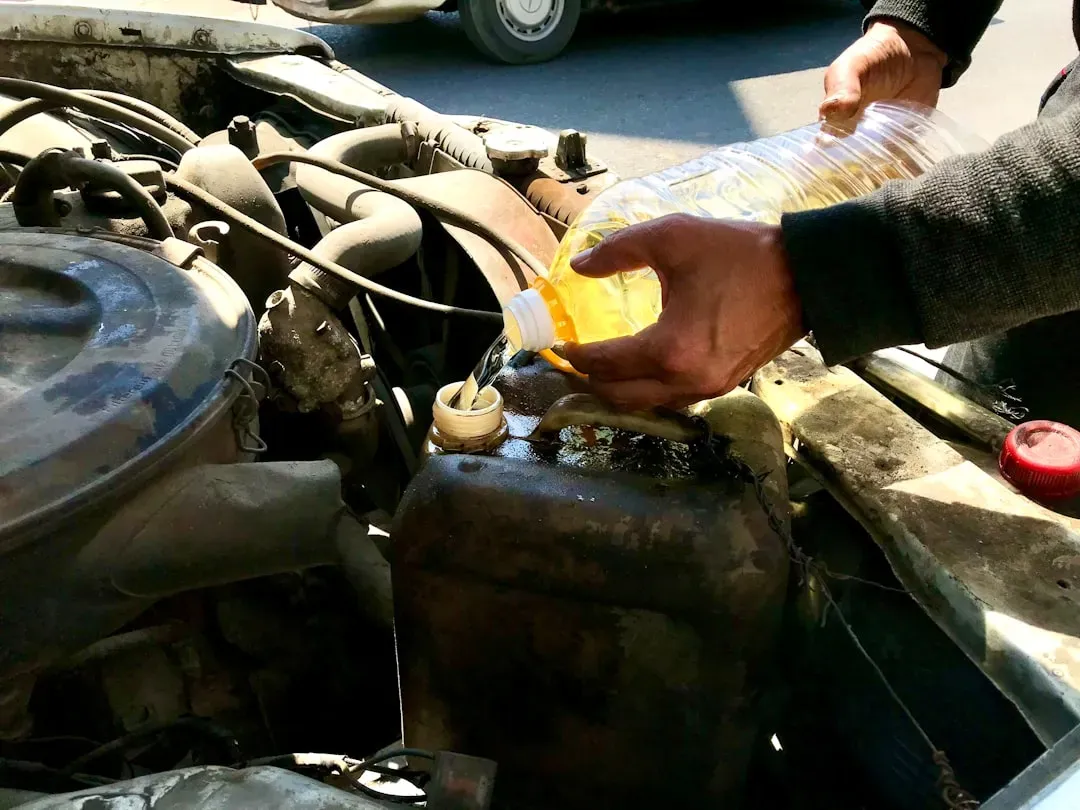
Coolant gets all the attention, but your car has several fluids that the desert heat quietly attacks all season long. Checking your car’s fluids is important before any major weather change, but especially important before the summer months. High temperatures can take an intense toll on your vehicle, especially if it uses an internal combustion engine. Make sure your car’s coolant, transmission, brake, and washer fluid levels are at proper levels.
Oil is worth extra attention here too. Colin Hayes, a foreman at a Las Vegas repair shop, says that drivers should have been maintaining and preparing their cars months ahead of temperatures that could flirt with 110 degrees. A lot of people don’t. There are vehicles that come in that haven’t seen an oil change in 10,000 miles. In extreme heat, degraded oil loses its viscosity faster. It’s a simple fix that prevents catastrophic engine damage.
Protect Your Paint, Interior, and Dashboard
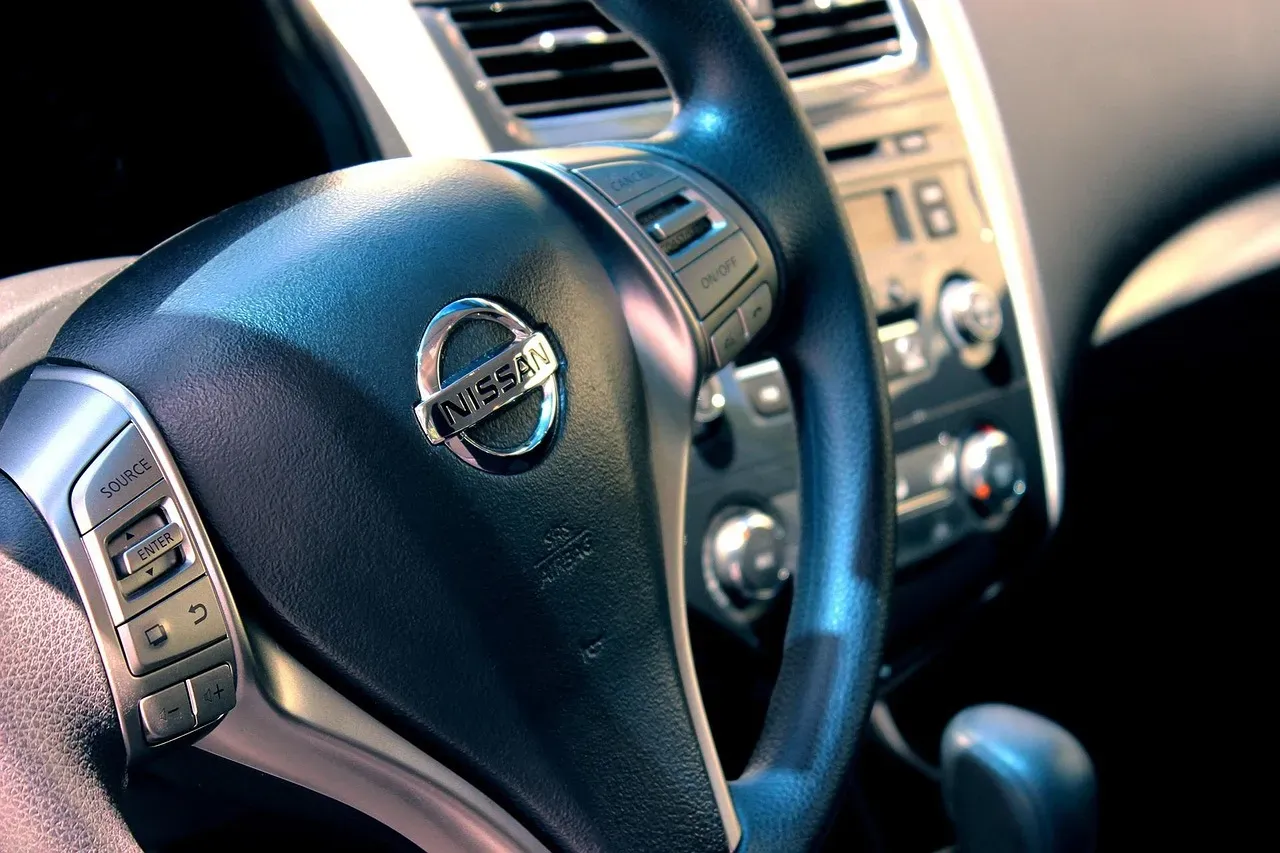
The intense Las Vegas sun can affect your vehicle’s paint and exterior surfaces. Parking in shaded areas or using a windshield sunshade can help protect your interior and dashboard from heat damage. Regular washing and waxing can also help protect your vehicle’s paint from sun exposure.
Think about what the sun does to cheap plastic left outside for a summer. That’s essentially what’s happening to your dashboard every single day without protection. Sunlight enters the car as visible light and is absorbed by the seats, dashboard, and floor, converting it into infrared light. While visible light can enter the car easily, infrared light cannot exit as efficiently, causing heat buildup. This trapped heat causes temperatures to skyrocket inside the vehicle. Dark interiors exacerbate this effect, absorbing more sunlight and heating up faster. A reflective windshield shade is one of the cheapest, most effective investments a Las Vegas driver can make.
Build an Emergency Kit – Because AAA Has Its Hands Full

In Nevada, AAA records more than 78,000 calls each summer for failures such as flat tires, dead batteries, and overheating engines. That’s a lot of people learning expensive lessons in real time. Preparation is always cheaper than rescue. Even with perfect preparation, breakdowns can happen. Your kit should include: jumper cables or a portable jump starter, a tire repair kit and a portable air compressor, bottled water, nonperishable snacks, and a basic first-aid kit, as well as a flashlight, road flares or warning triangles, and a multi-tool.
Water deserves special emphasis here. If your car breaks down on a desert highway at noon in July, you’re not just inconvenienced – you could be in genuine danger within a short amount of time. Pack more water than you think you need. Every single trip.
Timing Your Drives and Parking Strategy Matters

Even a perfectly maintained vehicle benefits from smarter habits during peak Las Vegas heat. Cooler morning or evening temperatures reduce stress on your car. If you must drive midday, let your engine warm up gradually and avoid hard acceleration until the system stabilizes. This isn’t being overly cautious – it’s understanding how heat builds up under the hood and giving your systems a fighting chance.
Whenever possible, park in shaded areas or use a reflective windshield sunshade to minimize cabin and dashboard temperatures. This not only saves upholstery and electronics but also minimizes stress on your cooling system when you restart. Shade-hunting in a Las Vegas parking lot sometimes feels like a competitive sport, but it genuinely extends the life of your vehicle’s components. A Climate Central analysis reveals Las Vegas is now experiencing 43 more above-average temperature days compared to 1970 – which means these habits are no longer optional extras. They’re the new standard for desert driving.
Summer in Las Vegas has always been intense, but the data from 2024 and 2025 makes one thing clear: the margin for error is shrinking. Your car can handle the heat – if you give it a fighting chance. What’s your current maintenance routine looking like? There’s no better time than right now to find out.
Partner offer
Planning a trip to Vegas?
Compare hotel rates and show tickets on VEGAS.com.