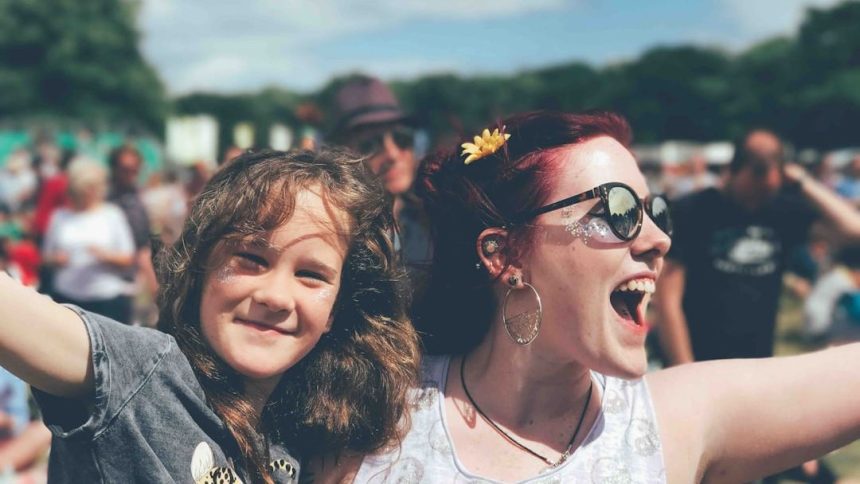
There is something almost magical about a festival. You look to your left and there is a grandparent, eyes wide, tapping their foot to a beat they have never heard before. You look to your right and there is a teenager, head down, genuinely asking an elder about the meaning behind an old folk dance. These moments happen more than most people realize. Festivals, in all their noise and color and organized chaos, are quietly doing something deeply important.
Across the globe, the distance between generations has arguably never felt larger. Social media bubbles, remote work, fragmented family structures, all of it pushes different age groups into separate worlds. Festivals are one of the few spaces left where those walls come down, even if only for a weekend. Let’s dive in.
1. Shared Physical Space Creates Unexpected Conversations
Here is the thing about festivals: you cannot really avoid each other. Unlike digital spaces that let you curate who you interact with, a festival field puts a seventy-year-old folk music fan right next to a nineteen-year-old who stumbled in for the food stalls. Such events provide individuals of a wide range of backgrounds an opportunity to unite, share certain values, and strengthen their relationships. That involuntary mixing is not a bug. It is a feature.
Festivals serve as a bridge between past and present, providing a space where individuals can unite, regardless of their differences, to share experiences and create collective memories. In a world of targeted algorithms, there is something almost rebellious about ending up in the same crowd as your parent or grandparent, genuinely enjoying the same moment. Honestly, that is rarer than it sounds.
2. Cultural Heritage Gets Passed Down Naturally
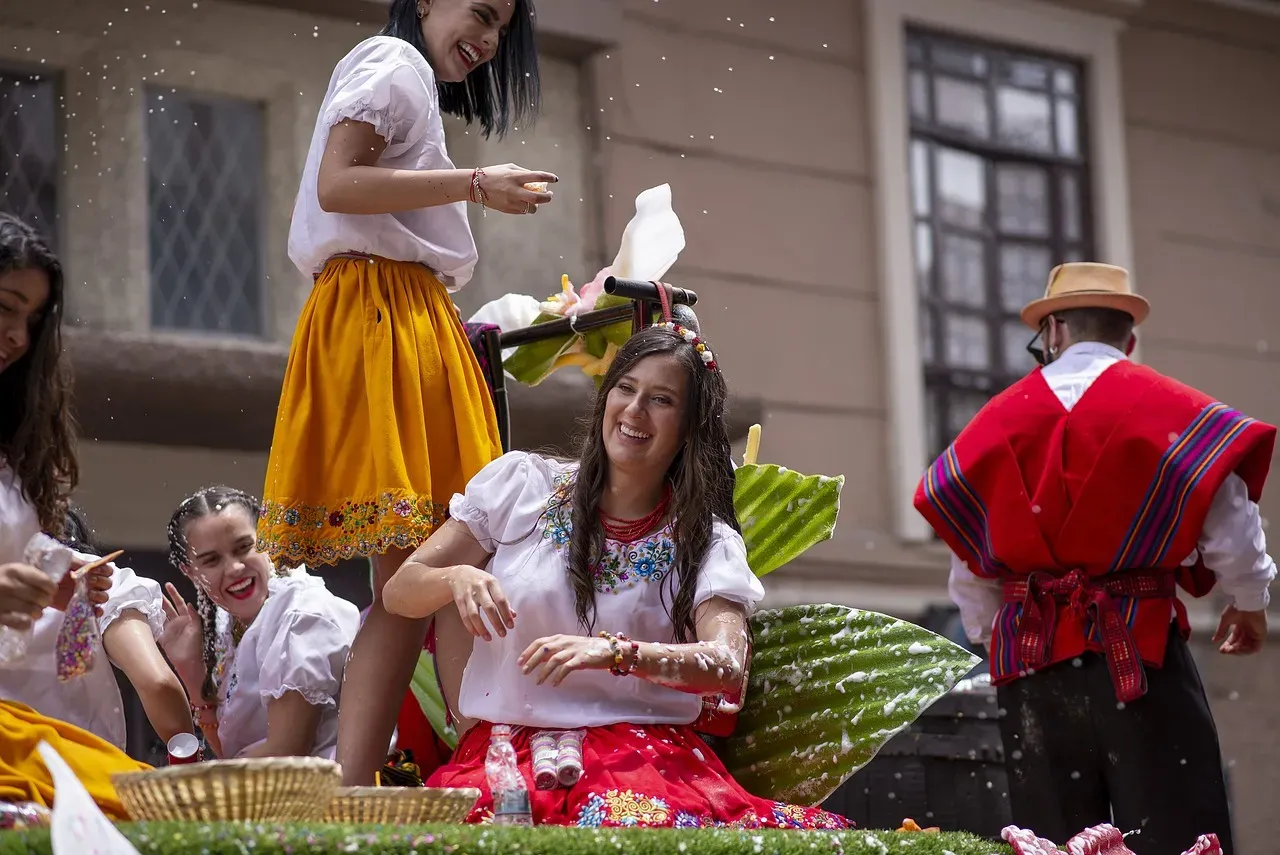
Festivals offer the aspect of intergenerational engagement whereby young contributors can hear about their cultural backgrounds from the older population and the continuation of traditions is maintained. This transmission happens organically, not through a classroom or a lecture, but through lived experience. A grandmother explaining the meaning of a traditional dance she performed at her own coming-of-age celebration is ten times more powerful than any textbook description.
For older generations, festivals afford them an opportunity to pass down customs and stories to younger family members. Such relations not only add continuity to cultural heritage but also signify a bond between age groups to understand each other. Think of it like oral history in motion. The story gets told at the festival, remembered at the festival, and then carried home by the youngest person in the group.
3. Festival Loyalty Is Built Across Generations Within Families
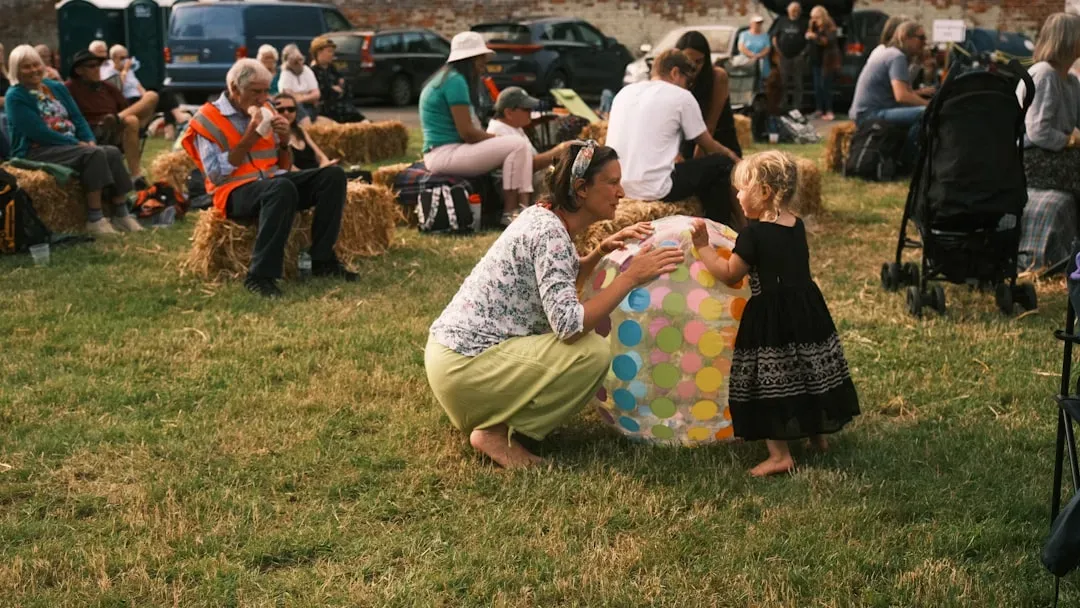
There is fascinating research on just how deep this family bond goes. Research investigating the influence of intergenerational transmission of cultural capital on festival loyalty, using data from 524 families, found that the transmission of cultural capital across generations significantly bolsters festival loyalty, underscoring the indirect impact of cultural habits, educational attainment, and material culture on festival loyalty, mediated through the transfer and accumulation of cultural capital among generations.
The research highlights the pivotal role that families play in preserving and evolving cultural traditions, with key determinants of festival loyalty including familial emphasis on festivals, the methods of celebrating them, and the acknowledgment of their cultural importance. So when a parent takes their child to the same folk festival they attended as a child, they are doing something quietly profound. They are stitching a thread across time.
4. Dance and Music Literally Synchronize Bodies Across Age Groups
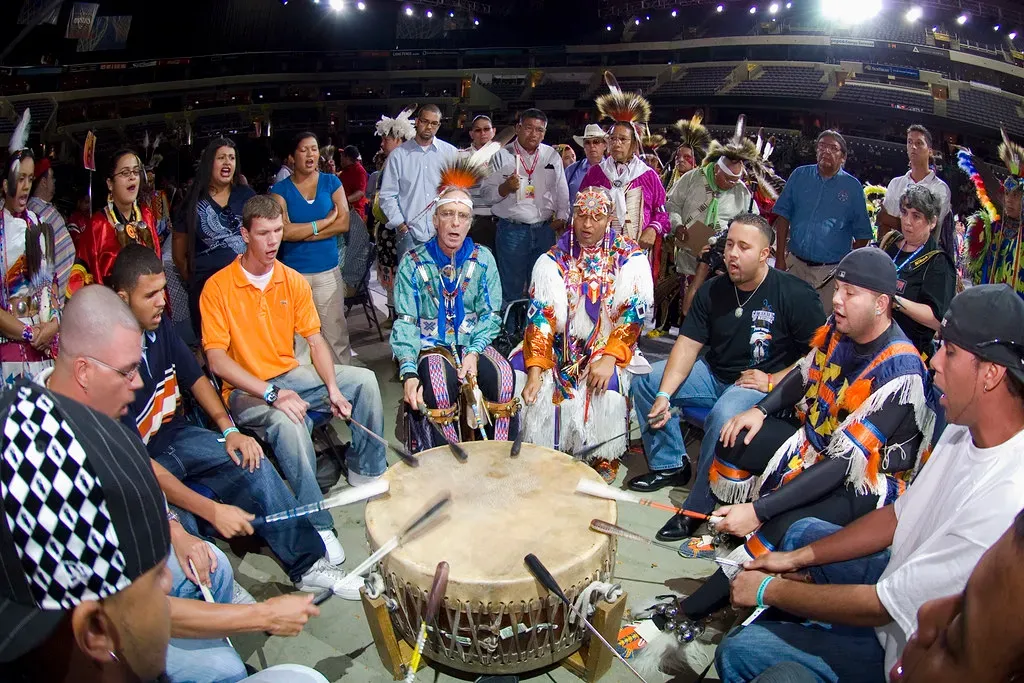
I know it sounds a bit abstract, but there is real science here. Research showed that a Turkish dance festival could offer benefits, serving as an important experiential space that could improve the physical and social confidence of participants and strengthen intergenerational solidarity. When people move together, something happens at a physiological level that dissolves social distance. Age becomes largely irrelevant when everyone is swaying to the same rhythm.
Results add a new perspective to findings that indicate how dance deepens social bonds, by examining the presence or absence of dance. The connection between dance and a sense of community in the real world sheds light on the social meaning of the fact that the urge to move one’s body to music is observed across cultures. A grandmother and her teenage grandchild both moving to the same Bon Odori drum in Japan, or the same samba rhythm in Brazil, are doing something far more powerful than they realize.
5. Youth-Led Communication Is Drawing Older Audiences In
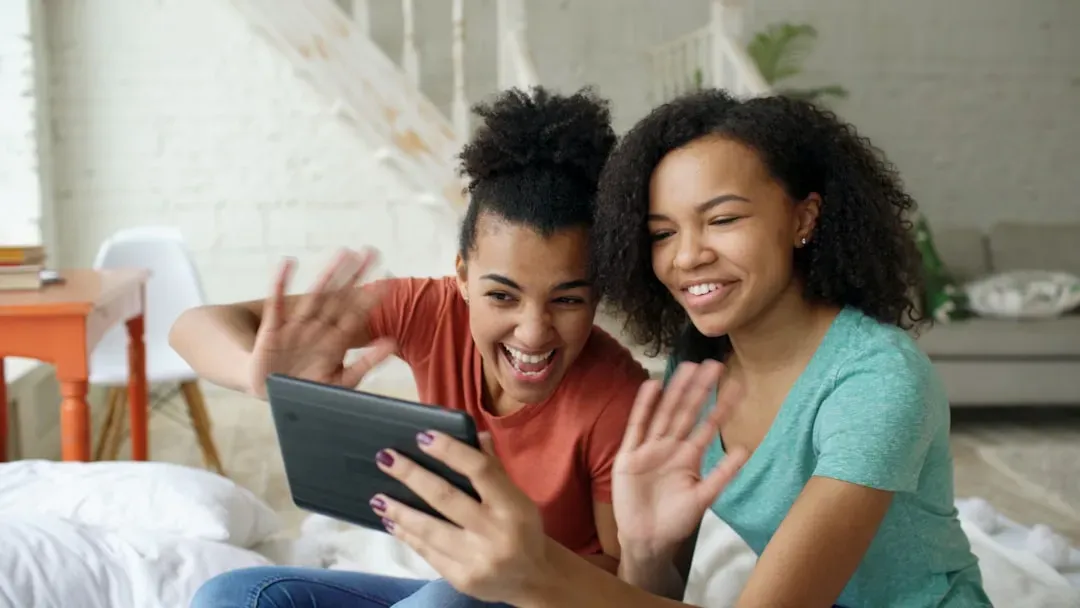
Here is a dynamic that most people overlook. A study examining an innovative communication strategy introduced by the Ibero-American Film Festival of Huelva, which incorporated young communicators to enhance traditional outreach efforts, investigated how this initiative influences the transmission and acquisition of cultural capital across generations. The findings revealed a substantial growth in social media engagement and increased attendance among younger audiences. What is remarkable is that this also worked in reverse, drawing older audiences in through digital content they would otherwise never have encountered.
The study concluded that involving young voices in the communication of cultural events can effectively democratize cultural capital and bridge generational divides. When young people explain why a film festival matters through their own lens, their grandparents listen. That is a completely different dynamic from traditional top-down event marketing, and it works.
6. Festivals Measurably Improve Social Cohesion Across Age Groups
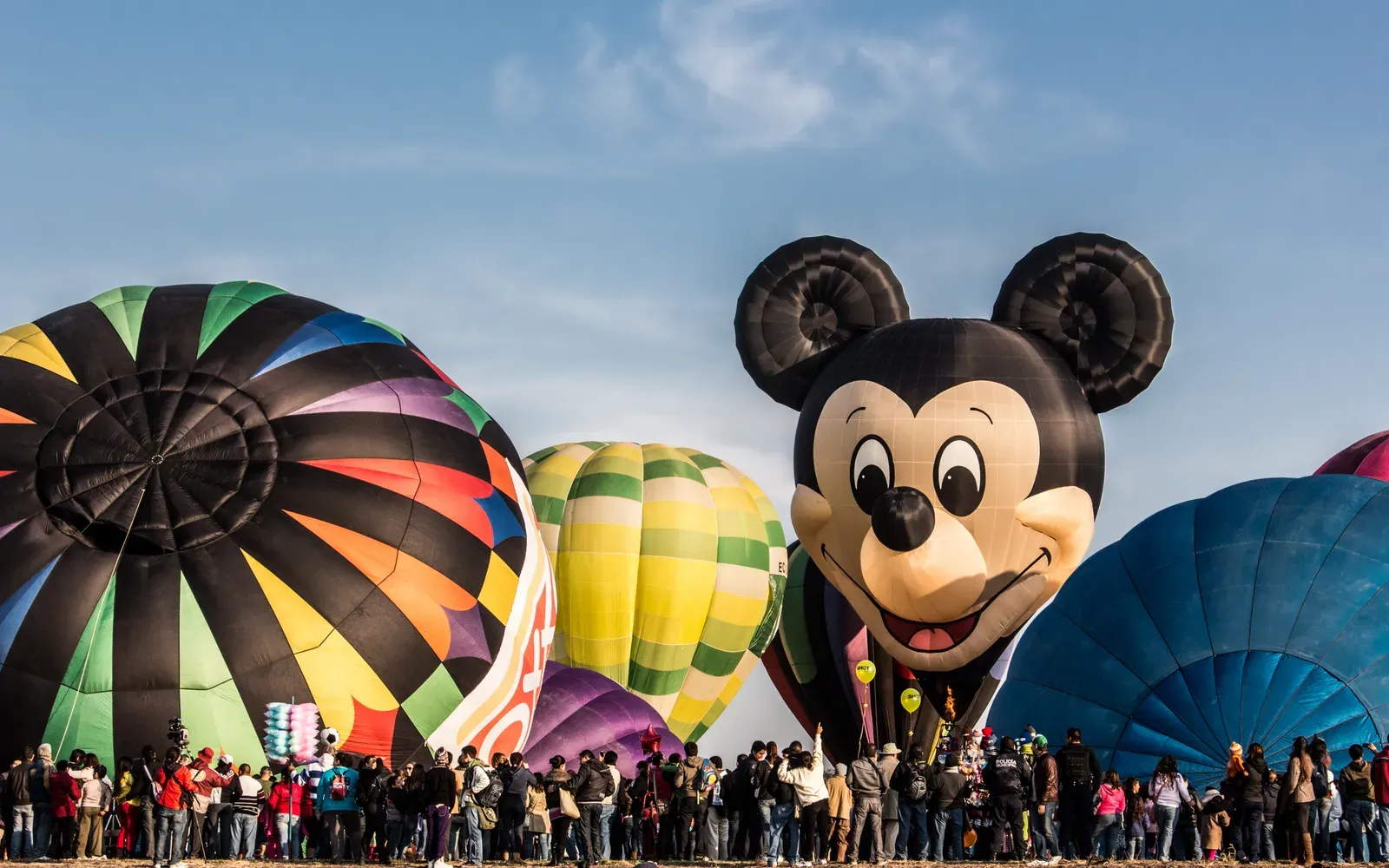
The evidence for this is not just anecdotal. Quantitative analysis using paired t-tests revealed statistically significant improvements across all assessed variables following festival participation. Specifically, increases were observed in Festival Participation, Social Cohesion, Community Engagement, Trust, and Cultural Values. That is hard data, not a feel-good story. Festivals move the needle on measurable social outcomes.
Local festivals assume a primary role in creating social cohesion and strengthening the sense of community in residents. What is striking is that this cohesion crosses generational lines naturally, because the festival is a shared reference point. Young and old alike leave with the same memory, the same story to tell, the same song stuck in their head.
7. Festivals Create Intergenerational Trust Through Cooperation
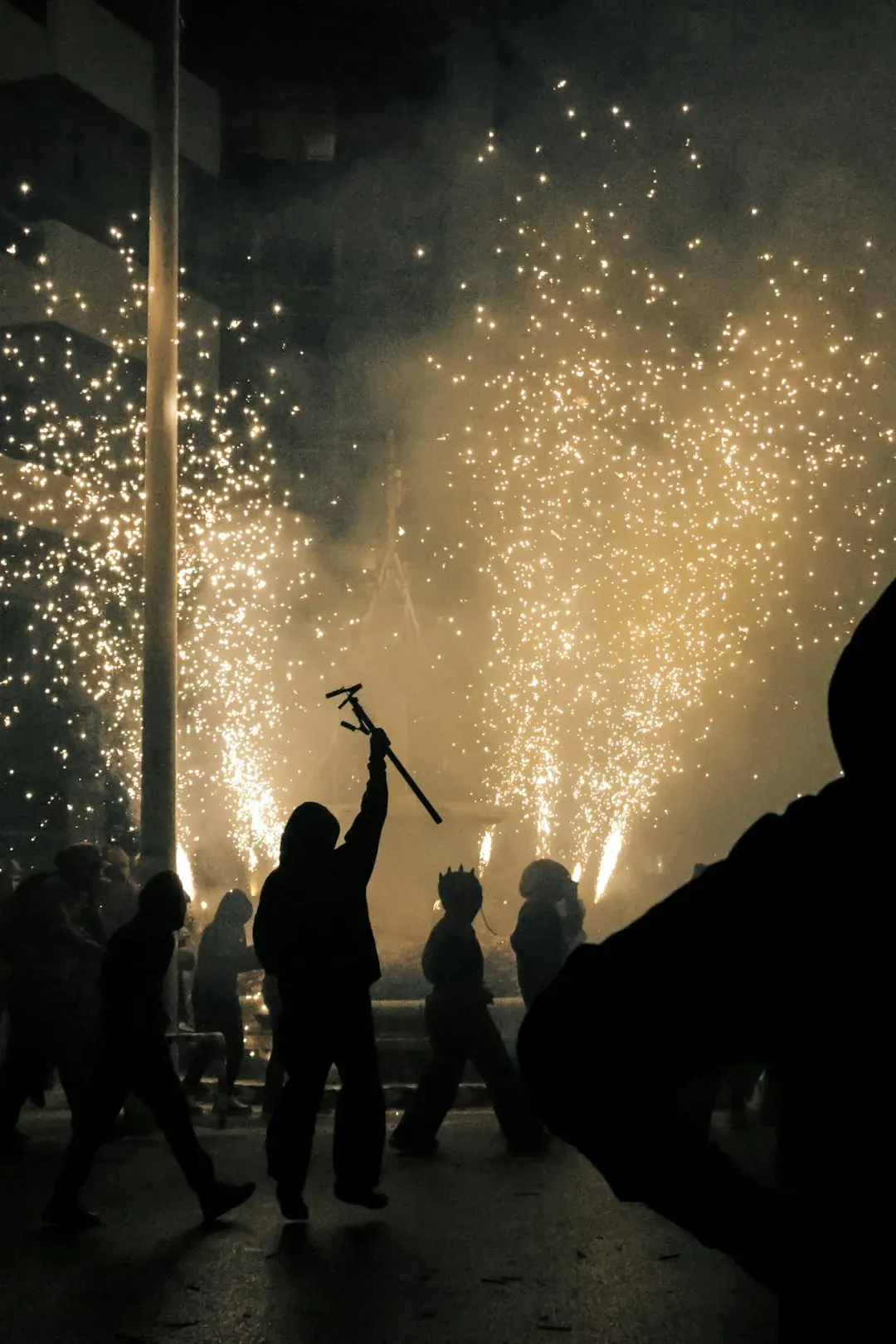
Festivals lead to cooperation and collective action, with residents engaging in organizing and conducting the events. The interdependence of these individuals reinforces interpersonal relationships and helps to build trust. Think about what it means for a young volunteer to work alongside a seasoned community elder while setting up a festival booth. That experience is worth a hundred diversity workshops.
Volunteering to assist with festivals may be a way in for young people to leadership roles within the community. Such an experience teaches young members values about cooperation and service, carrying those community values from generation to generation. This kind of organic mentorship is quietly revolutionary. No one signs up to bridge a generational gap. They sign up to help with the festival. The bridging happens as a byproduct.
8. The Experience Economy Unites Generations Around Memory-Making
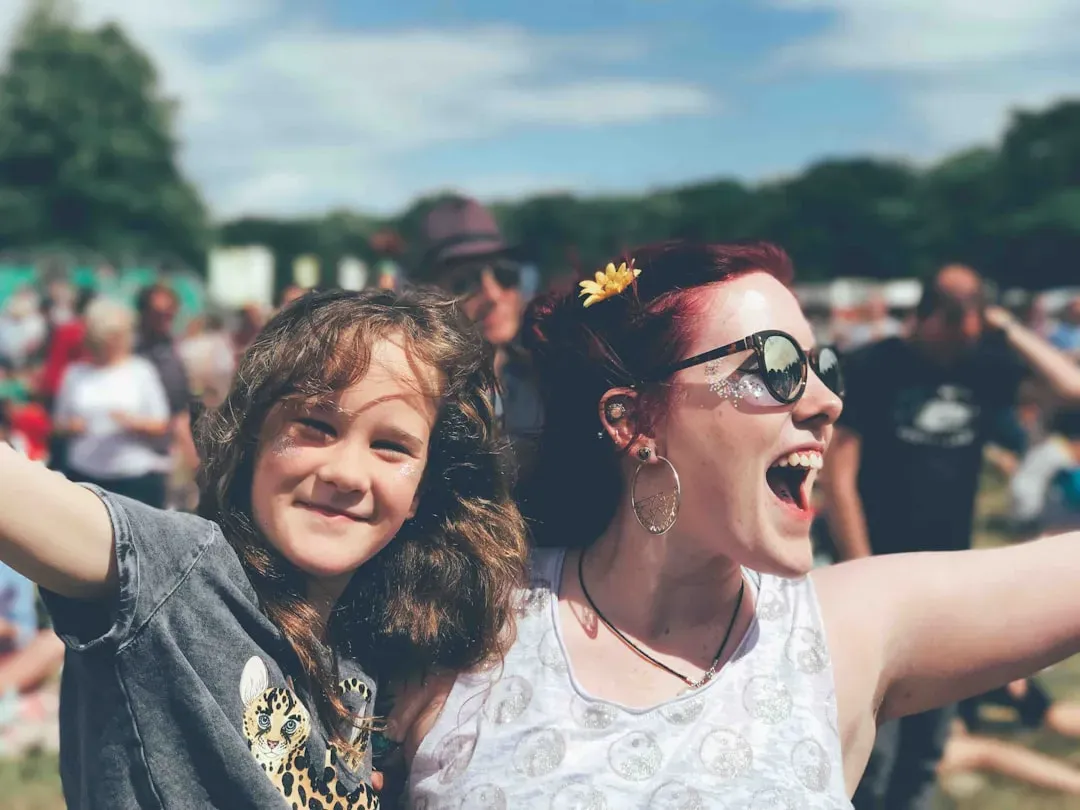
Millennials helped kick off the experience economy, but the preference for shared moments over material goods turns out to cut across every age group. 78% of millennials say they would rather spend on experiences than products, and this generational preference explains why festivals are booming. Interestingly, older generations have always valued lived experience in much the same way, which means festivals land on a common value held by grandparents and grandchildren alike.
The cultural importance of these gatherings stretches beyond the festivities themselves; they have a profound psychological and social impact, weaving the fabric of communities tighter with each celebration. This is why family festival trips tend to become annual rituals. The shared experience becomes the shared story, and shared stories are what families are actually made of.
9. Wellness Festivals Are Attracting Cross-Generational Audiences
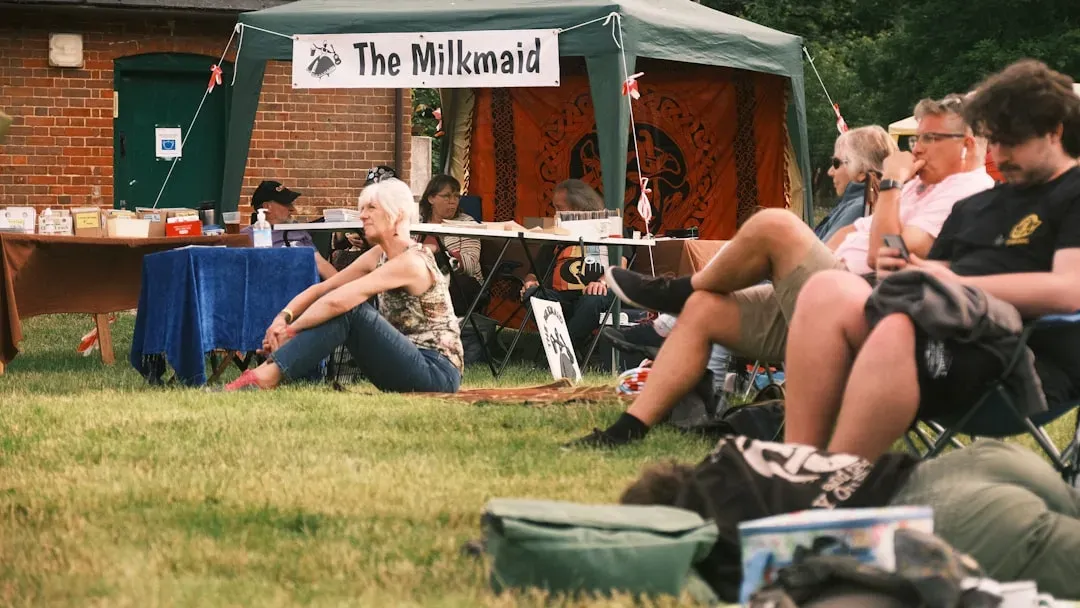
Something genuinely new is happening in the wellness festival space. Unlike the traditional rock-and-chaos model, wellness festivals, with their meditation sessions, nutrition workshops, and mental health talks, appeal powerfully to both older adults seeking community and younger generations grappling with anxiety and burnout. Younger generations tend to prioritize wellness more than their older counterparts, and that is impacting event agendas. Yet wellness as a theme is broad enough to pull in people across every decade of life.
Community rituals and festivals often act as catalysts for improving community wellbeing. They offer a platform for individuals to engage in activities that promote happiness, celebration, and temporary relief from the stresses of daily life. This has a positive impact on mental health, with many individuals finding joy and satisfaction in these collective expressions of culture. A sixty-five-year-old doing breathwork next to a twenty-two-year-old may seem unusual. At a wellness festival, it is completely normal.
10. Gen Z Is Redefining What Festivals Mean, and Older Generations Are Watching
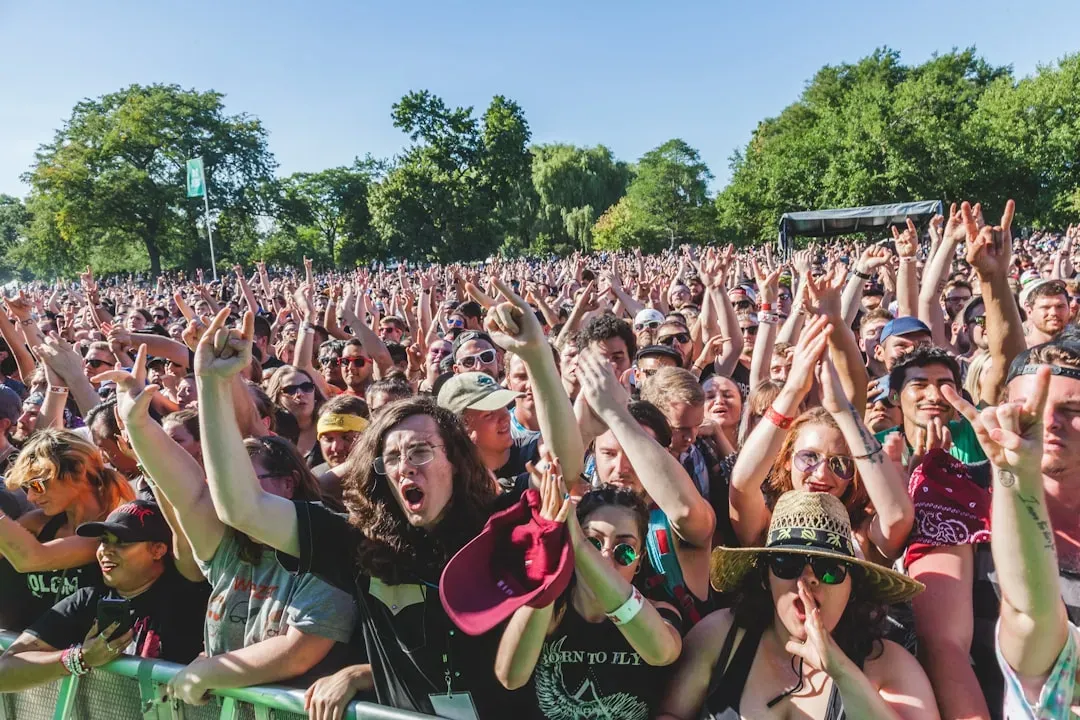
Let’s be real. Gen Z has flipped the script on festival culture in ways that are actually making it more accessible to older generations. Gen Z is dubbed “generation sensible.” This young cohort is not prioritizing the party lifestyle that previous generations may have embraced, with research showing that a significant majority of Gen Zers firmly said no to alcohol and drug consumption at festivals. That cultural shift makes festivals feel safer and more welcoming to older adults who previously felt these events were not for them.
This generation understands the importance of connection and wants to authentically engage with other people their age and those with shared interests. They want a community. That desire for genuine human connection is something every generation can understand. It creates common ground where there was previously only a generational gap.
11. The Smithsonian Folklife Festival Puts Youth and Tradition Center Stage
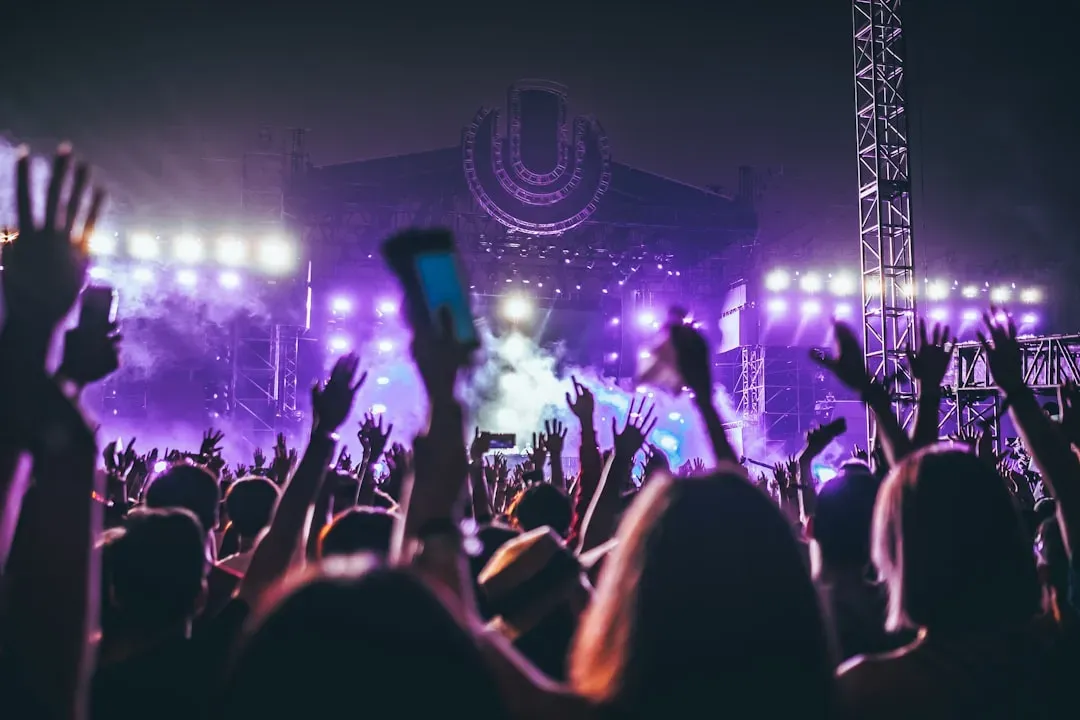
One of the most striking examples of intentional intergenerational festival design comes from one of the world’s most respected cultural institutions. In 2025, the Smithsonian Folklife Festival’s program “Youth and the Future of Culture” explored creativity, vitality, resilience, and intergenerational learning and exchange through the contributions and experiences of youth. The program underscored how young people influence and engage with culture, and how they create, innovate, and sustain cultural practices and traditions.
From heritage trades such as blacksmithing and stone carving to traditional music apprenticeship programs and Native language reclamation, there is a growing interest among today’s youth in the transmission of knowledge between generations. They understand that tradition is a powerful tool that can connect them to their origins and that intergenerational exchanges are important forms of community building. The Smithsonian put that insight at the heart of an entire festival. That is not a small thing.
12. Intangible Cultural Heritage Is Being Saved at Street Festivals
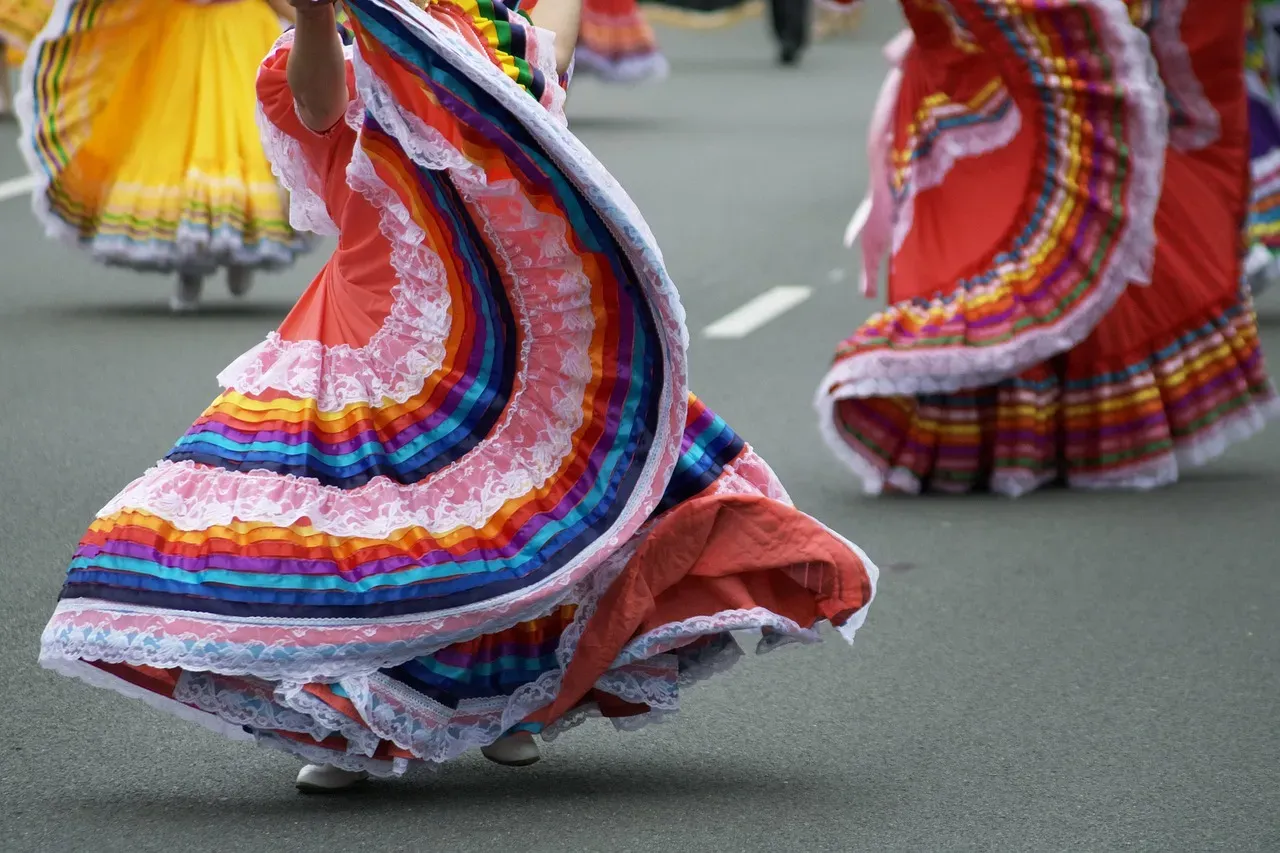
It is hard to say for sure just how much traditional knowledge would simply vanish without festivals to carry it. A study examining the “Echoes of a Thousand Years” Hue Tuong street festival found that it transmits and sustains intangible cultural heritage in a UNESCO World Heritage city, with the festival democratizing access to traditional court performances, enhancing community pride and cultural awareness. Traditional performing arts that were once reserved for royalty are now freely accessible to grandchildren who can stand next to their grandparents and witness something centuries old.
Festivals, as an important component of cultural heritage, serve the function of preserving collective identity and social norms. When a younger generation watches a ritual performance that their grandparent also watched as a child, that shared experience collapses fifty years of time. It is, in the most literal sense, a bridge across generations.
13. Social Bonding at Live Music Events Benefits Every Age Group
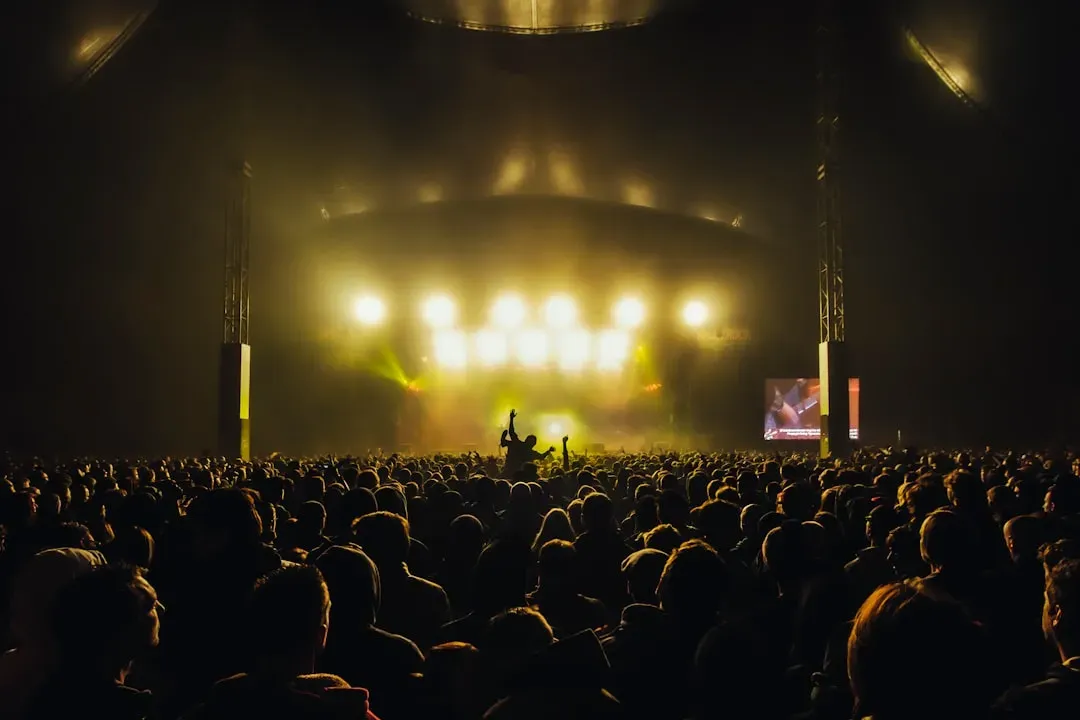
The social benefits of live music at festivals are well-documented, and they are not limited to any single age group. Attendees who valued the social functions of music experienced stronger connections and self-growth during festivals, while pre-attendance events also enhanced social bonding. Both a retired schoolteacher and a college freshman can walk out of the same concert field feeling more connected to the people around them.
Live music events, including concerts, shows, and festivals, have been central to community gatherings for many years. Research published in 2025 in the journal Psychology confirmed that the social benefits of attending live music events are significant and real. When different generations attend the same performance, those benefits are effectively shared, creating a moment of emotional alignment that is difficult to manufacture any other way.
14. Festivals Reduce Age-Related Stereotypes Through Direct Contact
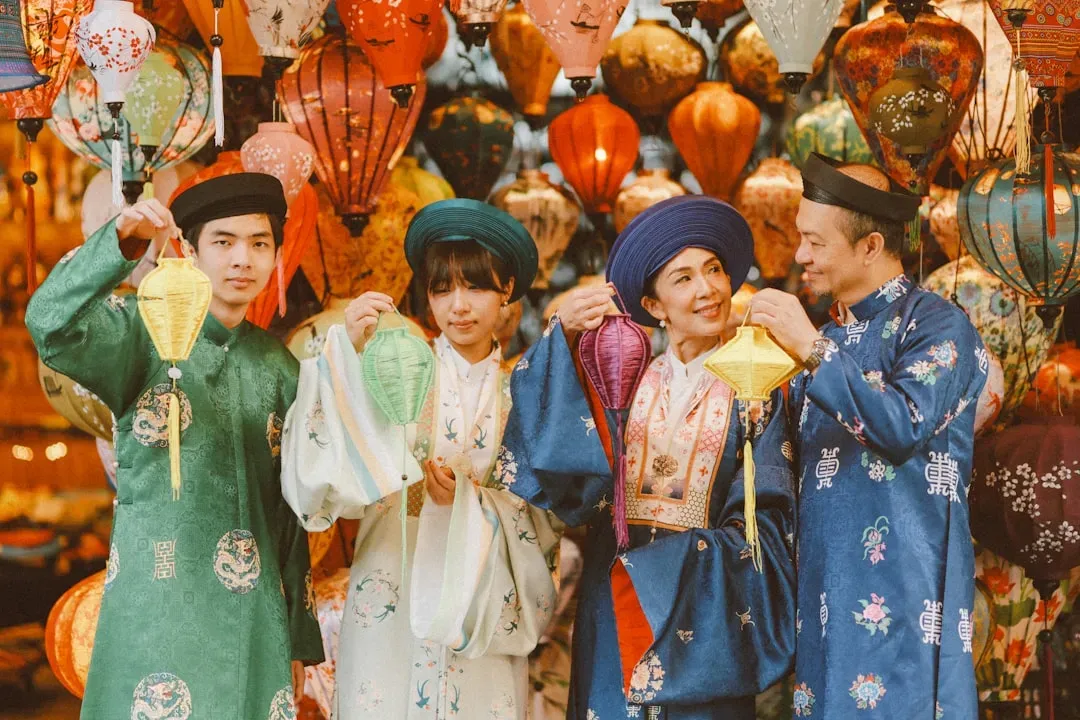
Meaningful relationships between different generations are key in order to diminish age stereotypes. Festivals are one of the most effective environments for building those relationships because contact is natural rather than forced. Nobody at a food festival is consciously trying to break down ageism. They are just eating empanadas next to someone forty years older or younger than themselves, and somehow the conversation flows.
There is a variety of intergenerational programs that recognize the positive psychosocial impact on populations of different ages in the life cycle; among pre-school or school-aged children, high school or university students, and people over 55 years of age. Festivals function as naturally occurring intergenerational programs. The difference is that nobody needs convincing to attend. The attraction already exists. The intergenerational contact is simply what happens when people show up.
15. Family Cohesion and Well-Being Both Rise When Generations Celebrate Together
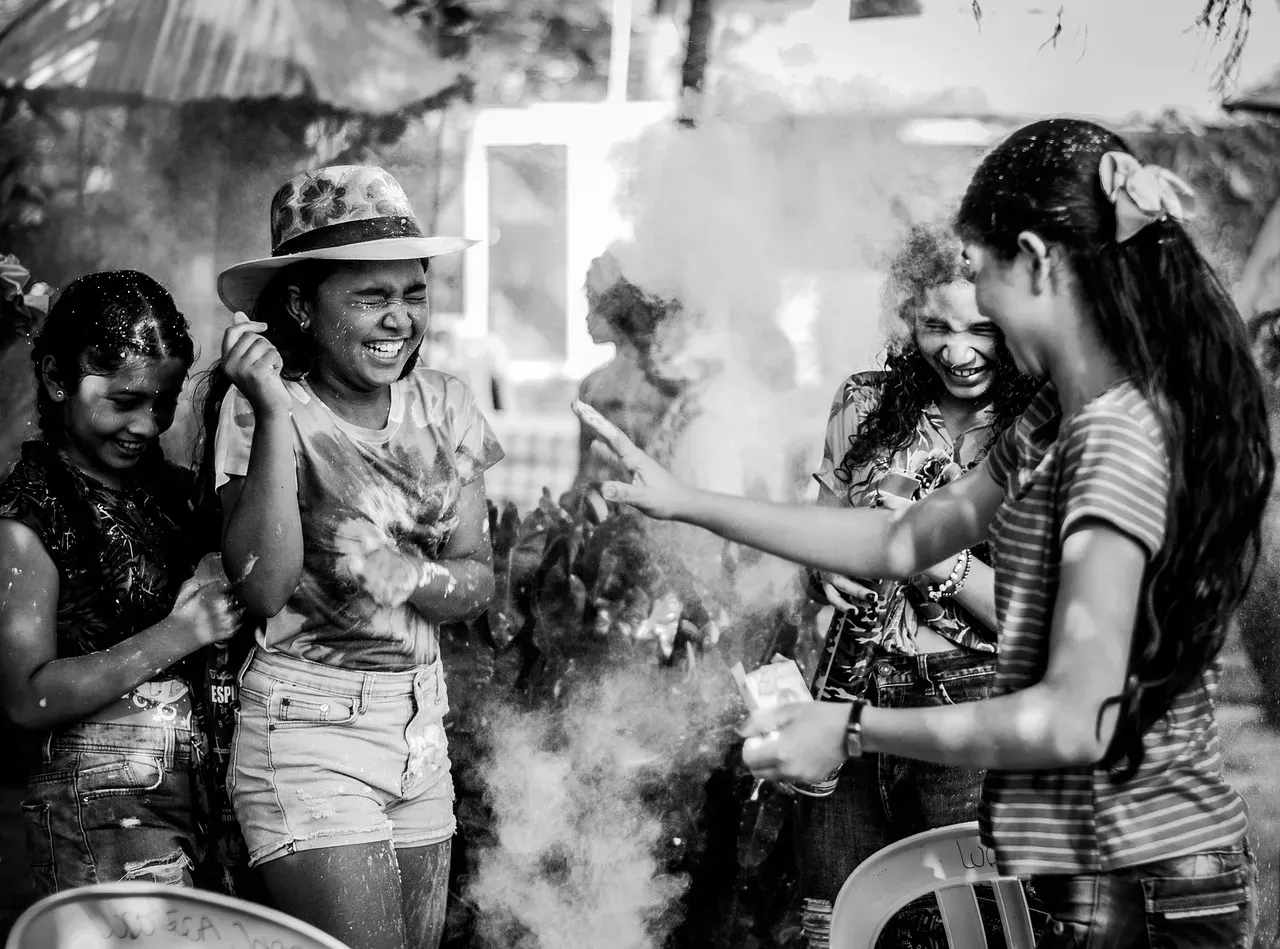
Research identified that family bonding, connections with family members and positive memories, and individuals’ quality of life were the core categories found in festival-attendance studies using a qualitative approach. This is not a minor finding. Quality of life is a deeply personal metric, and the fact that attending festivals with family members moves it in a positive direction says something profound about the role these events play in human wellbeing.
The models show significant relationships among social capital, festival participation, and subjective wellbeing among individuals studied across cultures. Structural and cognitive social capital and festival participation enhance subjective wellbeing. Grandparents, parents, and children eating street food together, watching the same performance, clapping to the same rhythm. It seems simple. It is not. It is one of the most effective things a family can do together, and the data increasingly confirms it.
Festivals will never solve every problem between generations. The misunderstandings, the gaps in values, the debates that play out at dinner tables will persist. Still, there is something irreplaceable about a shared celebration under the open sky. Rituals and festivals are the heartbeat of cultural expression, reflecting the values, beliefs, and social fabric of communities around the globe. As long as they exist, there will be spaces where a grandparent and a grandchild can turn to each other and say, genuinely, “I get it now.” What would the world look like if we built more of those spaces on purpose?