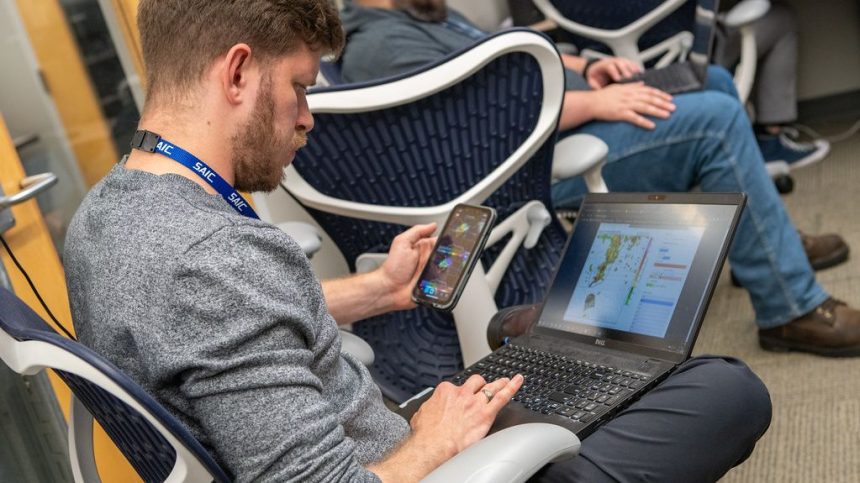
Weather shapes our daily lives in more ways than most people realize. It decides whether crops survive the summer, whether a hurricane evacuation is called in time, or whether a flight lands safely. For centuries, humans gazed at the sky and guessed. Today, the science of meteorology has transformed guesswork into a remarkable – though still imperfect – form of prediction. Understanding how that transformation happened, and where it currently stands, is one of the most fascinating stories in modern science.
How Accurate Are Today’s Weather Forecasts?
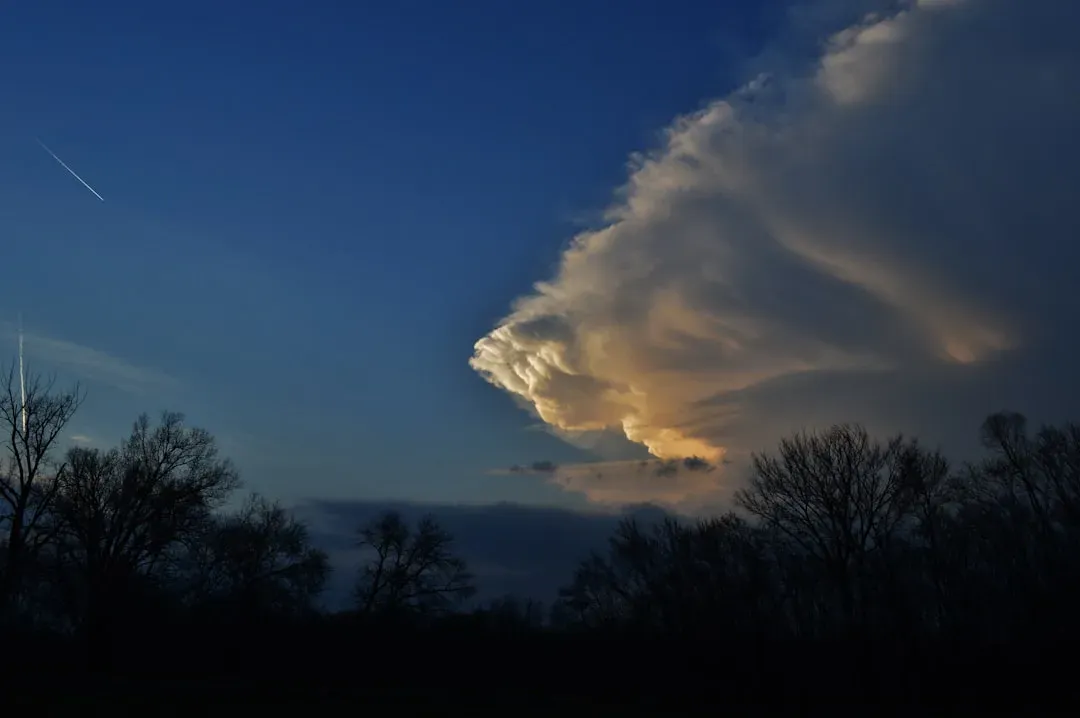
Three-day forecast accuracy today sits at around 97%, and the biggest improvements in recent years have come with longer timeframes – by the early 2000s, five-day forecasts were considered “highly accurate,” and seven-day forecasts are now reaching that same threshold. That is a staggering leap forward from just a few decades ago. Studies have confirmed that a five-day weather forecast today is as accurate as a one-day forecast was in 1980, and three-day predictions of a hurricane’s path are now more accurate than the 24-hour forecasts of the 1970s and 1980s.
A seven-day forecast can accurately predict the weather about 80 percent of the time, and a five-day forecast can accurately predict the weather approximately 90 percent of the time – however, a 10-day or longer forecast is only right about half the time. The atmosphere simply becomes too complex to pin down beyond a certain window. These advancements have resulted in steady overall improvement in the accuracy of weather predictions, with seven-day forecasts now approaching the level of accuracy that five-day forecasts had two decades ago.
The Role of Satellites and Observational Networks
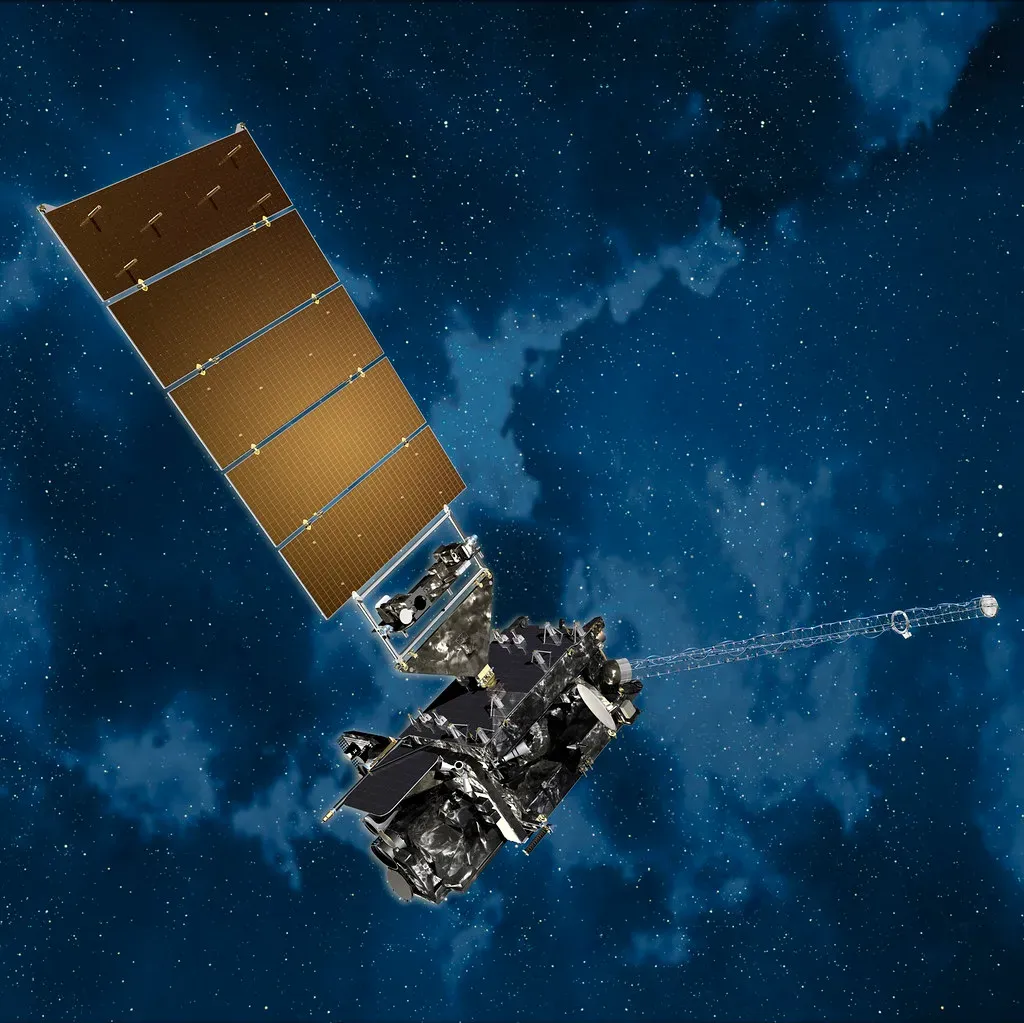
One major driver of improved forecasting is better data – more extensive and higher-resolution observations are now fed into weather models, made possible by better satellite data and land-based stations covering far more areas of the globe at higher density. This observational backbone is vast and constantly expanding. The network includes Automated Surface Observing Systems at airports, a national network of Doppler radars, weather balloons launched twice daily to measure the vertical structure of the atmosphere, commercial aircraft equipped with in-flight sensors, and weather satellites both geostationary and polar-orbiting.
GOES-U, the final satellite in NOAA’s GOES-R series, launched in 2024 and is now known as GOES-19, providing advanced imagery and atmospheric measurements of Earth’s Western Hemisphere, real-time lightning mapping, and solar activity monitoring – orbiting 22,236 miles above Earth’s equator at speeds that match the planet’s rotation, allowing continuous coverage of specific regions. On April 7, 2025, GOES-19 replaced GOES-16 as NOAA’s primary operational GOES East satellite, now serving as the main geostationary satellite for monitoring much of the Western Hemisphere, tracking hurricanes, atmospheric rivers, wildfires, and other environmental events.
Chaos Theory and the Butterfly Effect
The chaotic nature of Earth’s atmosphere imposes fundamental limits on forecasting – this is the crux of meteorologist Edward Lorenz’s discoveries related to the “butterfly effect” in the 1960s. Lorenz’s insight was both elegant and humbling. He first identified what would become known as the butterfly effect while testing a weather simulation model at MIT, when he repeated a run but rounded a value from 0.506127 to 0.506 – and the small alteration caused the program to produce an entirely different weather simulation.
Unlike the tides and the orbit of planets, the atmospheric system has an intrinsic limit that represents a natural and ultimate boundary beyond which prediction is no longer possible – and research has repeatedly reached the same conclusion: we can predict the weather up to 14 days in advance at best. Climate change may be tightening that window further. A Stanford University study shows rising temperatures may intensify the unpredictability of weather in Earth’s midlatitudes, with the limit of reliable temperature, wind, and rainfall forecasts falling by about a day when the atmosphere warms by even a few degrees Celsius.
Numerical Weather Prediction: The Physics-Based Foundation
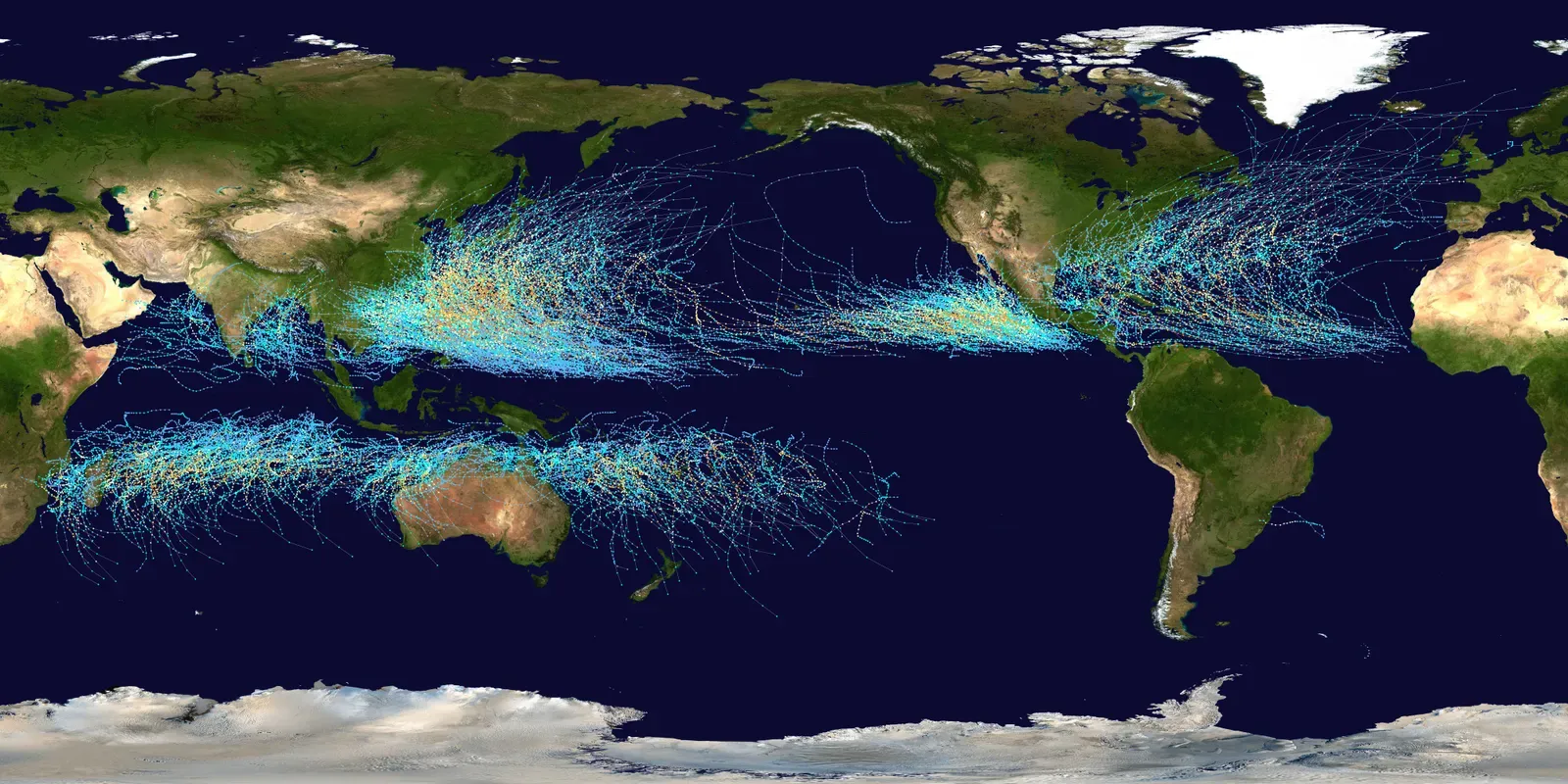
Weather forecasting is a science that has drastically improved over the last 50 years, with modern forecasting going back to the mid-20th century when meteorologists began using numerical weather prediction (NWP) computer models to simulate atmospheric processes – models that rely on physics and mathematical equations to represent the behavior of the atmosphere. These models remain the backbone of global forecasting today. Meteorologists use computer programs called weather models to make forecasts, but since data from the future cannot be collected, models must use estimates and assumptions – and because the atmosphere is constantly changing, those estimates become less reliable the further into the future you look.
Weather prediction is an important aspect of modern society, with implications for everything from agriculture to disaster response, yet accurately predicting the weather remains a challenging task due to the complexity of atmospheric processes. The socioeconomic stakes are enormous. The United Nations’ World Meteorological Organization has estimated the socioeconomic benefits of weather prediction amount to at least $160 billion per year.
The AI Revolution in Weather Forecasting
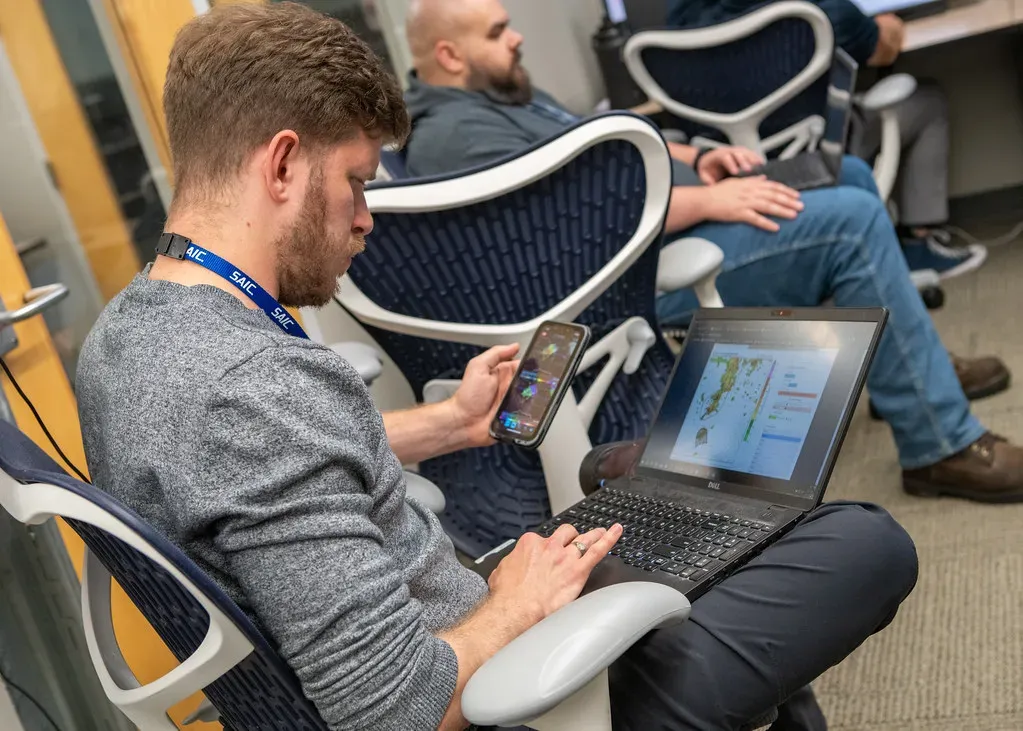
Google, in late 2024, released the first ensemble AI weather forecasting system, GenCast, which produces a collection of 50 or more different AI forecasts in order to get a probabilistic sense of how likely an event will be – and it outperforms the ECMWF’s physics-based ensemble system for accuracy. That was a landmark moment in meteorological science. A September 2024 study looked at five stand-out AI-based weather forecasting systems that are “comparable, and in some cases, superior” to the ECMWF’s numerical prediction system – while being orders of magnitude more computationally efficient.
NOAA has launched a new suite of operational, AI-driven global weather prediction models, marking a significant advancement in forecast speed, efficiency, and accuracy – providing forecasters with faster delivery of more accurate guidance while using a fraction of computational resources. The efficiency gains are hard to overstate. A single 16-day forecast from the new AIGFS system uses only 0.3% of the computing resources of the traditional operational GFS and finishes in approximately 40 minutes – meaning forecasters receive critical data more quickly than they did from the traditional system.
Climate Change, Global Cooperation, and What Comes Next
Rapid advances in artificial intelligence and satellite technology, along with deeper international cooperation, accelerated development across the global meteorological sector in 2024, boosting forecasting accuracy and reducing disaster risks worldwide – with national meteorological and hydrological services launching initiatives to upgrade operational systems, expand computing capacity, and apply AI-driven technologies. The scientific community is not standing still. ECMWF has developed its own machine-learned forecast model called AIFS, which completed a successful pre-operational test phase running four times daily since October 2023, with AIFS 1.0.0 transitioning to full operational status on February 25, 2025.
NeuralGCM, Google’s hybrid atmospheric model combining machine learning and physics, generated more accurate 2–15 day weather forecasts in a 2024 paper and reproduced historical temperatures over four decades with greater precision than traditional atmospheric models. Yet the scientific community is candid about remaining challenges. As Dr. Michael Riemer of Johannes Gutenberg University Mainz notes, “there is still great potential to further improve weather forecasts for middle latitude regions” – but “there is also a point beyond which reliable prediction is just not possible.” The push to close that gap, armed with AI, better satellites, and deeper atmospheric data, defines the cutting edge of meteorological science in 2026.