
Thirty years ago, if you saw someone spray-painting a wall, you’d probably call the cops. Today, that same person might be selling their work for millions at Sotheby’s. Street art has undergone one of the most dramatic transformations in modern art history, evolving from illegal tags on subway cars to museum exhibitions and high-profile gallery shows. This shift didn’t happen overnight, and it certainly wasn’t without controversy.
What makes this evolution even more fascinating is how it challenges everything we thought we knew about art, ownership, and public space. The journey from back alleys to auction houses reveals a lot about how society decides what counts as culture – and what doesn’t. Let’s dive into the twenty pivotal moments and movements that turned street art into a cultural phenomenon.
1. The Birth of Graffiti Culture in 1970s New York

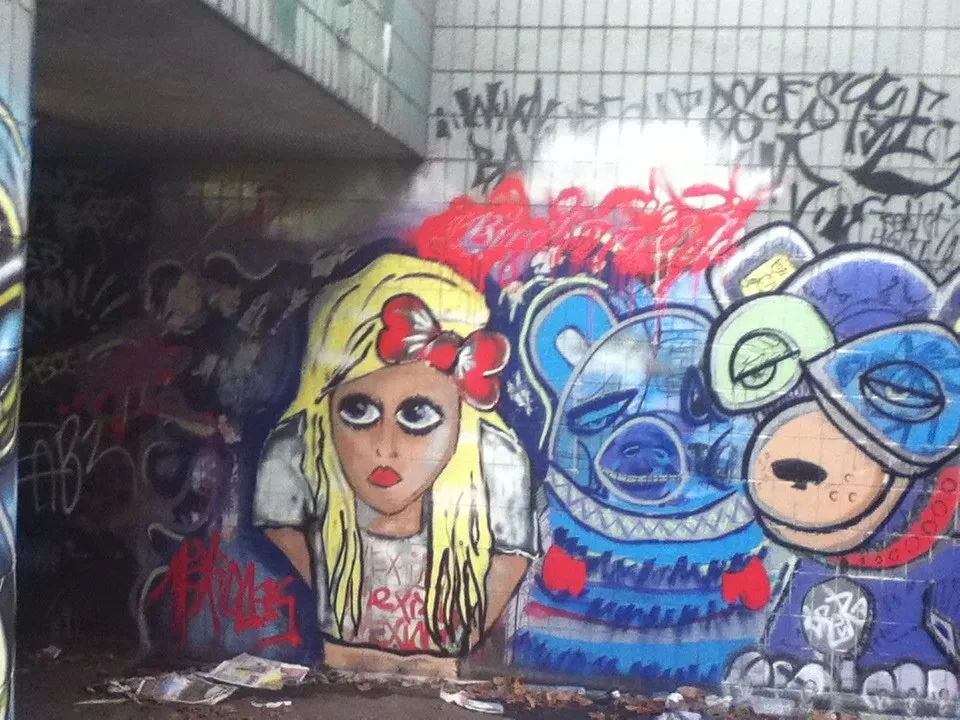
It all started in the boroughs of New York City, where teenagers armed with spray cans began marking their territory on subway trains. Kids like TAKI 183 and Phase 2 weren’t trying to make fine art – they wanted recognition, respect, and a way to broadcast their identity across the city. Their tags traveled through every neighborhood, turning the subway system into a rolling gallery of rebellion.
What made this movement significant was its democratic nature. You didn’t need money, connections, or formal training to participate. Just courage and a can of paint. The city authorities saw it as vandalism and destruction of property, launching what would become decades of conflict between artists and officials.
These early pioneers developed their own visual language, complete with wildstyle lettering and intricate designs. They created a subculture that would eventually influence fashion, music, and visual arts worldwide. Looking back, it’s wild how something so despised at the time laid the foundation for a multi-million dollar art market.
2. Keith Haring Brings Street Art to the Mainstream

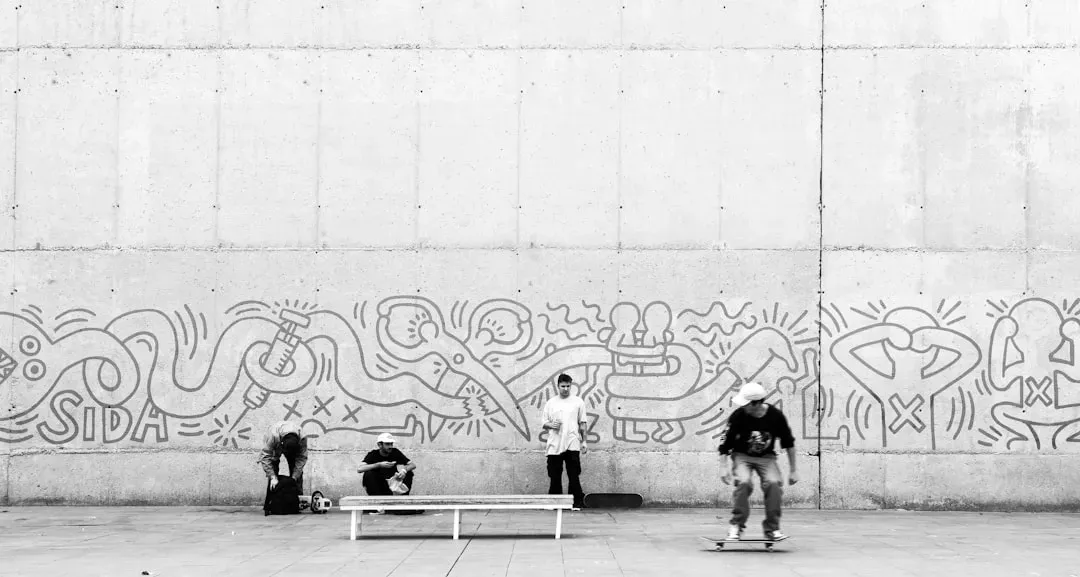
Keith Haring changed everything when he started drawing his iconic figures in New York subway stations during the early 1980s. Unlike traditional graffiti writers, Haring used blank advertising panels as his canvas, creating images that were accessible, joyful, and politically charged. His radiant baby and barking dog became instantly recognizable symbols.
Haring proved street art could carry powerful messages about AIDS awareness, apartheid, and social justice while remaining visually engaging. He deliberately chose public spaces to ensure his art reached everyone, not just gallery visitors. This democratic approach made him a bridge between underground culture and the established art world.
What’s remarkable is how Haring maintained his street credibility even as museums began collecting his work. He opened the Pop Shop in SoHo, selling affordable merchandise featuring his designs, which purists criticized but which made art accessible to ordinary people. His legacy showed that street artists could operate in multiple worlds simultaneously.
3. Jean-Michel Basquiat’s Rise From SAMO to Stardom

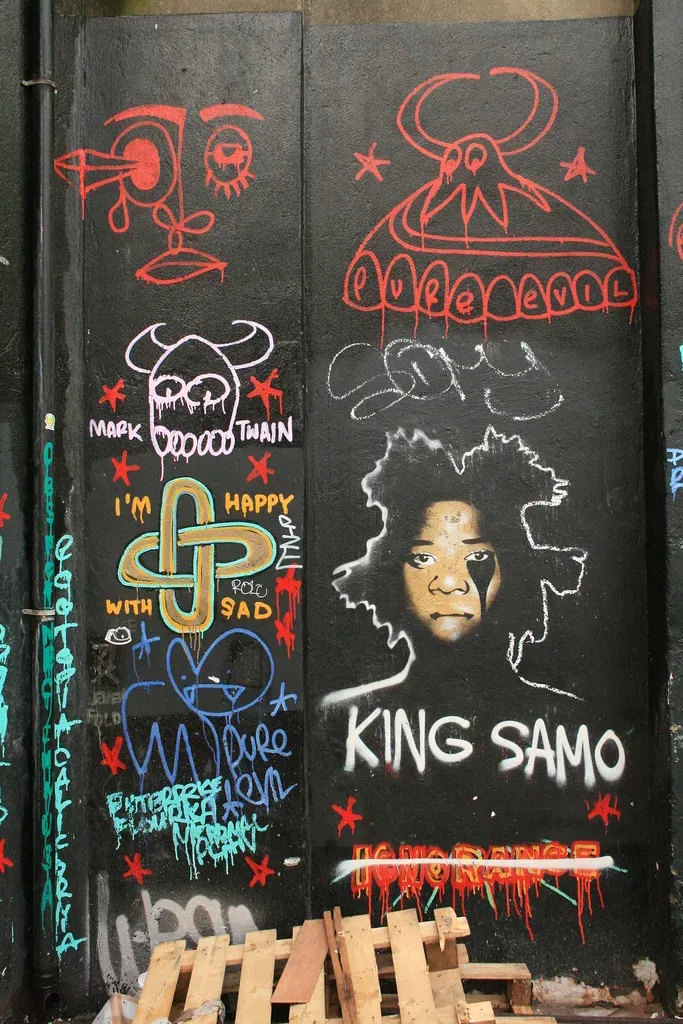
Before he became one of the most expensive artists in history, Jean-Michel Basquiat was tagging buildings in Lower Manhattan as SAMO (Same Old Shit). His cryptic, poetic phrases caught the attention of the downtown art scene in the late 1970s. The contrast between his street origins and his explosive success in galleries became a blueprint others would try to follow.
Basquiat’s work incorporated the raw energy of street culture with sophisticated commentary on race, identity, and power. His crown motif, borrowed from street culture’s obsession with kingship and hierarchy, became his signature. Gallery owners and collectors saw something profound in his seemingly chaotic canvases.
His friendship with Andy Warhol legitimized street art in the eyes of the establishment. When Basquiat died at just twenty-seven, his paintings were already selling for hundreds of thousands. Today, they fetch over one hundred million dollars at auction. Not bad for someone who started out spray-painting buildings illegally.
4. The Documentary “Style Wars” Changes Perceptions


When PBS aired “Style Wars” in 1983, millions of Americans got their first real look at graffiti culture from the artists’ perspective. The documentary humanized writers who had been portrayed as criminals and thugs, showing their dedication, creativity, and artistic vision. Suddenly, people could see the difference between a mindless tag and a carefully executed piece.
The film captured the tension between artistic expression and property rights in a way that forced viewers to question their assumptions. Interviews with writers like Skeme and Kase 2 revealed intelligent, passionate young people who viewed the city as their canvas. It’s hard to overstate how influential this documentary became for legitimizing street art.
Art critics and cultural commentators began writing more sympathetically about graffiti after “Style Wars” aired. The film preserved a crucial moment in street art history and made it clear this wasn’t just vandalism – it was a genuine art movement with its own rules, standards, and aesthetics.
5. The Clean Train Movement Nearly Killed Graffiti
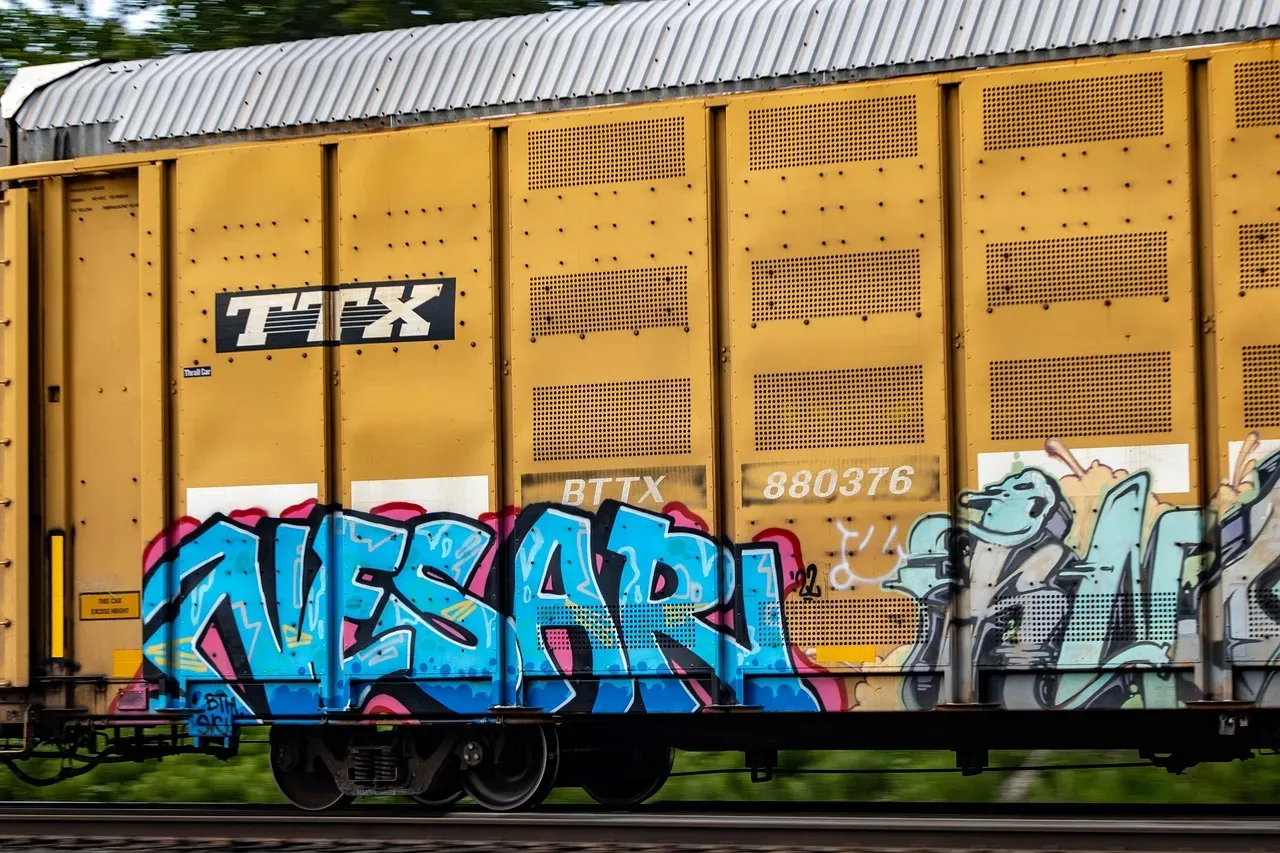
New York’s Metropolitan Transportation Authority declared war on graffiti in the mid-1980s, implementing aggressive cleaning policies and installing razor wire fences around train yards. By 1989, they claimed victory – every subway car rolled out graffiti-free. Many people thought that would be the end of the movement.
But something unexpected happened. Forced off trains, artists moved to walls, buildings, and canvases. This shift actually helped legitimize street art because pieces stayed visible longer instead of disappearing into train yards within days. The persecution paradoxically made the art more valuable and collectible.
Artists who adapted to this new reality began creating more sophisticated, permanent works. The clean train movement pushed street art to evolve beyond tagging into murals, stencils, and installations. Sometimes the best thing that can happen to a movement is facing an existential threat.
6. Banksy Revolutionizes Street Art With Anonymity

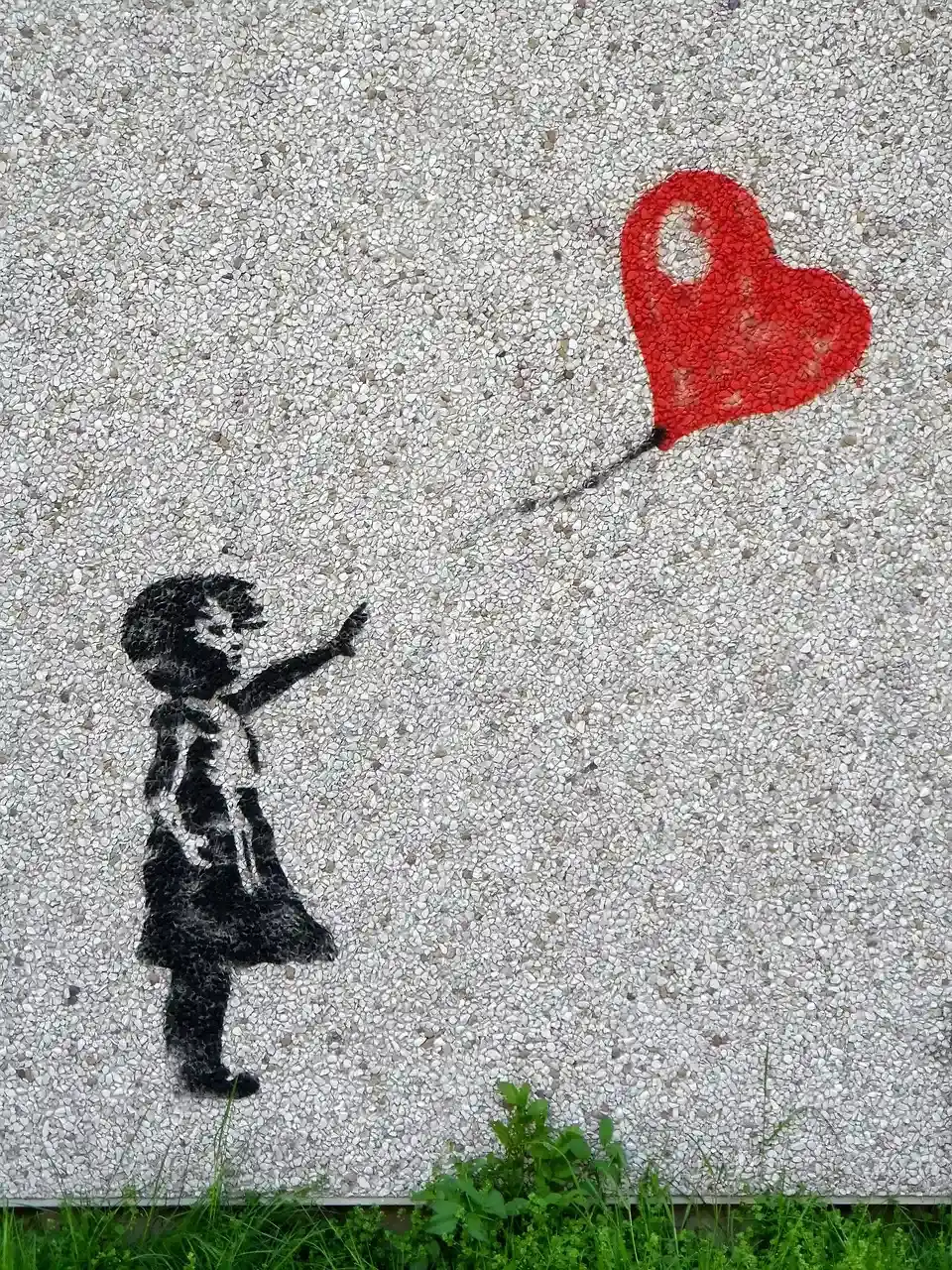
Nobody knows exactly when Banksy emerged from Bristol’s underground scene, and that’s precisely the point. By maintaining complete anonymity while creating politically charged stenciled images, this mysterious British artist turned street art into a global phenomenon. The combination of sharp wit, technical skill, and media savvy created a formula that captivated millions.
Banksy’s work appears overnight on walls from Palestine to Los Angeles, each piece generating instant media coverage and public debate. The artist’s decision to remain anonymous while achieving massive fame challenged traditional notions of artistic celebrity. It also made the work more valuable – pieces literally get cut out of walls and sold for hundreds of thousands.
Love him or find him overrated, you can’t deny Banksy made street art respectable among people who previously dismissed it as vandalism. Museums compete to display his work, and celebrities collect it obsessively. His success opened doors for countless other street artists to exhibit in galleries and sell their work legally.
7. Shepard Fairey’s Obama Poster Goes Viral

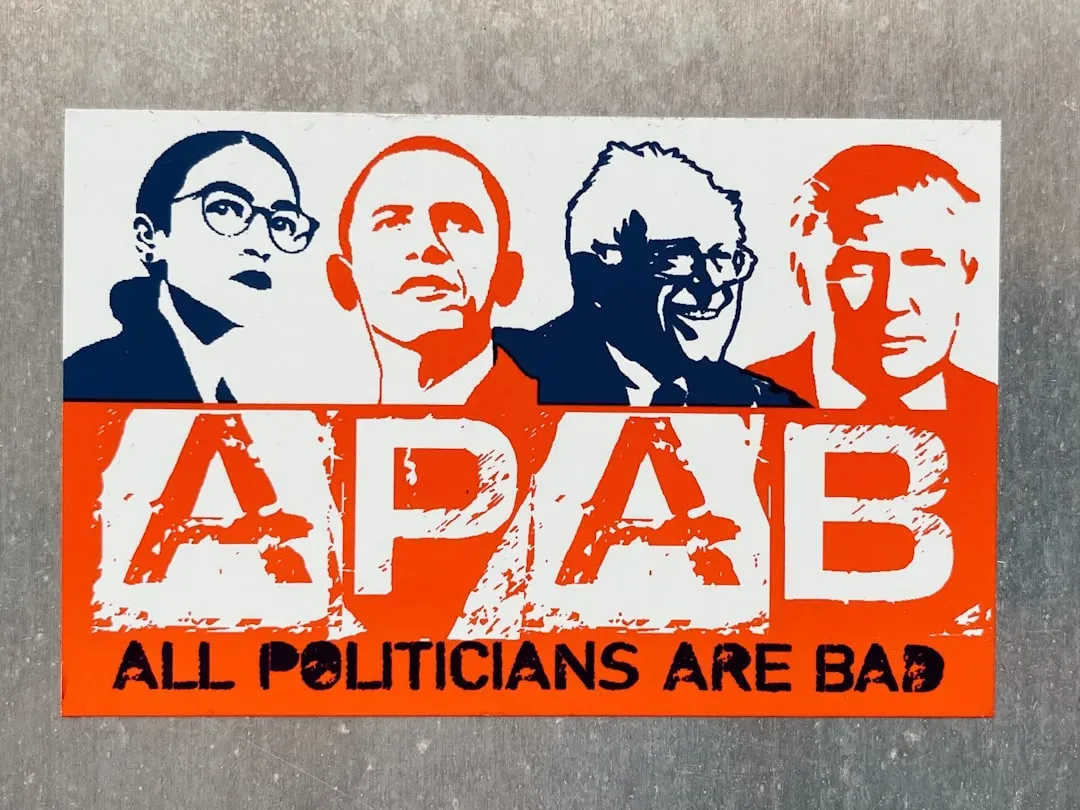
Shepard Fairey had been wheat-pasting his “Obey Giant” images for years when he created the iconic “Hope” poster for Barack Obama’s 2008 presidential campaign. That single image, with its bold colors and street art aesthetic, became one of the most recognized political graphics in history. Suddenly, a street artist’s work was hanging in the Smithsonian.
The poster demonstrated street art’s power to influence mainstream political discourse and shape cultural narratives. Fairey went from pasting stickers illegally to being invited to the presidential inauguration. This trajectory showed how thoroughly street art had penetrated the establishment.
Of course, Fairey’s success came with controversy over copyright issues and his corporate collaborations. Critics argued he’d sold out, but his defenders said he proved street artists could support themselves without abandoning their roots. Either way, his influence on visual culture remains undeniable.
8. Museums Start Collecting Street Art

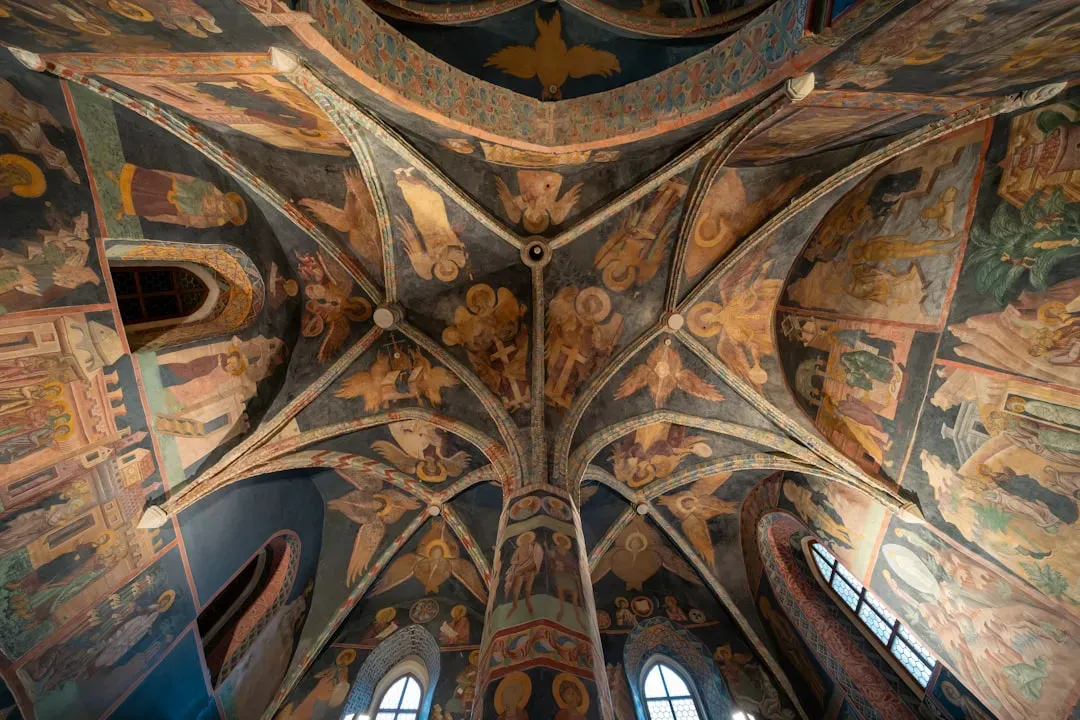
When major institutions like the Museum of Contemporary Art in Los Angeles mounted “Art in the Streets” in 2011, it marked a turning point. Museums that once refused to acknowledge graffiti as legitimate art were now dedicating entire exhibitions to it. The show broke attendance records, proving public appetite for street art far exceeded expectations.
Curators began acquiring works by Futura, Lee Quiñones, and Lady Pink for permanent collections. This institutional validation gave street art historical legitimacy and academic credibility. Art historians started writing dissertations about movements they’d previously ignored.
Some artists embraced this recognition while others viewed it as co-optation. The debate over whether street art loses its essence when placed in museums continues today. But there’s no denying that museum exhibitions fundamentally changed how society views this art form.
9. Auction Houses Discover Street Art’s Market Value
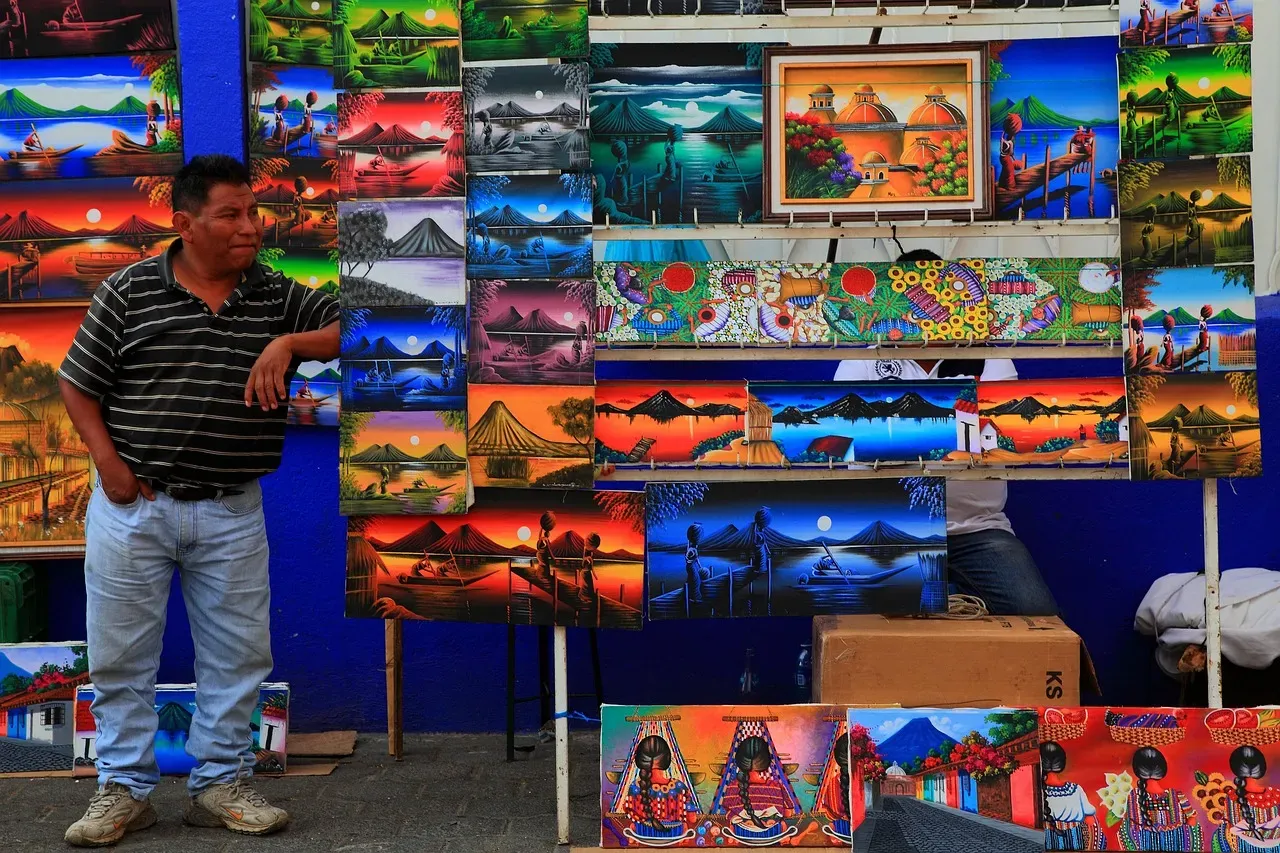
Christie’s and Sotheby’s started holding dedicated street art auctions in the 2000s, and collectors went crazy. A Banksy piece that might have been available for a few thousand dollars suddenly sold for hundreds of thousands. In 2018, his “Girl With Balloon” partially shredded itself immediately after selling for over a million pounds, creating even more value through the spectacle.
This commercialization troubled many in the street art community who saw it as betraying the movement’s anti-establishment roots. Yet it also provided financial stability for artists who had been scraping by. The market boom meant talented artists could finally make a living without taking corporate commissions or teaching jobs.
Investment firms now treat street art like stocks, buying and flipping pieces for profit. It’s bizarre seeing an art form born from anti-capitalist rebellion become a speculative asset. Then again, perhaps that’s the ultimate triumph – forcing the system to recognize and value what it once criminalized.
10. Cities Commission Murals Instead of Prosecuting Artists
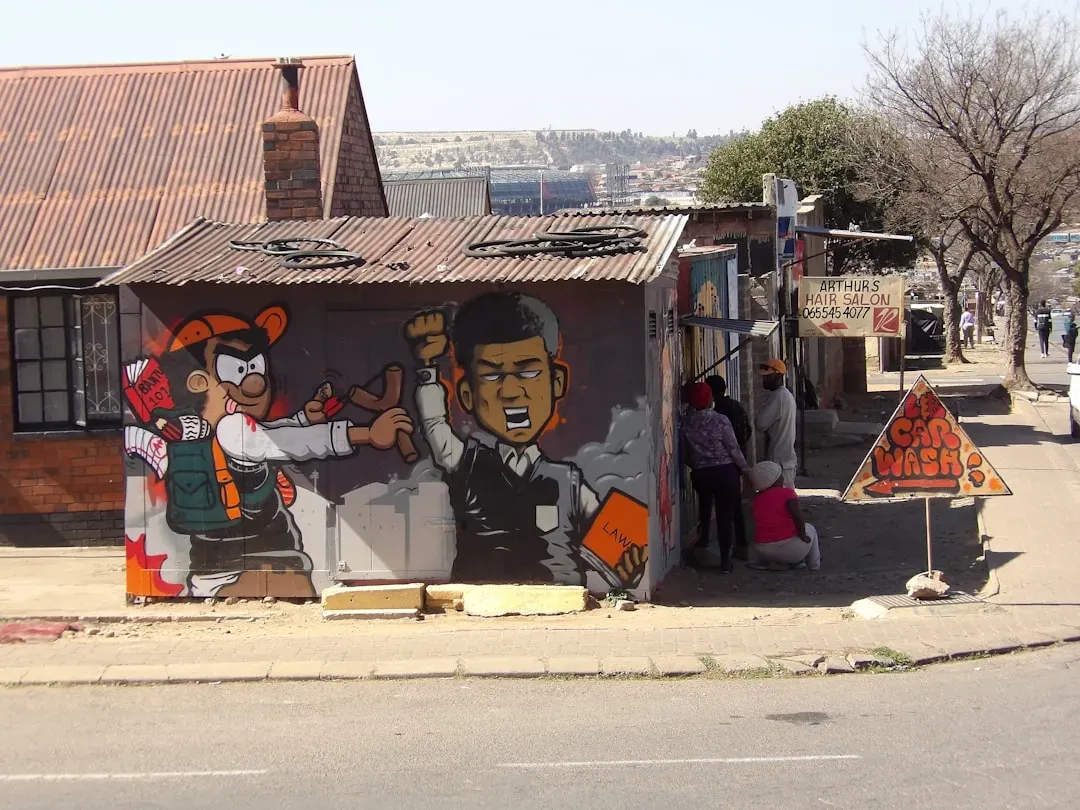
Philadelphia’s Mural Arts Program pioneered a radical approach in the 1990s – instead of arresting graffiti writers, why not pay them to create legal murals? The program transformed the city, covering thousands of walls with vibrant, community-approved artwork. Other cities watched and learned.
Today, Las Vegas and cities worldwide host mural festivals, inviting international street artists to paint legally with government funding and community support. The Life is Beautiful festival in downtown Las Vegas has turned entire blocks into open-air galleries. What was once grounds for arrest is now a tourism draw generating millions in revenue.
This shift represents a complete reversal in how authorities view street art. Municipal governments realized fighting it was expensive and futile – better to channel that energy into beautifying neighborhoods and attracting visitors. Of course, some argue this domestication strips street art of its rebellious spirit. That’s probably true, but it also means more art and fewer criminal records.
11. Social Media Amplifies Street Art’s Reach
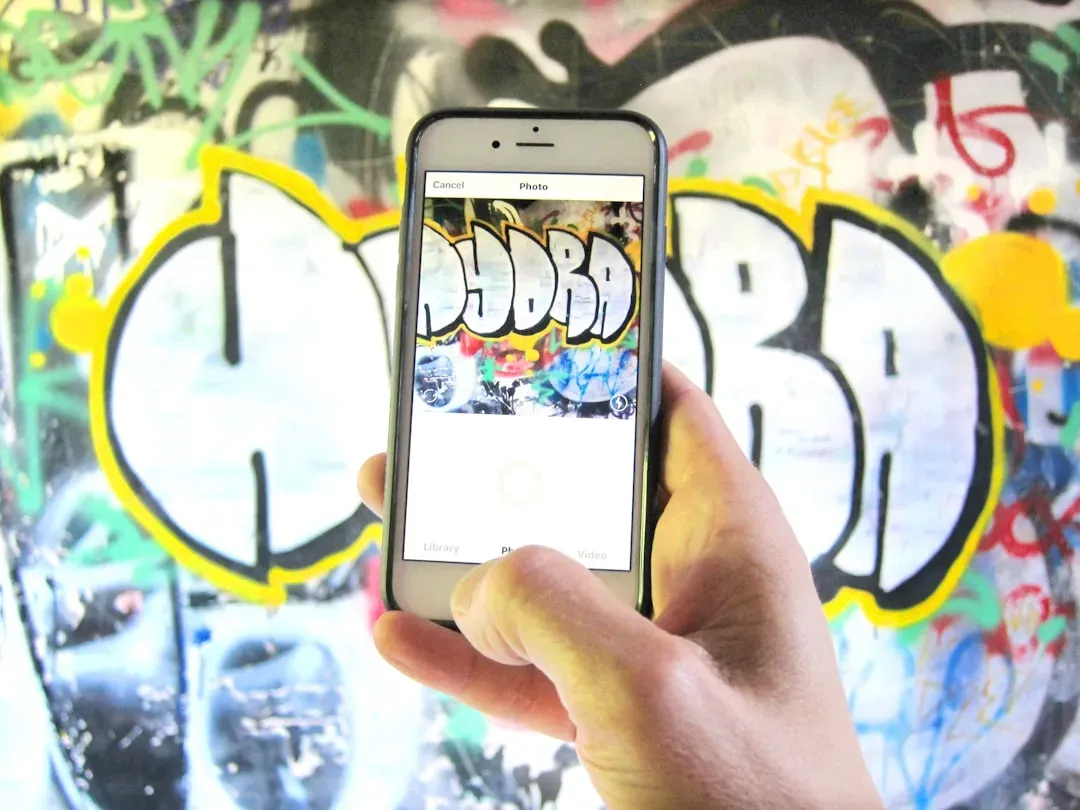
Instagram changed everything for street artists. Previously, your work might be seen by thousands of pedestrians over weeks. Now, a single photo can reach millions within hours. Artists like JR and Invader built massive followings by documenting their interventions online, turning temporary street pieces into permanent digital archives.
Partner offer

Social media also democratized art criticism – regular people could comment on and share street art without needing gallery connections or art world credentials. This direct relationship between artists and audiences bypassed traditional gatekeepers entirely. The most popular street artists now have follower counts rivaling mainstream celebrities.
There’s an irony here, though. Street art was supposed to be about claiming public space, not collecting likes and followers. Some artists feel pressure to create Instagram-friendly work rather than pieces that engage meaningfully with their environment. The medium that helped legitimize street art might also be diluting it.
12. The Rise of Commissioned Corporate Murals

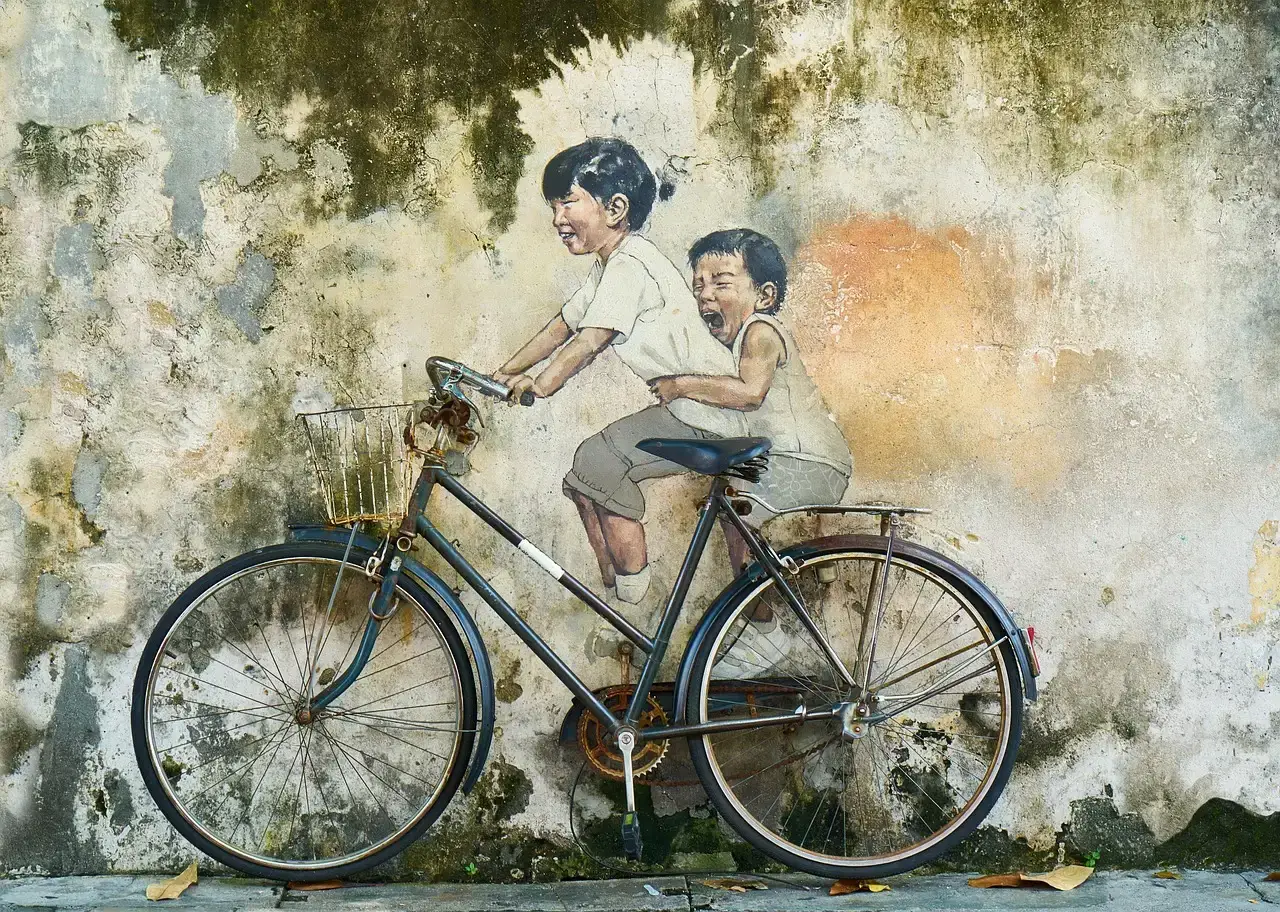
Corporations discovered that hiring street artists to paint their buildings was cheaper than traditional advertising and infinitely cooler. Suddenly, former outlaws were getting paid five-figure fees to paint branded murals for Nike, Apple, and luxury condos. This created opportunities but also ethical dilemmas for the street art community.
Artists who once painted illegal pieces criticizing consumerism now found themselves taking money from major corporations. Some navigated this carefully, maintaining artistic integrity while accepting commissions. Others seemed to abandon any pretense of rebellion, becoming essentially commercial illustrators with street art aesthetics.
It’s easy to judge, but artists need to eat. The question becomes whether corporate sponsorship necessarily corrupts street art’s message, or if skilled artists can subvert these relationships. There’s no clear answer, but the tension between authenticity and commerce defines much of contemporary street art.
13. Street Art Tourism Becomes an Industry

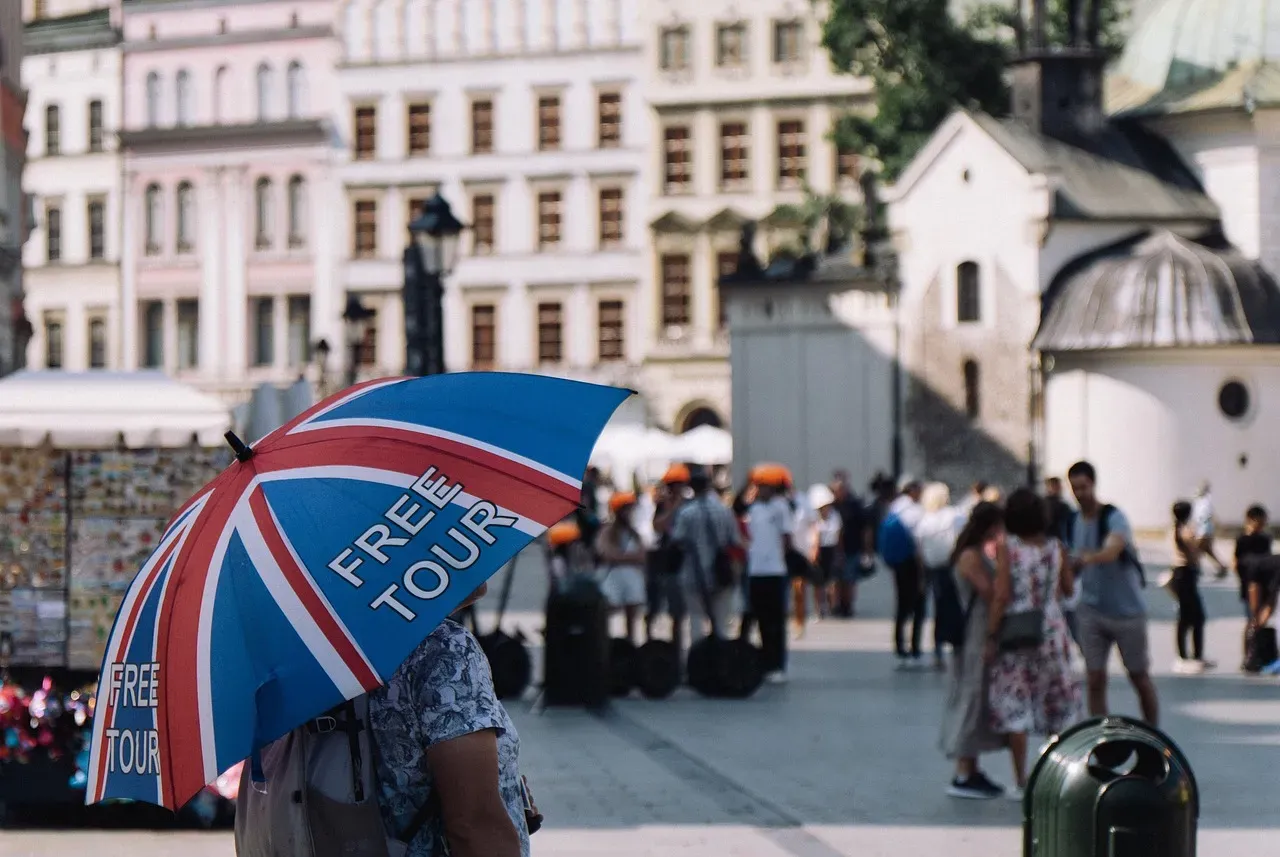
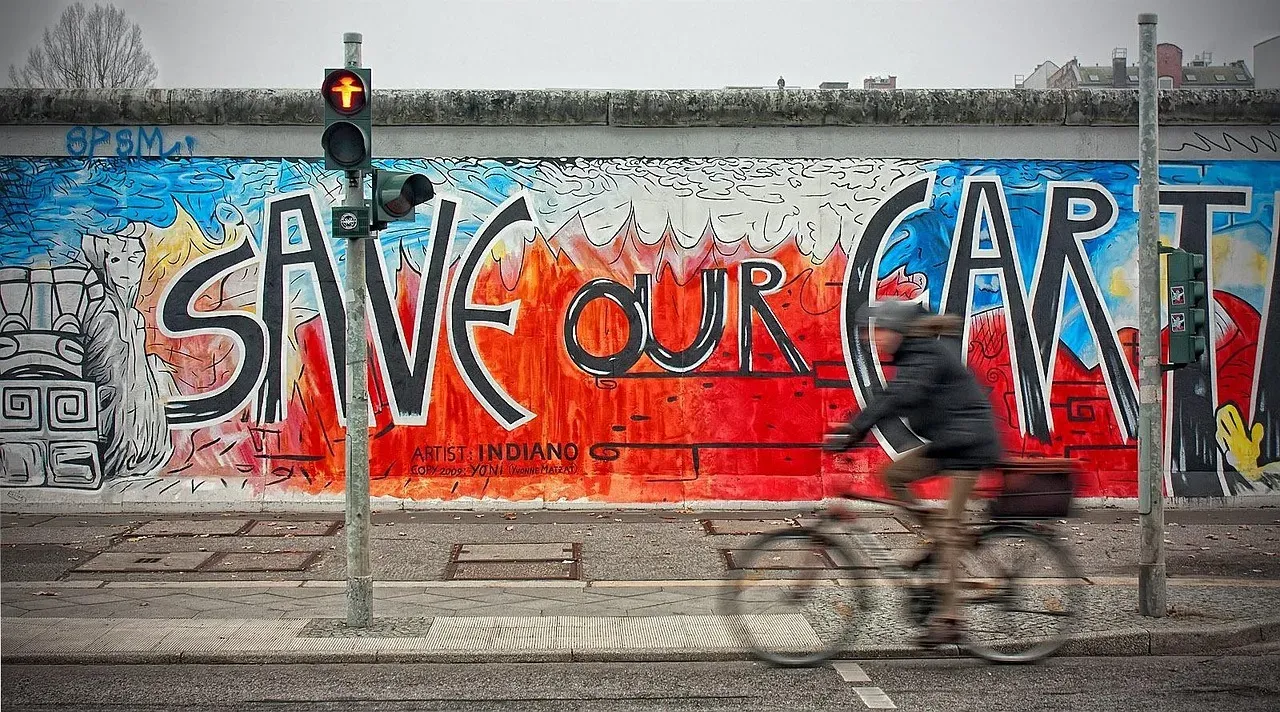
Tour companies now offer street art walking tours in cities worldwide, guiding tourists through neighborhoods to see famous murals and tags. Berlin’s East Side Gallery draws millions of visitors annually. London’s Shoreditch neighborhood markets itself explicitly around its street art scene. What started as illegal expression has become a legitimate tourist attraction generating serious money.
This tourism brings benefits and problems. Artists gain recognition and neighborhoods get economic boosts, but gentrification often follows. The very communities that tolerated street art when property values were low often get priced out once their neighborhood becomes trendy. It’s a bitter irony many street artists acknowledge.
Las Vegas has embraced this trend with the Downtown Arts District, where guided tours showcase works by international artists alongside local talent. The city that once aggressively prosecuted graffiti now promotes it as a cultural amenity. Times certainly change.
14. Academic Programs Begin Teaching Street Art

Universities and art schools now offer courses analyzing street art’s history, techniques, and cultural impact. Students can write theses on Banksy or study the semiotics of graffiti tagging. What was once considered juvenile delinquency is now a legitimate field of scholarly inquiry with conferences, journals, and research grants.
This academic legitimization represents perhaps the most complete acceptance of street art into mainstream culture. When professors lecture about something, it’s officially part of the canon. For artists who learned their craft on the streets, seeing their movement analyzed in classrooms must feel surreal.
Some argue this academic attention kills street art’s rebellious spirit by subjecting it to the same institutional analysis applied to classical painting. Others appreciate that future generations will understand street art’s historical significance. Education always changes what it touches – whether that’s good or bad depends on your perspective.
15. Legal Protections for Street Art Emerge

The Visual Artists Rights Act (VARA) has been invoked to protect street art in recent years, most famously in the 5Pointz case where artists successfully sued a property developer for whitewashing their works. Courts awarded them over six million dollars, establishing that street art, even when created without permission, might deserve legal protection.
This legal recognition represents a stunning reversal. Art once prosecuted as vandalism now receives copyright protection and can generate damages when destroyed. Property owners who commission murals must now consider artists’ rights before painting over them. The law adapts slowly, but it’s clearly adapting.
These protections create interesting paradoxes. How can illegal art receive legal protection? What happens when an artist’s rights conflict with a property owner’s rights? These questions will occupy lawyers and judges for years, but the fundamental point stands – society now recognizes street art as having intrinsic value worth protecting.
16. Street Art Festivals Transform Cities Temporarily

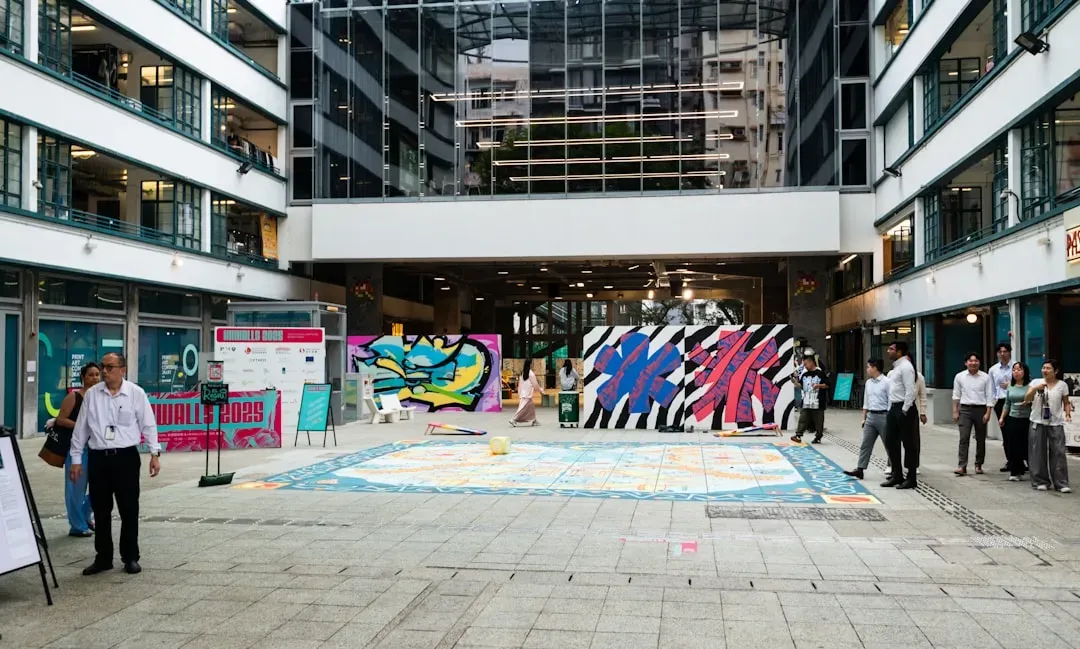
Events like Nuart in Stavanger, Norway and POW! WOW! in Hawaii bring dozens of international street artists together for weeklong festivals of legal painting. These gatherings create concentrated bursts of artistic energy, transforming entire neighborhoods within days. They also facilitate cultural exchange between artists from different traditions and techniques.
Such festivals serve multiple purposes – they provide legal walls for artists, attract tourism, and give cities cultural credibility. Local governments fund these events precisely because they generate positive publicity and economic activity. The irony of governments paying for street art would have been unthinkable forty years ago.
Critics note that festival art, created under official sanction with corporate sponsorship, lacks the danger and authenticity of illegal work. That’s fair, but festivals also introduce street art to audiences who’d never seek it out otherwise. They’re a compromise, but sometimes compromises move things forward.
17. Female Street Artists Gain Overdue Recognition


For decades, street art was overwhelmingly male-dominated, with female artists facing harassment, exclusion, and erasure. That’s finally changing as artists like Lady Aiko, Swoon, and Faith47 receive recognition for their contributions. Their work brings different perspectives and techniques to a scene that desperately needed fresh viewpoints.
Women in street art often face questions male artists never encounter about safety, motivation, and legitimacy. They’ve had to work twice as hard for half the recognition. But their presence is reshaping the movement, challenging its macho culture and expanding its aesthetic vocabulary.
Museums and galleries are now actively seeking to include female street artists in exhibitions and collections. This correction of historical oversight matters because it acknowledges that street art’s story was never just about male artists, even if they dominated the narrative. Better late than never for recognizing the full picture.
18. The Debate Over Gentrification and Street Art
Nothing divides the street art community more than its role in gentrification. Murals make neighborhoods attractive to developers and wealthy residents, often displacing the very communities that tolerated street art when nobody else would. Artists find themselves unwitting agents of displacement, beautifying areas that become unaffordable to longtime residents.
Some artists refuse commissions in gentrifying neighborhoods, while others argue they’re not responsible for broader economic forces. There’s no easy answer. Street art doesn’t cause gentrification, but it can certainly accelerate it by making areas seem hip and desirable.
This dilemma forces uncomfortable questions about who benefits from public art and who pays the cost. Artists struggling financially can hardly be blamed for accepting paying work, yet the consequences for communities can be devastating. It’s a mess, honestly, and pretending otherwise helps nobody.
19. Technology Creates New Forms of Street Art

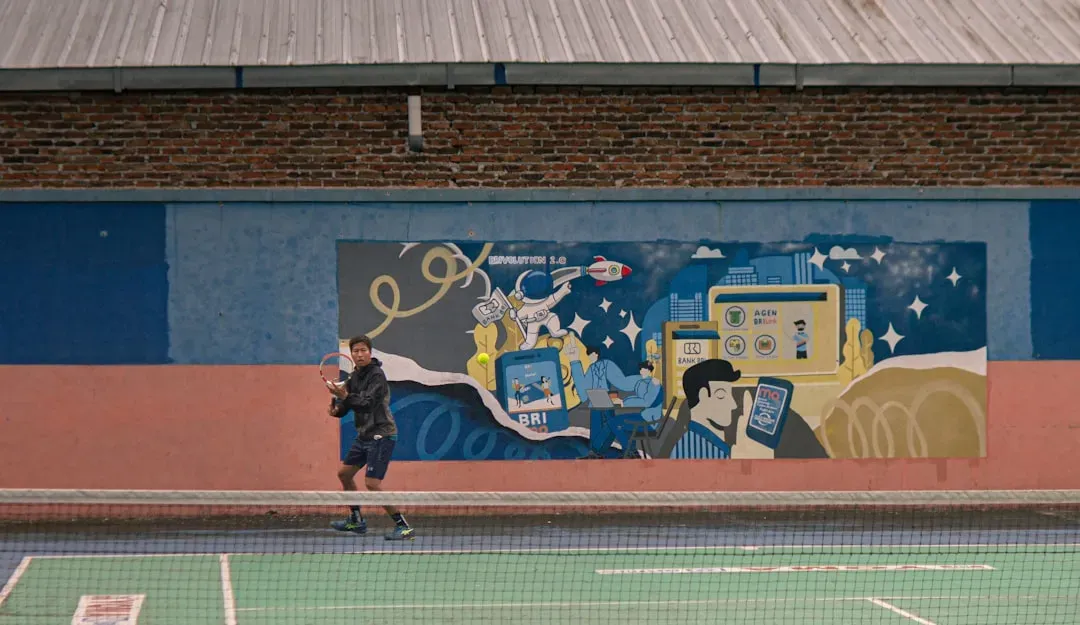
Augmented reality apps now allow artists to overlay digital artworks onto physical spaces, visible only through smartphones. Projection mapping transforms buildings into animated canvases. These technologies expand what’s possible in public art while creating new questions about what counts as street art.
Some purists argue that if it’s not permanent paint on a physical surface, it’s not real street art. Others embrace technology as a natural evolution that allows for impermanent, interactive pieces that respond to their environment. The debate mirrors similar arguments about photography or video in traditional art.
What’s certain is that technology is changing how we create, experience, and preserve street art. Digital archives ensure nothing is truly lost anymore, even as physical pieces get painted over or demolished. Future generations will have access to more comprehensive documentation of street art than any previous era.
20. Street Art’s Influence on Contemporary Design

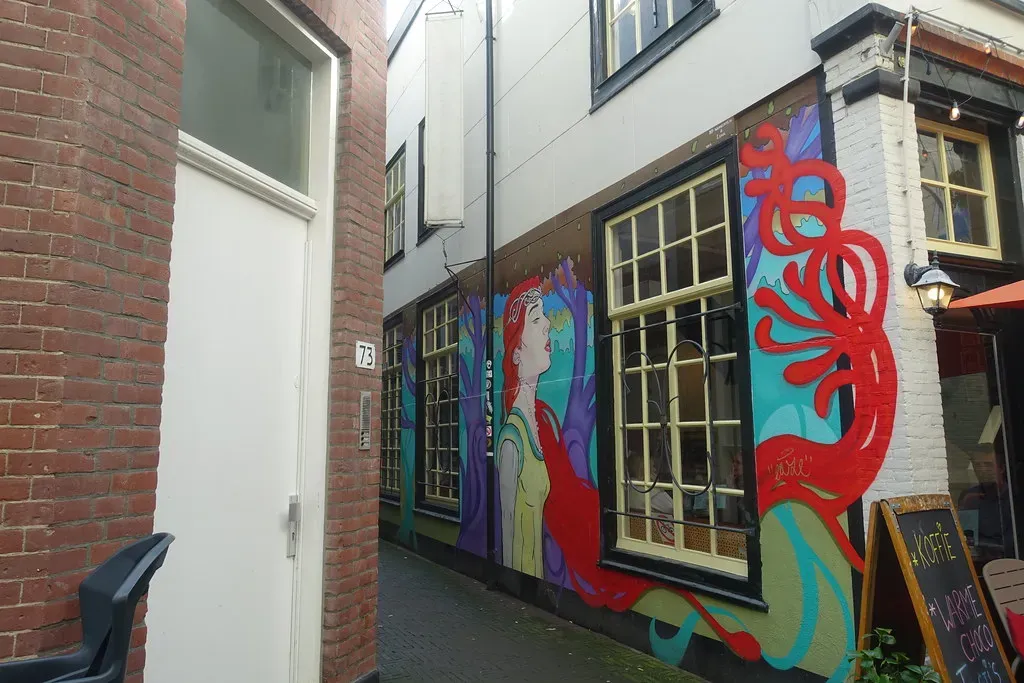
Walk into any trendy restaurant, hotel, or office building today, and you’ll likely see design elements borrowed from street art – exposed brick, graffiti-style lettering, vibrant murals, urban grit as aesthetic choice. What was once considered ugly and dangerous now sells luxury condos and designer clothing.
Fashion houses regularly collaborate with street artists or appropriate their visual language. Supreme built an empire on skateboard and graffiti culture. Louis Vuitton commissioned Stephen Sprouse to create graffiti-covered bags. The boundary between street culture and high fashion has completely dissolved.
This mainstream adoption represents both victory and defeat for street art. It achieved cultural dominance, influencing design across industries. But in succeeding, it arguably lost the oppositional stance that made it powerful in the first place. When your rebellion becomes a marketing strategy, what exactly have you won?
Conclusion
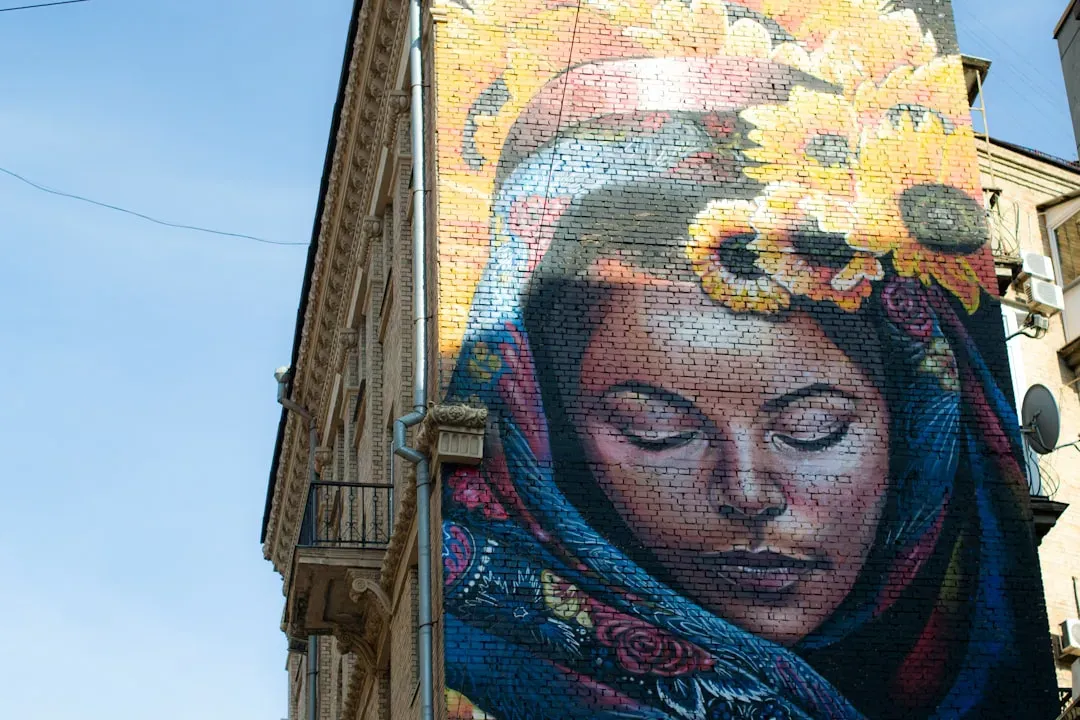
The transformation of street art from criminalized vandalism to celebrated culture reveals how society constantly redefines what counts as legitimate expression. What seemed threatening and destructive to one generation became the next generation’s cultural heritage. Museums now preserve what police once prosecuted, and cities commission what they once erased.
This evolution hasn’t been simple or uncontroversial. Questions about commercialization, gentrification, and authenticity persist within the community. But perhaps that tension is street art’s greatest strength – it remains uncomfortable, provocative, and impossible to fully domesticate even as institutions try to contain it.
The journey from subway tunnels to Sotheby’s took decades and involved countless artists, advocates, and cultural shifts. Looking ahead, it’s hard to predict where street art goes next, but if history teaches anything, it’s that artists will keep finding ways to challenge expectations and claim public space. What do you think about street art’s evolution? Share your thoughts in the comments.
Partner offer
Planning a trip to Vegas?
Compare hotel rates and show tickets on VEGAS.com.