Picture this: you’re at a concert on the Las Vegas Strip, the lights dim, and suddenly thousands of voices rise as one. You feel your heart swell, goosebumps prickle your skin, and without even thinking, you’re belting out lyrics you didn’t even realize you still remembered. It’s electric. It’s almost spiritual. But what’s actually happening inside your brain when you join a crowd sing-along?
The truth is, there’s some fascinating psychology at work here. Scientists have spent years studying why humans crave these collective musical moments, and what they’ve discovered might surprise you. From ancient survival instincts to modern neurochemistry, our brains are practically hardwired to seek out these experiences. So let’s dive in and explore the twenty surprising reasons why crowd sing-alongs feel so incredibly good.
The Tribal Connection We’re Born With


Deep in our evolutionary past, belonging to a group meant survival. Our ancestors who stuck together, who could coordinate and communicate effectively, were the ones who lived to pass on their genes. Singing together creates an instant sense of tribal belonging that taps directly into this ancient wiring.
When you sing with a crowd, your brain recognizes this as a bonding activity. It’s not just entertainment. Your subconscious registers the shared experience as confirmation that you’re part of something bigger, something protective. This feeling of safety and acceptance is primal, and it’s one reason why even strangers at a Vegas show can feel like temporary family.
Think about it: how often do you synchronize your behavior so completely with hundreds or thousands of other people? That level of coordination sends powerful signals to your brain that you’re in the right place, with the right people.
Oxytocin Floods Your System

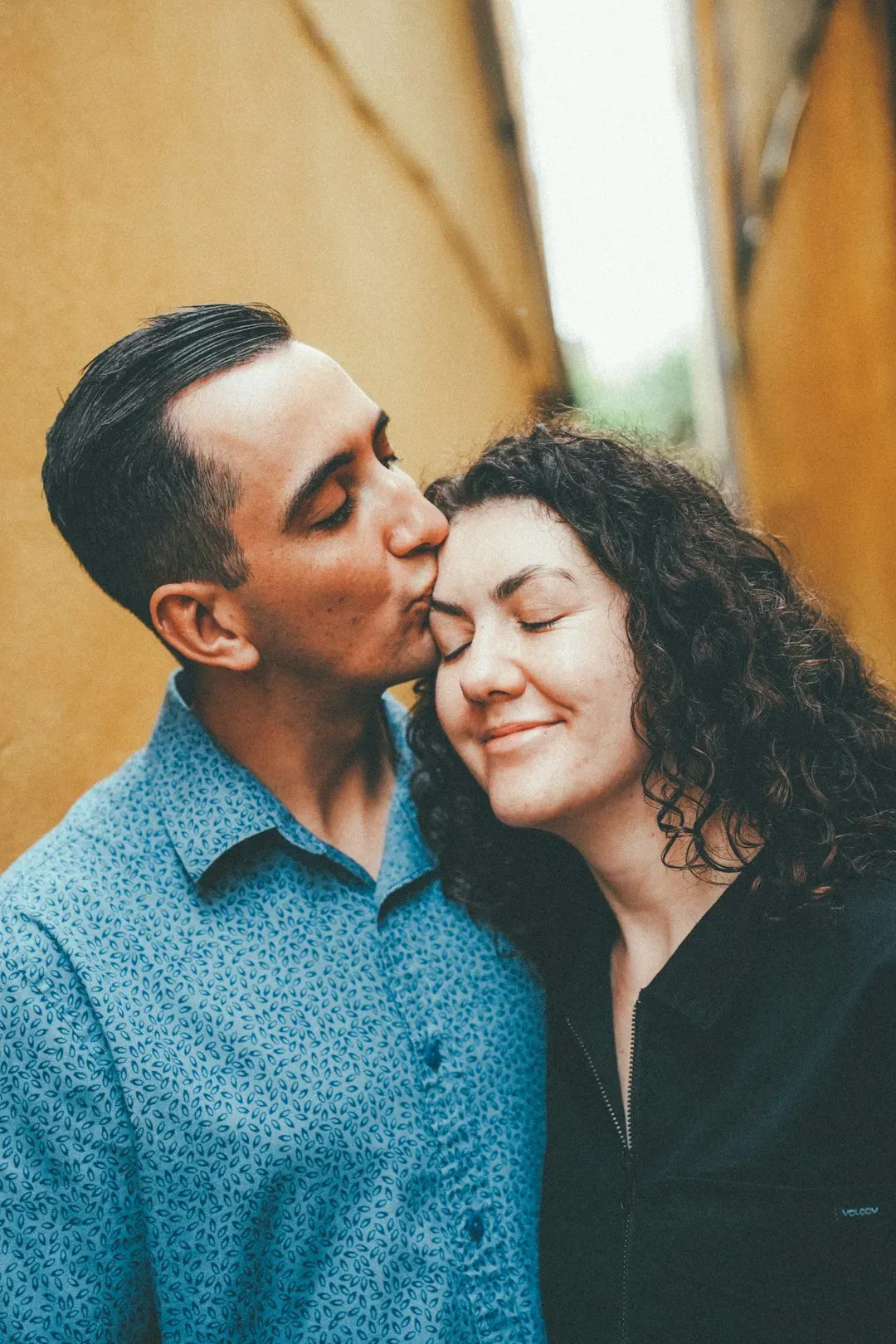
Here’s where things get chemical. When you sing with others, your brain releases oxytocin, often called the “love hormone” or “bonding hormone.” This is the same neurotransmitter that floods a mother’s system when she holds her newborn baby.
Studies from Sweden and the UK have shown that group singing significantly increases oxytocin levels in participants. This hormone makes you feel closer to the people around you, even if you’ve never met them before. It reduces stress, lowers anxiety, and creates feelings of trust and connection.
In a city like Las Vegas, where people come from all over the world, this chemical reaction helps create instant communities. You might be standing next to someone from Tokyo, but for those few minutes, you’re both riding the same neurochemical wave.
Synchronized Breathing Creates Unity
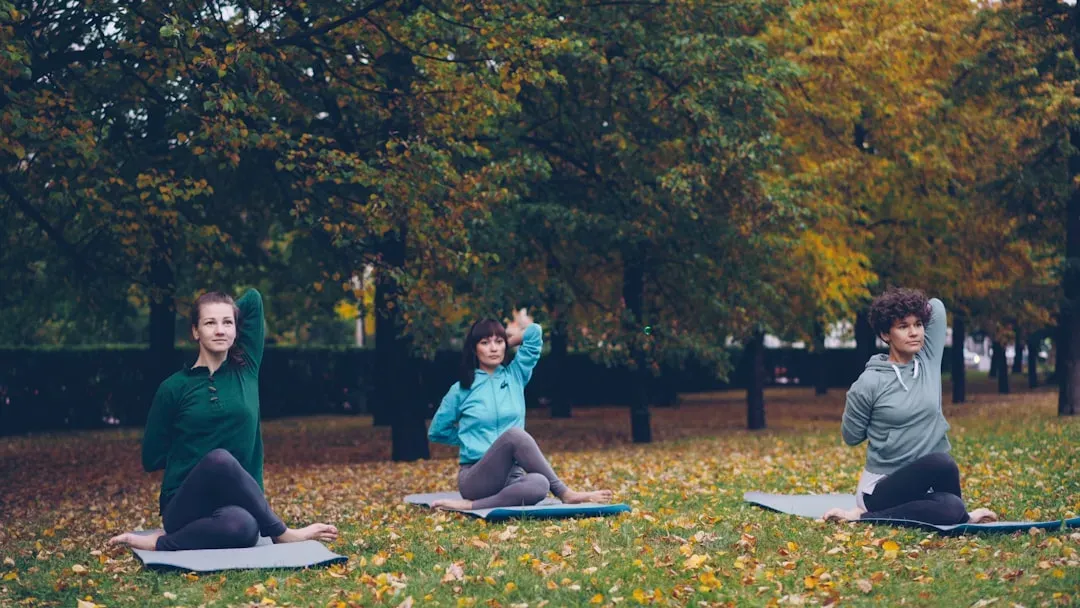
Something remarkable happens when people sing together: their breathing synchronizes. You have to inhale and exhale at roughly the same moments to stay with the song. This shared rhythm does something extraordinary to our nervous systems.
Research has shown that synchronized breathing actually causes heart rates to sync up across a group. Your cardiovascular system literally falls into rhythm with the people around you. It’s like you become part of one giant organism, all breathing together, all hearts beating in similar patterns.
This physiological synchronization creates a sense of unity that goes beyond just emotional connection. Your body is physically aligning with the crowd, and your brain registers this as profound togetherness.
It Gives You Permission to Be Loud
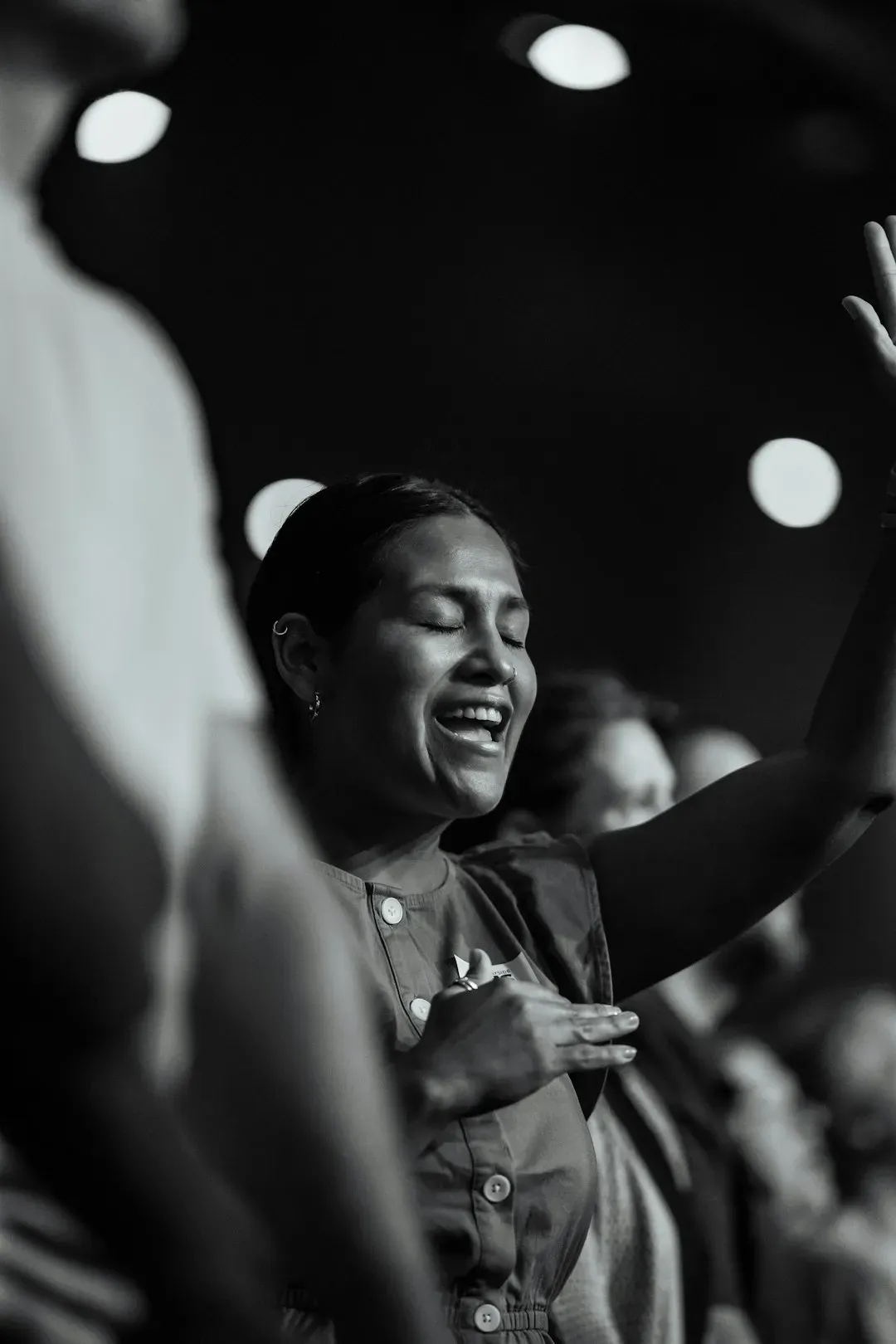
Let’s be real: most of us don’t get many chances to just let loose and be loud. We’re constantly told to use our “indoor voices,” to be considerate of others, to keep it down. But humans actually need to make noise sometimes.
A crowd sing-along gives you complete permission to shout, to belt, to unleash your voice without any social consequences. In fact, the louder you are, the better. This release feels incredible because you’re finally allowed to do something that’s usually forbidden.
There’s also something empowering about adding your voice to a massive chorus. Alone, you might feel self-conscious about your singing voice. But in a crowd of thousands? Nobody can pick you out. You’re simultaneously expressing yourself fully while remaining completely anonymous.
The Dopamine Reward System Kicks In
Your brain’s reward system absolutely lights up during a sing-along. When you successfully anticipate the next lyric, nail a chorus, or stay in sync with the crowd, your brain releases dopamine. This is the same neurotransmitter involved in pleasure, motivation, and learning.
It’s similar to the high you get from exercise or eating your favorite food. Your brain is essentially rewarding you for participating in this pro-social behavior. Each verse you complete, each harmony you hit, triggers another small burst of feel-good chemicals.
The anticipation matters too. When you know a big chorus is coming, your brain starts releasing dopamine even before you start singing. That’s why the build-up to a well-known anthem feels so thrilling.
It Satisfies Your Need for Predictability and Control

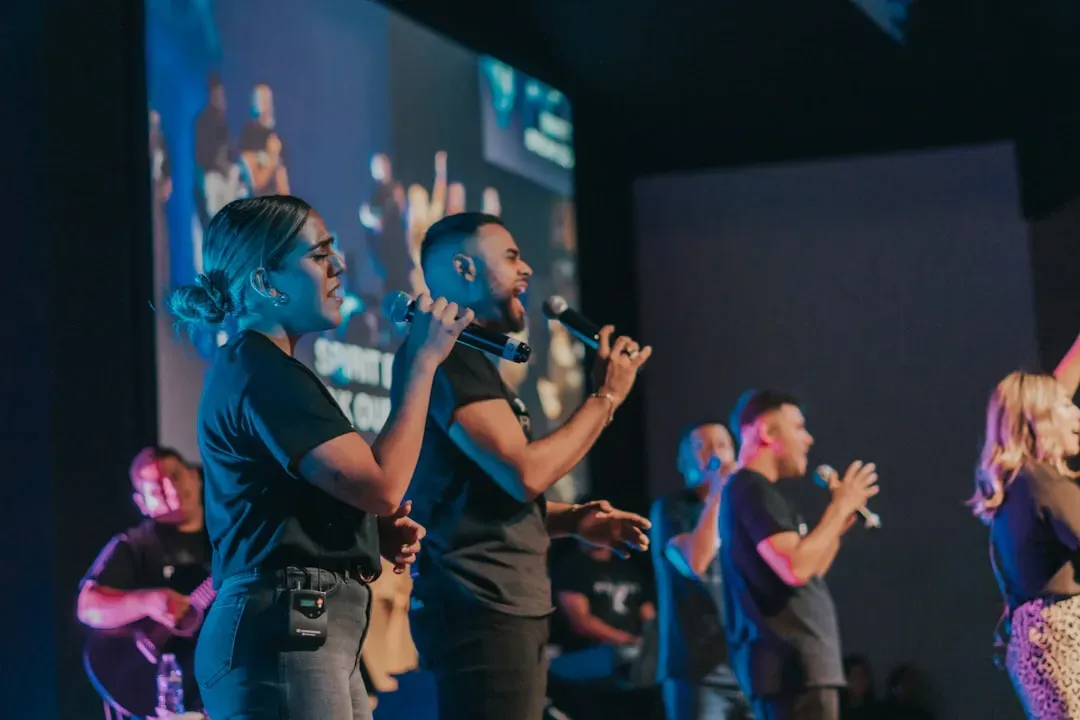
Life is chaotic and unpredictable. But during a sing-along, you know exactly what’s coming next. If you know the song, you have complete control over your participation. There’s comfort in that certainty.
When thousands of people all anticipate the same lyric and deliver it together, it creates a satisfying sense of collective control. Everyone is on the same page, literally and figuratively. In a world that often feels random and overwhelming, this predictable structure feels therapeutic.
Plus, there’s mastery involved. If you’ve heard a song hundreds of times, singing it with a crowd lets you demonstrate that mastery. Your brain registers this as competence, which boosts self-esteem and confidence.
You Experience Collective Effervescence
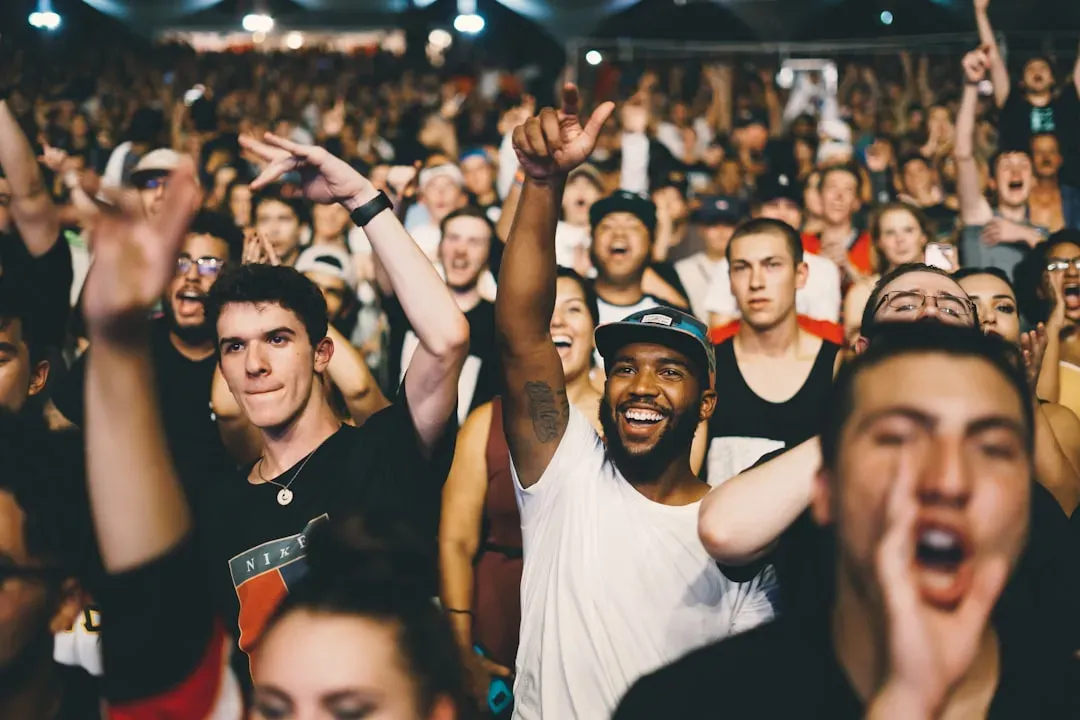
French sociologist Émile Durkheim coined this term over a century ago to describe the energy and excitement that emerges when people come together in shared experience. Collective effervescence is that electric, almost mystical feeling that something bigger than any individual is happening.
During a powerful sing-along, you’re not just feeling your own emotions. You’re feeling the amplified emotional energy of everyone around you. It’s contagious, overwhelming, and incredibly moving.
This is why concert-goers often describe feeling “transformed” or “moved to tears” during massive sing-alongs. You’re experiencing an emotional intensity that would be impossible to generate on your own. The collective magnifies everything.
Mirror Neurons Make You Feel What Others Feel
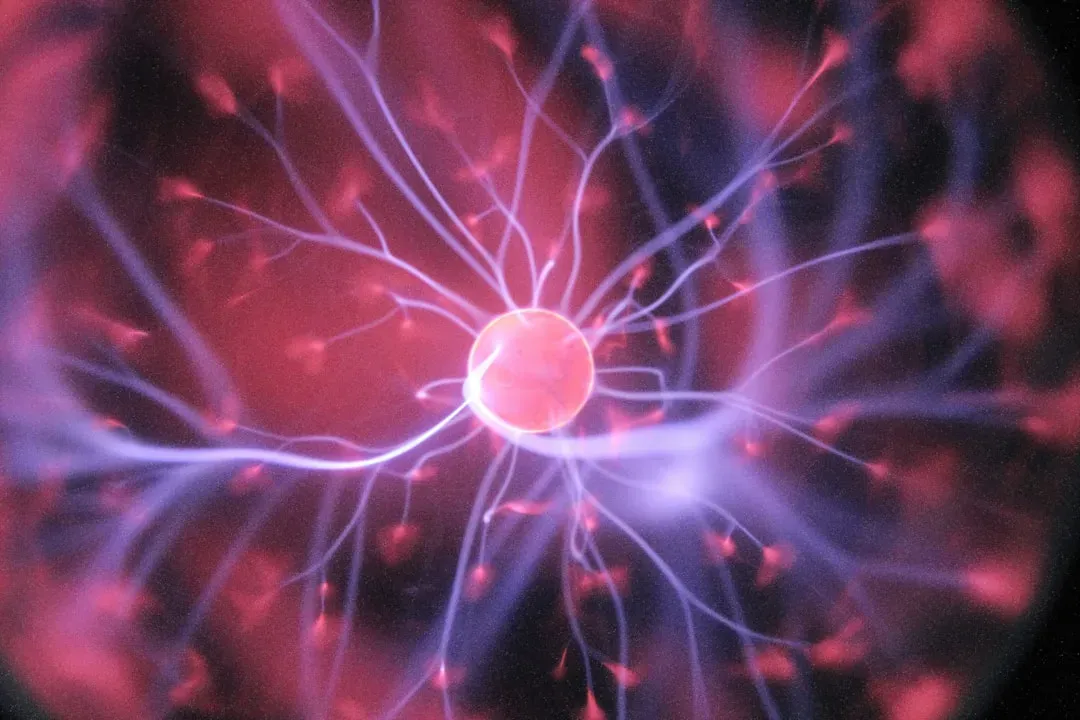
Your brain contains specialized cells called mirror neurons that fire both when you perform an action and when you watch someone else perform that same action. These neurons help you understand and empathize with others.
In a sing-along, you’re not just singing yourself. You’re watching and hearing thousands of other people singing. Your mirror neurons are firing like crazy, making you feel connected to all those other voices. You’re experiencing their joy, their passion, their excitement as if it were your own.
This neural mirroring creates an empathy loop. The more you see others enjoying themselves, the more your brain mirrors that enjoyment, which makes you enjoy it more, which makes others mirror your heightened state. It’s a beautiful feedback system of shared emotion.
It Temporarily Dissolves Your Ego

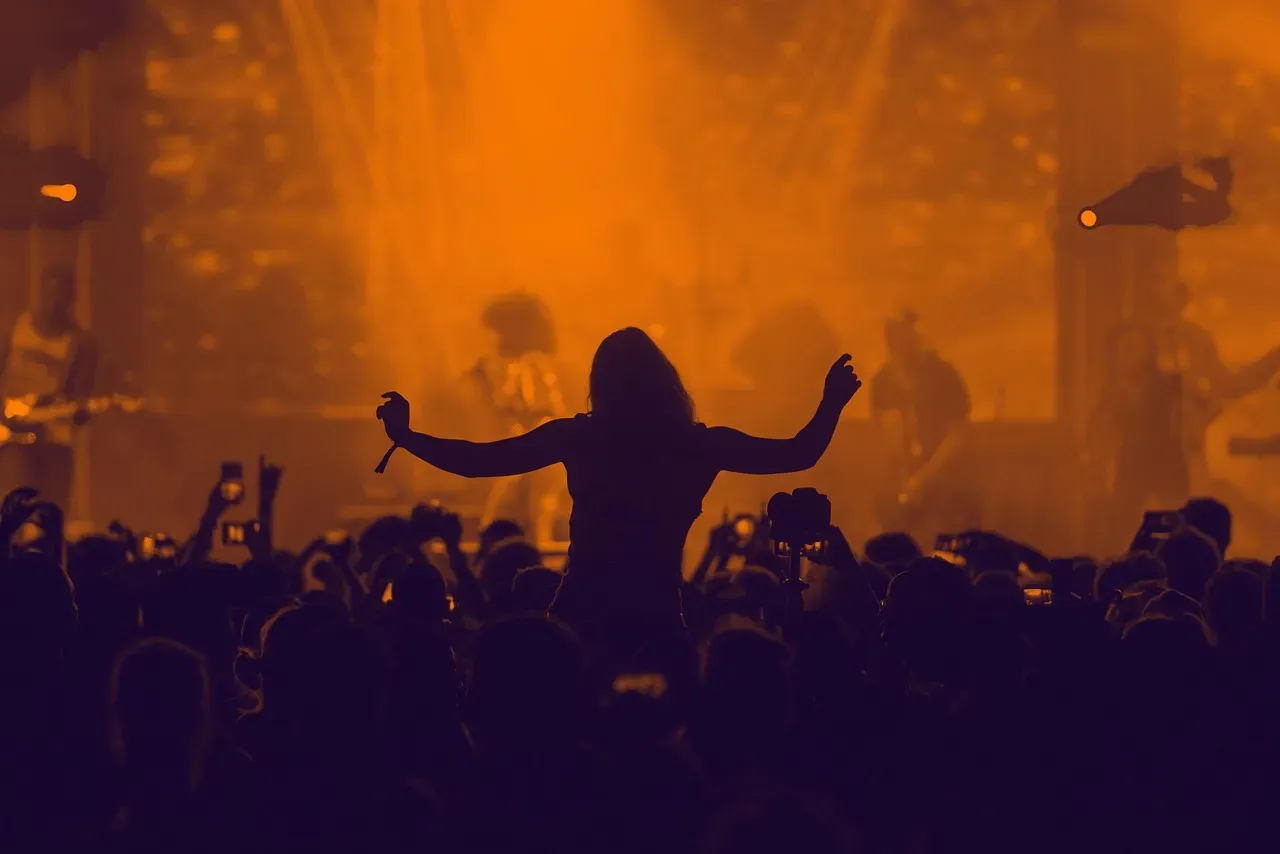
Psychologists talk about “ego dissolution” as a state where you lose your sense of being a separate individual. It’s often associated with meditation, psychedelic experiences, or intense spiritual practices. But guess what? You can also experience it at a concert.
When you’re fully absorbed in singing with thousands of others, your individual identity can temporarily fade. You’re no longer thinking about yourself as a separate person with separate problems. You’re part of the crowd, part of the music, part of something unified.
This dissolution of self is deeply relieving. All your personal anxieties, your to-do lists, your worries about how others perceive you, they all just fall away. For those few minutes, you exist as pure participation.
Nostalgia Amplifies the Experience
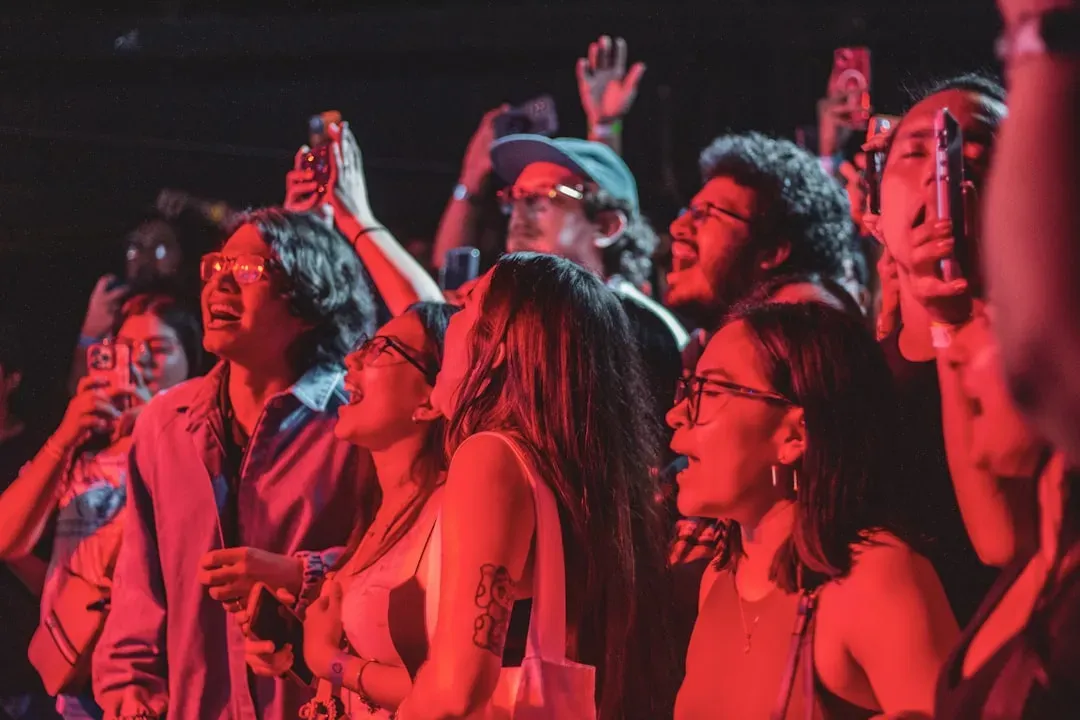
Most sing-along moments involve songs we already know and love. These songs carry memories: where we were when we first heard them, what was happening in our lives, people we’ve lost or loved. Singing them in a crowd brings all that history rushing back.
Neuroscience research shows that nostalgic memories are some of the most emotionally powerful we have. They connect us to our past selves and remind us of our journey through life. When you sing a song from your teenage years alongside thousands of strangers, you’re simultaneously reaching back through time and existing fully in the present.
The combination of nostalgia and collective experience creates an emotional cocktail that’s particularly potent. You’re feeling your own personal history while also creating a new shared memory with everyone around you.
Stress Hormones Drop Dramatically

Research has consistently shown that singing reduces cortisol, the primary stress hormone in your body. When you’re stressed or anxious, your cortisol levels are elevated. But just thirty minutes of singing can significantly lower those levels.
In a crowd sing-along, you’re getting this stress-reduction benefit amplified by all the other positive psychological effects we’ve discussed. The combination of lowered cortisol and increased oxytocin and dopamine creates a neurochemical shift that can feel almost therapeutic.
People who attend concerts in Las Vegas often report feeling like they’ve had a “reset” after a powerful sing-along moment. That’s not just poetic language. Their stress response system has literally been recalibrated by the experience.
You’re Fulfilling a Deep-Seated Need for Ritual

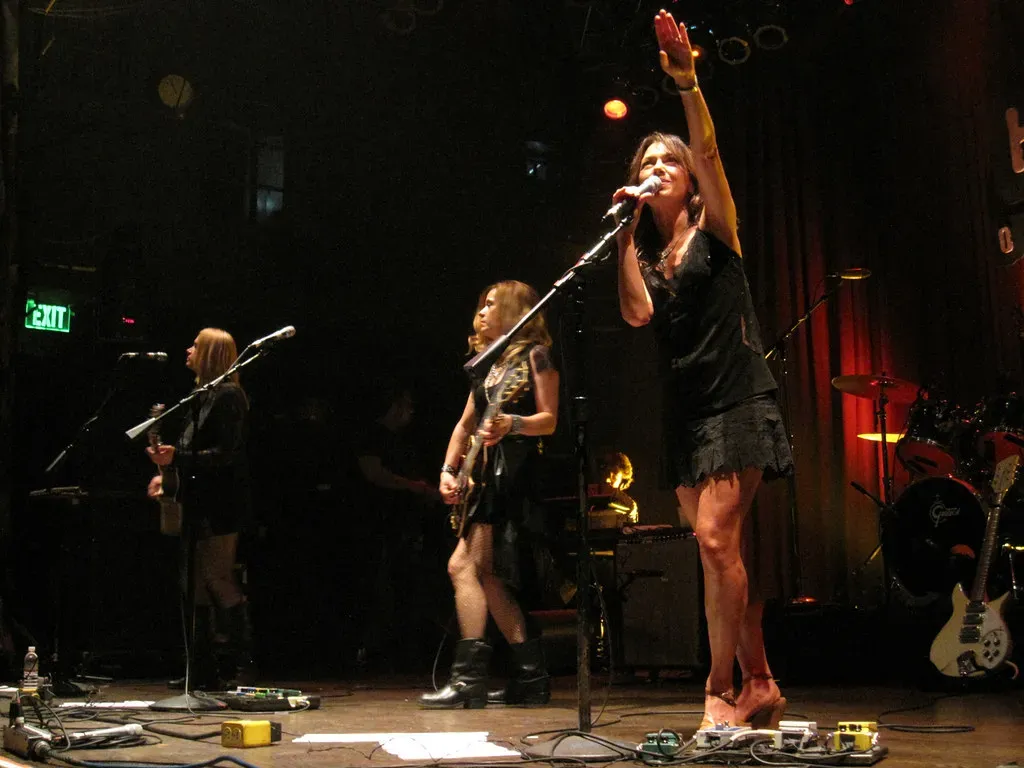
Humans have always created rituals. From religious ceremonies to sporting events, we seem to need repeated, structured experiences that connect us to each other and to something larger than ourselves. Sing-alongs are a modern form of ritual.
Think about it: the lights dim in a specific way, the artist might say certain things before launching into the song, everyone knows when to start singing. There’s a structure, a sequence, an expected pattern. This ritualistic element satisfies something ancient in us.
In our increasingly secular, individualized society, many people have fewer traditional rituals in their lives. Concert sing-alongs fill that gap. They provide communal experiences with clear beginning, middle, and end points that mark them as special and separate from ordinary time.
Your Voice Becomes Part of Something Bigger
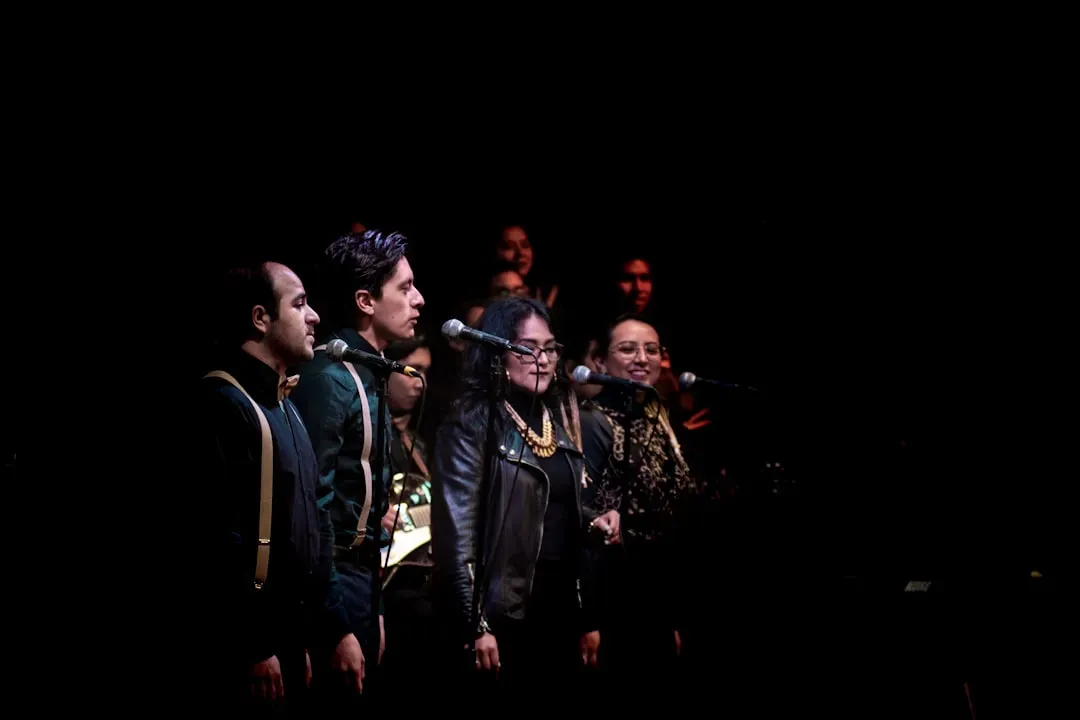
There’s profound psychological satisfaction in contributing to something that’s greater than you could create alone. When your voice blends with thousands of others, you’re directly experiencing how individual contributions create collective magnificence.
This taps into what psychologists call “self-transcendence,” the ability to look beyond your own needs and limitations to participate in something larger. It’s one of the highest forms of human experience, associated with meaning, purpose, and fulfillment.
Your single voice might not seem like much. But when it joins with all those others, the result is genuinely awesome in the original sense of the word. You’re both insignificant and essential, both a drop and part of the ocean.
It Creates Shared Memory Formation

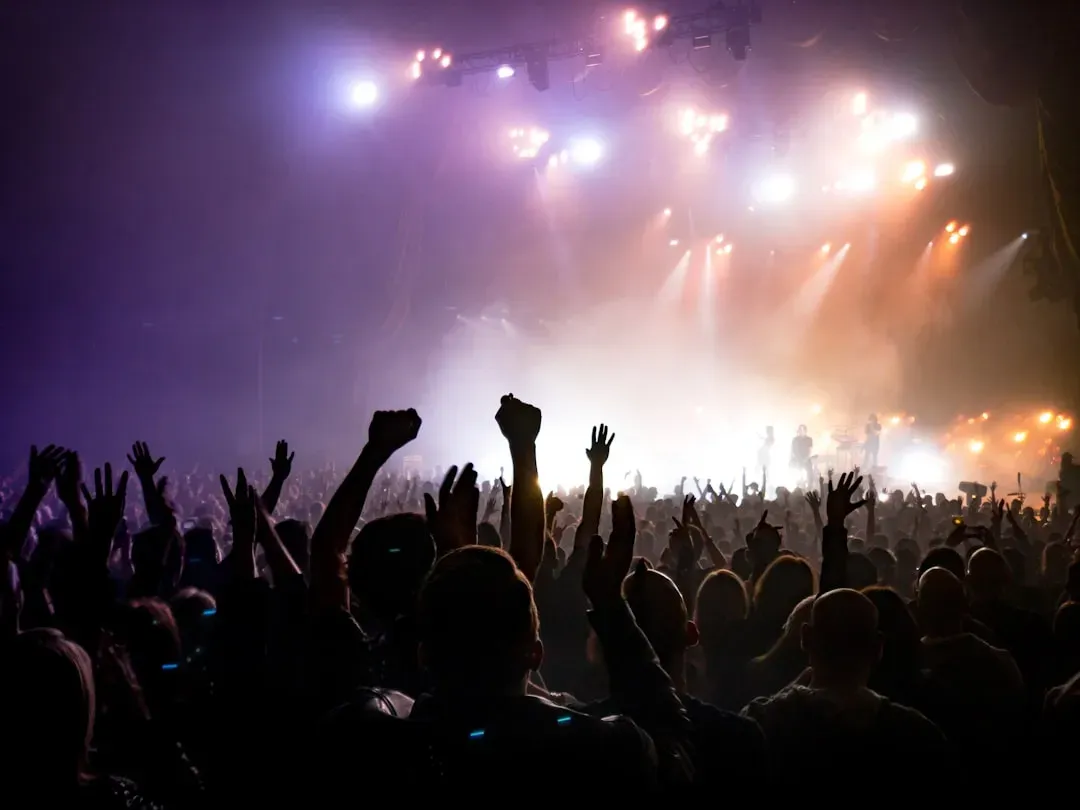
When you experience something emotionally powerful with others, you form what researchers call “shared memories.” These are memories that multiple people hold together, creating a sense of common history even among strangers.
After a concert with epic sing-along moments, you might find yourself talking about it with strangers who were there. “Weren’t you at that show?” becomes an instant connection point. You both remember the same moment, felt the same feelings, participated in the same experience.
These shared memories are powerful social glue. They create in-groups and bonding even between people who otherwise have nothing in common. For years afterward, you might meet someone who was at the same concert and instantly feel a connection based on that shared moment.
The Physical Vibrations Actually Affect You

Here’s something people don’t often consider: sound is physical vibration. When thousands of people are singing and the sound system is pumping, those vibrations are moving through your body. You’re not just hearing the music, you’re feeling it as physical sensation.
These vibrations can affect your heart rate, your breathing, even your brain waves. Some researchers believe that certain frequencies can create resonance in your body that feels pleasurable and energizing. It’s almost like a massage from the inside out.
The low frequencies from bass and drums, combined with the overlapping waves of all those voices, create complex vibration patterns that your body responds to in ways you might not consciously notice. But your nervous system definitely registers them.
You Get Social Validation Without Social Risk

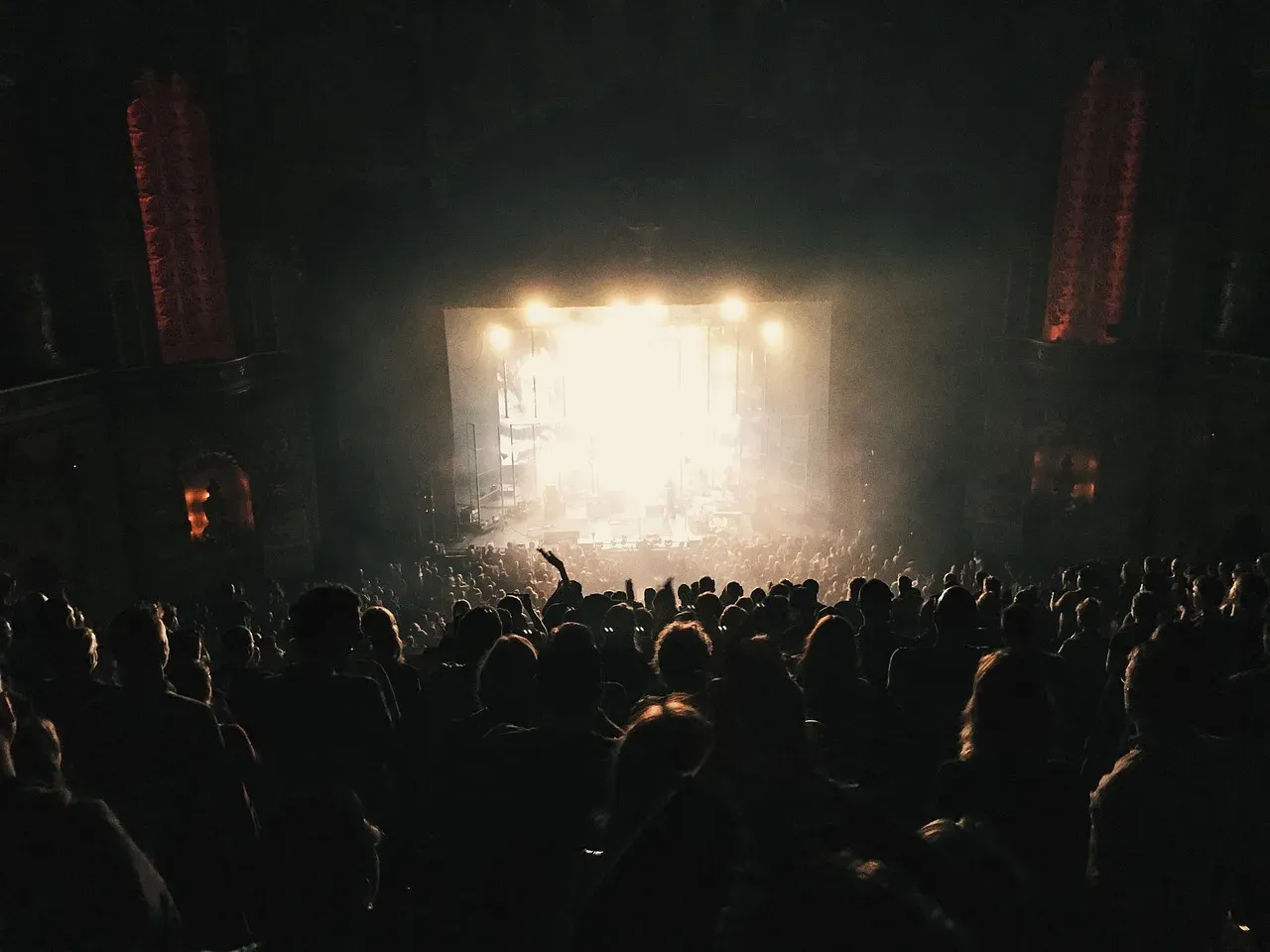
One of the beautiful things about a sing-along is that you get all the benefits of social connection without most of the usual social risks. You’re participating in a group activity, but you don’t have to introduce yourself, make small talk, or worry about saying the wrong thing.
The social acceptance is automatic. If you’re singing, you’re in. Nobody judges your voice quality. Nobody cares what you’re wearing or what you do for a living. The only requirement for inclusion is participation.
For people who struggle with social anxiety, this can be incredibly freeing. You get to experience belonging and connection without navigating all the complicated social protocols that usually come with group situations.
It Provides Cathartic Emotional Release
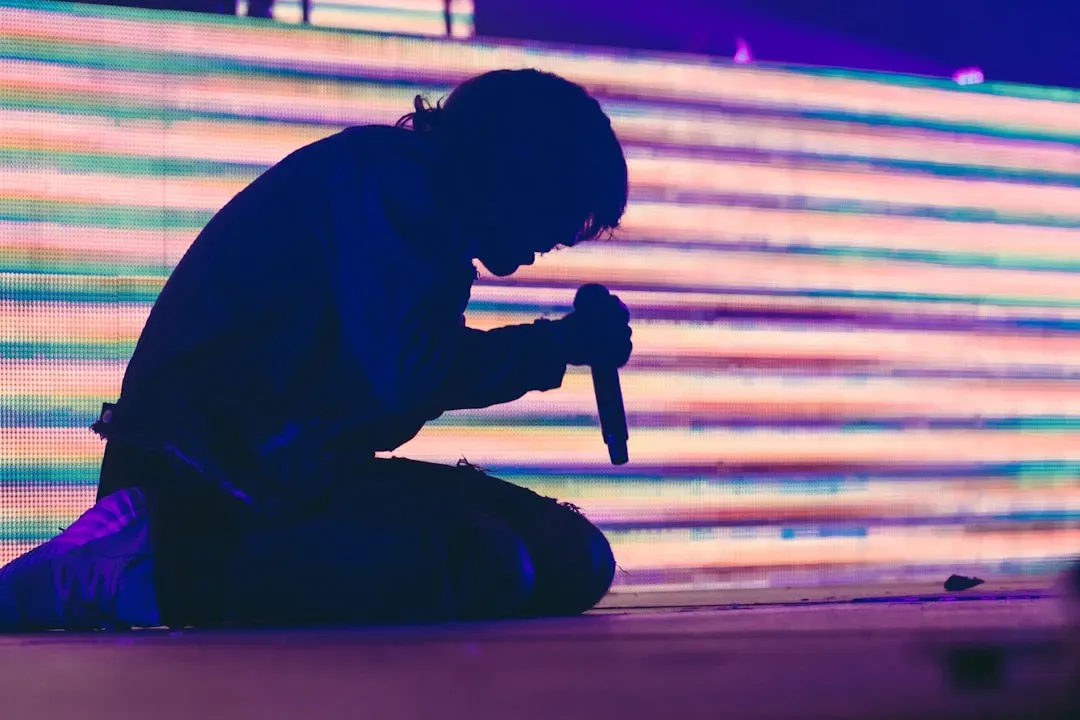
Sometimes you need to feel big emotions in a safe context. Singing sad songs with thousands of others lets you access grief or melancholy without feeling isolated in those feelings. Singing angry songs lets you channel aggression without destructive consequences. Singing joyful songs amplifies happiness.
This emotional regulation through music is deeply cathartic. You’re essentially using the sing-along as a socially acceptable way to process feelings that might otherwise be difficult to express. The crowd gives you permission to feel fully.
Many people report crying during sing-alongs, not because they’re sad, but because they’re releasing emotions they’ve been holding. The combination of music, lyrics, and collective experience creates a safe container for emotional expression.
You’re Activating Multiple Brain Regions Simultaneously
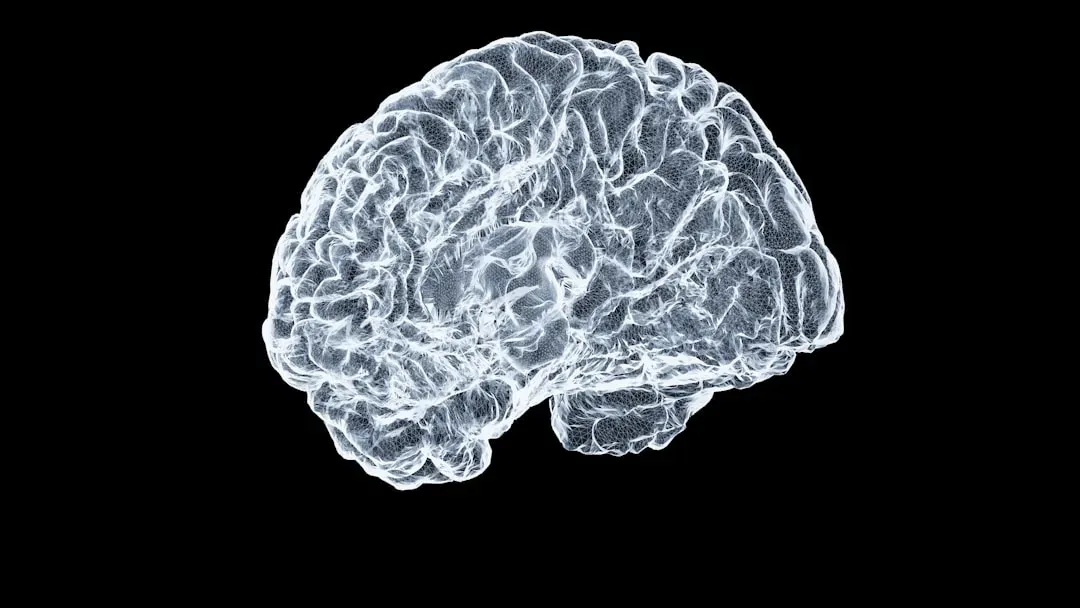
Singing is one of the most complex things your brain does. It requires motor control for your vocal cords, linguistic processing for the lyrics, emotional processing for the feeling, memory retrieval for songs you know, auditory processing for staying in tune, and social cognition for coordinating with others.
Brain imaging studies show that singing lights up areas across your entire brain like almost no other activity. When you add the crowd element, you’re also activating regions involved in social bonding, empathy, and collective coordination.
This whole-brain activation is energizing and satisfying. Your brain is being used fully, which creates a sense of aliveness and engagement that’s rare in our often passive, screen-based lives. You’re fully present, fully embodied, fully participating.
It Satisfies the Performer in You
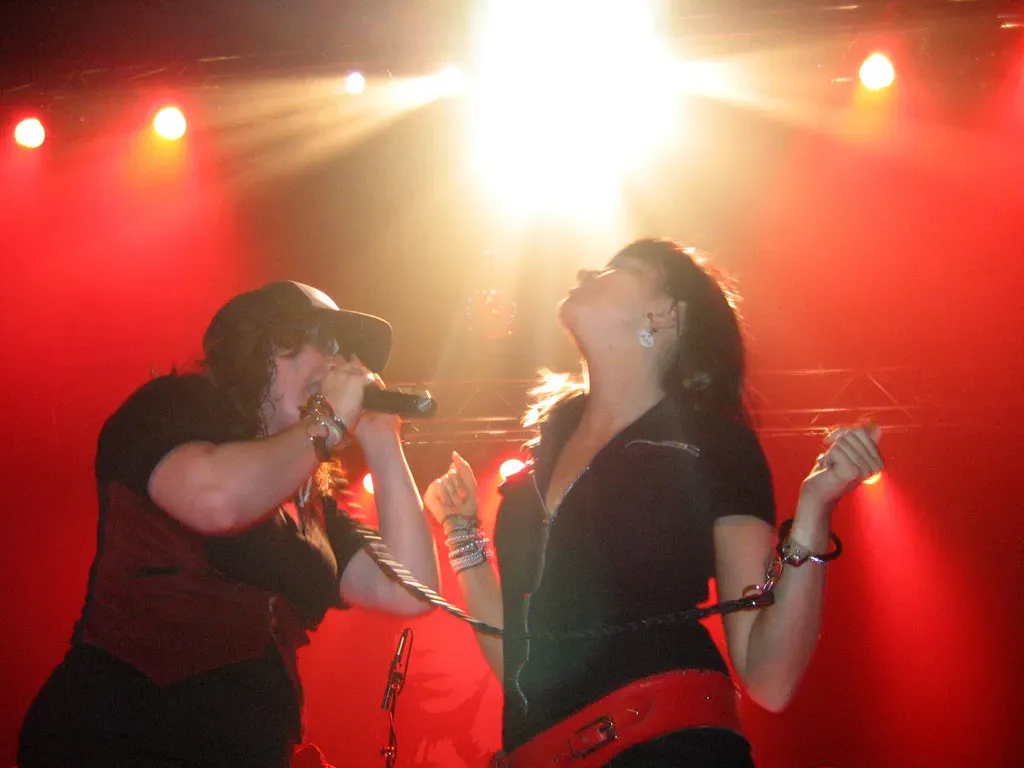
Most people have some desire to perform, to be seen and heard, to express themselves publicly. But not everyone becomes an actual performer. Sing-alongs let you scratch that performer itch in a safe, low-stakes way.
You get to be on stage, in a sense. You’re part of the show, not just an audience member. The artist might even acknowledge the crowd’s singing, making you feel like a legitimate participant in the performance rather than a passive observer.
There’s empowerment in that shift from audience to participant. You’re no longer consuming entertainment. You’re co-creating it. That agency and creativity feel good in ways that passive consumption never can.
The Silence After Creates Powerful Contrast

Sometimes the most powerful moment in a sing-along is the split second after it ends. That sudden silence, after all that noise and energy, creates a dramatic contrast that can feel almost sacred.
In that brief quiet, you’re suddenly aware again of yourself as an individual. The ego that dissolved during the singing reforms. But now you carry the memory of that dissolution, that brief period of unity. The contrast between merged and separate consciousness can be profound.
This moment of silence also allows a collective breath, a shared acknowledgment of what just happened. It’s like the pause after a prayer or the stillness after a ceremony. The silence gives weight and meaning to the noise that preceded it.
Conclusion: The Magic of Collective Voice
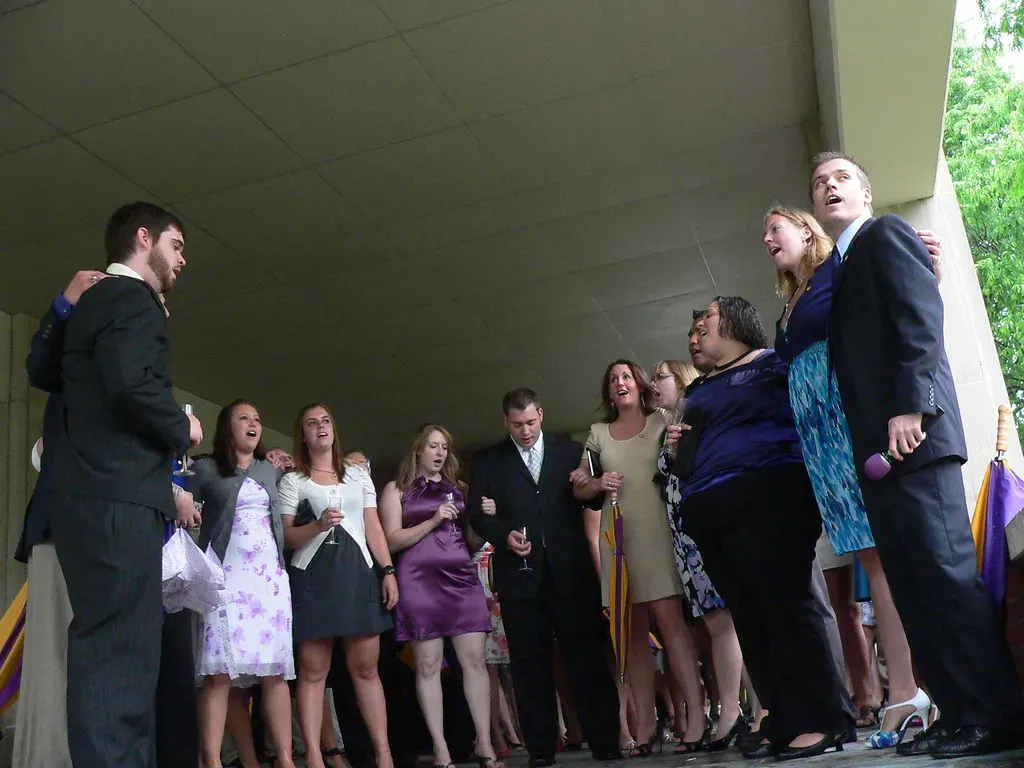
The next time you find yourself in a Las Vegas venue with thousands of voices rising around you, you’ll know exactly what’s happening inside your brain. It’s not just entertainment or fun, though it’s certainly both of those things. It’s a complex psychological and physiological experience that touches some of the deepest parts of what makes us human.
From ancient tribal instincts to modern neurochemistry, from ego dissolution to dopamine hits, crowd sing-alongs work on us at multiple levels simultaneously. They reduce stress, increase bonding, create memories, and let us experience something that’s impossible to achieve alone. They’re therapy, ritual, performance, and connection all rolled into one package.
So the next time someone asks why you spent so much on concert tickets just to sing songs you could hear at home, you can tell them about the twenty different ways your brain and body benefit from the experience. Or you could just smile and say it’s magic. Because honestly, even knowing all the science behind it, it still kind of feels like magic, doesn’t it? What’s your most memorable sing-along moment? Tell us in the comments.