
Virtual reality and augmented reality once felt like promises that were always a few years away. Yet right now, in early 2026, something is actually changing. The headsets are lighter, the experiences feel more intuitive, and smart glasses you’d actually wear outside are selling faster than anyone expected. Gaming is at the center of all this momentum, driving both demand and innovation in ways that are quietly reshaping how we interact with digital worlds.
Mixed Reality Passthrough Is Replacing Full Immersion


Full-color video passthrough has become the most notable feature in the latest wave of mixed reality headsets, letting players blend virtual game elements directly into their real-world environment. With the launch of Meta Quest 3, developers have shown more innovation in the past year than in the previous ten years combined, creating entirely new mechanics that showcase why mixed reality is now the preferred way to engage users. Games like Cubism allow users to seamlessly transition from their home environment into gameplay without interruption. Meta Quest 3 now offers significantly reduced passthrough distortions and improved hand alignment, making it more natural to interact in mixed reality.
Smart Glasses Are Quietly Dominating the Wearables Market


The real surprise of the last two years hasn’t been VR headsets at all. Global smart glasses shipments surged 210% year over year in 2024 and 156% year over year in 2023, driven by strong demand for Ray-Ban Meta smart glasses. Meta’s Ray-Ban Meta Smart Glasses sold over 2 million units since their October 2023 launch, and revenue tripled versus 2024, with Counterpoint Research reporting a 110% year-over-year increase in shipments in the global smart glasses market for the first half of 2025. These aren’t clunky gadgets anymore. They look like actual sunglasses, and people are buying them in numbers that caught even the industry off guard.
Processor Upgrades Are Bringing Console-Level Performance to Standalone Devices

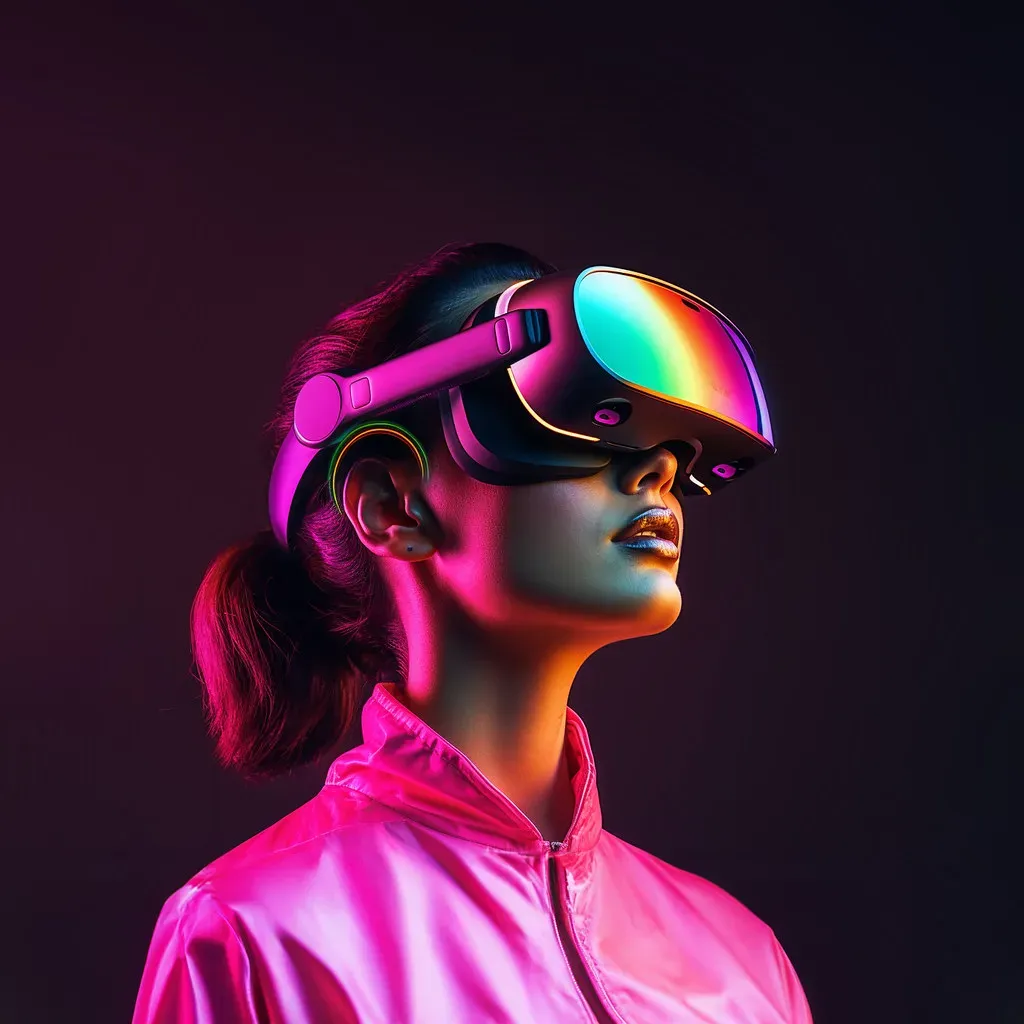
The global AR/VR headset market grew 18.1% year over year in Q1 2025, with real momentum coming from optical see-through smart glasses and mixed reality devices rather than traditional VR headsets. Qualcomm announced Snapdragon XR2 Gen 2 in September 2023, stating it delivers up to 2.5 times higher GPU performance and up to eight times better AI performance. The Meta Quest 3S offers high processing power thanks to its Snapdragon XR2 Gen 2 processor, ensuring smooth performance, with improved battery life that allows for longer working sessions without interruptions. This means standalone headsets can now run experiences that once required a high-end gaming PC.
OpenXR Is Finally Standardizing Cross-Platform Development


Khronos released OpenXR 1.1 on April 15, 2024, designed to reduce fragmentation by moving widely used extensions into the core spec and streamlining cross-platform XR development. That matters more than it sounds. Developers can now build a single game that runs across Meta Quest, HTC Vive, PlayStation VR2, and PC-based systems without rewriting code for each platform. Meta held a huge lead in hardware, capturing 60.6% of the combined AR/VR and display-less smart glasses market during the second quarter of 2025, yet the standardization benefits everyone in the ecosystem.
Price Drops Are Making Premium Hardware Accessible to More Players

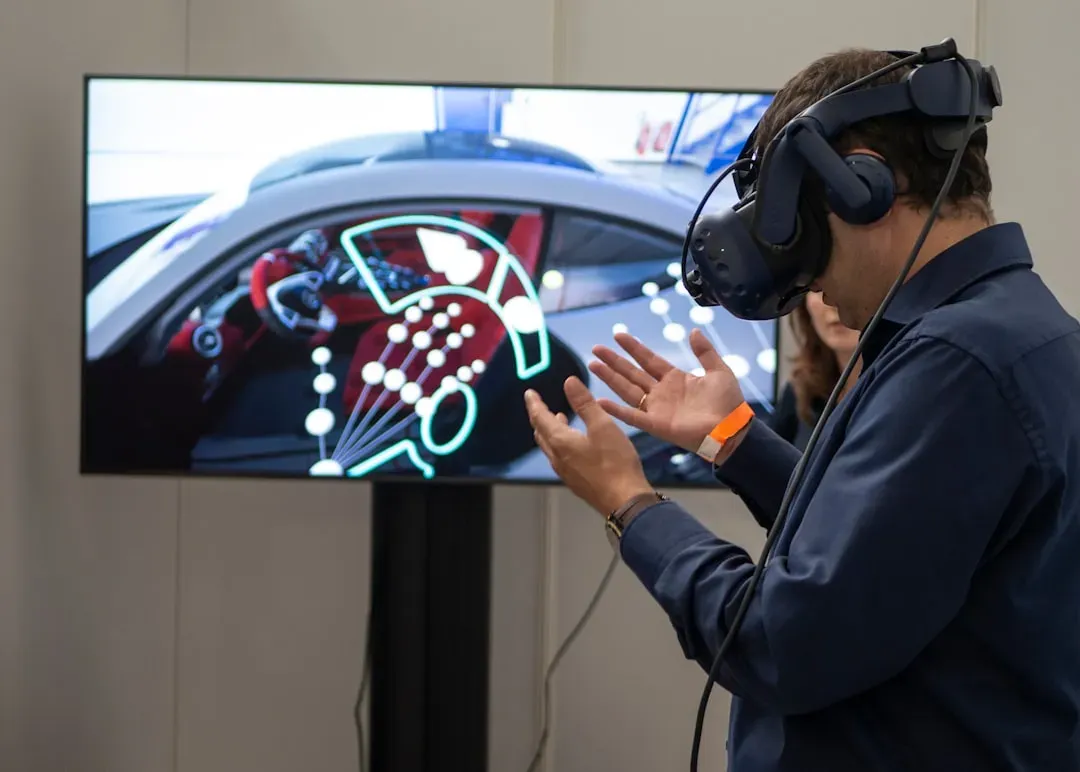
Sony reported it sold nearly 600,000 PS VR2 units in about six weeks after the February 2023 launch. Bloomberg then reported Sony paused PSVR2 production in March 2024 to clear unsold inventory, reflecting weaker-than-expected demand. Sony announced an official PSVR2 price cut to $399.99 in the US starting in March, with similar reductions across regions, as reported by The Verge. The Quest 3 offers all the latest tech at an affordable price and has the software platform to boot, while the Quest 3S offers all this, minus some optics, for even cheaper. It’s a pattern: hardware that debuts at premium prices eventually drops low enough to spark mass adoption.
IDC Projects a Sharp Rebound After a Transitional 2024


IDC stated that global AR/VR headset shipments grew 10% in 2024, according to its March 25, 2025 press release. That sounds modest, but the forecast ahead is dramatic. IDC forecast a major rebound for AR/VR headsets in 2025, and Reuters reported IDC’s projection of 41.4% growth in 2025, with shipments expected to rise from about 6.7 million in 2024 to 22.9 million by 2028, with drivers cited including AI features and more affordable devices. Worldwide shipments of AR/VR headsets combined with display-less smart glasses are expected to grow 39.2% in 2025 with volumes reaching 14.3 million units, driven by smart glasses such as Meta’s Ray-Bans, with the category growing 247.5% during the year.
Apple Vision Pro Set a High Bar but Faced Real Adoption Challenges

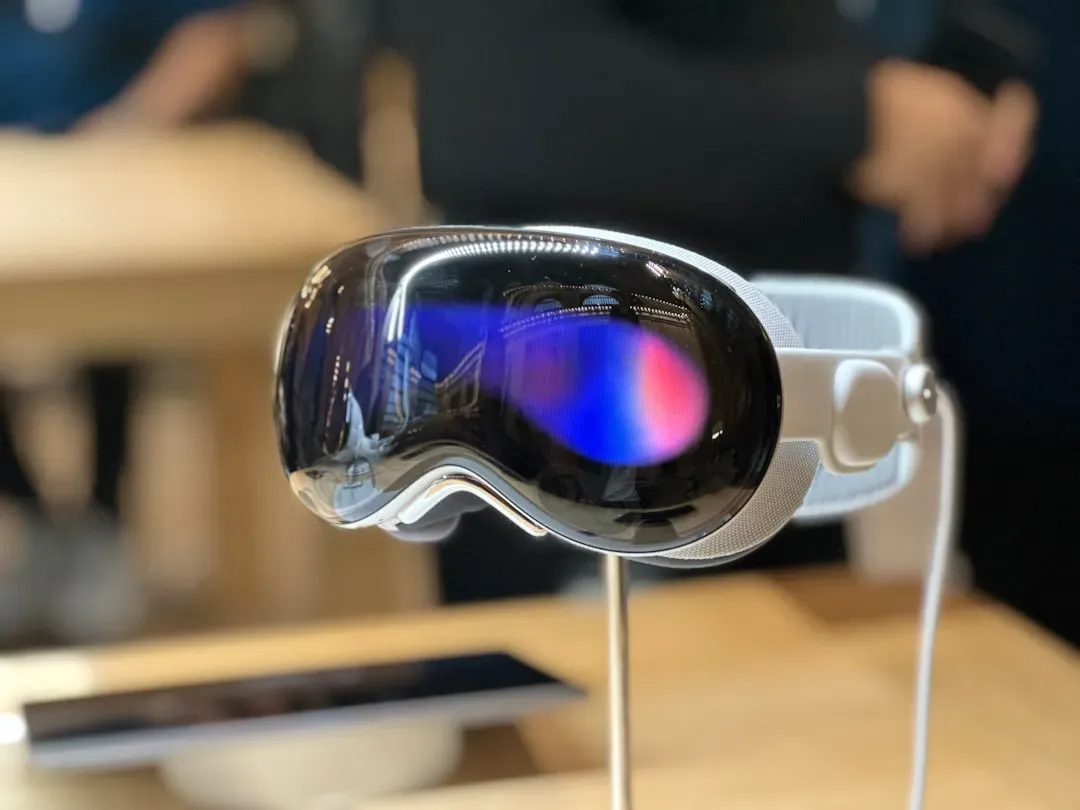
Apple set the Vision Pro’s US starting price at $3,499 and confirmed US availability on February 2, 2024, with pre-orders opening January 19, 2024. The breakthrough design of Apple Vision Pro features an ultra-high-resolution display system and custom Apple silicon in a unique dual-chip design to deliver experiences in real time, using a wide range of advanced machine learning and AI models, all accelerated by the Neural Engine in the M2 chip. Yet the first-generation model struggled. Return rates during the 14-day window reportedly exceeded 25%, an unprecedented figure for Apple hardware, and users who kept their devices showed rapidly declining engagement over time. Apple updated the Vision Pro with the M5 chip in late 2025, refining comfort and performance for professionals.
Lightweight Wearables Are Shifting the Market Away from Bulky Headsets


Meta remains dominant in VR hardware, holding roughly 50.8% market share in AR/VR headsets in 2025, but their focus is shifting toward lighter, more wearable XR devices over bulky VR headsets. Vendors like XREAL and Viture specializing in optical see-through smart glasses are growing rapidly, indicating strong demand for lightweight devices with mixed reality capabilities. The form factor matters as much as the features. People want something they can wear for hours without feeling weighed down, and the industry is finally delivering that.
AI-Driven Experiences Are Personalizing Gameplay and Content Creation
AI avatars and Metahumans can conduct natural conversations, acting as trainers, guides, or brand representatives, while procedural environments shift dynamically to user input, creating limitless worlds, and adaptive learning uses AI to personalize training. Much of the software and services spending on AR/VR headsets is centered around gaming, with games such as Animal Company, Beat Saber, and Gorilla Tag representing the top-grossing games during the first half of 2025. AI isn’t just powering smarter NPCs; it’s generating entire game worlds on the fly, tailored to how you play.
The Gaming Market Is Converging With Enterprise and Training Use Cases
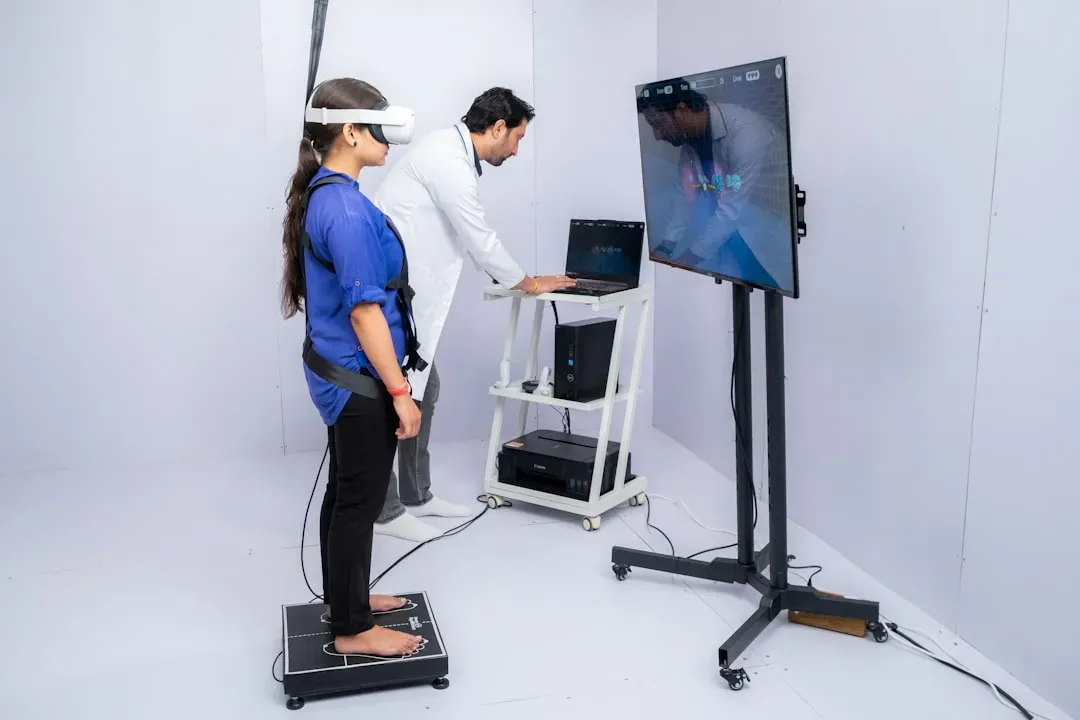
30% of universities worldwide now offer VR-based courses as of 2024, an adoption driven by Meta Platforms’ focused push into the education segment, which drove 69.4% growth in educational VR deployments during 2024. With the introduction of Apple Vision Pro, spatial computing enables enterprises to build experiences that previously were not possible, from planning fire response operations to iterating on the most intricate details of an engine design. Gaming engines and mechanics pioneered for entertainment are now training surgeons, pilots, and field technicians. The line between work and play is blurring fast, and that cross-pollination is funding better hardware for everyone.
So here we are. VR and AR aren’t replacing screens or phones, at least not yet. They’re carving out their own space, becoming something we slip into when we want deeper immersion, hands-free interaction, or experiences that blend the physical and digital in ways smartphones simply can’t match. Gaming brought us here, and it’s still leading the charge. What do you think about it? Are you already using VR or AR gaming, or are you still waiting for the next leap forward?