Honestly, there’s something almost unbearably sad about the idea of creating art that changes the world but never knowing it. Think about this for a moment. You pour your heart into music, you bleed for every note, and yet the recognition never arrives. The applause comes later, decades later, sometimes when you’re already gone. It happens more often than you’d think. This list isn’t about forgotten musicians, though. It’s about artists whose influence burned so brightly that it scorched future generations, yet somehow the flame never warmed their own hands.
1. Nick Drake
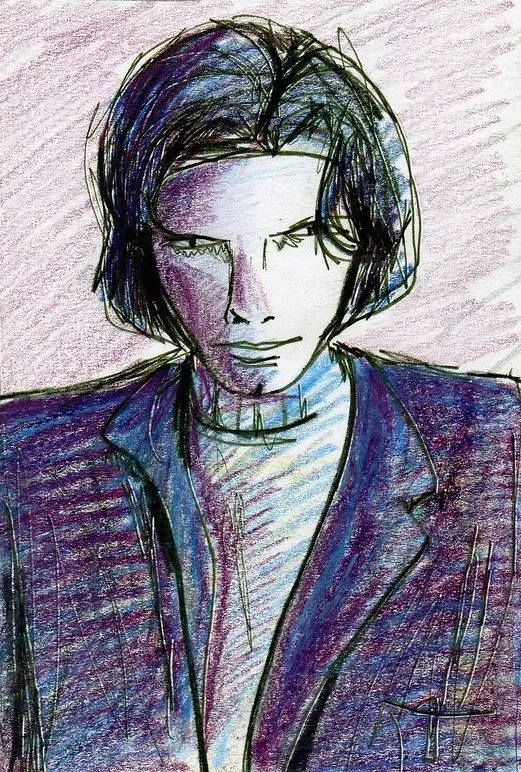
Nick Drake became disillusioned with the music scene due to lack of recognition, a fate he eerily predicted in the lyrics of “Fruit Tree” on his debut album. He died at age 26 in 1974, following a long battle with depression, producing three critically-acclaimed yet barely noticed albums. Twenty years after his death, the adulation he craved finally began to arrive. In 2024, the BBC put on an orchestral tribute to commemorate 50 years since his passing, having his songs arranged and played by the BBC Philharmonic Orchestra at Royal Albert Hall.
2. Sister Rosetta Tharpe
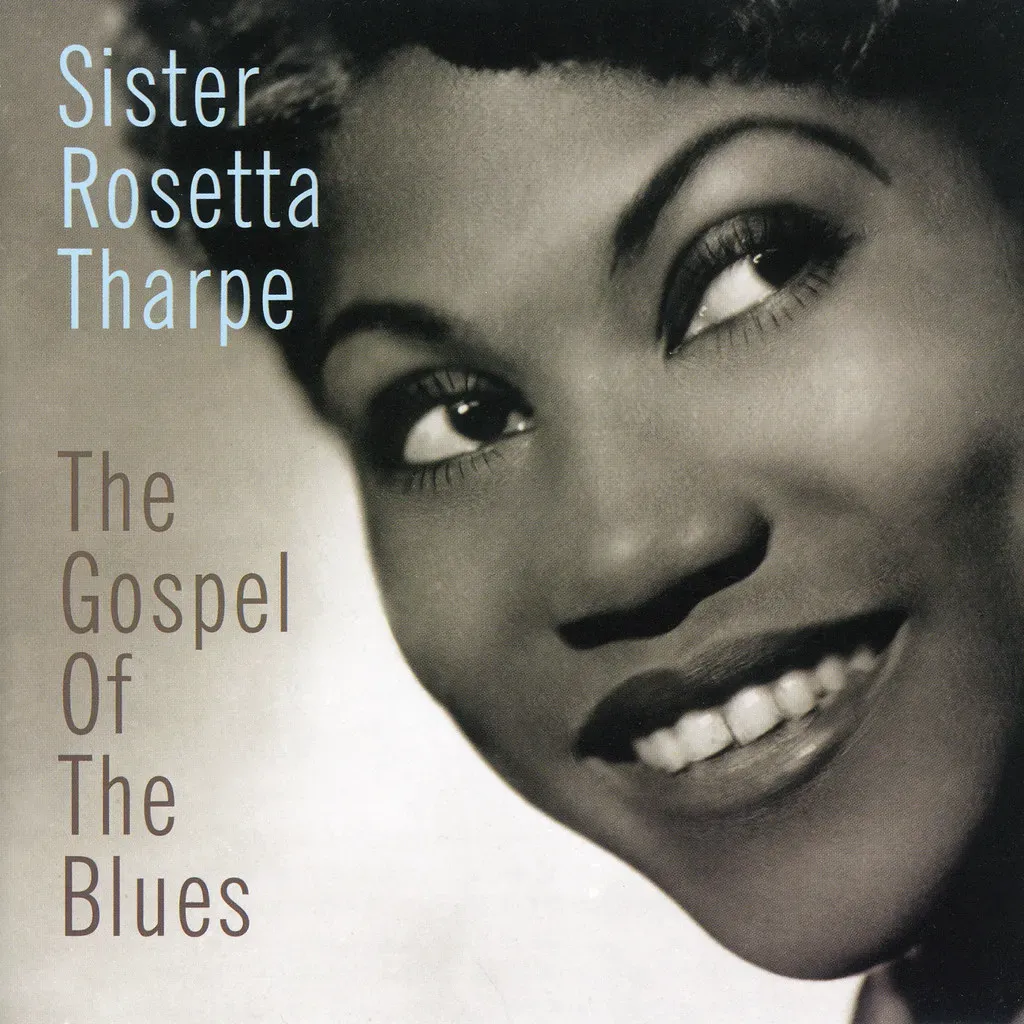
Sister Rosetta Tharpe became the first great recording star of gospel music and influenced early rock musicians including Tina Turner, Little Richard, Chuck Berry, Johnny Cash, Carl Perkins, Elvis Presley, and Jerry Lee Lewis. Despite performing throughout the 1960s, as younger audiences shifted their musical tastes, Tharpe lost listeners and moved to England. She was posthumously inducted into the Rock and Roll Hall of Fame in 2018 (initially recognized with the early influence category). She influenced so many performers and yet you do not hear much about her during her lifetime.
3. Eva Cassidy
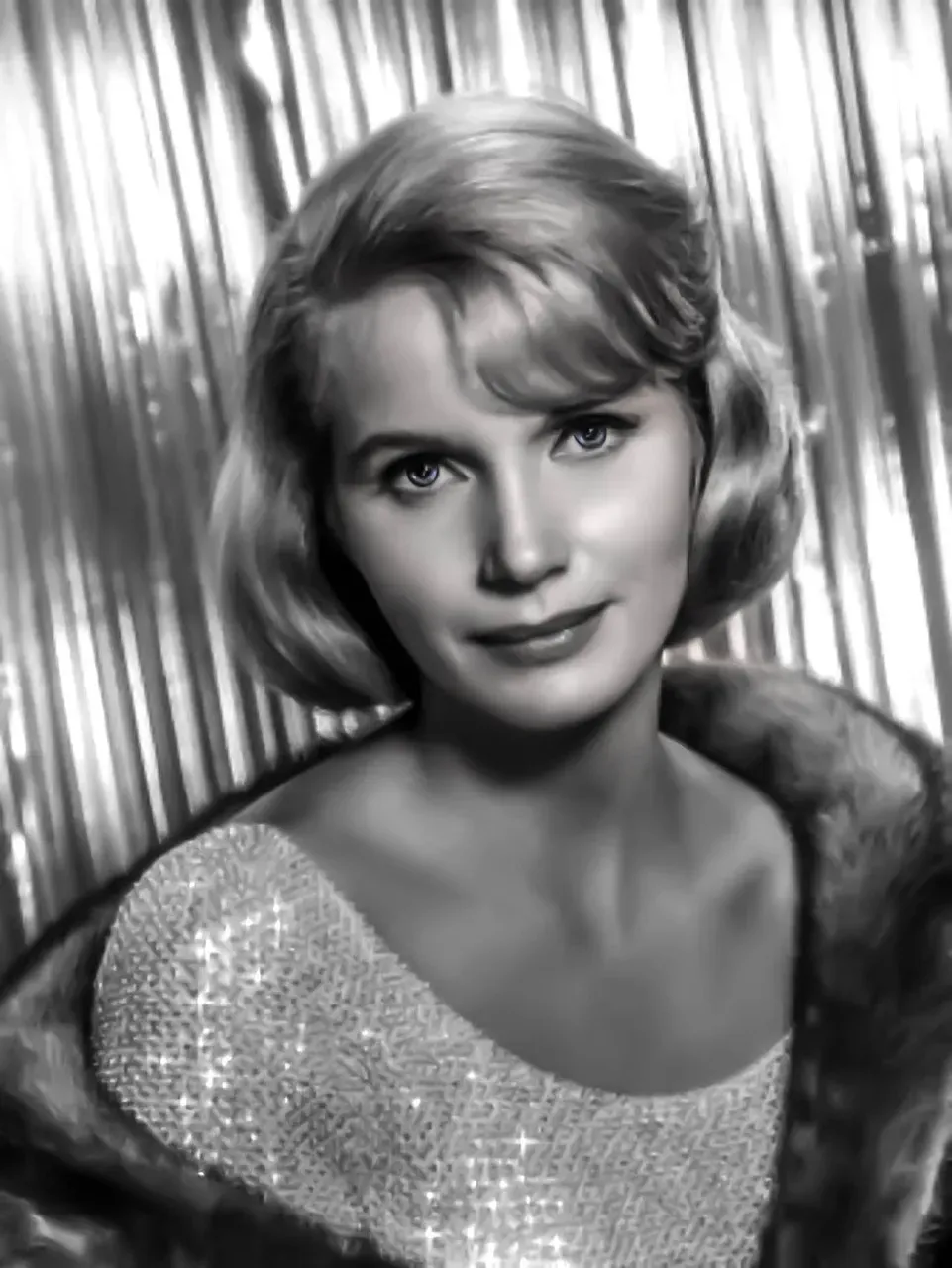
All the accolades came after Eva Cassidy’s death on November 2, 1996; she would eventually sell more than ten million records and dominate the charts with three albums and a hit single. A compilation of Cassidy’s recordings shown on BBC Two’s Top of the Pops 2 led to the album Songbird climbing to the top of the UK Albums Chart, almost three years after its release. Paul McCartney and Eric Clapton were among her newfound fans, with jazz critic Ted Gioia noting that Cassidy’s obscurity during her lifetime was almost as much a tragedy as her early death.
4. Skip James
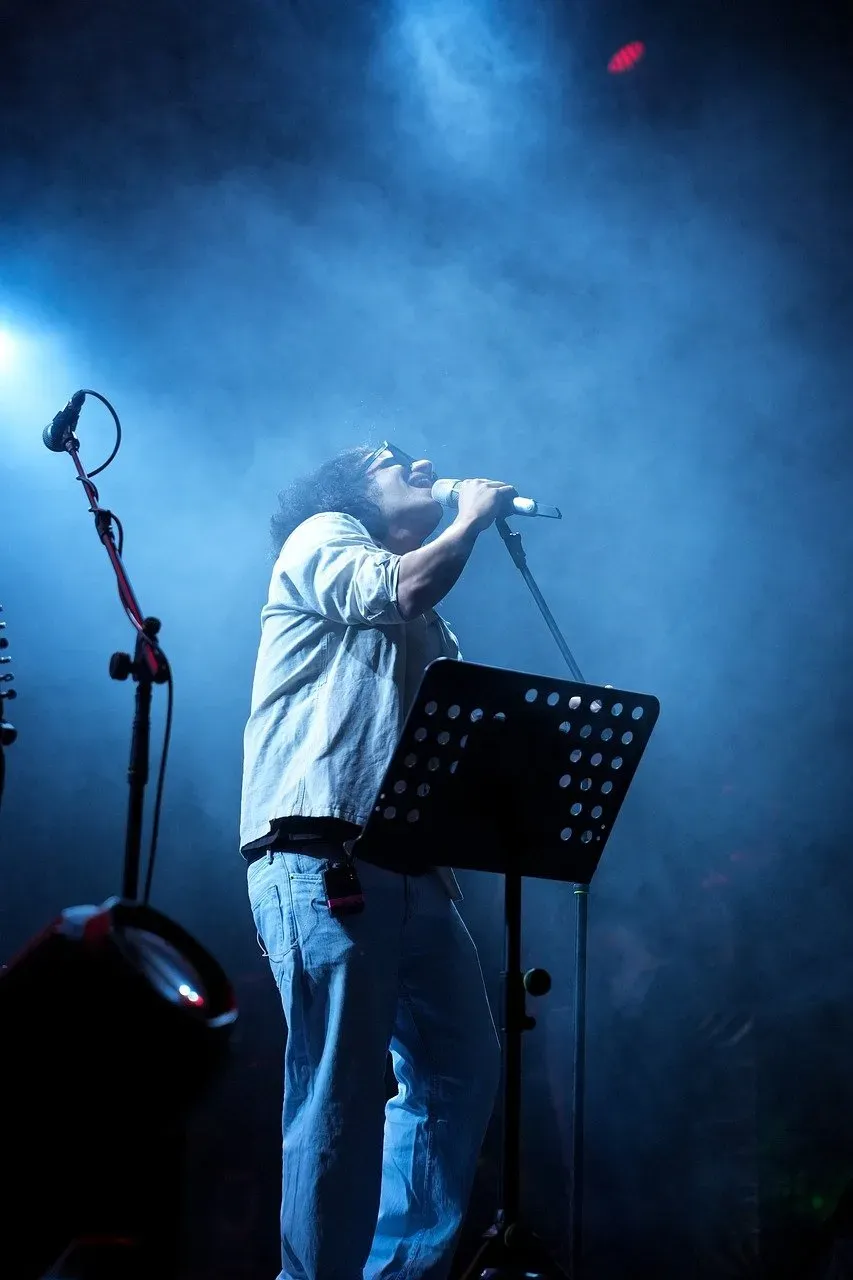
Skip James first recorded for Paramount Records in 1931, but these recordings sold poorly during the Great Depression, and he drifted into obscurity. For the next 33 years, James made no known recordings and performed sporadically; he was virtually unknown to the general public until about 1960. In 1964, blues enthusiasts John Fahey, Bill Barth, and Henry Vestine found him in a hospital in Tunica, Mississippi, and according to biographer Stephen Calt, the “rediscovery” of both James and Son House was the start of the blues revival in the United States. The British rock band Cream recorded “I’m So Glad,” providing James with $10,000 in royalties, the only windfall of his career.
5. Arthur Russell

Arthur Russell never achieved great success during his lifetime but has been acknowledged as an important influence on a variety of musical developments in recent years. Russell died of AIDS-related illnesses on April 4, 1992, at the age of 40. Despite the story of Russell’s posthumous discovery in the early 2000s, shepherded by Steve Knutson at Audika Records, his life ended neither in obscurity nor failure. Present-day musicians cite Russell as an influence, from Dev Hynes and Sufjan Stevens to James Blake and Kanye West, who sampled his work on The Life of Pablo.
6. Vashti Bunyan
Vashti Bunyan released her debut album Just Another Diamond Day in 1970, working with producer Joe Boyd and even meeting Nick Drake to discuss a potential collaboration. The album received very little commercial recognition at the time. Deeming herself a failure, she withdrew from the music industry entirely. Much like Drake, her music began to be rediscovered in the early 2000s, with many contemporary artists citing her work as influential. The key difference is that Bunyan lived to see her art appreciated, returning to music three decades after leaving it behind.
7. Robert Johnson
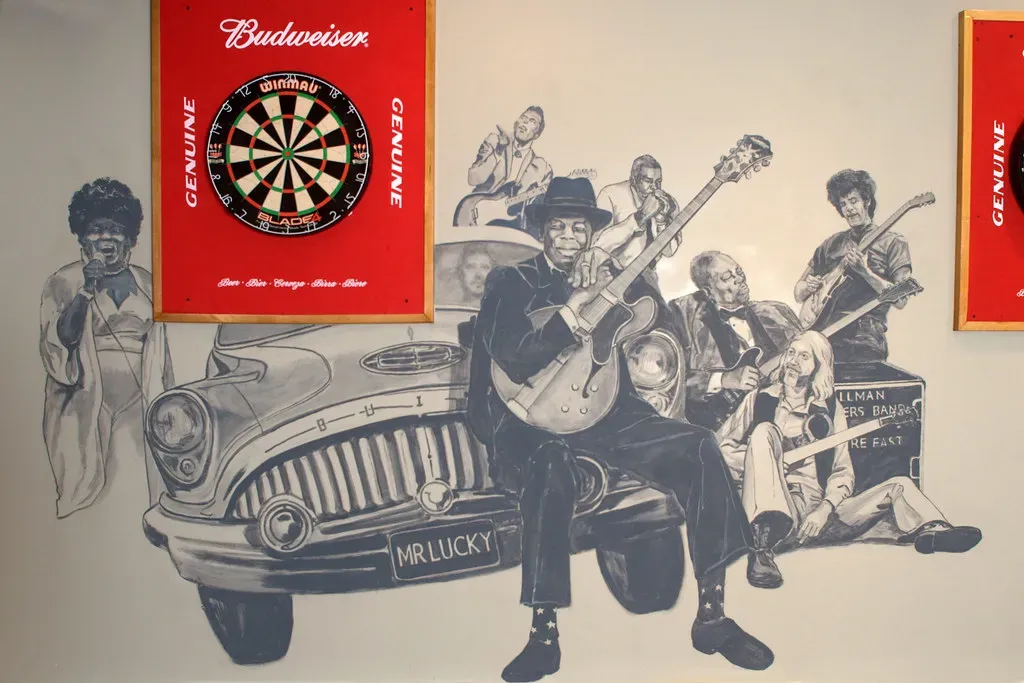
Robert Johnson recorded only 29 songs during two brief sessions in 1936 and 1937 before his death at age 27 in 1938. During his lifetime, he was just another itinerant bluesman playing juke joints in the Mississippi Delta. His recordings were relatively obscure, though other musicians knew his work. It wasn’t until the 1961 release of King of the Delta Blues Singers that his reputation exploded. Suddenly everyone from Eric Clapton to Keith Richards was proclaiming him a genius. His influence on rock music became undeniable, but he never knew he’d be called the most important blues musician of all time.
8. Big Star
Big Star released three critically praised albums in the early 1970s that went almost completely unnoticed commercially. Their power pop sound influenced countless bands that came after them, from R.E.M. to The Replacements to Teenage Fanclub. Singer Alex Chilton couldn’t understand why the music wasn’t connecting. Distribution problems and label issues doomed them. The band broke up in frustration. Decades later, their albums are considered essential, foundational texts in alternative rock. Chilton lived to see some of the recognition, but the band’s original moment had long passed.
9. Judee Sill
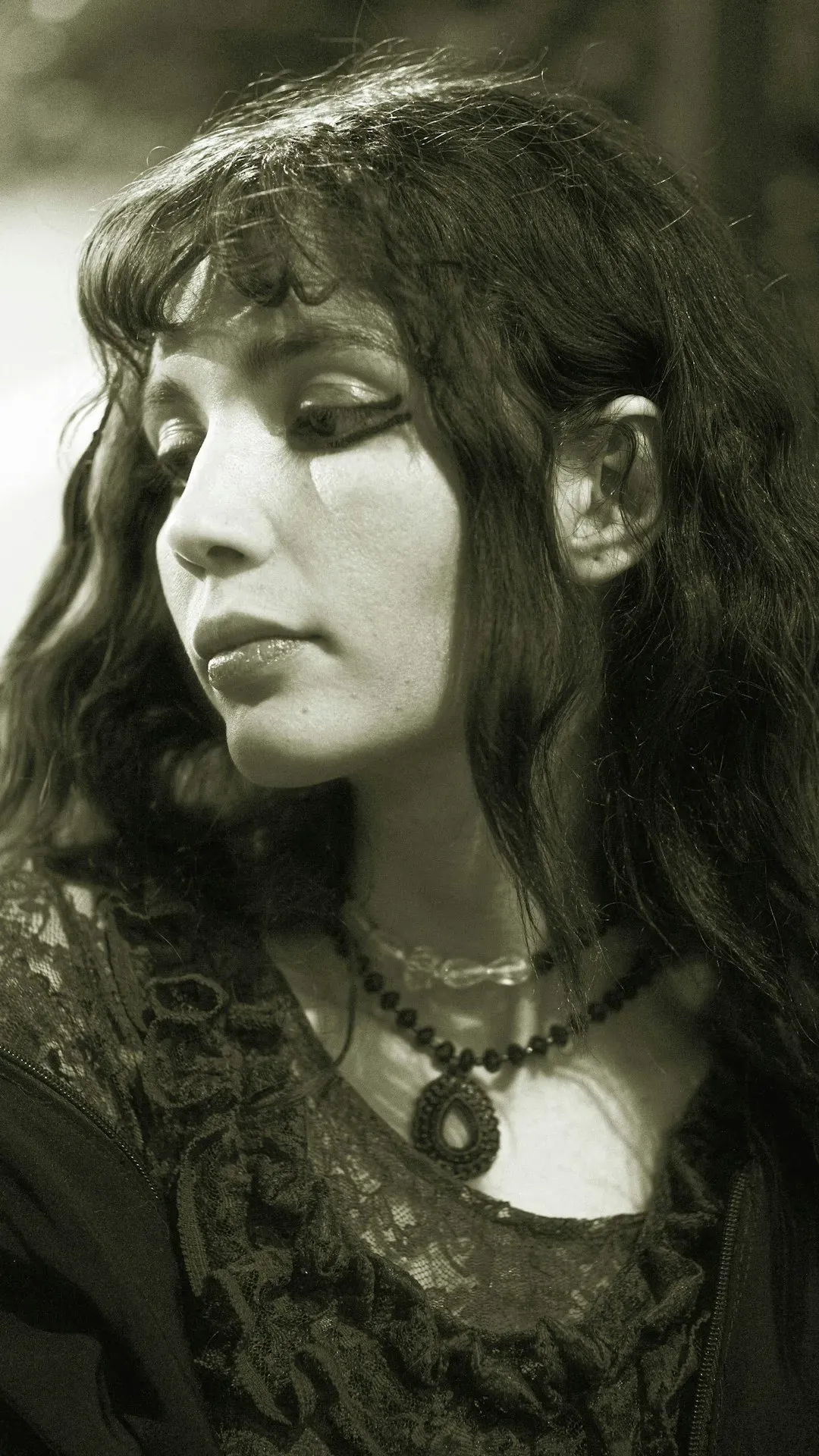
Judee Sill was the first artist signed to David Geffen’s Asylum Records, even before Joni Mitchell or Jackson Browne. Her baroque, spiritually intense folk songs were critically acclaimed but commercially ignored. She released two albums in the early 1970s, both commercial failures. Struggling with drug addiction and poverty, she died in 1979 at age 35, largely forgotten. In the 2000s, her music was rediscovered and reissued to widespread acclaim. Musicians like Fleet Foxes and Weyes Blood have cited her as a major influence. She never knew her songs would be revered as lost masterpieces.
10. Sixto Rodriguez

Rodriguez released two albums in the early 1970s that went nowhere in the United States. He went back to manual labor, assuming his music career was over. Unbeknownst to him, his records became massive hits in South Africa, where he was as famous as Elvis. He had no idea. For decades, he worked construction in Detroit while South Africans wondered what happened to their hero. The 2012 documentary Searching for Sugar Man finally revealed the truth. Rodriguez was alive, humble, and completely unaware of his fame. He finally got to tour and receive recognition, but for most of his life, he believed he’d failed.
11. Karen Dalton
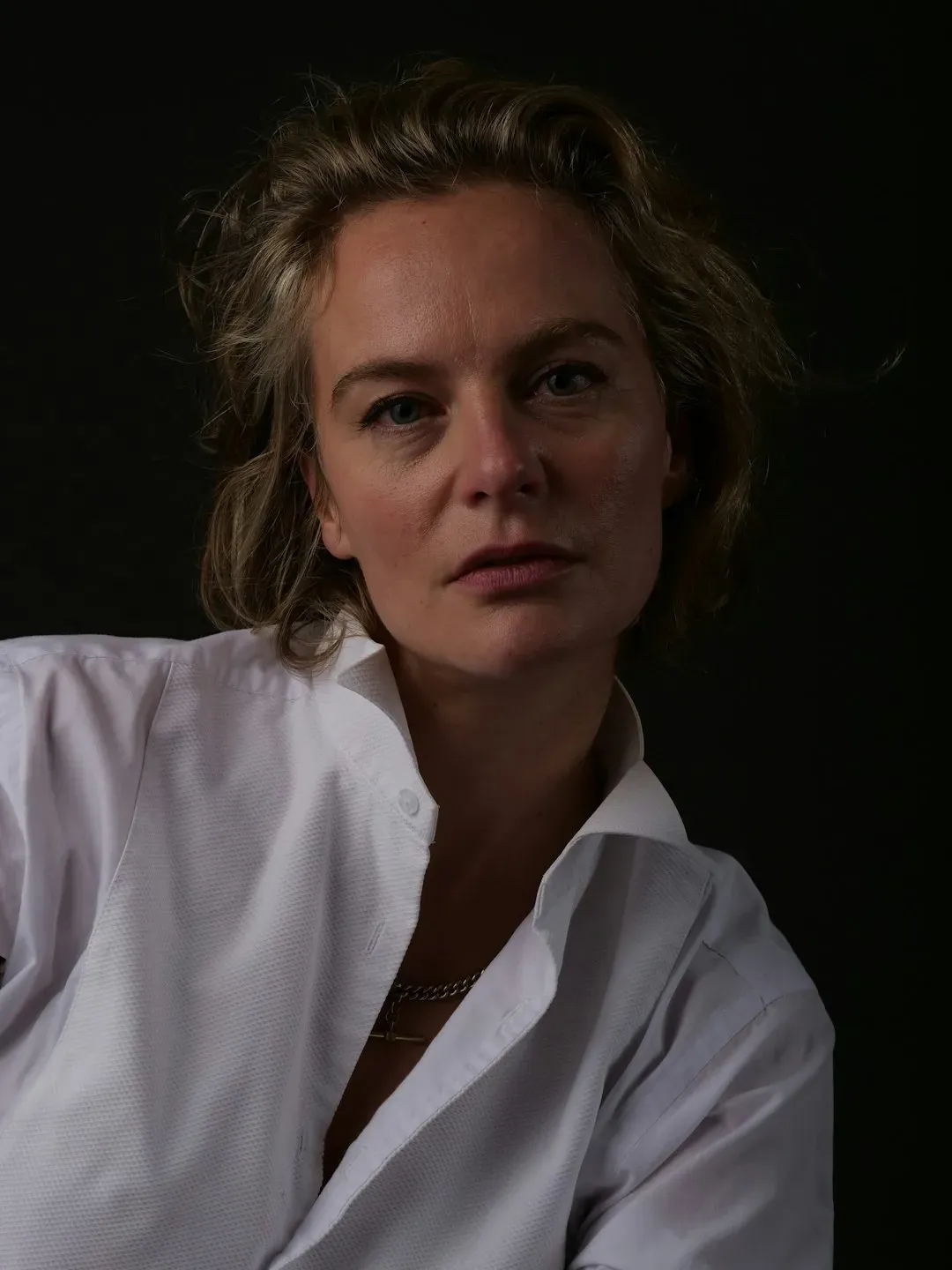
Karen Dalton possessed one of the most haunting, emotionally raw voices in American folk music. Bob Dylan revered her. She recorded two albums in the late 1960s and early 1970s that were largely ignored. She was difficult, reclusive, and struggled with addiction. By the time she died in 1993, she was living in poverty and obscurity. Her recordings have since been rediscovered and championed by artists like Lucinda Williams, Joanna Newsom, and Nick Cave. A documentary about her life was released in 2022. She never knew how deeply her music would resonate with future generations.
12. Harry Nilsson
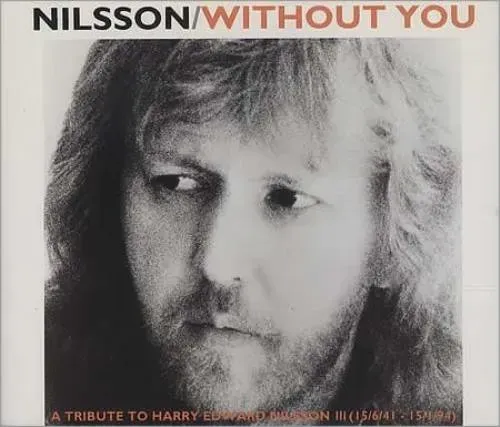
Harry Nilsson was moderately famous during his lifetime, sure, but he never seemed to get the credit he deserved as a songwriter and vocalist. The Beatles called him their favorite American artist. He wrote “One” and sang “Without You” and “Everybody’s Talkin’.” Yet he was often seen as a novelty act or a sideman. He refused to tour, which limited his visibility. Alcoholism and personal tragedies derailed his later career. He died in 1994 at age 52. Today, musicians recognize him as one of the greatest vocalists in pop history. His albums are now considered essential listening, but mainstream recognition eluded him when it mattered most.
13. Sandy Denny
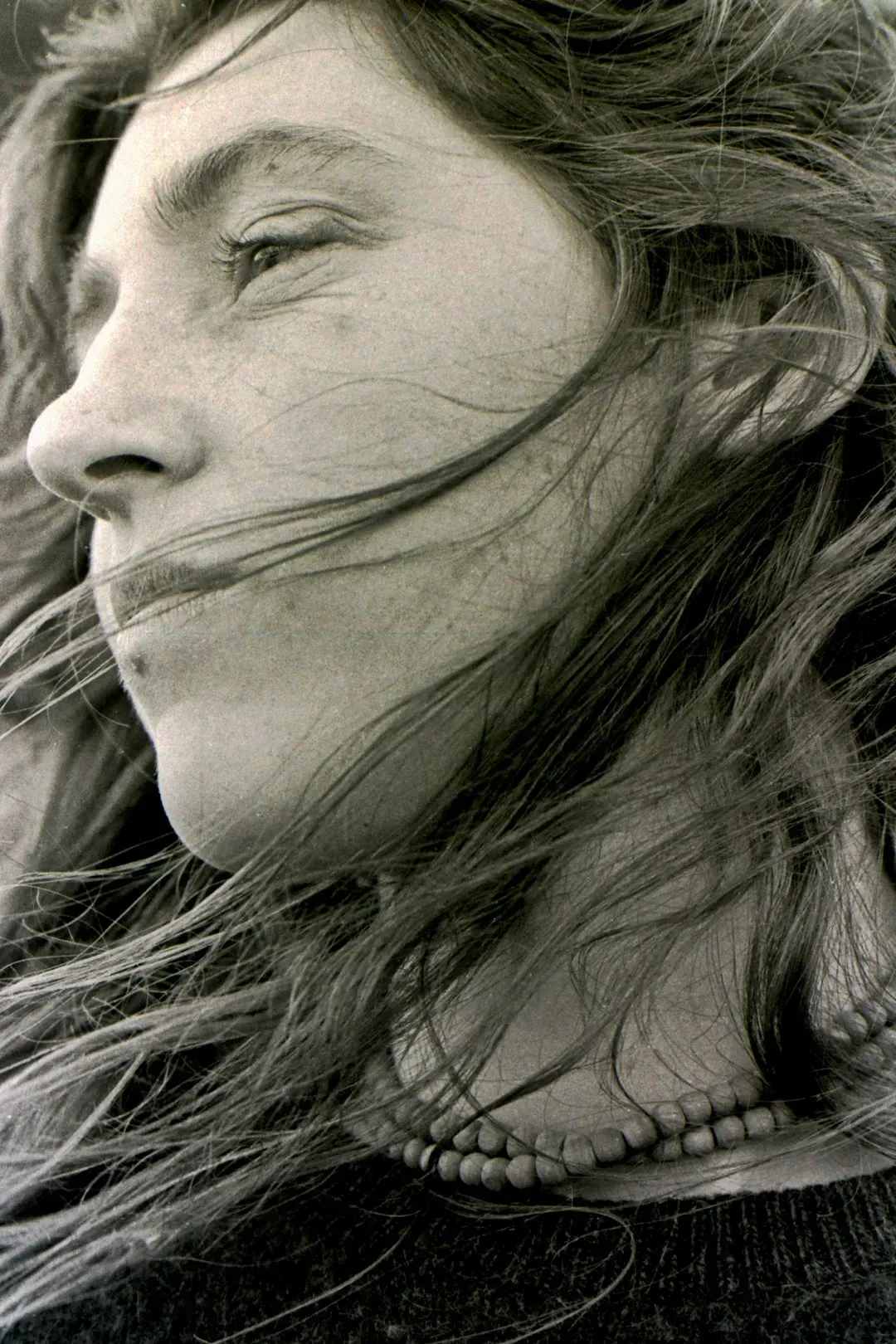
Sandy Denny was the voice of British folk rock, a singer whose power and vulnerability defined Fairport Convention and her own solo work. She sang the guest vocal on Led Zeppelin’s “The Battle of Evermore,” the only artist ever to share a credit with the band. Despite critical acclaim, her solo albums never achieved commercial success. She struggled with alcoholism and died tragically in 1978 at age 31 after a fall. Her influence on artists like Florence Welch and Laura Marling is profound, yet during her life, she felt undervalued. Her legacy as one of Britain’s finest vocalists solidified only after her death.
14. Townes Van Zandt
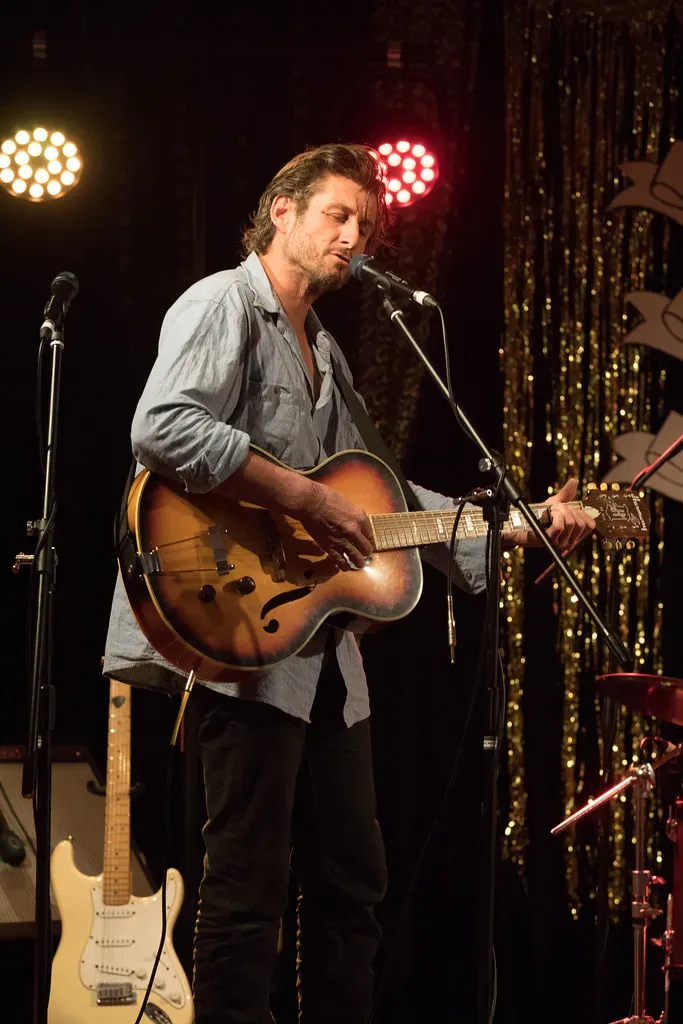
Townes Van Zandt wrote some of the most heartbreaking songs in American music, including “Pancho and Lefty” and “If I Needed You.” Other artists had hits with his songs, but his own recordings were largely ignored outside a small cult following. Steve Earle famously said Van Zandt was the best songwriter in the world, and he’d stand on Bob Dylan’s coffee table in his cowboy boots and say so. Van Zandt lived a hardscrabble life, battling addiction and mental illness, and died on New Year’s Day 1997. His reputation has only grown since, with younger generations discovering his devastating lyricism.
15. Bert Jansch
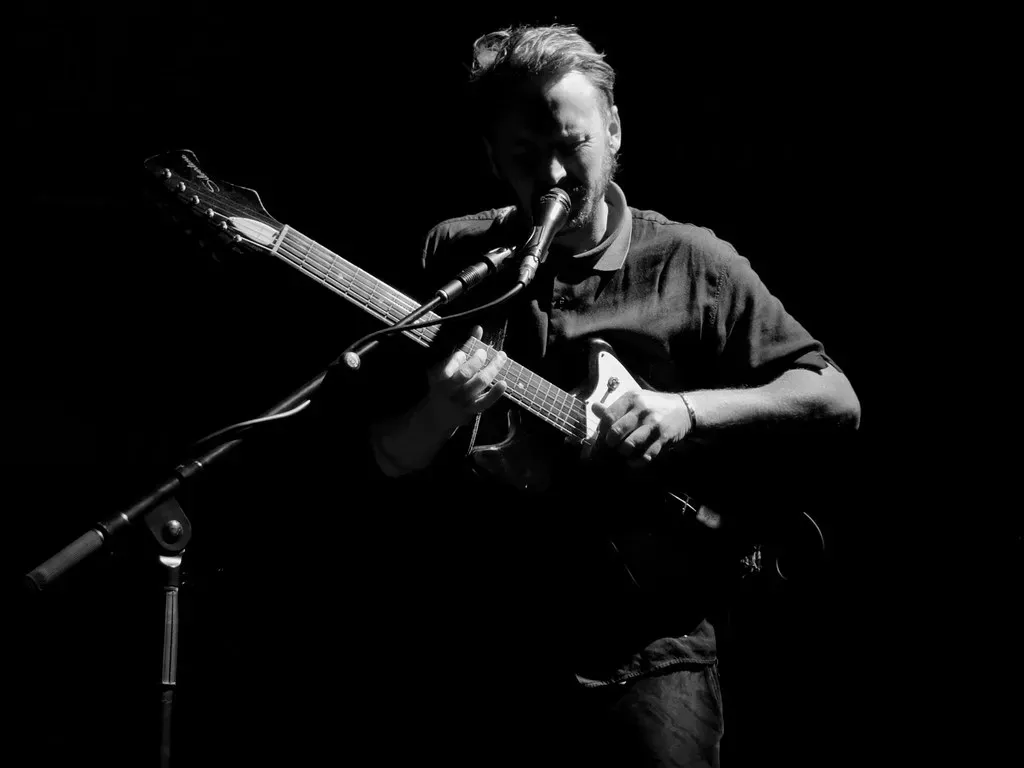
Bert Jansch was a Scottish folk guitarist whose intricate fingerpicking influenced everyone from Jimmy Page to Neil Young to Fleet Foxes. His 1965 debut album is considered one of the greatest folk records ever made. Yet he remained a niche figure, never achieving mainstream success. He played small venues for most of his life. Recognition from younger musicians came late. When he died in 2011, tributes poured in from artists he’d inspired, many of whom he’d never met. His guitar technique is now taught in music schools, but during his life, he was often overlooked outside folk circles.
16. Gene Clark

Gene Clark co-founded The Byrds and wrote some of their best early songs, including “I’ll Feel a Whole Lot Better” and “Eight Miles High.” He left the band due to a fear of flying and bad business dealings. His solo albums, particularly No Other, are now considered masterpieces of cosmic American music. At the time, they were commercial disasters. Clark struggled with addiction and died in 1991 at age 46, largely forgotten. Tom Petty and others campaigned for his legacy. Today, No Other is a cult classic. Clark never knew his work would be rediscovered and celebrated.
17. Vic Chesnutt
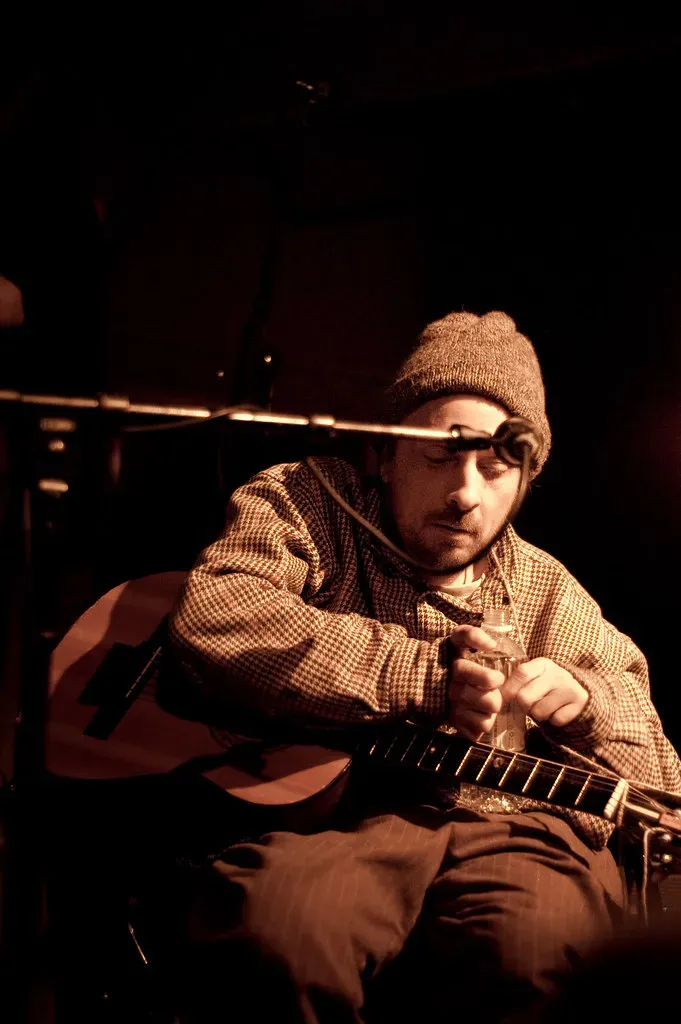
Vic Chesnutt was a brilliant, brutally honest songwriter from Athens, Georgia. Michael Stipe of R.E.M. produced his first two albums. Despite critical acclaim, commercial success never came. Chesnutt was paralyzed from the chest down after a car accident at 18, and his health struggles were constant. His lyrics were darkly humorous and painfully vulnerable. He died by suicide in 2009. Artists like Sparklehorse, Lambchop, and The National have covered his songs and cited him as an influence. His albums are now recognized as some of the most vital work in alternative music, but he died feeling like a failure.
18. Elizabeth Cotten
Elizabeth Cotten wrote “Freight Train” when she was just 11 years old. She stopped playing music for decades, working as a domestic servant. In her 60s, she was rediscovered by the folk revival movement. She began performing and recording, developing a unique fingerpicking style that influenced countless musicians. She won a Grammy in 1985 at age 90. While she did receive some recognition late in life, the bulk of her years were spent in obscurity. She never imagined her childhood song would become a standard, covered by everyone from Peter, Paul and Mary to Taj Mahal.
19. Tim Buckley
Tim Buckley possessed one of the most extraordinary voices in rock, capable of spanning multiple octaves and genres. He released nine albums between 1966 and 1975, experimenting with folk, jazz, funk, and avant-garde music. His willingness to constantly reinvent himself confused audiences and labels. Commercial success eluded him. He died of a heroin overdose in 1975 at age 28. His son, Jeff Buckley, would become famous years later, bringing renewed attention to Tim’s work. Today, musicians revere Buckley as a fearless innovator, but during his life, he was frustratingly underappreciated.
20. Phil Ochs
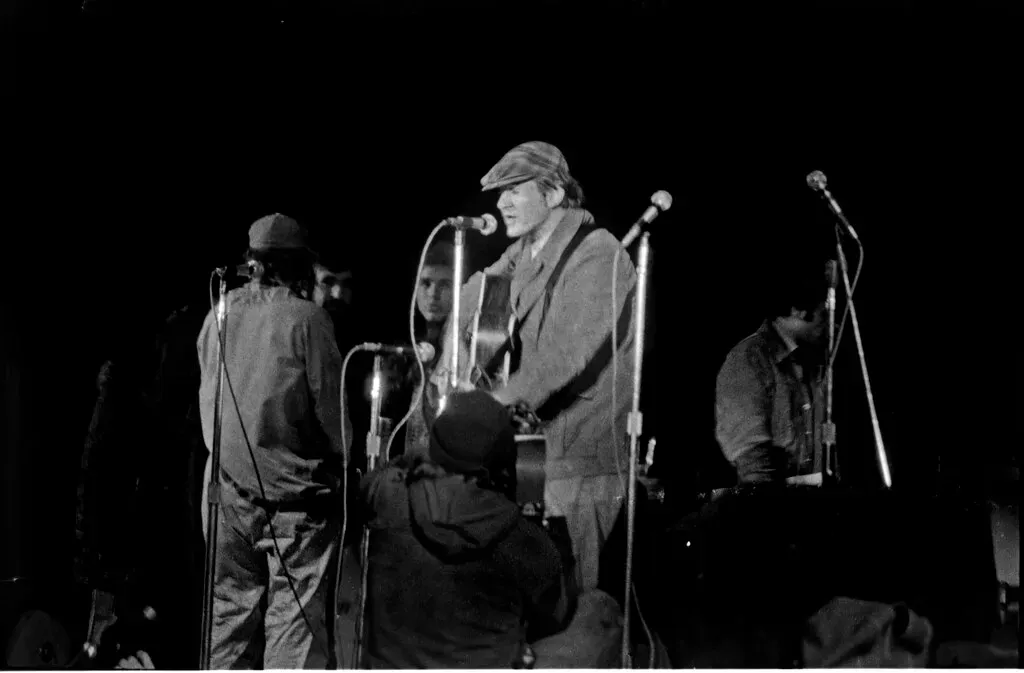
Phil Ochs was one of the most important protest singers of the 1960s, writing anthems like “I Ain’t Marching Anymore” and “There But for Fortune.” He was seen as Bob Dylan’s rival, though Dylan’s fame eclipsed him. Ochs struggled as the political climate shifted and his mental health deteriorated. By the mid-1970s, he was depressed and drinking heavily. He died by suicide in 1976 at age 35. His songs are now recognized as essential documents of the era. Artists like Billy Bragg and The Clash have cited him as an influence. He never knew his work would endure as a testament to conscience and courage.
What a strange, melancholic thing it is, isn’t it, to leave behind something so beautiful that the world can’t help but notice it once you’re gone? These musicians gave everything, and the recognition came too late, or not at all while they breathed. Their stories remind us that art doesn’t always reward the artist in real time. Sometimes the applause echoes through the decades, reaching ears that never got to say thank you. Did you expect this many untold stories? What does it say about how we value art?