You just landed in an unfamiliar city, your bags are heavy, and all you want is a straightforward ride to your hotel. You hop in a cab, stare out the window at streets you don’t recognize, and arrive feeling oddly unsettled about the fare. Sound familiar? That feeling might not be jet lag.
The “long-haul” scam is the practice in which taxi drivers literally and figuratively take tourists for a ride, intentionally going the long route to a destination to boost the fare. It’s one of the oldest tricks in the book, and it’s still happening in cities across the world in 2026. Knowing how it works is the first and most important step toward protecting yourself.
The Scale of the Problem Is Bigger Than You’d Think

This isn’t a niche concern affecting a handful of unlucky travelers. Recent research highlights that taxi fraud remains widespread in several countries, with findings based on an analysis of more than 450 Reddit posts and around 30,000 comments detailing real-life passenger experiences. The data paints a picture of a genuinely global problem.
According to the Mastercard Economics Institute’s Travel Trend Report 2025, fraud in popular tourist destinations spikes by up to 28% during peak seasons. The travel industry is one of the sectors most susceptible to fraud, with scams rising 18% during the summer peak season and 28% in winter peak season in 2024. Those are not small numbers.
A state audit in Nevada revealed that nearly one in four passengers, roughly 22.5%, were taken on longer-than-necessary rides by taxi drivers. That audit covered Las Vegas specifically, but it reflects a pattern that repeats itself in cities from Bangkok to Rome.
Las Vegas: Ground Zero for Long-Hauling in the U.S.

The long-haul taxi scam in Las Vegas entails a cab driver taking passengers from the airport, or back to the airport, on a longer route than normal in order to charge more for the ride. The tunnels, which go under the runways to the south and connect to Highway 215, are sometimes used as a detour. This is why being scammed is occasionally referred to as being “tunneled,” and this route is often twice as long, resulting in a larger fare.
Riders were overcharged by an estimated $14.8 million as a result of long-hauling in 2012 alone in Las Vegas. Undercover officers who took rides in taxis were long-hauled with astonishing frequency, roughly one out of every three trips. That’s a striking enforcement finding.
Stories have circulated involving passengers paying four times more than they should for rides, and taxi drivers themselves have been known to refer to the practice of long-hauling as an “epidemic.” The word “epidemic” came from inside the industry itself, which says a great deal.
Chicago and New York: The Scam Has Many Faces
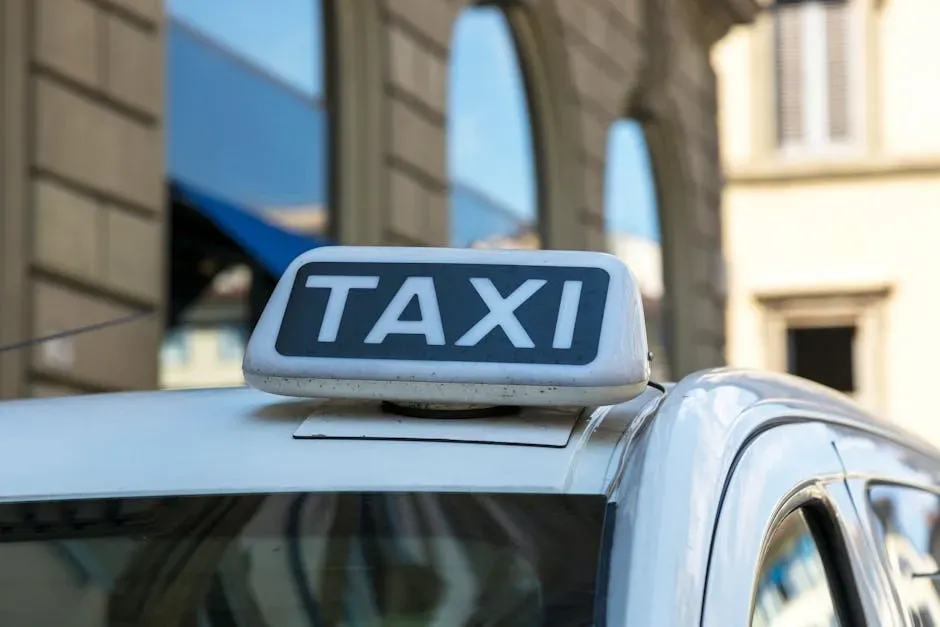
A public records request turned up 1,880 taxi complaints from just the last half of 2024 in Chicago, averaging roughly 10 a day. An NBC 5 Responds undercover investigation revealed that Chicago cab drivers bending the rules and overcharging riders is happening more than most people would think.
The city of Chicago announced that the minimum fine for drivers found guilty of charging illegal flat fees has increased from $50 to $300, and drivers found liable must also refund the entire fare. However, city data shows only about 12% of complaints about flat fares result in any action. That enforcement gap is part of why the problem persists.
Thousands of tourists and residents who took New York City’s iconic yellow taxis were quietly ripped off by drivers who frequently manipulated their meters to double the fare rate. Six drivers alone each earned more than $10,000 by repeatedly bumping their meters up to a higher suburban rate when they were actually within city limits.
The Countries Where Taxi Fraud Is Most Common

A study conducted by the safety platform AllClear, relying on over 30,000 comments from traveler communities, aimed to identify locations where visitors report the most taxi-related scams. Turkey dominates the ranking, with more than twice as many reports as India, which comes in second. Thailand, Vietnam, and Egypt follow, making up a top five largely concentrated in countries where heavy traffic and mass tourism create fertile ground for abuse.
Transportation scams are especially common in cities where unregulated taxis and private car services thrive. In Jakarta, Indonesia, taxi and car rental fraud makes up 66% of all travel scams. Bangkok follows with 48%, and even major European hubs like London report high levels of transportation-related fraud at 34%.
Airports are particularly vulnerable, as unlicensed taxis often approach hurried passengers directly. Tired travelers fresh off a long flight are exactly the kind of target that makes this scam so consistently effective.
Why Tourists Are the Primary Target

Drivers may be potentially singling out tourists or people who may not know better, as opposed to local residents. The logic is simple: tourists don’t know the streets, can’t easily verify a route, and are unlikely to cause a prolonged scene in a foreign city.
With more solo travelers and younger generations looking to enjoy greater worldwide travel, the potential of falling victim to a localized scam is heightened. While most taxi drivers are largely honest and accommodating, the rare few can utilize hustles that fly close to the legal thin line with the ultimate aim of getting travelers to part with their hard-earned cash.
The majority of complaints are concentrated in airport areas, where tired and hurried travelers become easy targets. First impressions of a new city, it turns out, are often shaped by the very first ride.
The Red Flags to Watch For in the Cab

Long-hauling involves taking a longer route to the destination than necessary and racking up higher fares. It’s a frequent issue in cities with complex road networks, and detours can seem entirely plausible, especially during rush hour. That’s precisely what makes it so hard to detect in the moment.
Common scams include drivers refusing to use the meter and instead charging inflated fixed fares, especially in tourist areas or at night. Another tactic involves quickly placing passengers’ luggage into the trunk before discussing prices, making it harder to refuse the ride. Card machine “malfunctions” are also frequently reported, with drivers insisting on cash payments and later raising fares.
Some meters are deliberately tampered with. These manipulated meters clock up charges much faster than the official rate. In the digital era, some fraudulent software can even spoof GPS data to show a longer route or apply a higher base rate than justified. Chinese police authorities have been cracking down on such fraudulent software, and according to a Sixth Tone report from January 2025, authorities investigated and arrested individuals involved in selling or using these tools.
How to Use Your Phone as Your Best Defense

The best way to avoid the long-haul scam is to know roughly how long the ride should take and what it should cost. It’s also straightforward to avoid this scam if you have a GPS on your phone. Open Google Maps or a comparable navigation app before you even get in the vehicle.
Turn on GPS and monitor the route as you go. If the driver is taking a longer path, politely mention it. Most dishonest drivers will correct course the moment they realize you’re watching the navigation. If you tell a cab driver the route you want to take, they are required to follow it.
Apps like Google Translate or iTranslate can help bridge language gaps and reduce misunderstandings. Typing your hotel address in the local language and showing it directly to the driver is also a simple but effective tactic. Preparation before you get in costs nothing and can save you a great deal.
What to Do If You’ve Already Been Long-Hauled
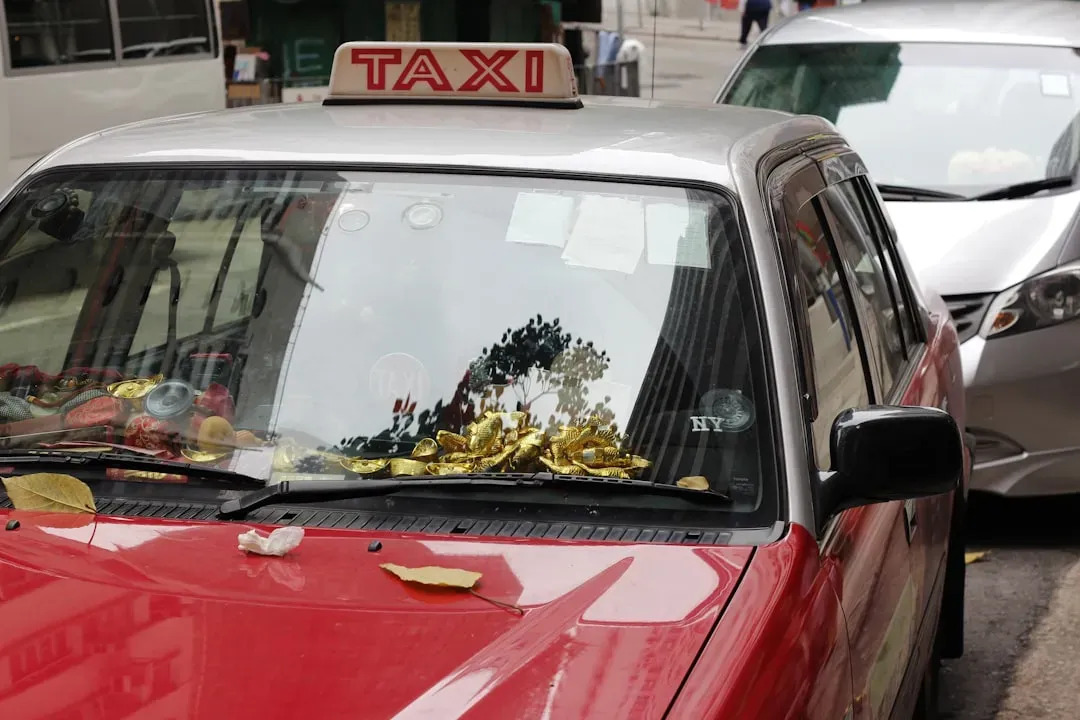
If you feel you have been long-hauled, you have options. Some travelers report confronting the cab driver directly and telling them flat out that they are not paying the inflated fare. This works more often than you might expect, particularly if hotel staff are nearby to assist.
In Seoul, for example, the municipal government has launched special crackdowns on cab drivers’ unfair treatment of overseas tourists, focusing on illegal taxi activities such as overcharging, demanding tips, and refusing passengers. Visitors to Korea can also report taxi-related issues via card-sized survey slips available at Incheon and Gimpo airports, which link to a reporting survey via QR code available in English, Chinese, and Japanese.
In the U.S., most cities have a Taxi and Limousine Commission or equivalent authority where complaints can be filed. Keep the cab number, driver license details, and a record of your route. According to the Federal Trade Commission, U.S. travelers lost an estimated $330 million to travel-related fraud in 2024, a 20% increase from 2022, with the average loss per victim sitting around $1,200. Reporting matters.
Ride-Hailing Apps: A Genuine Alternative

One of the most reliable ways to sidestep taxi scams entirely is to always use official taxi stands, ride-hailing apps like Uber, Grab, or Bolt, or pre-book airport transfers. With app-based rides, the route is tracked, the fare is locked in at the start, and the driver’s identity is verified.
In 2023 alone, DiDi identified and blocked over 200 fraudulent cheating tools and banned more than 1,000 drivers for repeated violations. Platforms are actively investing in policing their own ecosystems, which gives app-based rides a meaningful accountability edge over unregulated street hails.
That said, apps aren’t foolproof everywhere. The tactic of overcharging by deliberately taking longer routes can still occur through app-based services, and unlicensed “black taxis” may operate around major transport hubs, wholesale markets, and entertainment districts in some regions. Staying alert remains necessary regardless of the platform.
The Smart Traveler’s Pre-Trip Checklist

Knowledge is power when avoiding scams. Before arriving at a destination, take a moment to research the most common taxi scams in the area. Whether it’s long-haul detours or fixed-rate scams, knowing what might come your way prepares you to avoid these pitfalls.
If taxis are the only option, ensure that you pick up taxis at designated taxi ranks, read up on tariffs and charges, keep watch on the meter, and never get in a taxi if someone else is already sitting in the front with the driver. These are simple checks, but they carry real weight.
To reduce the risk of being scammed, travelers are advised to agree on fares in advance, insist on using the meter, monitor routes using map applications, and use officially licensed taxis or trusted ride-hailing services available at airports. None of this requires paranoia. It just requires preparation.
Conclusion: A Short Ride Shouldn’t Come at a Long Price
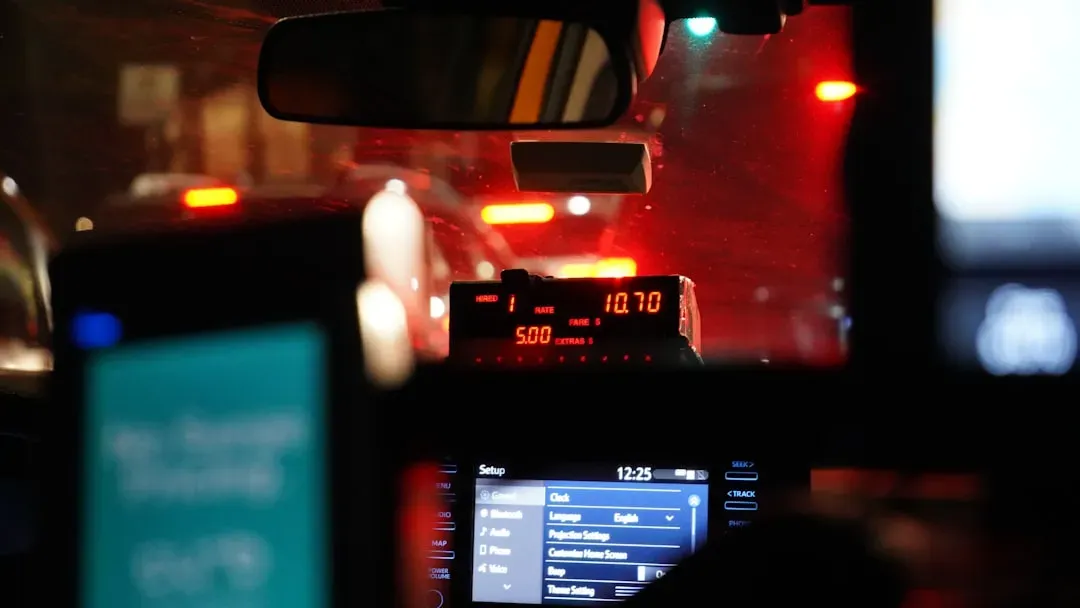
The long-haul scam endures not because travelers are naive, but because it’s genuinely difficult to detect in real time. A city you’ve never visited, streets with unfamiliar names, a driver who seems perfectly pleasant. That combination is all it takes for even experienced travelers to end up paying triple what a ride should cost.
The good news is that awareness itself is a powerful deterrent. Drivers who realize you have navigation open, know the route, and understand local fares are far less likely to try anything. Always try to have loose change and small bills, and get a ballpark cost of the fare before getting into the taxi. Small habits, consistently applied, make a real difference.
Travel should feel like an adventure, not an obstacle course. The taxi ride is just the first chapter of a trip, and it doesn’t need to set a sour tone for everything that follows. Know the route. Watch the meter. Trust your instincts. That’s really all it takes.