


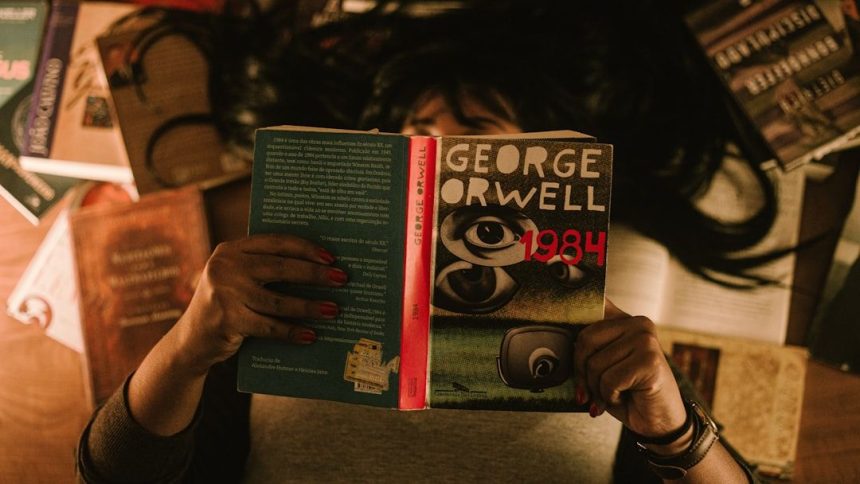
Some books you finish. Others finish you. There is a particular kind of story that refuses to leave once you’ve let it in – it settles somewhere between memory and feeling, showing up uninvited weeks, months, even years . You find yourself thinking about a character on a Tuesday morning or reconsidering a plot moment while brushing your teeth.
Studies show that reading fiction can be just as effective as real-life experience in shaping emotional skills. The secret lies in how stories let readers step into someone else’s world, experience their struggles, and feel their emotions as if they were their own. That is a remarkable thing when you think about it. A book is just ink on paper. Yet somehow, the right one rewires you. Here are twenty stories that have done exactly that to readers across generations. Let’s dive in.
1. The Kite Runner by Khaled Hosseini


The Kite Runner explores the themes of guilt, classism, and redemption through the complex friendship between Amir, who comes from a wealthy family, and Hassan, who is the son of a servant during the fall of the monarchy and the rise of the Taliban. It is a book that plants guilt inside you like it plants it inside its protagonist. You feel the weight of a choice not made, a moment not seized.
Hosseini’s exploration of friendship, betrayal, and redemption is heightened by the vivid setting of Afghanistan. The emotional weight intensifies as readers witness Amir’s internal struggles and the consequences of his actions on his relationship with Hassan. The unforgettable kite-flying tournament and the subsequent betrayal shape the narrative’s emotional landscape, prompting readers to grapple with the complexities of guilt and forgiveness. A book club darling, The Kite Runner remained on the New York Times bestseller list for more than two years.
2. Beloved by Toni Morrison

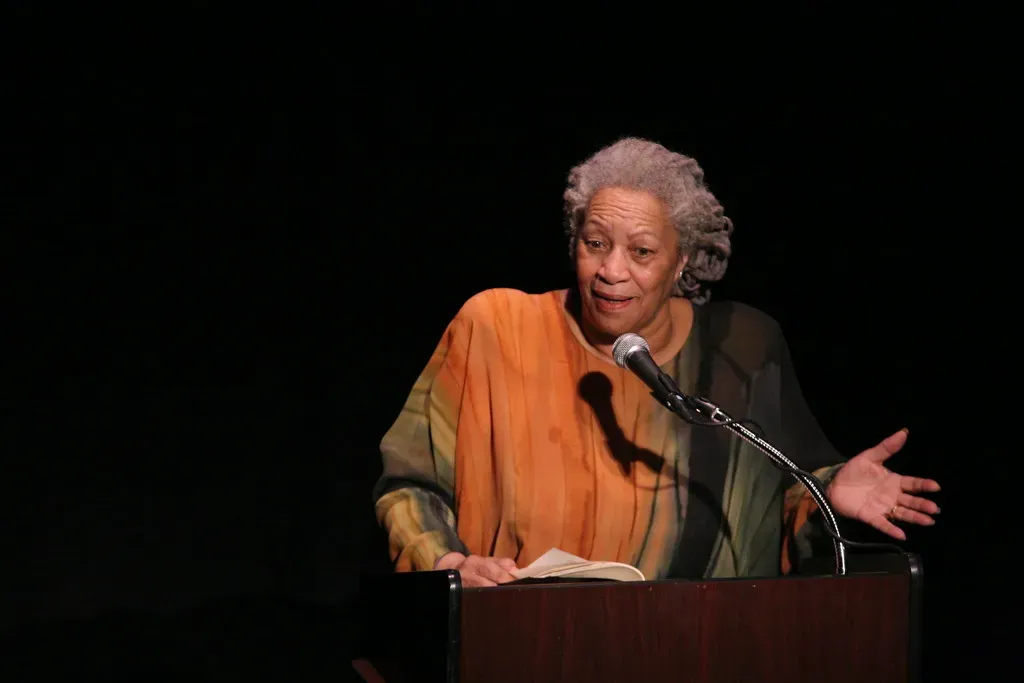
Morrison’s most acclaimed novel lives rent-free in most readers’ heads due to the notorious filicide at the story’s center. An unflinching meditation on the horrors of slavery and generational trauma, Beloved is a difficult but compelling read. It earned a ton of awards including the Pulitzer Prize for Fiction. Honestly, calling this novel “difficult” is an understatement. It demands everything you have.
The novel tells the story of a former African-American slave woman who, after escaping to Ohio, is haunted by the ghost of her deceased daughter. The protagonist is forced to confront her repressed memories and the horrific realities of her past, including the desperate act she committed to protect her children from a life of slavery. The narrative is a poignant exploration of the physical, emotional, and psychological scars inflicted by the institution of slavery, and the struggle for identity and self-acceptance in its aftermath.
3. 1984 by George Orwell

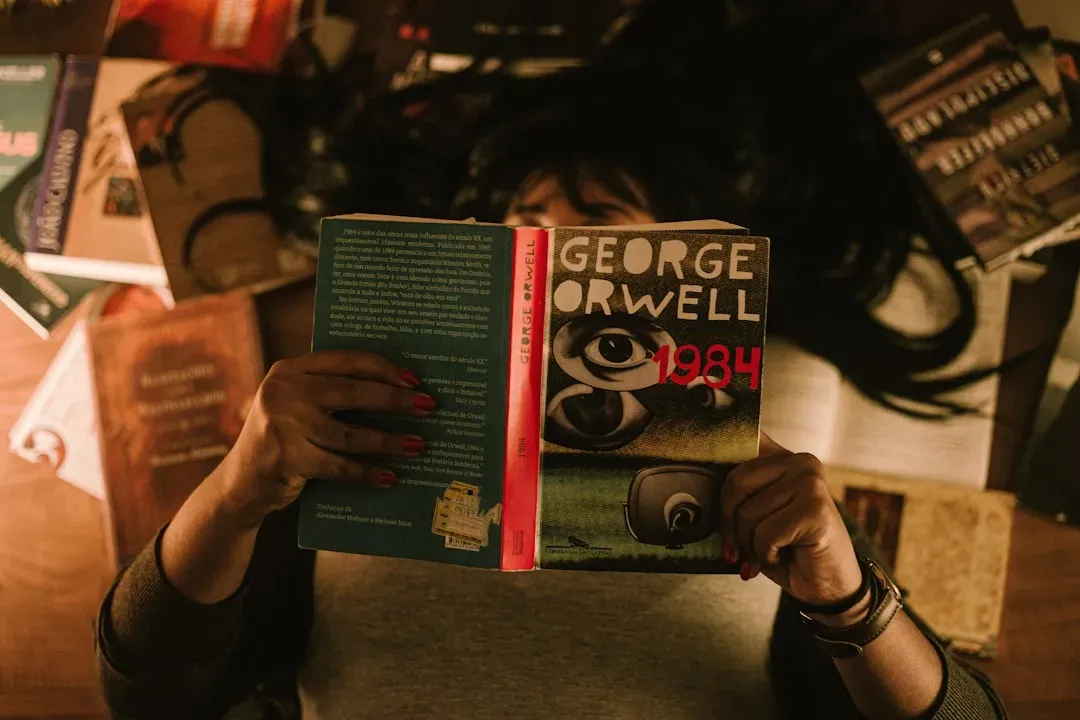
1984 is a dystopian classic that ranks highly among the most famous books of all time. Where Huxley’s masterpiece features a manufactured pseudo-utopia, Orwell’s tale presents a world where every aspect of life is minutely controlled. What Orwell did that no political essay ever could was make you feel the slow erasure of a human being. That is the horror of it.
When Americans realized that their government was secretly spying on them, this novel soared in popularity. As digital media has taken over the world, many people have seen their privacy invaded. Orwell’s novel was a grim prediction that has come to become a reality. The trust in governments has been eroded and has led to many people turning to this novel for its accuracy.
4. The Book Thief by Markus Zusak


The Book Thief follows a young girl, Liesel, and her life from 1939 to 1945 as she learns to read with her foster father, shares stolen books with neighbors, and navigates the dangers of the regime. The book explores the power of books, human resilience, and the brutality of war. There is something almost unbearably tender about a story of words saving lives while bombs fall outside.
The Book Thief shows readers that words themselves can be powerful, dangerous, and lifesaving. Narrated by Death, the novel immediately feels different, intriguing even reluctant readers. Set during World War II, it balances heartbreak with beauty, proving that stories can exist even in darkness. Zusak’s poetic yet accessible language makes the book emotionally gripping without being overwhelming.
5. Never Let Me Go by Kazuo Ishiguro

Kazuo Ishiguro’s Never Let Me Go is a quietly devastating exploration of humanity, memory, and mortality. The story follows Kathy, Ruth, and Tommy – students at an idyllic boarding school who gradually uncover the dark truth about their existence. Ishiguro’s restrained prose amplifies the emotional impact, creating an atmosphere of tenderness and tragedy. Few books undo you so quietly. You almost miss the moment it breaks your heart.
Beneath its science-fiction premise lies a profound meditation on love, loss, and what it means to have a soul. Never Let Me Go lingers long after the final page, reminding us that even in the face of inevitability, compassion defines what it means to be human. It is one of those books I think about when I hear the word “acceptance.”
6. To Kill a Mockingbird by Harper Lee


Harper Lee’s To Kill a Mockingbird captures the innocence of childhood colliding with the harsh realities of racial injustice. Through young Scout Finch’s eyes, readers witness the moral strength of her father, Atticus Finch, as he defends a wrongfully accused Black man in a prejudiced Southern town. The novel’s timeless message of empathy – to understand others by “walking in their shoes” – continues to inspire compassion and integrity. Lee’s storytelling, infused with warmth and honesty, exposes social hypocrisy while championing the courage to do what’s right, even when the world stands against you.
What makes this novel so enduring is the choice of narrator. A child’s eyes see moral complexity with a clarity that adults have long lost. It is deeply uncomfortable and deeply necessary all at once. The story never lets you feel safe in your own assumptions.
7. One Hundred Years of Solitude by Gabriel García Márquez

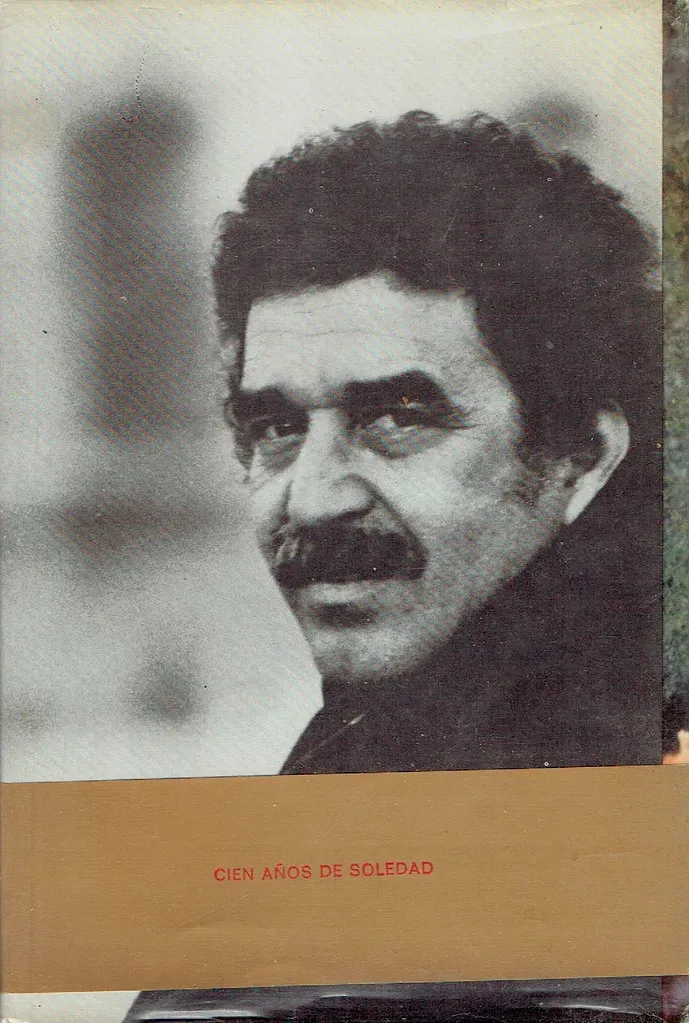
Selling more than 50 million copies and translated into 47 languages, One Hundred Years of Solitude is considered one of the greatest works of literature of the last century and a classic of magical realism. Furthermore, it won García Márquez the Nobel Prize for literature. Think about that. Fifty million copies. That is not popularity. That is a seismic cultural event.
García Márquez’s masterpiece unfolds over generations. The emotional depth is enriched by the magical realism that permeates the Buendía family’s journey. Moments of love and loss, such as the forbidden romance of Aureliano and Remedios, and the cyclical nature of life and death contribute to the novel’s emotional richness. García Márquez skillfully captures the complexities of human relationships amidst political upheaval.
8. The Bell Jar by Sylvia Plath


Sylvia Plath’s semi-autobiographical novel follows Esther Greenwood, a young woman spiraling into depression while struggling against societal expectations. Through Esther’s descent, the novel addresses issues of mental illness, personal identity, and the suffocating pressures of conformity. The Bell Jar offers a deeply emotional and psychological exploration of mental illness, making it a vital entry in psychological fiction.
The novel’s exploration of trauma and alienation resonates with readers, making it a timeless reflection on the challenges of mental health. Plath writes about suffocation in a way that makes you feel it in your own chest. That is the particular cruelty and genius of her prose. It does not describe depression. It enacts it.
9. The Road by Cormac McCarthy
Cormac McCarthy’s The Road is a raw, poetic portrayal of love and survival in a post-apocalyptic world. A father and son journey through desolation, clinging to their humanity amid ruin and despair. I know it sounds extreme, but this might be the most emotionally honest book about parenthood ever written. The love between these two characters is nuclear in its intensity.
The prose is stripped of punctuation, stripped of comfort, stripped of almost everything. What remains is pure human will. McCarthy forces you to ask what you would carry inside you if everything else were taken away. The answer, when it comes, is quietly devastating.
10. The Brothers Karamazov by Fyodor Dostoyevsky

This classic novel explores the complex, passionate, and troubled relationship between four brothers and their father in 19th-century Russia. The narrative delves into the themes of faith, doubt, morality, and redemption, as each brother grapples with personal dilemmas and family conflicts. The story culminates in a dramatic trial following a murder, which serves as a microcosm of the moral and philosophical struggles faced by each character.
Here’s the thing about Dostoyevsky. He does not write characters. He writes entire philosophies walking around in human form. Every argument in this book is one you might genuinely have with yourself at three in the morning. The grand debate between faith and doubt still feels alive, unresolved, and absolutely necessary.
11. A Wrinkle in Time by Madeleine L’Engle

A Wrinkle in Time is a story of growth and discovery, and of Meg finding herself in a world where she doesn’t feel she fits. For readers who came to it as children, that sense of being “other” was the first time a book had ever truly seen them. That is a rare and powerful thing for a story to do.
L’Engle managed something extraordinary: a book that takes quantum physics, theology, and the battle between darkness and love, and renders it all through the eyes of a messy, insecure, utterly relatable girl. Sometimes, the simplest stories reveal the deepest truths about what it means to be human. This is exactly one of those stories.
12. The Color Purple by Alice Walker


Walker’s Pulitzer Prize-winning novel provides a searing exploration of Celie’s life, her resilience, and the power of sisterhood. The emotional impact is heightened as Celie finds strength through her letters and the unexpected bond with other women. Moments of triumph over adversity, such as Celie’s reunion with her sister Nettie, evoke a profound sense of empowerment and emotional release.
Told entirely through letters, this novel should feel distanced. Instead, it achieves the opposite. You are inside Celie’s mind from the very first line, and you do not leave even after the last. It is a book about the terrifying cost of silence and the redemptive power of finding your own voice. Walker does not let you look away.
13. The Little Prince by Antoine de Saint-Exupéry

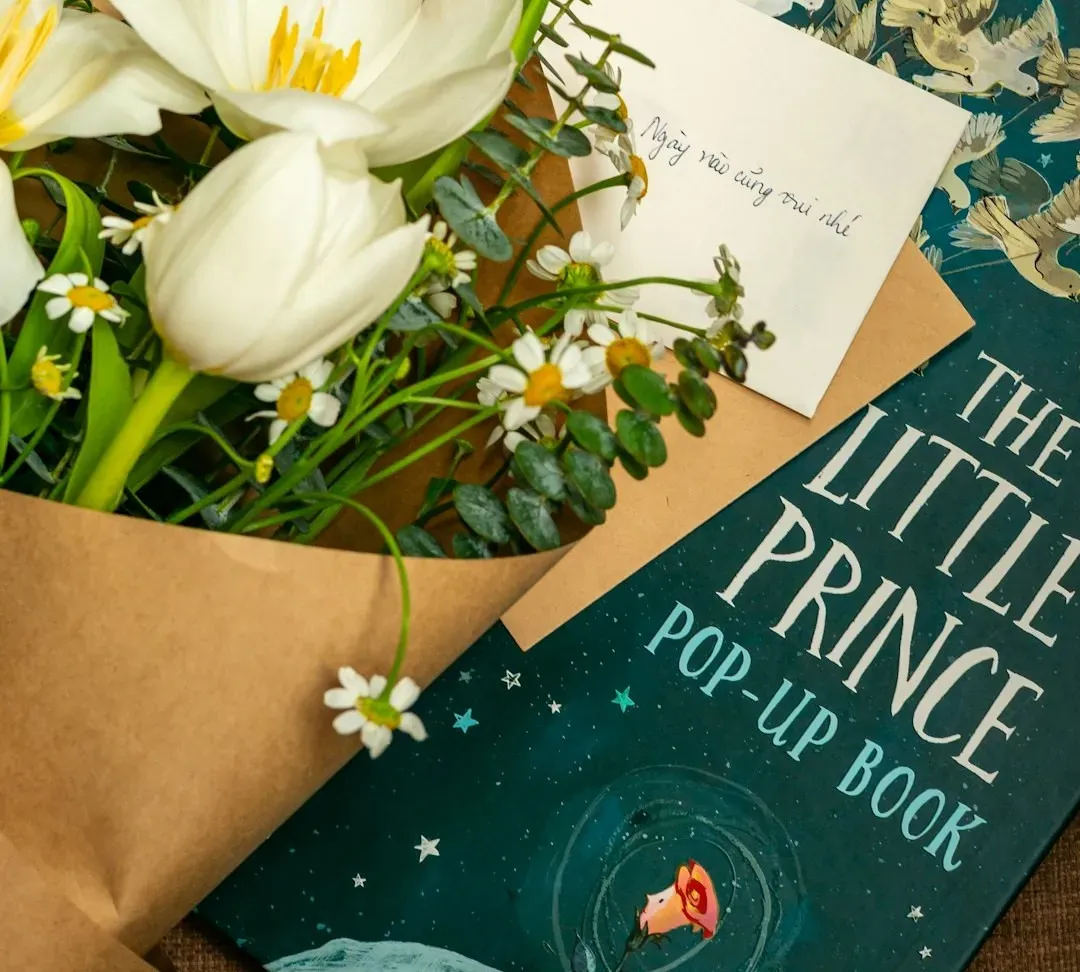
The Little Prince gently reminds readers why they once loved stories. Its short length and simple language make it accessible, while its emotional depth makes it unforgettable. Beneath its childlike surface lie profound reflections on love, loss, responsibility, and meaning. Readers often finish the book quickly, only to find themselves thinking about it for years.
It is barely one hundred pages. You can read it in an afternoon. Yet it has been translated into more than three hundred languages and has never gone out of print since 1943. Some books are portals. This one opens onto something ancient and true, something that most of us stopped believing in somewhere along the way to adulthood.
14. Mrs. Dalloway by Virginia Woolf

This novel follows a day in the life of Clarissa Dalloway, a high-society woman preparing for a party, as well as the parallel story of Septimus Warren Smith, a war veteran suffering from severe PTSD. Woolf uses stream-of-consciousness to portray the thoughts and memories of her characters, exploring themes of time, memory, trauma, and the fragility of the mind.
Nothing “happens” in this book by conventional plot standards. An entire revolution in literature can happen in the space of a single day. Woolf invented an interior architecture so precise it feels like you are inhabiting another person’s thoughts rather than reading about them. That intimacy is the whole point, and it never quite lets go of you.
15. The Grapes of Wrath by John Steinbeck
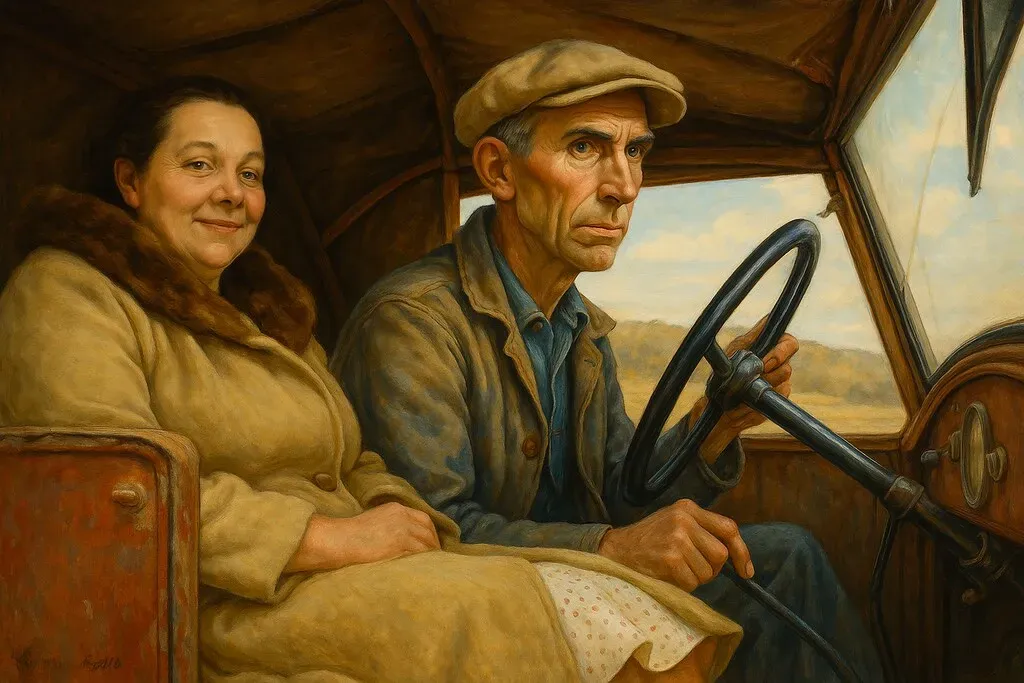
In The Grapes of Wrath, the Joad family is pushed from Oklahoma to California after the Dust Bowl ravages their home. John Steinbeck’s stunning writing style and historical significance make this novel an essential classic for any reader. What Steinbeck understood, and what still stings today, is that dignity is not something the poor are allowed to keep. This book challenges that with enormous, righteous fury.
The final scene of this novel is one of the most debated, challenged, and unforgettable endings in American literary history. Steinbeck does not comfort you. He implicates you. He forces you to ask whether the American Dream was ever meant for everyone, and the silence that follows that question is loud.
16. Life of Pi by Yann Martel


Martel’s lyrical prose and philosophical insight blur the line between fact and fiction, urging readers to ask what truth really means. Winner of the Man Booker Prize, Life of Pi is a spiritual fable that celebrates resilience, imagination, and wonder. The central premise sounds absurd: a boy and a Bengal tiger stranded on a lifeboat in the Pacific Ocean. Then Martel makes it feel like the most logical thing in the world.
The novel’s final act does something truly audacious. It reframes everything you just experienced and asks which version of the story you prefer. It turns out that is a deeply philosophical question. The answer reveals more about the reader than it does about Pi. That is extraordinary storytelling.
17. Into the Wild by Jon Krakauer


Into the Wild tells Christopher McCandless’s haunting story, and as a work of nonfiction, Krakauer explores all that we know about his life and his death. This book combines nature and psychology, and how they are intertwined. People have criticized McCandless for being arrogant, privileged, unprepared. Krakauer lets you decide. Either way, an incredibly sad story.
What makes this true story so unshakable is its refusal to resolve. Was McCandless brave or reckless? A visionary or a fool? Readers have argued about this for decades and the debate remains genuinely alive. Krakauer structures the book so that your own answer changes depending on which chapter you are reading. That is craft of the highest order.
18. The Secret History by Donna Tartt


There is a murder, but the real story begins afterward. The Secret History follows a tight circle of classics students at an elite college who cross a line they cannot uncross. What unfolds is not a whodunit but a slow, exquisite unraveling. Tartt tells you who dies and who kills them on the very first page. Then she makes you watch, helplessly, as it all becomes inevitable.
It is a book about beauty, obsession, elitism, and the terrifying logic that emerges when a group of brilliant people decide they are above ordinary morality. The writing itself is so stunning that you could get lost in the words themselves. At its heart, the novel captures something about mistakes and ego and lifelong consequences that makes you want to cry.
19. Nausea by Jean-Paul Sartre


Sartre’s use of psychological insight allows readers to experience Roquentin’s increasing detachment from the world around him, reflecting the existential dilemma of finding meaning in life. Nausea is a profound work of psychological fiction. It probes into the themes of existentialism and emotional detachment, providing a philosophical yet personal look into the complexities of existence.
This is not a comfortable book. It is not meant to be. Sartre designed it to do something deeply unsettling: to make the ordinary world feel suddenly, profoundly strange. That strangeness does not leave easily. Days after finishing it, you find yourself looking at a tree root or a doorknob and feeling that old vertigo return.
20. Island of a Thousand Mirrors by Nayomi Munaweera

Set against the backdrop of Sri Lanka’s brutal civil war, Island of a Thousand Mirrors is a haunting and lyrical exploration of identity, belonging, and the impact of conflict on the lives of individuals. The novel follows the intertwined stories of two women – one Tamil, the other Sinhalese – whose lives are irrevocably altered by the violence and division of their country. Through their eyes, Munaweera examines themes of love, loss, and survival, offering a powerful narrative about the complexities of ethnic and national identity in a time of war.
What Munaweera achieves here is something rarely done so masterfully in war literature. She humanizes both sides, fully and without flinching. You understand every character even as you watch them destroy each other. The prose is lyrical enough to be beautiful, and that beauty makes the violence more harrowing, not less. It is a book that insists on the humanity of people the world has often preferred to reduce to headlines.
Why These Stories Stay With Us

It is worth asking why some stories refuse to leave. Science has started to provide answers. Based on transportation theory, when people read fiction and are emotionally transported into the story, they become more empathic. Two experiments showed that empathy was influenced over a period of one week for people who read a fictional story, but only when they were emotionally transported into the story. The books on this list are transportation machines of the highest order.
Reading fiction can foster social connection, reduce stress, enhance empathy, and even reshape brain activity linked to social cognition. Shared reading and book clubs have been shown to reduce loneliness and improve mental health, especially among young adults and older populations. Unlike digital interactions, reading activates brain regions involved in understanding others, offering a powerful, low-tech solution to modern social isolation.
Readers of fiction score higher on measures of empathy and theory of mind than non-readers, even after controlling for age, gender, intelligence and personality factors. Recent experimental research has further shown that fiction reading plays a causal rather than just correlational role in the development of social-cognitive skills. These are not sentimental claims. They are findings from peer-reviewed research.
Here’s the thing. The books that linger are not always the ones with the happiest endings or the most dramatic plots. They are the ones that showed you something true about being human – something you recognized even though you had never quite found the words for it before. What story has followed you long after you closed the last page? Tell us in the comments.


