We all know the chart-toppers. The number ones that dominated radio and defined entire summers. But here’s the thing: some of the most culturally significant songs never made it to the top spot. They might have peaked at number two, or ten, or even further down the list. Yet somehow, they became anthems that shaped entire generations in ways the actual chart-toppers never could.
Think about it. When you remember a specific era of your life, is it always the biggest hits that come to mind? Or is it those songs that played at every party, that everyone knew the words to, that somehow captured a feeling better than anything else? The ones that made you feel something real. Let’s dive into these unexpected cultural juggernauts that proved chart position means absolutely nothing when it comes to lasting impact.
1. “Bittersweet Symphony” by The Verve (1997)

This orchestral rock masterpiece peaked at number twelve in the US, but it became the defining sound of late 90s introspection. Richard Ashcroft’s defeated walk through London streets in the music video became an iconic image of millennial angst before millennials even knew they had angst. The sweeping strings and the resignation in Ashcroft’s voice captured something about growing up that felt startlingly honest.
What makes this song unforgettable is how it soundtracked countless movie trailers and TV shows for years afterward. It’s hard to say for sure, but this might be one of the most licensed songs in history. The irony? The Verve initially lost all royalties due to a sample dispute with The Rolling Stones’ former manager. Talk about bittersweet.
2. “Come As You Are” by Nirvana (1992)

While “Smells Like Teen Spirit” gets all the credit for launching grunge into the mainstream, “Come As You Are” only reached number thirty-two on the Billboard Hot 100. Yet this song arguably better represents what Nirvana was really about. The languid guitar riff and Kurt Cobain’s mumbled invitation to authenticity became a generational mission statement for kids who felt like outsiders.
The song’s music video, with its underwater imagery and distorted visuals, felt like a fever dream. It was quieter than their big hit, more introspective, and somehow more revolutionary. This track gave permission to an entire generation to stop pretending and just be themselves, flaws and all.
3. “Mr. Brightside” by The Killers (2003)

This never topped the charts in America, peaking at number ten. In the UK, it barely scratched the top ten initially. But here’s the crazy part: it spent more weeks in the UK charts than any other song in history. We’re talking over seven years of continuous chart presence. That’s not a hit anymore, that’s a cultural institution.
Every single person who was young in the 2000s knows every word. It’s the ultimate sing-along anthem at weddings, bars, and anywhere people gather. Brandon Flowers’ paranoid jealousy and that infectious guitar line created something that refuses to die. Honestly, it sounds as fresh today as it did two decades ago.
4. “Wonderwall” by Oasis (1995)

Peaked at number eight in the US but became the most requested song on British radio for over a decade. You know a song has transcended chart success when it becomes the default choice for every amateur guitarist at every party ever. Noel Gallagher wrote this as a love song, but it became an anthem of hope for people who needed to believe someone would save them.
The acoustic simplicity made it accessible. The lyrics were vague enough that everyone could apply them to their own lives. And that’s exactly why it outlasted dozens of actual number ones from the same era.
5. “Lose Yourself” by Eminem (2002)

Wait, didn’t this top the charts? Actually, yes, but only briefly, and it took weeks to get there. What’s remarkable is how this song from the “8 Mile” soundtrack became more than just a movie tie-in. It became the motivational anthem for anyone trying to seize an opportunity. Athletes blare it before games. Students listen to it before exams. It’s basically replaced “Eye of the Tiger” as the universal pump-up song.
Eminem’s rapid-fire delivery and the desperate urgency in his voice made failure feel like the only thing worse than not trying. That opening guitar line still gives people chills. The song won an Oscar, which is wild when you think about how mainstream and underground hip-hop culture collided in that moment.
6. “Don’t Stop Believin'” by Journey (1981)

This peaked at number nine back in 1981, and honestly, it probably would have faded into obscurity if not for something unexpected. Decades later, it became a karaoke standard, then “The Sopranos” used it in possibly the most famous TV finale of all time. Suddenly, in 2008, it was charting again. A song from 1981 became relevant to a completely new generation.
Steve Perry’s soaring vocals and that instantly recognizable piano intro capture pure optimism. It’s a song about small-town kids chasing big-city dreams, and that never goes out of style. The staying power is absolutely remarkable. Sometimes songs just find their moment decades after release.
7. “Creep” by Radiohead (1992)

The band famously grew to hate this song, but it peaked at only number thirty-four in the US. Yet it became the anthem for every social outcast in the 90s. Thom Yorke’s self-loathing lyrics and that explosive guitar crunch spoke to teenage alienation in ways that top forty pop couldn’t touch. It’s raw and uncomfortable, which is exactly why it resonated.
The song got a second life when it was featured in countless films and TV shows. It became shorthand for characters feeling inadequate or out of place. Radiohead moved on to more experimental work, but “Creep” remains their most recognizable song to casual listeners.
8. “Hollaback Girl” by Gwen Stefani (2005)


This actually did top the charts, making it the first song to be legally downloaded over one million times. But here’s why it belongs on this list: nobody really knew what a hollaback girl was, and nobody cared. The cheerleader chant spelling out B-A-N-A-N-A-S became instantly iconic and completely absurd. It was audacious pop perfection.
The song divided critics but united club dancefloors everywhere. Gwen Stefani proved she could dominate solo after leaving No Doubt. The Neptunes production was cutting-edge. And let’s be real, you still can’t hear this without spelling out bananas in your head.
9. “Zombie” by The Cranberries (1994)

This protest song about the Troubles in Northern Ireland peaked at number one in numerous countries but never topped the US charts. Dolores O’Riordan’s distinctive yodel-like vocals and the distorted guitar made it impossible to ignore. It was aggressive and mournful simultaneously, a combination that shouldn’t work but absolutely did.
The song became an anthem against violence and war broadly, transcending its specific political context. After O’Riordan’s tragic death in 2018, the song experienced a massive resurgence. Millions of streams from people who suddenly remembered how powerful her voice was. That raw emotion never faded.
10. “Sweet Child O’ Mine” by Guns N’ Roses (1988)

It did reach number one, but it took months to get there, and frankly, it wasn’t even supposed to be a single initially. Slash thought the guitar riff was silly. Axl Rose wrote the lyrics as a throwaway love song. Yet it became one of rock’s most recognizable openings. That guitar intro is literally taught in every beginner rock guitar course.
The song represents the last gasp of 80s hair metal before grunge demolished the entire genre. It’s both a love song and an exercise in technical guitar mastery. Younger generations discovered it through “Rock Band” and other video games, giving it yet another wave of relevance.
11. “Everybody Wants to Rule the World” by Tears for Fears (1985)

This hit number one briefly, but its cultural staying power far exceeds its chart performance. It became the sound of mid-80s cold war anxiety wrapped in an impossibly catchy pop package. The jangly guitars and Roland Orzabal’s smooth vocals made global political dread somehow danceable. That’s no small feat.
The song appears in roughly one million movies and TV shows set in the 80s. It’s become shorthand for the entire decade. When people think of 1985, they think of this song. That’s a legacy most actual decade-defining number ones never achieve.
12. “Seven Nation Army” by The White Stripes (2003)
Never topped the US charts, peaking at number seventy-six. But that bass line? Actually played on guitar with effects, not bass at all. It became a global sports anthem. Soccer stadiums across Europe chant it. NBA arenas blast it. It’s simple, primal, and undeniable. Just seven notes that somehow conquered the world.
Jack White’s raw vocals and minimalist approach represented a rejection of overproduced early 2000s rock. Two people making that much noise felt revolutionary. The song proved rock didn’t need to be complicated to be powerful. Sometimes simplicity hits harder than anything elaborate.
13. “Bitter Sweet Symphony” by The Verve (1997)

I know it sounds crazy, but we need to talk about this again because its impact was that massive. Not just for the song itself, but for what it represented. This was pre-internet viral culture, yet somehow this track spread through pure cultural osmosis. MTV played it constantly. Alternative radio embraced it. Even top forty stations couldn’t ignore it.
The legal battle over the sample from The Rolling Stones’ “The Last Time” became almost as famous as the song. For years, Ashcroft didn’t earn a penny from his biggest hit. It wasn’t until 2019 that Mick Jagger and Keith Richards returned the rights. Justice delayed, but eventually served.
14. “Dreams” by Fleetwood Mac (1977)

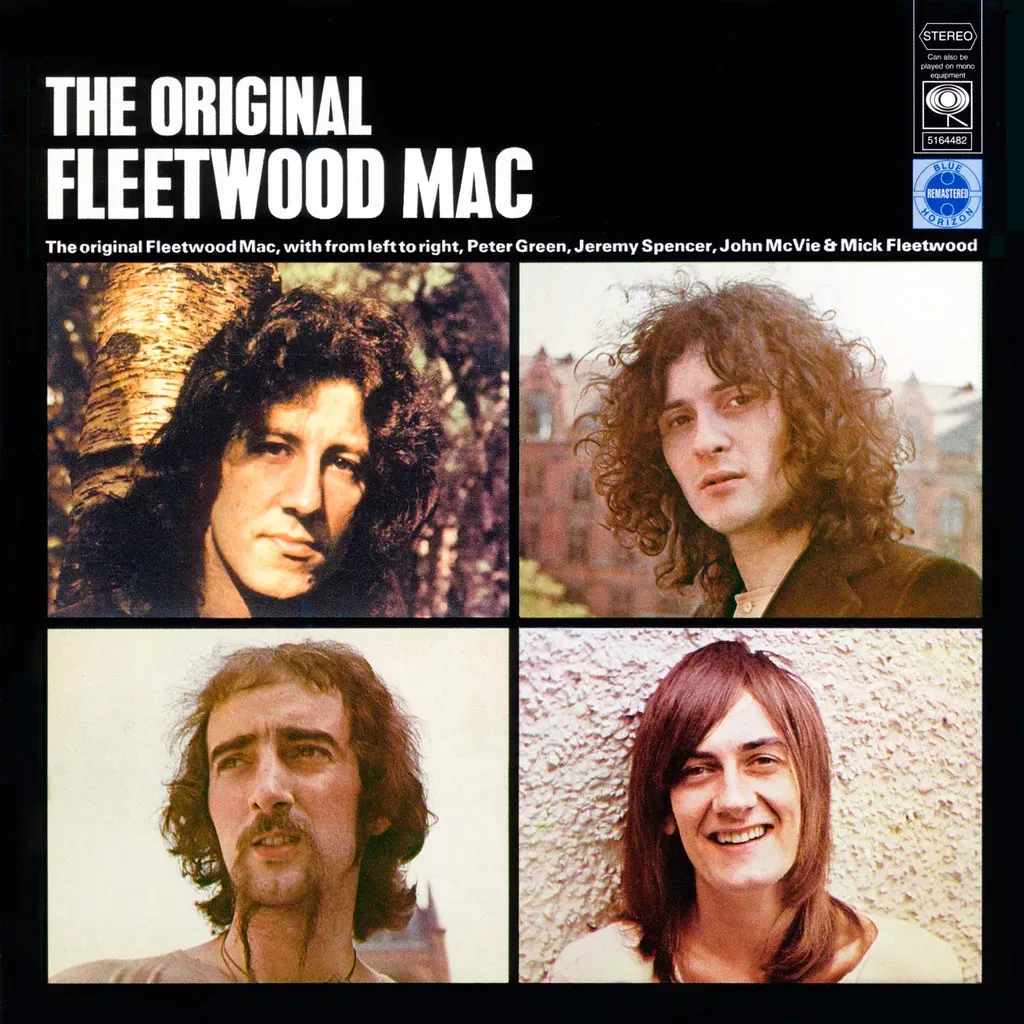
It topped the charts back in 1977, then basically disappeared for decades. But in 2020, a guy skateboarding while drinking cranberry juice and lip-syncing brought it back from the dead. Nathan Apodaca’s TikTok video was so vibes-positive that it sent the song back up the charts forty-three years later. Stevie Nicks herself was shocked.
The song’s laid-back groove and Nicks’ ethereal vocals felt like a balm during a stressful pandemic year. Sometimes a song needs the right moment to reach its full cultural potential, even if that moment comes four decades late. The streaming numbers absolutely exploded overnight.
15. “Hallelujah” by Jeff Buckley (1994)

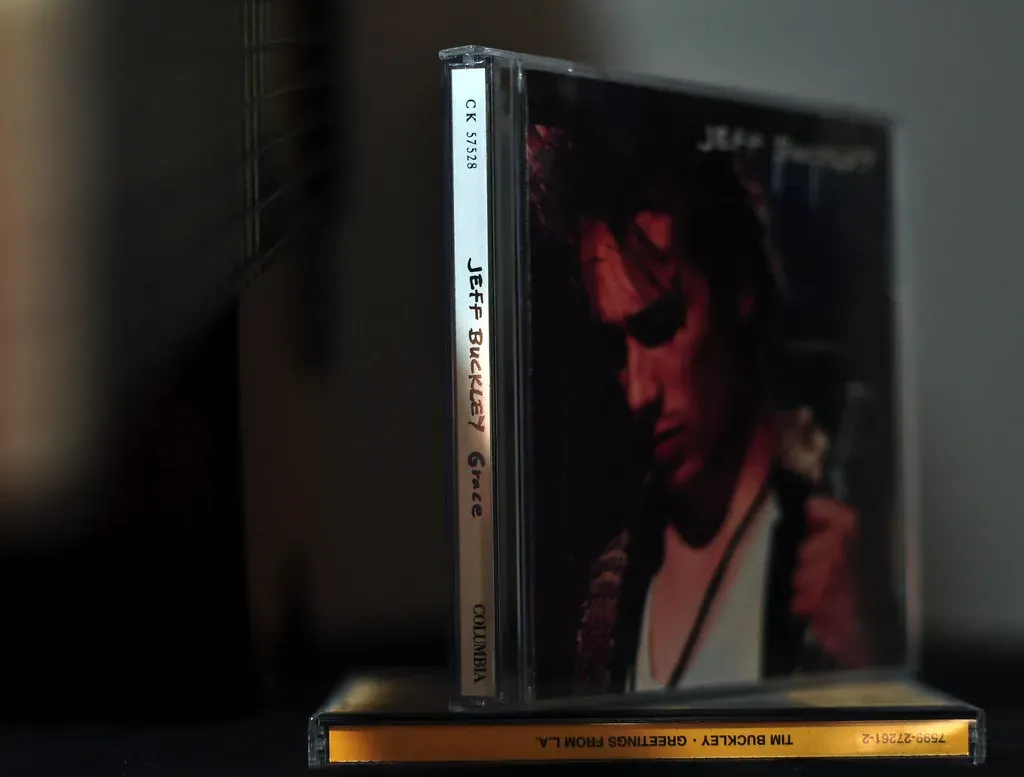
Leonard Cohen wrote it, but Jeff Buckley made it immortal with his haunting 1994 cover. It never charted during Buckley’s lifetime. He drowned tragically in 1997 at just thirty years old. Yet his version became the definitive interpretation of a song covered by hundreds of artists. His fragile, emotional delivery captures something transcendent.
The song exploded after being featured in “Shrek” of all things, then got used in countless emotional TV moments. It became the go-to song for any scene requiring gravitas. Every “X Factor” and “American Idol” contestant took a crack at it. Buckley’s version remains untouchable though.
16. “Smells Like Teen Spirit” by Nirvana (1991)

Okay, this did change everything, but it only hit number six on the Billboard Hot 100. That feels impossible given its cultural impact. Kurt Cobain accidentally wrote the anthem for Generation X while trying to rip off the Pixies. The music video with its high school pep rally gone anarchic became MTV’s most played video for months.
The song gave voice to teenage apathy and rage in a way nothing else had. Pop music before this felt sanitized and safe. Cobain’s guttural screams and the explosive dynamics made mainstream rock dangerous again. Every alternative rock band for the next decade tried to recreate this lightning in a bottle.
17. “Champagne Supernova” by Oasis (1996)

Another Oasis track that never topped charts but defined an era. This seven-minute epic was too long for radio play, too self-indulgent for critics, and absolutely perfect for anyone who was young in the 90s. Noel Gallagher admitted the lyrics made no sense. It didn’t matter. The soaring guitars and Liam’s sneering vocals created pure euphoria.
The song became synonymous with Britpop’s confidence and excess. It captured the feeling of being young and invincible, believing the night would never end. Bands don’t make songs like this anymore, sprawling and ambitious and completely unconcerned with commercial considerations.
18. “Under the Bridge” by Red Hot Chili Peppers (1992)

This deeply personal song about Anthony Kiedis’s loneliness and drug use only reached number two. The band almost didn’t include it on “Blood Sugar Sex Magik” because it felt too vulnerable, too different from their funk-rock sound. Producer Rick Rubin insisted. Thank goodness for that.
The song showed the Chili Peppers could do more than party anthems. John Frusciante’s guitar work is breathtaking. The bridge section, where Kiedis sings “I don’t ever wanna feel like I did that day,” hits with devastating honesty. It remains their biggest song and most enduring legacy.
19. “Where Is My Mind?” by Pixies (1988)

Never charted significantly when released. Black Francis wrote it after scuba diving in the Caribbean and seeing fish follow him. The song probably would have remained an indie rock deep cut if not for “Fight Club” using it in the most memorable movie ending of 1999. That final scene with buildings collapsing while Kim Deal’s bassline throbs changed everything.
Suddenly everyone wanted to know who the Pixies were. The song became shorthand for existential crisis and mental breakdown. Every indie band since has tried to capture that same eerie, disconnected feeling. The influence is immeasurable, even if the commercial success wasn’t.
20. “Take Me to Church” by Hozier (2013)

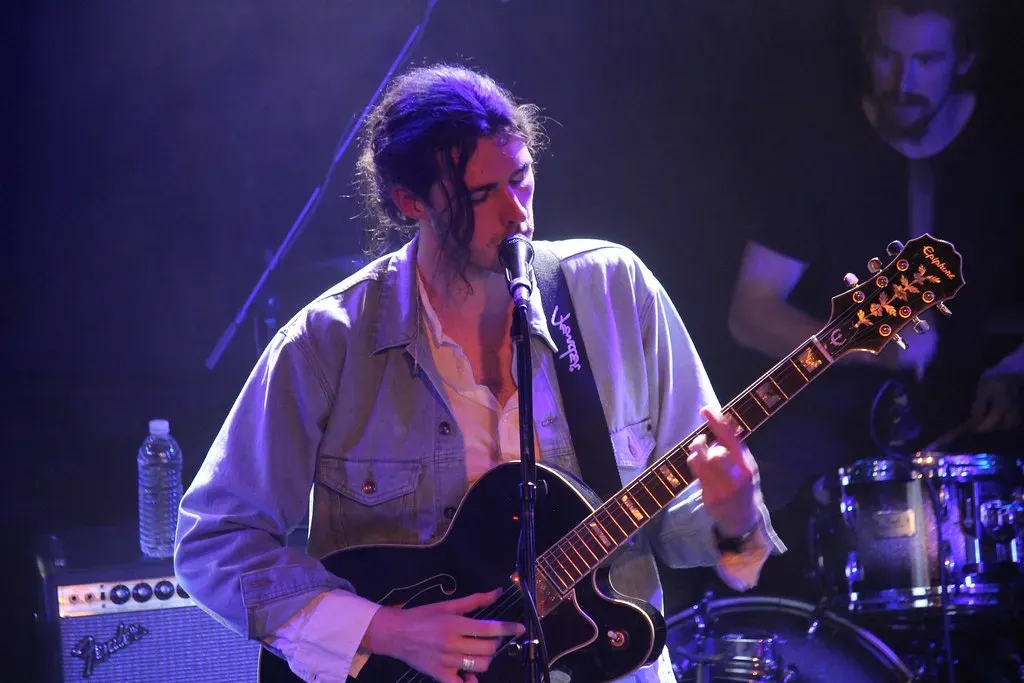
An Irish musician’s protest song against institutional homophobia became a global phenomenon through sheer word of mouth and a powerful music video. It peaked at number two in the US. Hozier’s bluesy vocals and the gospel-inspired arrangement created something that felt both ancient and urgent.
The song transcended its political message to become just a genuinely great piece of music. The fact that it came from an unsigned artist in Ireland and conquered the world felt like a validation of internet-era music distribution. No major label machine pushed this initially. Just pure artistic merit.
21. “All Star” by Smash Mouth (1999)

Look, this peaked at number four, and honestly, it was kind of annoying when it was everywhere in 1999. But here’s the thing: it became an internet meme decades later and experienced this bizarre cultural renaissance. “Shrek” made it eternal. The song is now ironically beloved by people who weren’t even born when it came out.
The opening line “Somebody once told me” triggers immediate recognition across all age groups. It’s simultaneously nostalgic and ridiculous. Smash Mouth became accidental legends by creating a song that refused to die no matter how much anyone tried to kill it.
22. “Paranoid Android” by Radiohead (1997)
A six-and-a-half-minute prog-rock nightmare that shifts between sections without warning. It reached number three in the UK but barely dented US charts. Thom Yorke wrote it after a traumatic experience at an LA bar. The song is deliberately abrasive and uncommercial. Yet it became a critical darling and alternative rock milestone.
The song proved rock could still be ambitious and weird in an age of streamlined pop production. The music video featured animated superhero Robin doing mundane things, which somehow fit perfectly. Radiohead was never interested in being accessible, and “Paranoid Android” was the mission statement.
23. “I Will Always Love You” by Whitney Houston (1992)

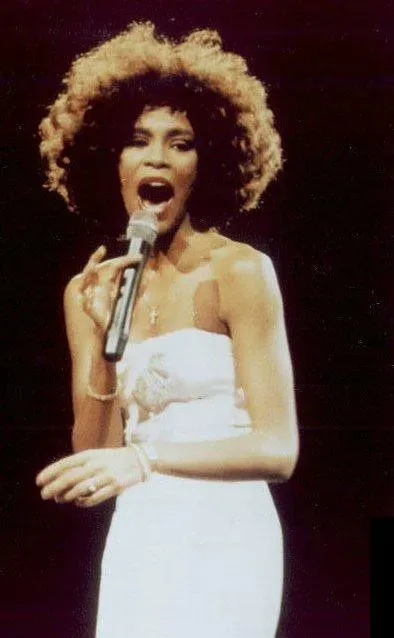
This actually dominated the charts for fourteen weeks, making it one of the biggest hits ever. But including it here because its cultural impact goes so far beyond chart success. Dolly Parton wrote it as a simple country goodbye song. Whitney transformed it into a vocal masterclass that redefined what pop ballads could be.
That key change still gives people chills. Her voice reaches notes that shouldn’t be humanly possible. Every vocalist since has been compared to this performance and found wanting. It became a wedding staple, a karaoke challenge, and proof that Whitney Houston was simply unmatched. The song’s power hasn’t diminished one bit in over thirty years.
Conclusion
Chart positions are temporary. Cultural impact is forever. These twenty-three songs prove that commercial success and lasting influence don’t always align. Some tracks take years or even decades to find their audience. Others explode immediately but their resonance goes deeper than any sales figure could measure.
What makes a song truly matter isn’t whether it topped the charts for a week. It’s whether people still sing it, still feel something when they hear it, still connect it to specific memories and emotions. These songs did that across multiple generations. They became soundtracks to lives lived, anthems for movements both personal and cultural. That’s worth more than any number one.
So which of these songs defined your generation? Did any of these surprise you with their chart positions? Tell us in the comments.