Have you ever wondered what it’s like to pour your entire soul into creative work, only to have it met with silence? There’s something deeply haunting about the artists who labored in obscurity, never knowing their work would one day move millions. The art world has a curious way of recognizing genius, sometimes decades or even centuries too late. These creators walked through life unnoticed, their brilliance dismissed or simply overlooked by the people around them. What makes us finally see what was always there? Let’s be honest, it makes you think about how many other talents we’re currently ignoring. The stories that follow reveal not just artistic triumph, but the bittersweet reality of recognition that arrives after the final curtain falls.
Vincent van Gogh: The Struggling Painter Who Sold Just One Piece
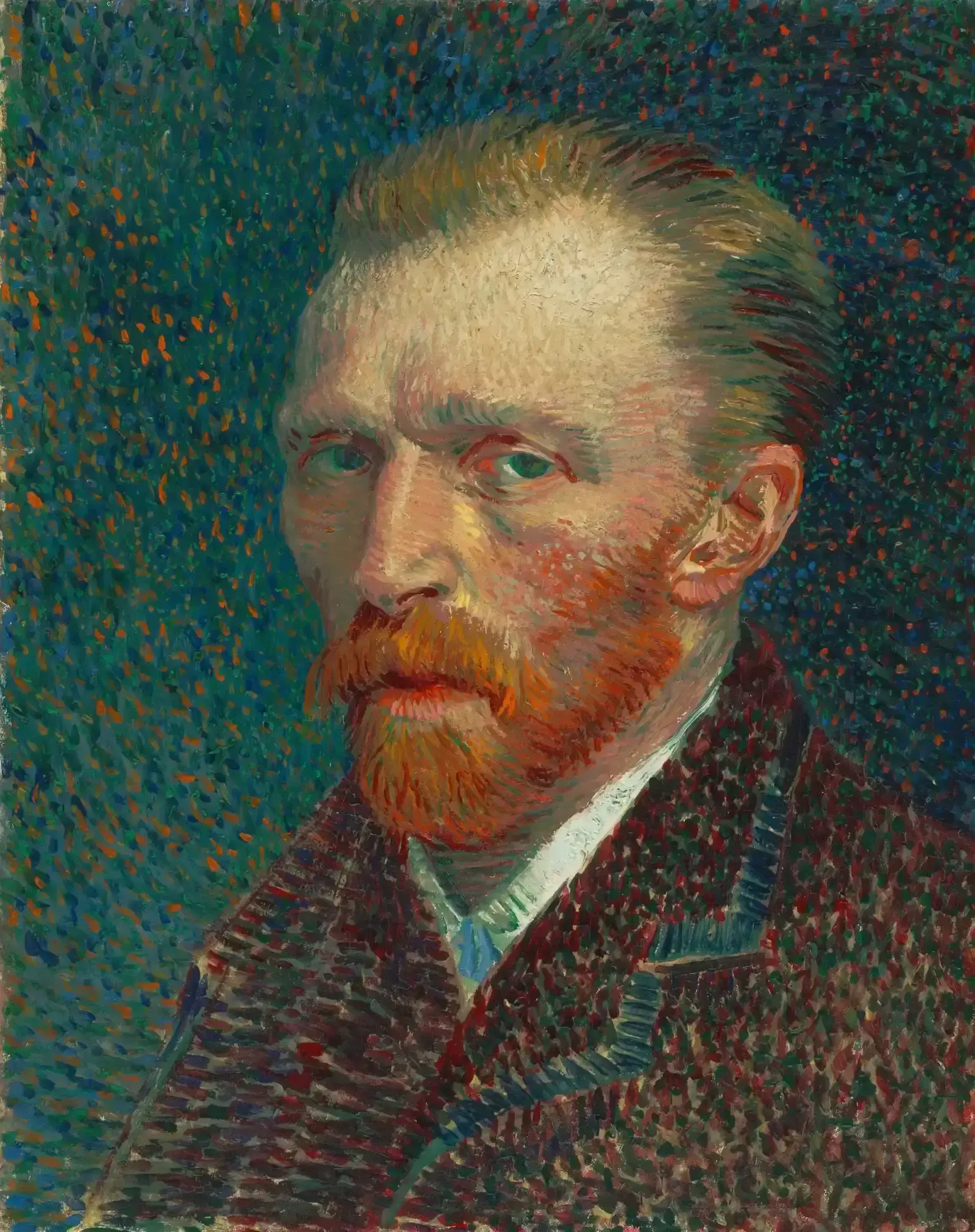
Vincent van Gogh created over 2,000 works of art but sold only one painting during his lifetime for approximately $109. It’s hard to imagine now, when his paintings sell for hundreds of millions.
Van Gogh was a failed and poor artist who suffered from mental illness, and depressed by his lack of success, killed himself at age 37. His post-impressionist style felt too radical for his contemporaries.
After his death, around 2,000 pieces of his art were discovered which are valued in millions today. His brother’s widow, Johanna van Gogh-Bonger, tirelessly promoted his work and organized exhibitions.
Vivian Maier: The Nanny Photographer Discovered in a Storage Unit
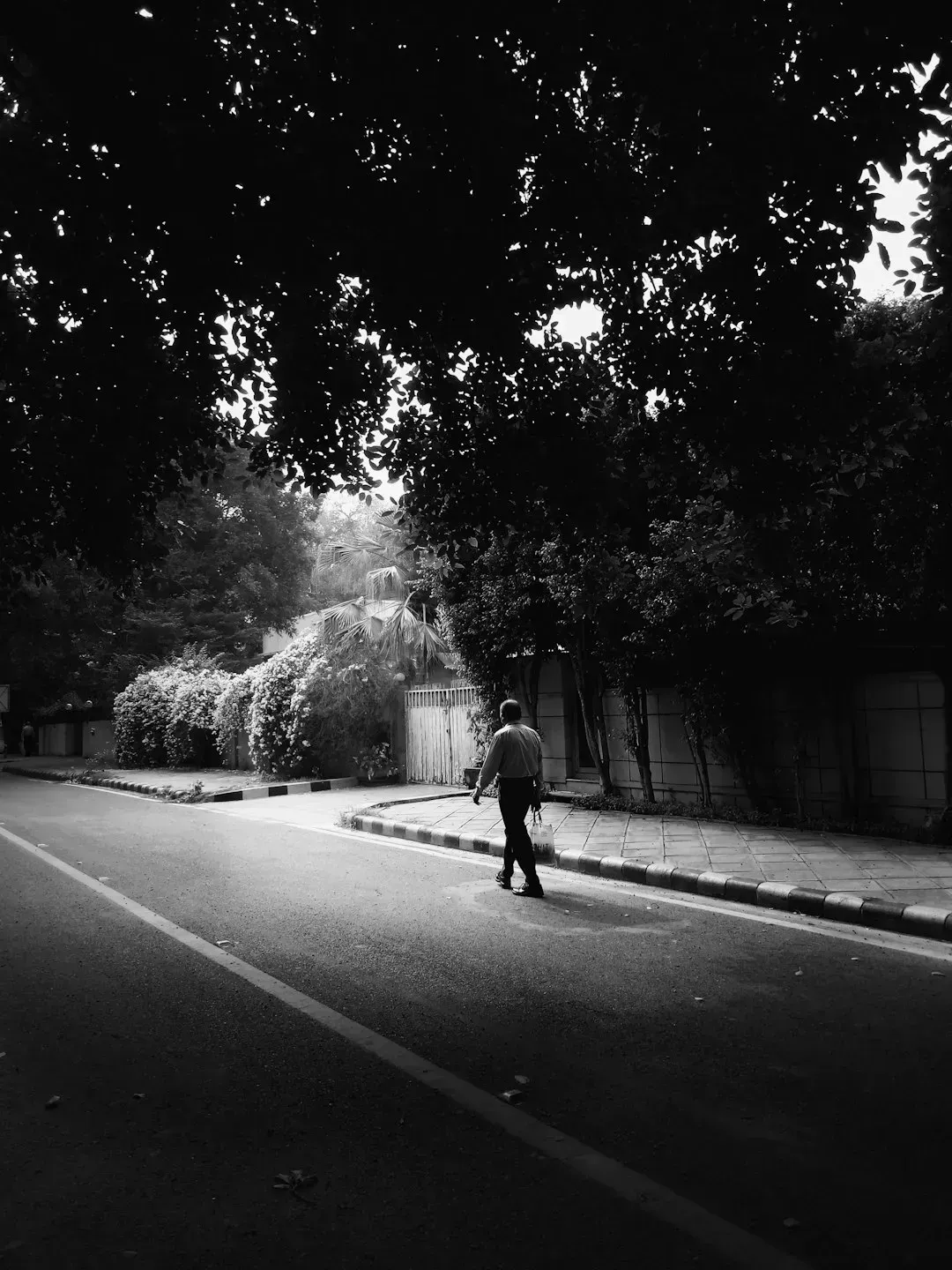
Vivian Maier was an American street photographer whose work was discovered after her death, having taken more than 150,000 photographs during her lifetime. Think about that for a second. Over 150,000 images that no one ever saw.
John Maloof bought 30,000 of her more than 100,000 negatives at an auction in 2007, started a blog and Flickr page which went viral, leading to Maier becoming one of the most celebrated street photographers in the world after she died in 2009 at 83. The contents auctioned from her storage unit became one of the most significant photographic discoveries of the 21st century, with Maloof’s decision to share images on Flickr in 2009 sparking widespread recognition.
Her work now hangs in galleries worldwide, compared to masters like Henri Cartier-Bresson. It’s incredible how a simple auction find transformed our understanding of street photography.
Nick Drake: The Melancholic Musician Who Found Fame Decades Later
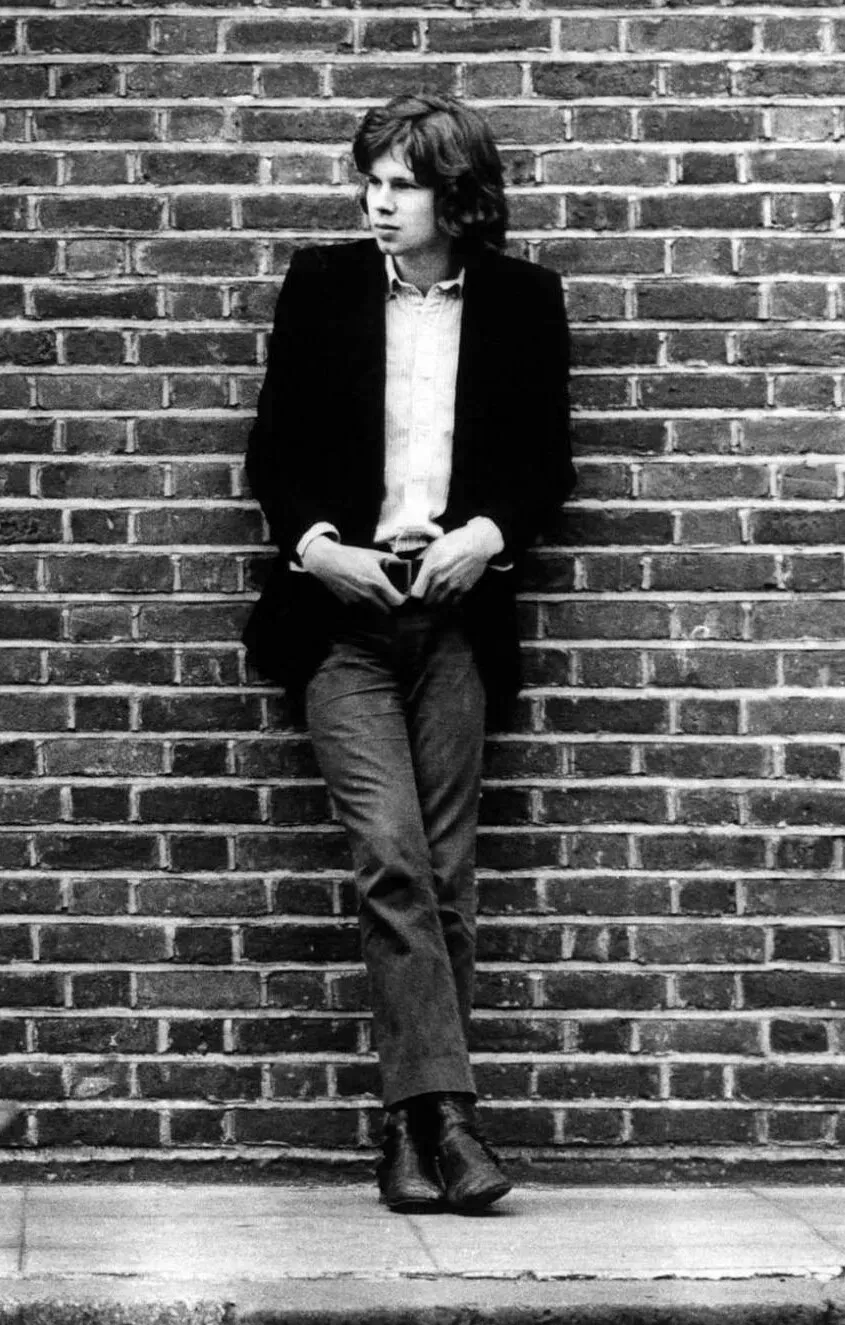
Nick Drake is now a cult favorite, but back in the day he launched three beautiful albums with almost no sales and passed away at age 26, battling depression and poverty. His haunting folk music felt too introspective for the early 1970s.
His final Pink Moon LP became his biggest posthumous hit thanks to a 1999 Volkswagen commercial featuring its title song, and a Volkswagen ad featuring Pink Moon brought Nick to the masses. Fast-forward half a century and Nick Drake has legions of global fans, with albums in his slim catalog having sold in the millions.
His sister noted she was surprised and delighted that fame could come to him 30 years after he died, with that fame largely due to word of mouth. Sometimes the world just needs time to catch up to beauty.
Franz Kafka: The Writer Who Wanted His Work Destroyed
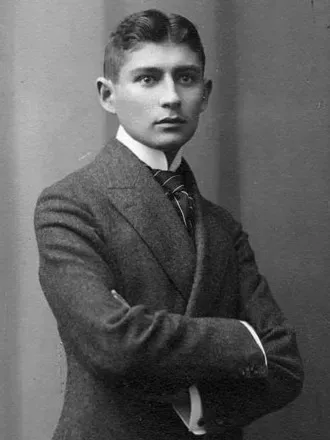
Franz Kafka, now considered the most influential existentialist writer of the 20th century, never received fame when he was alive and died in 1924 from tuberculosis. Here’s the thing though: he actually asked for his manuscripts to be burned.
Before his death, Kafka instructed his friend Max Brod to burn all his work, but thankfully Brod got all his work published and the rest is history. After Kafka’s death, The Trial, The Castle, and Metamorphosis redefined literature.
The world now uses “Kafkaesque” to describe nightmarish absurdity. Imagine if Brod had actually followed through with destroying everything. We’d have lost one of literature’s greatest voices.
Eva Hesse: The Sculptor Who Revolutionized Post-Minimalism

Eva Hesse was diagnosed with a brain tumor in October 1969 and died on May 29, 1970, after three failed operations, ending a career at age 34 that would become highly influential despite spanning only a decade. That’s barely any time to make your mark.
Eva Hesse is one of America’s foremost postwar artists whose pioneering sculptures using latex, fiberglass, and plastics helped establish the post-minimalist movement, with a decade-long career dense with complex works that defy easy categorization. Her experimental approach with unconventional materials changed what sculpture could be.
In her final years Hesse exhibited throughout the U.S. and achieved critical acclaim, with museums like the Whitney and MoMA acquiring her work for permanent collections by 1969. Yet her full impact wasn’t understood until after her untimely death.
Henry Darger: The Janitor With a Secret 15,000-Page Epic
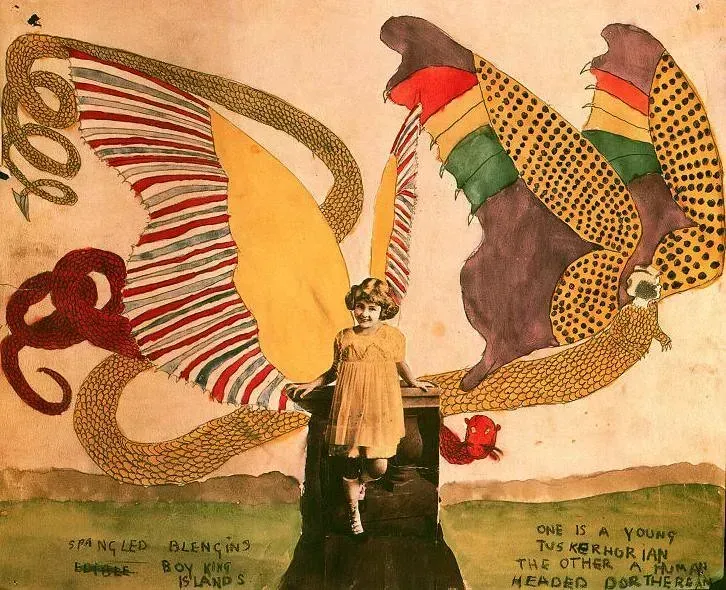
Henry Darger gained posthumous acclaim as one of Chicago’s most recognized artists, but during his lifetime experienced tremendous hardship including loss of family, institutionalization, and isolation. He worked as a hospital janitor, completely unknown.
Partner offer
Darger made no efforts to publish his work, which was unknown to others until shortly before his death, but his art was discovered and popularized by his former landlords and is now featured in many museum collections. After his death, a treasure trove was discovered in his one-room Chicago apartment including a staggering 15,000-page novel and hundreds of illustrations that continue to inspire artists around the world.
His fantasy epic about child slave rebellions now defines outsider art. It’s hard to fathom someone creating such an immense body of work with zero intention of sharing it.
Edgar Allan Poe: The Master of Macabre Who Died Penniless
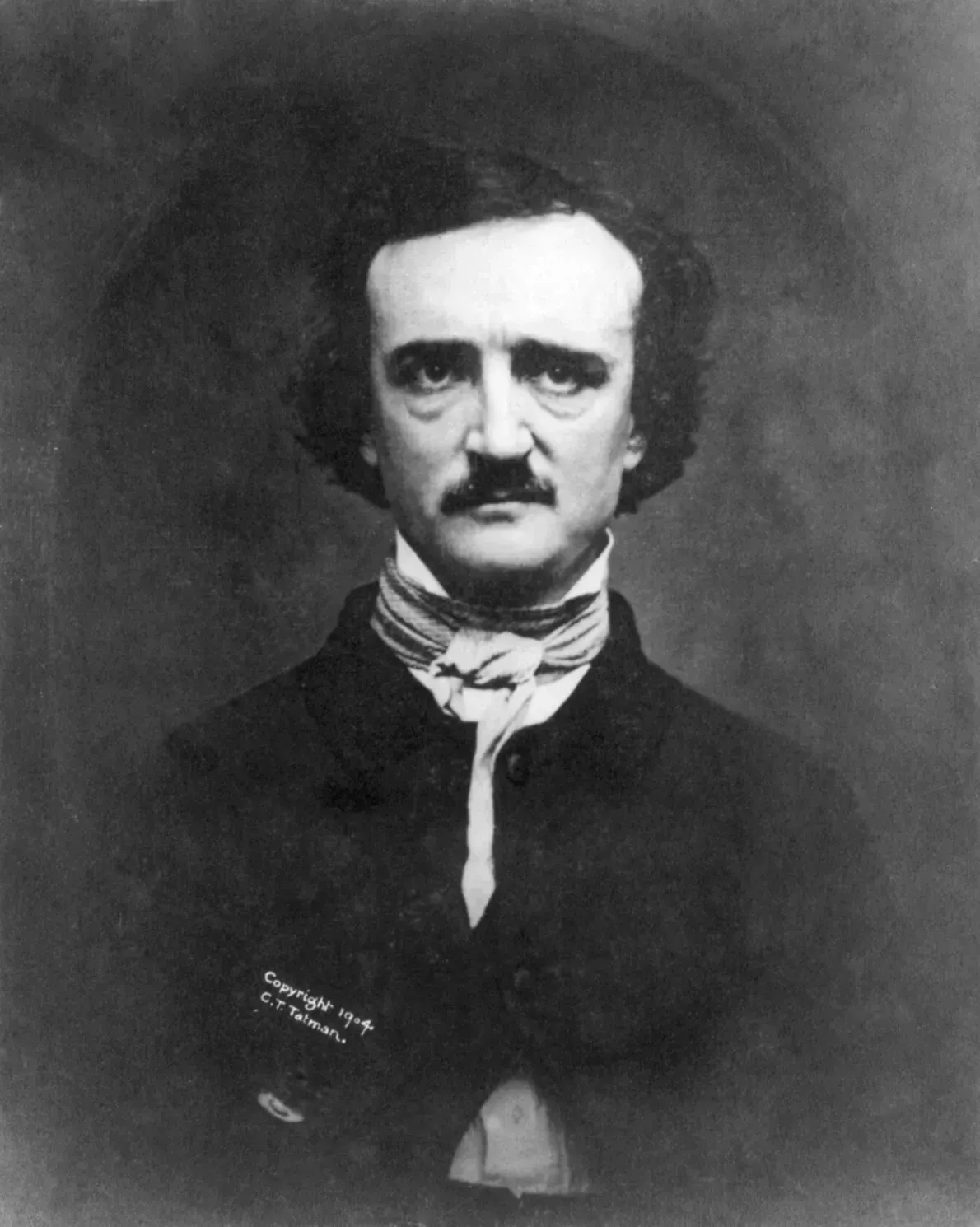
Edgar Allan Poe struggled to obtain real success or recognition, with his now-popular novel The Raven sold for a mere $9 during his lifetime. Nine dollars for one of the most famous poems in American literature.
Poe never made enough money to support himself during his lifetime and never achieved wealth despite being able to publish his prose and short stories. After his death, he became famous for introducing a new style and theme of writing in the literary world.
His gothic tales and psychological depth now define an entire genre. The actual cause of his death in 1849 remains mysterious, adding to his dark legend.
Stieg Larsson: The Journalist Who Never Saw His Trilogy Published

Stieg Larsson is best known for his Millennium trilogy including The Girl with the Dragon Tattoo, The Girl Who Played with Fire, and The Girl Who Kicked the Hornets’ Nest, but these crime novels were published after his death in 2004. He died at just 50 years old.
Although Larsson was known in Sweden as an outspoken journalist and editor, his legacy as a famous writer began after his death in 2004. His manuscripts had been accepted for publication but he never lived to see them in bookstores.
The trilogy became a global phenomenon, selling millions of copies and spawning multiple film adaptations. His intricate plotting and complex characters captivated readers worldwide, proving crime fiction could be both thrilling and socially conscious.
Eva Cassidy: The Singer Whose Voice Conquered Britain Posthumously

Eva Cassidy’s captivating soprano voice and wide range didn’t earn her much notoriety before she died in 1996 of melanoma at 33, but after her death British radio began playing her covers of “Over the Rainbow” and “Fields of Gold,” making her a worldwide sensation that sold millions of albums. Let’s be real, her voice was absolutely stunning.
In her time, Eva Cassidy played local gigs around Washington, D.C. and that was it. She couldn’t break through to larger audiences despite her incredible talent.
Tragically her voice soared to fame after she could no longer hear it herself, with BBC airing Cassidy’s version of Over the Rainbow two years after her death from cancer, leaving listeners floored. Her posthumous albums topped charts across Europe.
John Kennedy Toole: The Novelist Who Won a Pulitzer After Suicide

In 1969, John Kennedy Toole took his own life from carbon monoxide poisoning at age 31, having grown depressed after several failed attempts at publishing his satirical novel A Confederacy of Dunces. The rejection crushed him completely.
After his death, his mother spent five years trying to get the book published, eventually succeeding, with Toole winning a posthumous Pulitzer Prize for the novel in 1981. Her persistence saved a masterpiece from oblivion.
The book remains a cult favorite today, celebrated for its vivid characters and scathing social commentary. It’s a devastating reminder of how subjective publishing decisions can be.
The patterns emerging from these stories reveal something uncomfortable about how we assign value to art. Recognition often arrives when the artist can no longer benefit from it, when their work becomes finite and their personal struggles transform into compelling narratives. We’re left wondering how many brilliant creators are laboring in obscurity right now, waiting for a future that may never acknowledge them. What would you say to an artist struggling today, knowing how often genius goes unrecognized? These stories should make us look more carefully at the art being made around us, because the next masterpiece might be hiding in plain sight.
Emily Dickinson: The Reclusive Poet With 1,800 Hidden Poems
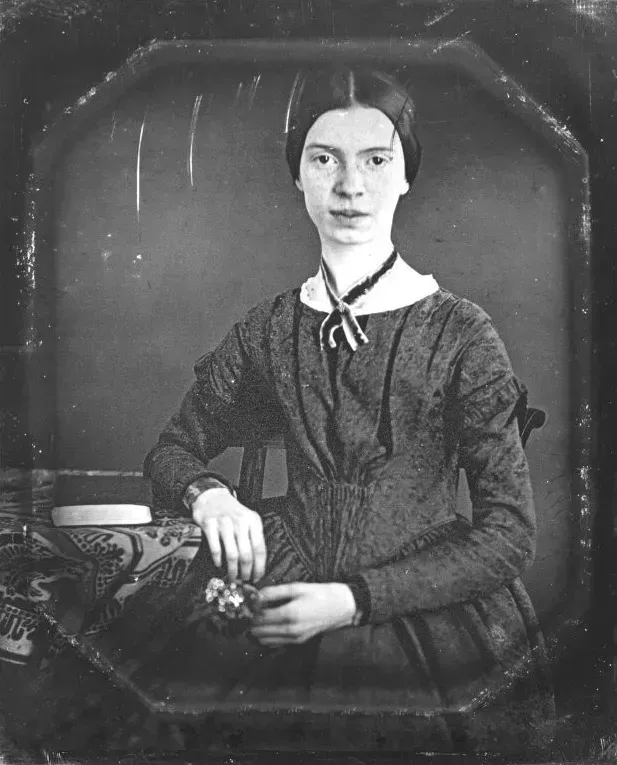
Emily Dickinson spent most of her adult life locked away in her family’s Massachusetts home, rarely venturing outside and dressed almost exclusively in white. While she was alive, only about a dozen of her poems were published – and those were heavily edited without her permission to fit conventional poetry standards of the 1800s. What nobody knew was that she’d been secretly writing like a woman possessed, tucking nearly 1,800 poems into drawers, binding them into little booklets with thread, and hiding them away from the world. Her younger sister Lavinia discovered this massive treasure trove after Emily’s death in 1886 and was absolutely stunned. The first collection of her work wasn’t published until 1890, and even then, editors butchered her unconventional punctuation and capitalization because they thought readers wouldn’t understand her genius. It took decades before her poems were published as she actually wrote them, revealing her revolutionary style that broke every rule in the book. Today, she’s considered one of America’s greatest poets, her compact verses dissecting death, immortality, and nature with shocking precision – all while the woman herself never got to see a single person truly appreciate what she’d created.
Robert Johnson: The Bluesman Who Sold His Soul at the Crossroads
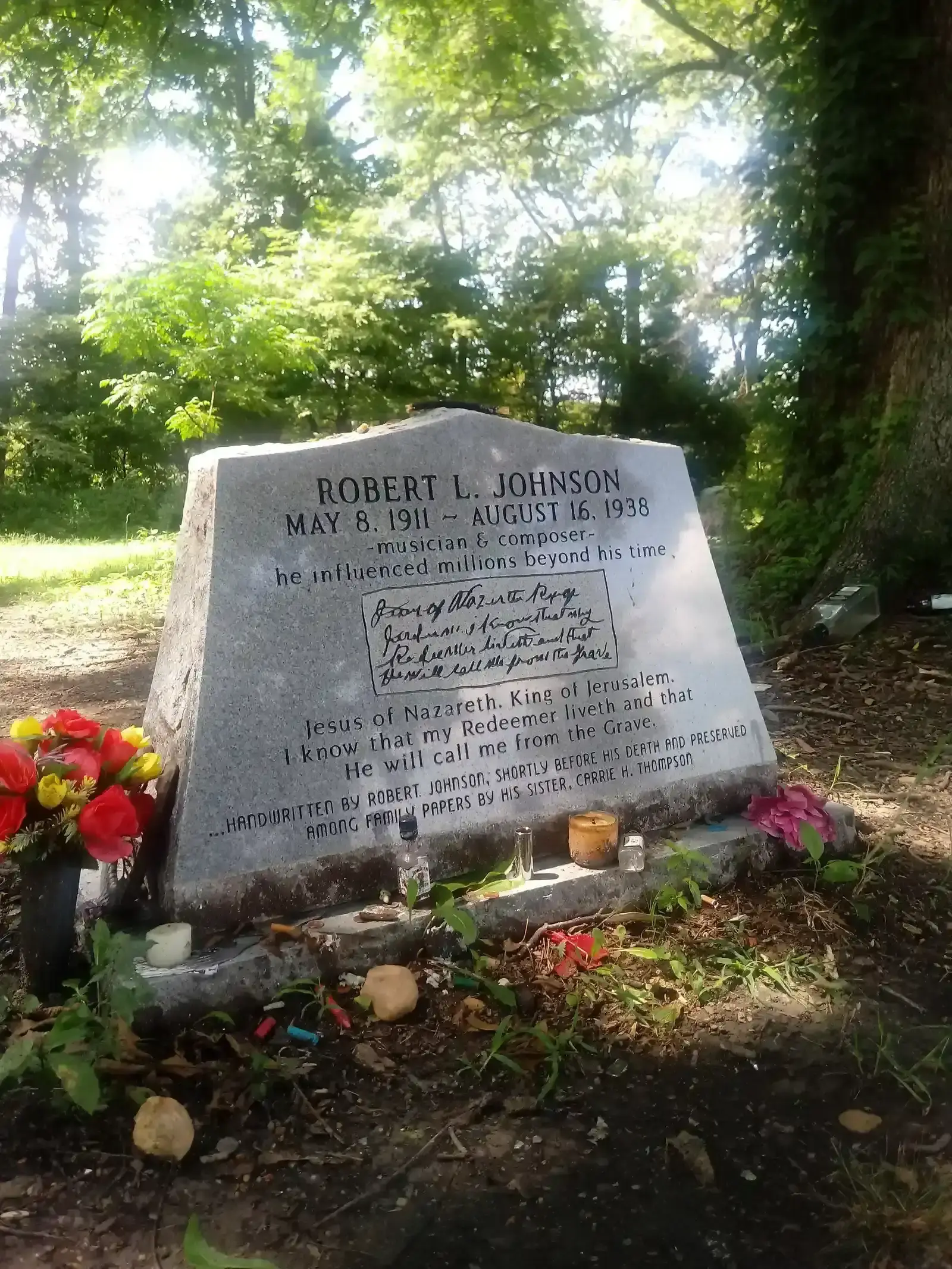
Robert Johnson recorded only 29 songs during two sessions in Texas hotel rooms in 1936 and 1937, and then he was gone – dead at 27 under mysterious circumstances that fueled legends for generations. During his lifetime, Johnson was just another itinerant blues musician wandering the Mississippi Delta, playing for tips and whiskey at juke joints. His records sold modestly at best, maybe a few thousand copies scattered across the South. But here’s where it gets wild: decades after his death, music historians started digging through old blues recordings and realized Johnson had basically invented modern rock and roll guitar playing. His complex fingerpicking, his haunting vocals, his lyrics about hellhounds on his trail – it was all so far ahead of its time that people literally believed the legend that he’d sold his soul to the devil at a crossroads to play that well. Eric Clapton called him “the most important blues musician who ever lived,” and suddenly everyone from the Rolling Stones to Led Zeppelin was covering his songs and citing him as their primary influence. The man who died with maybe $40 to his name became the foundation of rock music itself, though he never lived to see a single stadium concert or platinum record.
Partner offer
Planning a trip to Vegas?
Compare hotel rates and show tickets on VEGAS.com.