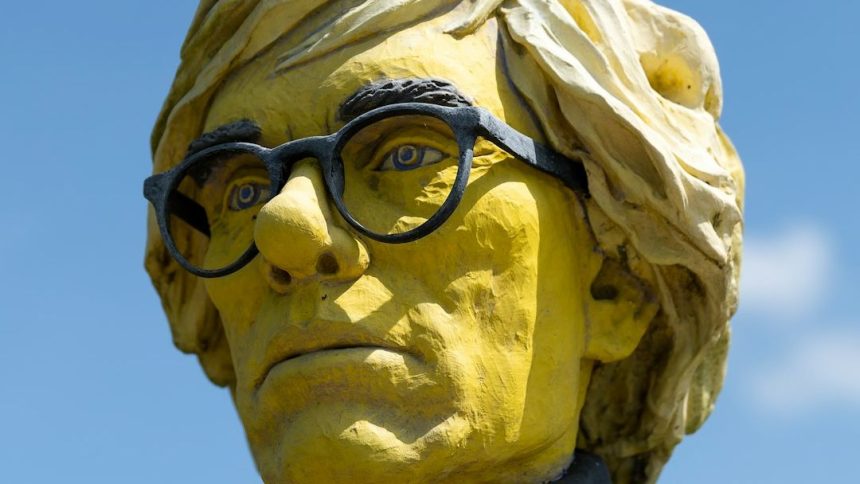
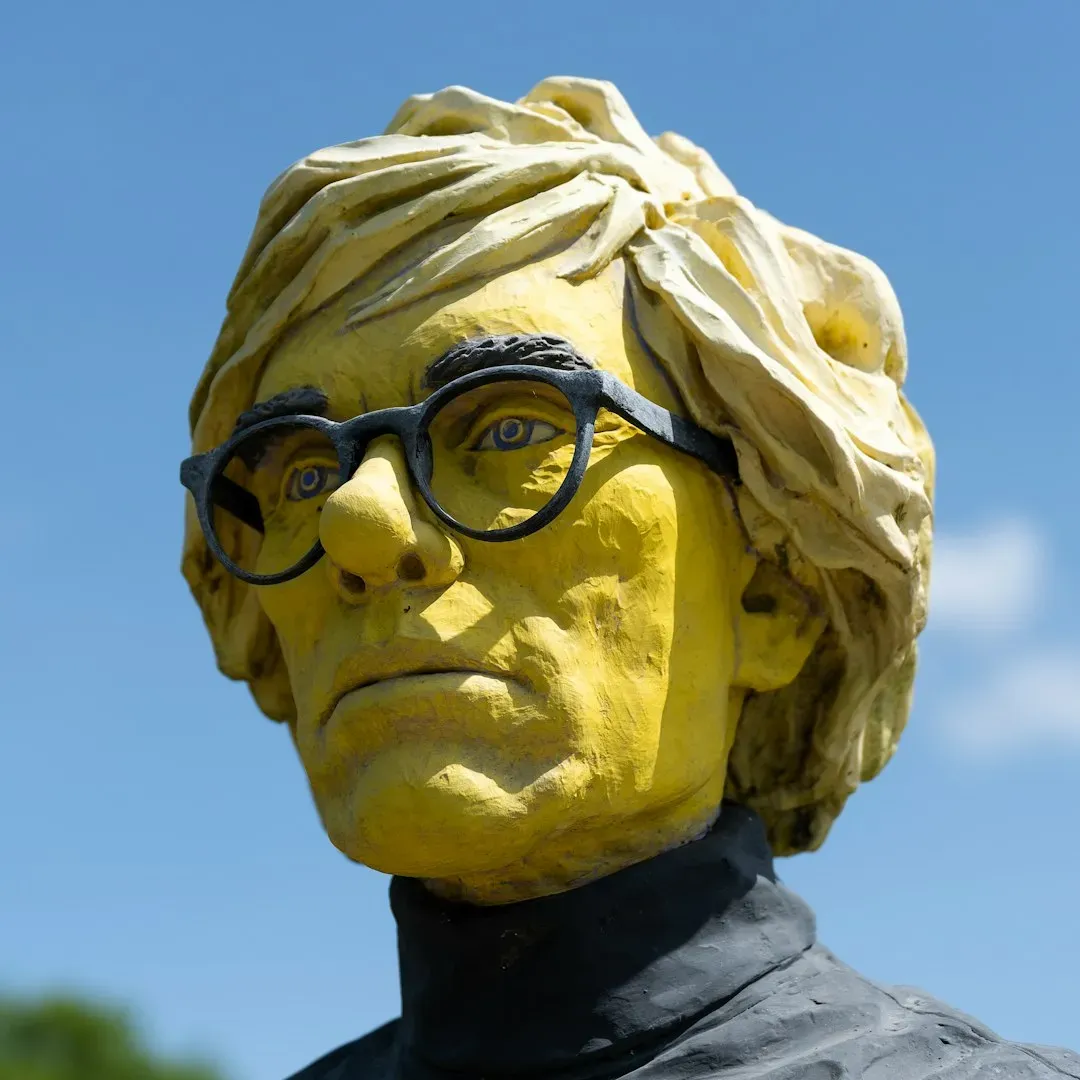
There are very few people in history who looked at the world and saw not just what it was, but what it was about to become. Andy Warhol was one of them. Born in Pittsburgh in 1928 to immigrant parents, this quiet, almost spectral figure would go on to reshape how we think about fame, identity, branding, and what it even means to be a celebrity. He didn’t just make art about culture. He practically wrote the instruction manual for the one we’re living in right now.
Decades after his death in 1987, Warhol’s ideas feel less like art history and more like prophecy. From TikTok virality to influencer collab houses to the relentless churn of celebrity gossip, everything he intuited seems to have arrived exactly on schedule. So let’s take a good look at just how far ahead of his time he really was.
The “15 Minutes of Fame” Prophecy That Came True
The concept of “15 minutes of fame” refers to short-lived media publicity or celebrity of an individual or phenomenon. The expression was tied to Andy Warhol, who was quoted by Time magazine in 1967 as predicting that one day “everyone will be famous for 15 minutes.” It sounds almost quaint now. Almost. Honestly, it’s one of the most accurate cultural predictions ever made.
In a catalog for a 1968 exhibition of Warhol’s work at the Moderna Museet in Stockholm, the quote was rendered as “In the future everybody will be world famous for fifteen minutes.” Although the precise wording appears in various forms, it reflects Warhol’s observation that mass media and consumer culture could produce fleeting notoriety for ordinary individuals as well as public figures.
The idea that everyone would get their brief spotlight has become a reality in the digital age, where viral videos can make an ordinary person world-famous overnight. Platforms like TikTok and Instagram have created a playground for instant celebrities, with nearly half of teens in a 2022 Pew Research Center study saying they aspire to be influencers. Warhol didn’t just say something clever. He described a world that was coming for all of us.
Turning Celebrities into Commodities
Warhol, a Pop Art pioneer, examined the commodification of fame in the 1950s and 60s through iconic imagery like Marilyn Monroe, highlighting the superficiality of stardom. Think about that for a second. He wasn’t celebrating these people. He was putting them on the assembly line, right next to the soup cans.
Warhol understood the superficial nature of celebrity in American society. Images of public figures are created by marketing companies to make money, but in reality say little about the person behind the mask. That same machinery is now worth billions. It runs twenty-four hours a day, seven days a week, across every platform imaginable.
Through his portrayal of these larger-than-life personalities, Warhol explored the blurred lines between reality and illusion in the media-saturated world. By immortalising celebrities on canvas, Warhol exposed the manufactured personas propagated by the mass media, inviting viewers to question the authenticity of fame and celebrity. He was, in short, asking the question before anyone else even knew it needed asking.
The Factory as the Original Influencer House
In 1963, with his painting practice expanding, Warhol moved his studio to a fifth-floor loft on East 47th Street that once housed a hat factory. He christened the space the Factory, covered all its surfaces in silver, and watched it morph into a hive of countercultural activity. Although infamous for its louche and drug-fueled parties, the Factory was the site of enormous creative productivity.
The Factory wasn’t just a place to make art. It was a breeding ground for new kinds of celebrities. Anyone could walk in, participate, and maybe become famous, no matter their background or talent. This open-door approach is mirrored today in influencer “collab houses,” where creators live and work together, each hoping to catch their break. The parallels are almost uncomfortably precise.
In 2022, influencer collaborations generated over $1 billion in revenue, showing the commercial value of this collective creativity. The idea that fame can be manufactured in a shared, energetic environment was Warhol’s genius, and now it’s a business model for the social media age. Let that sink in. Warhol invented the collab house. Decades early.
The Art of Self-Branding Before It Had a Name
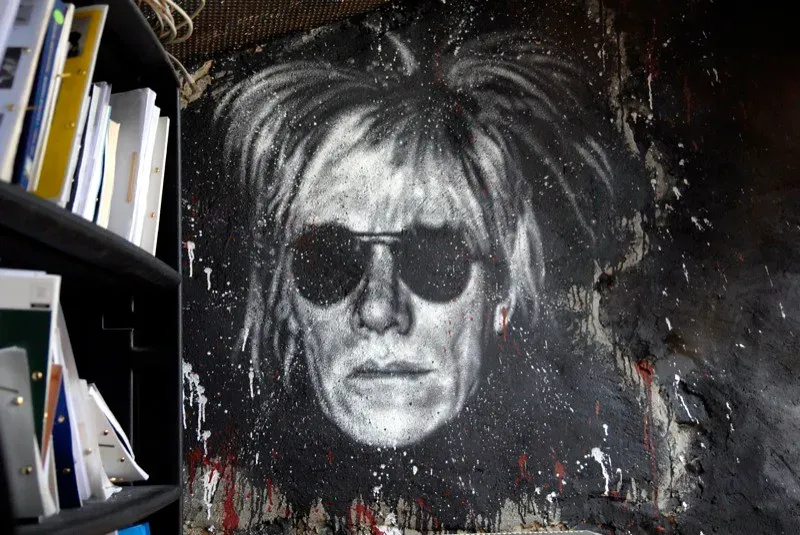
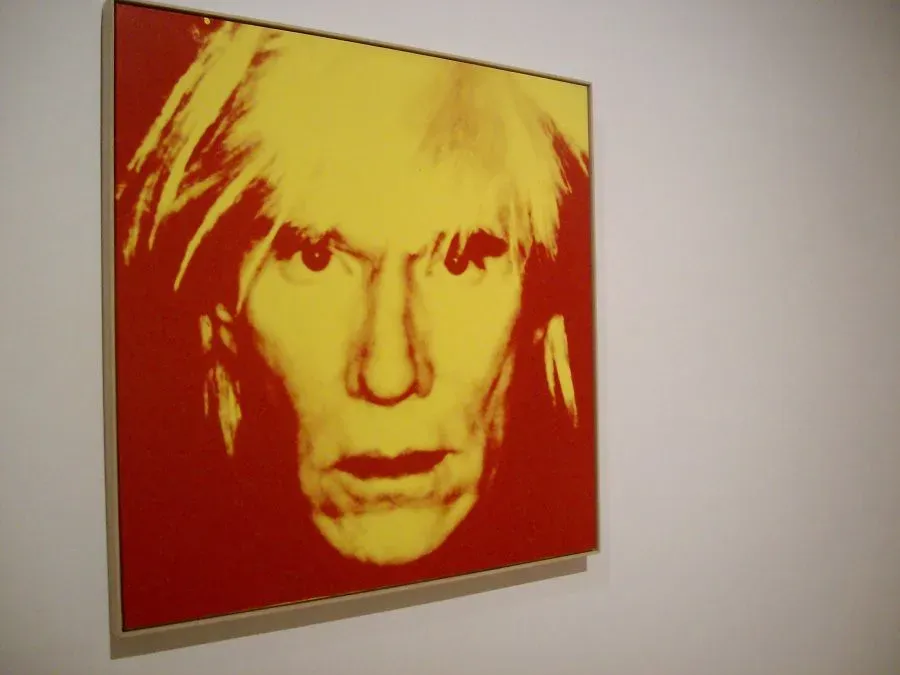
Long before social media, Warhol mastered the art of self-branding, carefully curating his public image with silver wigs, sunglasses, and an aura of calculated mystery. He understood that being recognizable was as important as being talented. This is basically the entire playbook for every celebrity in 2026. The look. The persona. The myth.
Today, self-branding is everything for celebrities and influencers, with roughly eight in ten influencers in a 2023 study saying they carefully manage their image and personal style. Warhol’s approach to branding himself as a unique character was a blueprint for how modern stars build and protect their personas online.
Warhol presented being manipulated, both visually and socially, as an ongoing condition – a way of being, a journey without a destination. By divorcing emotional manipulation from its practical context, he effectively isolated what was compelling about branding and repurposed it to advertise himself as a brand. It’s almost ruthless, when you think about it. Brilliant, but ruthless.
The Invention of the Reality TV Format
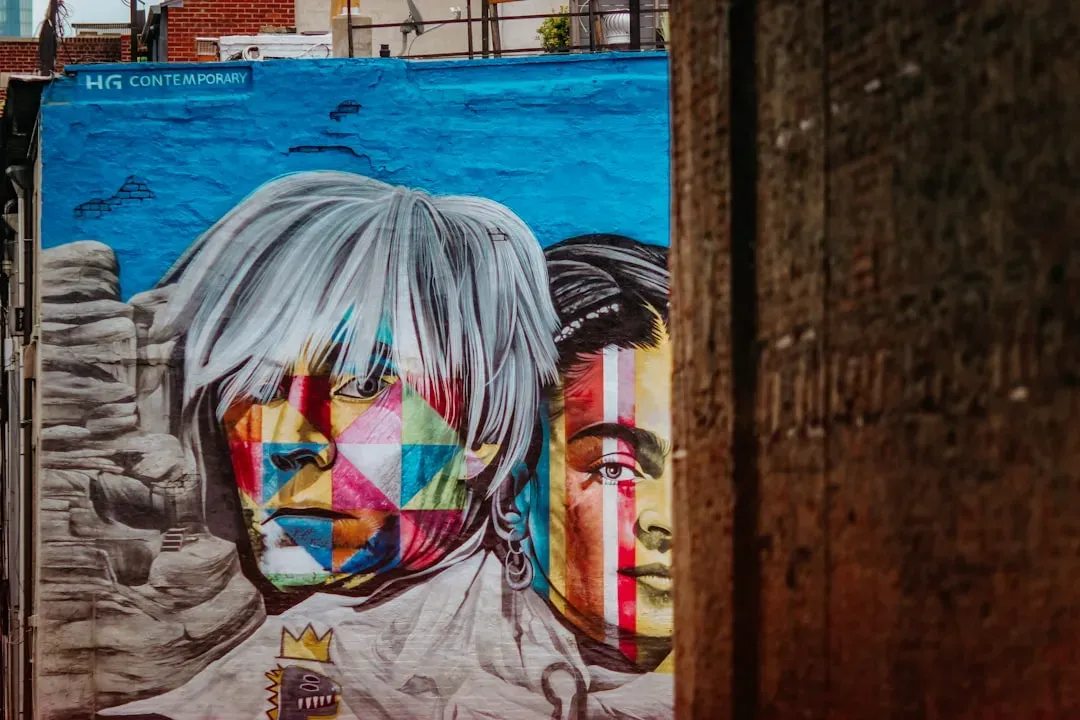
Before Facebook and Twitter, before the Kardashians became famous for being famous, before influencers hawked makeup and clothes, Andy Warhol had his own social network. In 1969, the Pop art superstar created Interview, a magazine showcasing the cool and glamorous celebrities floating in and out of his studio. As though he could see decades into the future, he also launched three reality TV shows, including Fashion, Andy Warhol’s TV, and Andy Warhol’s Fifteen Minutes.
His first commercial success, The Chelsea Girls (1966), an unedited glimpse into the daily lives of several Superstars, is considered an influential forerunner of reality TV. Think about that. The show that launched a trillion-dollar industry was essentially prototyped in a silver-painted New York loft in the mid-1960s.
Just as Warhol considered a problem to be a good tape, impresarios like Jake Paul have adapted his point-and-shoot, slice-of-life filmmaking strategies to an always connected medium, producing videos at a relentless rate that itself confers more meaning than the content of any particular clip. It’s hard to watch any reality TV today without seeing Warhol’s fingerprints all over it.
Fame Without Talent: Being Famous for Being Famous
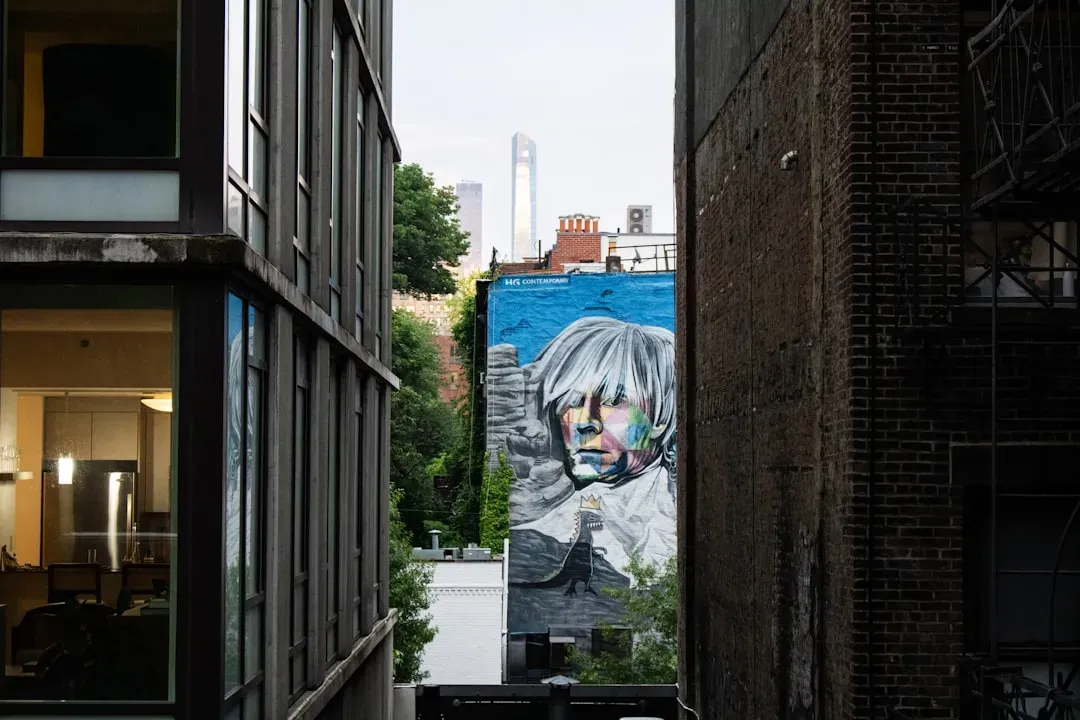
From the point of view of , it no longer matters what your claim to fame is and it is possible to be famous simply for being famous. It is perhaps the proliferation of such arbitrary fame that Warhol anticipates in his Philosophy. He understood this dynamic long before the Kardashians made it a cultural institution.
Partner offer
The concept of “15 minutes of fame” suggests that in the contemporary world, anyone can attain temporary celebrity status, regardless of their background or talents. This phenomenon has permeated various fields, including music, art, literature and movies. The gatekeepers are gone. The red ropes have been removed. Anyone with a phone and a hook can enter.
With the rise of social media, micro-celebrities have become a real phenomenon. There are countless personalities who have managed to achieve fame on their own terms, without agents, publicists, producers and all the other gatekeepers of the entertainment industry. Maybe they’re only famous in a specific niche of society, but fame is fame and it has become more accessible than ever before.
Repetition as a Cultural Weapon
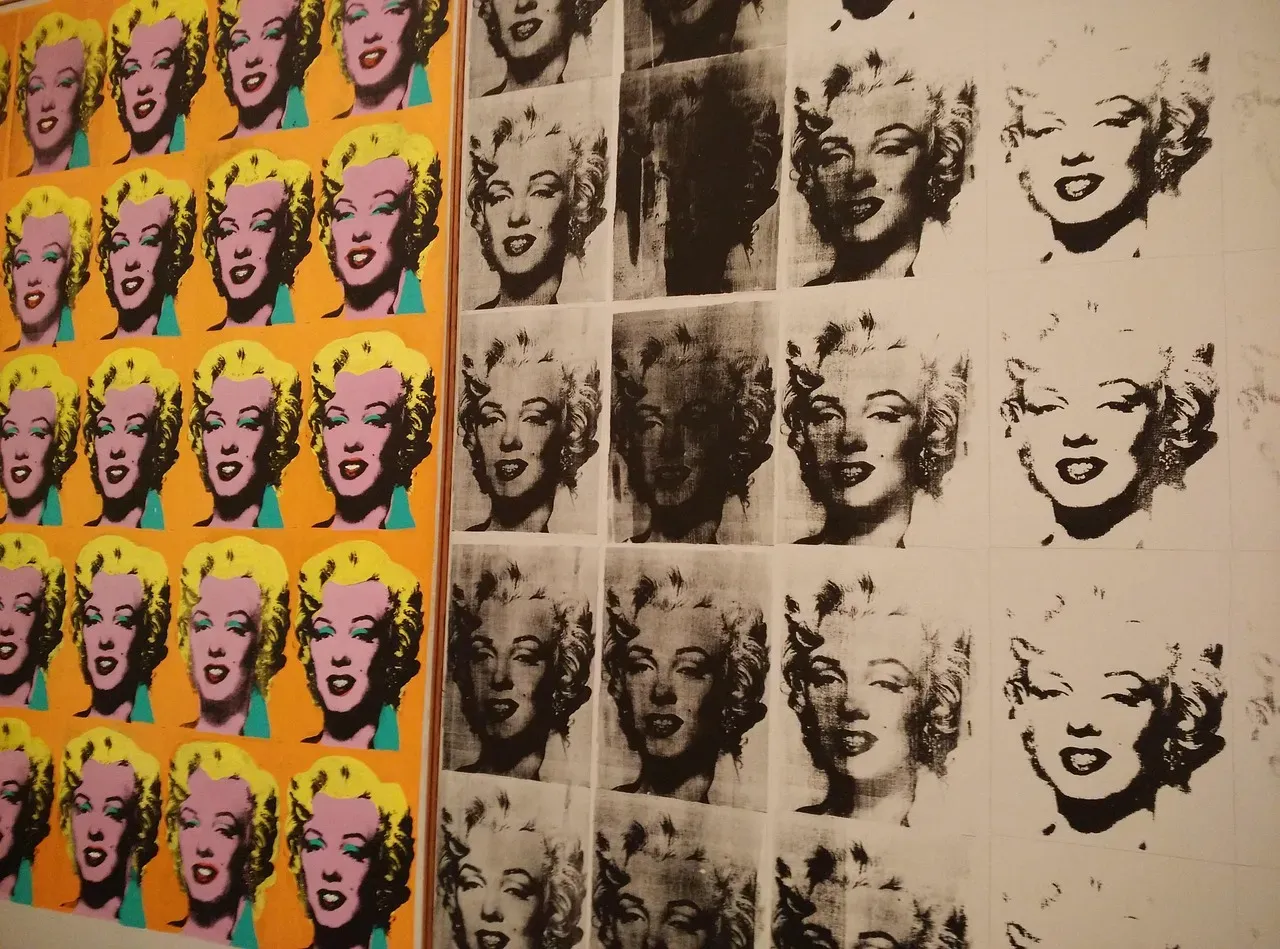
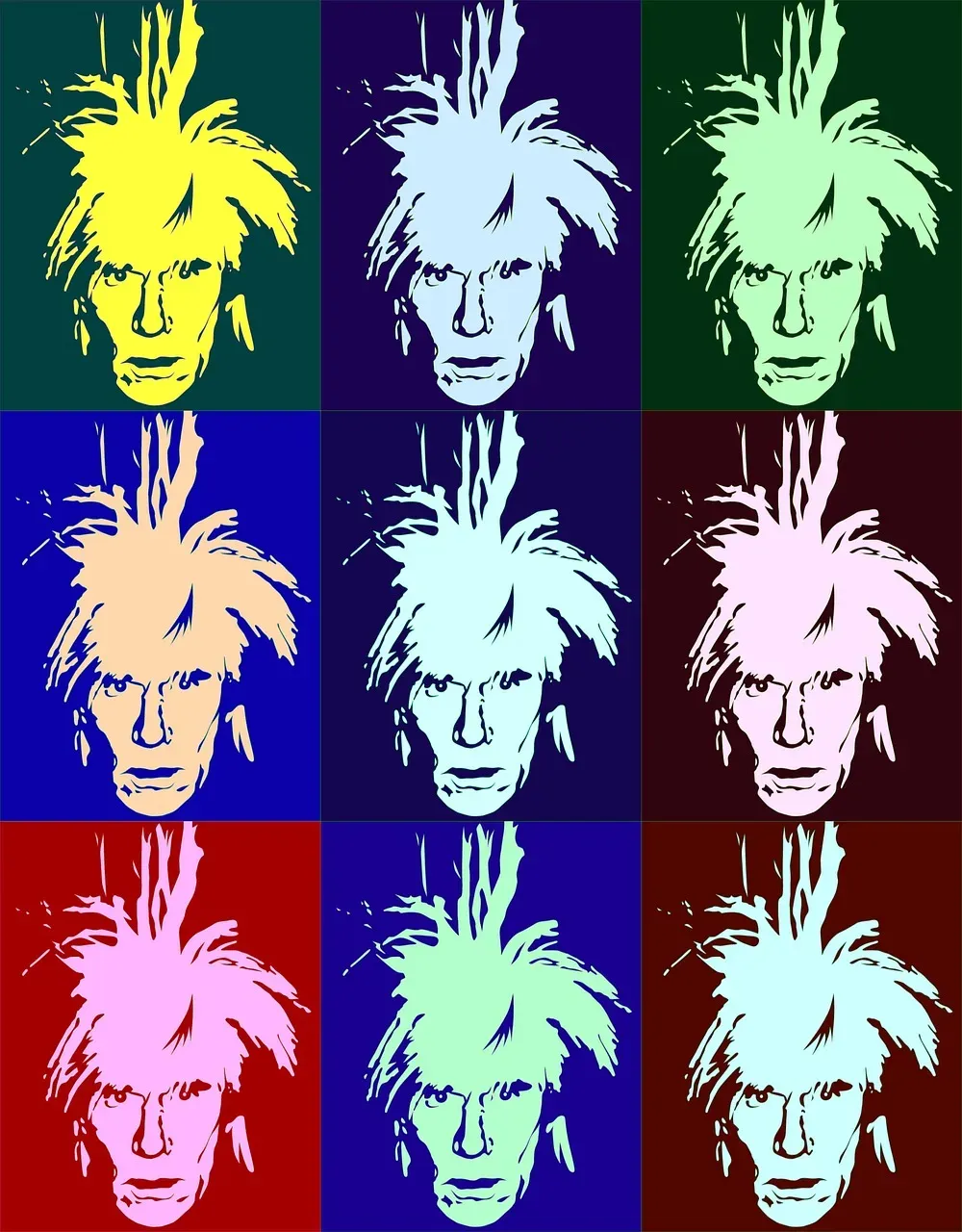
Warhol’s famous repeated images, like his Marilyn Monroe series, echo the way memes, GIFs, and viral content are shared and reshared today. The power of repetition helps ideas stick and spread, just as Warhol’s art did. Social media algorithms now push the same content to millions, making repetition a fundamental part of how fame works. Scroll through any trending topic and this becomes obvious.
One of Warhol’s most famous works, the Marilyn Diptych, exemplifies his critique of mass media and celebrity culture. The repetitive imagery of Marilyn Monroe’s face, rendered in vibrant colours, speaks to the pervasive influence of mass media on public consciousness. Through this work, Warhol invites viewers to question the deification of celebrities and the fleeting nature of fame.
Warhol’s focus was on the emergence of consumer culture and the role of media in shaping perceptions. His repetitive imagery and bold aesthetics questioned the authenticity of fame and the homogenisation of cultural icons. He was pointing a very sharp finger at something that would only get worse over time.
Interview Magazine: The Original Aspirational Feed
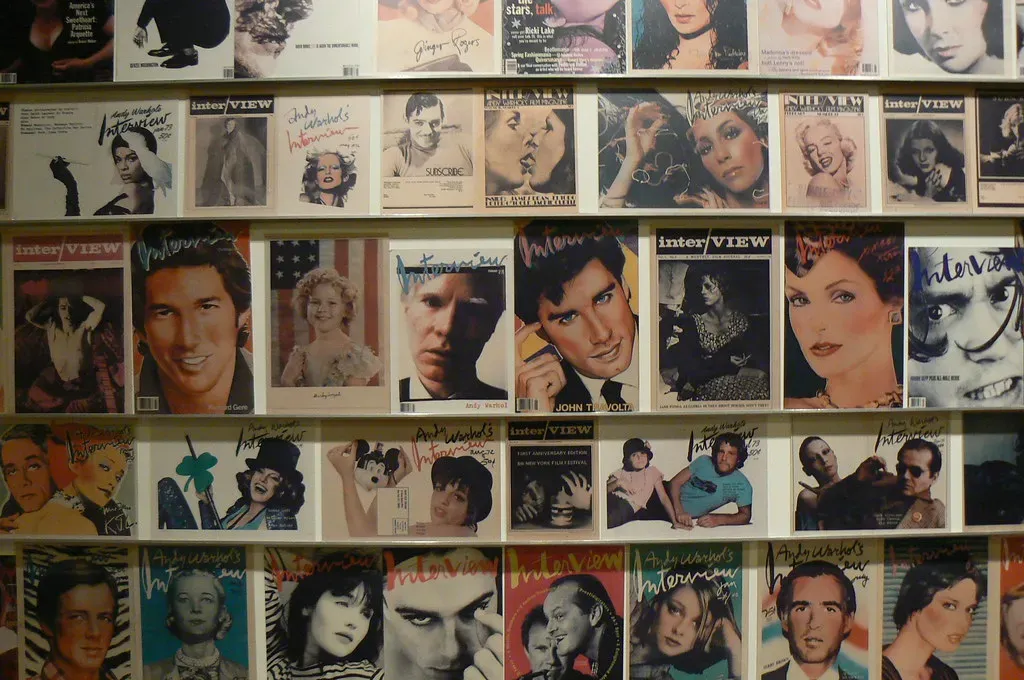
Co-founded by Andy Warhol and journalist John Wilcock as a Monthly Film Journal, the publication went on to become a cornerstone of the glittering celebrity culture that permeated Hollywood at the time. It sounds familiar, doesn’t it? A platform, built around celebrity access, filled with advertising, designed to make you want a life you don’t have.
Interview became a magazine that celebrated and sold a fantasy. By filling its pages with advertisements of alcohol, beauty products, designer fashion, and expensive jewels, the magazine presented a prescient model for aspirational living, which has been normalized today with online platforms like Instagram, Facebook, TikTok, and YouTube.
By presenting the intersections between Warhol’s commissioned portraits, Interview and television, the ongoing question “How would Warhol operate in our modern world of social media?” comes with a complex answer: he predicted the modern obsession with celebrity culture and contemporary society’s new habit of documenting, sharing and branding our everyday lives. He didn’t just predict the feed. He built one.
Celebrity Obsession as a Cultural Engine
Warhol’s obsession with fame was personal. He collected autographs, clippings, and gossip magazines, almost as if he was studying fame itself under a microscope. He saw celebrities not as people but as phenomena to be analyzed and understood. That same obsession pulses through modern culture, where entire industries are built around celebrity news, gossip, and scandal.
According to a 2023 survey, roughly seven in ten people regularly follow celebrity news, showing how deep this fascination runs. Warhol’s compulsive collecting of fame-related artifacts predicted the endless appetite for celebrity content seen on today’s blogs, YouTube channels, and social media feeds.
Warhol’s themes of celebrity and consumerism are not just relevant today. They are, in many ways, more pronounced and pervasive than ever before. His work serves as a chillingly accurate prophecy of our contemporary global culture. I think it’s hard to argue with that. He saw the direction of travel and just kept walking.
Art, Commerce, and the Warhol Legacy Today
Warhol produced art that could be endlessly reproduced and sold, much like today’s sponsored content and influencer merchandise. In 2023, the global influencer marketing industry was worth over $16 billion, showing just how closely art, commerce, and fame are now intertwined. The numbers speak for themselves. What Warhol treated as philosophical provocation is now the backbone of a multi-billion-dollar economy.
In 2013, a 1963 serigraph titled Silver Car Crash sold for $105 million. In 2022, Shot Sage Blue Marilyn from 1964 sold for $195 million, making it the most expensive work of art sold at auction by an American artist. The market has canonized him, even as his work spent decades questioning the very idea of value.
His enduring appeal isn’t just about catchy imagery or nostalgic nods to a bygone era. It’s rooted in his uncanny ability to foresee and articulate the fundamental shifts in how we experience culture, identity, and information. Warhol’s most profound legacy might be his prophetic understanding of our current, hyper-mediated existence. Decades after his death, the world he described is now just called Tuesday.
Conclusion: The Prophet in the Silver Wig
Here’s the thing about Andy Warhol. He wasn’t just an artist who got lucky with a few famous paintings. He was a careful, almost scientific observer of human desire, media power, and the strange machinery of fame. Everything he touched, from the Factory to Interview magazine to his own carefully constructed persona, pointed toward a future that most people couldn’t even imagine.
That future is now our present. The influencers, the collab houses, the aspirational feeds, the viral fifteen seconds of glory, the celebrities famous for nothing at all – Warhol saw it all coming with an eerie, almost uncomfortable clarity. He didn’t just predict short-lived fame. He pioneered the blueprint for digital self-branding, now used by social media influencers worldwide.
Maybe the most unsettling part is this: he didn’t seem particularly impressed by any of it. He watched the machinery of celebrity with the cool detachment of someone who understood its emptiness. The question worth sitting with is whether we do too. What do you think about it? Tell us in the comments.
Partner offer
Planning a trip to Vegas?
Compare hotel rates and show tickets on VEGAS.com.