Most parents want the same thing: a child who’s curious, confident, and ready to take on whatever school throws at them. The challenge is that a lot of advice around academic success points straight to expensive tutors, private schools, or paid enrichment programs. The reality is more encouraging than that.
Children who live in nurturing families and supportive communities tend to have stronger personal connections and higher academic achievement. The good news is that three of the most effective strategies cost little to nothing. They just require consistency, intention, and a bit of time.
Read Aloud Daily, Even After Kids Can Read Themselves

Spending just 15 minutes a day reading aloud can build knowledge, strengthen family connections, and set children on a path to long-term academic success. It sounds almost too simple, but the research behind it is substantial. Studies have shown that children who know more words when they enter kindergarten tend to read better and have higher academic achievement throughout school, and children who are read to more often are exposed to more new words and develop a more robust understanding of language.
Research shows that children who are not reading at grade level by third grade face significant challenges in achieving academic success and graduating on time. Up to third grade, children are learning to read; after third grade, they are reading to learn. A strong literacy foundation is essential for success not only in English but also in subjects like science, social studies, and even math. Many parents stop reading aloud once kids can read independently, but that’s actually the wrong moment to stop. Research from the Kids and Family Reading Report found that while nearly nine in ten parents of children ages six to eight report reading aloud five to seven times a week, that figure drops to roughly six in ten for children ages nine to eleven.
A word gap study found that if children are not being read to prior to the start of school, they are missing out on nearly one million words, and those children are missing a significant opportunity for vocabulary development. The habit doesn’t need to be elaborate. A library book, fifteen minutes before bed, and a few questions about the story can make a lasting difference across every subject a child will study.
Build a Consistent Daily Study Routine at Home
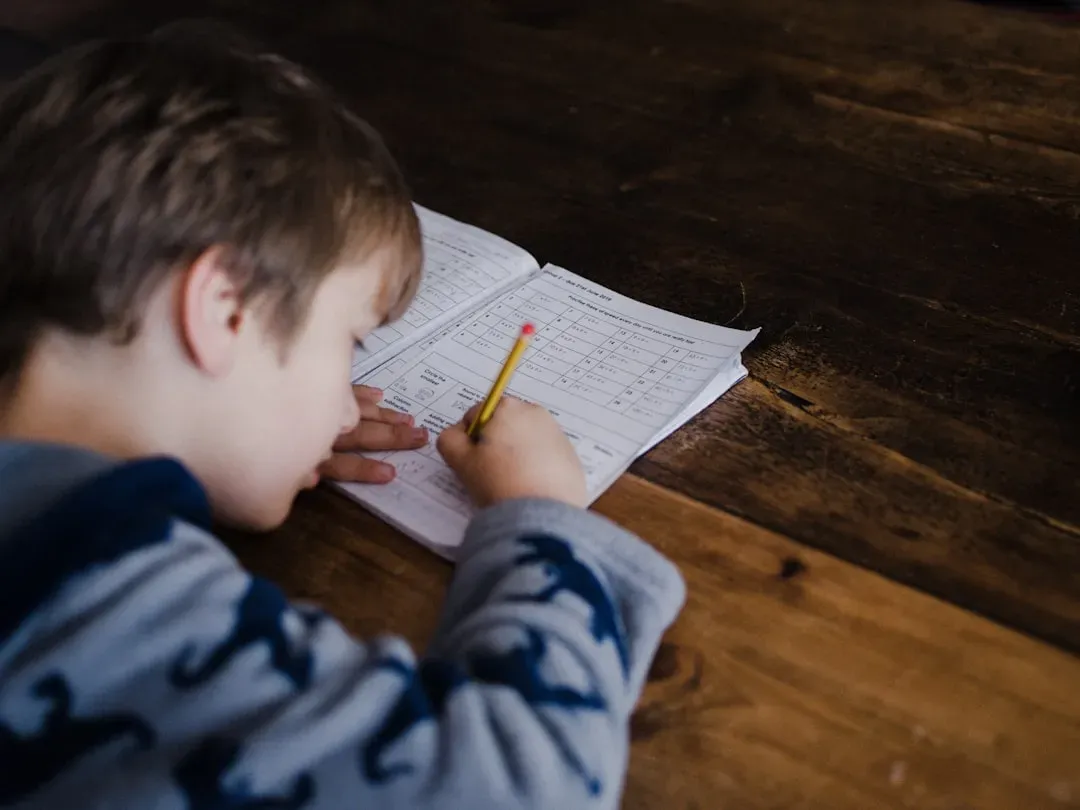
Parents often find that without a consistent approach, homework time becomes a source of daily friction. A solid homework routine creates predictability, which helps children manage their time and expectations. It reduces procrastination, minimizes power struggles, and allows children to develop essential organizational skills. This structured environment ultimately leads to better academic performance and a more positive attitude towards learning.
Several studies have investigated the link between routines and cognitive functioning in young children, with the vast majority showing positive associations. Early research emphasized the benefits of a stable and predictable home environment for cognitive development, and consistent routines in infancy have been correlated with higher cognitive scores, with similar findings observed in preschoolers. The structure doesn’t have to be rigid. Older school-age children between nine and twelve benefit from routines that encourage responsibility and self-management, with structured schedules for homework, chores, and leisure activities helping them develop time-management skills and prepare for more complex responsibilities.
Consistent routines help children focus better and retain information, and structured schedules reduce cognitive load, allowing kids to concentrate on learning. Setting up a designated homework spot, free of screens and clutter, reinforces the habit further. A well-established homework routine provides the foundation for essential skills such as time management, organization, and concentration, and it helps create a supportive, focused learning space that encourages children to take ownership of their academic responsibilities.
Use the Public Library as a Full Academic Resource, Not Just a Book Source
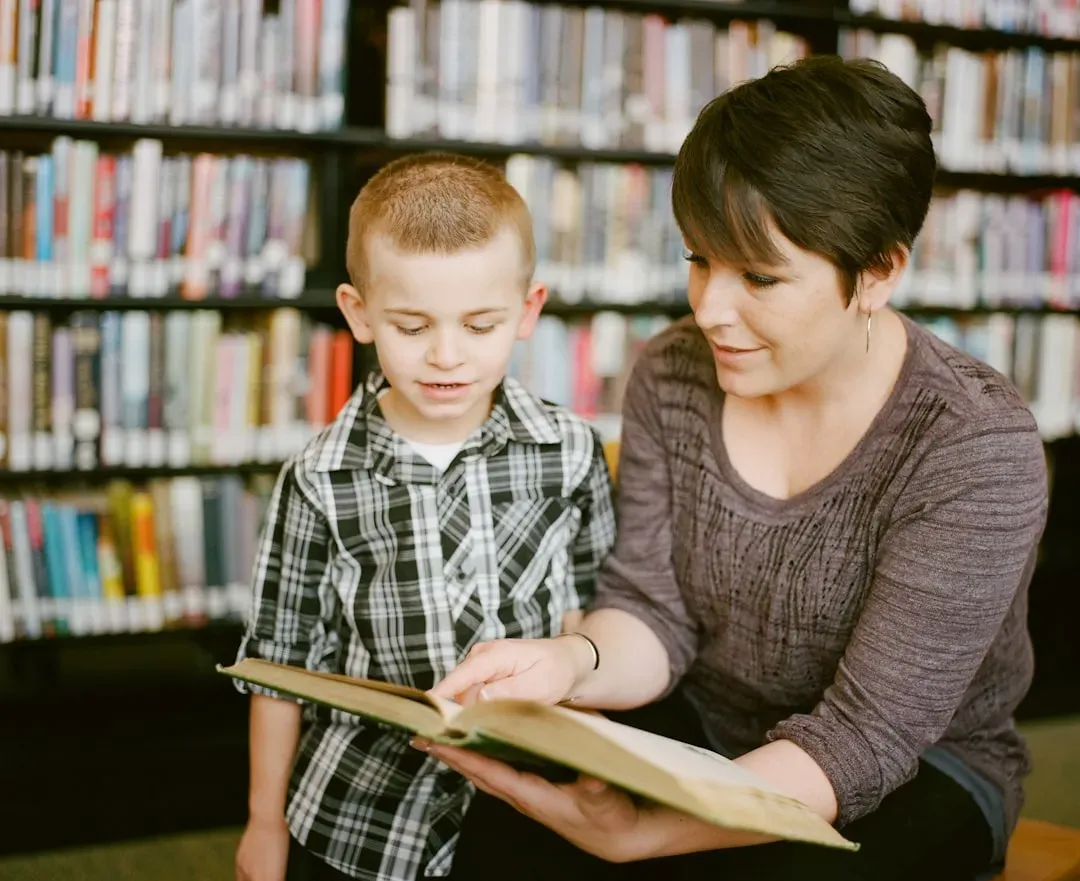
Many families overlook the fact that a library card is one of the most powerful academic tools available at zero cost. Expanded learning literacy experiences at libraries are particularly important in providing equitable opportunities for learning and reading, especially for disadvantaged youth, helping to prevent the summer slide when students can lose up to a month of instruction. That summer loss is real, and libraries are one of the few free buffers against it. A research brief published by the New York State Library found that “differences in out-of-school access to books, positive reading practices, and connections with institutions supportive of self-discovery and reading, account for much of the disparity in student academic success.”
Beyond borrowing books, modern public libraries have expanded significantly in what they offer students. Many libraries now provide live tutoring, writing help, and skill-building tools that support students with personalized academic assistance in math, reading, science, and test preparation around the clock. Some systems go even further. San Francisco Public Library, for example, offers a structured literacy program based on the Orton-Gillingham methodology that can typically cost up to $200 an hour privately, but the library provides it for free, with students gaining an average of half a grade level after just three months.
In afterschool and summer programs connected to libraries and community spaces, young people explore new interests, develop new skill sets, and create lasting relationships with peers and caring adults. Such programs further key goals that schools set for young people, including academic growth, engagement, attendance, and well-being. A library card, a consistent visit schedule, and a curious kid are often all it takes to make these resources genuinely work.
None of these three approaches require a significant financial investment. What they share is something more valuable: regular, intentional effort from a parent who shows up. The evidence consistently points to the same truth, that the most powerful academic advantages a child can have often start right at home, long before a classroom ever enters the picture.