


Astrology is having a moment. Whether you’re scrolling social media, reading horoscopes in magazines, or downloading the latest celestial apps, it’s hard to escape the cosmic conversations happening all around us. However, behind the glitzy Instagram posts and witty memes lies a serious transformation taking place within the astrological community itself.
Thanks to social media and the rising interest in astrology among millennials and Gen Zs, it’s never been easier to discover astrologers. It’s true that today’s astrologers are doing more than reading birth charts. They’re challenging centuries of tradition, questioning who gets to tell celestial stories, and expanding what astrology can mean for modern audiences.
1. Chani Nicholas: Activist Astrologer for a New Generation

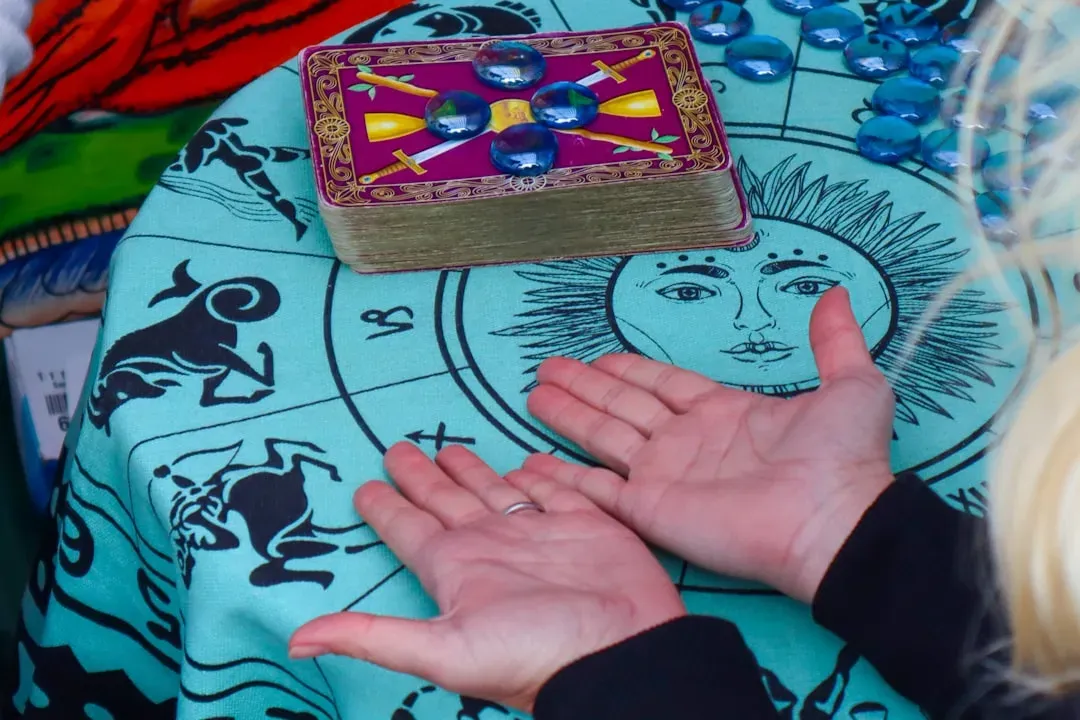
Nicholas began her career by writing a weekly astrology newsletter to friends and family in 2011, and her work focuses on progressive values and marginalized communities, such as queer and trans people. I think what makes Chani different is the way she refuses to separate astrology from the lived realities of social justice. In the past six years, she has written a column for O magazine, read charts of iconic celebrities on her own Netflix series, and published a New York Times bestseller You Were Born for This which debuted at number eight on the New York Times Best Seller list.
Her authentic approach resonated widely, amassing over one million monthly readers, and by 2014, she sustained herself through astrology, offering chart readings and online workshops priced at twenty one to forty eight dollars, attracting twelve thousand paid students by 2017. Here’s the thing: Nicholas doesn’t do cognitive dissonance. She brings feminist theory, queer advocacy, and political consciousness directly into her astrological practice. In December 2020, Nicholas launched an app called CHANI where users can receive astrology information, and in 2018, Nicholas was honored by the Astraea Foundation in Los Angeles for the impact her work has had on inspiring and nourishing queer and intersectional feminist spaces.
Nicholas made astrology her career, guiding people to live their life’s purpose as a counseling astrologer, and with over twenty years of experience, she also inspires over six hundred fifty five thousand followers by sharing astrological knowledge and helpful advice. Today, her company employs astrologers and writers who craft content completely without AI, something Nicholas proudly emphasizes. Honestly, in an age when everything feels automated, that’s refreshing.
2. Jessica Lanyadoo: The Psychic Medium Breaking Down Cosmic Mysteries

Jessica Lanyadoo hosts Ghost of a Podcast, a twice weekly astrology and advice podcast, and she’s an astrologer, psychic medium, and animal communicator with over twenty eight years of consulting experience. What sets Lanyadoo apart is her unflinching honesty and the deeply human approach she brings to her work. On Sundays, Jessica guides listeners through horoscopes, providing valuable insights and strategies for the week ahead from both personal and social and political perspectives, then on Wednesdays, she offers a listener one of her highly relatable readings which reveal the human side of astrology.
Jessica isn’t just telling you what Mercury retrograde means for your commute. She digs into the emotional architecture of people’s lives. Let’s be real, astrology can sometimes feel superficial, but Lanyadoo treats it as a serious tool for emotional and spiritual growth. Lanyadoo is an astrologer, psychic medium, animal communicator, tarot reader, host of Ghost of a Podcast, and author of Astrology for Real Relationships.
Her podcast blends the cosmic with the deeply personal, and listeners tune in not just for planetary updates but for advice that resonates with the messy realities of being human. Her commitment to integrating social justice themes while maintaining astrological integrity has made her a trusted voice for people seeking more than surface level insights. What really resonates about Lanyadoo is her willingness to get uncomfortable.
She doesn’t shy away from hard conversations, whether those involve death, trauma, or political turmoil. In a field that can sometimes lean toward escapism, Jessica brings grounding and accountability. Her direct delivery and compassionate but no nonsense style have built a loyal following that appreciates both her technical skill and her humanity.
Partner offer

3. The Role of Technology in Astrology’s Evolution


Modern astrologers are helping demystify the cosmos and help us see the planets in a new light, and thanks to social media and the rising interest in astrology among millennials and Gen Zs, it’s never been easier to discover astrologers. These days, astrology isn’t confined to dusty books or expensive one on one readings. Apps, podcasts, YouTube channels, and Instagram accounts have democratized access to astrological wisdom in unprecedented ways.
The internet at large, think Instagram, Facebook, Twitter, TikTok, has been the greatest spokesperson that astrology has ever had, as the printing press at the turn of the century gave us horoscopes and it was a huge massive shift for the popularity of astrology, then the seventies brought on a new proliferation of books and songs integrated into day to day culture. Technology hasn’t just amplified astrology. It’s transformed the very way practitioners engage with their audiences.
Some industry insiders estimate the astrology market is worth over two billion dollars. That’s not just a hobby anymore. It’s a thriving industry that blends ancient wisdom with cutting edge innovation. Still, not all astrologers embrace this shift equally. Chani Nicholas’s insistence on human written content rather than AI reflects a growing tension in the field about maintaining authenticity while scaling up.
4. Social Justice Meets the Stars

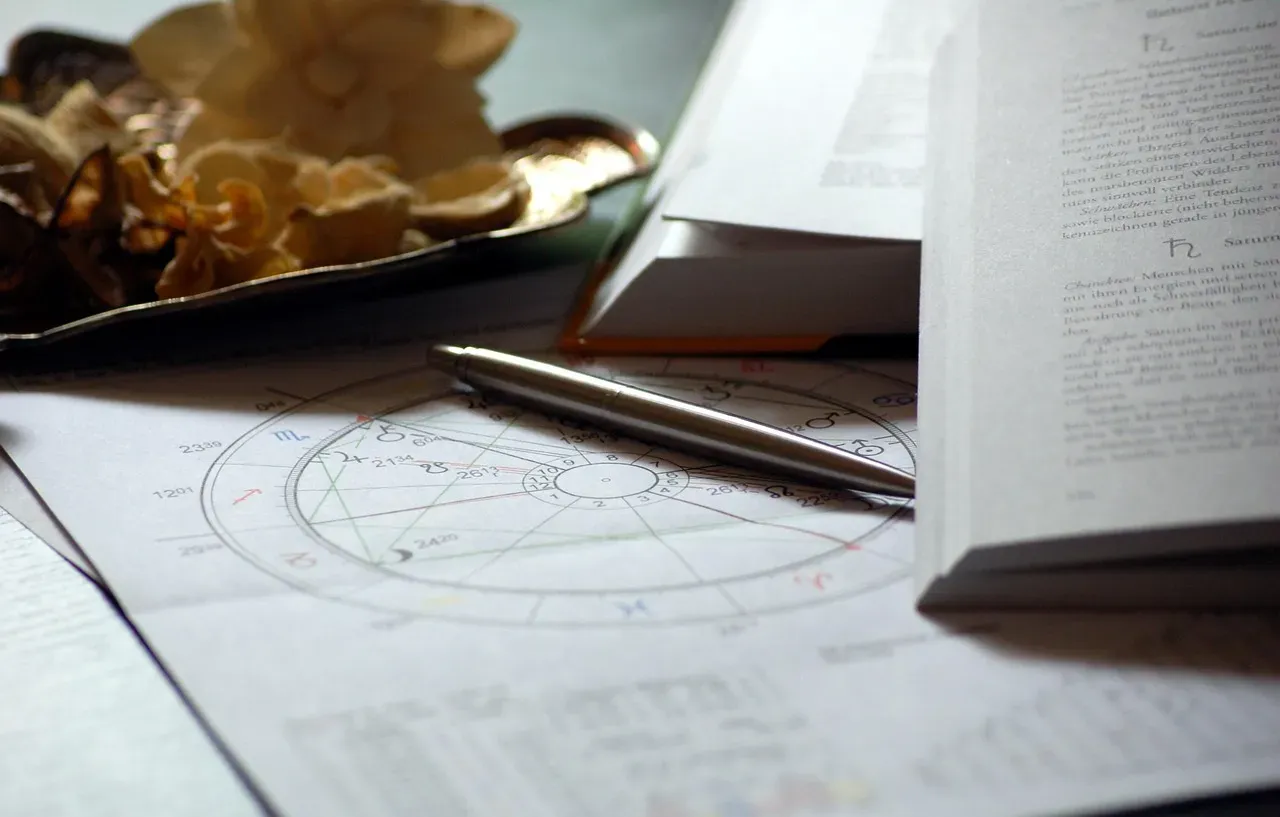
One of the most striking developments in modern astrology is the integration of social justice frameworks into astrological practice. Astrology is an ancient practice that was largely developed by straight men to assess what’s good and bad, but Nicholas grew up reading the work of Black feminists, so she was always trying to write in response to that from an astrological point of view. This isn’t just about inclusive language. It’s a fundamental reimagining of how astrology serves communities that have historically been excluded or misrepresented.
Chani Nicholas in particular has been vocal about challenging supremacy within astrological traditions. She asks questions like: How has this tool been used historically? How can it be used to dismantle oppressive systems rather than reinforce them? In 2018, Nicholas was honored by the Astrarea Foundation in Los Angeles for the impact her work has had on inspiring and nourishing queer and intersectional feminist spaces.
These questions are crucial. Astrology, like any system of knowledge, doesn’t exist in a vacuum. By centering marginalized voices and experiences, practitioners like Nicholas and Lanyadoo are reshaping the field into something more compassionate and critically aware. They’re proving that you can honor ancient traditions while also critiquing and evolving them.
5. The Shift from Prediction to Empowerment


Traditional astrology often focused on prediction. Will I get married? Will I come into money? When will things change? Today’s leading astrologers are shifting that focus toward personal empowerment and self understanding. When you know your birth chart, you know your personal power and life’s potential, you come face to face with your best self and your growth edges, and through it, you gain a clearer understanding of who you are, where you’ve been, and where you’re headed, and being witnessed in this way not only clarifies our complexities and desires; it helps us better understand and prepare for the challenges we face.
This approach reframes astrology from fortune telling to a reflective practice. It’s less about what the stars will do to you and more about how you can work with cosmic energies to grow and heal. Nicholas describes astrology as therapeutic, a relentless reminder that we are the way we are on purpose. Astrology is not therapy, but it is therapeutic, and it’s a relentless reminder that we are the way that we are on purpose.
This shift matters. It transforms passive consumers of horoscopes into active participants in their own spiritual development. Rather than waiting for the universe to deliver good fortune, people are learning to understand their birth charts as roadmaps for intentional living.
Partner offer
Planning a trip to Vegas?
Compare hotel rates and show tickets on VEGAS.com.


