Ever scrolled through social media and felt totally lost when someone mentioned their rising sign or talked about Mercury being in retrograde? You’re definitely not alone. Astrology has absolutely exploded in popularity over the past few years, becoming a massive industry that’s now worth billions of dollars.
According to a 2024 Pew Research Center survey, roughly 30 percent of U.S. adults say they consult astrology or a horoscope at least once a year, while a 2024 Harris Poll found that 95 percent of Americans know their astrological sign, with 70 percent believing in astrology. The market keeps expanding too. The global astrology market was valued at $3.94 billion in 2024 and is projected to reach $4.75 billion by 2025.
So if you’ve been curious about diving into your birth chart but feel intimidated by all those symbols and lines, stick around. We’re breaking down the four essential components every beginner absolutely needs to understand before they start interpreting that cosmic wheel.
The Big Three: Your Sun, Moon, and Rising Signs

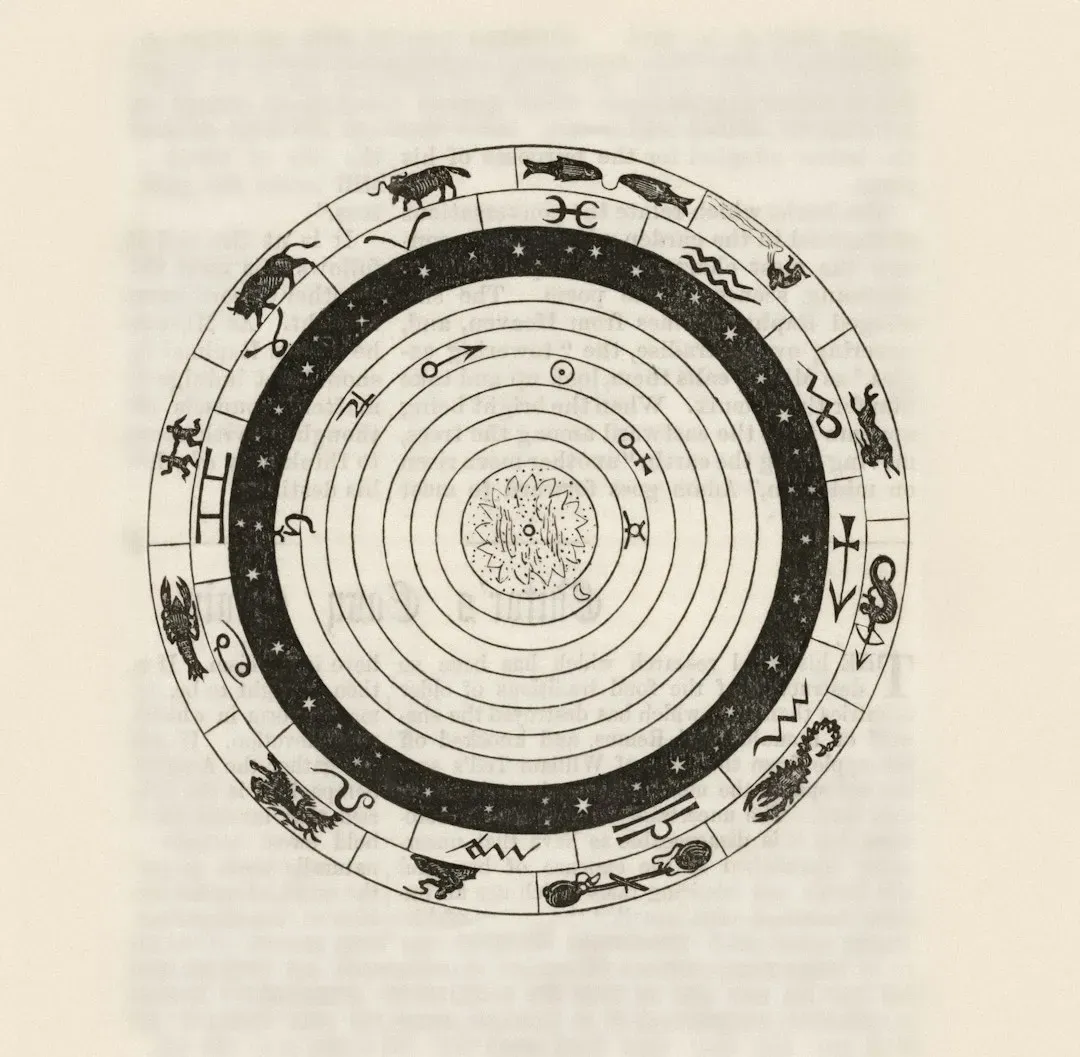
Your Sun, Moon, and Rising signs are called your “Big Three,” and each of these signs plays a significant role in your birth chart. Think of them as the foundation of your astrological identity. While your Sun sign gets all the attention at parties, it’s honestly just scratching the surface.
In astrology, your Sun sign describes your core identity, ego, motivations, and fundamental personality traits. It’s basically who you are at your essence, the part of yourself that feels most authentic. Your Moon sign reveals your inner self, describing your emotional side and intuition. This is the you that only your closest friends and family really get to see.
Your rising sign, or ascendant, is the sign that was climbing over the eastern horizon at the moment you were born, and thanks to Earth’s rotation, the signs rise over this point every two hours or so. The ascendant is the energy that we put out into the world, or the vibe that people pick up and notice about us off the bat. It’s like your cosmic first impression, the mask you wear when meeting someone new. Many astrologers say understanding these three placements completely changes how people relate to their horoscopes.
The Twelve Houses: Life’s Different Departments

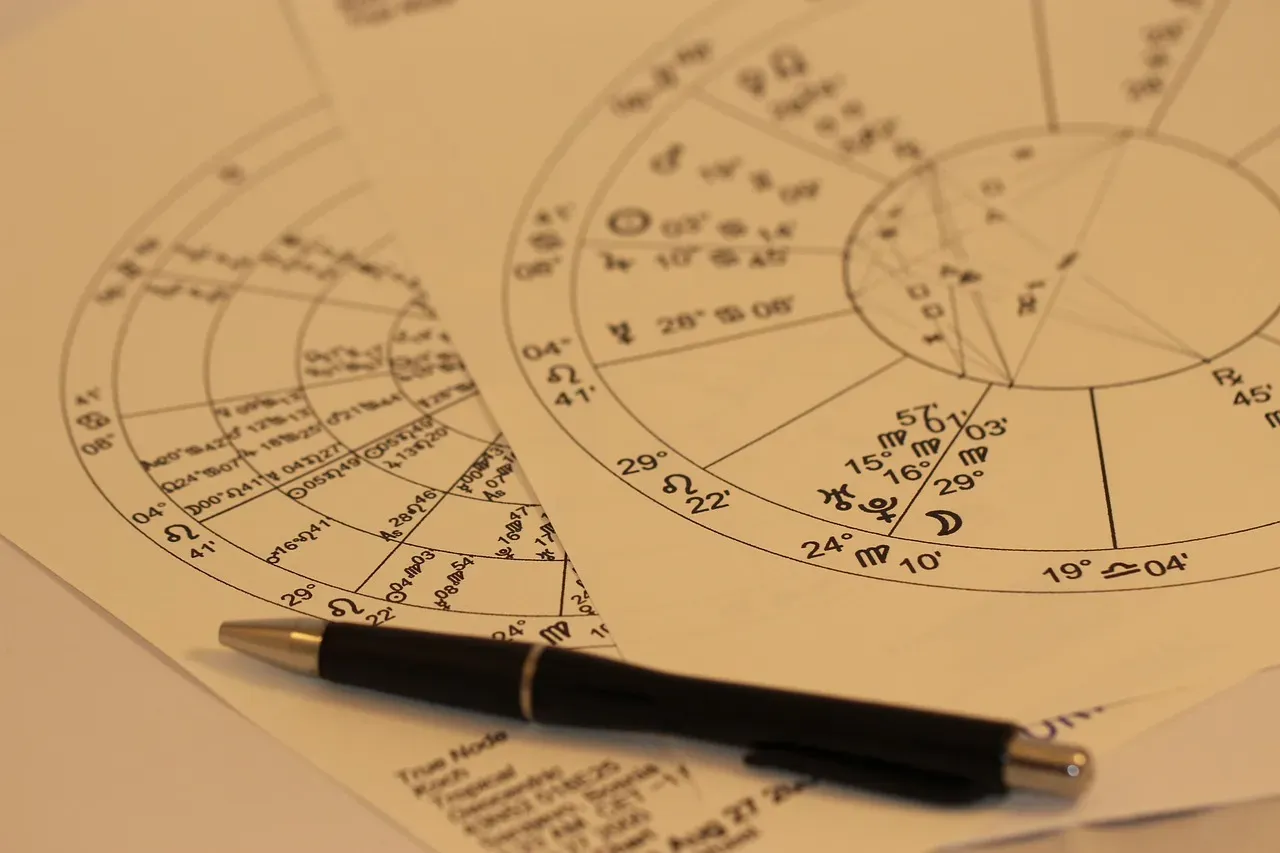
If you’ve ever looked at a birth chart and wondered what those twelve slices mean, you’re looking at the houses. A birth chart is drawn as a wheel divided into 12 houses or sections, and at the exact time of your birth, each planet and constellation in the zodiac was located inside a specific house. Let’s be real, this part can get complicated fast.
The 12 houses in Western astrology represent distinct areas of life experience, shaping how planetary energies manifest in an individual’s natal chart, with each house reflecting a unique aspect of existence, from personal identity to relationships, career, and spirituality. The first six astrological houses are known as the personal houses that help you learn about yourself and how you relate to the world, while houses seven through twelve are typically viewed as the interpersonal houses.
The 1st House is the portal through which you come into the world, and for this reason, it represents your life, body, and vitality. Meanwhile, the seventh house, ruled by Venus and Libra, is all about partnership, and the astrological placements in this house are believed to govern your interactions in business relationships, contracts, and negotiations as well. Each house basically tells a different story about where certain energies play out in your life. The more you study them, the more patterns start emerging that actually make sense.
Planetary Placements: Where the Action Happens

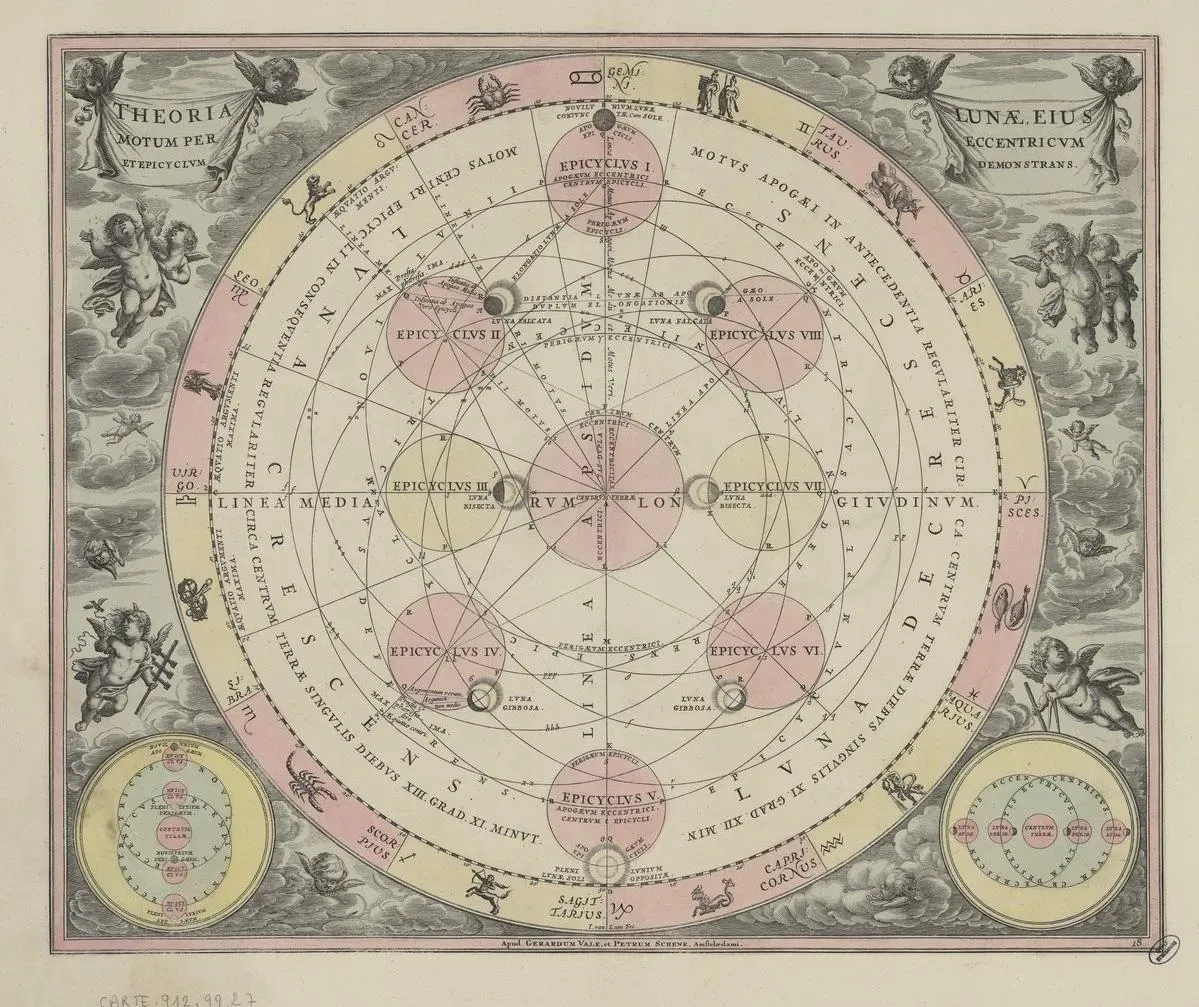
Here’s where things get interesting. The planets in your chart aren’t just randomly scattered around. In astrology, the planets are the main actors in a birth chart, and the signs are the roles and costumes they try on. Think of it like a cosmic play where each planet has its own personality and agenda.
As the planets move in their elongated orbits around the Sun, they form various angular relationships with one another, and the most popular aspects result from dividing the circle by numbers, resulting in aspects such as the conjunction, opposition, trine, and square. Every planet represents something different in your life. Mercury rules communication and thinking. Venus governs love and aesthetics. Mars drives action and desire.
When you know which sign each planet occupies in your chart, you start understanding the flavor of how those energies express themselves in your life. Someone with Venus in fiery Aries will approach love very differently than someone with Venus in cautious Capricorn. Astrologers use the planets, zodiac signs and houses to piece together information about your life, creating a surprisingly nuanced picture that goes way beyond just reading your daily horoscope.
Aspects: The Conversations Between Planets

Alright, so you’ve got planets sitting in different signs and houses. Now what? This is where aspects come in, and honestly, they’re one of the trickiest concepts for beginners to grasp. In astrology, an aspect is an angle that planets make to each other in the horoscope, as well as to the Ascendant, Midheaven, Descendant, and other points of astrological interest.
When two planets form an aspect with one another, their energies and natures combine and work together. The major aspects are the conjunction (0 degrees), sextile (60 degrees), square (90 degrees), trine (120 degrees), and opposition (180 degrees), and these aspects represent the primary angles that planets form with each other and are most influential in a birth chart.
Some aspects are considered easy or harmonious, while others create tension. Even in modern times, aspects are considered to be either easy like the 60-degree Sextile or 120-degree Trine, or hard like the 90-degree Square or 180-degree Opposition. A trine might indicate natural talent or ease in a particular area, while a square suggests challenges that push you to grow. It’s not about good versus bad though. Many astrologers argue that challenging aspects actually create the most interesting and dynamic personalities because they force people to develop resilience and creativity in facing obstacles.
Understanding Zodiac Sign Elements and Modalities

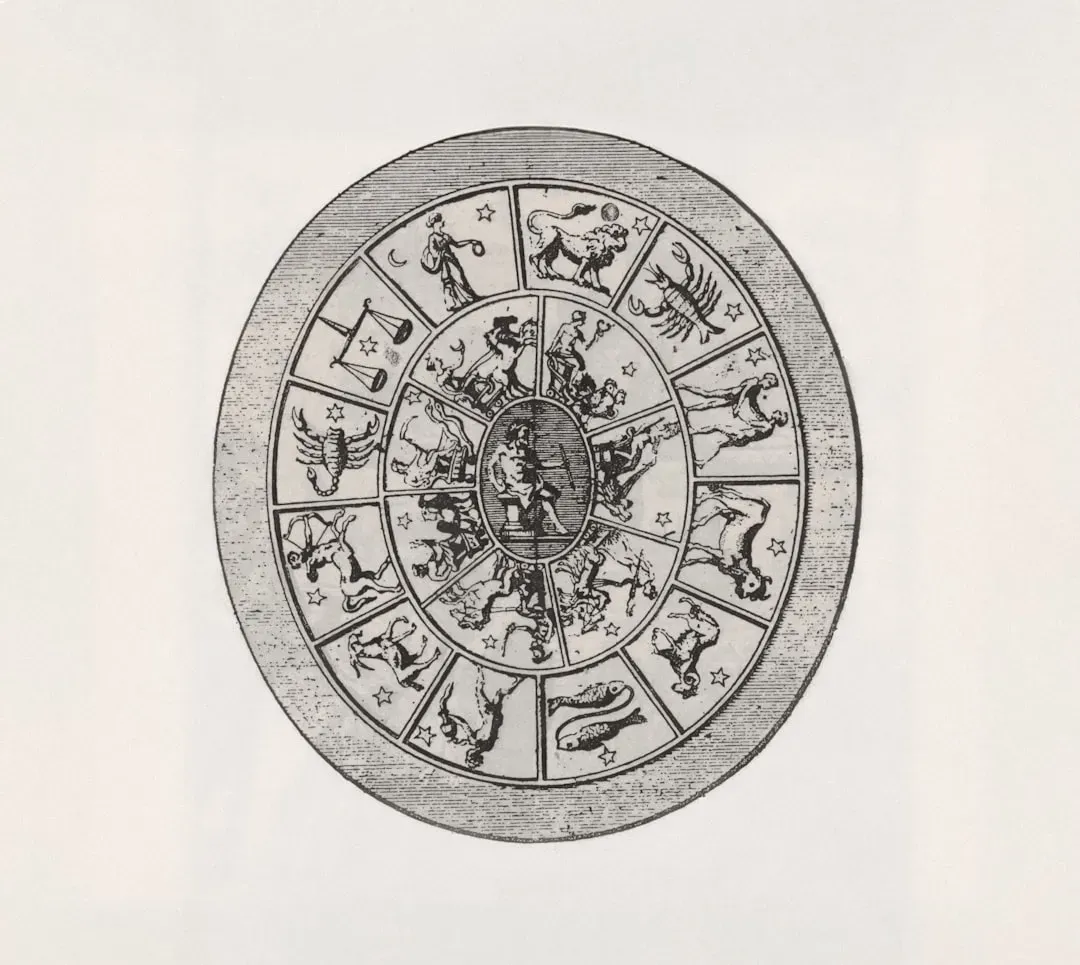
Once you start exploring your birth chart, you’ll notice patterns emerging around elements and modalities. The twelve zodiac signs are divided into four elements: fire, earth, air, and water. Fire signs bring passion and spontaneity. Earth signs offer practicality and stability. Air signs thrive on communication and ideas. Water signs dive deep into emotions and intuition.
Water Sun Signs like Cancer, Scorpio, and Pisces are deeply intuitive, nurturing, and introspective, often guided by emotions. Each element has its own energy signature that colors how the signs within it operate. Someone with a chart heavy in fire placements will have a completely different vibe than someone dominated by water.
Then there are modalities, which describe how signs approach action. Cardinal signs initiate and start things. Fixed signs maintain and preserve. Mutable signs adapt and transform. Understanding these groupings helps you see the bigger picture beyond just individual planetary placements. You might notice you have mostly mutable placements, which could explain why you’re so flexible and changeable. Or perhaps you’re loaded with fixed energy, making you incredibly stubborn but also remarkably loyal and dependable.
Common Misconceptions Beginners Should Avoid

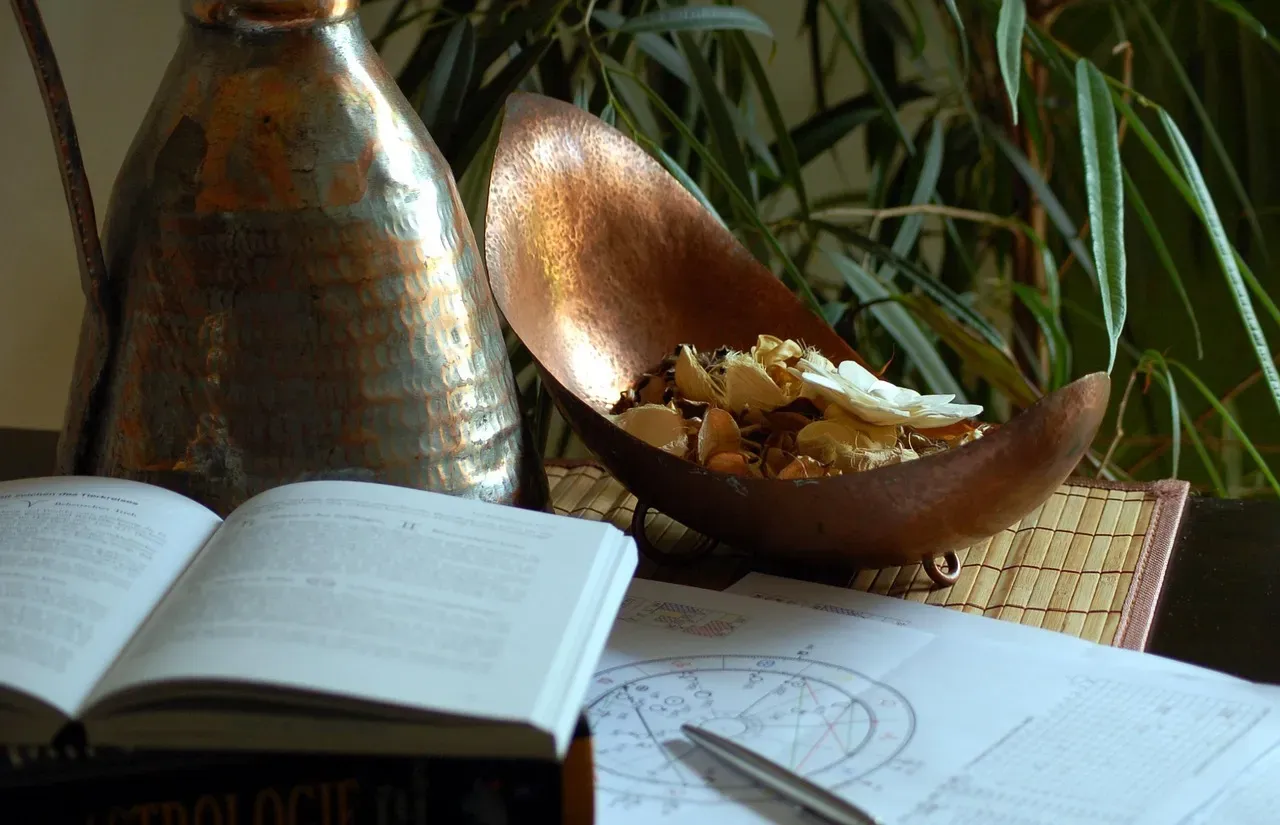
Let me tell you something that trips up nearly everyone starting out: astrology is not fortune telling. Astrology is primarily sought for entertainment (58 percent) and self-understanding (31 percent). It’s more like a psychological tool or framework for understanding patterns and potentials in your life rather than some crystal ball predicting your exact future.
Another huge misconception? Empty houses don’t mean you’re missing something. There is no such thing as empty houses, and if you look at your birth chart and notice that there are no planets in a particular section or house, it doesn’t mean anything, as you have every zodiac sign and planet within your birth chart. I think this freaks people out unnecessarily when they first see their chart.
Also, your Sun sign isn’t everything. Stop identifying solely with that one placement. You’re way more complex than that single piece of the puzzle. Your Sun sign isn’t everything, as while the Sun represents your core self, your Moon sign reveals your inner self and your Rising sign describes your outer self. The whole chart matters, not just the flashy headlines.
Putting It All Together

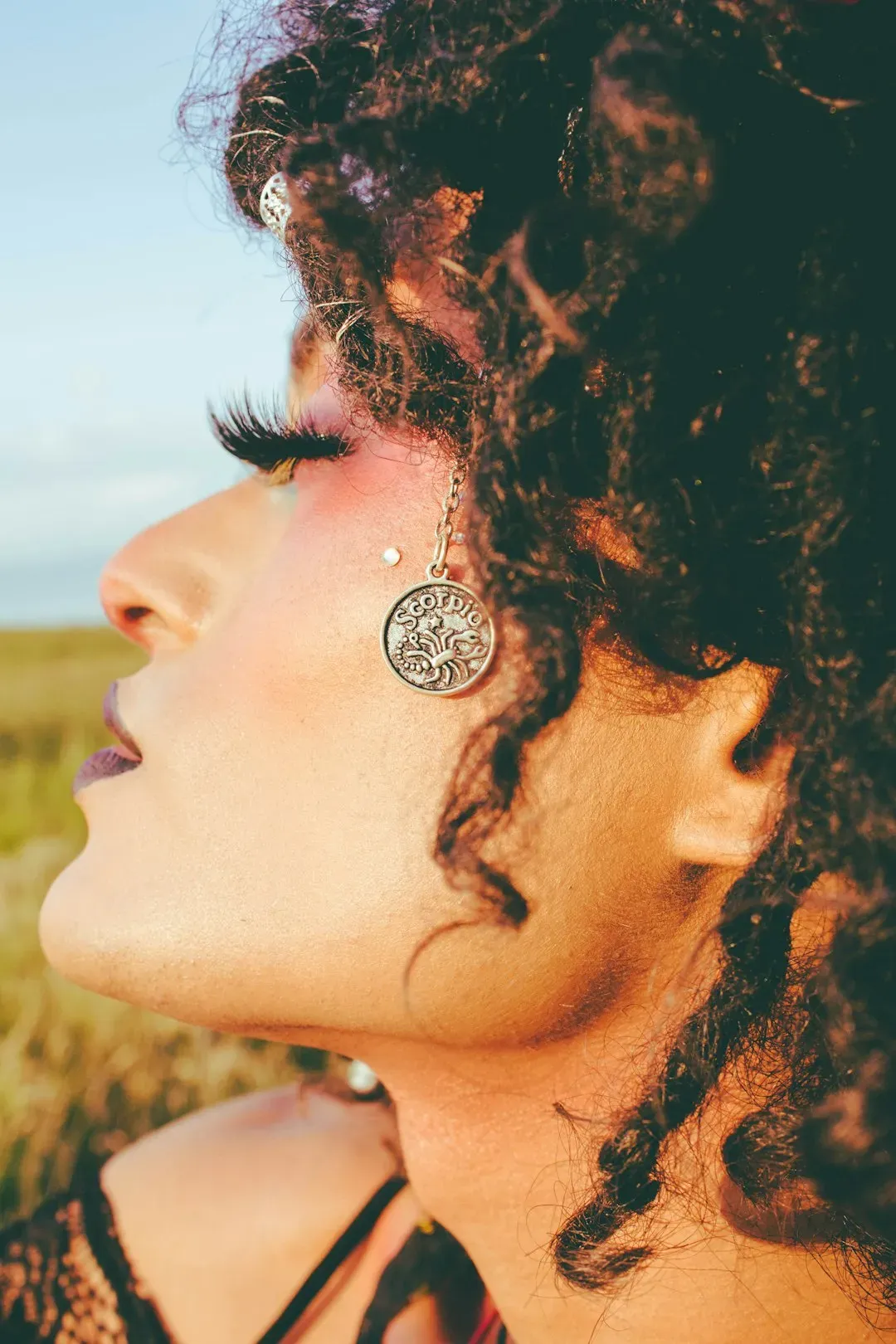
So there you have it. The Big Three give you your foundational personality structure. The houses show you where life’s dramas play out. Planetary placements add color and detail to those areas. Aspects reveal how all these energies interact and influence each other. It’s kind of like learning a new language at first, all symbols and strange terminology.
The beauty of birth chart astrology is that it offers infinite layers to explore. You can spend years studying this stuff and still discover new patterns and insights. These signs offer up a brief blueprint of your personality according to astrology, though the more you dig, the more nuanced that blueprint becomes.
Whether you approach astrology as entertainment, self-reflection, or something more spiritual doesn’t really matter. What matters is finding value in the process of self-discovery. Your birth chart is essentially a mirror reflecting different aspects of yourself back to you. Some of it will resonate immediately. Other pieces might take years to understand fully.
What aspect of your birth chart surprised you the most when you first discovered it? Sometimes the placements we resist understanding end up being the most transformative once we finally accept them.