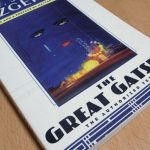
A name on a book cover can shape how readers approach it before they read a single page. Some writers have used that fact on purpose, picking a name of the opposite gender to change how their work was received. A few kept the secret for years.
The three authors below all sold enormous numbers of books. Each had a different reason for switching names, and each was eventually identified.
J.K. Rowling as Robert Galbraith
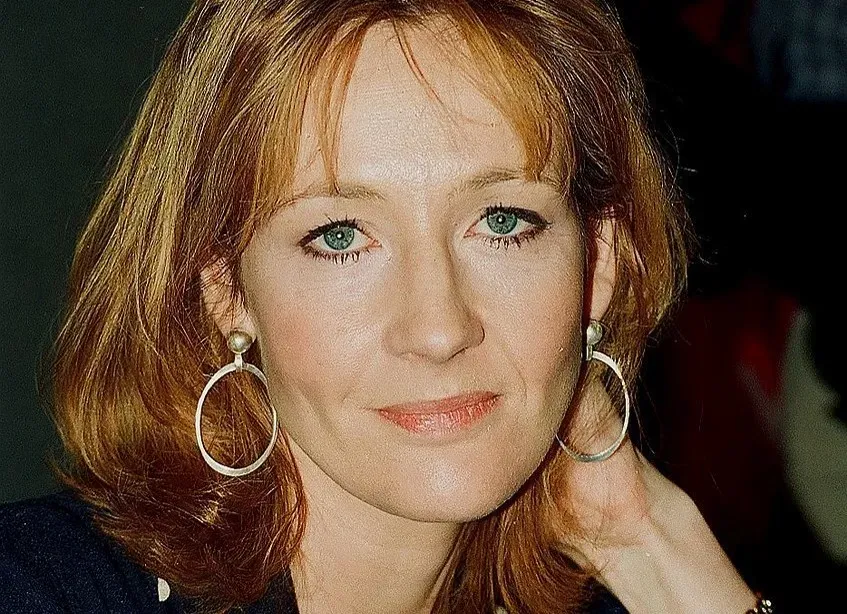
Rowling was already one of the best known authors alive when she published The Cuckoo’s Calling in 2013 as Robert Galbraith. The book was a detective novel, and the invented author was presented as a man with a military and security background. Her stated aim was to publish without the weight of Harry Potter expectations.
The secret lasted only a few months. In July 2013, The Sunday Times reported that Rowling was the real author, after a leak from within her legal circle. Sales of the novel jumped sharply once the news spread. The Galbraith name stayed in use, and the Cormoran Strike series has continued with its seventh novel, The Hallmarked Man, published in 2025.
Dean Koontz as Leigh Nichols
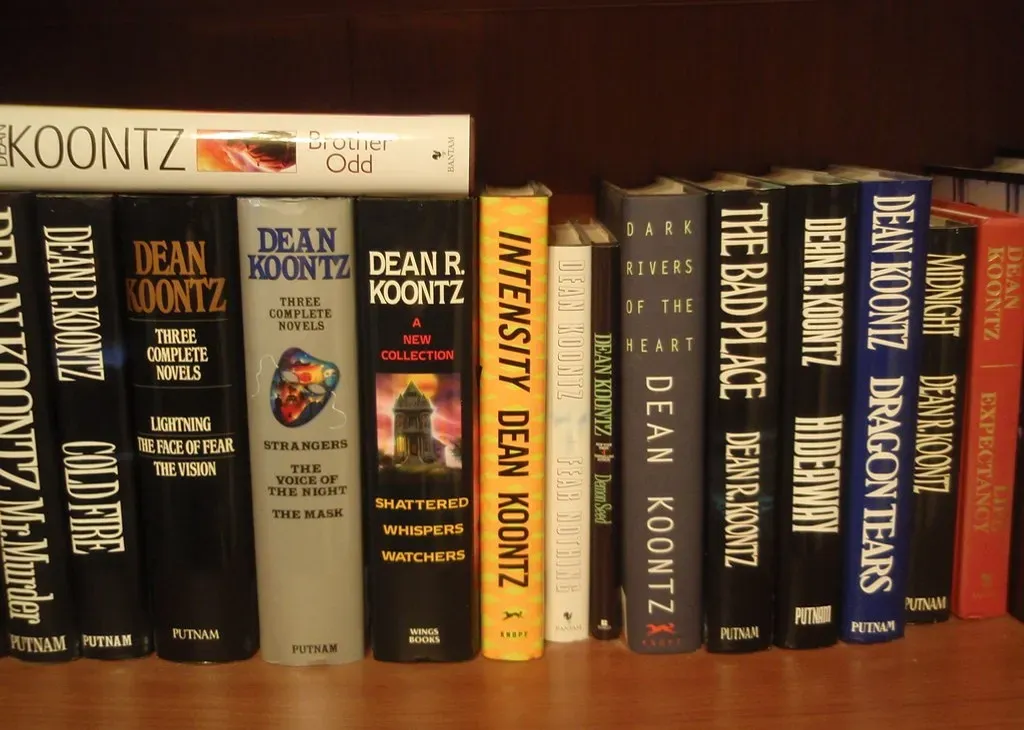
Koontz is a longtime bestseller in suspense and horror, and early in his career he published under a number of pseudonyms. One of the most notable was Leigh Nichols, a woman’s name he used for suspense novels in the 1980s. Titles such as The Key to Midnight and Shadowfires appeared under that byline.
Publishers often encouraged a separate name when an author wrote in a different style or released books too quickly. Over time Koontz’s identity as Nichols became public. Many of those books were later reissued under his own name, which is how readers today usually find them.
Mary Ann Evans as George Eliot
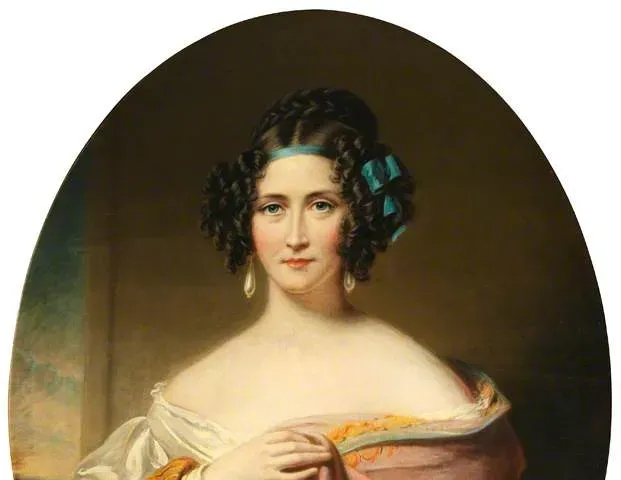
Mary Ann Evans, one of the great Victorian novelists, published as George Eliot, a name that suggested a male author. Her first fiction, Scenes of Clerical Life, appeared in 1857 under the pseudonym. She wanted her fiction judged apart from her reputation as an editor and critic, and apart from the controversy over her personal life with George Henry Lewes.
Her identity came out in 1859, after Adam Bede became a success and a man named Joseph Liggins was wrongly credited as the author. Evans stepped forward to correct the record. She kept the George Eliot name for her later work, including Middlemarch, which was published in installments in 1871 and 1872 and is still widely regarded as one of the finest English novels.