
Some book characters refuse to leave. Long after you close the last page, they follow you into your mornings, your quiet walks, your hardest decisions. They are not real people, yet they feel more familiar than some you actually know. There is solid science behind this strangeness. Long after a book is closed, certain characters continue to live quietly in our minds, shaping how we feel, think, and sometimes even how we act. The three characters explored here – Atticus Finch, Sherlock Holmes, and Elizabeth Bennet – are among the clearest examples of that phenomenon, each for entirely different reasons.
Why Fictional Characters Feel So Real


When we read, we are not passive observers. We bring our own emotional histories into the text. Our fears, longings, regrets, and unmet desires quietly attach themselves to characters who seem capable of holding them. That is not a poetic exaggeration. Neuroscience has confirmed it. Studies suggest that when we read about actions, emotions, or sensations, the same neural pathways activate as if we were experiencing them ourselves. These are often referred to as mirror neurons – the brain’s way of simulating another’s experience. This is why a character’s fear can tighten our chest, or their joy can feel oddly personal.
The more immersed people tend to get in experiences of “becoming” a fictional character, the more likely they are to access knowledge about that identity using the same neural machinery as they do to access knowledge about themselves. This is consistent with the theoretical definition of identification as a merging of self and other. Because these individuals internalize the experiences of the character as their own, accessing knowledge about those characters more closely resembles accessing autobiographical knowledge. Put simply, a well-drawn character can stop feeling like fiction and start feeling like memory.
Atticus Finch – The Man Who Redefined What Heroism Looks Like

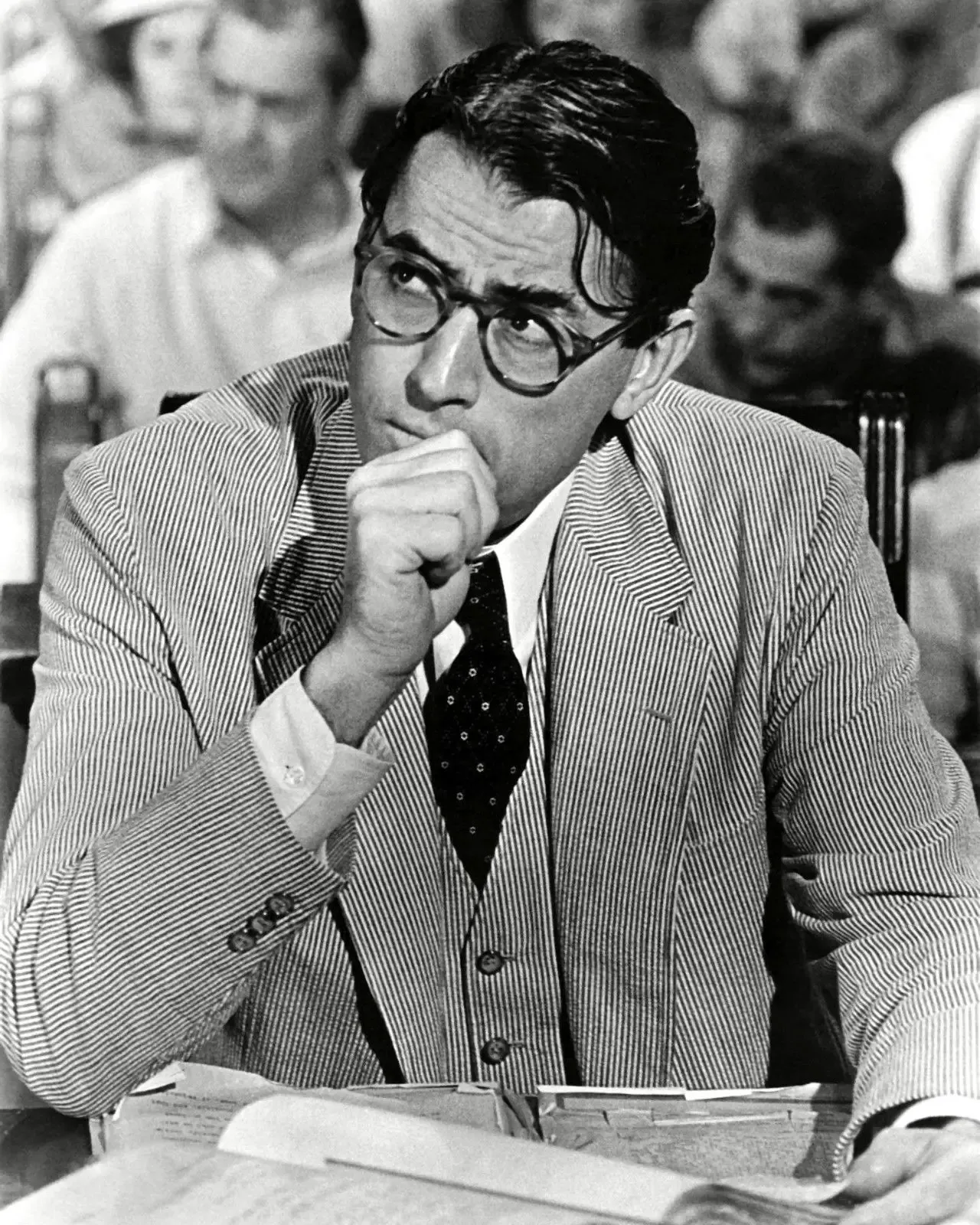
In the literary world, few characters have captured the hearts and minds of readers quite like Atticus Finch. The embodiment of integrity, compassion, and moral courage, Atticus is a heroic figure who stands tall in Harper Lee’s timeless masterpiece, To Kill a Mockingbird. From his unwavering commitment to justice to his unwavering love for his children, Atticus’s character resonates with readers of all ages and backgrounds. His portrayal as a heroic figure in To Kill a Mockingbird challenged traditional notions of heroism, presenting a character defined not by physical strength or superhuman abilities but by his unwavering commitment to justice and morality. Atticus’s character paved the way for more nuanced and complex portrayals of heroes in literature.
To Kill a Mockingbird won the Pulitzer Prize a year after its release, and it has become a classic of modern American literature. The impact of Atticus specifically reached well beyond fiction. An article in the Michigan Law Review asserts, “No real-life lawyer has done more for the self-image or public perception of the legal profession.” Alice Petry remarked, “Atticus has become something of a folk hero in legal circles and is treated almost as if he were an actual person.” Even former U.S. President Barack Obama referenced him publicly. Former U.S. President Barack Obama referenced Atticus Finch as an ideal American character, and mentioned him during his farewell address to the nation on January 11, 2017.
Atticus Finch – A Blueprint That Generations Keep Borrowing From

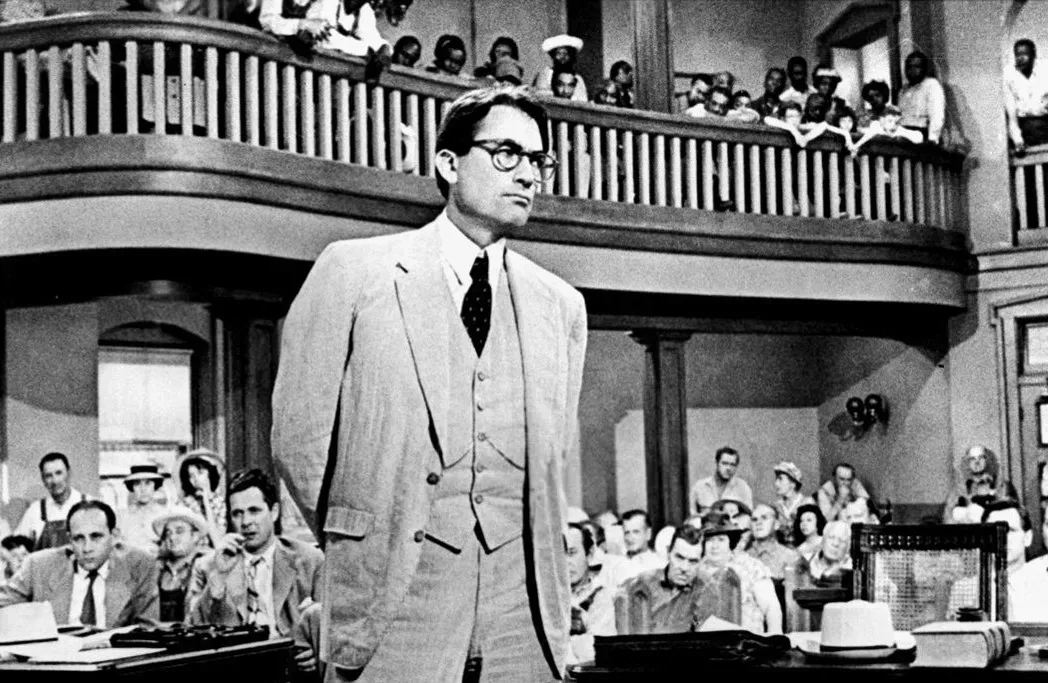
“To Kill a Mockingbird” offers an idealized view of Atticus through the eyes of the young Scout: He is deeply moral, fair and kind, a man who earns respect from the African American community for his work to defend Tom Robinson. “The book has this almost unique place in our popular culture in the way that it serves as a kind of primer for so many white young people in learning the history of racial discrimination and racial inequality in the American South, but also having this model of racial morality,” Crespino says. The New York Times announced To Kill a Mockingbird as the best book of the past 125 years on December 28, 2021.
Perhaps the most iconic portrayal of the character is Gregory Peck’s Academy Award-winning performance in the 1962 film adaptation of To Kill a Mockingbird. Peck’s nuanced and powerful portrayal of Atticus Finch captured the essence of the character’s moral integrity and unwavering commitment to justice. His performance resonated with audiences worldwide, solidifying Atticus Finch’s status as a cultural icon and a symbol of hope in adversity. More recent adaptations, such as the 2019 Broadway production starring Jeff Daniels, have further explored the complexities of Atticus Finch’s character, offering fresh perspectives and interpretations that continue to inspire and challenge audiences.
Sherlock Holmes – The Detective Whose Mind We Never Stopped Wanting


Sherlock Holmes is one of the most famous fictional characters in detective literature. Created by Sir Arthur Conan Doyle, Holmes is a brilliant and observant detective known for his exceptional intellect, keen observation skills, and logical reasoning. There are 4 Sherlock Holmes novels and 56 short stories. Written by Arthur Conan Doyle, the stories span from 1887 to 1927. The scale of his cultural footprint is genuinely staggering. By the 1990s, over 25,000 stage adaptations, films, television productions, and publications had featured the detective, and Guinness World Records lists him as the most portrayed human literary character in film and television history.
Sherlock Holmes is arguably the best known character in crime fiction. The silhouette of a man with a big pipe and a deerstalker on his head is instantly recognized anywhere in the world. Part of what makes him so endlessly compelling is the very thing that should make him cold and distant – his radical detachment from ordinary human warmth. Though Holmes is highly intelligent, with sharp observational and deductive reasoning skills that allow him to understand a crime scene or deduce a person’s history just by paying close attention, he can also be cold, petty, and arrogant. Yet readers are drawn to him precisely because of this complexity, not in spite of it.
Sherlock Holmes – A Character the World Refuses to Let Rest


The fascinating thing about Holmes is that he basically created the entire blueprint for modern detective stories. He’s been portrayed by countless actors, from the legendary Basil Rathbone to Benedict Cumberbatch’s modern interpretation. Holmes entered the public domain in many countries, enabling adaptations like Enola Holmes and Sherlock Holmes games that let fans walk in the detective’s footsteps. That ongoing creative appetite tells you something. Readers and viewers do not simply admire Holmes – they want to inhabit his thinking.
Doyle’s “Sherlockisms” – those pithy phrases such as the lack of activity from a dog in the night-time, or “Elementary, my dear Watson” – are used even by people who have never read a Conan Doyle story. As a writer, I find it fascinating how thoroughly we know this great detective when so much about him is a complete enigma. That paradox – knowing someone deeply while knowing almost nothing about their private life – is perhaps what keeps Holmes permanently lodged in the reader’s mind. Holmes’ address at 221B Baker Street has become a legendary location for fans and tourists.
Elizabeth Bennet – The Woman Who Still Feels Ahead of Her Time


Long before anyone was talking about female empowerment, Jane Austen gave us Elizabeth Bennet. Elizabeth is the kind of character who makes you want to high-five her through the pages of Pride and Prejudice. Elizabeth’s sharp wit and ability to see through superficial appearances make her one of the most memorable and relatable characters in literary history. She refuses to marry for money or status alone, which was basically revolutionary in the 1800s. It is the kind of stubbornness that readers from every generation keep recognizing in themselves.
Her character showed that women could be independent thinkers with their own moral compass. Even today, Elizabeth Bennet represents the kind of person we all aspire to be: someone who stays true to their values while remaining open to growth and change. The book’s massive success resulted in over 15 movie versions of the famous duo Darcy and Elizabeth. Lizzie Bennet – feminist romantic heroine extraordinaire – has traveled far from her early 19th century British origins to influence generations of young women around the world.
Why These Three Characters Stay With Us Longer Than Most

Often, these characters enter our lives at meaningful moments. A reader might meet a grieving character during a time of personal loss, or encounter a morally torn figure while questioning their own values. The character becomes tied not just to the story, but to a season of the reader’s life. That timing matters enormously. Atticus arrives when we need moral clarity. Holmes arrives when we feel mentally restless. Elizabeth Bennet arrives when we need permission to trust our own judgment. Research shows that the beliefs, behaviours, and attitudes of our favourite characters can influence our own, and that fictional people can give us a sense of belonging.
When you “lose yourself” inside the world of a fictional character while reading a story, you may actually end up changing your own behavior and thoughts to match that of the character. In any given year, an average of 275,000 books are published in the United States, some 43,000 of them fiction. Add to that centuries of books and you can see why it’s nearly impossible to devise a definitive list of the best literary characters. Yet somehow, Atticus Finch, Sherlock Holmes, and Elizabeth Bennet keep rising to the surface – in polls, in classrooms, in late-night conversations between readers who have never met. One of the things literature does better than almost any other medium is allow us to experience another person’s quality of mind. It follows that every avid reader has a favourite literary character – whether they’re beloved for dastardly deeds, tough-girl antics, or a high snark quotient. These three simply do it better than almost anyone else on the shelf.