There is something almost unbearably exciting about the idea of music history sitting inside a dusty box in someone’s attic, waiting to be heard. Not a museum. Not a vault. Someone’s attic. It sounds like something out of a movie, yet it happens more often than most people realize. Priceless recordings by some of the greatest artists of all time have survived not because of careful preservation, but because of pure, accidental luck.
Thousands of “lost” recordings remain stored in old studios, attics, libraries, and storage units, unseen and unheard for many decades. Some of them are finally getting their moment. What follows is a gallery of eight extraordinary cases where tape reels, cassettes, and reel-to-reel recordings were pulled from the shadows and handed back to the world. Some of these stories are heartbreaking, others are thrilling. Most are both. Let’s dive in.
1. Ozzy Osbourne and Randy Rhoads: The “Ozzie Last Day” Cassette (Suffolk, 1980)


In early 2026, a story broke that stopped rock fans cold. A previously unheard cassette of Ozzy Osbourne, recorded just weeks after he was fired from Black Sabbath, had been found sitting in an attic for more than 45 years. The man holding it was David “Chabby” Jolly, a local worker in Suffolk, England, who had struck up an unlikely friendship with the singer during rehearsals.
The cassette sticker was yellow and faded, misspelled and slightly frayed, but still clearly marked after more than 45 years: “Ozzie Last Day.” That label alone is enough to give you chills. After learning about the rocker’s death in 2025, Jolly decided to dig it up and found it in a briefcase.
The tape features Osbourne, guitarist Randy Rhoads, and bassist Bob Daisley jamming on a blues song, recorded ahead of the recruitment of drummer Lee Kerslake, which completed the line-up who later recorded the Blizzard of Ozz album. Honestly, the idea that 12 minutes of Ozzy and Randy Rhoads together, in a room, exists on a piece of plastic in a Suffolk attic, is genuinely staggering.
Randy Rhoads’ recorded legacy fits on two albums he made with Ozzy Osbourne. Then he died in a plane crash at 25. For decades, nothing new from that brief partnership surfaced. That changed when the long-forgotten cassette tape reappeared from an attic in Suffolk. Jez Collins, who runs the Birmingham Music Archive, says its value is something harder to quantify, noting: “I’ve not heard anything like that before. To hear them in the room together… these things you don’t hear that often.”
2. The Beatles’ Star Club Tapes: Hamburg, December 1962

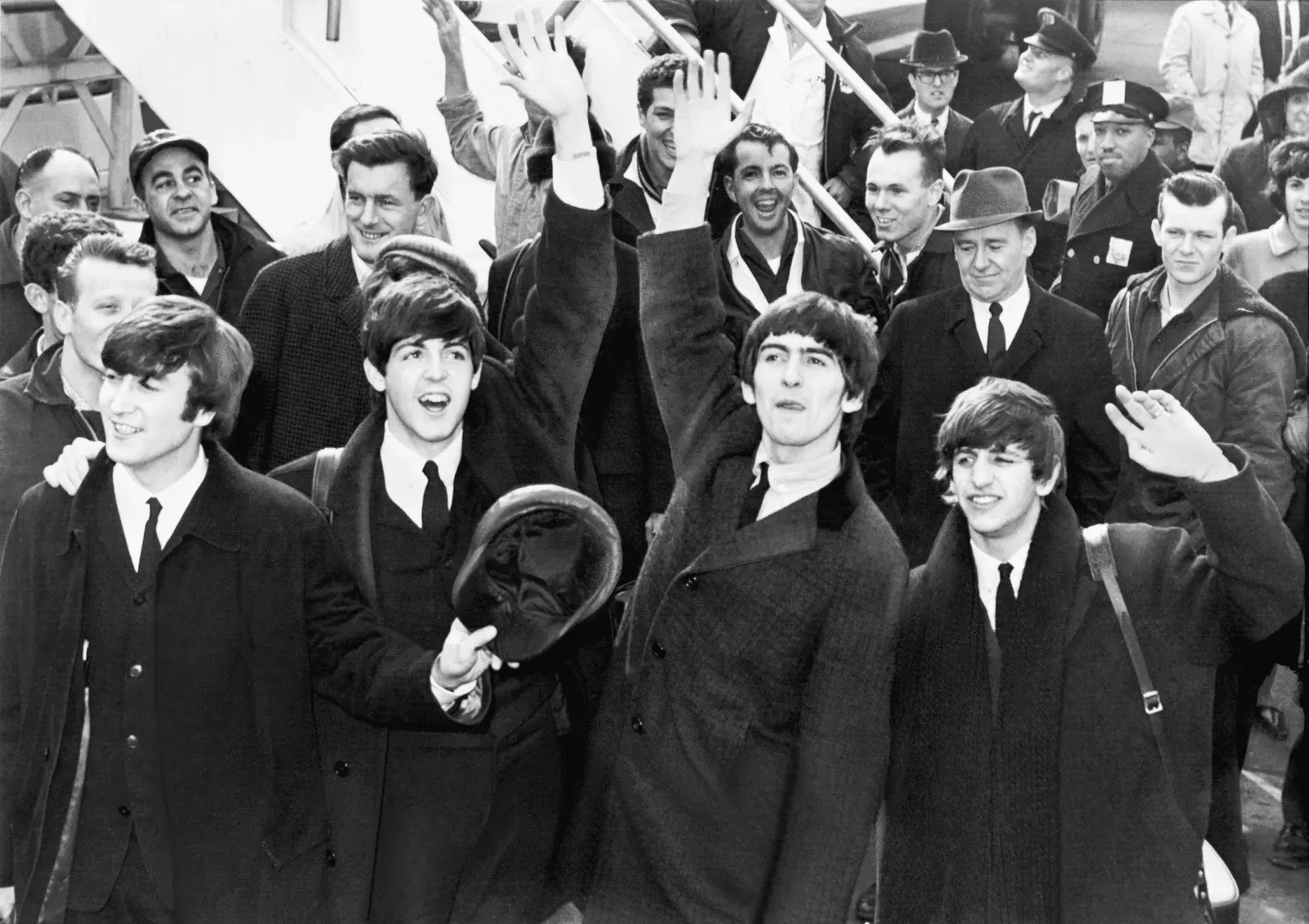
Picture a home reel-to-reel recorder, a single microphone dangling from a ceiling, and one of the greatest bands in history playing drunk in a bar on New Year’s Eve. That is essentially how one of the most debated bootleg recordings in music history was born. Portions of the Beatles’ final Star-Club performances were recorded by the club’s stage manager, Adrian Barber, for Ted “Kingsize” Taylor. Barber used a Grundig home reel-to-reel recorder at a tape speed of 3¾ inches per second, with a single microphone placed in front of the stage.
Taylor said he had offered to sell the tapes to Epstein in the mid-1960s, but that Epstein did not consider them to be of commercial value and offered only £20. Taylor said he kept the tapes at home, largely forgotten until 1973 when he decided to look into their marketability. Twenty pounds. For the Beatles in Hamburg. That might be the most expensive misjudgment in music history.
Later researchers proposed that the tapes are from multiple days during the last week of December, and Allan Williams recalled that a total of about three hours was recorded over three or four sessions between Christmas and New Year’s Day. The tapes captured the Beatles performing at least 33 different titles, plus some repeated songs. The worldwide distribution rights were sold to Double H Licensing, which spent over $100,000 on audio processing and mixing to make the recordings more commercially viable. The Beatles attempted to block the 1977 release of Live! At The Star-Club In Hamburg, Germany; 1962, a 26-song double album.
Although the poor sound quality limits its commercial appeal, the album provides historic insight into the group’s club act in the period after Ringo Starr joined but before the emergence of Beatlemania. Rough around the edges it absolutely is. A time machine, it absolutely also is.
3. The Velvet Underground: 1967 Boston Show

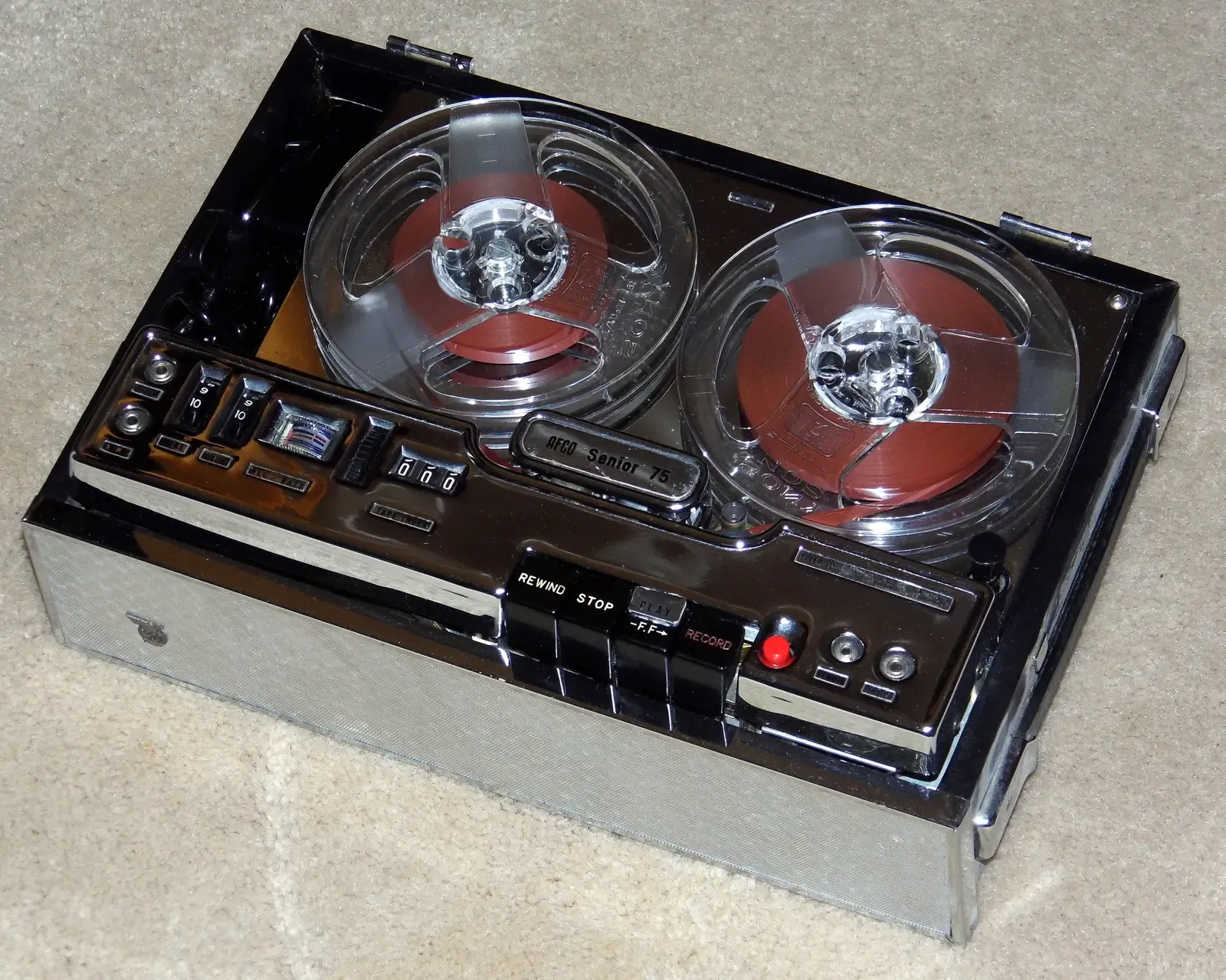
A forgotten reel, once belonging to a dorm roommate, emerged decades later containing The Velvet Underground’s 1967 Boston show. The Velvet Underground were never exactly commercial darlings during their active years. Their audience was small, their sound was confrontational, and very few people had the foresight to document them live.
That is precisely what makes this kind of find so remarkable. A dorm roommate. Not a music archivist. Not a record label executive. Just a person who happened to be in the right place and didn’t throw something away. It is, in many ways, a perfect metaphor for how the Velvet Underground themselves survived: through sheer stubborn existence rather than deliberate curation.
The 1967 period was one of the most intense and experimental of the band’s short career. Lou Reed and John Cale were still together, the Warhol connection was still alive, and the band’s live performances were far looser and stranger than anything captured on their studio albums. A tape from this period is not just a recording. It is a glimpse into a world that barely let anyone in.
I think what makes these Velvet Underground finds particularly special is that the band themselves seemed indifferent to their own legacy in real time. Nobody was running around preserving their shows. That a single reel survived an entire decade by sitting in a college dorm tells you something about how art often finds its own way forward, with or without anyone’s help.
4. Led Zeppelin: The Gonzaga University Tape, 1969

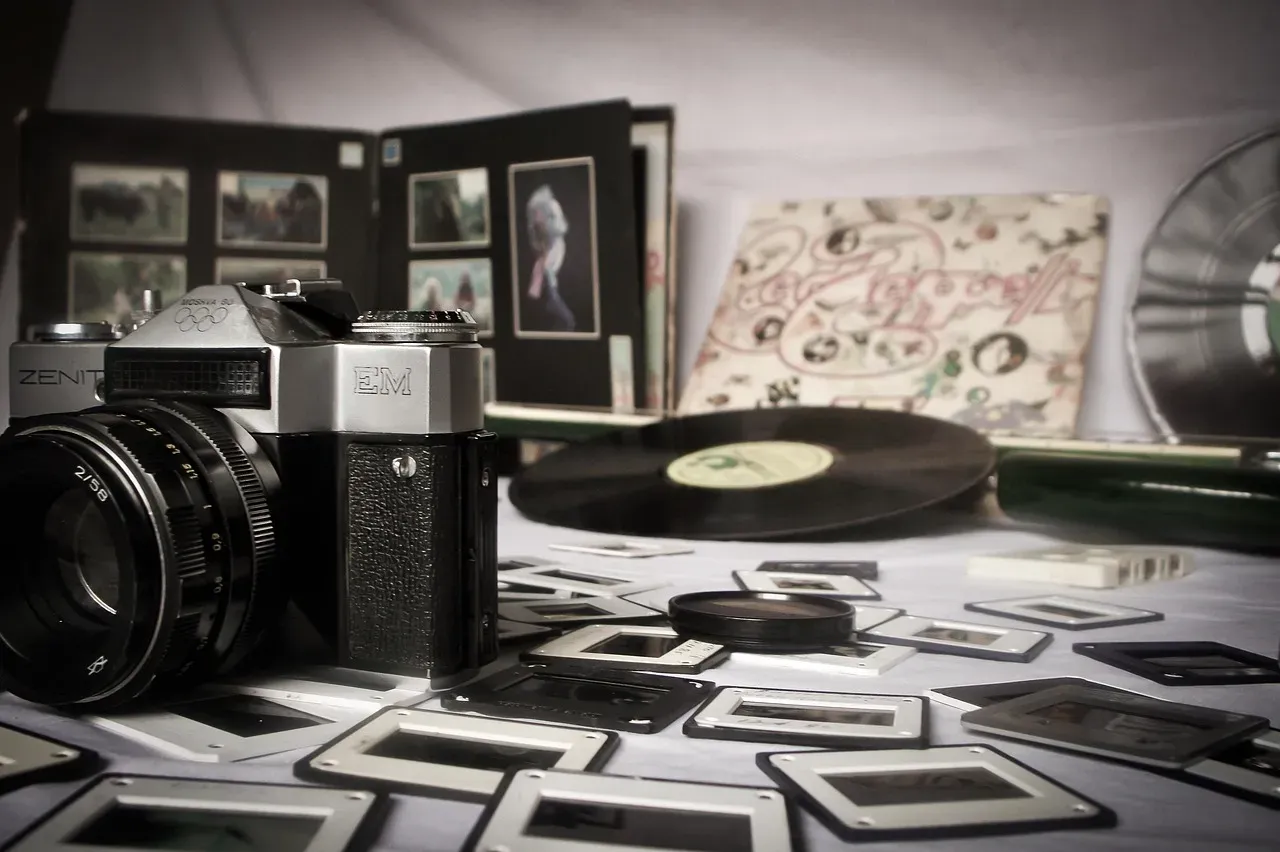
A dusty cassette, hidden away in an attic trunk, turned out to be a previously unknown Led Zeppelin concert from 1969 at Gonzaga University. The recording captures the band on the cusp of superstardom, blending blues, rock, and raw power. In 1969, Led Zeppelin were not yet the untouchable gods of rock they would become. They were still a band on the road, ferociously loud, figuring out how far they could push things.
Fans were stunned by the quality and rarity of the setlist, which offers glimpses of both their debut album and live improvisations. Experts have described this tape as a “holy grail” for Zeppelin enthusiasts, offering precious evidence of the band’s early live prowess. Here’s the thing about early Zeppelin recordings specifically: the band were notorious for stretching songs live, sometimes doubling or tripling their studio lengths in ways that were never captured on official releases.
A university campus in Spokane, Washington is not where you would expect one of rock history’s most significant finds to be tucked away. Yet that is exactly where it was. The excitement around this find sparked renewed interest in the band’s bootleg recordings and lesser-known performances. That kind of rediscovery ripple effect is real, and it matters. It sends fans back into attics of their own.
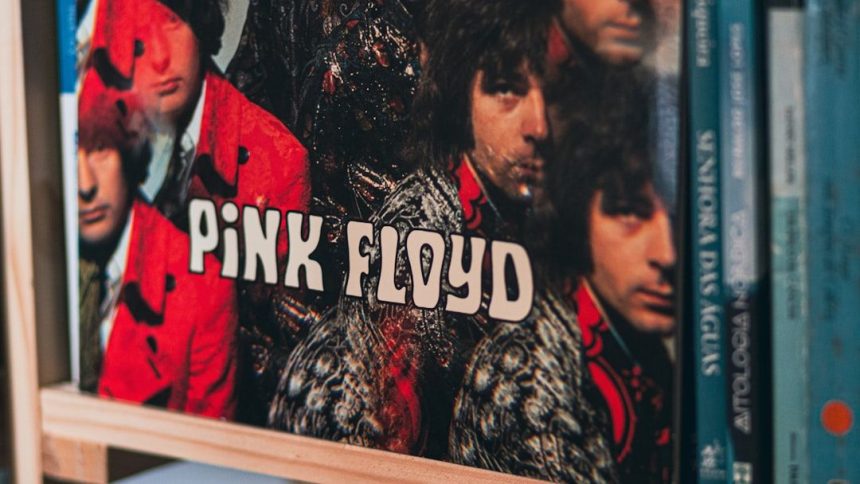
5. Pink Floyd: The 1967 Stockholm Tapes

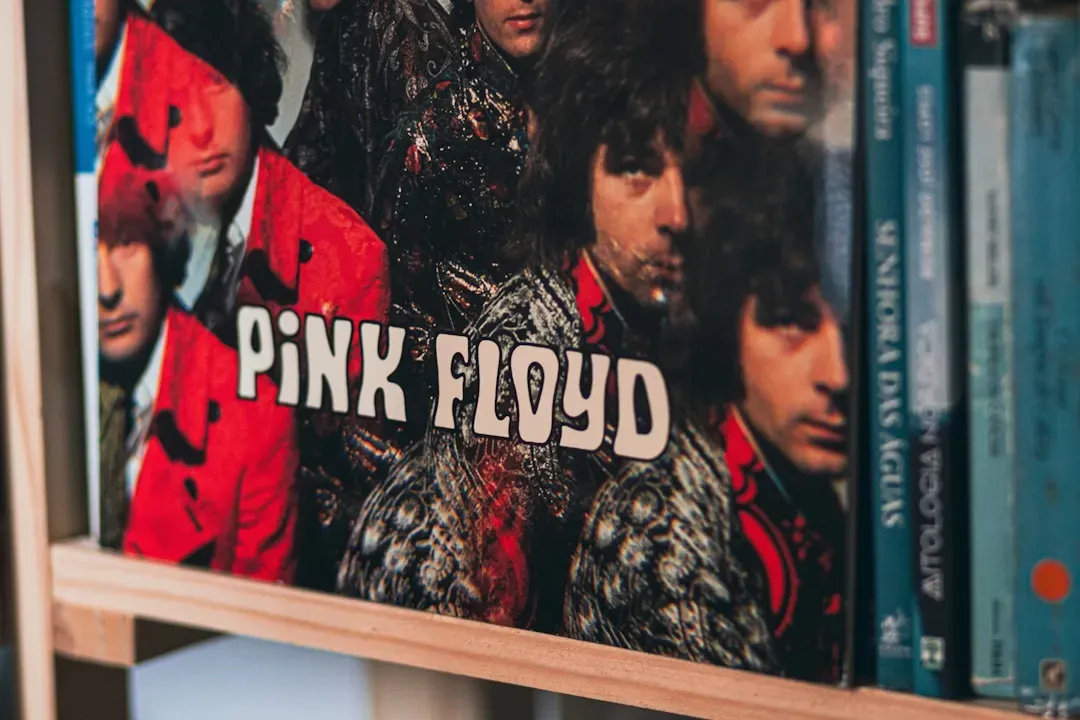
Decades after their initial performance, Pink Floyd’s 1967 Stockholm tapes resurfaced thanks to Swedish collectors. The year 1967 was perhaps the most psychedelic and genuinely unpredictable moment in Pink Floyd’s entire history. Syd Barrett was at the helm. The band were operating in a kind of beautiful chaos that would never be repeated.
Stockholm in the late 1960s had a thriving concert culture, and Scandinavian radio and television were often better at preserving live performances than their British and American counterparts. Many recordings were taped and originally broadcast fifty or sixty years ago by European radio and TV stations. After airing, the tapes were shelved and gathered dust for the next half century. The Stockholm tapes fit neatly into this broader pattern of European archival luck meeting musical fortune.
What makes the 1967 Pink Floyd recordings uniquely valuable is what came just months later: Barrett’s mental health collapse and subsequent departure changed the band entirely. Recordings from that specific window capture something irreplaceable. It’s hard to say for sure just how many such tapes still exist in Swedish attics and station archives, but the suggestion that there could be more is genuinely exciting.
6. Queen: The BBC Golders Green Hippodrome Tape, 1973

Up in a loft filled with old vinyl and reels, a forgotten BBC concert tape of Queen’s 1973 Golders Green Hippodrome show was found. The concert captures Queen just as they were starting to define their signature sound, blending theatricality and musicianship. It is almost impossible to imagine Queen as an unknown band now. The mythology is so enormous. Yet in 1973, they were still newcomers, still finding their footing.
Fans and music critics alike praised the tape for its insight into the band’s early chemistry and showmanship. The rarity of such an early Queen recording made it an instant collector’s item and a must-hear for fans. This attic discovery helped paint a fuller picture of how Queen rose from ambitious newcomers to global superstars. Think of it like finding a sketch by a famous painter before anyone knew their name. The talent is all there, but unpolished and alive in a different way.
The BBC, during this period, recorded an enormous number of live sessions and concerts that were never archived with any serious long-term intention. About a decade ago, some small, enterprising record labels began to realize that there was gold in those tapes. The Queen find from a personal loft demonstrates that the gold is not always where you think. Sometimes it is above a living room.
7. Nirvana: The 1987 Raymond Hall Recording

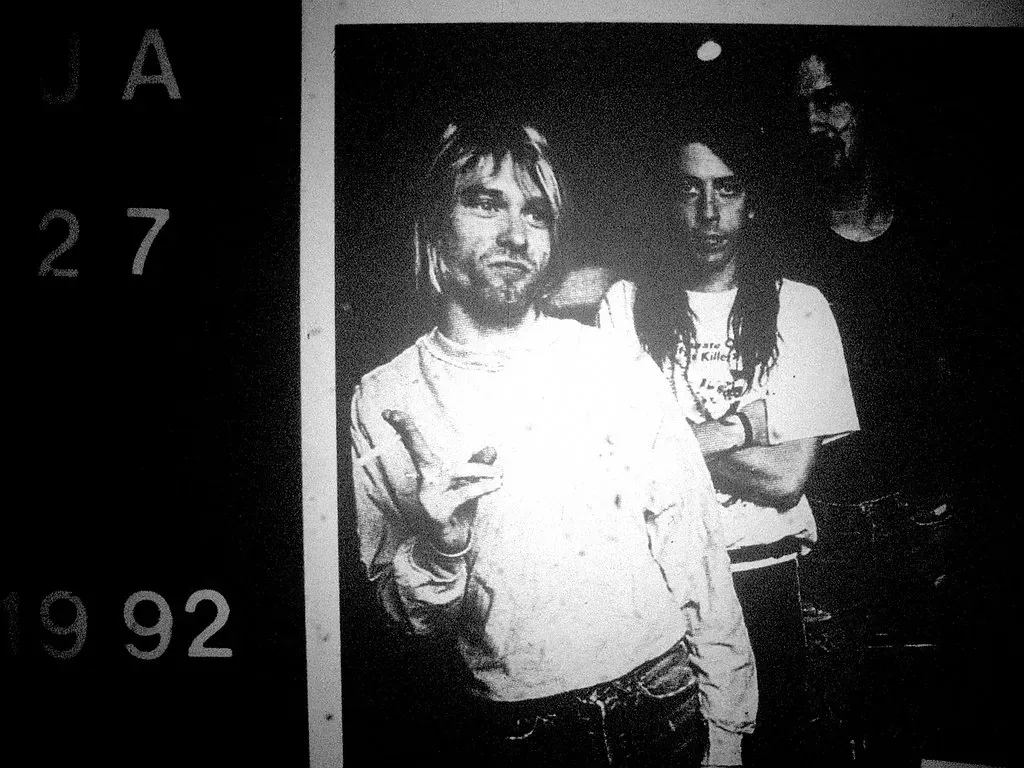
Hidden away in a friend’s attic for years, an early tape of Nirvana’s 1987 Raymond Hall gig was found long after Kurt Cobain’s passing. The recording is rough and unpolished, reflecting the band’s raw beginnings. Listeners can hear the seeds of the grunge revolution that would soon sweep the world. In 1987, Nirvana were not yet Nirvana in any meaningful public sense. They were barely formed, still cycling through lineups, and playing small venues in Washington State where the audience could fit in a school gymnasium.
The tape is a treasure for Nirvana fans, revealing the band’s chemistry and energy before fame changed everything. Critics have called the find a crucial piece of the group’s history, showing how their sound and identity took shape. There is something deeply poignant about hearing a young Cobain before the weight of all that would follow. It is the sound of possibility before it became burden.
The grunge movement, for all its cultural enormity, left relatively little well-preserved documentation from its earliest years. These were not bands with management teams carefully archiving every show. This attic discovery brought new light to the story of one of rock’s most influential bands. Let’s be real: any pre-fame Nirvana recording is not just music. It is archaeology.
8. Ella Fitzgerald: The Lost Berlin Tapes, 1962

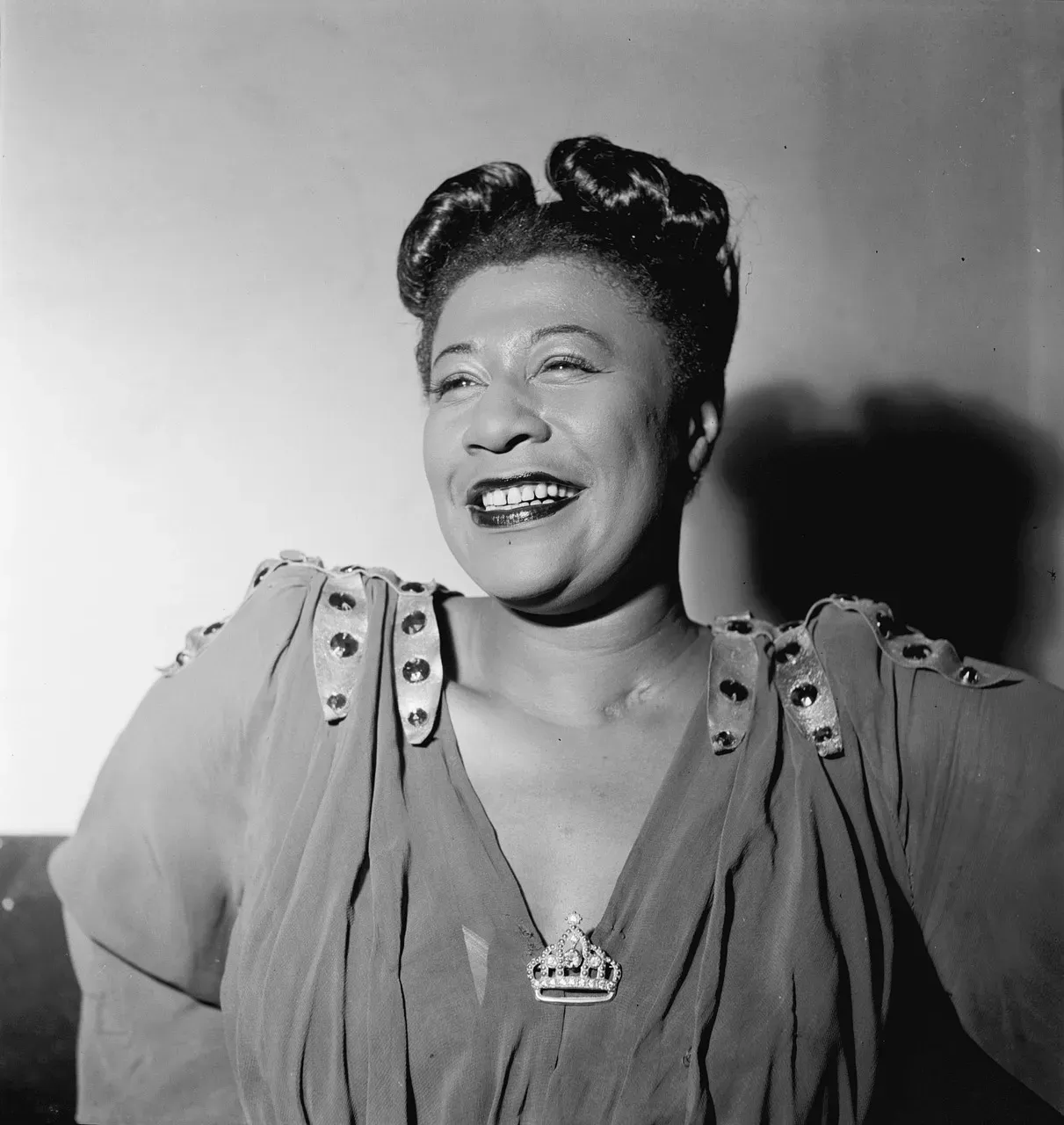
In 1962, jazz singer Ella Fitzgerald gave a concert in Berlin which was recorded, but the tapes were lost. The previously unheard concert recording was eventually released. This is perhaps the most extraordinary story on this list, because Ella Fitzgerald was already one of the most celebrated singers in the world when this happened. The tape was not lost because nobody cared. It was lost because tapes simply got lost.
It was sitting in a vault all of those years. When the tape box was finally retrieved, it still had the yellow scotch tape that had never been opened. Yellow scotch tape. Never opened. Decades of Ella Fitzgerald’s voice sitting there, waiting. That detail hits harder than almost anything else about this entire list.
The release of what became known as “The Lost Berlin Tapes” in 2020 was received as a major event in jazz history. This was not a rough bootleg or a damaged, barely listenable relic. It was a complete concert from one of the genre’s supreme voices, in a vault, sealed, intact. An album of previously unreleased recordings was always going to be a huge event for jazz fans, but the story about the rediscovery of decades-old lost session tapes made it compelling news even for non-music lovers. Fitzgerald’s 1962 Berlin concert ultimately proved that the most spectacular musical discoveries are not always in attics. Sometimes they are simply hiding in plain sight, sealed under yellow tape, waiting for someone to finally press play.
Why Do These Tapes Keep Turning Up Now?

It’s hard to say for sure, but there seems to be a genuine acceleration in these kinds of discoveries over the last few years. Part of it is practical: the generation that lived through the 1960s, 70s, and 80s is now aging, clearing out homes, and encountering boxes they haven’t opened in decades. Another part is cultural. All analog sound recording formats are at high risk of loss due to the degradation of physical media and the increasing difficulty of finding or maintaining playback equipment. That urgency is finally registering.
Studio buildings can change hands many times over the years, but the tape storage remains within the property across several owners. And so, the tapes sit there forever, unknown and unclaimed. The problem is the information gap, between the archive holding the tapes and those who would wish to find them, so the recordings stay in limbo. Closing that gap is a race against time, and the clock is absolutely ticking.
Organizations like the National Recording Preservation Foundation have been working on exactly this problem. Since 2012, the NRPF has awarded over a quarter of a million dollars in grants to support unique, at-risk audio collections held by non-profit audio archives, libraries, and other cultural heritage organizations. Still, the volume of what remains undiscovered is almost certainly enormous. The attics have not given up all their secrets yet.
The Accidental Archivists Who Changed Music History

There is a quiet, almost beautiful irony running through every single one of these stories. The people who preserved these recordings were almost never trying to preserve history. A dorm roommate. A local worker in Suffolk. A stage manager with a borrowed recorder. A record collector in Scandinavia. None of them knew what they were doing at the time. They were just people who didn’t throw things away.
That accidental quality is both comforting and terrifying in equal measure. Comforting because it means there is probably more out there, sitting in a briefcase or a loft box somewhere, waiting for the right person to remember it exists. Terrifying because for every tape that got discovered, an unknown number were thrown out, taped over, or simply rotted away in silence. The ones we know about are the lucky ones.
The call to reclaim these recordings rarely comes, simply because no one knows that the tapes still exist. What these eight stories collectively prove is that music history is not only preserved by institutions and record labels. It is preserved by ordinary people holding onto something they didn’t quite understand the value of. Which means, somewhere out there right now, there is almost certainly another briefcase waiting to be opened.
What These Discoveries Mean for Music History

Every single one of these finds fundamentally changes the biographical and artistic record of the artist involved. When you hear Led Zeppelin at a university show in 1969, or Ozzy Osbourne and Randy Rhoads in a Suffolk farmhouse before anyone knew who they were, you are not just listening to old music. You are watching a story reshape itself in real time. Gaps in the historical record suddenly close. Questions that seemed unanswerable get answered.
There is also something genuinely democratic about attic discoveries in particular. Major record labels have vaults, yes. Artists have archives. But the tapes in attics survived through a completely different mechanism: personal connection. Someone knew someone. Someone was given a tape as a parting gift. Someone borrowed a reel-to-reel recorder and pointed a microphone at the stage. History was preserved not by institutions but by friendship and accident.
The challenge now, in 2026, is making sure that the remaining lost recordings are found before the physical media deteriorates beyond recovery. The new inductees to the National Recording Registry remind us of the significance of preservation support for significant audio recordings. Imagine if any of these recordings were lost or no longer available. For the tapes already discovered, we got lucky. For the ones still out there, luck alone probably isn’t enough.
What recording, sitting undiscovered right now, do you think history would most want us to find? Drop your thoughts in the comments below.