Walk through any casino floor, online or physical, and you’ll notice something that goes beyond strategy or odds. People are tapping screens, clutching small trinkets, choosing the same seat they sat in when they last won, and carefully avoiding anything associated with bad luck. These aren’t random quirks. Research consistently shows that superstitious beliefs are deeply woven into how gamblers think, decide, and behave. The three superstitions explored here are the most documented and widely observed. Each one has a measurable effect on real gambling behavior, backed by psychological research and survey data. Understanding them is more useful than dismissing them.
Superstition #1: Lucky Charms and Ritual Objects
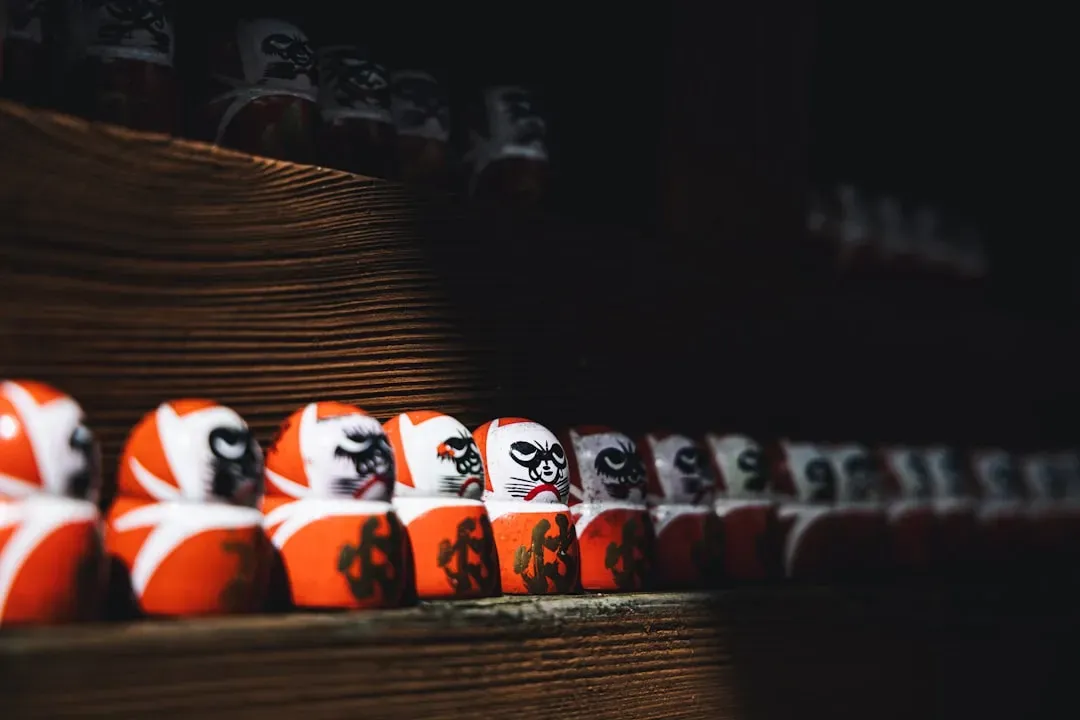
Carrying a lucky object into a gambling session is one of the most common behaviors reported among gamblers worldwide. Surveys suggest that roughly a quarter of Americans carry a lucky charm at least occasionally, while some research puts that figure closer to four in ten among regular gamblers. These range from classic talismans like rabbit’s feet or horseshoes to deeply personal items such as a gifted casino chip or a worn family coin.
According to research studies, around 65 percent of casino players habitually employ lucky objects to improve their gambling luck. That figure is striking. It suggests that the majority of people sitting at a casino table, physical or digital, are operating under the influence of belief rather than pure probability.
The placebo effect helps explain part of this. It is the phenomenon in which a person’s belief in a treatment or intervention can improve their outcome, even if the treatment itself is not effective. In gambling, this can explain why lucky charms and rituals sometimes appear to improve a player’s performance.
How Lucky Charms Affect Actual Decisions
While lucky charms and rituals can provide a sense of control, they can also create an illusion of control, and this illusion can lead players to make irrational decisions and take unnecessary risks. A player convinced their charm is working may stay at a table longer than planned, raise their bets, or resist walking away during a losing streak.
In a sample of machine gamblers, researchers found that those with greater superstitious beliefs around gambling spent more time gambling and engaged in more gambling sessions each week compared to those with fewer superstitious beliefs. That’s a direct behavioral consequence, not just a mental footnote.
Though no empirical evidence supports the proposition that lucky objects actually produce good outcomes in gambling games, their psychological benefits can include better focus while playing, enhanced decision-making confidence, and more even emotional regulation. The charm doesn’t change the odds. It changes the person holding it.
Superstition #2: Lucky Numbers and Unlucky Numbers
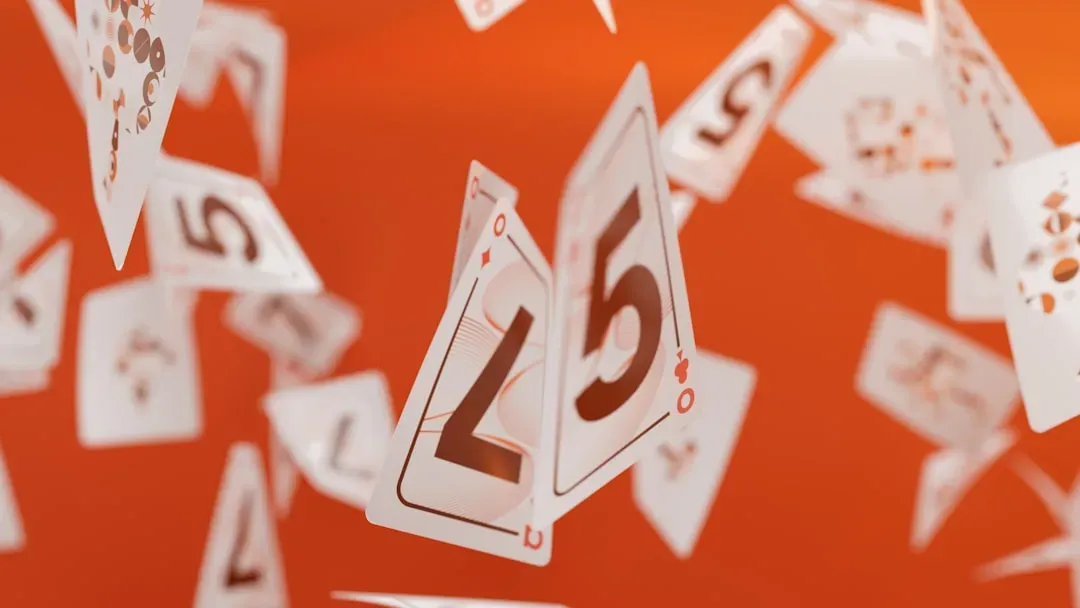
The psychology behind what we perceive as unlucky and lucky numbers can stem from personal experiences as well as cultural beliefs. In the Western world, there is widespread superstition around the number 13, which is generally viewed as unlucky. At the other end, the number 7 carries a powerful aura of fortune that stretches across centuries and continents.
Research by Dr. Thomas Gilovich at Cornell University found that these cultural number preferences significantly impact behavior. In a study of lottery ticket purchases, he discovered that players consistently avoided culturally “unlucky” numbers and gravitated toward “lucky” ones, despite understanding that lottery draws are completely random.
Another number many gamblers avoid is 4. In Chinese, the word for 4 sounds like “death” and is typically avoided while gaming. Meanwhile, the number 13 is seen as unlucky even outside of gambling, with some casino hotels skipping the 13th floor entirely to avoid bad luck associations.
The Neuroscience Behind Number Beliefs
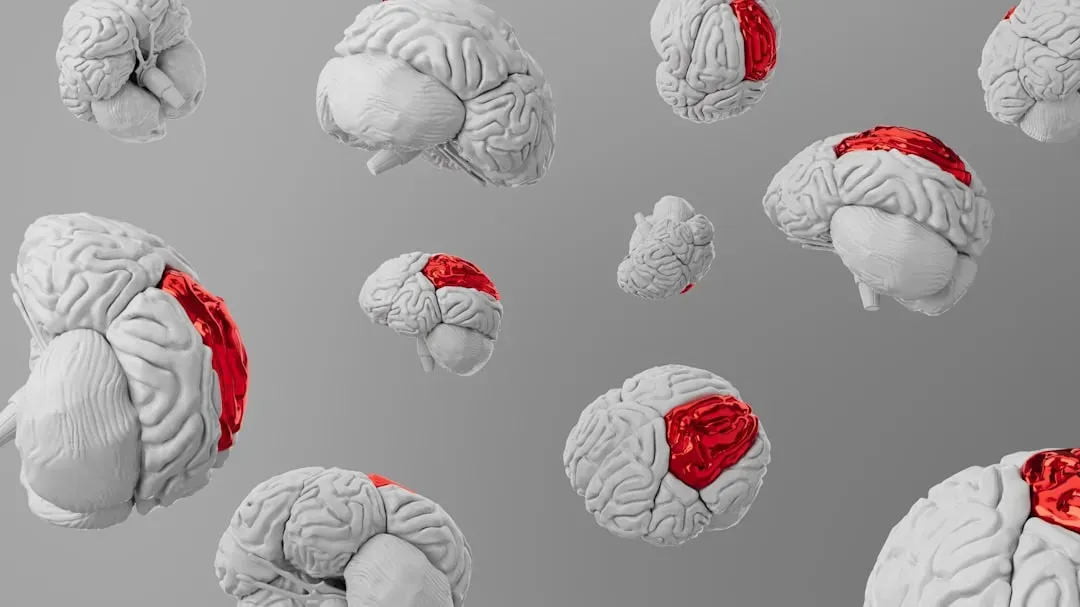
The brain’s reward system doesn’t distinguish between correlation and causation, so when lucky numbers occasionally do hit, the dopamine surge reinforces the belief that these numbers have special power, despite the mathematical reality that it was pure chance. This is how a belief that starts randomly can calcify into a firm personal rule.
Dr. Ellen Langer’s research on the “illusion of control” helps explain this phenomenon. In her famous lottery ticket studies, she found that people valued tickets more highly when they could choose their own numbers versus receiving randomly assigned ones, even though the odds were identical.
If a bettor can remember winning on number 17 during their last visit, that recollection can override rational statistical thought. This is associated with the “availability heuristic,” whereby readily recalled events are perceived as more likely to recur. The win stands out in memory. The losses blur together.
How Number Superstitions Change Betting Patterns
Studies on this cognitive bias have shown that it leads to riskier betting practices. Expecting a perceived “inevitable” win can result in players raising their stakes considerably. When a gambler believes a number is “due,” they don’t just pick it differently. They often bet more on it.
The emotional attachment to specific numbers, whether birthdays, anniversaries, or culturally “lucky” numbers, plays a crucial role. This personal connection imbues these numbers with significance that overrides purely mathematical considerations. While statistically irrelevant, these choices provide a sense of control and personal investment in the outcome.
Over time, personalized betting sequences become deeply ingrained, becoming an extension of a person’s overall gambling identity. At that stage, the superstition isn’t just a habit. It’s part of how a person understands themselves as a gambler.
Superstition #3: The Gambler’s Fallacy and Hot/Cold Streaks
The belief in hot and cold streaks is a prevalent superstition rooted in psychology. Gamblers often perceive patterns in random outcomes due to cognitive biases like the Gambler’s Fallacy and the clustering illusion. The Gambler’s Fallacy leads individuals to believe that if a particular outcome has occurred recently, the opposite is more likely to happen soon.
The gambler’s fallacy is the mistaken belief that past results influence future outcomes, even when each event is completely random. Lottery players fall into this trap when they assume certain numbers are “due” to appear simply because they haven’t shown up recently.
Langer’s illusion of control, together with the gambler’s fallacy, are the two best-characterized sources of this misperception in gambling psychology. A key tenet of the cognitive account is that these erroneous thoughts are elevated in people with gambling problems.
Partner offer
Why Streaks Feel So Real
When people experience long winning or losing streaks while gambling, they evoke what they believe to be a second causal factor: luck. While luck tends to even itself out over the long run, people naturally focus on the short run and on its fluctuations. Streaks feel meaningful because humans are pattern-detection machines, even in genuinely random data.
The clustering illusion causes people to see patterns or streaks in random data even when such patterns don’t exist. These psychological tendencies can influence betting behavior, as gamblers may increase their bets during perceived hot streaks or reduce them during cold ones.
Human psychology tends to perceive patterns even in random sequences, a phenomenon known as apophenia. This cognitive bias contributes to the belief in luck, as individuals may interpret a series of favorable outcomes as a pattern or a “lucky streak.” Recognizing apophenia for what it is doesn’t necessarily make the feeling go away.
The Problem Gambling Connection
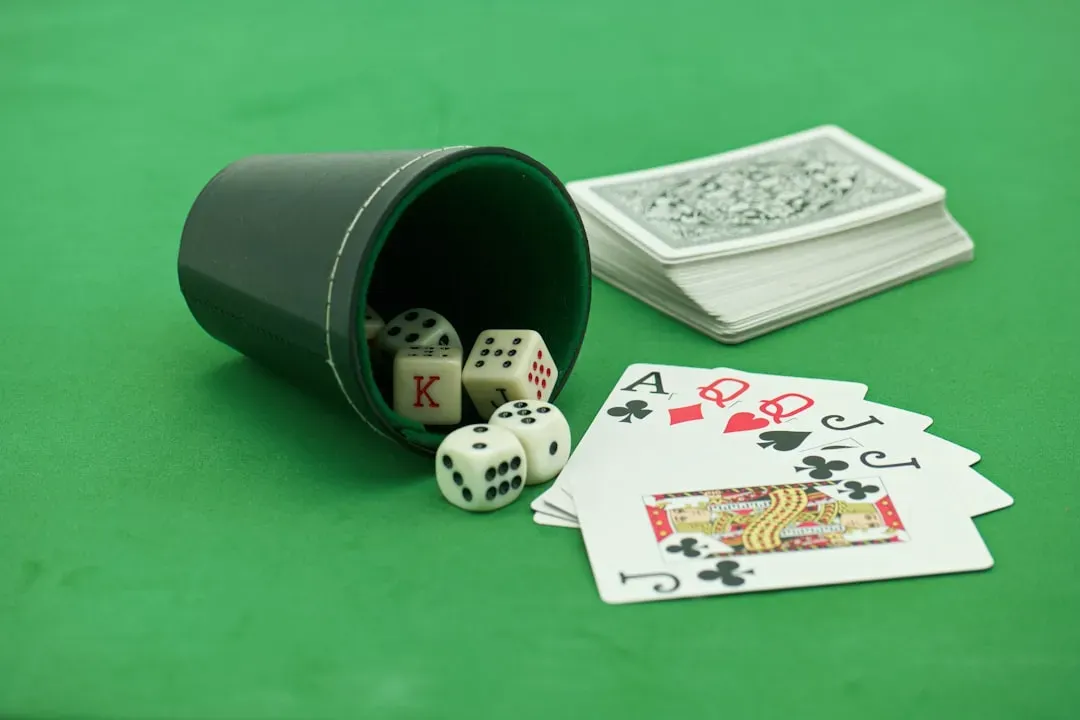
Superstitious beliefs, defined as a strong conviction based on the erroneous perception of a cause-effect association between two independent events, are considered to play an instrumental role in the maintenance of gambling behaviour. The casual player’s lucky charm is relatively harmless. For a problem gambler, superstition becomes the logic system that keeps them playing.
Research suggested that problem gamblers endorsed more superstitious beliefs than non-problem gamblers and that such beliefs were correlated with gambling intensity. The direction of that relationship isn’t fully settled, meaning researchers still debate whether superstition leads to problem gambling or whether deeper involvement in gambling produces more superstitious thinking.
Research also shows that problem gamblers tend to be even more superstitious than others, often believing their rituals or lucky items can overcome the odds. This highlights how superstition can become intertwined with the thrill of gambling and the myths that surround it.
The Illusion of Control as the Root Cause
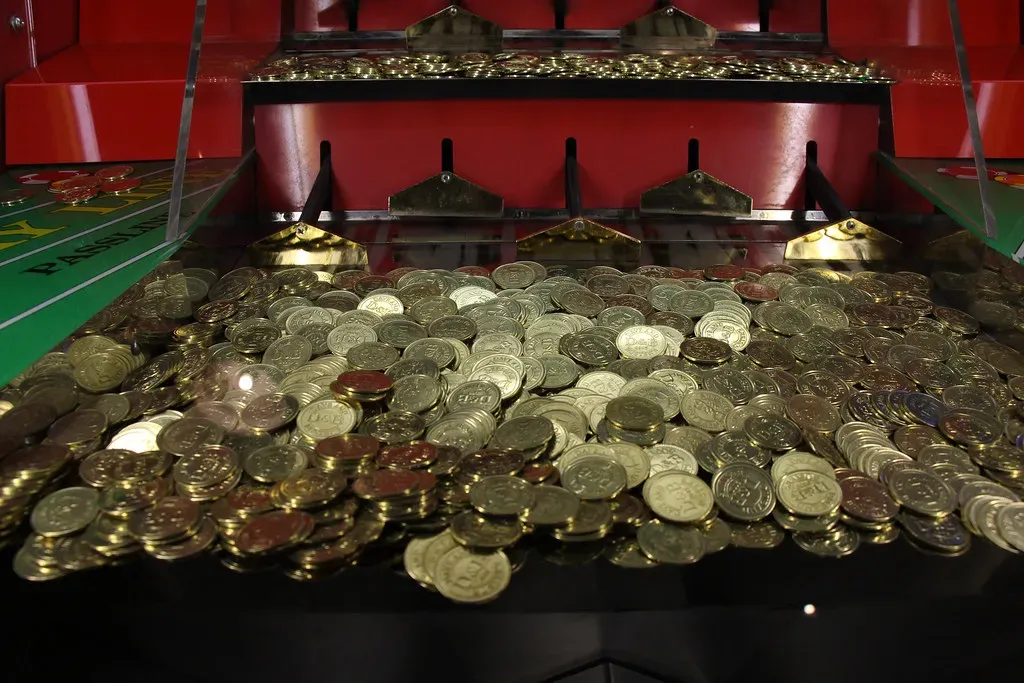
The “illusion of control” is an influential psychological theory stating that people overestimate their ability to control the outcomes of objectively chance-based events, with the original article having over 7,000 Google Scholar citations at the time of writing. That kind of scholarly attention signals just how fundamental this idea has become to our understanding of gambling behavior.
A 2024 study from the University of Bristol confirmed that the illusion of control is a dominant cognitive illusion in disordered gambling, though its role in shaping irrational gambling beliefs has been questioned by recent null experimental findings. Researchers also explored “passive superstition” as an alternative driver of these irrational gambling beliefs.
Conclusions from that study suggested that active choice elements in illusions of control may have been overemphasized in irrational gambling beliefs compared to passive superstitions. In plain terms, it isn’t only the rituals a gambler performs that drive irrational beliefs. It may also be the quiet, background superstitions they barely notice themselves holding.
When Superstition Shifts from Comfort to Compulsion
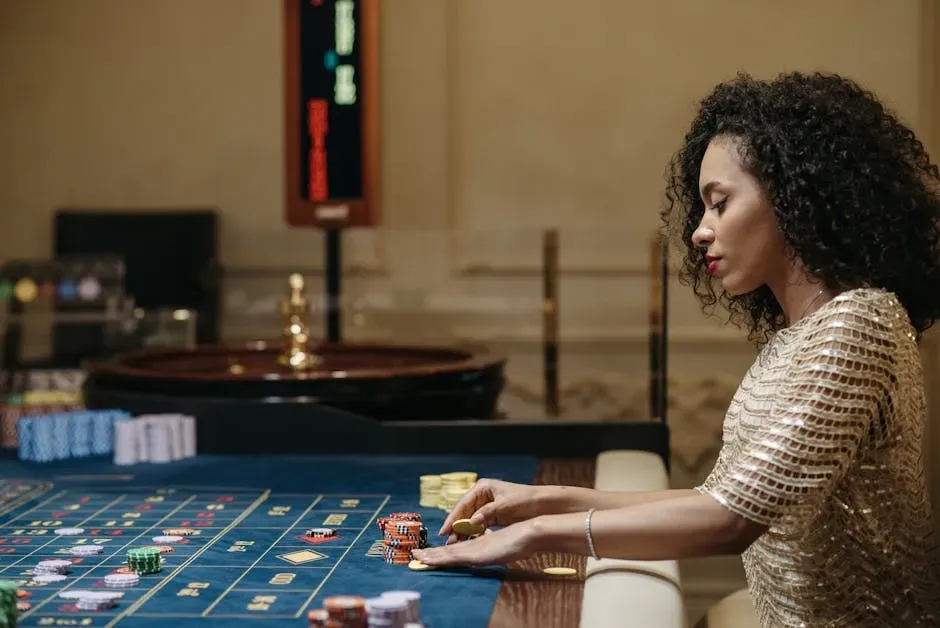
Superstitious behaviors are often associated with gambling, and those who gamble often believe that even chance games can be controlled through skill or supernatural means. Gambling produces a sufficient high-stakes, anticipatory environment that helps to motivate superstitious behavior.
The cognitive-behavioral theory of problem gambling deems that gambling-related cognitions are a salient antecedent of gambling behaviors. Evidence has been documented by an abundance of empirical research showing that the effects of erroneous beliefs, including the illusion of control on game outcomes, on problem gambling are robust.
A gambler who thinks that he or she is lucky tends to believe that they would win as a result of that luck, and the expectation of luck-based wins then leads to gambling problems. That loop, belief leading to expectation, expectation leading to continued play, is precisely where manageable superstition slides into something harder to break.
What the Research Tells Us Overall
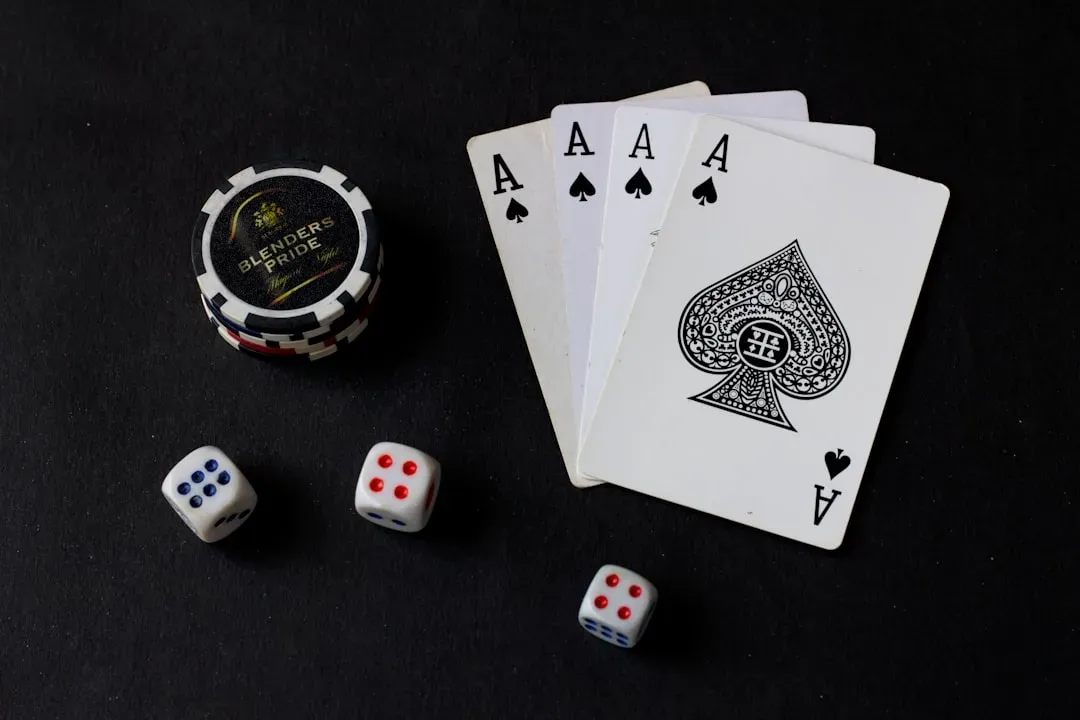
A January 2024 nationwide survey of 3,000 U.S. residents, including 1,000 online gamblers, measured the prevalence of pre-game rituals and superstitions across gaming communities. Among gamblers, nearly a third declared themselves superstitious. That’s a large enough share to meaningfully influence how people bet, how long they play, and what they spend.
Superstition can breed overconfidence, speeding play by increasing hands or spins per hour, and inflating bets while chasing “hot” streaks. It shifts mood, not mathematics, and can accelerate losses.
Superstitions often stem from a fundamental human desire for control and certainty in an uncertain world. Psychologically, they offer a sense of security and predictability even in situations governed by chance. Research has shown that superstitions can alleviate anxiety and boost confidence, leading individuals to believe they have some influence over outcomes.
Conclusion: Believing Doesn’t Change the Odds, But It Changes the Gambler
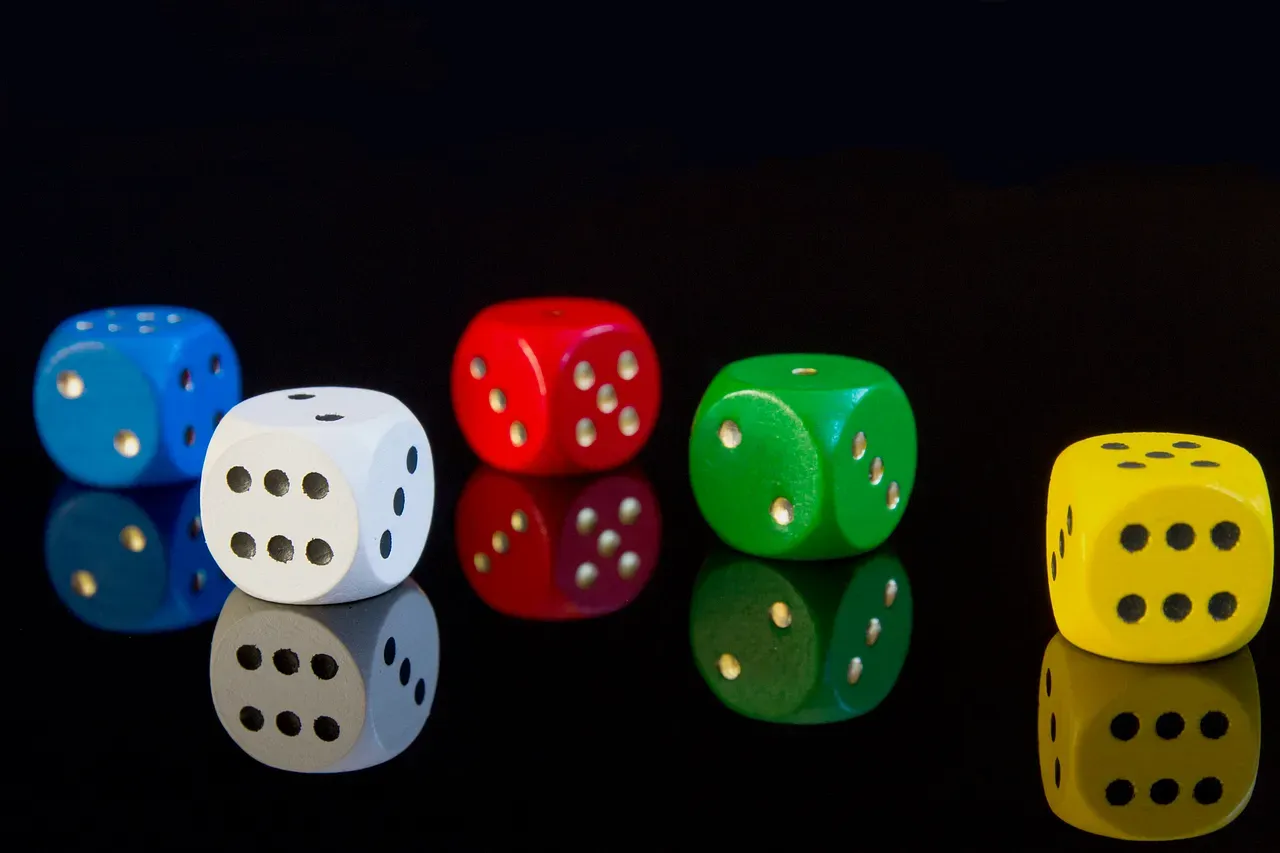
The three superstitions covered here, lucky charms, lucky numbers, and the belief in hot or cold streaks, don’t affect the cards, dice, or algorithms in any game. What they do affect, consistently and measurably, is the person holding the charm, picking the number, or chasing the streak. That distinction matters.
There is a growing shift toward viewing superstitions as entertainment rather than steadfast beliefs. More players recognize the psychological effects of their rituals, using them to enhance enjoyment and engagement rather than solely relying on them for luck. This understanding encourages responsible gambling as players keep their expectations in check while still indulging in customs they find comforting.
Understanding why we hold these beliefs is more useful than simply trying to discard them. Superstition in gambling is ultimately a story about uncertainty, and the very human instinct to find order within it. The game is random. The psychology behind how we play it is not.
Partner offer
Planning a trip to Vegas?
Compare hotel rates and show tickets on VEGAS.com.