
The Emotional Crash No One Talks About Before You Book

Post-vacation blues, also referred to as post-vacation syndrome or post-travel depression, is a temporary emotional state characterized by feelings of sadness, anxiety, irritability, and disorientation that individuals commonly experience upon returning to everyday routines after a period of leisure or travel. It’s one of those things you only understand once you’ve lived it. You get home, drop your bags by the door, and something shifts. The light feels duller. The apartment feels smaller. Your regular Tuesday morning feels almost offensive.
The phenomenon has been noted in psychological literature since the 1950s, and is not classified as a clinical disorder but represents a normal adjustment response to the contrast between the relaxation and novelty of vacation and the demands of work or home life. Normal or not, the experience can hit hard, especially for people who’ve been leaning on travel as their primary escape from stress. The condition typically manifests through a range of symptoms that can vary in intensity but generally subside within one to two weeks. For some, though, those two weeks stretch much longer.
More Common Than You’d Think
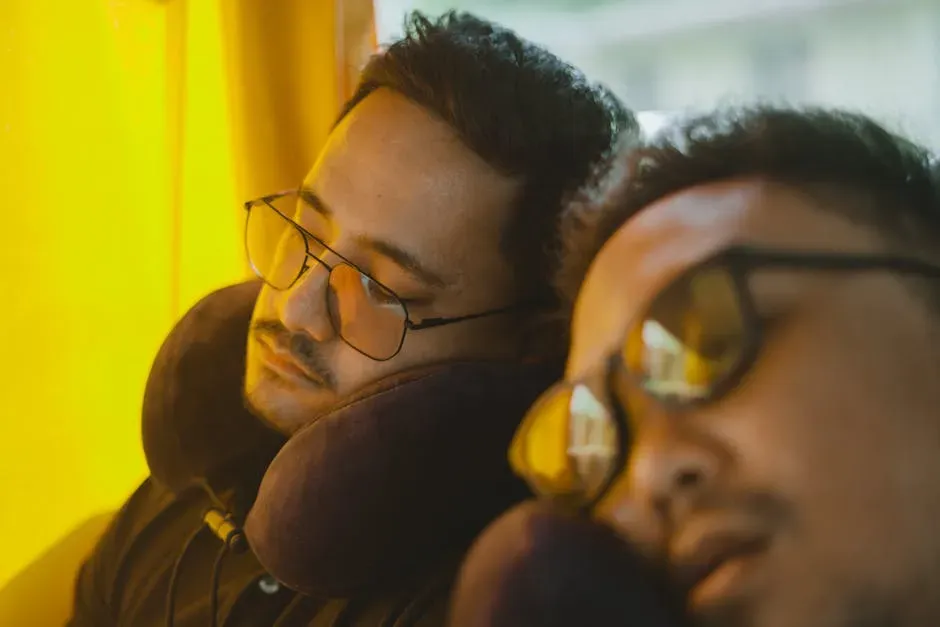
In the UK, a 2017 survey indicated that more than half of British travelers feel depressed or deflated after coming home from a holiday. In the United States, the numbers tell a similar story. A TripAdvisor survey of 1,400 Americans found that over a third of respondents who took a summer vacation experienced post-vacation blues upon returning home, and a more recent 2024 survey reported that roughly four in ten Americans dread returning to work after time off, often manifesting as emotional letdown.
The numbers shift depending on the study and the population, but the pattern is consistent. Estimates range from roughly a third to over half of travelers depending on the population and methodology. Post-vacation depression isn’t an official condition, yet one poll found that about one in five people in the U.S. experience it after every single trip. That’s a significant slice of the traveling population quietly suffering a mood dip they weren’t quite prepared for.
What’s Actually Happening in Your Brain
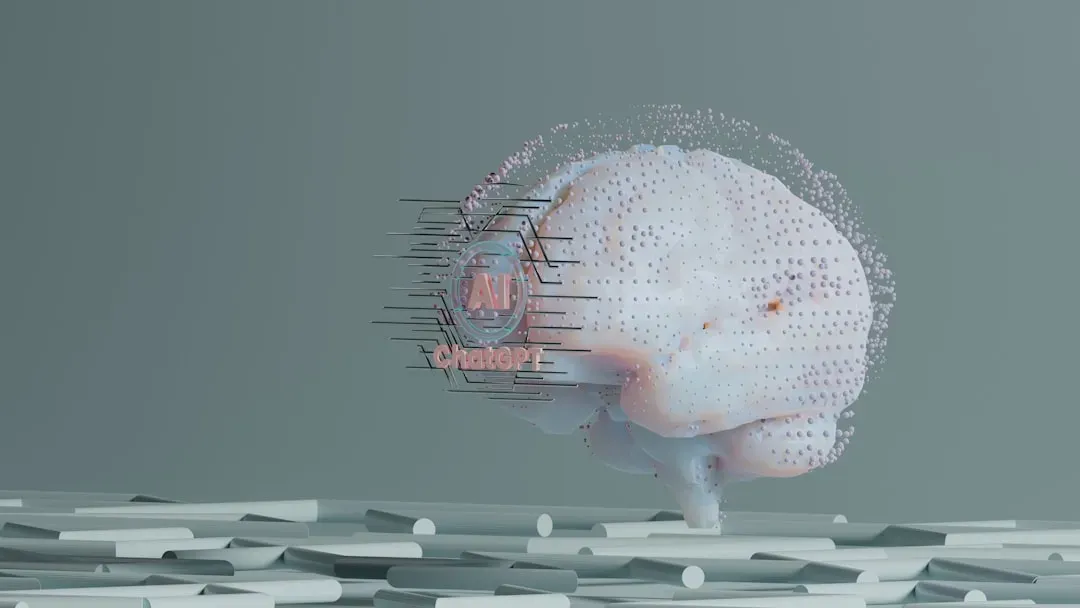
Neurochemical changes play a central role, including a drop in dopamine levels following the excitement and novelty of travel, which can lead to reduced motivation, pleasure, and a sense of flatness. Your brain, essentially, was running on high-stimulation fuel, and now it’s back to the regular unleaded. Post-vacation blues could be your brain adjusting back to its normal dopamine levels, and low dopamine levels have a known connection to depression.
Adrenaline levels may fluctuate as well, rising during vacation anticipation and taking time to readjust upon return, contributing to fatigue. There’s also the circadian rhythm factor, which compounds the neurochemical dip. Eastward travel typically requires an advance of the circadian rhythm by about 57 minutes per day, while westward travel requires a delay of roughly 92 minutes per day, prolonging symptoms like exhaustion in travelers spanning more than five time zones. The body and brain are both catching up at the same time, which explains why even the most optimistic returners can feel genuinely rough for a week after landing.
When Travel Becomes a Crutch

The persistent use of avoidant forms of coping, including escapism, is often present in mental health conditions including anxiety disorders and depression. There’s a meaningful difference between traveling because life is good and you want to explore it, versus traveling because you can’t stand being in your own life. The first nourishes you. The second only delays what you left behind. Travelling to escape can be unhelpful when it is someone’s only coping strategy and when used persistently or in excess.
The clearest warning signs include feelings of dread when coming home at the end of a trip, being stuck in a cycle of using travel to cope without being proactive in changing the underlying situation in other ways. If every return home feels devastating, the problem almost certainly isn’t the home. Post-vacation depression may be temporary and resolve on its own as a person readjusts to their routine, but it can sometimes be a sign of underlying issues such as chronic stress, burnout, or dissatisfaction with life. That’s the distinction worth sitting with.
The Workplace Impact Nobody Admits
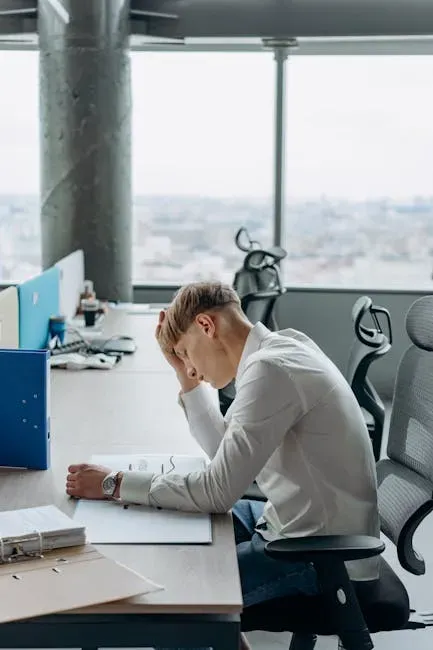
Post-vacation, U.S. workers struggle with concentration, increased tardiness and absences, and lower job satisfaction. More than half of employees have even considered quitting after returning from a break. That last figure is striking. The holiday is supposed to recharge people, yet for a notable portion, it seems to do the opposite once they’re back at their desk.
Partner offer
In a 2020 study of 60 workers, researchers measured psychological changes before, during, and after vacation. There was no change in negative emotions, stress, and aggression before the vacation, but these all decreased significantly afterward. However, resuming work or school reintroduced the stressors and responsibilities people had before the vacation, thereby increasing stress again. The relief wasn’t sustained. It was borrowed. And the bill came due the Monday after they returned.
The Social Media Problem Making It All Worse
Social comparison driven by social media often results in negative emotions such as anxiety, depression, and low self-esteem. When we see people seemingly living their best lives on vacation, we can begin to feel as though our own lives don’t measure up. This type of thinking can distort reality and make us feel isolated, even when connected to thousands of people online.
Beyond inauthentic travel photos, users have criticized the fabrication on social media of a “perfect life” that does not exist. Concerns have also arisen over wealth-flaunting posts that generate anxiety among younger users who may constantly compare themselves to others. Scrolling through other people’s perfectly curated beach photos the week you return to your commute is, in a word, brutal. About 38 percent of Gen Zers and 28 percent of millennials claim social media has made them overspend on travel after seeing other users’ vacation photos, which suggests that social comparison doesn’t just affect mood after travel. It actively shapes the decisions that create the cycle in the first place.
Short Trips Aren’t the Fix You Think They Are
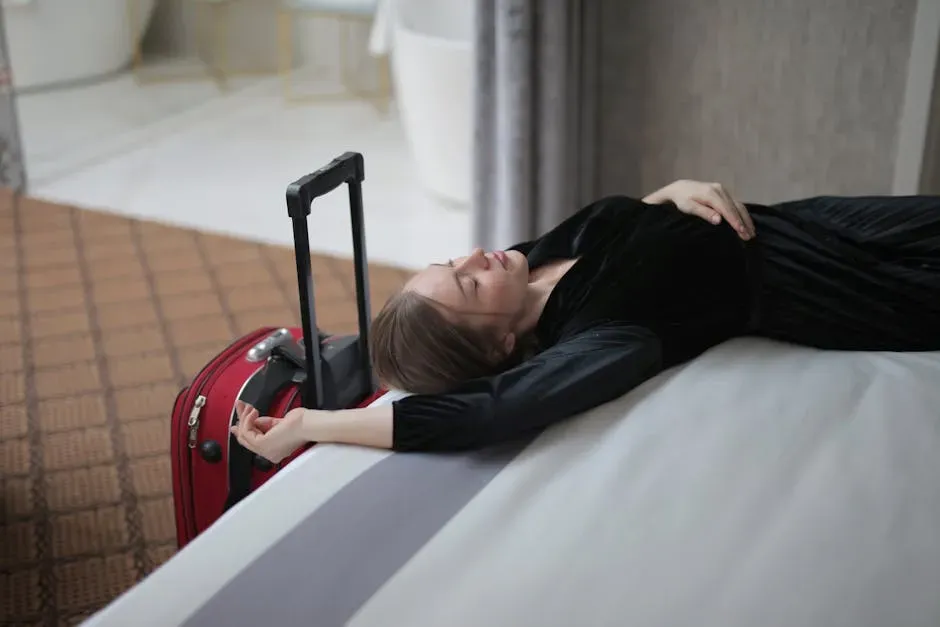
There’s a popular theory that the solution to post-trip blues is simply to travel more often. More weekends away. More micro-adventures. But the research complicates that logic. People who take frequent short trips report temporary stress relief but no long-term improvement in overall life satisfaction. The relief resets each time, but so does the crash. Although being on vacation may help to relieve stress and improve mood, the positive effects may not always last upon returning home. People may experience emotional discomfort, nostalgia, or an increase in stress when returning to their routine, work, or studies.
If we return to a routine that feels overloaded with stress and frustration, the post-vacation blues may even become more pronounced. Short trips taken as an escape strategy can actually deepen the problem. The gap between holiday and home grows sharper each time. Even as travelers can find joy, awe, relief, and laughter in a beautiful destination, the reality is that whatever problems exist will be waiting back at home. No amount of flight miles changes that.
What Actually Helps (and What Doesn’t)

Addressing post-vacation blues involves maintaining consistency in daily routines and practicing mindfulness. A regular schedule with self-care activities like exercise and meditation can extend a vacation’s positive impact. These aren’t glamorous solutions, but they’re grounded in what the evidence actually supports. Practicing mindfulness techniques took the lead among strategies people use to ease the transition back to everyday life. By tuning into your senses and grounding yourself in the present, you can manage stress, decrease anxiety, and cultivate a sense of peace and calm.
If someone has a range of coping strategies and occasionally uses travel to temporarily escape the stresses of life, this is likely to be helpful. Travelling in this way can help gain the distance and perspective needed to manage and cope with life’s day-to-day challenges. Travel isn’t the enemy here. The over-reliance on it is. When post-vacation depression is a sign of underlying issues such as chronic stress, burnout, or dissatisfaction with life, it’s important to address the root cause and develop coping strategies to promote long-term emotional well-being. That’s the work no airport can do for you.
Conclusion: The Trip Ends. The Life Doesn’t.

Post-trip blues are real, documented, and widespread. They’re not a weakness, and they’re not something to dismiss. For most people, they fade within a couple of weeks as the brain recalibrates and routine finds its rhythm again. The harder conversation is for those who feel them intensely, repeatedly, and with a growing dread toward everything waiting at home.
Travel is one of life’s genuine pleasures. The problem isn’t the travel itself. Travel in and of itself is not the solution to our problems, and for many people travel can also be laced with additional stresses, fears, and anxieties. Depending on how we apply the knowledge and experiences we gain when we travel into our healing journeys, there is evidence to suggest it can have a more lasting effect. The destination was never the answer. It was always just a very good question worth sitting with when you get back.
Partner offer
Planning a trip to Vegas?
Compare hotel rates and show tickets on VEGAS.com.