Las Vegas has always played by its own rules. It builds, it dazzles, and then – without much ceremony – it blows things up and starts all over again. No city on earth reinvents itself with quite so much explosive enthusiasm. Three of the most beloved landmarks on the Strip have vanished in recent years, and each one left behind a story worth telling. Let’s dive in.
The Tropicana: “The Tiffany of the Strip” Meets Its End

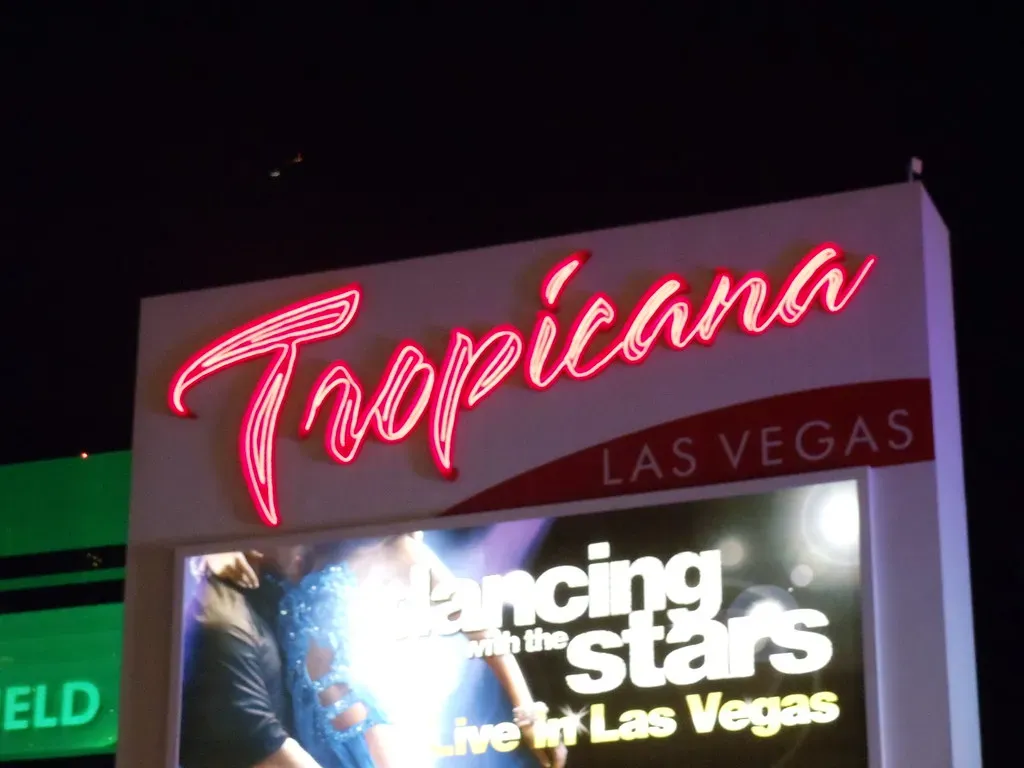
If you visited Vegas before 2024, you probably walked past the Tropicana without fully realizing you were standing next to one of the last true mid-century survivors. The Tropicana Las Vegas was a casino hotel on the Las Vegas Strip in Paradise, Nevada, and it operated from 1957 to 2024. That is 67 years of history, showgirls, and high-rolling celebrities compressed into one stretch of glittering real estate.
The $15 million Tropicana opened on April 4, 1957, as the most expensive Las Vegas resort developed up to that point. To put that in perspective, it was so costly that its creator, Miami businessman Ben Jaffe, had to sell his share of the famed Fontainebleau Hotel in Miami Beach just to complete it. The Tropicana would be advertised as “the Tiffany of the Strip,” in reference to the high-end jeweler Tiffany and Co.
In 1959, the world-famous Folies Bergère revue opened, bringing the glitz of Paris to Las Vegas. With its dazzling showgirls, elaborate costumes, and high-energy performances, Folies Bergère would run for nearly 50 years, becoming one of the most beloved and glamorous productions in Strip history. Honestly, a 50-year run is something most Broadway shows can only dream about.
Hollywood Loved the Tropicana Too

In 1971, James Bond checked in when Sean Connery, as James Bond, appeared in a Tropicana suite in Diamonds Are Forever, forever linking the resort to cinematic history. It was not just a one-time cameo either. Other movies and TV shows that filmed at the Tropicana include the Las Vegas sequence of The Godfather, a 1978 episode of Charlie’s Angels, and the fifth season premiere of Malcolm in the Middle.
The Tropicana was the third-oldest hotel on the Strip, behind the Flamingo and the Sahara. That context makes its loss sting even more. There is something genuinely irreplaceable about a building that watched the Strip grow up around it over nearly seven decades.
How the Tropicana Said Goodbye
In 2024, Las Vegas witnessed the demolition of two significant hotels, including the Tropicana Las Vegas, which opened in 1957, closed on April 2, 2024, and was demolished on October 9, 2024. The farewell was, very Vegas, a spectacle. The implosion was preceded by a fireworks display and drone show featuring 555 drones, but no public viewing area was set up due to safety restrictions.
The implosion took down a total of 917,400 square feet. The demolition team cut 220 points into the 23-story Paradise Tower and packed them with 490 pounds of explosives. Standing on the Strip and watching that skyline change in seconds – that must have felt surreal for long-time locals.
What Now Stands Where the Tropicana Once Was

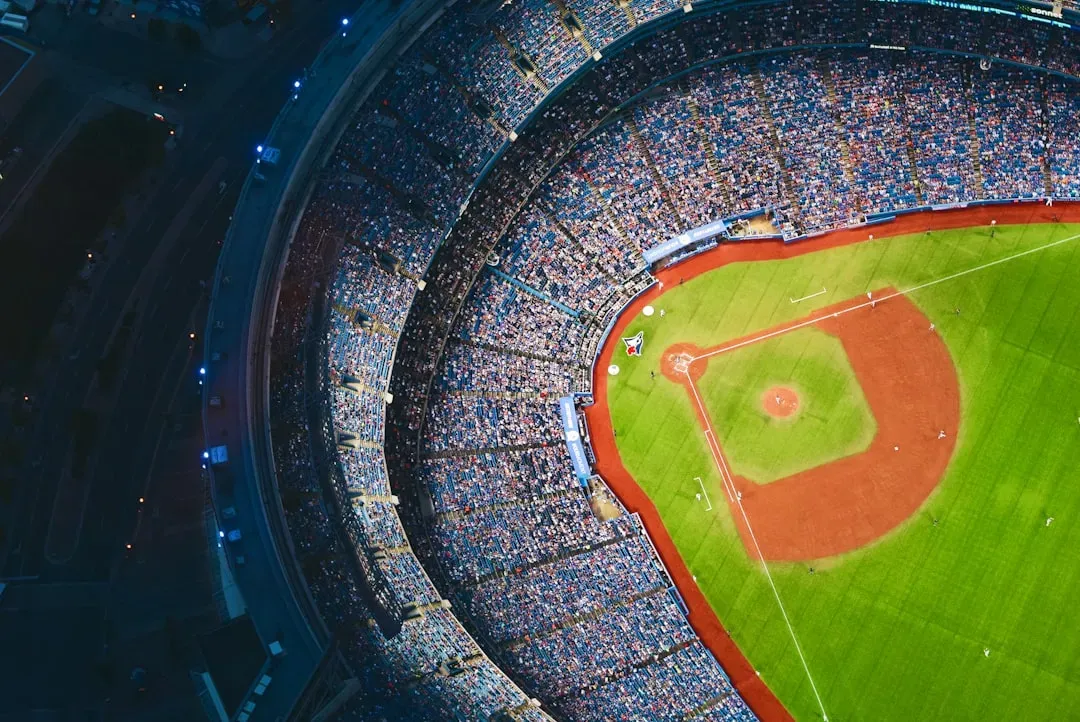
The Tropicana site is set to host a $1.5 billion baseball stadium, which will become the new home for the Oakland Athletics. This ambitious project is expected to redefine the southern end of the Strip, bringing in sports tourism and revitalizing the surrounding area. The stadium is projected to open in 2028.
Groundbreaking hit the dirt in April 2025 on the 9-acre northern chunk of the 35-acre former Tropicana site. The $1.75 billion ballpark, designed by Bjarke Ingels Group and HNTB, spans 1.2 million square feet with a fixed roof and a massive operable wall facing the Strip. When done, a 33,000-seat stadium will be at the heart of the Strip. I think that is one of the boldest bets Vegas has made in years – trading a casino icon for America’s favorite pastime.
The Stardust: Where Mob History Met Neon Glamour

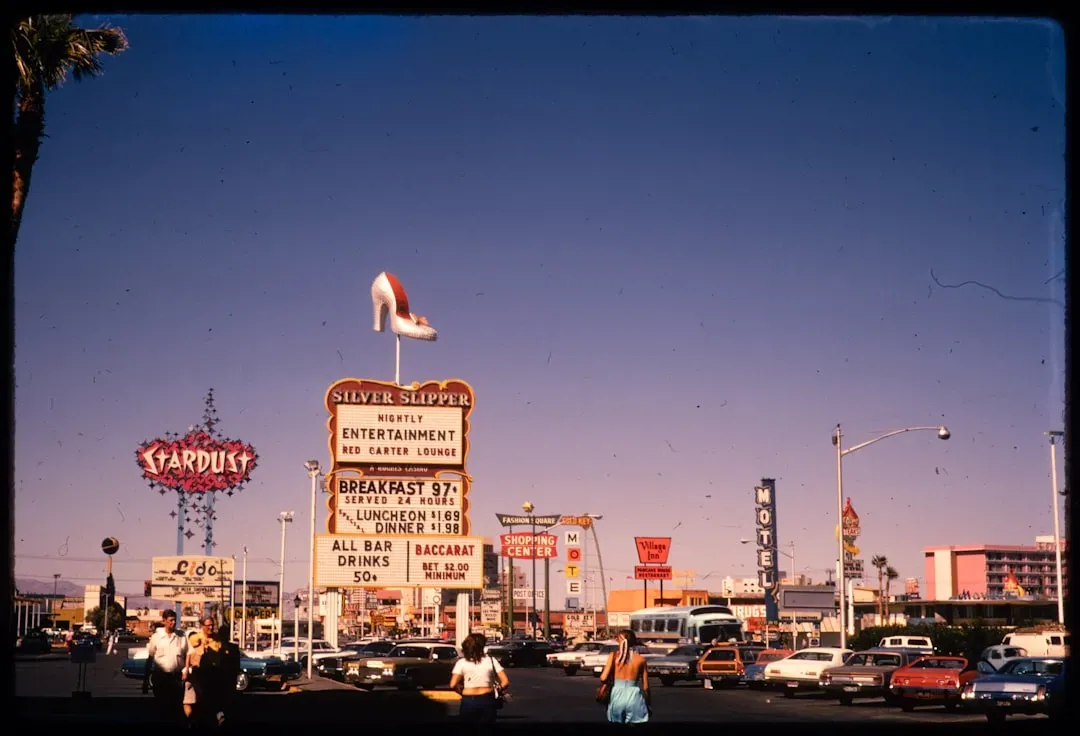
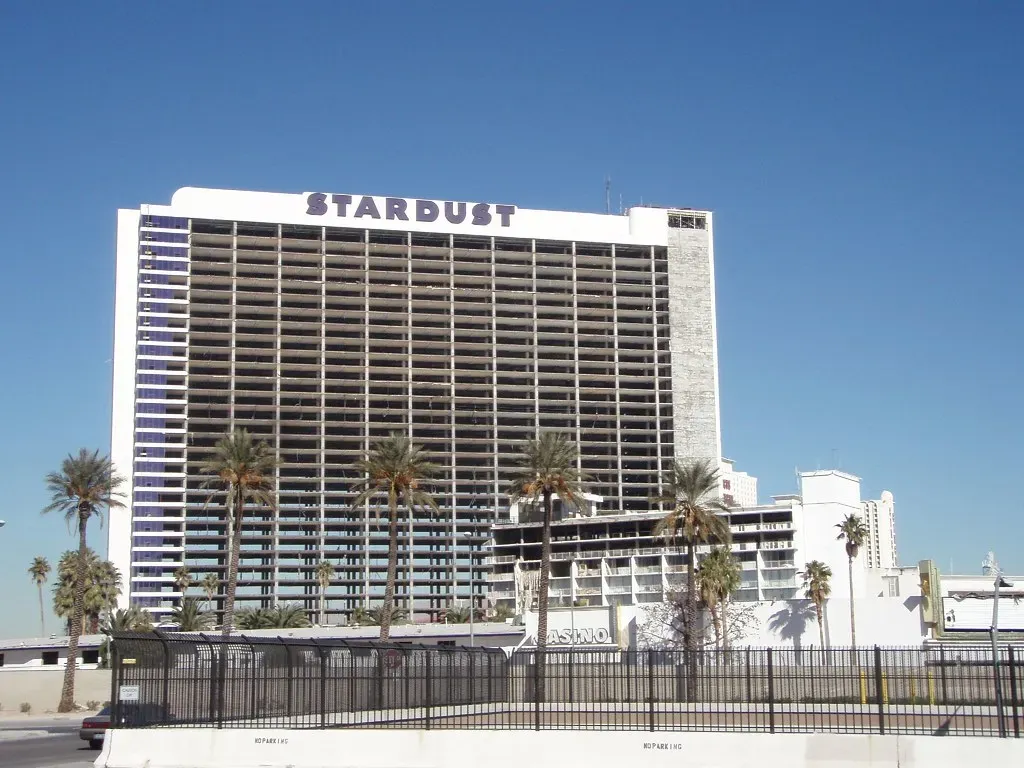
Construction on the Stardust casino began in 1955 and it opened on July 2, 1958. At the time, it had more than 1,000 hotel rooms and was the biggest hotel in Las Vegas. Let that sink in. The biggest hotel in the entire city, right there on the Strip. It is credited with being Las Vegas’ first mass-market casino, thanks to cheap rates and loss-leading food and drinks.
When it opened in 1958, the Stardust was the largest casino resort in Las Vegas. It was operated by men associated with Chicago and Cleveland crime syndicates. The mob connections were not just rumor. The institution on the Las Vegas Strip was the inspiration for the 1995 movie “Casino,” in which Robert De Niro played a character inspired by Frank “Lefty” Rosenthal, who ran the casino-hotel in the mid-1970s.
A roadside sign, designed by Paul Miller of the Ad Art Company, was installed in February 1968. It was 188 feet tall and 93 feet wide, and was among the most popular neon signs in Las Vegas. To put it simply – that sign was the Stardust. More recognizable than the building itself, it defined what neon spectacle meant on the Strip.
The Stardust Implosion and Its Messy Aftermath

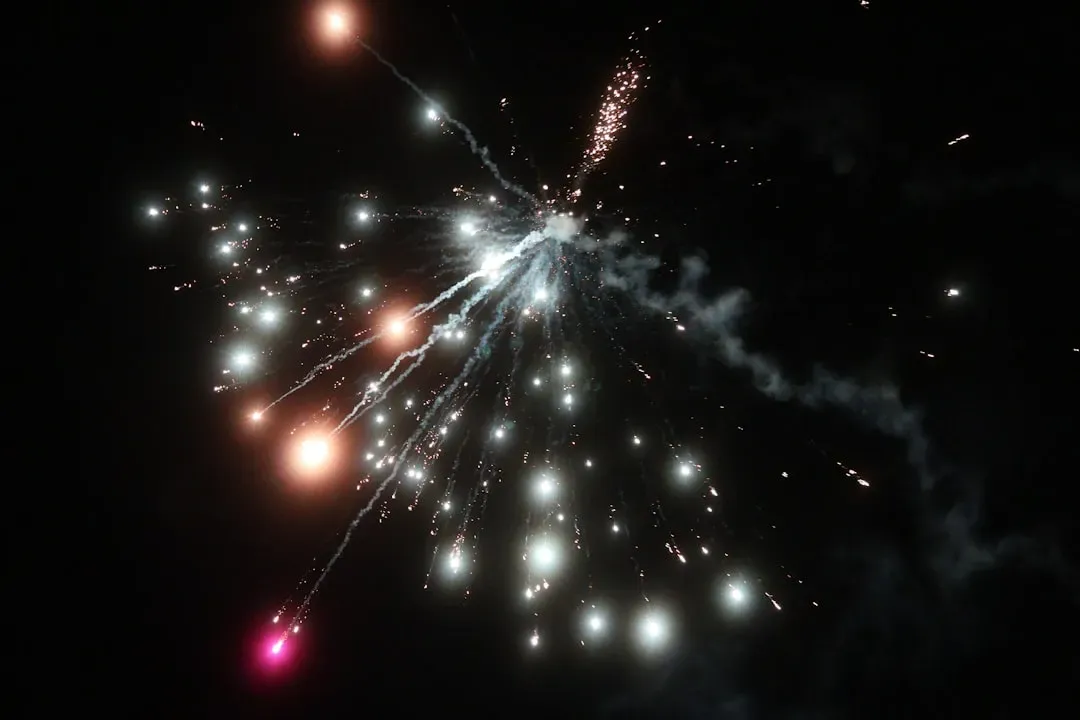
The Stardust closed on November 1, 2006, and the two hotel towers were imploded on March 13, 2007. The implosion of two towers, gutted to bare concrete and steel over the past three months, included a 32-story building that was the tallest ever felled on the Las Vegas Strip. It was a big moment for the history books.
Construction on the Echelon project that was meant to replace it was halted in 2008 because of financial problems caused by the Great Recession. Genting Group bought the Echelon project in 2013, and announced plans to finish it as Resorts World Las Vegas. It opened in 2021, after several delays. So the land sat largely idle for about 14 years. That is a long time for one of the most expensive pieces of real estate in America to just… wait.
What’s There Now: Resorts World Las Vegas

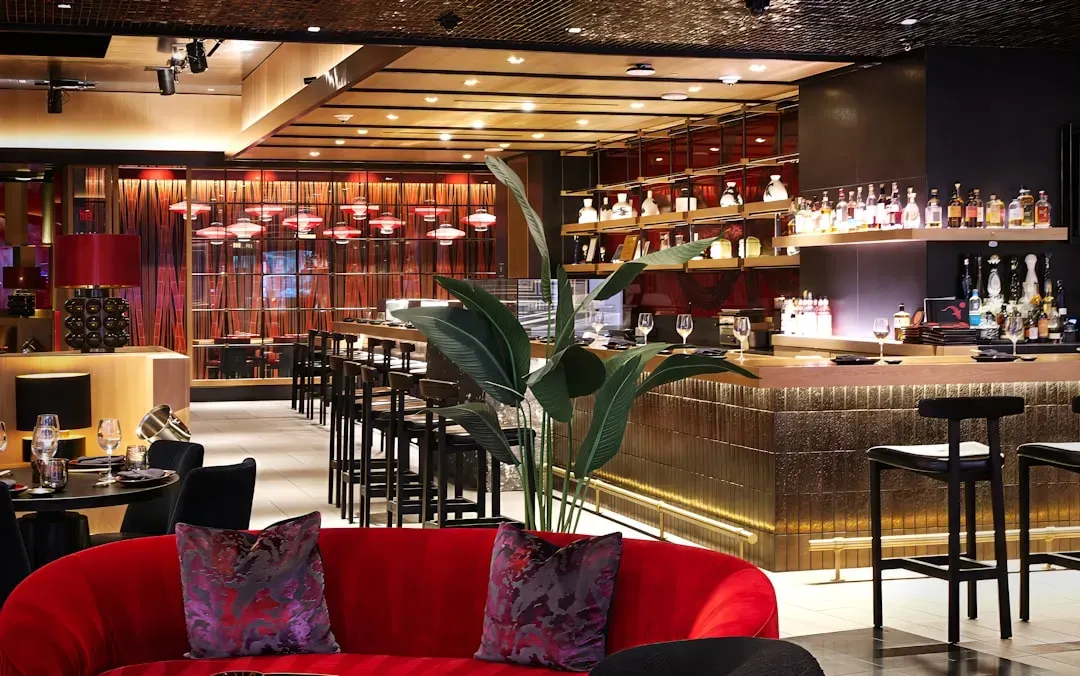
In 2013, the land found new life when Resorts World took over the space where Stardust once stood. Though locals were saddened to see Stardust go, Resorts World quickly became one of the city’s most popular destinations. The contrast between the two properties is almost poetic. The Stardust was gritty, mob-linked, and delightfully cheap. Resorts World is polished, global, and very expensive.
The Stardust’s popular roadside sign was given to the city’s Neon Museum. That sign now lives in the Neon Museum’s outdoor Boneyard, which is honestly one of the most beautiful and bittersweet places in Las Vegas. It’s hard to say for sure whether a giant luxury resort is the right replacement for a true icon of old Vegas, but at least the neon survived.
The Mirage: The Resort That Changed Everything
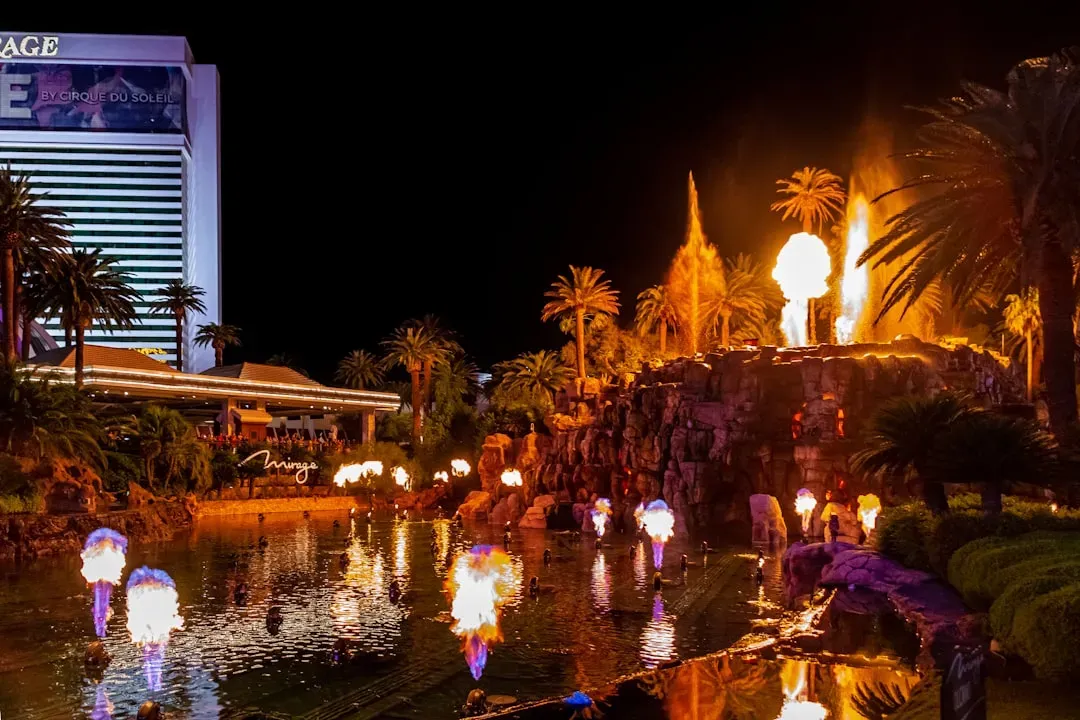
A previous casino resort, The Mirage, opened on the site in 1989 and will be incorporated into the new project. It is the second Hard Rock gaming property in the Las Vegas Valley; the earlier Hard Rock Hotel operated from 1995 to 2020. The Mirage was not just a hotel. It was a turning point. Created by Steve Wynn, the Mirage is credited with transforming the Strip and ushering in the era of modern-day casino resorts.
The Mirage shuttered its doors on July 17, 2024, ending a 34-year run that drew over 100 million visitors. One hundred million people. That is roughly a third of the entire United States population walking through a single building over three decades. Known for its Polynesian theme and the famous volcano attraction, the Mirage was a pioneer in creating themed resorts on the Strip.
The unique volcano attraction covered 4.5 acres, used natural gas pipes and water pumps to make it appear as if there was a lagoon on fire. The artificial attraction used not only fire and water but also red lights that helped create the effect of lava. Free to watch, every night, for years. It was the kind of attraction you just do not see anymore.
The Human Cost Behind the Mirage Closure
The closure of The Mirage required thousands of workers to change their employment. This painful but mandatory process impacted more than 3,000 workers. Still, Hard Rock helped the affected workers by organizing job fairs and paying approximately $80 million in severance packages. Behind every implosion and ribbon-cutting is a workforce whose entire livelihood was tied to that building. That part of the story does not always make the headlines.
Hard Rock finalized the acquisition of The Mirage from MGM Resorts back in December 2022 in a deal valued at $1.075 billion. For context, that is more than a billion dollars simply for the right to transform a property that had already been beloved by millions. Vegas plays in a league of its own.
What’s Rising in the Mirage’s Place: The Guitar Hotel

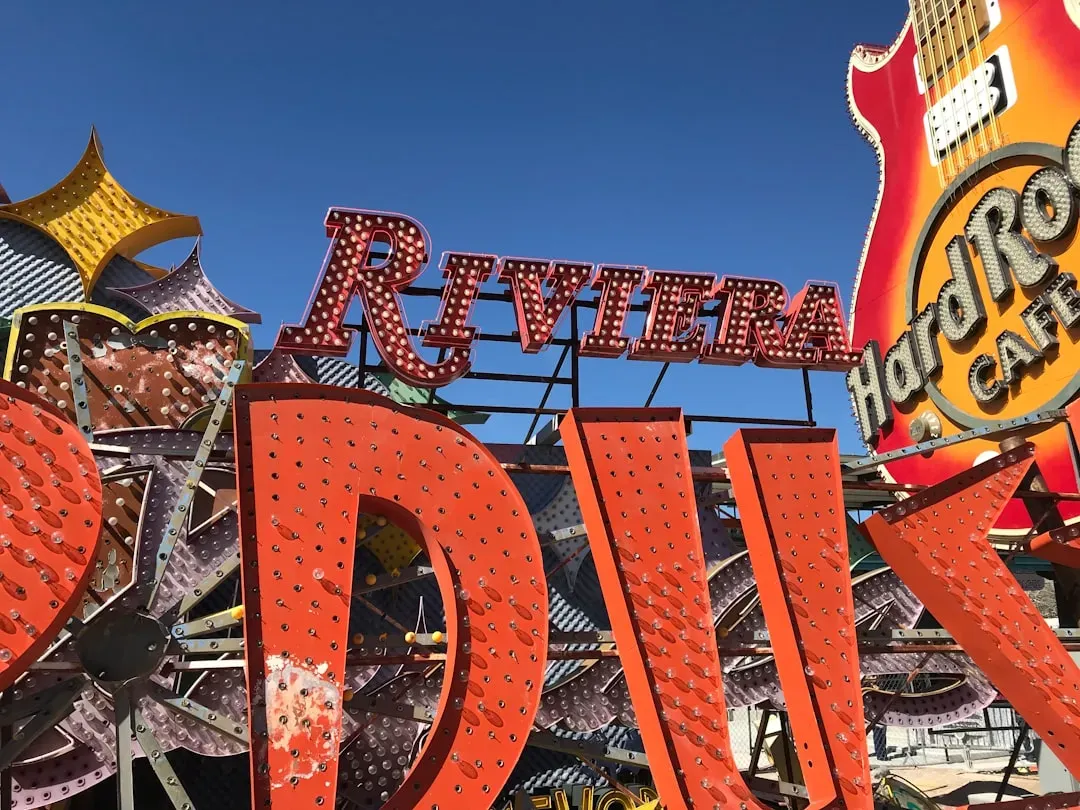
The Guitar Hotel rises directly from the ashes of the former property’s beloved volcano, which was demolished beginning a month after the Mirage closed its doors on July 17, 2024. Hard Rock International’s Guitar Hotel on the Las Vegas Strip has surpassed its halfway mark, continuing on schedule for its planned Q4 2027 opening. As of a view from January 4, 2026, with the framework for 28 stories already laid and 14 to go, construction has reached the waist of the giant electric six-string’s body.
A 660-foot guitar-shaped hotel tower, standing 40 stories tall and emblazoned with six illuminated “strings” that shoot laser beams skyward, will replace the aging volcano lagoon, offering 3,500 rooms in a sleek, rock-inspired design with suites overlooking the Strip. The transformation costs from Mirage to Hard Rock are estimated at $4.3 billion. That is an almost incomprehensible investment, and the guitar tower is already visible from both ends of the Strip as construction races toward its late 2027 target.
Las Vegas has never been sentimental. It has always been about what comes next, what glitters brighter, what pulls in more visitors. The Tropicana, the Stardust, and the Mirage were each irreplaceable in their own way – monuments to different eras of excess and imagination. What replaces them may be technically grander, but something genuinely irreplaceable has walked out the door. What do you think – is Vegas better for tearing down its legends, or is something essential being lost forever? Tell us in the comments.