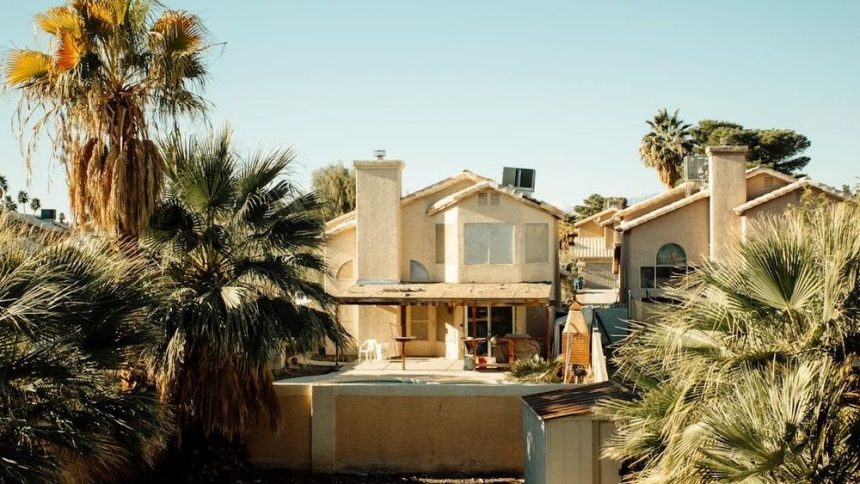
The Las Vegas housing market isn’t what it used to be. After years of rapid appreciation and bidding wars, the valley is settling into something calmer, quieter, and frankly, less exciting for sellers who hoped to cash in on endless price climbs. For the first time in a while, buyers have breathing room.
The median sale price for a house in Southern Nevada sits at $470,000, a 3.1 percent dip or $18,995 off the record high set in November of last year. Roughly 62.3 percent of home sales in the county are selling under list price, and home prices in the county are expected to rise only 1.3 percent. That’s not the kind of growth that builds wealth quickly or rewards speculation. When you stack that against national forecasts predicting moderate growth of around two to four percent annually through 2027, it’s clear some neighborhoods are entering a period of stagnation.
Not every part of the valley is facing the same fate. Some areas are still holding steady, but others are showing clear signs of flatlining price momentum. Let’s dig into three neighborhoods where home values may not climb much at all over the next couple of years.
North Las Vegas

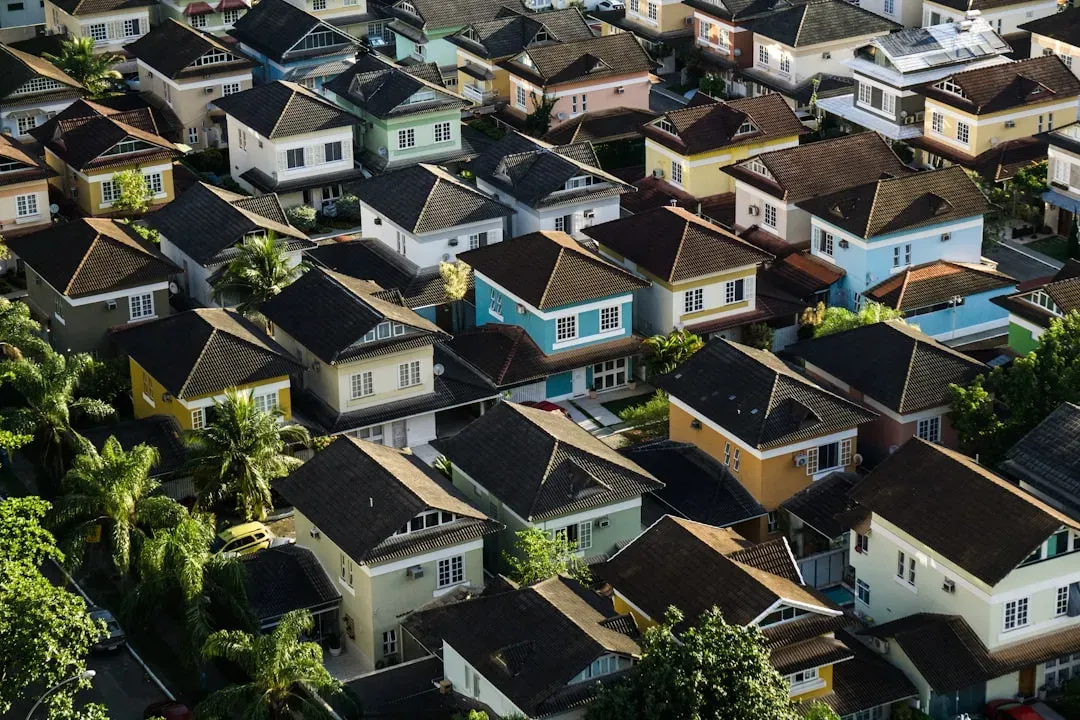
This area has always been more affordable than its southern neighbors. That’s part of the appeal. It’s also part of the problem when the broader market slows down.
North Las Vegas home prices were down 1.2% compared to last year, selling for a median price of $410K. On average, homes in North Las Vegas sell after 48 days on the market compared to 37 days last year. That extra time on the market tells you something important: demand is softening.
North Las Vegas has long been the entry point for first-time buyers and working families looking to get into homeownership without stretching budgets too thin. When mortgage rates stay elevated and affordability doesn’t improve much, those buyers become more cautious. They wait. They negotiate harder. They walk away if the deal doesn’t feel right. The result is a market where sellers can’t push prices higher without scaring off the few interested parties still browsing listings.
The area also has significant new construction activity, which adds inventory and competition. When builders are actively selling brand-new homes with incentives like rate buydowns and closing cost assistance, older resale homes have to compete on price. That caps appreciation. If you own here and you’re counting on strong gains by 2027, it might be time to adjust expectations.
Paradise

Paradise sits closer to the Strip, which sounds like a good thing until you realize how rental-heavy and transient the neighborhood can be.
Paradise saw the biggest drop at 14.3 percent year-over-year to end 2025 in rental prices, which signals weakening demand across both rental and ownership markets. When rental prices fall that sharply, it often means the area is oversupplied or losing appeal to the kinds of tenants and buyers who drive price growth.
Paradise has an older housing stock compared to newer master-planned communities in Henderson or Summerlin. Many homes here need updates, and in a market where buyers have choices, properties that aren’t move-in ready sit longer. Investors who bought here during the pandemic boom are now competing with each other to lease or sell, and that competition is keeping prices flat or pushing them down.
The neighborhood also lacks some of the amenities and school ratings that attract families willing to pay premium prices. Without strong demand from owner-occupants, appreciation stalls. If you’re looking at Paradise as a long-term investment, the next couple of years might not offer much upside unless something changes dramatically in the local economy or development landscape.
Spring Valley

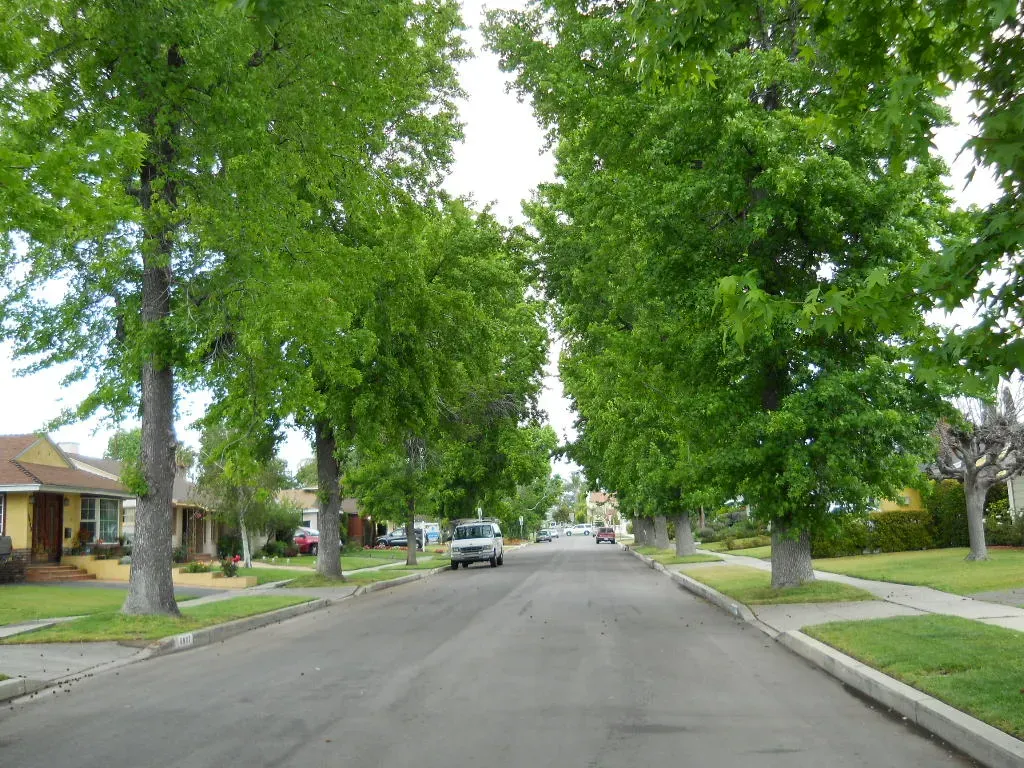
Spring Valley used to be one of the more desirable suburban pockets on the west side. It still has decent schools and established neighborhoods, but it’s losing ground to newer communities with more modern homes and better infrastructure.
The average Spring Valley home value is $420,787, down 1.8% over the past year. Prices were up in every market other than Downtown, Aliante, Southeast Las Vegas, and Spring Valley when compared quarter-over-quarter in recent reporting periods. That’s not a good sign when nearly every other part of the valley is holding steady or ticking up slightly.
Spring Valley’s housing inventory is mostly resale, with homes built in the 1980s and 1990s. Buyers today want open floor plans, energy efficiency, and smart home features. They want garages that fit three cars and backyards big enough for pools. Spring Valley homes often don’t check those boxes without serious renovations. In a market where new construction is plentiful and builders are offering incentives, older neighborhoods like Spring Valley struggle to compete.
The area also sits in the middle of the affordability spectrum, which means it doesn’t benefit from either the budget-conscious buyers flooding North Las Vegas or the move-up buyers targeting Henderson and Summerlin. It’s caught in the middle, and that’s a tough spot when appreciation slows across the board.
Why These Areas Are Vulnerable
Let’s be clear about what’s happening here. These neighborhoods aren’t collapsing. They’re not about to see a repeat of the 2008 crash. What they’re facing is something different: stagnation.
Home price growth is expected to be close to flat at 0.6 percent in the valley. Home sales also dropped 8.4 percent year over year, and the sales pace in January equates to nearly a five-month supply of homes on the market in Southern Nevada. When you have more supply, slower sales, and buyers who can afford to be picky, prices don’t climb. They plateau.
These three neighborhoods share common vulnerabilities. They have older housing stock, less desirable locations compared to newer master-planned communities, and demographic or economic factors that limit demand. North Las Vegas struggles with affordability constraints that keep buyers cautious. Paradise faces oversupply and rental market softness. Spring Valley is squeezed between newer, shinier options and budget-friendly alternatives.
Nationally, home prices are expected to rise 2.2 percent while home sales are expected to be up 1.7 percent in 2026, putting Las Vegas below the expected national average in both metrics. If the valley as a whole is underperforming the national market, the weaker submarkets within it will underperform even more.
What This Means for Buyers and Sellers


If you’re thinking about buying in one of these neighborhoods, you might have an opportunity. Prices aren’t likely to spike, which means you can take your time, negotiate, and probably get a better deal than you would have a couple of years ago. Just don’t expect rapid appreciation to bail you out if you overpay.
For sellers, the message is tougher. If you’re in North Las Vegas, Paradise, or Spring Valley and you’ve been waiting for the right moment to list, that moment might not come. Prices could stay flat or even dip slightly through 2027. If you need to sell, pricing aggressively and being flexible on terms will matter more than waiting for a market rebound that may not arrive.
Investors should be cautious. Rental costs are appreciating at 5% annually, more than double the 2.3% home price appreciation rate, and the average rent for a two-bedroom apartment in Las Vegas reached $1,850 per month in 2025. Rental income can still make sense in some cases, but if home values aren’t climbing, your return depends entirely on cash flow. In neighborhoods where both rents and prices are soft, the math gets harder.
The Bigger Picture

Las Vegas isn’t alone in this. Markets across the Sun Belt are seeing similar patterns. Home prices in Las Vegas remain stubbornly high compared to other Sun Belt cities such as Austin, Texas and Miami which are seeing substantial price drops as sales cool in those markets. That relative stability might sound like good news, but it also means the valley isn’t positioned for strong growth when affordability remains a barrier and inventory keeps climbing.
Forecasters think affordability could improve in 2026 for potential home buyers in the local market, however substantial movement is not expected unless mortgage rates drop significantly. Until that happens, neighborhoods like North Las Vegas, Paradise, and Spring Valley will likely remain stuck in neutral. They’re not crashing, but they’re not going anywhere either.
What do you think? Are you surprised by these neighborhoods, or does this match what you’ve been seeing on the ground? Let us know in the comments.