


There’s a familiar pattern whenever someone clears out a storage closet and posts the haul online. Younger viewers flood the comments with laughter, memes, or genuine bewilderment. Yet something strange keeps happening with music gadgets specifically: the laughter doesn’t last long before curiosity takes over.
It’s a generational cycle. Young people keep rediscovering their parents’ eras, influenced by Y2K and early-2000s aesthetics. The same gadgets that seem laughably outdated one moment end up being genuinely desired the next. Still, there’s an honest window of mockery before the nostalgia kicks in, and these three devices sit squarely in that window right now.
1. The iPod: A Pocket-Sized Relic That Somehow Still Has a Pulse

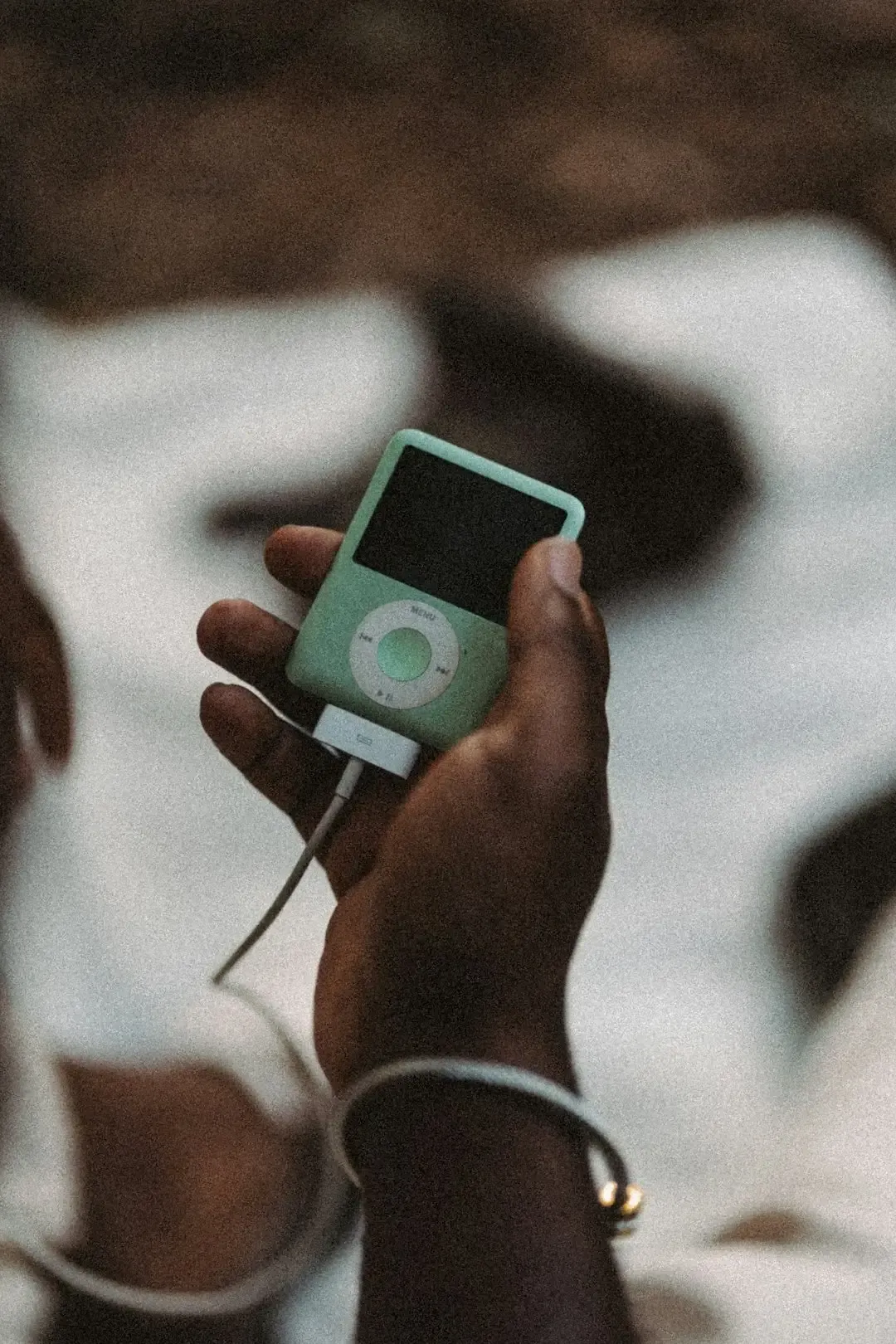
Apple discontinued the iPod lineup in 2022, officially closing the chapter on a device that once defined how a generation carried music. To most people under twenty, the idea of carrying a separate device just to listen to music feels almost absurdly limited. The iPod may seem like a relic to younger generations, but it represents more than a piece of tech history for dedicated fans. The scroll wheel, the tiny screen, the ritual of syncing through a cable: all of it reads as prehistoric compared to a phone that streams anything instantly.
For younger generations especially, the gadget’s comeback is part of a broader return to offline devices driven by digital burnout. Search interest for the original iPod and the iPod Nano spiked in 2025, and eBay searches jumped for the iPod Classic by roughly a quarter and the iPod Nano by a fifth between January and October 2025, compared to the same period in 2024. The MP3 revival also taps into so-called “friction-maxxing,” as younger people embrace more hands-on experiences over algorithmic ease, like manually loading a set number of songs onto an iPod instead of letting a streaming app curate a playlist. The jokes, it turns out, are mixed with something that looks a lot like envy.
2. The Portable CD Player (Discman): Comedy Item or Quiet Comeback Kid?

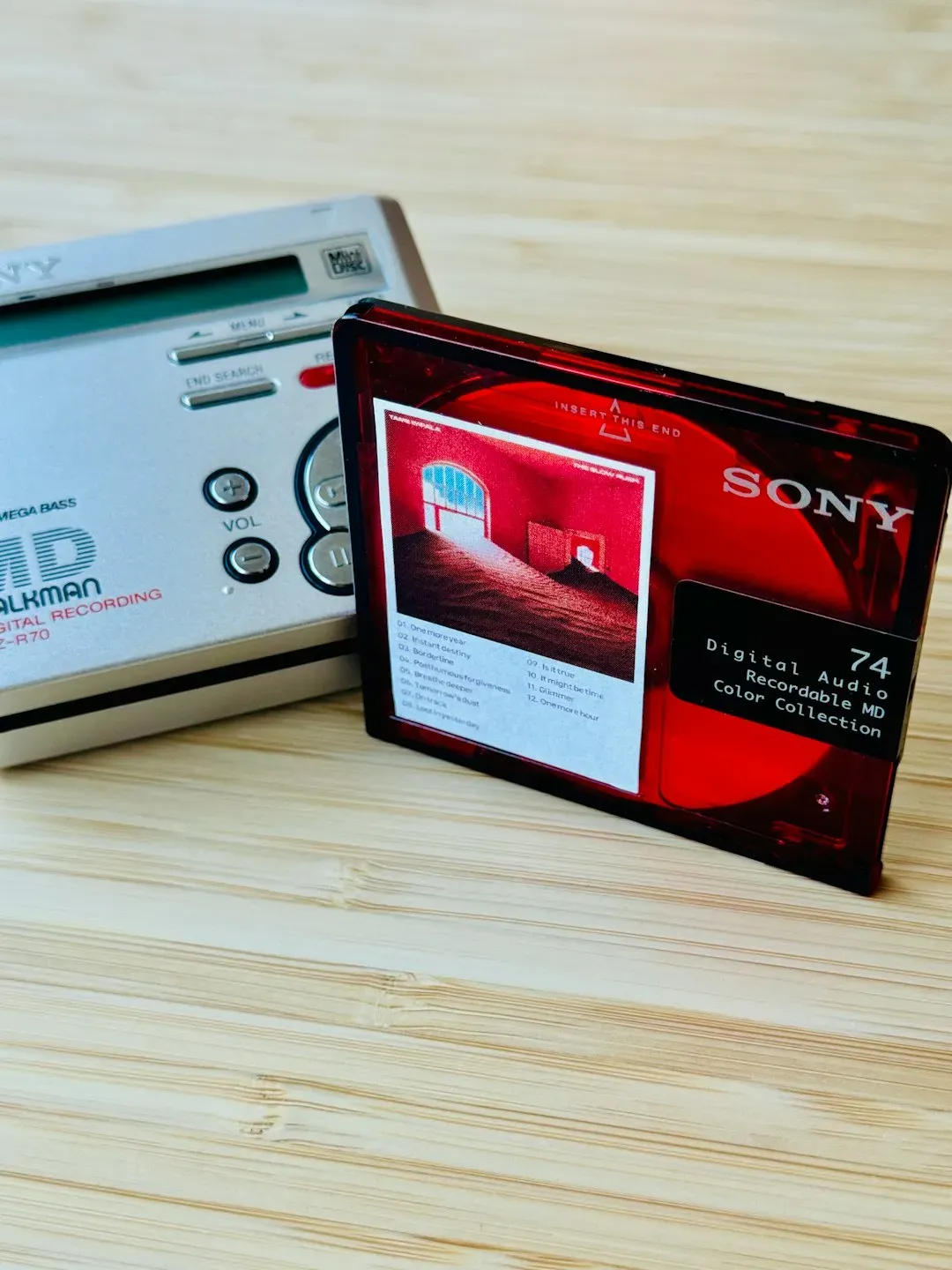
There’s another retro format making an unexpected comeback alongside vinyl: CDs. Compact discs were the successor to the cassette tape and the precursor to MP3 players, which then largely gave way to music streaming services. Young adults, particularly Gen Z, are rediscovering the humble portable CD player. Once dismissed as obsolete relics of the early 2000s, these compact disc devices are reappearing in dorm rooms, on subway platforms, and even at music festivals. The image of someone with a Discman clipped to their belt used to land as pure comedy. Now it’s starting to look intentional.
Partner offer

Physical music sales, including CDs, saw year-over-year growth in the UK in 2024 for the first time in two decades, indicating a reversal of a long-term decline. CD sales are narrowing the gap with vinyl, with a 2024 report showing them within about one million units of vinyl sales. There’s a growing perception among younger listeners that CDs deliver a warmer, more complete listening experience, and they support uncompressed 16-bit audio that many argue preserves dynamic range better than lossy formats. The mockery hasn’t disappeared, but it’s being quietly drowned out by the sound of disc trays clicking open.
3. The Standalone MP3 Player: The Device That Feels Most Pointless and Is Most Misunderstood

Nothing draws more baffled looks from Gen Z than a generic MP3 player, the kind that shipped by the millions in the mid-2000s with no brand name and four navigation buttons. In 2008, video-enabled players briefly overtook audio-only devices, but increasing smartphone sales led to a decline, with most manufacturers exiting the industry during the 2010s. Today, holding up one of these devices in a TikTok video practically guarantees a comment section full of laughing emojis and questions about what it even does. The honest answer, that it just plays music, is often met with more confusion than clarity.
MP3 players, more accurately called digital audio players, are seeing a small resurgence despite the domination of Spotify and Apple Music. Stores specializing in audio equipment have reported notably more customers looking for new MP3 players in the years since the pandemic. Fans of these players praise them for cutting down on distractions, avoiding streaming service fees, the temptation to swipe to other apps, and for giving the ability to really curate playlists and load higher quality versions of songs. The device that looked the most ridiculous is quietly becoming, for a small but growing crowd, the most deliberate choice in the room.
What connects all three gadgets is less about nostalgia and more about what they push back against. Each one does one thing and nothing else. No notifications, no algorithm deciding what comes next, no subscription that quietly expires. Music streaming isn’t fading anytime soon, with U.S. on-demand audio streaming reaching 1.4 trillion song streams in 2025, up from 1.3 trillion the year before. The irony is that the laugh usually comes first, but for many younger listeners, the punchline has a way of turning into the point.
Partner offer
Planning a trip to Vegas?
Compare hotel rates and show tickets on VEGAS.com.


