There’s something almost irrational about standing in line to visit a pawn shop. Not a museum, not a theme park – a pawn shop. Yet every morning, often before the doors even open, a steady stream of visitors lines up outside a modest building on Las Vegas Boulevard South, cameras ready, hoping to breathe in the same air as their favorite TV characters. The Gold & Silver Pawn Shop, the real-world home of the History Channel’s long-running hit Pawn Stars, has become one of the more fascinating tourism stories in modern American pop culture.
What makes it work isn’t what most people expect. It isn’t the chance to spot a celebrity. It isn’t the guarantee of rare artifacts or dramatic negotiations. It’s something harder to pin down, something that sits right at the intersection of nostalgia, curiosity, and the very human desire to make fiction feel real. So what exactly keeps the crowds coming? Let’s dive in.
A Pawn Shop That Became a Pilgrimage Site

After more than 15 years of Pawn Stars and its spinoffs airing on the History Channel, the Gold & Silver Pawn Shop has become a popular tourist attraction. The store itself has been open since 1989, long before television cameras ever pointed its way, brought into the global spotlight only when Pawn Stars premiered in 2009.
Film and television tourism refers to the phenomenon where individuals are inspired by films, television, and video content to visit the filming locations and studios, and it has grown increasingly popular with every passing decade of binge-worthy content. The Gold & Silver Pawn Shop is one of the most grounded examples of this. It isn’t a replica set or a theme park recreation. It’s a real, functioning business that happens to also be sacred ground for millions of fans.
The Numbers Don’t Lie: Daily Visitors and International Reach

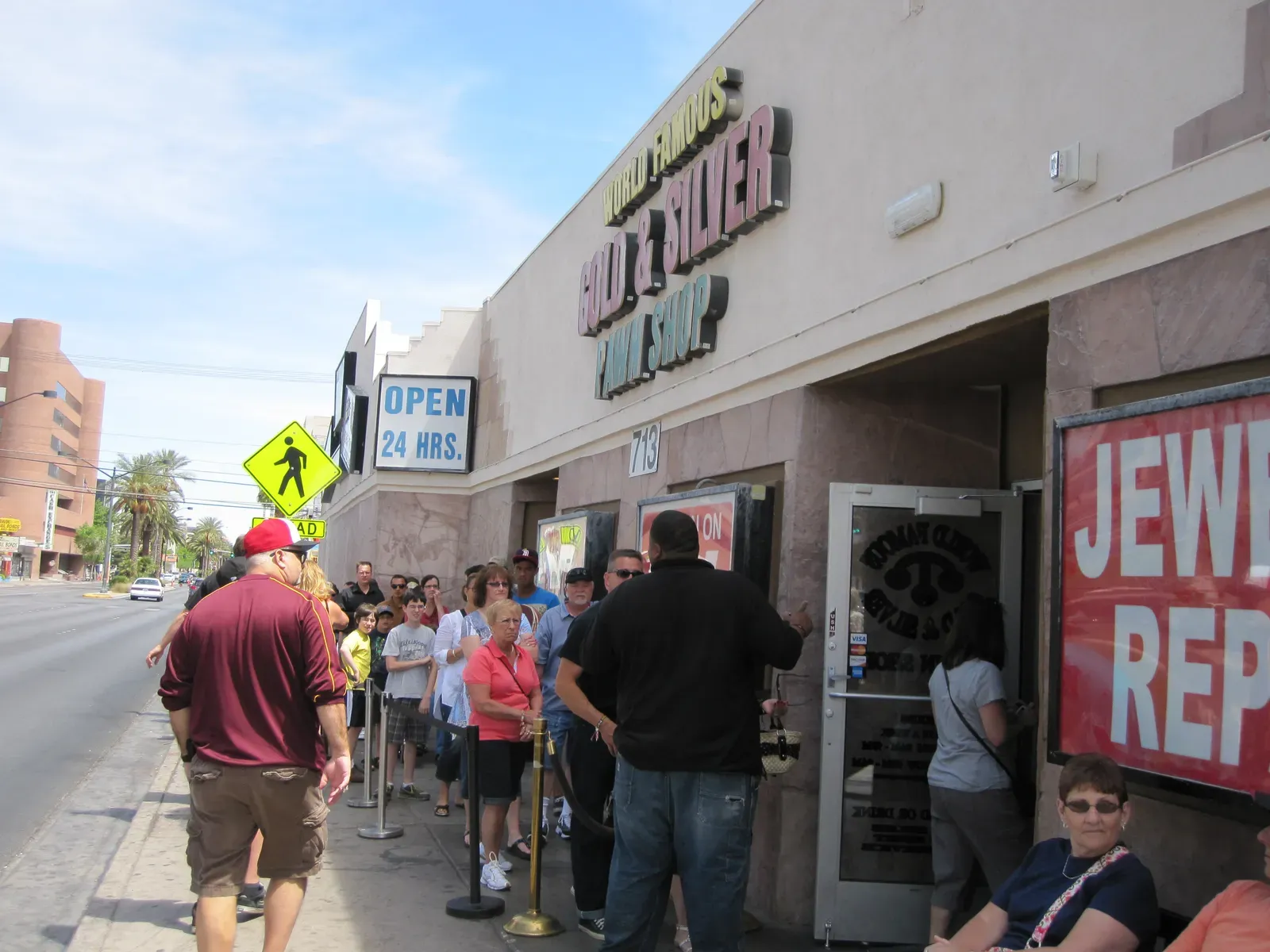
The Gold & Silver Pawn Shop attracts about 1,200 visitors per day, according to Rick Harrison himself. That’s not 1,200 during a special event or a filming weekend. That’s a fairly ordinary Tuesday. Think about that for a moment – roughly the attendance of a small college graduation ceremony, every single day, just to walk through a pawn shop.
Harrison has noted that roughly between forty to fifty percent of the people he gets are international visitors. That international draw is genuinely striking. This isn’t just American nostalgia tourism. People are flying in from other continents specifically to stand inside a store they’ve watched on television. That says something profound about the show’s global reach and the emotional investment viewers develop over years of watching.
Las Vegas: The Tourism Machine That Feeds the Shop

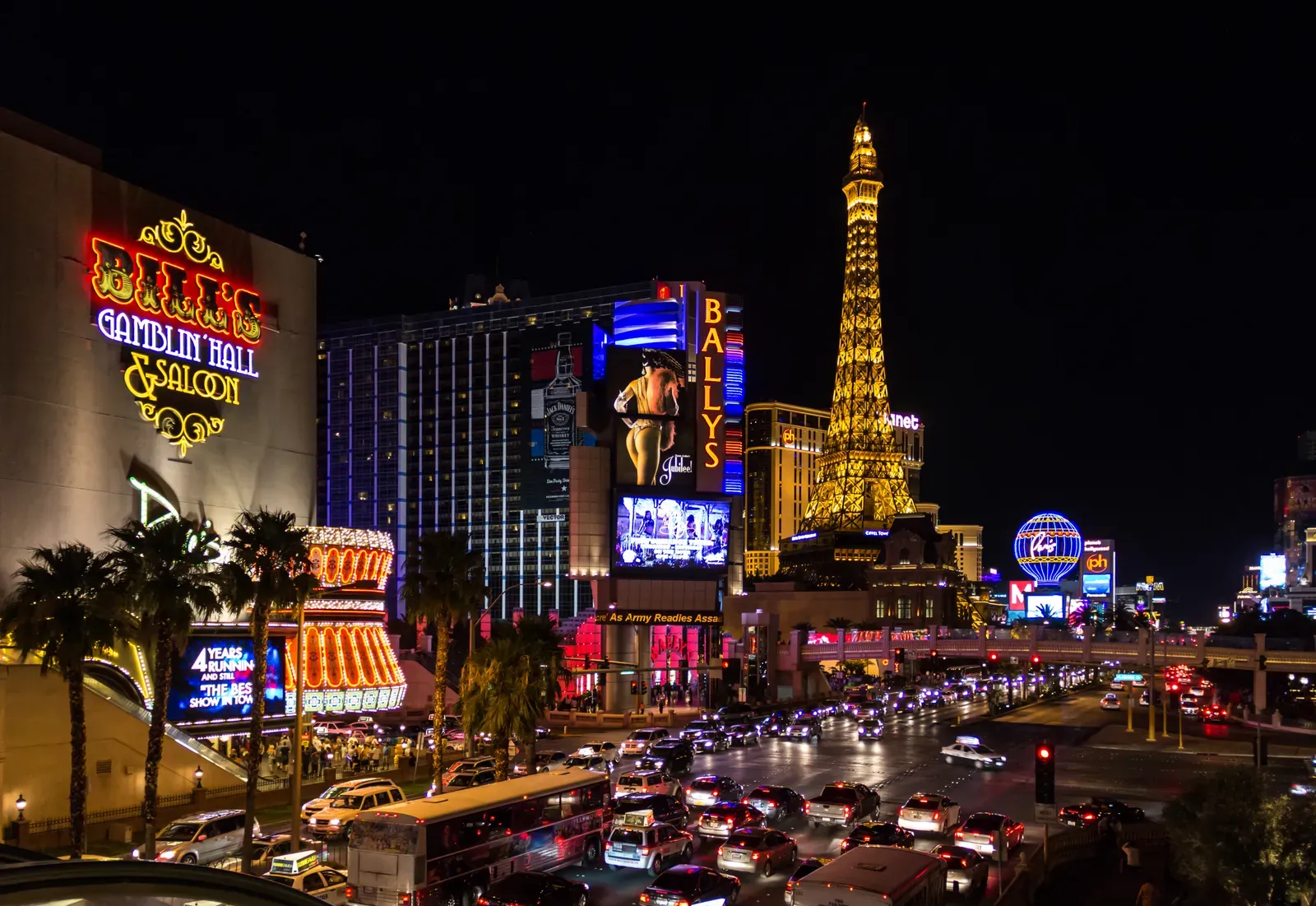
Las Vegas welcomed roughly 41.7 million visitors in 2024, a 2.1 percent increase from the previous year’s 40.8 million. That’s a city perpetually swimming in foot traffic, and the Gold & Silver Pawn Shop floats on that tide in a very real way. Even a small fraction of those tens of millions of annual visitors passing by its doors translates to a healthy, sustained crowd.
In 2023, the total economic impact of tourism in Southern Nevada reached 85.2 billion dollars, with direct visitor spending accounting for 51.5 billion dollars. Pop culture destinations like the pawn shop sit within that enormous ecosystem, benefiting from a city that essentially packages experience as its core product. Honestly, it’s hard to imagine the shop surviving in any other city quite as well as it does here.
The Show Is Still Alive – More Than You’d Think

Pawn Stars has aired across more than two dozen seasons, with Season 25 airing in late 2025 and Season 20 debuting in January 2026, making it one of the longest-running reality franchises on cable television. That’s not a show coasting on fumes. That’s a show still producing new content and still keeping its name in circulation for both loyal fans and curious new viewers.
As recently as August 2025, Pawn Stars ranked as the fourth most popular TV show on the History network in terms of online engagement. For a series that premiered nearly two decades ago, that’s a remarkable level of sustained relevance. It helps explain why visitors haven’t stopped arriving at the shop’s doorstep, because the show never really stopped being part of their weekly routine.
The Physical Space Itself Is the Attraction
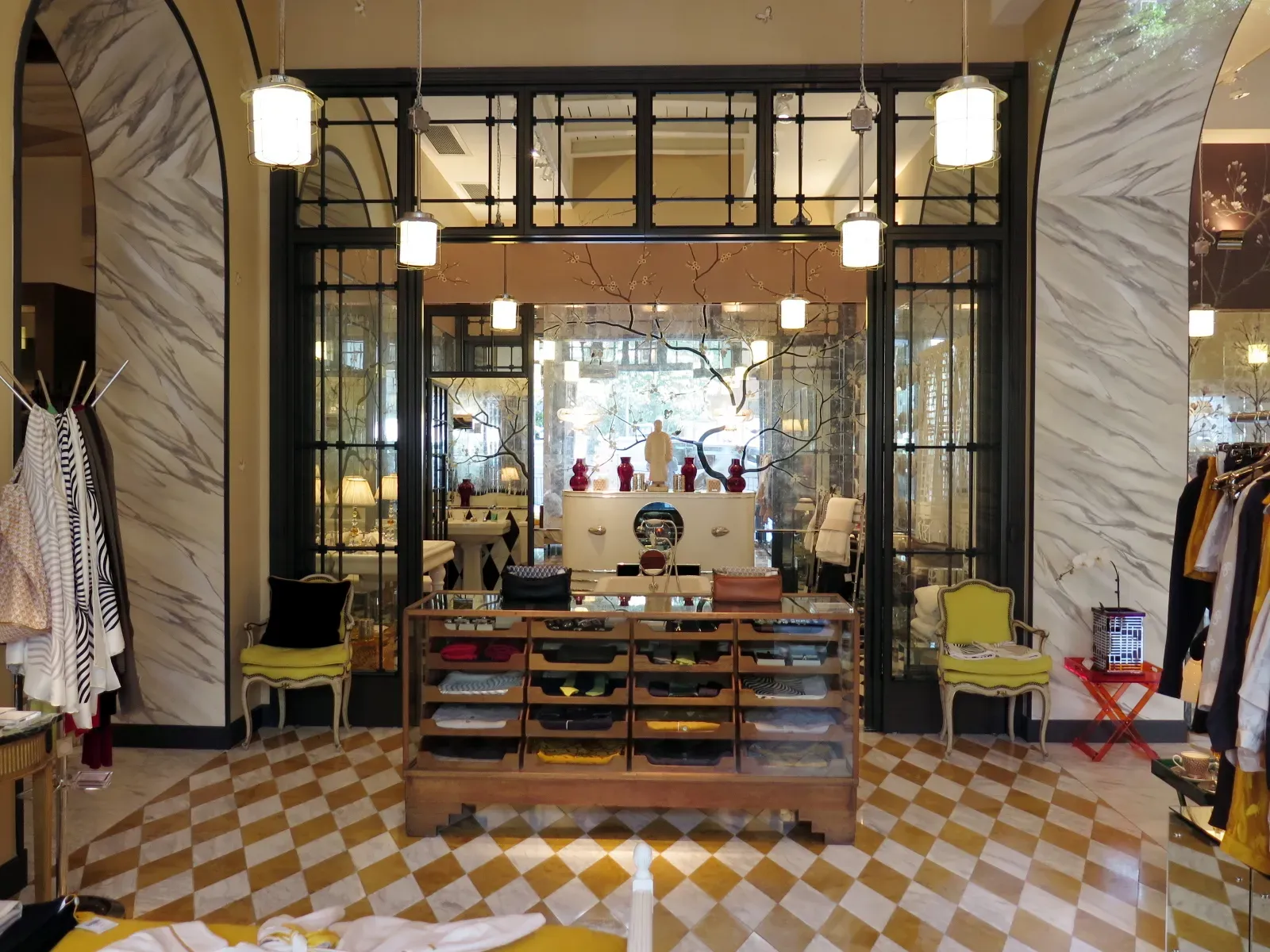
Once inside the Gold & Silver Pawn Shop, visitors are often surprised at how narrow it is. The store is long and narrow, filled with all kinds of items on both sides, with glass cases to peruse and lots more items on the walls, just like in the television show. There’s something oddly validating about that moment of recognition. You’ve seen this exact counter, this exact display, dozens of times on screen. Walking into it feels less like tourism and more like entering a memory.
The original Gold & Silver Pawn Shop has been expanded three different times after the shop went on TV, growing to accommodate the massive surge in visitor interest that fame brought with it. The expansions included a dedicated gift shop section, which was literally the first addition made after the cameras arrived. The place has physically grown around its own celebrity status, which is kind of amazing when you think about it.
No Ticket Required: The Power of the Free Visit

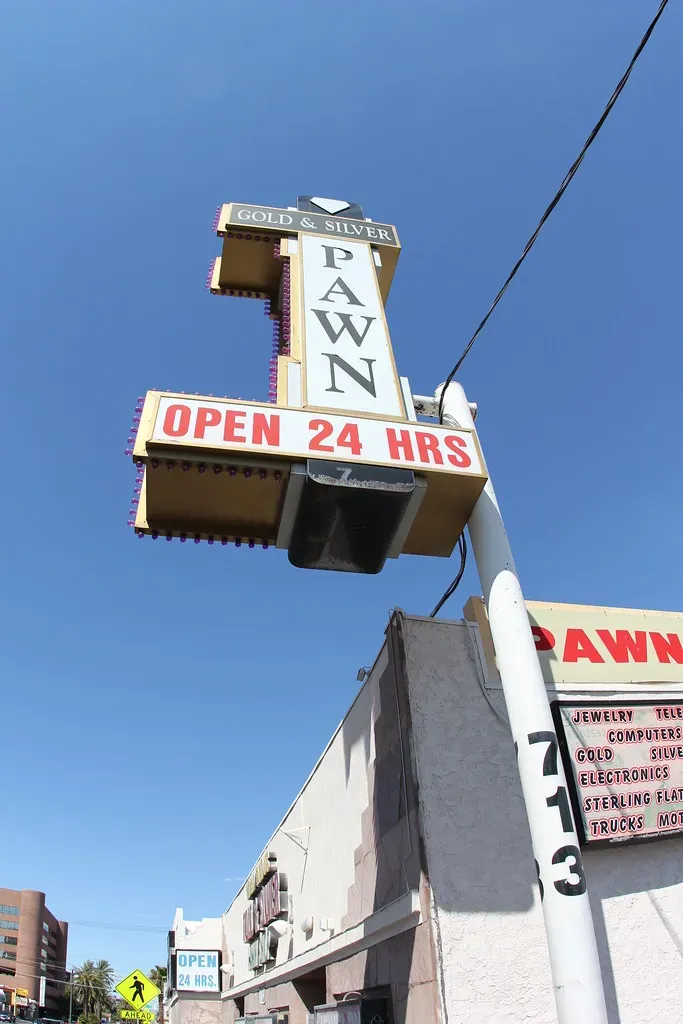
The Gold & Silver Pawn Shop is a real place and it’s free to visit. That simple fact is more significant than it might first appear. In a city built on charging admission for everything, a zero-cost attraction is almost revolutionary. No booking, no wristband, no pressure. You can just walk in and look around, which lowers the barrier for casual visitors enormously.
The shop is open every day from 10am to 5:30pm, closed only on Christmas and Thanksgiving, with its pawn window open 24 hours a day for transactions. Visiting is always free, and parking is also free. In a city where you can spend forty dollars just on resort fees before you’ve left your hotel room, that combination of free entry and free parking feels almost aggressively welcoming. It’s the kind of thing that turns a casual detour into a genuine destination.
Reality TV Tourism: A Documented Cultural Phenomenon


Film tourism, also known as movie-induced tourism, is a phenomenon where travelers visit locations made famous by films or television shows. This form of tourism has grown in popularity alongside the expansion of the entertainment industry and international travel, with tourists often drawn to iconic sites where their favorite films were shot. The pawn shop sits squarely within this well-established behavioral pattern.
Research identifies a specific type of tourist whose primary objective is to visit destinations or attractions viewed in fiction films and television series, motivated by ego enhancement, self-realization, pilgrimage, identity, status, prestige, or nostalgia. Strip away the academic language and that describes the average Pawn Stars fan walking through the front door – someone who wants to feel connected to something they’ve watched and loved for years. It’s a form of participation that the internet age has only amplified.
The Ecosystem Beyond the Shop’s Front Door
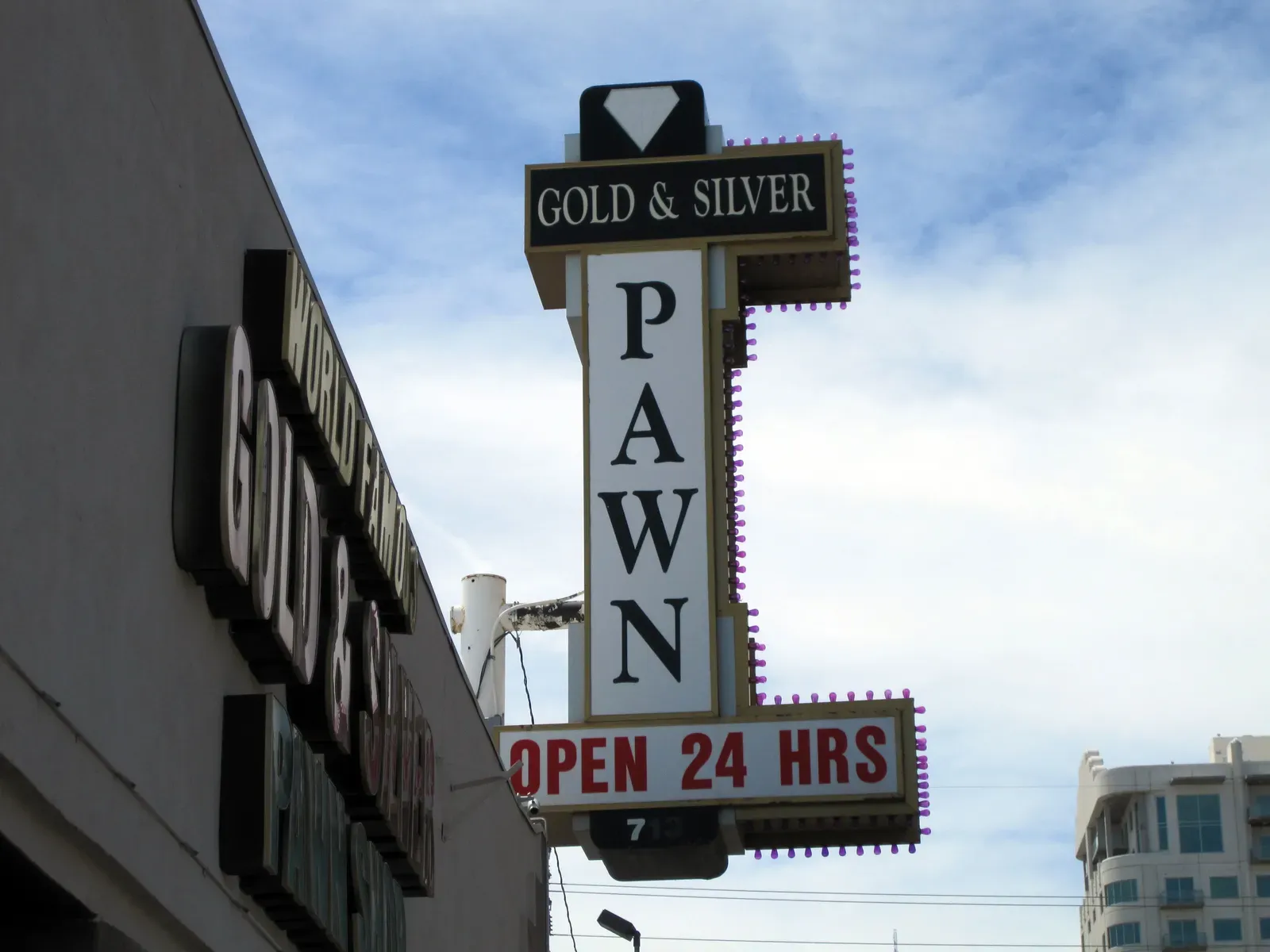
Rick’s Pawn Plaza, located right next door to the shop, is home to Rick’s Roll’n Smoke BBQ and Chumlee’s Candy Shop, while Danny Koker’s automobile restoration and customization company, Count’s Kustoms, home to the show Counting Cars, is also part of the broader tour experience. This creates something more layered than a single destination visit. It’s a small neighborhood of Pawn Stars-adjacent experiences, each one extending the amount of time a fan will naturally want to spend there.
Those looking for an upgraded experience can now book an official guided tour that lasts about four hours, with guests transported from the Las Vegas Strip to the store for a visit at $80 a person, with subsequent stops at Rick’s Pawn Plaza and Count’s Kustoms. That’s a real commercial ecosystem built around one TV show’s gravitational pull. Think of it like a modest, desert-heated version of the studio lot tour – organized, monetized, and clearly still in demand.
Nostalgia and the Emotional Engine Behind the Visits

Here’s the thing that no marketing strategy can fully manufacture: genuine emotional attachment. Pawn Stars has been part of people’s Sunday afternoons, their background noise while cooking dinner, their guilty pleasure for nearly two decades. That kind of accumulated time spent with a show creates something that researchers call media nostalgia, and it’s a powerful motivator for physical travel.
The importance of media-induced tourism has increased in the latest decade, with the integration of film and television elements serving as an especially effective pathway for the innovative development and upgrading of cultural tourism experiences. The pawn shop is a perfect case study in exactly that. It offers fans a tactile, real-world extension of something they previously only experienced through a screen. That experience of stepping into a beloved world is deeply satisfying in a way that’s difficult to explain but easy to understand.
What Keeps It Going When the Familiar Faces Step Back
The filming location of the popular reality television show Pawn Stars attracts fans from all over the world and those looking to get their own items appraised. If you happen to swing by on a shoot day, you might be one of the lucky few cast as an extra on the show. In addition to antiques, collectibles, and jewelry, you’ll find a section of Pawn Stars memorabilia. The shop doesn’t rely on guaranteed celebrity appearances to draw people in. The set itself, the merchandise, the chance to interact with real pawn transactions – all of it matters.
Rick, Chumlee, and Corey will go out on the shop floor from time to time to meet their fans, sign autographs, and take pictures, but the key phrase there is “from time to time.” The crowds show up regardless. It’s hard to say for sure whether most visitors genuinely expect to see the cast, or whether they’ve already made peace with the idea that the shop itself is the main character. Either way, the attraction endures. The set outlasted the expectation of the stars being present, which is perhaps the most telling sign that the Gold & Silver Pawn Shop has crossed over from television curiosity into something more permanent – a genuine piece of American pop culture geography. What would you have expected to find there?