Some bands tweak their sound over time. Others tear it down and rebuild it from scratch, sometimes more than once. The three acts below didn’t just evolve, they mutated so completely that a listener dropped into their catalog blind might swear they were hearing three different groups entirely. What makes these transformations interesting isn’t just the shift in genre or tone. It’s the fact that each band managed to keep enough of a core identity intact that longtime fans stuck around, even as casual listeners scratched their heads wondering how the same musicians ended up somewhere so far from where they started.
Fleetwood Mac: from British blues grit to Californian pop gold

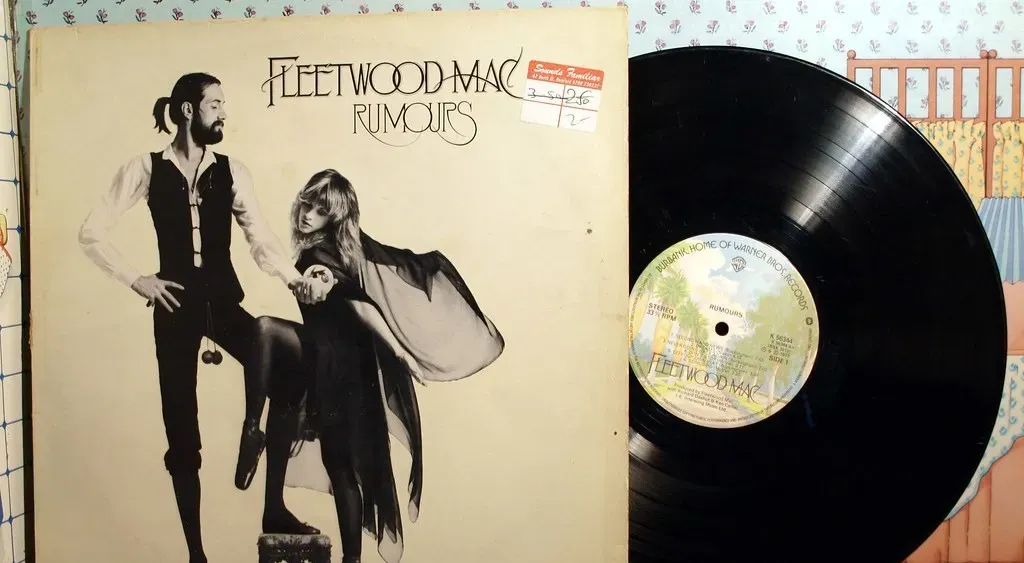
Fleetwood Mac in 1968 was a scrappy, guitar heavy British blues outfit built around Peter Green’s guitar work and a sound that owed more to Chicago blues clubs than anything resembling radio pop. Albums like their self titled debut and Then Play On leaned hard into slow burning blues jams, raw production, and a mood that felt closer to John Mayall’s Bluesbreakers than to anything glossy. Green’s departure in 1970 threw the band into years of lineup instability, with members cycling through and the sound drifting without a clear anchor.
Everything changed once Lindsey Buckingham and Stevie Nicks joined in 1975. The band’s self titled 1975 album and the 1977 follow up Rumours reinvented Fleetwood Mac as a polished, harmony driven soft rock machine, trading blues riffs for layered vocals and radio friendly hooks. Rumours alone has sold over 40 million copies worldwide, making it one of the best selling albums of all time, a commercial peak that the blues era version of the band never came close to touching. The contrast is stark enough that plenty of casual fans have no idea the group that made Go Your Own Way started out playing twelve bar blues in smoky London pubs.
Metallica: from thrash speed to stadium simplicity


Metallica’s early records, Kill ‘Em All in 1983 and Master of Puppets in 1986, are foundational documents of thrash metal, built on breakneck tempos, intricate riffing, and a raw aggression that helped define an entire subgenre. Those albums were dense and technical, aimed squarely at metal purists rather than mainstream radio. The band’s identity in that era was inseparable from speed and precision, with tracks that packed in tempo changes and guitar work that demanded serious musicianship to even attempt live.
Partner offer

By the time the self titled Black Album arrived in 1991, Metallica had slowed down, simplified their songwriting, and embraced a heavier but more accessible groove that brought them massive mainstream success, with the record eventually certified for sales exceeding 16 million copies in the United States alone. The shift continued through Load and Reload in the mid to late 1990s, where the band traded thrash entirely for a bluesier, almost alternative rock sensibility, complete with shorter haircuts and a noticeably different visual image. Longtime thrash fans were divided, some feeling betrayed and others simply following the band into a new era, but there’s no denying the distance between the frantic pace of Master of Puppets and the deliberate crunch of Enter Sandman.
Radiohead: from guitar anthems to electronic fragmentation

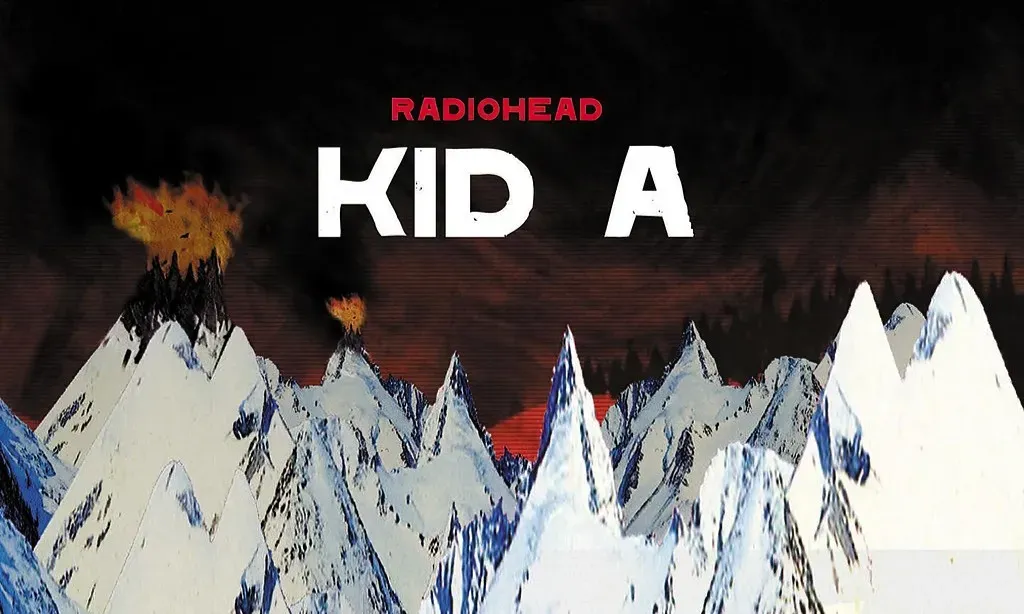
Radiohead’s early work, particularly Pablo Honey in 1993 and The Bends in 1995, fit comfortably within the alternative rock landscape of the era, built on melodic guitar hooks and the kind of anthemic choruses that made Creep an unlikely global hit. Even OK Computer in 1997, often cited as one of the defining rock albums of its decade, still relied heavily on guitar textures and traditional song structures even as its themes turned darker and more paranoid. At that point, Radiohead looked like a guitar band pushing the boundaries of what a guitar band could sound like, not a group about to abandon guitars almost entirely.
That’s exactly what happened with Kid A in 2000, an album built around electronic textures, glitchy production, and a near total retreat from conventional verse chorus songwriting. The follow up, Amnesiac, doubled down on that direction, and while later records like In Rainbows brought guitars back into the mix, the band never fully returned to the sound that made them famous in the first place. The gap between the anthemic rock of The Bends and the fractured electronic atmosphere of Kid A remains one of the most dramatic stylistic pivots any major rock band has made mid career, and it’s a big part of why Radiohead’s catalog still gets debated and dissected decades later.
Each of these bands proves that reinvention, when it works, can extend a career far longer than sticking to a formula ever would. Fleetwood Mac found their biggest audience after leaving the blues behind, Metallica reached new commercial heights by slowing down, and Radiohead cemented their reputation as innovators precisely by refusing to repeat themselves. None of it happened without risk, and none of it happened without losing some fans along the way, but all three bands ended up more influential, not less, because they were willing to sound like a completely different group.Partner offer
Planning a trip to Vegas?
Compare hotel rates and show tickets on VEGAS.com.