The Bible: Foundation of Western Civilization


The Bible has had a profound influence on Western civilization and on cultures around the globe, contributing to the formation of Western law, art, texts, and education. When you think about it, this ancient collection of texts has shaped moral frameworks and legal systems across continents for millennia. According to The Guinness Book of World Records, since 1815 the Bible has sold approximately 2.5 billion copies and has been translated into more than 2,200 languages or dialects. From practices of personal hygiene to philosophy and ethics, the Bible has directly and indirectly influenced politics and law, war and peace, sexual morals, marriage and family life, letters and learning, the arts, economics, social justice, and medical care.
Think about the sheer scope of that impact. We’re talking about a book that doesn’t just sit on shelves collecting dust. The influence extends beyond Christianity itself. The Bible’s influence is not limited to Christians; Jews and Muslims also consider the Bible to be a sacred text. Universities, literature, and even the words we use daily trace their roots back to biblical teachings, making it arguably the most consequential text ever compiled.
The Communist Manifesto: Reshaping Global Politics


The Communist Manifesto, originally the Manifesto of the Communist Party, is a political pamphlet written by Karl Marx and Friedrich Engels, commissioned by the Communist League and published in London in 1848, becoming one of the world’s most influential political documents. Let’s be real, few pamphlets have triggered such seismic shifts. The political pamphlet proclaimed that “the history of all hitherto existing society is the history of class struggles” and that the inevitable victory of the proletariat would put an end to class society forever.
Its ideas reverberated with increasing force into the 20th century, and by 1950 nearly half the world’s population lived under Marxist governments. That’s staggering when you consider it started as a 23-page document with a dark green cover. Total sales of the Manifesto have been estimated at 500 million, making it one of the four best-selling books of all time. The Russian Revolution, movements across Latin America, and political structures in China all drew inspiration from Marx and Engels’ vision. Though the interpretations varied wildly, the Manifesto’s core ideas about class struggle fundamentally altered how millions understood power and economics.
On the Origin of Species: Evolution’s Game Changer

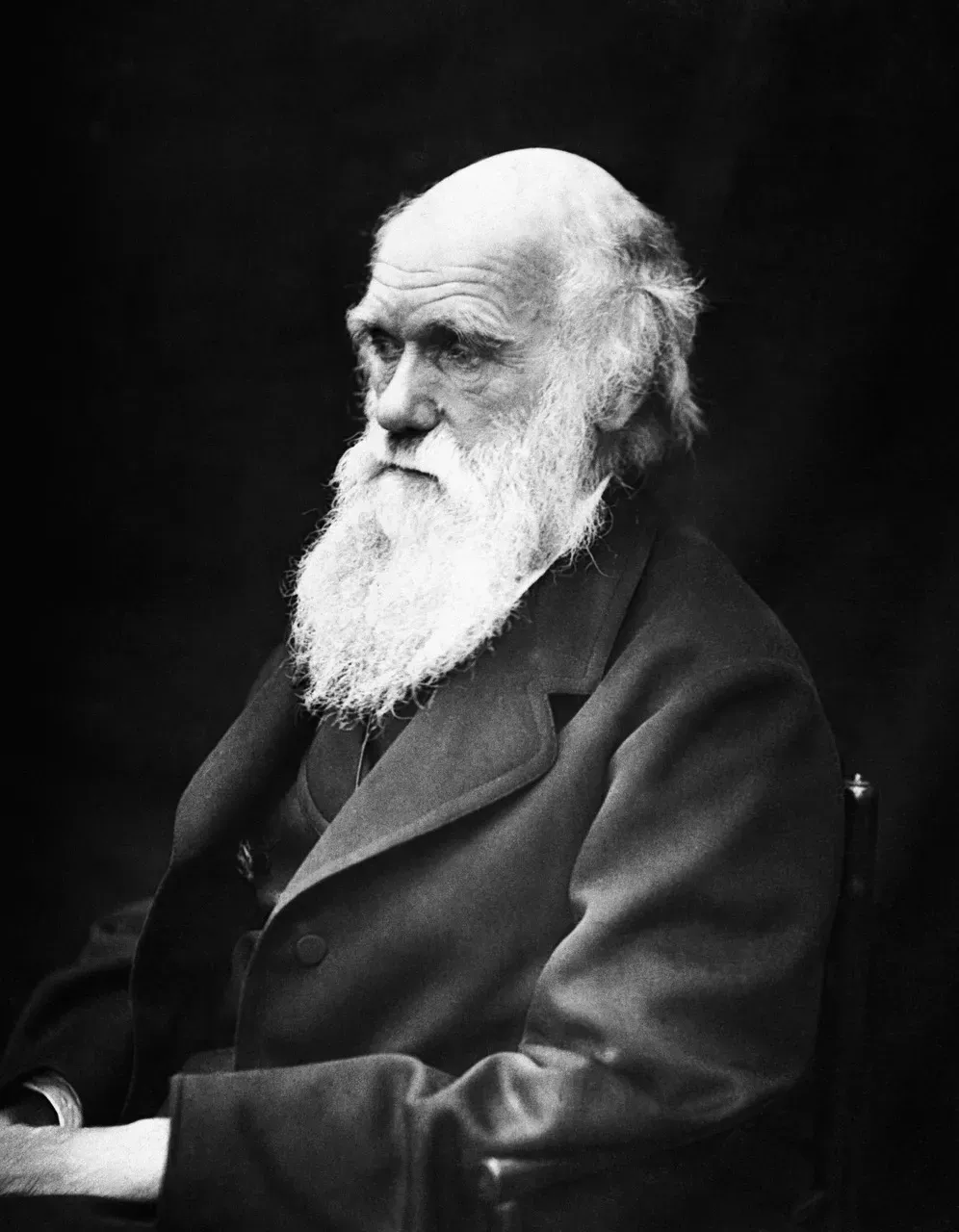
The Origin of Species by Charles Darwin stands as perhaps the most revolutionary scientific work ever published, released in 1859 introducing the theory of evolution through natural selection and fundamentally changing how humans understand their place in the natural world. Honestly, Darwin didn’t just ruffle feathers. He completely redefined biology. No work has so fundamentally changed the way we think about our very being and the world around us.
Darwin’s book legitimised scientific discussion of evolutionary mechanisms, and the newly coined term ‘Darwinism’ was used to cover the whole range of evolutionism, not just his own ideas. The backlash was intense, particularly from religious communities who saw it as a direct challenge to creation narratives. Yet the theory took hold. Because the theory of evolution includes an explanation of humanity’s origins, it has had a profound impact on human societies. From medicine to genetics, from ecology to anthropology, Darwin’s observations in the Galapagos Islands continue to shape scientific inquiry across countless disciplines.
Uncle Tom’s Cabin: Literature That Sparked a War

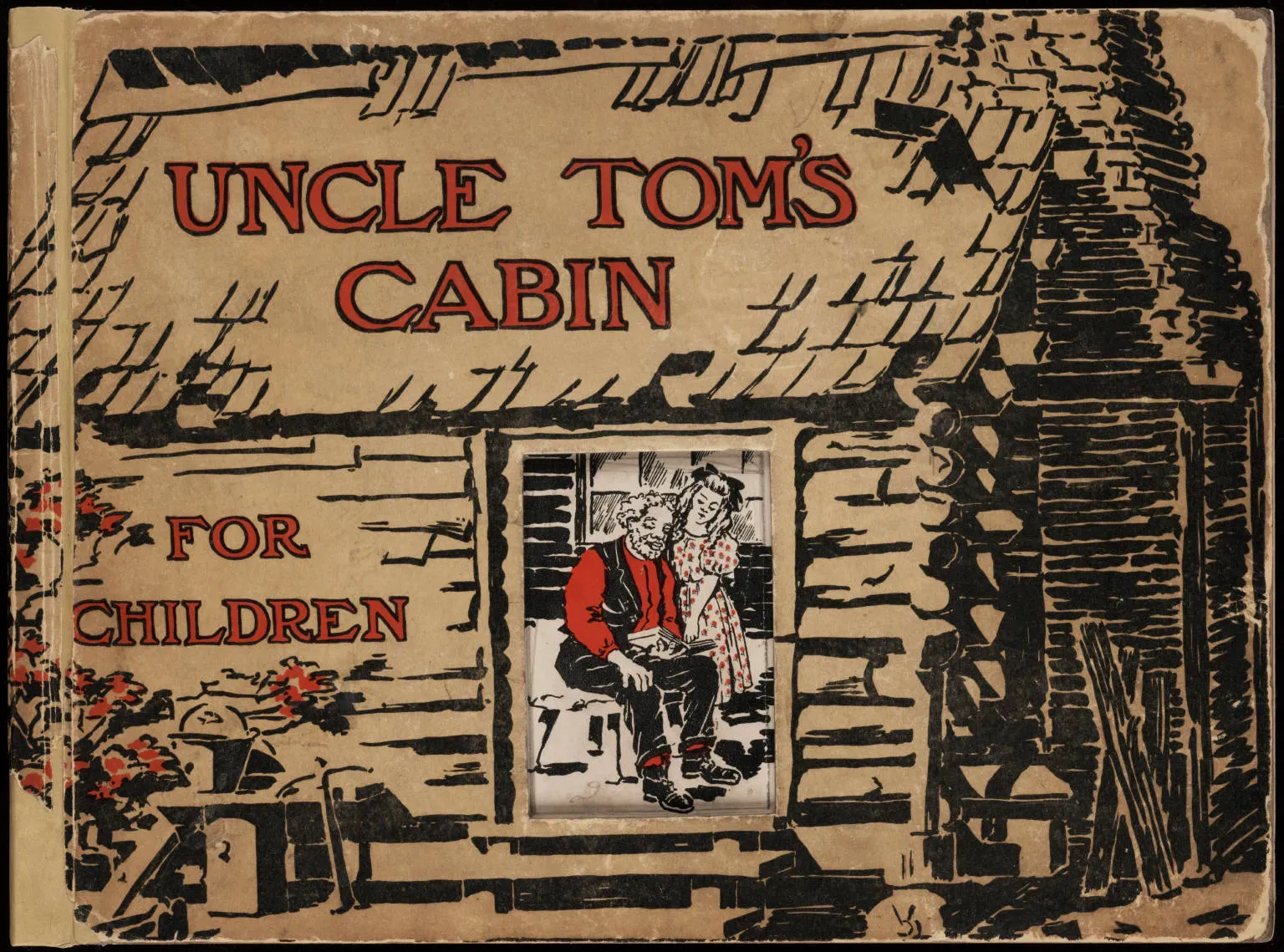
This anti-slavery novel galvanized the abolitionist movement in America and influenced international opinion about slavery, with Abraham Lincoln allegedly calling Stowe “the little woman who wrote the book that made this great war.” Whether Lincoln actually said those words is debated, but the sentiment captures something real. Harriet Beecher Stowe’s 1852 novel didn’t just tell a story. It humanized the enslaved in ways that white readers had never encountered before.
The novel humanized enslaved people for white readers, contributing significantly to the growing anti-slavery sentiment that helped precipitate the American Civil War and the eventual abolition of slavery. In the much-read Uncle Tom’s Cabin, the book contains almost 100 quotations or direct references from the Bible. Stowe weaponized Christian morality itself to argue against slavery, making it nearly impossible for religious readers to ignore the hypocrisy. The book sold hundreds of thousands of copies within months, becoming a cultural phenomenon that pushed the nation closer to civil war. Fiction, it turns out, can be as powerful as any political treatise.
Silent Spring: The Birth of Environmentalism


When Rachel Carson, a former marine biologist, took on the chemical industry and revealed the damage pesticides were doing to the planet, her book was described as “one of the most effective books ever written” and paved the way for the modern environmental movement. Published in 1962, Silent Spring didn’t just critique DDT and other chemicals. It fundamentally challenged the post-war faith in technological progress without consequence.
Carson faced vicious attacks from chemical companies who tried to discredit her science and her credibility as a woman scientist. Yet her meticulous research held up. The book sparked a national debate that eventually led to the creation of the Environmental Protection Agency in the United States and bans on certain pesticides. It’s hard to say for sure, but without Carson’s courage to speak out, the environmental movement as we know it might have taken decades longer to emerge. Her work showed that one scientist with a pen could challenge entire industries and win.
1984: Dystopia That Defined Modern Surveillance


The themes in George Orwell’s novel have become a major part of modern culture, creating terms and concepts incorporated into our own society, with surveillance, truth, and censorship taking center stage in a way no other book has contributed to our understanding of these themes. Written in 1949, Orwell’s nightmare vision of totalitarian control gave us phrases like “Big Brother,” “thoughtcrime,” and “doublethink” that remain chillingly relevant.
Every time a government expands surveillance or manipulates language, someone inevitably invokes Orwell. The book serves as both warning and prophecy. In our age of data collection, facial recognition, and algorithmic control, 1984 feels less like fiction and more like a user manual for what to resist. Orwell understood something profound about power and its corruption, and his fictional world continues to provide a vocabulary for discussing authoritarian tendencies across the political spectrum.
Partner offer

The Wealth of Nations: Capitalism’s Blueprint


Adam Smith’s 1776 treatise laid the intellectual foundation for free market economics and modern capitalism. Smith introduced concepts like the invisible hand, division of labor, and the idea that individual self-interest could lead to collective prosperity. His analysis of how markets function became the bible for economists and policymakers for centuries.
Whether you love capitalism or critique it, you’re engaging with ideas Smith popularized. The Wealth of Nations influenced everything from the Industrial Revolution to globalization debates. It shaped how nations structured their economies and how theorists understood trade, labor, and wealth creation. Even Marx, when critiquing capitalism, was responding to frameworks Smith established. The book’s impact on economic policy worldwide cannot be overstated, making it one of the most consequential works of social science ever written.
The Rights of Man: Democracy’s Defense

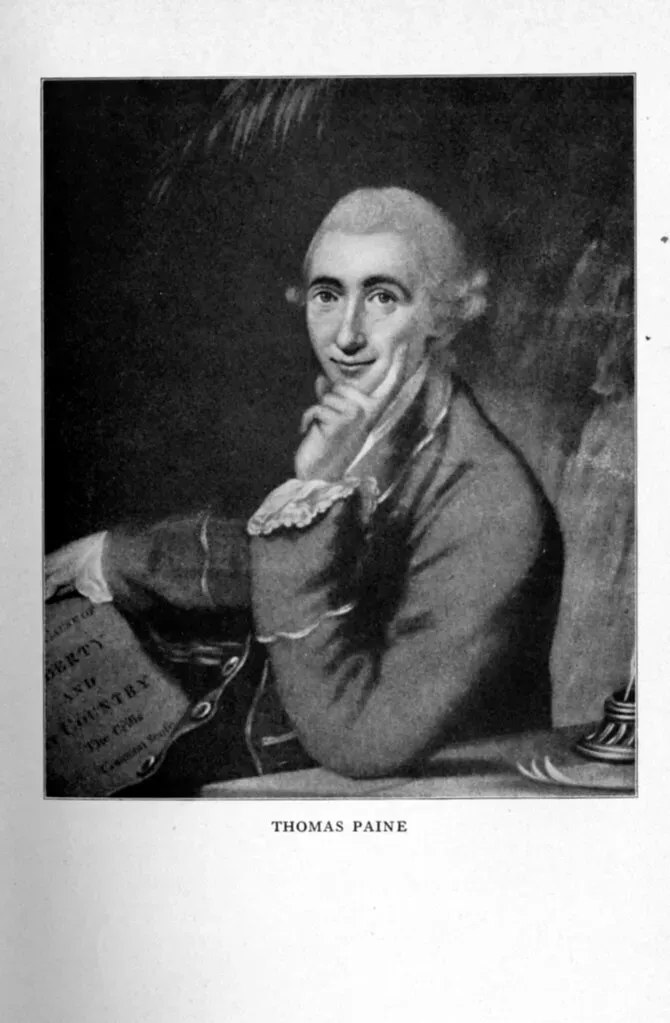
Thomas Paine’s 1791 work defended the French Revolution and articulated principles of democratic governance and human rights that would echo for generations. Paine argued passionately that governments exist to serve the people, not the other way around. His radical vision challenged hereditary privilege and championed representative democracy.
The book was so inflammatory that Paine was tried for sedition in England and had to flee to France. Yet his ideas spread like wildfire. The Rights of Man influenced revolutionary movements and democratic reforms across Europe and the Americas. Paine’s accessible writing style brought complex political philosophy to ordinary readers, democratizing political thought itself. His arguments about natural rights and government accountability became foundational to modern democratic theory and continue to inspire human rights movements worldwide.
The Diary of a Young Girl: Humanity Amid Horror


This landmark book is built from the actual diary kept by Anne Frank, the young daughter of a Jewish family hiding during the Nazi takeover in the Netherlands, with the innocence of this young girl so full of hopes and dreams held in sharp contrast to the reality of her situation at the hands of the Nazis, becoming a strong symbol and reminder of the impact of racial persecution. Anne Frank’s diary personalizes the Holocaust in ways that statistics never could.
Published posthumously in 1947, the diary has been translated into dozens of languages and read by millions of students worldwide. Anne’s voice, hopeful and thoughtful even in hiding, makes the tragedy of the Holocaust tangible and intimate. The book doesn’t lecture about genocide. Instead, it shows us a real teenager writing about her fears, her dreams, and her desire to become a writer. That humanity makes the horror all the more devastating. Her diary remains one of the most powerful educational tools for teaching about prejudice, persecution, and the cost of hatred.
Common Sense: The Pamphlet That Sparked Revolution


This influential pamphlet, published in 1776, played a crucial role in persuading the colonists of the Thirteen Colonies to declare independence from Britain, arguing for the democratic system of government, criticizing monarchy and hereditary succession, and advocating for the inherent rights and freedoms of individuals, using plain language to make complex political ideas accessible to the average citizen. Thomas Paine knew how to write for the people, not just the educated elite.
Common Sense sold roughly half a million copies in a colonial population of about 2.5 million, meaning nearly one in five people owned or read it. The pamphlet’s timing was perfect, arriving when colonial frustration with British rule had reached a boiling point. Paine didn’t just argue for independence. He made monarchy itself seem absurd and unnatural. His passionate rhetoric helped transform colonial grievances into revolutionary fervor, pushing the colonies toward the Declaration of Independence. Without Common Sense, American independence might have taken a very different path or timeline. It proved that the right words at the right moment can literally change history.
The Prince: Power Without Illusion

The Prince established political realism as a school of thought, influencing leaders from Napoleon to modern politicians, separating politics from morality and creating frameworks still used in international relations. Niccolò Machiavelli’s 1532 treatise stripped away the pretense from political power, describing how rulers actually behave rather than how they should behave according to moral philosophy.
The book shocked readers with its cold pragmatism and its famous advice that it’s better for a ruler to be feared than loved. Machiavelli’s name became synonymous with cunning and ruthlessness, yet his analysis was brutally honest about power dynamics. Leaders across centuries have studied The Prince, whether they admitted it or not. The book’s influence extends from Renaissance Italy to modern statecraft, offering insights into political strategy that remain relevant in our era of realpolitik. Machiavelli didn’t invent political manipulation, but he gave us the vocabulary to discuss it openly. That honesty, however uncomfortable, changed political theory forever.
What do you think about these books? Have you read any that changed how you see the world? Tell us in the comments.
Partner offer
Planning a trip to Vegas?
Compare hotel rates and show tickets on VEGAS.com.