



There’s something stirring beneath the surface of our fast-paced digital world. People from all walks of life are turning toward ancient practices that their great-grandparents would recognize, seeking connection in ways that modern life can’t quite provide. You might be surprised where they’re finding it.
These aren’t dusty museum exhibits. They’re living, breathing traditions that have somehow survived centuries of upheaval and are experiencing an unexpected renaissance. From wellness seekers in California to corporate burnouts in Europe, folks are rediscovering rituals that indigenous communities never forgot.
The Ayahuasca Journey From Amazon to Mainstream Wellness

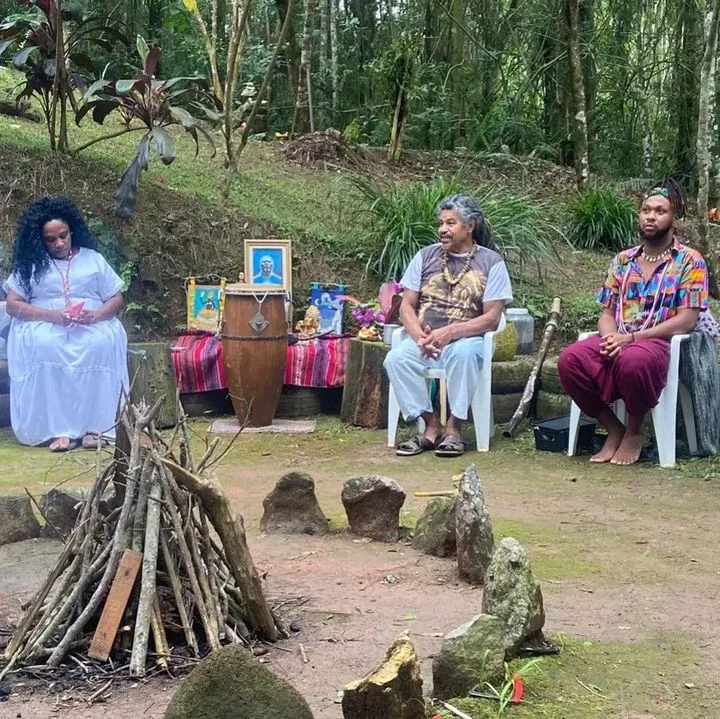
Ayahuasca, a plant-based brew, has been used in spiritual and medicinal rituals for thousands of years by native peoples in South America. Today, it’s experiencing something of a global moment. Ayahuasca retreats have gained significant popularity in the USA, offering seekers opportunities for deep healing, spiritual growth, and personal transformation.
Let’s be real – this isn’t your typical vacation. Recent outcome data from 2024 guest surveys shows that 89% of participants report sustained improvements in mental wellbeing six months after their retreat, with 76% making significant life changes aligned with their authentic purpose. Those numbers are hard to ignore, honestly.
Centers blend Ayahuasca plant-medicine ceremonies with modern practices of yoga, breathwork, meditation, and integrative classes, creating what some call a bridge between ancient wisdom and contemporary needs. The preparation alone tells you this is serious business.
Native American Sweat Lodge Ceremonies Reclaiming Space

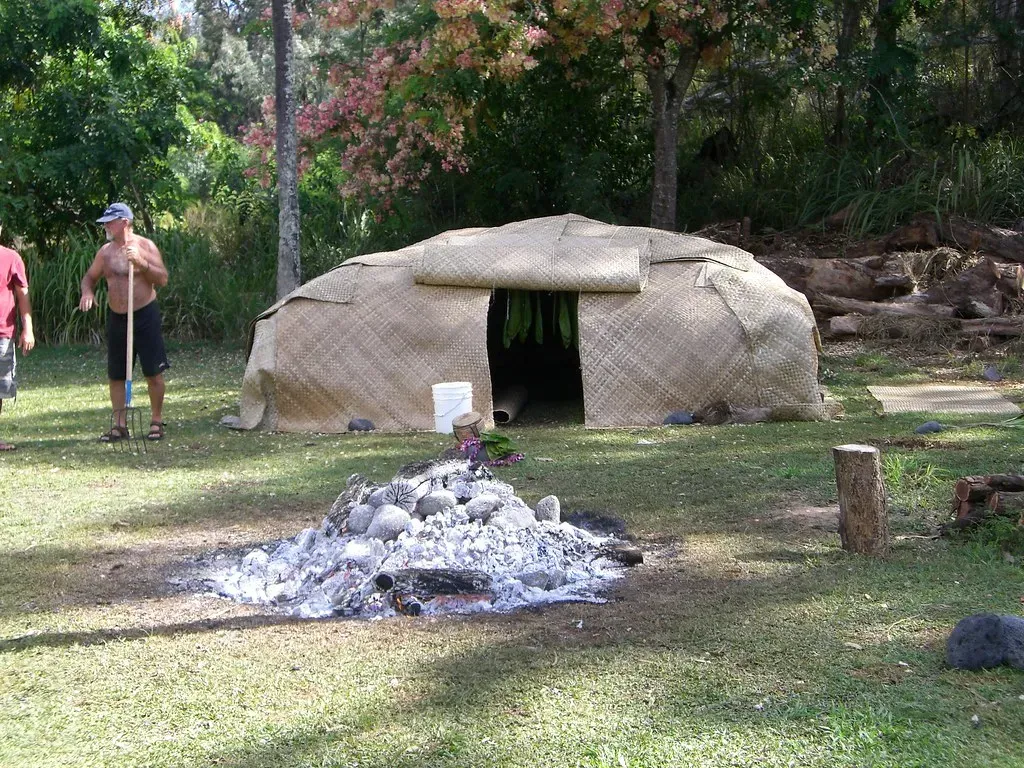
Sweat lodge ceremonies are common to many Native American tribes, involving rites of preparation, prayer, and purification. Unlike ayahuasca, these ceremonies have never left their homelands – they’ve persisted despite attempts to erase them.
The history here is painful. Forcible conversion and suppression of Indigenous languages and cultures continued through the 1970s, with federal laws banning traditional Indigenous practices such as sweat lodge ceremonies until 1978. That’s within living memory.
The ceremony has markedly increased in practice since the beginning of the twentieth century, not only by Indian people on the reservations but more recently in urban areas, correctional facilities, veterans groups, and substance abuse treatment facilities. The reasons for this expansion are worth considering.
Cacao Ceremonies Finding New Hearts to Open

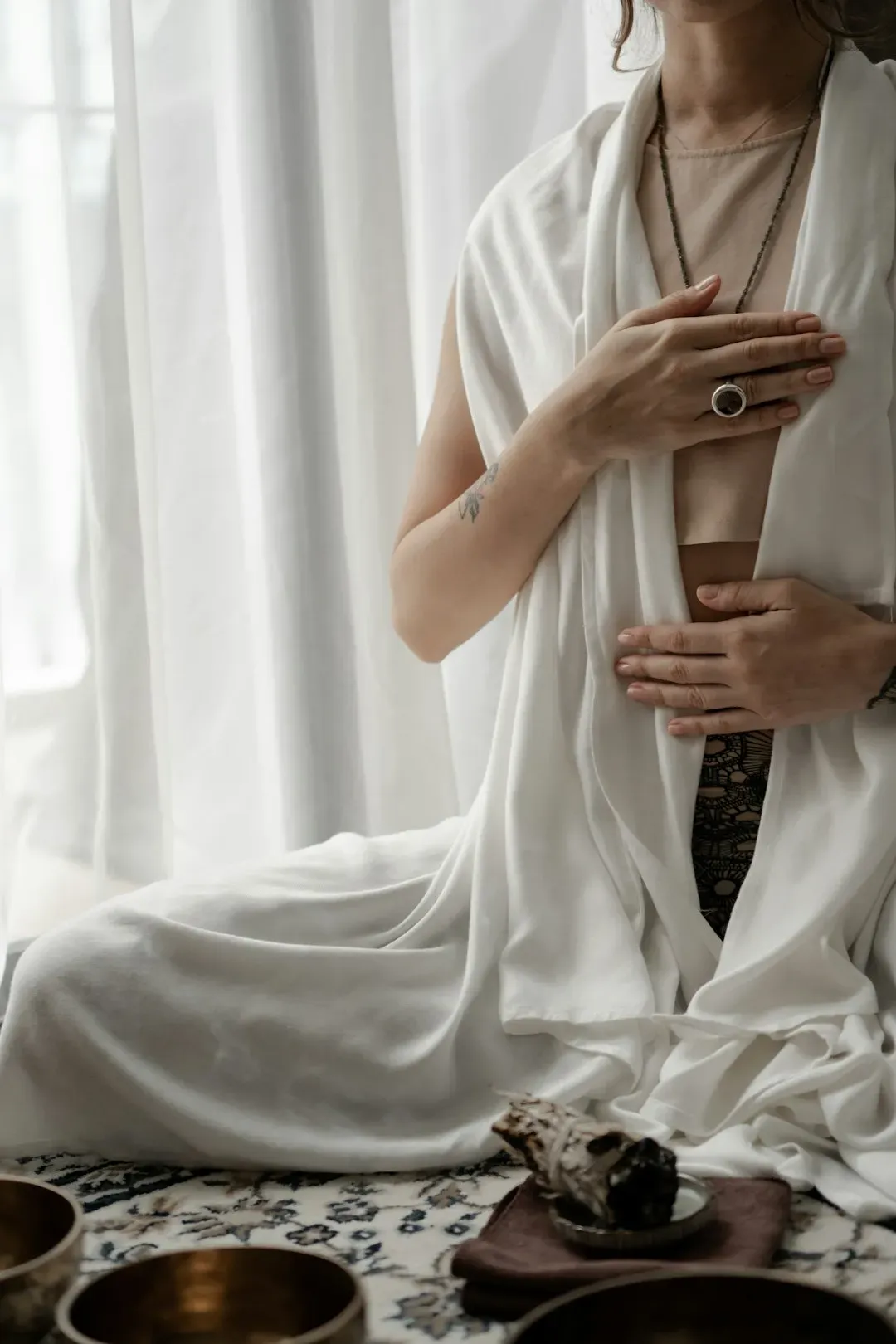
While recently gaining steam, cacao ceremonies are not new – cacao, and specifically cacao drinks, have been used for emotional and spiritual healing for thousands of years. This is perhaps the gentlest entry point into ceremonial practice.
The Mayans and Aztecs viewed cacao as a sacred offering to the gods, a currency, and powerful plant medicine, with priests, warriors, and royalty consuming cacao during ceremonies to open their hearts, sharpen their minds, and access deeper spiritual insights. The reverence was real.
Ceremonial cacao is believed to have heart-opening properties, both physically and emotionally, said to help people connect with themselves and others on a deeper level. Unlike ayahuasca or sweat lodges, cacao offers transformation without extremes.
The Science Behind the Sacred Chocolate
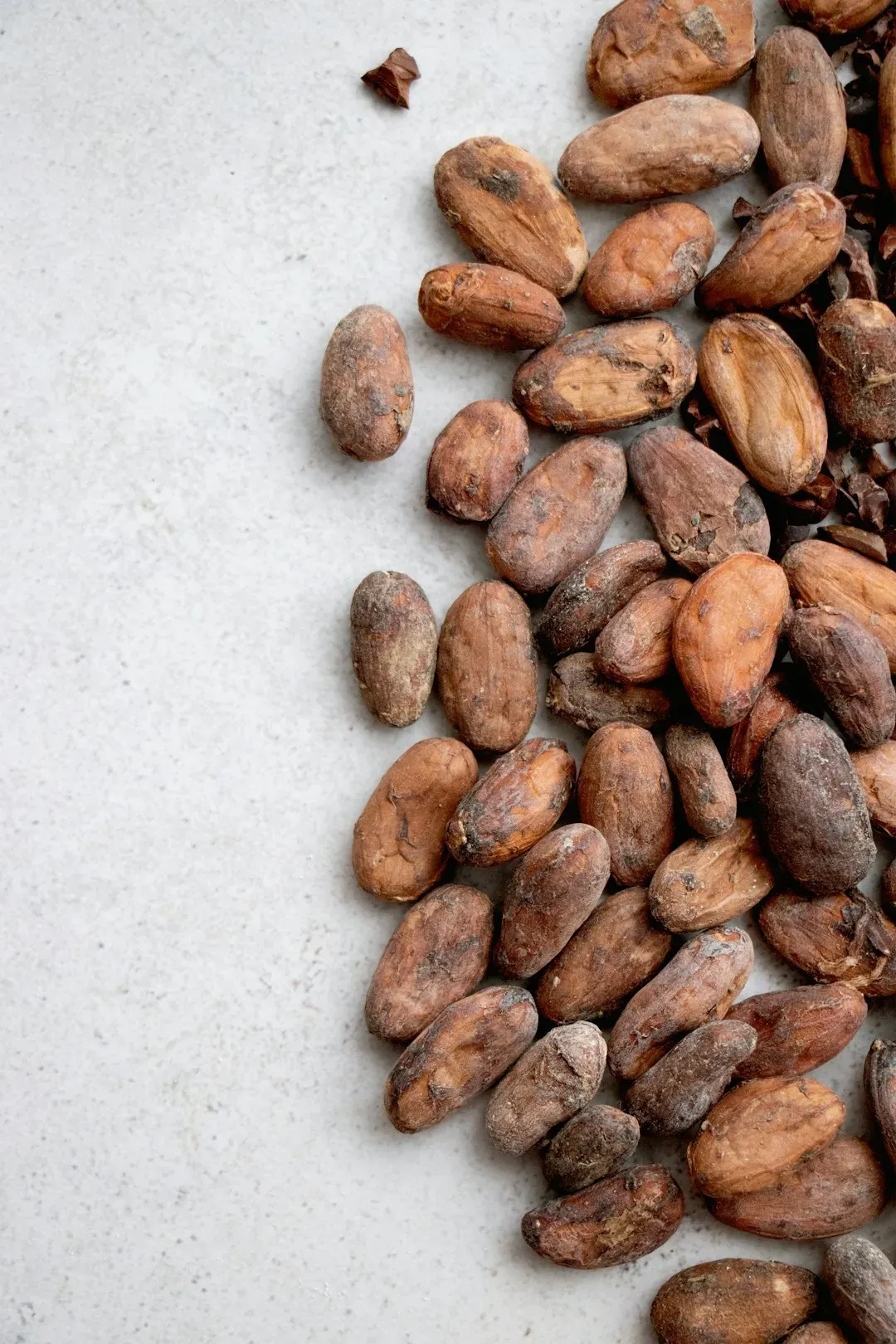
The active ingredient in cacao responsible for its effects is theobromine, a natural alkaloid compound belonging to the xanthine family that is a stimulant with similar effects to caffeine but generally milder. This isn’t placebo territory.
Cacao contains various psychoactive compounds, including theobromine, phenylethylamine, and anandamide, which can induce feelings of euphoria, relaxation, and increased focus. The chemistry explains part of the experience, though ceremony participants insist there’s more.
The beans are high in magnesium, iron, and B-complex vitamins with more calcium than cow’s milk, and their special ingredient theobromine is longer-lasting, milder, and more pleasant than caffeine, expanding rather than constricting blood vessels. You’re getting nutrition alongside the spiritual work.
The Common Thread Weaving Through Ancient Practices

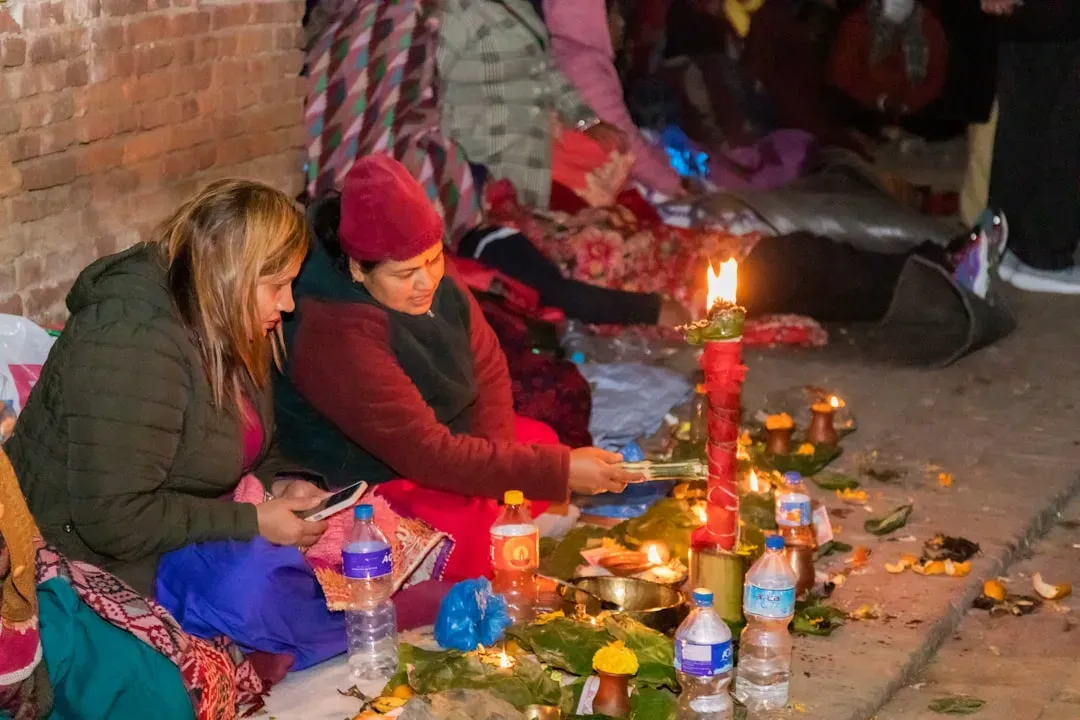
Women have an innate need for connection and ritual – it’s in our DNA, as ancient as the rocks beneath our feet, however in today’s modern society these time-honored traditions have been lost, though healers are reviving these rituals through retreats, moon ceremonies, and earth celebrations. The hunger is universal even if the ceremonies vary.
In 2025, the global landscape of spiritual festivals offers an inspiring variety of events that blend ancient traditions with modern practices, providing more than just ceremonies and rituals but immersive environments for healing, transformation, and meaningful human connection. Something fundamental is shifting.
Reviving ancient festivals shows that people have a deep need for ritual and connection, and by celebrating these festivals, people are not only keeping cultural heritage alive but also adapting it to fit modern needs and values. Perhaps we’ve been missing something essential.


