Have you ever wondered what happens when millions of strangers from different backgrounds come together under the glow of lanterns, the rhythm of drums, and the shared aroma of festive foods? Something magical occurs, honestly. These moments transcend borders and beliefs, creating unexpected connections between people who might never have met otherwise. In a world that often feels fractured by differences, certain celebrations have an extraordinary power to unite us.
Festivals go beyond mere enjoyment; they foster understanding and unity among people of different cultures. From the vibrant lights of Diwali illuminating homes across continents to the joyful water fights of Lunar New Year, these gatherings remind us that humanity shares more than we might think.
Diwali: The Global Festival of Lights

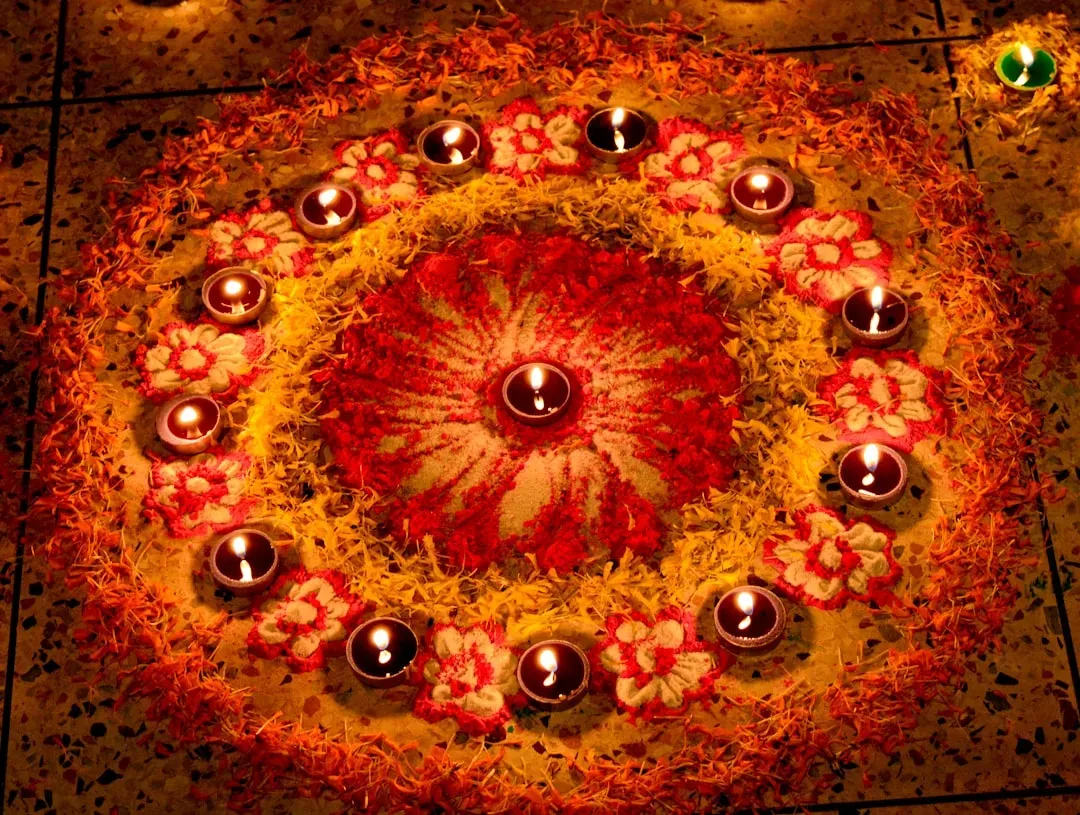
Diwali is a major cultural event for the Hindu, Sikh, and Jain diaspora, and the main day of the festival is an official holiday in Fiji, Guyana, India, Malaysia, Mauritius, Myanmar, Nepal, Pakistan, Singapore, Sri Lanka, Suriname, and Trinidad and Tobago. The reach of this ancient celebration is staggering. Diwali is celebrated by over a billion people, not just in India but also in countries like UK, Nepal, Sri Lanka, Malaysia, Singapore, and even in parts of USA.
The festival’s joyous and vibrant celebrations have spread far beyond the borders of India, bringing together communities from diverse cultural backgrounds, with events like the lively Diwali celebration in Times Square, New York City transforming the iconic location into a kaleidoscope of colours. Since 2009, Diwali has been celebrated every year at 10 Downing Street, the residence of the British Prime Minister, while in October 2025, the state of California made Diwali an official state holiday. Think about that for a moment: a tradition rooted in South Asian spirituality now lighting up government buildings and city squares across the globe.
Cultural events like Diwali foster a diverse and supportive campus environment where students can share their cultures and learn from one another, with this cultural exchange being essential in today’s globalized world where understanding and appreciating diversity is crucial for personal and professional growth. The celebration creates bridges where walls once stood.
Lunar New Year: A Billion Hearts Beating as One

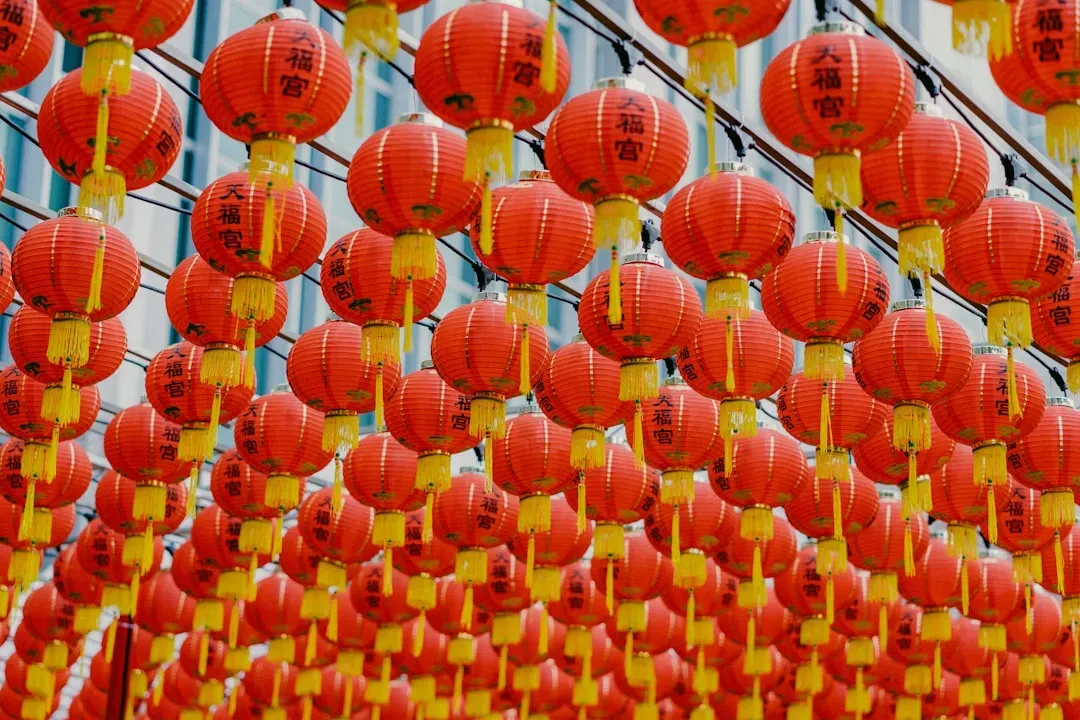
In 2025, the Lunar New Year, which begins on January 29, is celebrated by many Asian cultures. With approximately 2 billion people globally observing this event, it’s a time when families reunite, traditions are honored, and cultural heritage is celebrated. It’s hard to say for sure, but this might be one of the largest coordinated cultural celebrations on Earth.
Celebrated across various Asian countries including China, Vietnam, Korea, Malaysia, Thailand, and Singapore, the festival is also important to Asian diasporas around the globe. The Lunar New Year celebrations commenced on January 29, 2025, welcoming the Year of the Snake, marked by vibrant festivities and deep cultural traditions, with communities worldwide engaging with various events reflecting the rich heritage associated with this significant period.
Chinese New Year is celebrated worldwide in regions and countries with significant overseas Chinese or Sinophone populations, especially in Southeast Asia, and is also prominent beyond Asia, especially in Australia, Canada, France, Mauritius, New Zealand, Peru, South Africa, the United Kingdom, and the United States. The sheer geographic spread shows how cultural celebration can become a universal language.
In 2023, the United Nations General Assembly recognized the Spring Festival that coincides with the lunisolar Chinese New Year, designating Lunar New Year as a UN holiday. That’s official global recognition of something families have known for centuries: this celebration matters to millions.
Day of the Dead: Honoring Life Through Death

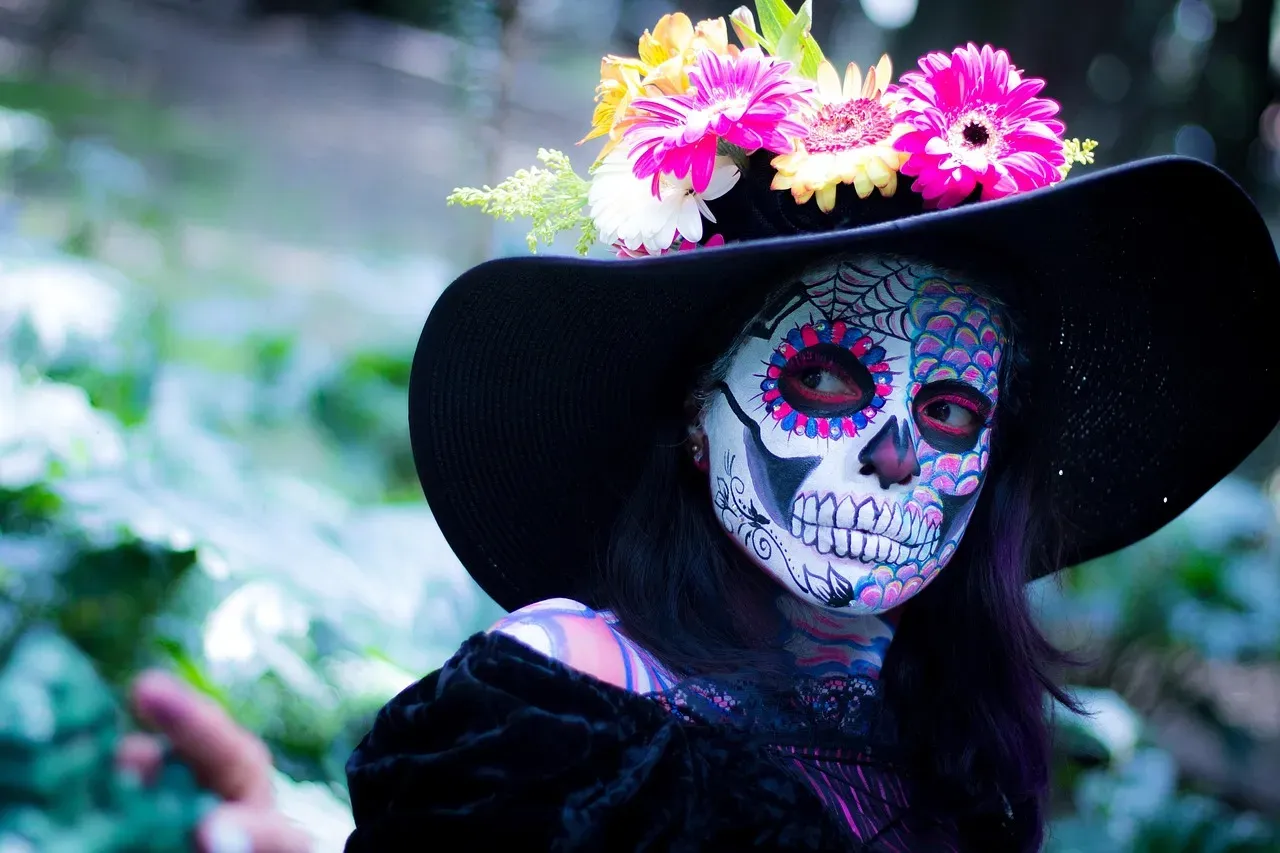
In 2008, UNESCO recognized the Day of the Dead as an Intangible Cultural Heritage of Humanity, highlighting its significance and the need to preserve its traditions, reinforcing the importance of the holiday and encouraging awareness and appreciation of its cultural roots beyond Mexico. What started as a deeply Mexican tradition has become a global phenomenon that teaches us something profound about remembrance.
Today, the Day of the Dead is celebrated not only in Mexico but also in various parts of the world, as immigrant communities carry their traditions with them, leading to adaptations and interpretations in different contexts, from elaborate public celebrations in the United States to artistic expressions in Europe and beyond. Day of the Dead festivities are important cultural events in many places in the United States, particularly in cities with large Mexican American and Hispanic populations, including San Antonio and Austin, Texas; Los Angeles, San Diego, and San Francisco, California; with these cities hosting large-scale Day of the Dead parades and exhibitions.
Due to interest generated by films and the government desire to promote Mexican culture, federal and local authorities organized an actual Día de Muertos parade through Paseo de la Reforma and Centro Historico on October 29, 2016, which was attended by 250,000 people. Popular culture accelerated what communities had been quietly building for years: cross-cultural understanding through shared celebration.
World Day for Cultural Diversity: The United Nations’ Vision
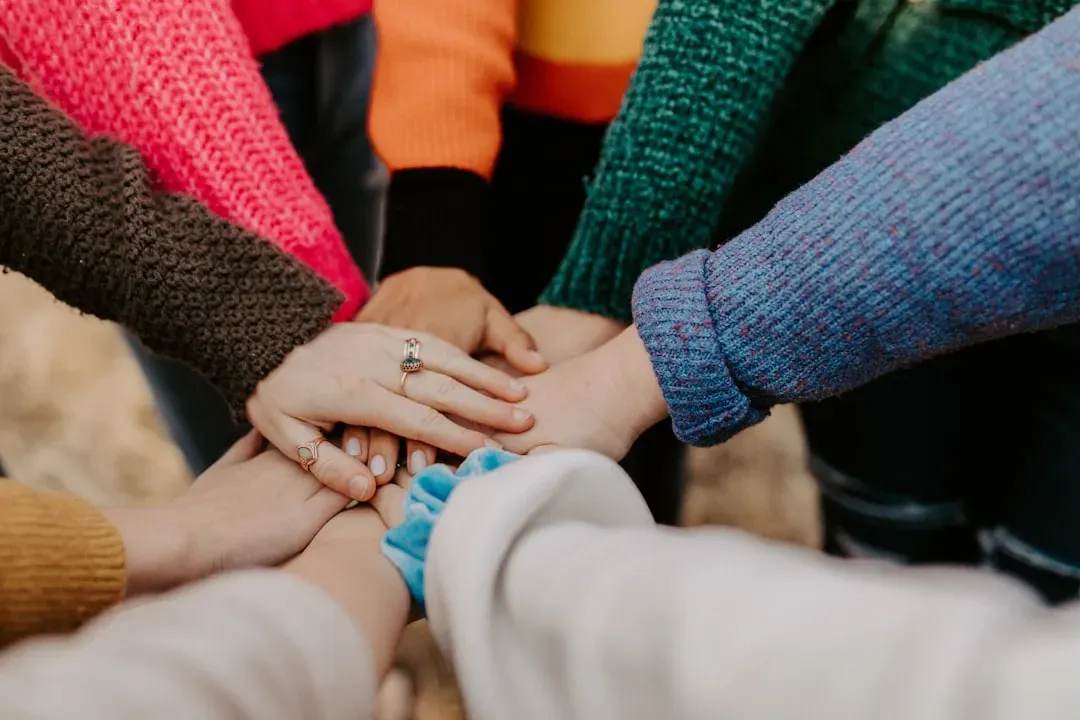
On May 21st, the World Day for Cultural Diversity for Dialogue and Development urges everyone to do their part to bridge the gap between cultures. This relatively young celebration serves as an intentional reminder that diversity isn’t just something to tolerate but something to actively celebrate. World Day for Cultural Diversity is a day that recognizes cultural diversity as a source of innovation, exchange and creativity.
Unlike ancient festivals with centuries of tradition behind them, this day was created specifically to address modern challenges of globalization and cultural tension. Acceptance of cultural diversity through platforms like media and Information and Communications Technologies fosters intercultural respect and mutual understanding, with digital technologies being crucial to achieving cultural peace and diversity. Here’s the thing: sometimes we need formal recognition to remind us of what’s important.
Over 2.6 billion people worldwide are still digitally unconnected and 189 million more men than women use the Internet globally. The day highlights not just cultural celebration but the infrastructure gaps preventing full participation in our increasingly connected world.
Carnaval and Rio Carnival: Dance Without Borders

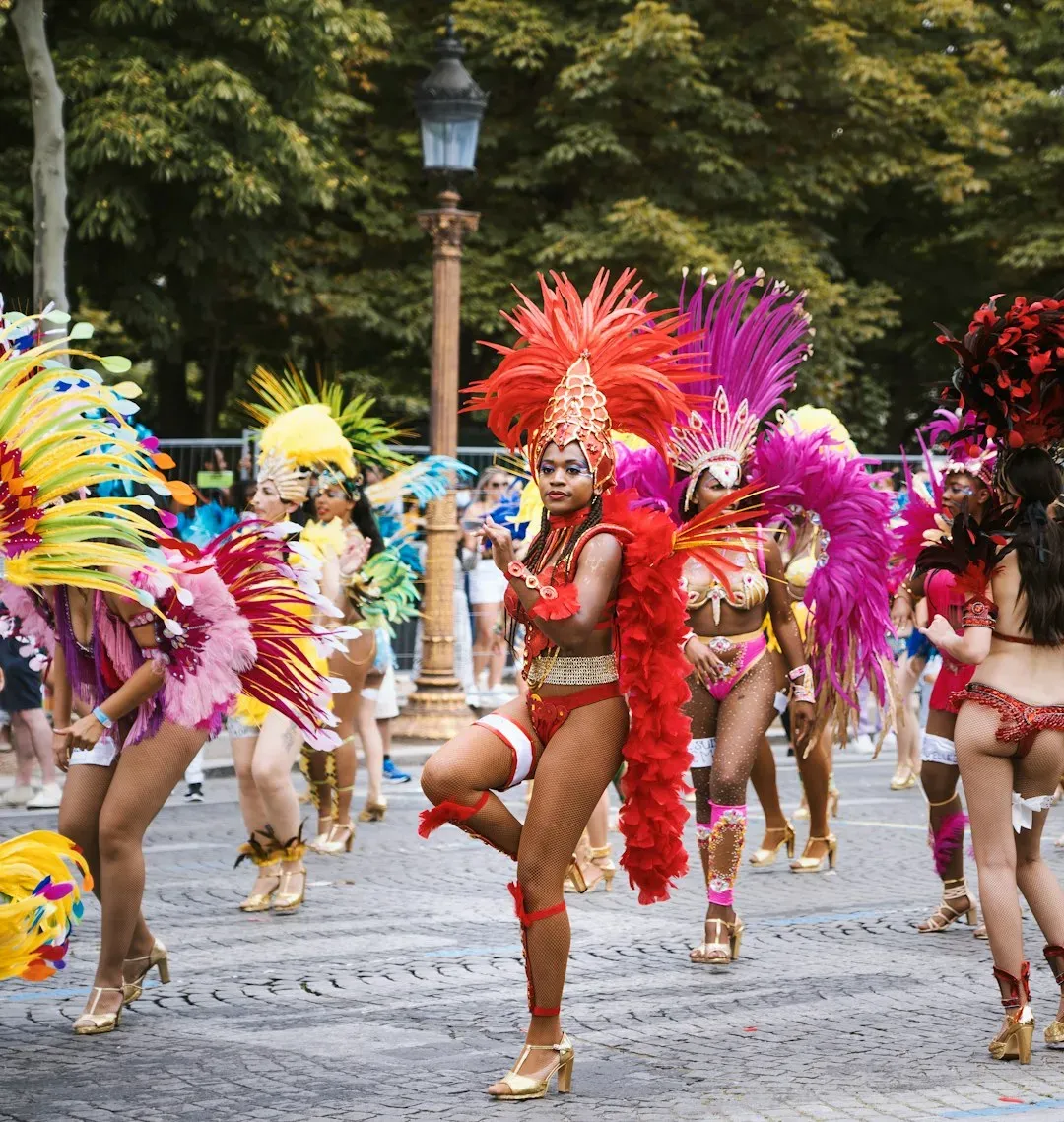
Rio’s Carnival is held annually before Ash Wednesday and is the largest in the world, drawing more than 2 million revelers annually. Think about that scale for a moment. Two million people converging on one city, from every corner of the globe, to dance, sing, and celebrate together. It’s organized chaos at its finest.
Carnaval Miami is a several-day festival that has drawn up to 1 million people in previous years, demonstrating how these traditions spread and adapt. The festival was started 40+ years ago by a group of young Cuban-Americans as a goodwill gesture, as waves of immigrants fled Fidel Castro’s Communist regime to Miami, with money raised on non-free events being reinvested to support the local culture through student scholarships.
The carnival tradition shows how celebration can be both an act of cultural preservation and community building. What began as religious observance has evolved into something far more inclusive, inviting everyone regardless of background to join the party. There’s something wonderfully democratic about a street parade where everyone’s welcome to dance.
International Music Festivals: Where Sound Creates Unity

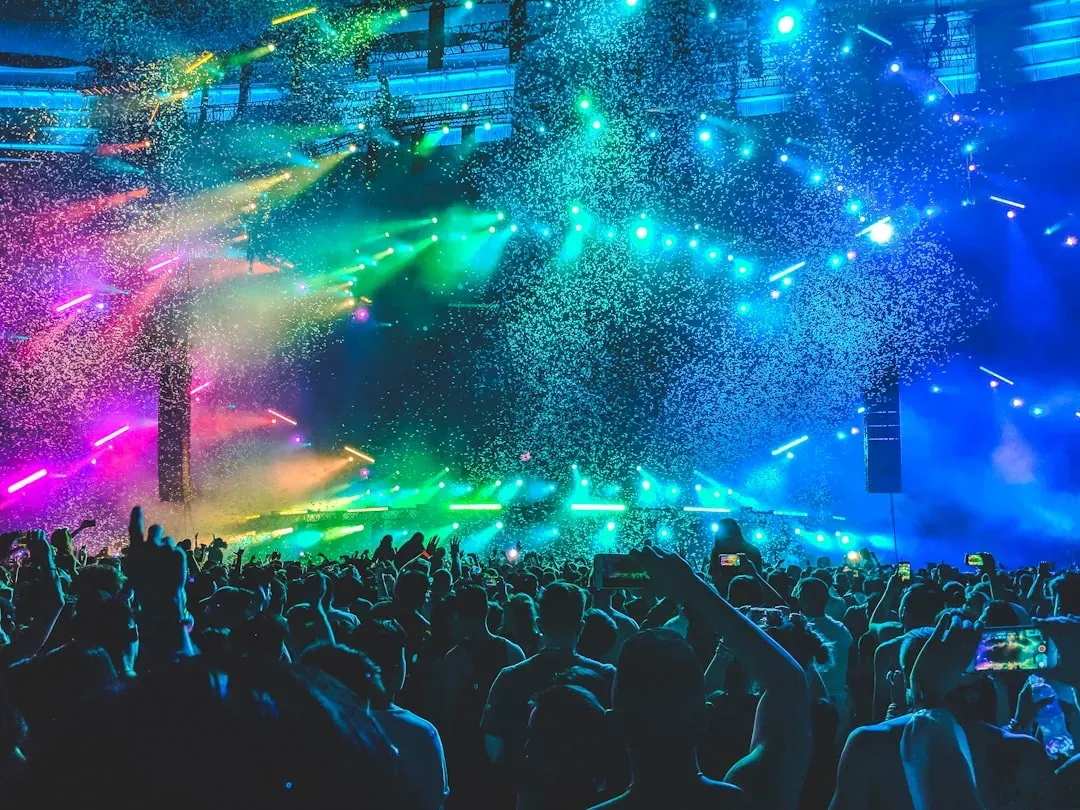
According to a 2019 Forbes article, festivals like Glastonbury and Burning Man attract thousands annually, showcasing top global festivities that celebrate music and art. 65% of festival attendees say they feel a sense of belonging at festivals, which reveals something crucial about why these events matter so deeply.
Tomorrowland multicultural diversity events draw attendees from over 200 nationalities, promoting global unity through dance and electronic music, while Coachella’s lineup featuring artists from various backgrounds has a significant impact on cultural diversity and encourages inclusivity. Music doesn’t require translation. A beat is a beat, whether you’re from Berlin or Beijing, Toronto or Tokyo.
A report from the International Festival & Event Association indicates that 30% of a city’s annual seasonal tourism influence can be attributed to major festivals, with local business festival revenue reflecting the role these events play in boosting seasonal tourism. Beyond the cultural impact, these gatherings create economic bridges between communities, proving that celebration and commerce can coexist beautifully.
31% of festival-goers attend festivals to discover new cultures or experiences, and 42% of festival attendees have attended at least one festival outside their home country. People are actively seeking these cross-cultural experiences, voting with their feet and their wallets for connection over division.
Oktoberfest and Beer Festivals: Shared Tables, Shared Stories

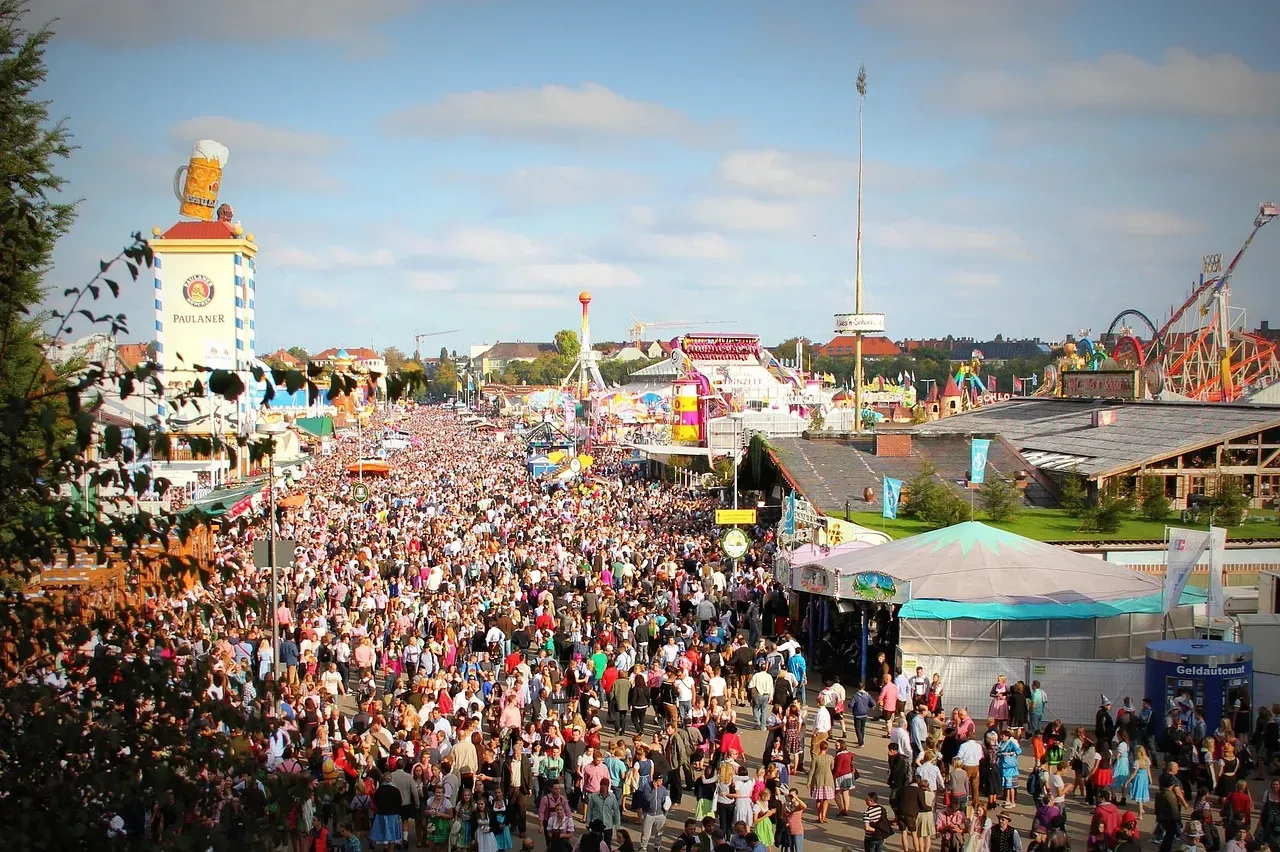
Oktoberfest, held annually in Munich, is a two-week long celebration of Bavarian culture featuring traditional food, music and beer, with millions of visitors from all over the world coming to raise their steins and enjoy the lively atmosphere. Oktoberfest in Munich employs over 12,000 people during the festival, making it both a cultural phenomenon and a significant economic event.
But what makes Oktoberfest particularly fascinating as a bridge between cultures is how it’s been adopted and adapted globally. Cities from Cincinnati to Singapore now host their own versions, celebrating Bavarian traditions while adding local flavors. It’s cultural appreciation done right: respectful, joyful, and inclusive.
There’s something about sitting at long communal tables, sharing food and drink with strangers who quickly become friends, that breaks down barriers faster than any diplomatic negotiation. Let’s be real, beer and pretzels have probably done more for international relations than we give them credit for.
Conclusion: The Threads That Bind Us

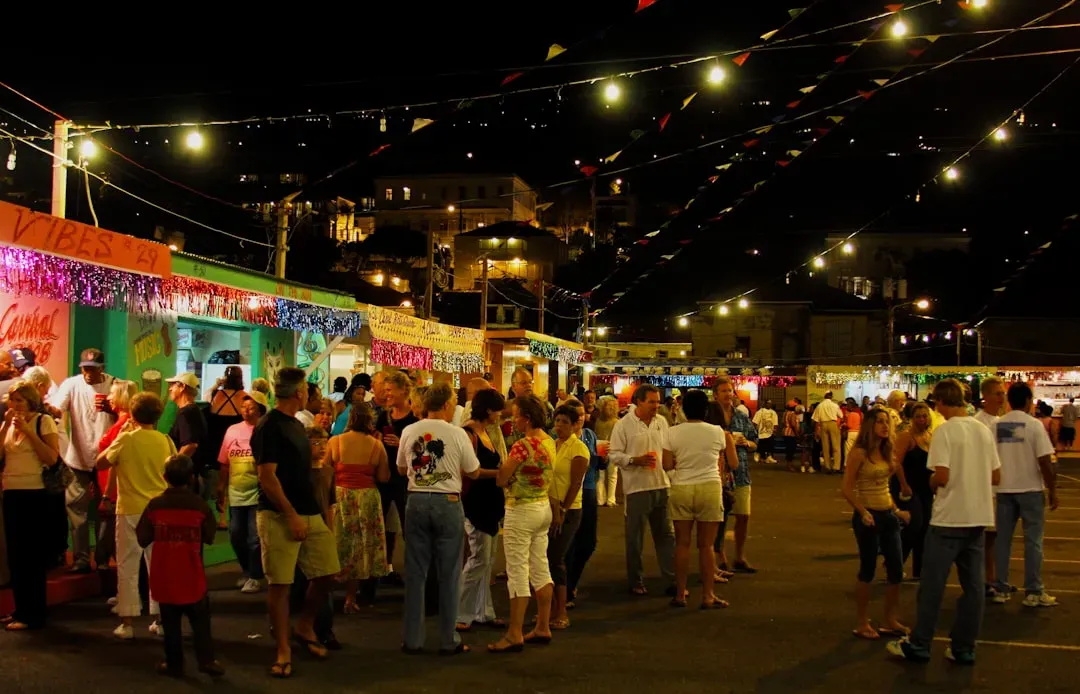
In any community, festivals are an important showcase of culture and creativity, and the cornerstone of economic development strategies to attract tourists. Yet their true value extends far beyond economics. These multicultural celebrations create spaces where difference becomes dialogue, where unfamiliarity transforms into understanding.
The manifestations around the world differ vastly in style, ritual, and type of clothing used, but the underlying intent is to promote unity and tolerance amongst the various communities that foster intermingling. Whether it’s two million people dancing at Carnival in Rio, families lighting diyas for Diwali across six continents, or strangers sharing steins at Oktoberfest, these moments matter profoundly.
In our fractured world, these celebrations offer something precious: proof that connection is possible, that joy can be shared across boundaries, and that our differences make us richer rather than poorer. They show us that bridges between cultures aren’t just metaphorical but tangible, built one festival, one conversation, one shared experience at a time.
What celebration has brought you closest to a culture different from your own? Have you experienced that magical moment when difference dissolved into shared humanity? The world needs these bridges now more than ever.