Now I have enough material for four solid myths. Let me write the article.
Rock and pop history is full of legends that sound too good to check, and somewhere along the way a lot of listeners simply stopped checking. Album origin stories are especially prone to this kind of embellishment, since they tend to get passed around by fans, radio DJs, and internet forums long before anyone tracks down the actual musicians involved. Here are four of the most persistent myths about how iconic albums came to be, along with what the people who actually made them have said.
1. Pink Floyd Synced “The Dark Side of the Moon” to “The Wizard of Oz”
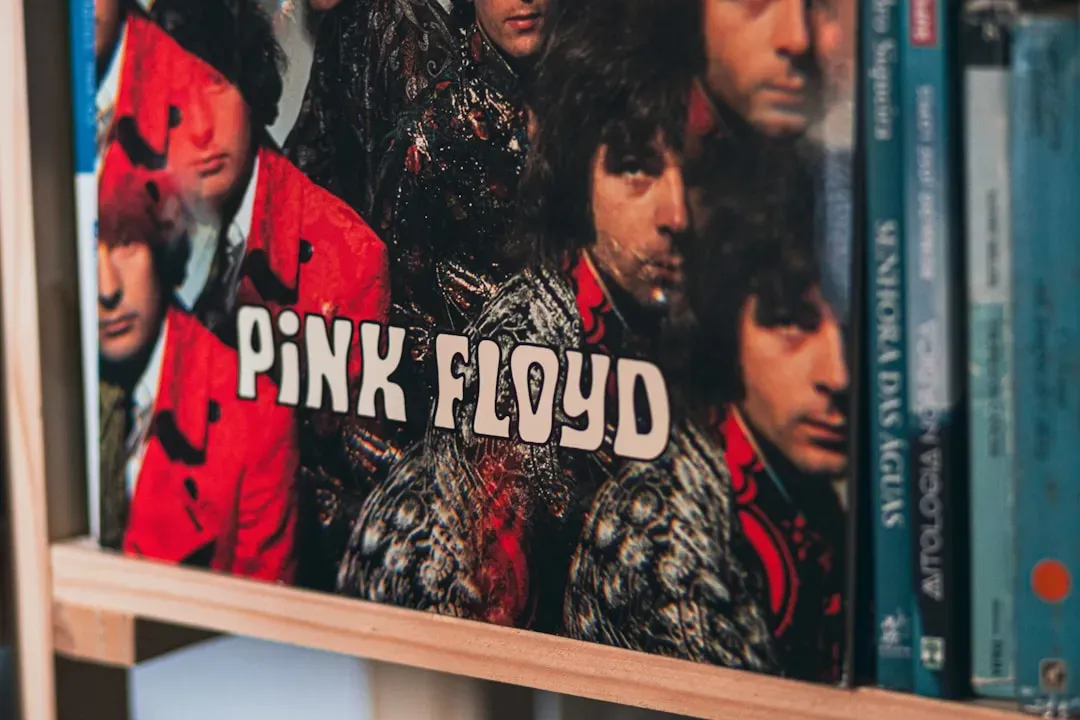
The idea that Pink Floyd deliberately engineered The Dark Side of the Moon to line up with The Wizard of Oz has been floating around since the mid 1990s, when a newspaper writer named Charles Savage popularized the pairing under the name “The Dark Side of the Rainbow.” The theory traces back to an article for the Fort Wayne Journal Gazette on Aug. 1, 1995, noting that starting the album as the MGM lion roars produces eerie sync-ups at several points. It spread fast once early internet forums got hold of it, and it has never really gone away.
The trouble is that nearly everyone who actually worked on the record has flatly denied it. Bassist Roger Waters said it was “bullshit” with no connection to anyone who worked on the album. Engineer Alan Parsons also denied any connection, saying the band had no means of playing video tapes in the studio at the time of recording, while drummer Nick Mason joked that “it’s absolute nonsense” and had nothing to do with the film. Even guitarist David Gilmour brushed it off as the work of “some guy with too much time on his hands” who decided to combine the two. Coincidence and pattern-seeking, not secret intent, is the far more likely explanation.
2. “Rumours” Was Written as a Direct, Song-by-Song Diary of the Band’s Breakups
Fleetwood Mac’s Rumours gets described constantly as a real-time breakup diary, the idea being that every track was written in the heat of the band’s simultaneous romantic collapses. It is true that the sessions unfolded during genuine chaos. The recording sessions took place as the band members dealt with breakups with one another and struggled with heavy drug use, both of which shaped the album’s direction and lyrics. That part of the legend holds up.
Where the myth overreaches is in treating the album as some kind of literal, chronological confessional written purely in anguish. In reality, the band originally set out with a much more commercial goal. The record was recorded with the intention of making “a pop album” that would expand on the commercial success of the band’s 1975 self-titled record, with lyrics concerning personal and often troubled relationships rather than a strict narrative. Some songs also predate the breakups they are assumed to describe, and details behind tracks like “Songbird” have shifted over the years depending on who is telling the story, which undercuts the tidy “diary” framing fans love to repeat.
3. “Sgt. Pepper’s Lonely Hearts Club Band” Is a Fully Realized Concept Album
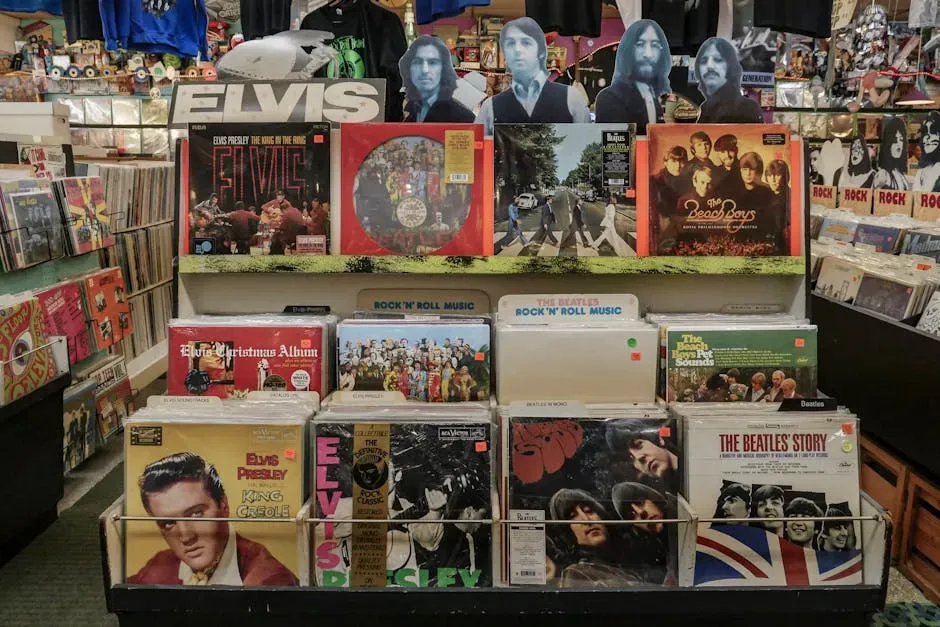
Sgt. Pepper’s is routinely crowned the first true concept album, the story being that The Beatles built an entire imaginary band and consistent narrative across all thirteen tracks. The concept did start that way. John Lennon later explained the original plan directly, noting it was going to be Sgt Pepper and his Lonely Hearts Club Band with all these other acts running like a rock opera, but the band only got as far as two tracks before deciding “Sod it! it’s just two tracks,” though they kept the title and feel that it’s all connected even though they never actually connected all the songs.
Beyond the title track segueing into “With a Little Help From My Friends,” and the brief reprise near the end, the “band” concept mostly disappears. Ten of the thirteen songs on the album have no specific thread connecting them, so Sgt Pepper’s isn’t really a concept album in the strict sense. It absolutely reshaped studio production, cover art, and how albums were marketed as unified packages, but the wall-to-wall narrative fans imagine simply is not there on the tracklist itself.
4. “Hotel California” Secretly Documents a Real Satanic Church
Few songs have attracted a stranger myth than “Hotel California,” which during the 1980s “Satanic panic” was accused of encoding a real story about the occult. Reverend Paul Risley of Cornerstone Church in Burlington, Wisconsin, claimed the song had Satanic references, including connections to Church of Satan founder Anton LaVey and Satanic rituals. He pointed specifically to the line about “we haven’t had this spirit here since 1969,” tying it to the year The Satanic Bible was released. Believers also claimed hidden backward messages existed if the song was played in reverse.
Partner offer
The band has pushed back on this for decades. Guitarist Don Felder debunked the myth that “Hotel California” is about devil worship, explaining the song actually portrays the dark side of the music industry in Los Angeles. Don Henley has offered his own reading many times over, describing the hotel as a metaphor not only for the myth-making of Southern California, but for the myth-making that is the American Dream, sitting on a fine line between the American Dream and the American nightmare. Considering the Eagles were, by their own account, four Midwestern transplants processing the excesses of the LA music scene, the actual explanation is a lot less theatrical than the rumor, even if it is arguably just as interesting.
What ties these four stories together is not that the albums themselves are any less remarkable once you strip away the myths. If anything, the real accounts, messy studio compromises, half-finished concepts, and misheard lyrics turned into moral panic, are more revealing about how music actually gets made than the tidy legends that replaced them. Bands rarely set out to build secret puzzles for future fans to decode. Most of the time they are just trying to finish a record on schedule, and the mythology gets added later by everyone else.
Partner offer
Planning a trip to Vegas?
Compare hotel rates and show tickets on VEGAS.com.