Now I have enough grounding for the vinyl market context. Let me write the article using well-established albums with strong critical/cultural pedigree.Now I have sufficient grounding. Let me write the article.
There’s something quietly satisfying about flipping through a record collection and landing on an album that actually mattered. Not the one everybody bought because it was everywhere, but the one that signaled you were paying attention, that you knew where the genre was headed before the algorithm told you. Physical media has become a badge of intention again, and the RIAA’s own numbers back that up.
The resurgence isn’t nostalgia alone. There were nearly 47 million vinyl records sold in the U.S. in 2025 for a total of more than $1 billion, an increase of about 8% from the previous year, according to the Recording Industry Association of America. That’s a format that had not touched that revenue mark in over four decades. If you were holding onto vinyl, CDs, or cassettes of these nine albums long before that boom, you weren’t just collecting. You were curating.
1. Radiohead – Kid A (2000)
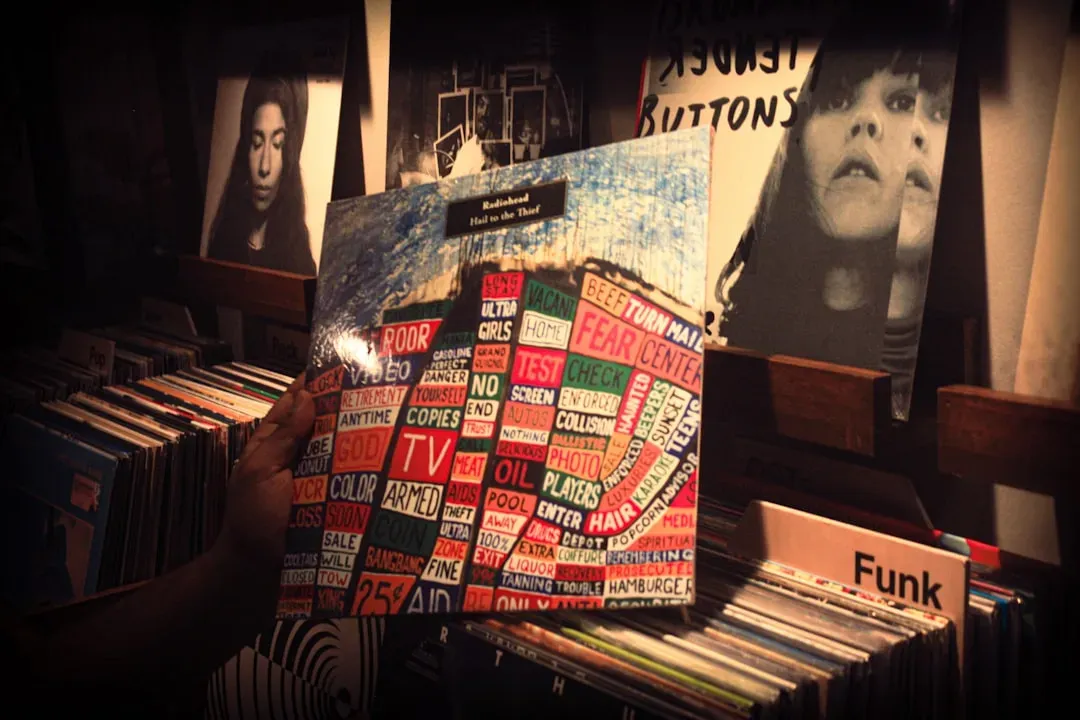
When Radiohead followed the guitar-drenched triumph of OK Computer with a record built on skittering electronics and ambient dread, plenty of fans were baffled. Owning a first-run copy meant you trusted the band even when they seemed determined to alienate their own audience. Originally released in October 2000, Kid A was the highly anticipated follow-up to OK Computer and includes Idioteque, Optimistic and Motion Picture Soundtrack.
The original double 10-inch vinyl pressing has become genuinely collectible, and not because it necessarily sounds better than later reissues. Collectors chase it for the artifact itself, the specific gatefold and the era it represents. It was previously only available on vinyl as a double 10″ set, before later being released on full sized 12″ LPs. If your copy still has that original packaging with art from Stanley Donwood and Thom Yorke, you’re holding a piece of a genuine turning point in rock history.
2. Fleetwood Mac – Rumours (1977)
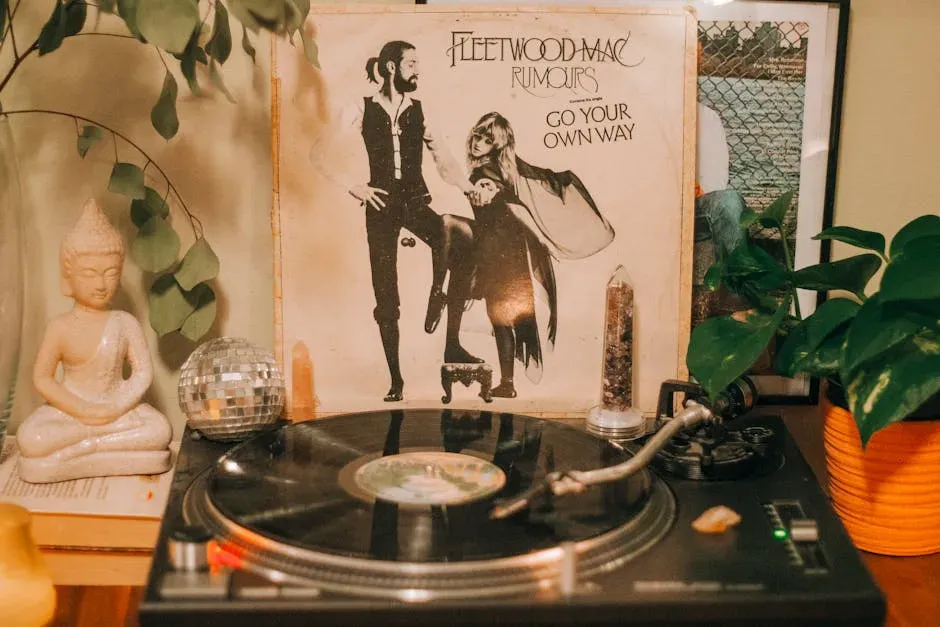
It might seem like an odd choice for a “impeccable taste” list given how enormous it became, but Rumours earns its spot because it’s one of the rare albums where mainstream success and genuine artistic depth are inseparable. Rumours is an absolute monster, both critically and commercially, released on February 4, 1977, and is much more than a breakup record, it’s one dripping with the band’s coked-out excess. Anyone who bought it new, or found a well-loved early pressing at a garage sale, has held onto something that shaped what a pop-rock album could be.
The scale of its success is almost hard to comprehend today. Rumours is one of only 12 albums to ever achieve Double Diamond status, meaning it has sold at least 20 million copies. An original 1977 Warner Bros. pressing, especially one in good shape with an intact inner sleeve, is a genuine piece of American music history, not just a nostalgic keepsake.
3. Michael Jackson – Thriller (1982)
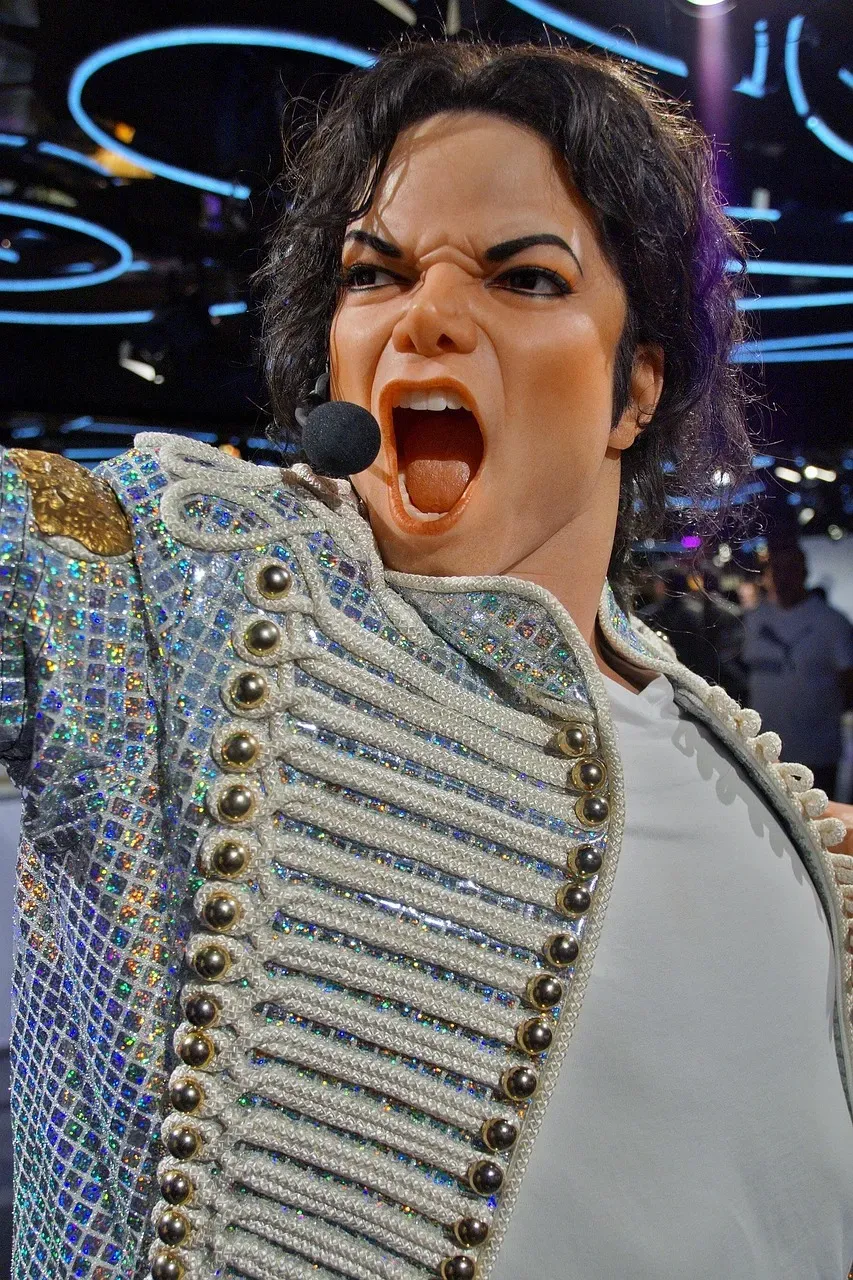
Thriller doesn’t need much of an introduction, but owning a physical copy, especially an early pressing, connects you to a moment when a single album redefined what pop music could achieve commercially and artistically. It fused disco, funk, rock, and post-disco pop into something that sounded utterly new for its time, and the production choices by Quincy Jones still influence records made today.
What makes a physical copy special now isn’t just sentimentality. Even in an era dominated by streaming, catalog vinyl from Thriller continues to move real units decades after release, a sign that the album’s pull hasn’t faded with new generations of listeners. Holding a well-preserved LP or CD of this record means you own a piece of the best-selling album in American history, one that reshaped the music industry’s relationship with crossover appeal.
4. The Velvet Underground & Nico (1967)
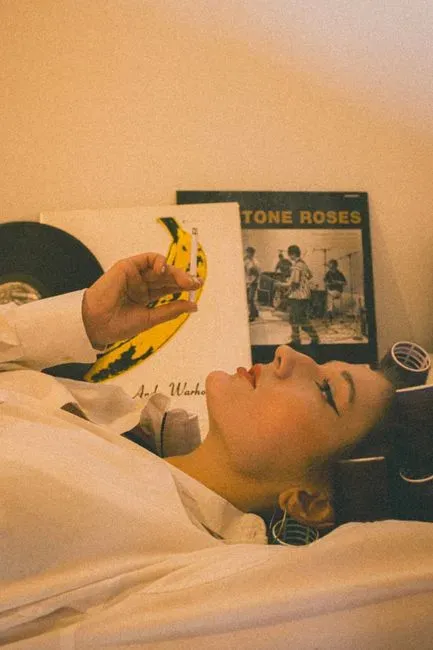
Few albums carry the mythology of this one. It sold modestly upon release, famously overshadowed by flashier psychedelic records of its era, yet its fingerprints are all over punk, art rock, and everything shoegaze eventually became. Owning a physical copy, particularly an original Verve pressing with the peelable Andy Warhol banana sticker intact, is as much about owning a cultural artifact as it is about the music itself.
The album’s commercial failure at the time is now part of its legend, the old joke being that almost nobody bought it, but everyone who did started a band. That’s more folklore than statistic, but it captures something true about the record’s outsized influence relative to its initial sales. If your copy has survived decades of moves and purges, you’ve been holding onto a genuine cornerstone of alternative music.
5. Joni Mitchell – Blue (1971)
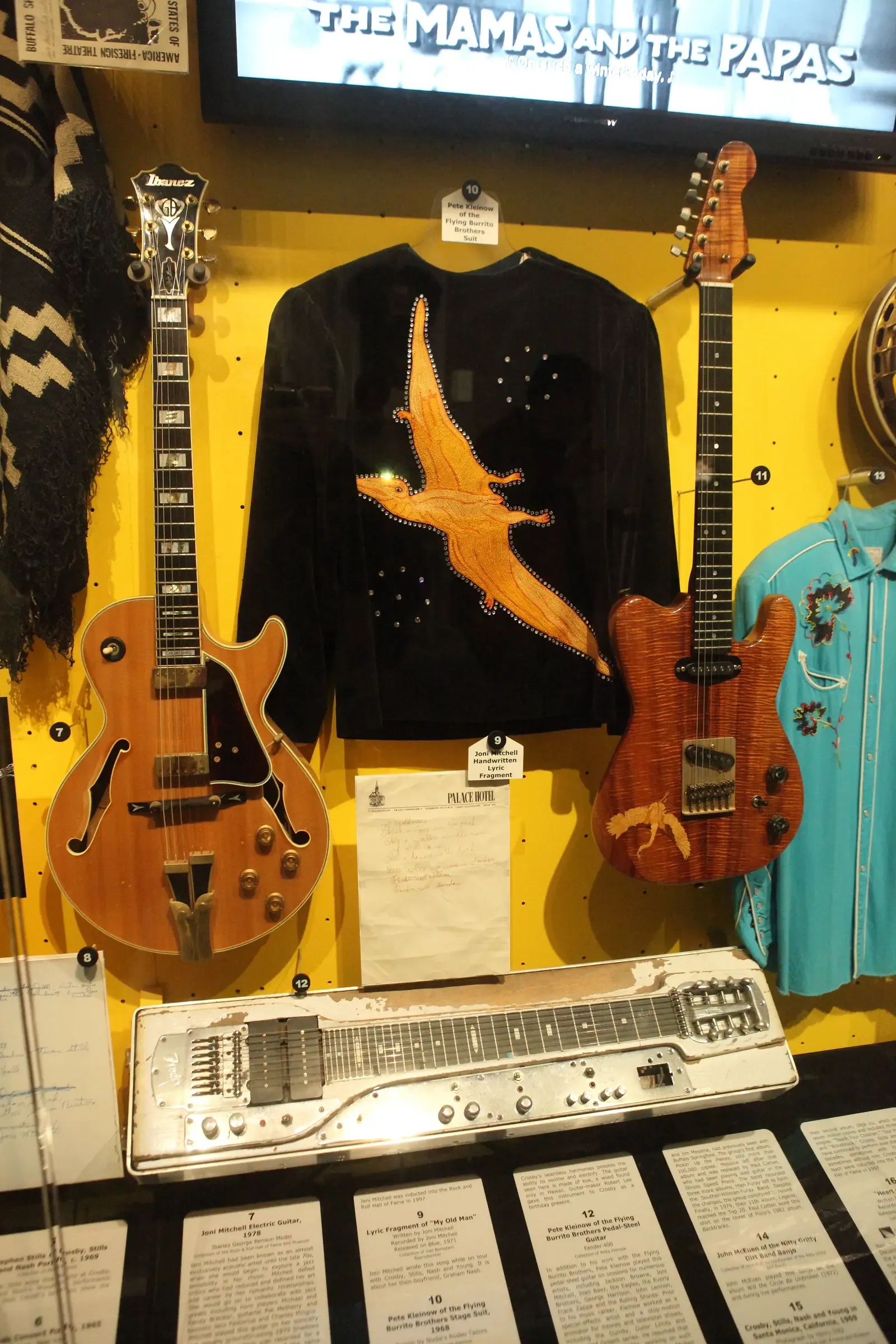
Blue is one of those albums that critics and musicians alike keep returning to as a benchmark for lyrical honesty in songwriting. It stripped away studio polish in favor of raw, confessional storytelling, something that felt almost daring at the time and still resonates with anyone who has gone through heartbreak, restlessness, or genuine self-examination.
Physical copies of Blue, whether on original vinyl or an early CD pressing, tend to circulate among people who take songwriting seriously rather than casual pop listeners chasing hits. The album never dominated the charts the way some of its contemporaries did, so a well-worn copy passed down or discovered secondhand often signals a deliberate choice rather than an impulse buy. That distinction matters when talking about taste versus trend.
6. Nirvana – In Utero (1993)
Nevermind gets most of the cultural credit, but In Utero is the album that revealed the more difficult, uncompromising side of Kurt Cobain’s songwriting. Produced with Steve Albini’s characteristically raw approach, it deliberately rejected the polished sound that made its predecessor a mainstream phenomenon, and that choice alienated some casual fans while deepening the loyalty of serious ones.
Physical copies of this record, especially early pressings before some of the mix adjustments made for radio compatibility, are prized by collectors who understand the album’s contentious production history. Owning one means appreciating a band’s willingness to frustrate expectations rather than chase them, a rarer trait in mainstream rock than people often admit.
7. D’Angelo – Voodoo (2000)
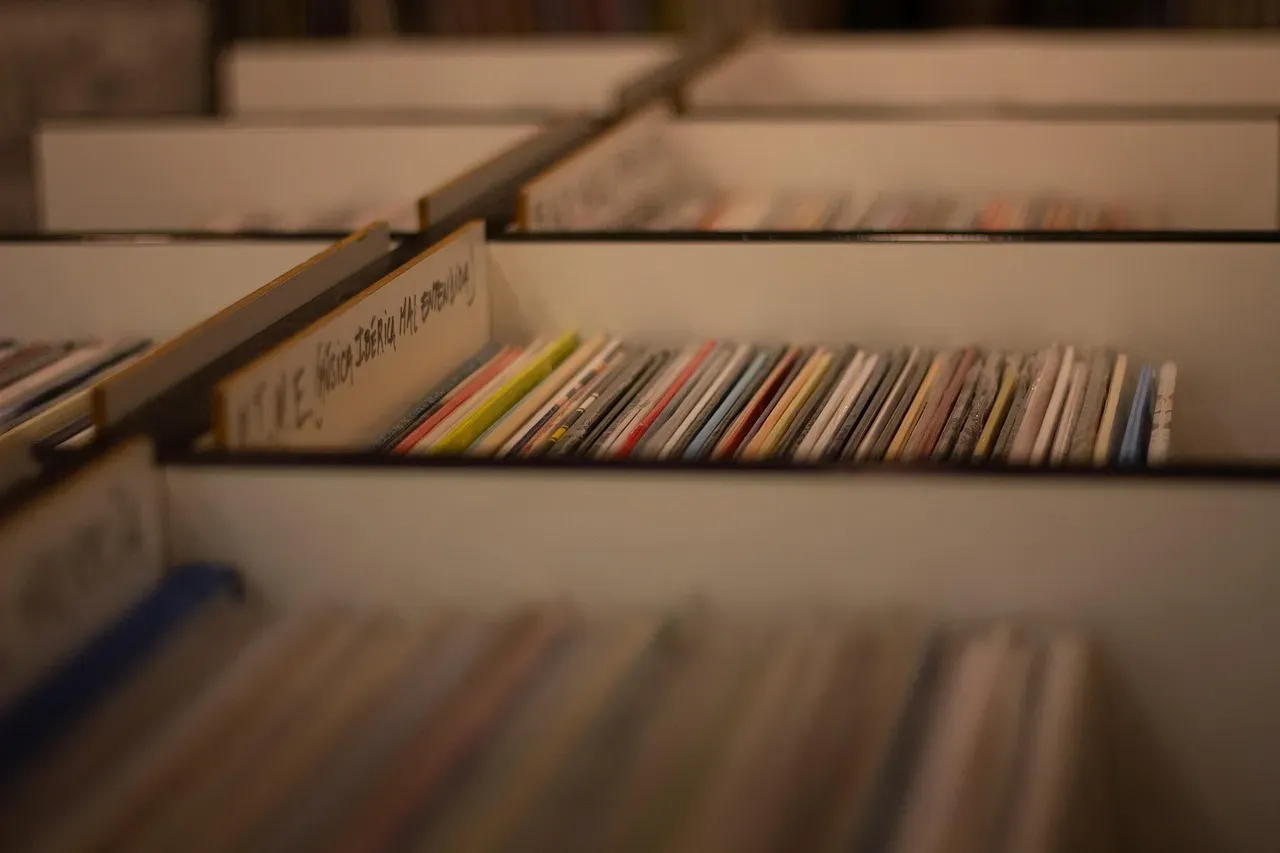
Voodoo arrived at a moment when neo-soul was still finding its commercial footing, and it became one of the genre’s defining statements almost by refusing to follow conventional song structures. Built around loose, in-the-pocket grooves recorded largely live with musicians like Questlove and Pino Palladino, it rewarded patient listening over instant hooks.
The album’s critical reputation has only grown since its release, frequently appearing on best-of lists that stretch across genres, not just R&B. A physical copy, particularly on vinyl where the low end and the loose swing of the rhythm section come through with more warmth, tends to belong to listeners who value musicianship over chart performance. That’s a specific kind of taste, and it’s held up remarkably well over the past two and a half decades.
8. Portishead – Dummy (1994)
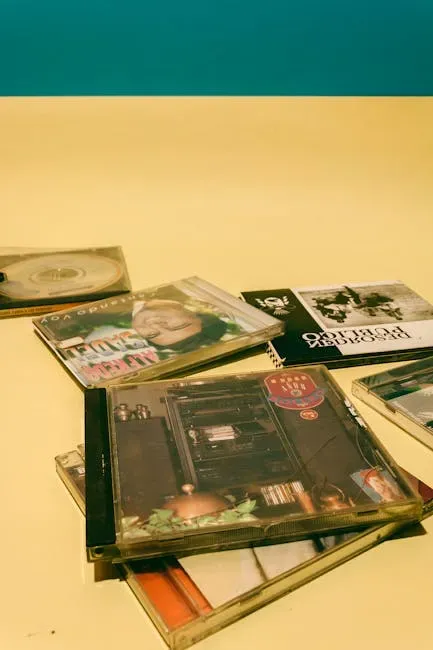
Dummy helped define trip-hop as a genre distinct from both hip-hop and electronic music, blending Beth Gibbons’ haunting vocals with dusty samples and cinematic atmosphere. It won the Mercury Prize in the UK and became a touchstone for an entire generation of producers working at the intersection of mood and minimalism.
What separates owners of a physical Dummy copy from casual streamers is usually an appreciation for atmosphere over immediacy. The album doesn’t offer obvious singles in the traditional sense, it offers a sustained mood that unfolds across the whole runtime. A well-kept vinyl or CD copy suggests someone who valued sonic texture and studio craft during an era when trip-hop was still an unfamiliar term to most listeners outside the UK.
9. Sade – Diamond Life (1984)
Diamond Life introduced a sound that was smoother and more understated than most of what dominated pop radio in the mid-1980s, blending jazz, soul, and soft-rock influences into something that felt timeless almost immediately. Sade’s restrained vocal delivery and the band’s tight, unhurried arrangements set the record apart from the more maximalist production trends of its decade.
Partner offer
The album has aged remarkably well, finding new audiences through samples and playlists decades after release, but a physical copy from its initial run carries a different kind of weight. It represents recognizing quality songwriting and understated performance at a time when louder, flashier records were getting most of the attention. That’s taste that doesn’t need validation from trends to hold up.
Why These Albums Still Matter
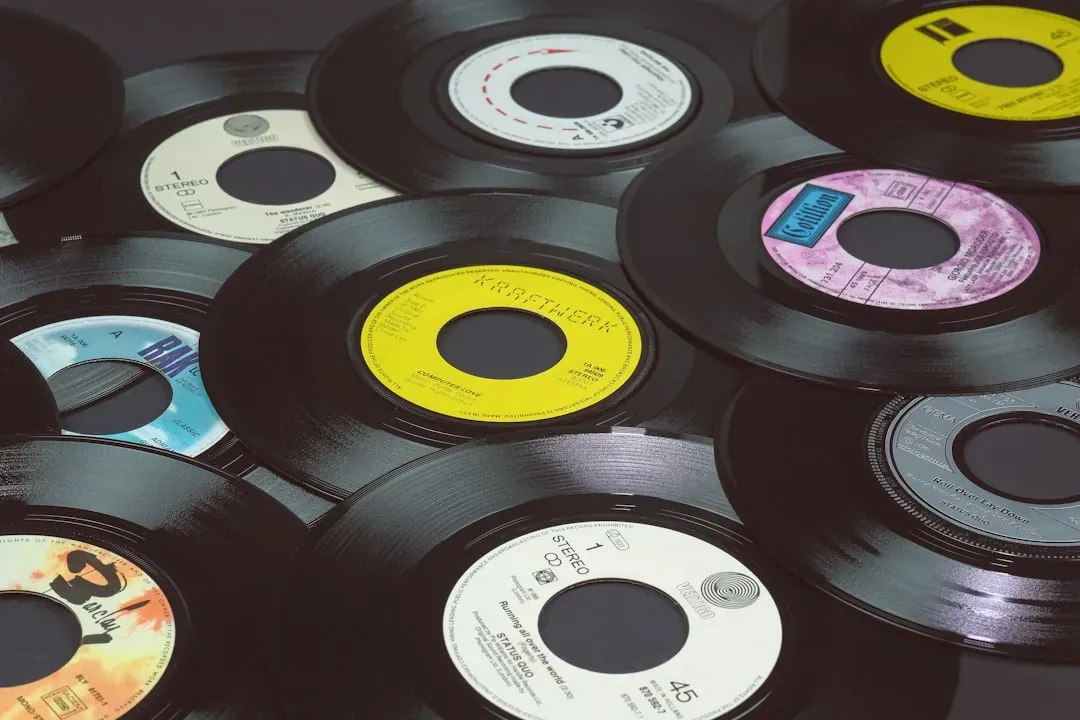
What ties these nine records together isn’t genre or even era, it’s the fact that each one asked something of its listener rather than simply delivering easy gratification. Some were commercial phenomena that also happened to be genuinely great, others were quiet critical favorites that took years to find their audience. Either way, owning a physical copy of any of them says something about the kind of listening you were doing at the time.
The broader vinyl revival happening right now, with sales having been growing for 19 years straight according to RIAA data, means plenty of these titles are getting reissued and rediscovered by younger listeners. Still, there’s a particular satisfaction in having held onto the real thing before it became fashionable again. Good taste, it turns out, rarely goes out of style. It just waits for everyone else to catch up.
Partner offer
Planning a trip to Vegas?
Compare hotel rates and show tickets on VEGAS.com.