
Readers rarely forgive a beloved character’s death quickly. Some authors have answered that grief with something close to an apology. Others have offered a softer acknowledgment, and a few have gone the other way.
The four writers below sit at different points on that scale. One has apologized in so many words, and one has shrugged off any blame. The other two fall somewhere in between, and I’ve tried to say plainly which is which.
J.K. Rowling and the Annual Battle of Hogwarts Apology
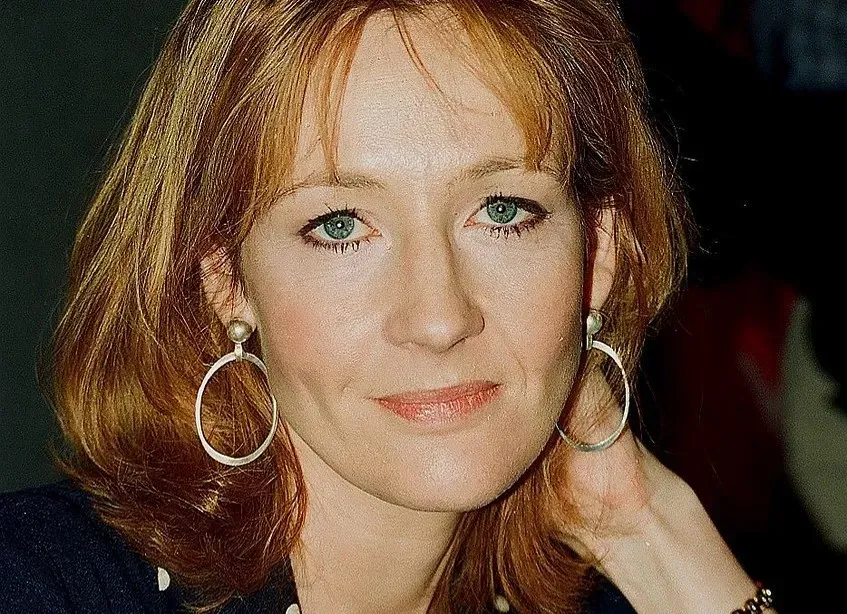
Rowling is the clearest case. On May 2, the anniversary of the Battle of Hogwarts, she made a tradition of apologizing to fans for killing off favorite characters. On the 17th anniversary, she tweeted an apology for Fred Weasley’s death. When fans asked why Fred and not someone else, she replied that she would apologize for one death per anniversary.
The list kept growing. In 2016 it was Remus Lupin, and in 2017 it was Severus Snape. In 2018 she apologized for Dobby, who died earlier than the battle itself. She also explained her reasoning about Lupin. She admitted she hadn’t decided to kill him until she wrote the fifth book, and that Lupin died because Arthur Weasley lived.
Veronica Roth and the Death of Tris
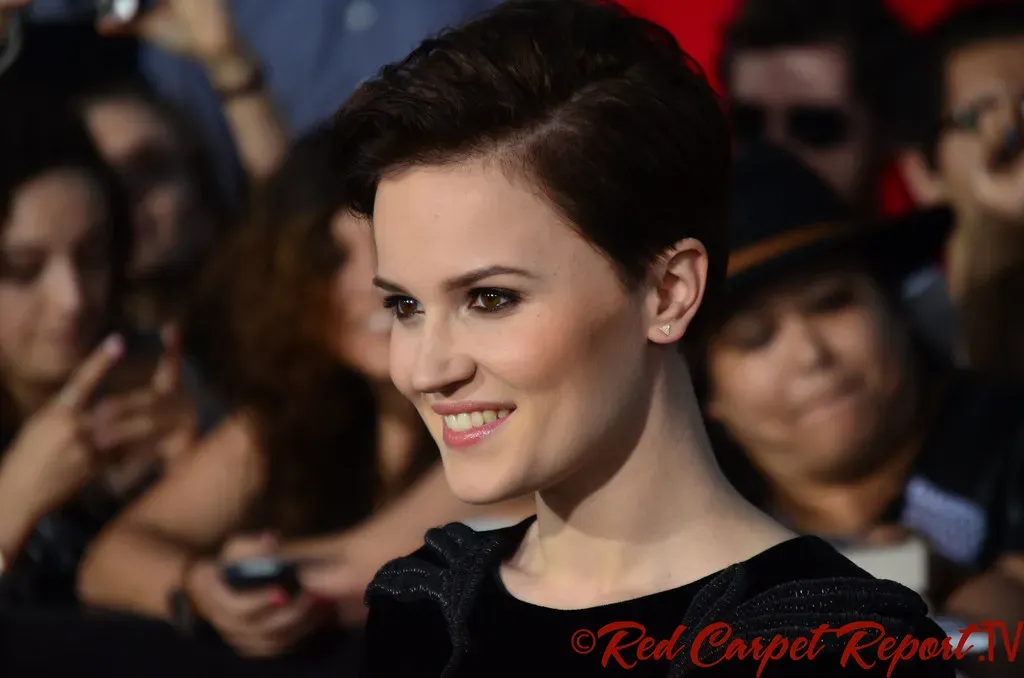
Roth’s case is gentler than an outright apology. When she ended the Divergent series with the 2013 novel Allegiant, she killed off the main character, Tris. She has never treated it as a mistake. She has said she knew from the moment she started the first book that her lead would die at the end.
What she has done is acknowledge the fallout. In a 2021 Salon essay she wrote that readers had strong reactions to the ending, and that some even wished her dead. More recently she posted a humorous reflection on Instagram about the plot twist that made the fandom so angry. Years later, she said she completely understands why readers reacted so strongly.
Arthur Conan Doyle and the Fall at Reichenbach
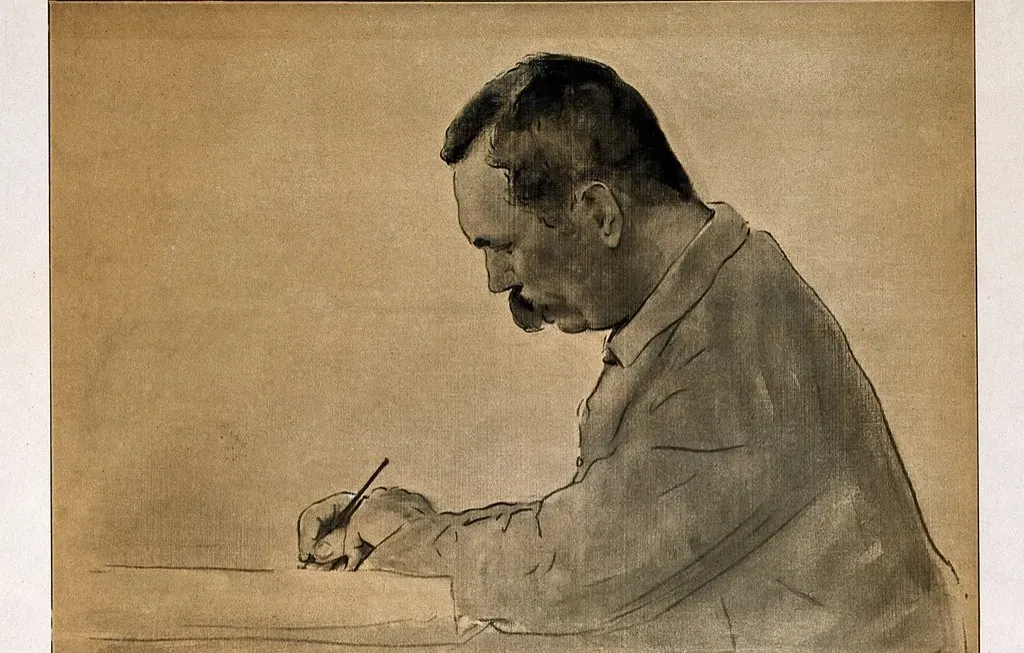
Doyle never apologized in any formal way, though he is the oldest example of an author facing fan backlash over a death. His 1893 story “The Final Problem” ends with Sherlock Holmes plunging to his death at the Reichenbach Falls while struggling with Professor Moriarty. He felt the stories were distracting him from more serious literary work and thought killing Holmes was the only way to get his career back on track.
Readers did not take it quietly. They wrote to the magazine in protest, and clubs formed to keep Holmes “alive.” One account says The Strand Magazine lost 20,000 subscribers. Doyle eventually revived the character, and in “The Adventure of the Empty House,” published in 1903, Holmes explained that he had faked his death. So his answer to angry fans was to bring Holmes back, which isn’t quite the same as saying sorry.
George R.R. Martin and the Refusal to Say Sorry
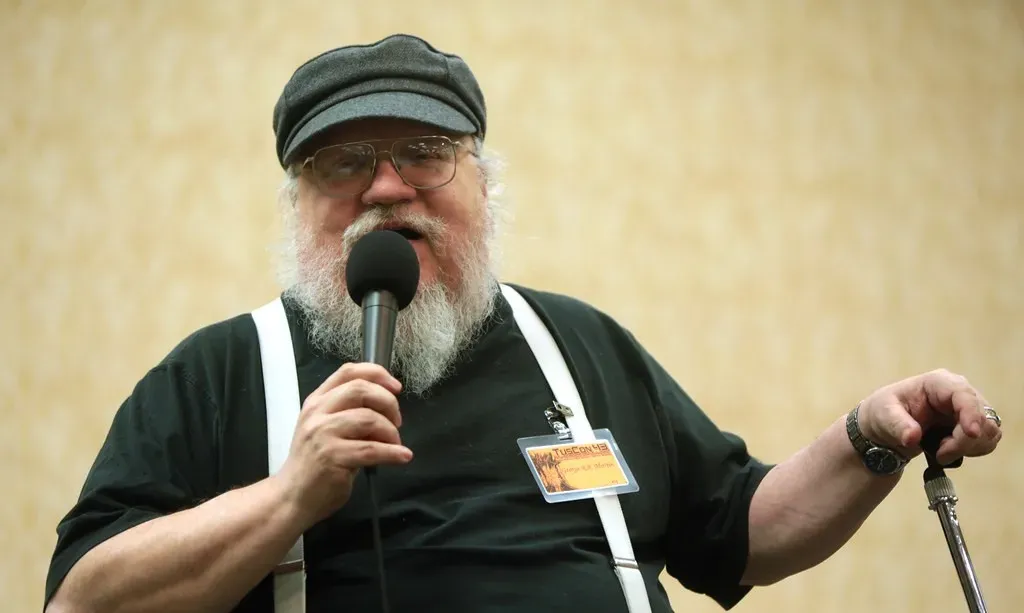
Martin makes the useful counterexample. He has described killing characters as hard, but he doesn’t accept blame for it. Gizmodo noted that, like Rowling, he sees death as a narrative necessity and a hardship, but he doesn’t take the blame.
In an interview with Galaxy’s Edge, he said he loves all his characters and finds it hard to kill them, but he knows it has to be done. He tends to think he doesn’t kill them, and that the other characters do. Commentators have joked about the contrast with Rowling’s habit. One quipped that if Martin made the same kind of apologies for A Song of Ice and Fire, the Red Wedding alone would take him a solid decade.