Swingers turned thirty last month, and it’s a handy reminder of how little time some of the decade’s best small films were given. Doug Liman’s comedy was released on October 18, 1996. The people behind it didn’t have months of schedule to spare.
The 1990s indie boom ran on borrowed cameras, credit cards and favors. A short shoot was often the only way to make the numbers work. The eleven films below all wrapped inside a month, and the reported shooting lengths come from the sources cited in each entry.
Trust (1990)
Hal Hartley’s Trust was one of the early signs that the decade’s independent scene had its own voice. It has a reputation as a film caught on lightning, with a shooting schedule reportedly only eleven days. That makes it the shortest shoot of the group, apart from one famous horror film that comes later.
The film follows an odd romantic pair who come together after a pregnant teenager is thrown out of her home. Martin Donovan, a Hartley regular, plays opposite Adrienne Shelly’s character, Maria. The short schedule suited a film built on deadpan performances and tight, rehearsed dialogue.
El Mariachi (1992)
Robert Rodriguez became the poster child for no budget filmmaking with El Mariachi. It was shot in Acuña, Mexico, just across the Texas border, on a schedule of fourteen days. The setting was a home town for one of his collaborators, which kept location costs close to nothing.
The money side was just as lean. Only $7,225 was spent out of the $9,000 that had been raised. A small crew and few rented items meant there was little to schedule around, so the shoot stayed simple.
Bad Lieutenant (1992)
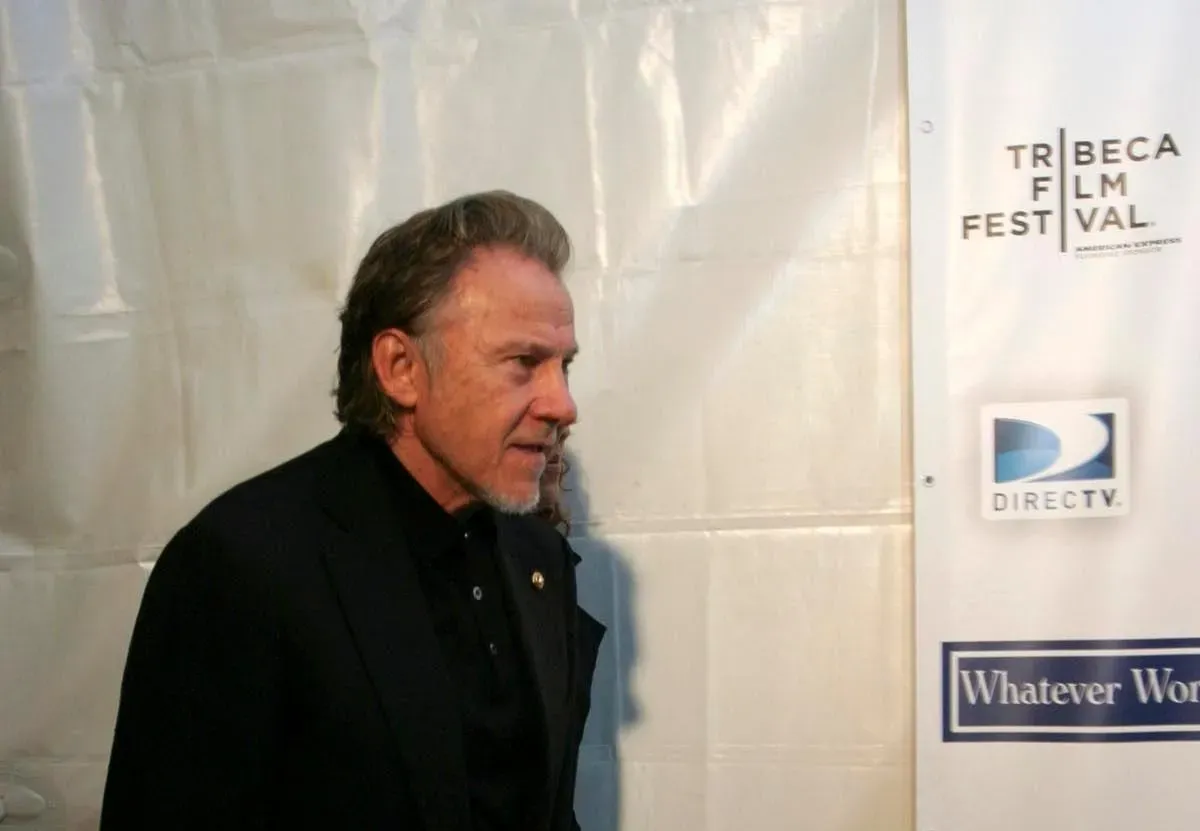
Abel Ferrara’s Bad Lieutenant is usually described as a fast, rough shoot in New York, with Harvey Keitel in the lead. Reports of its exact length vary a little from source to source. The common account puts it at roughly three weeks, though I’d treat the precise figure as approximate.
What’s easier to see on screen is the pace. The film has the raw, unpolished look of a production that didn’t have time to second guess itself. It’s also a good example of a harder, more transgressive strain of ’90s independent cinema.
Clerks (1994)

Kevin Smith’s debut was shot in a convenience store after closing hours. One list counts the schedule as twenty one nights. The budget was $27,000, and the film went on to earn about $4.4 million.
Smith funded it in scrappy ways. He sold most of his comic book collection, borrowed from his parents, and maxed out several credit cards. He shot in his own workplace and got so little rest between shifts that he fell asleep on set during a fight scene.
Swingers (1996)
Swingers is the film that started this list, and its schedule was tight by design. Liman planned to shoot about eighteen days, covering around twelve script pages a day. He also acted as cinematographer.
Budget figures differ depending on who you ask. One recent report gives a production budget of $250,000, while another puts it at $200,000, with half spent on music. Liman sold the film to Miramax for $5.5 million.
Loser (1996)
Kirk Harris’s Loser is less famous than most titles here, but it fits the theme well. It was shot for just $38,000 on a schedule of only twelve days. Harris wrote and directed it as his directorial debut.
The film also had a festival life. It screened at the 1995 Slamdance Film Festival. The Los Angeles Times called it an impressive no budget Rebel Without a Cause.
Chasing Amy (1997)
Kevin Smith returned to tiny budgets for his third feature. One account says the cast and crew slept on each other’s sofas, shot without permits, and finished in twenty days of shooting. The details come from a retrospective, so treat the count as a reported figure.
The payoff was large for a film this small. It grossed $12 million on a $250,000 budget. It also won two Independent Spirit Awards in 1998, for Best Screenplay and Best Supporting Actor.
In the Company of Men (1997)
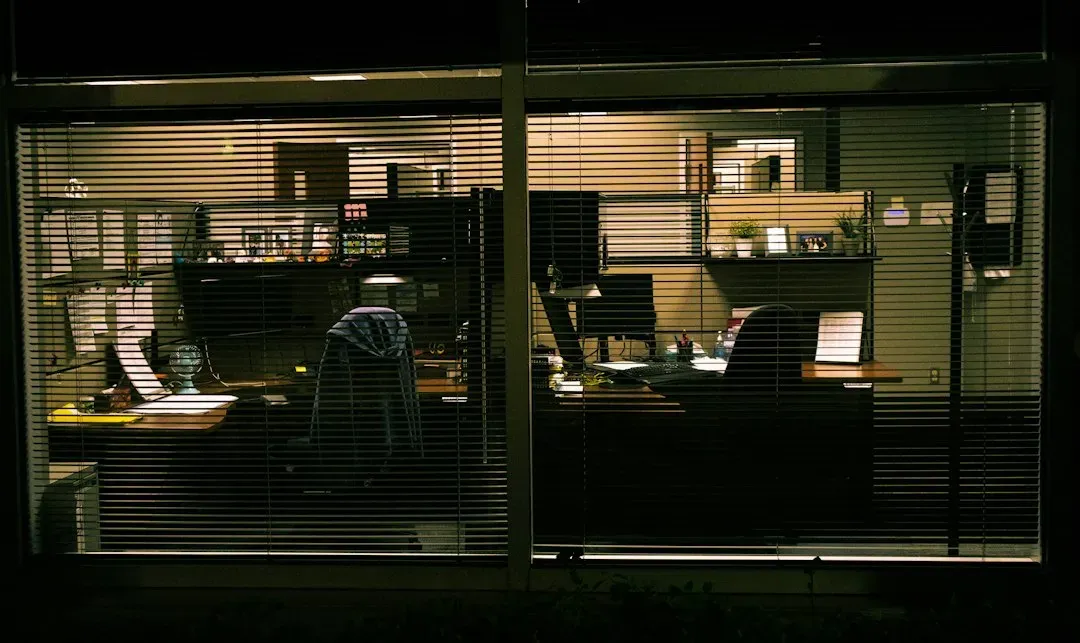
Neil LaBute’s chilly office drama is often cited as one of the leanest hits of the decade. It’s widely reported to have been shot in around eleven days for a budget in the tens of thousands of dollars. Exact numbers vary by retelling, so consider them approximate.
The film takes place almost entirely in plain offices and bland rooms. That restraint works in its favor. With a small cast and few locations, a short schedule wasn’t a compromise so much as the natural shape of the project.
Pi (1998)
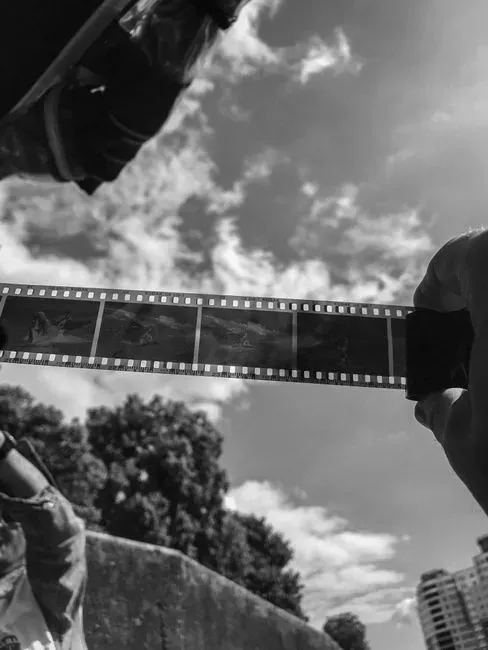
Darren Aronofsky’s debut was shot in stark black and white, and it took a little over a month by some accounts. He shot fifty three thousand feet of 16mm film, about twenty three hours of footage, over a twenty eight day period. That keeps it just inside the limit.
The financing was unusual. Producer Eric Watson and Aronofsky asked friends, relatives and acquaintances for $100 donations and raised about $60,000. Much of the New York shooting was done guerrilla style, without proper location permits.
Run Lola Run (1998)
Tom Tykwer’s German thriller isn’t American, but it belongs to the same small film wave. It unfolds in real time and was shot in just twenty three days. That’s a short window for a film built on repeated sprints through city streets.
Franka Potente runs through the story three times, with small changes each round. The structure meant careful planning, since the same locations had to be reused and varied. It’s a useful reminder that tight schedules and inventive editing often go together.
The Blair Witch Project (1999)
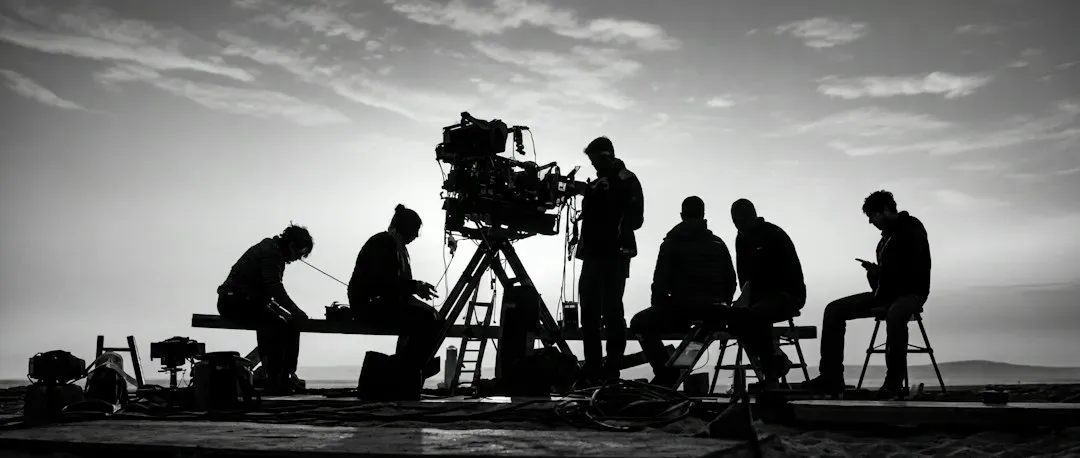
The Blair Witch Project has the shortest schedule of the group. It was shot in just eight days and edited over eight months by Daniel Myrick and Eduardo Sánchez. The actors shot the film themselves in the Maryland woods, using improvised dialogue and a minimal crew.
The financial result was striking. Its budget was $60,000, and its box office reached $248.6 million. A tiny shoot, a long edit and a clever release became one of the decade’s most talked about independent successes.