


Pseudonyms have always had a strange pull in publishing. Sometimes a writer wants to shed expectations, sometimes they want to test whether their name or their talent is doing the selling, and sometimes they just want the freedom to write something nobody expects from them. What makes these particular cases interesting is not just that the authors hid, but how thoroughly their disguises fell apart once readers, journalists, or in one case a curious bookstore employee, started paying attention.
1. J.K. Rowling as Robert Galbraith

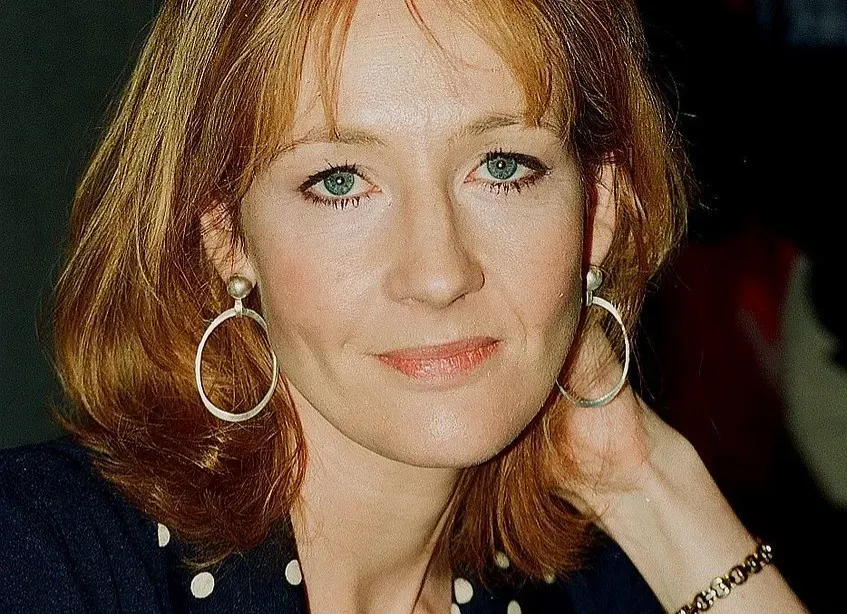
In 2013, a quiet crime novel called The Cuckoo’s Calling appeared in bookstores under the name Robert Galbraith, supposedly a first time author and former member of the British Royal Military Police. The little known crime novel was written by someone using the pseudonym Robert Galbraith, who claimed to be a first time author and former member of the British Royal Military police. Reviews were warm, but nobody was buying it. Reports at the time put UK sales somewhere between roughly 450 and 1,500 copies before anyone knew who had actually written it, depending on which tally you trust.
The unraveling started with a tip. The Times of London’s art editor tweeted that he felt the mystery story was too good to have been written by a novice, and in response received an anonymous tip saying the book was written by Rowling. Once the Sunday Times confirmed it, everything changed almost overnight. The Bookseller reported that 17,662 hardback copies were sold in the week after the reveal, up from just 43 copies the previous week. Rowling later admitted she had hoped to keep the secret going longer, since writing without the weight of her own name attached had felt freeing.
2. Stephen King as Richard Bachman

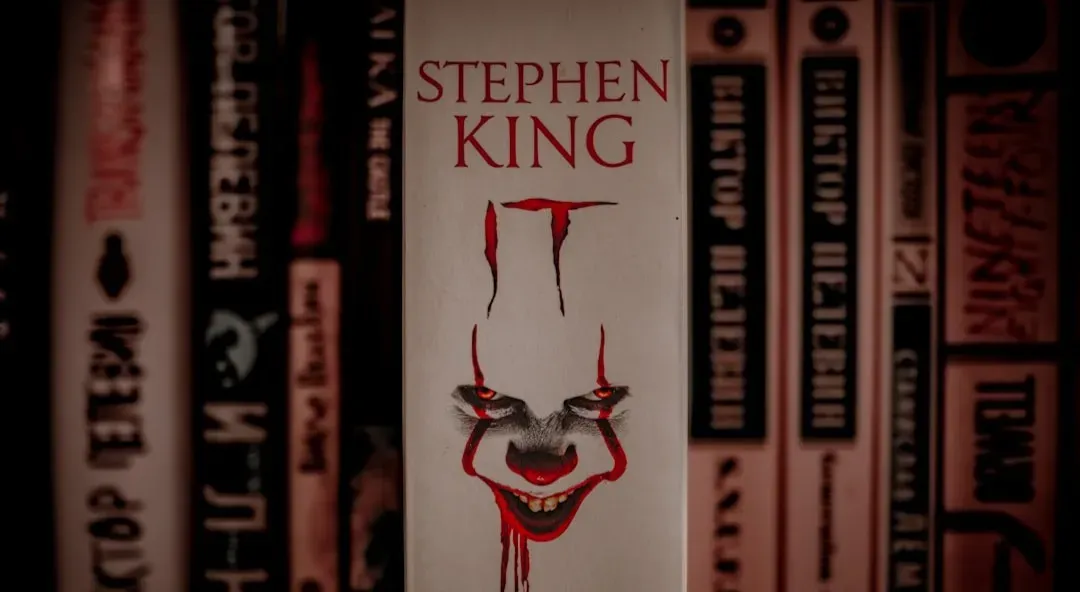
Long before Rowling tried her hand at anonymity, Stephen King ran a similar experiment. King used the pseudonym Richard Bachman to explore publishing possibilities, producing eight novels before being outed by a bookstore clerk. The whole point was curiosity rather than escape. He wanted to gauge people’s authentic reactions to his craft by writing under a name nobody would connect to him. King even built out a fake biography for Bachman, complete with a farm in New Hampshire, a wife, and a tragic backstory, all designed to make the disguise feel real.
The unmasking came down to a sharp eyed reader named Steve Brown, who worked at a Washington DC bookstore. He located evidence from copyright data held in the Library of Congress that Bachman and King were the same person. Once confirmed, the difference in sales was dramatic. Thinner sold 28,000 copies as a Bachman title but jumped to 280,000 in the immediate aftermath once Stephen King’s name was attached. King later joked that Bachman had died of “cancer of the pseudonym,” a line that has followed the character ever since.
Partner offer

3. Joe Klein as Anonymous

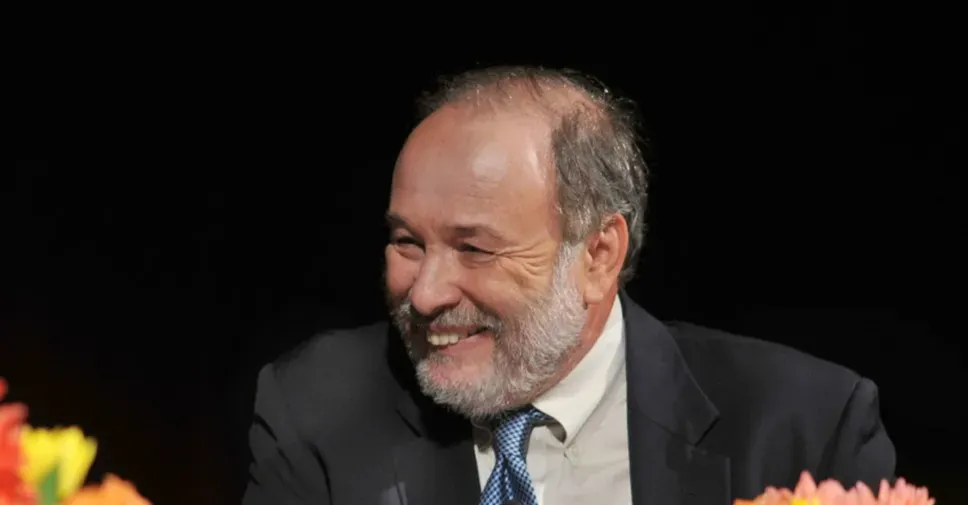
In 1996, a political novel called Primary Colors landed on shelves with no author name at all, just “Anonymous” on the cover. It was a roman à clef about Bill Clinton’s first presidential campaign in 1992, and it read like something written by someone who had actually been in the room. The book reached number one on the New York Times Best Seller list for fiction for nine weeks in 1996, which only intensified the guessing game over who had written it. Suspicion eventually settled on Newsweek columnist Joe Klein, who had been covering the Clinton campaign closely, though he denied it for months. The case was finally cracked using an unusual method. A Washington Post reporter spotted a galley proof of the novel for sale in an antiquarian bookseller’s catalog, and sent the handwritten changes in it to a handwriting expert who confirmed they matched Klein’s handwriting. In July 1996, after the Post published the results of that handwriting analysis, Klein finally admitted he was the author.
4. Elena Ferrante and the Anita Raja investigation

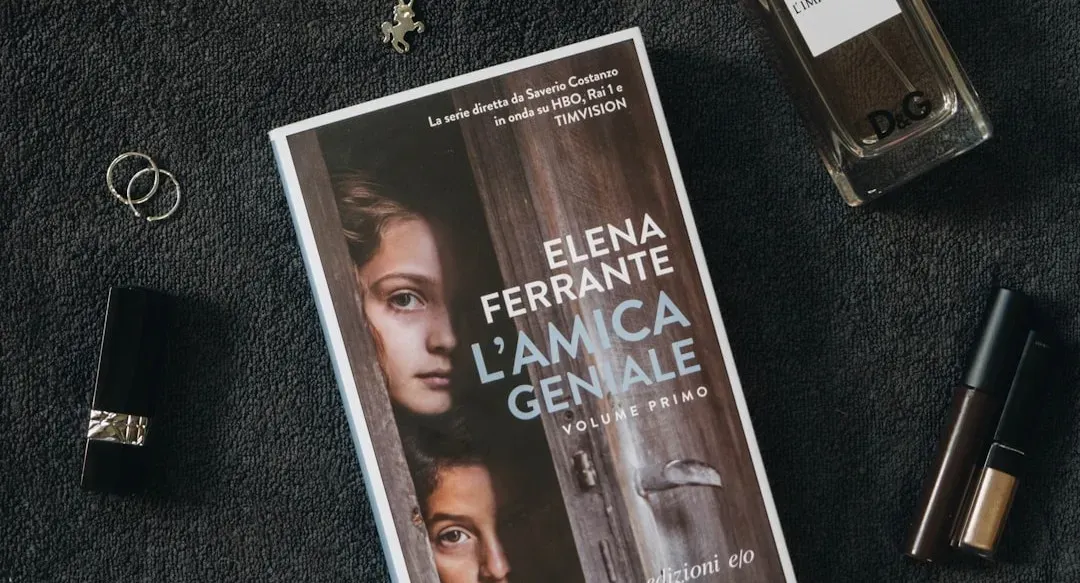
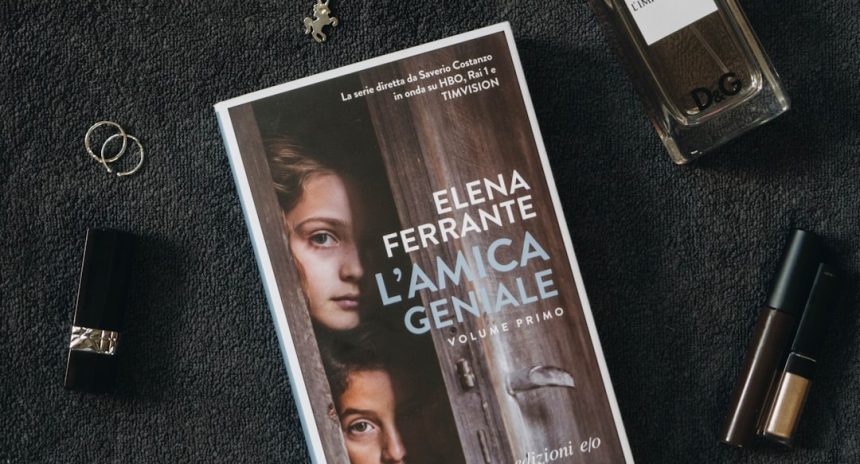
Elena Ferrante built an entire literary identity around not existing publicly. Her Neapolitan Novels became international bestsellers while she gave interviews only in writing and avoided any public appearances. The best selling author had kept her real name a secret since the beginning, and for years there had been speculation about who she really was. That mystery became part of the book’s appeal for many readers, rather than a distraction from it.
In 2016, Italian investigative journalist Claudio Gatti published findings that pointed to a specific person. Gatti claimed to have uncovered the identity of the pseudonymous novelist in an article for the New York Review of Books. He identified the woman behind Ferrante as Anita Raja, a translator who had worked for Ferrante’s publishing house for many years, pointing to financial records showing her wealth increased substantially around the time the Neapolitan novels became bestsellers. The reveal was met with real backlash. Ferrante’s publisher called Gatti’s piece “disgusting,” and unlike the other three cases on this list, the identification has never been formally confirmed by Ferrante herself, which means it remains, technically, an educated theory rather than a settled fact.
Partner offer
Planning a trip to Vegas?
Compare hotel rates and show tickets on VEGAS.com.


