Hollywood loves to tell itself a tidy story: the star was born, the role found its perfect match, and everyone lived happily ever after in franchise sequels and awards show montages. Reality is messier. Behind some of the most beloved performances in film history sits a moment of real hesitation, a phone call almost not returned, a script almost left on the table.
These nine actors came within a hair’s breadth of walking away from the parts that would go on to define their careers. Some doubted the material. Others doubted themselves. A few just had bad timing or worse instincts about what would actually work on screen.
Richard Dreyfuss almost swam past Jaws

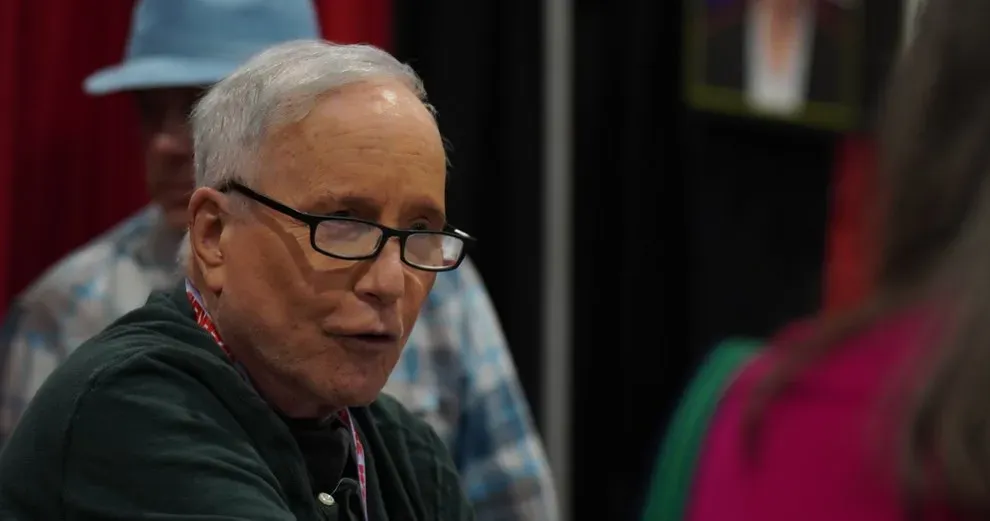
In the vast expanse of the ocean, Richard Dreyfuss nearly missed out on the opportunity to become part of cinematic history as Matt Hooper in Steven Spielberg’s Jaws, having doubts about joining when initially approached for the role. The project seemed like a modest thriller at the time, not the film that would invent the summer blockbuster as a concept.
Dreyfuss eventually came around, and the rest is cinema history. His nervy, sardonic shark expert became one of the three anchors of a movie that changed how studios thought about release calendars entirely.
Sigourney Weaver hesitated before Alien called

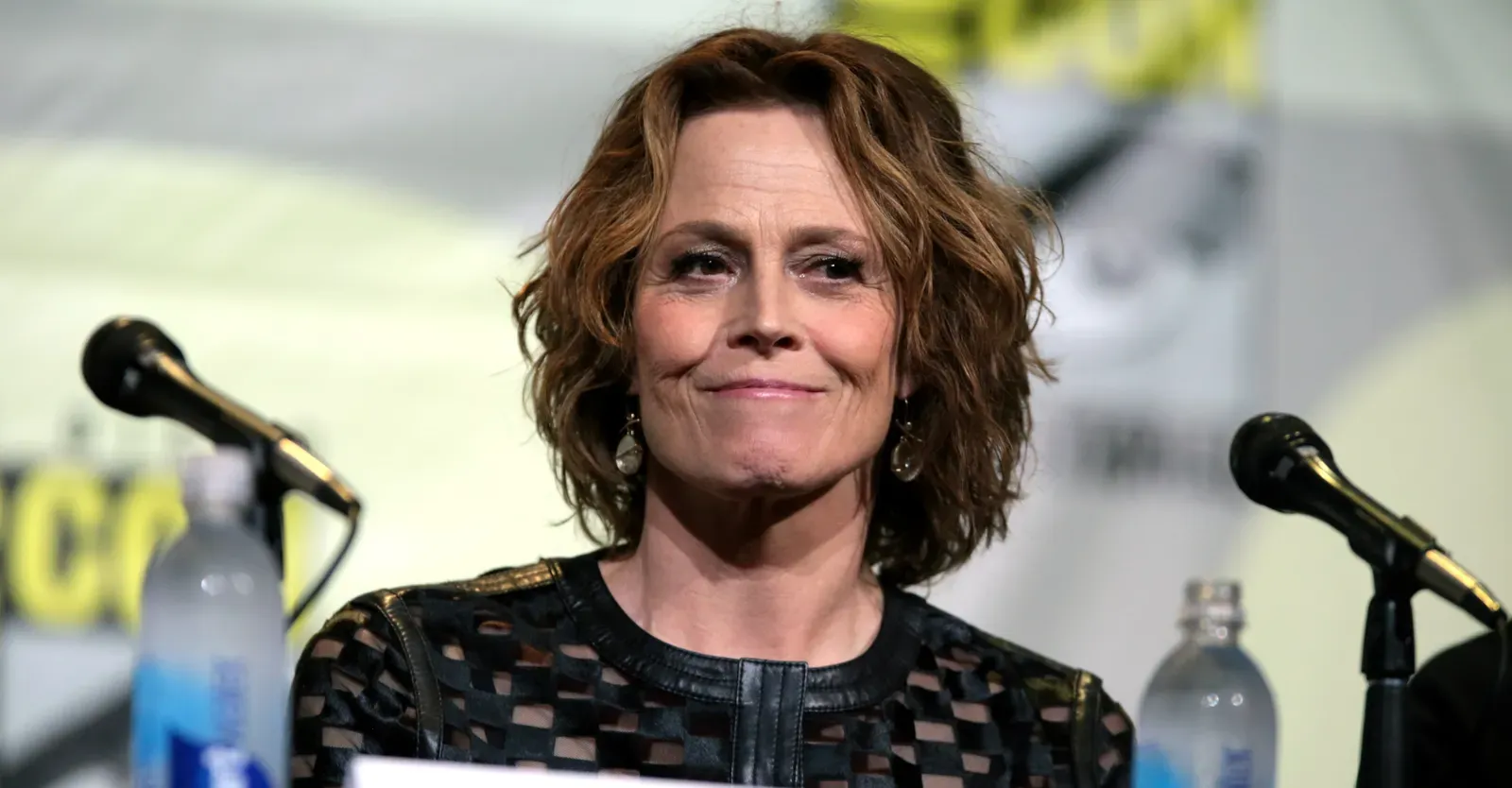
In the vast reaches of space, a resilient and fierce hero was almost left without a captain, as Sigourney Weaver, a rising starlet at the time, found herself on the brink of rejecting the role that would forever etch her name in cinematic history. Ellen Ripley did not read on paper like the future template for the modern action heroine.
Ridley Scott’s 1979 film turned that hesitation into one of the most durable characters in science fiction. Weaver would return to the role across four sequels, and Ripley remains a reference point whenever critics discuss strong female leads in genre filmmaking.
Meryl Streep wasn’t sure about The Devil Wears Prada

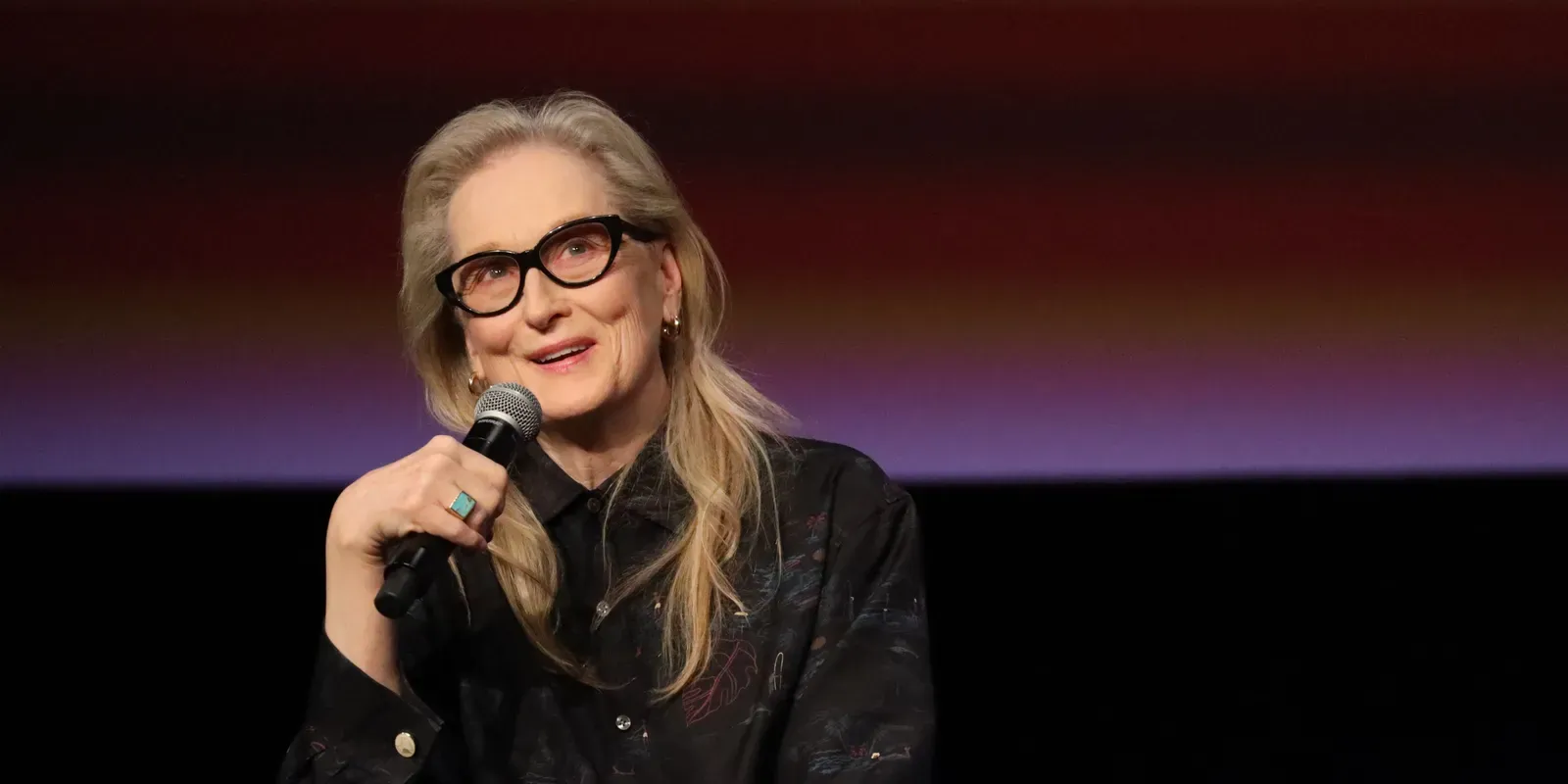
Miranda Priestly could have easily been a one-note villain, all barked orders and cold stares. Meryl Streep created a character that transcended the stereotypical villainess, humanizing her in unexpected ways, and we are eternally grateful that Streep overcame her initial reservations, giving us a performance that is nothing short of iconic.
The 2006 film became a cultural touchstone well beyond its fashion industry setting, largely because Streep refused to play the boss as a simple cartoon. Her hesitation, whatever its source, gave way to a performance that earned her another Oscar nomination.
Jodie Foster nearly passed on Clarice Starling

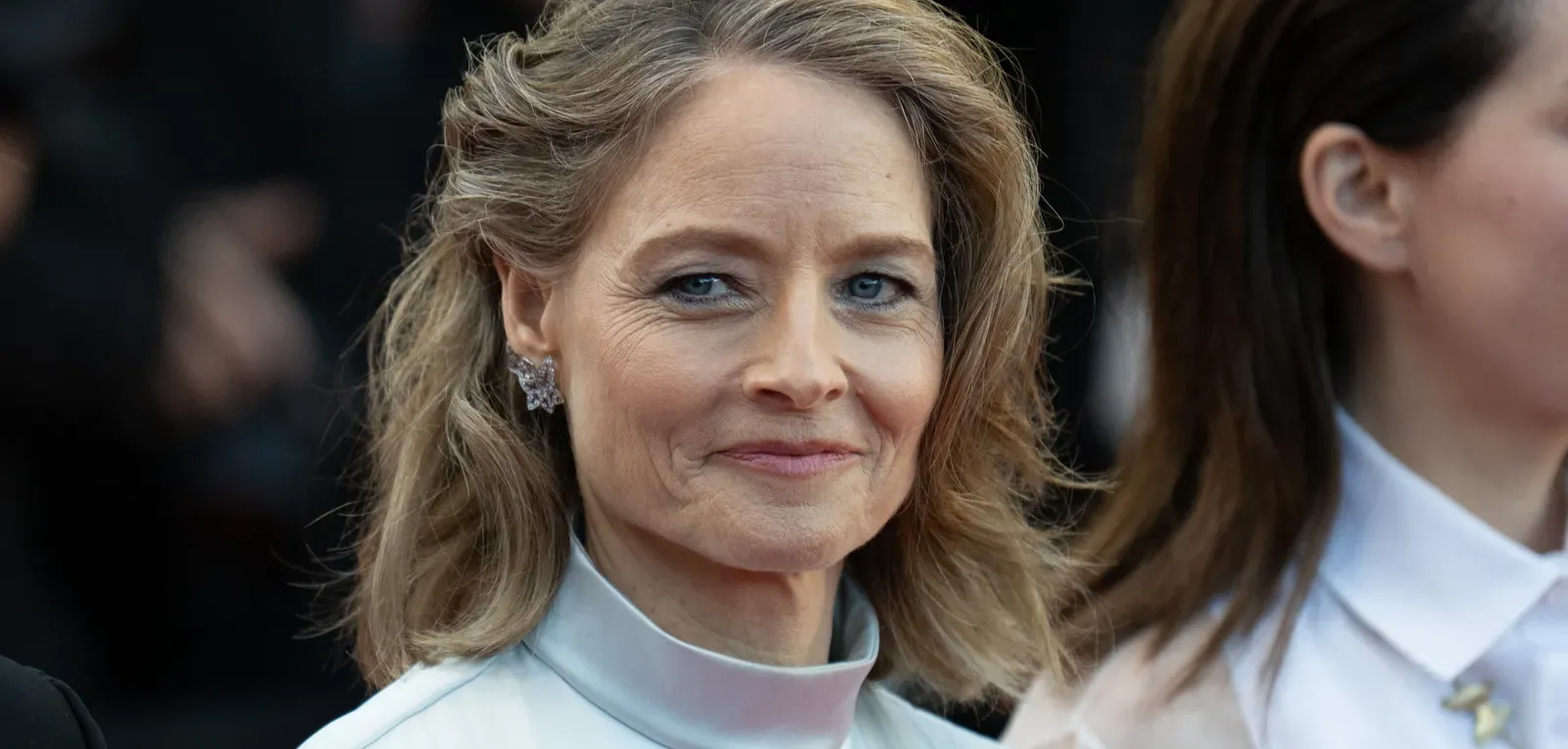
In the chilling realm of psychological thrillers, Jodie Foster’s captivating portrayal of Clarice Starling in The Silence of the Lambs almost never came to be, as Foster was initially hesitant to take on the role of the FBI trainee. It’s a strange thing to imagine now, given how thoroughly the performance is tied to the film’s legacy.
The 1991 thriller went on to sweep the major Academy Awards, including Best Picture and a Best Actress win for Foster. Her wary, methodical version of Clarice remains the version most people picture when they think of the character, even decades and multiple adaptations later.
Ralph Fiennes barely knew what he was signing up for

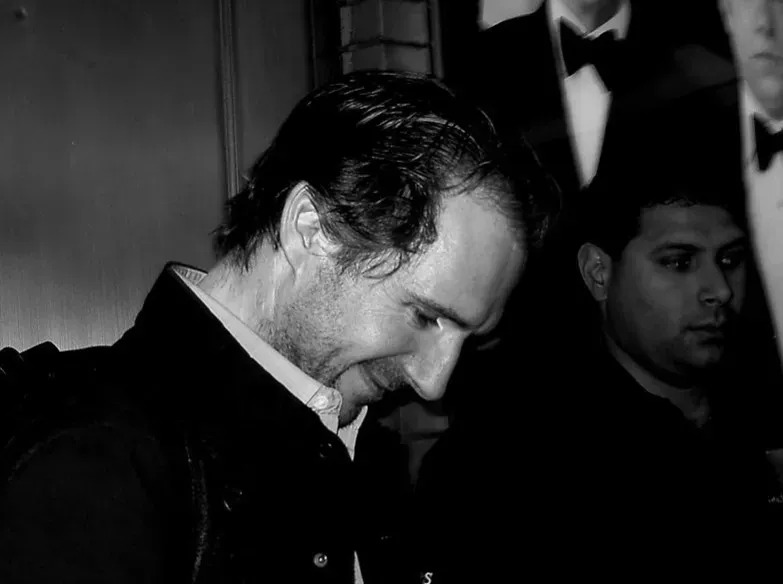
Voldemort needed an actor who could bring genuine menace without tipping into camp, and Ralph Fiennes almost said no to the part. Fiennes almost turned down the part, admitting he was ignorant about the Harry Potter films and books when he was first approached by the production, which made it understandable that he was hesitant about such a crucial role.
Partner offer

Fortunately, his sister, at the time the mother of three children who were fans of the saga, convinced him to do it. That family nudge gave the franchise its most chilling antagonist, a performance built almost entirely from voice, posture, and eyes rather than facial expression.
Julie Andrews didn’t rush into The Sound of Music

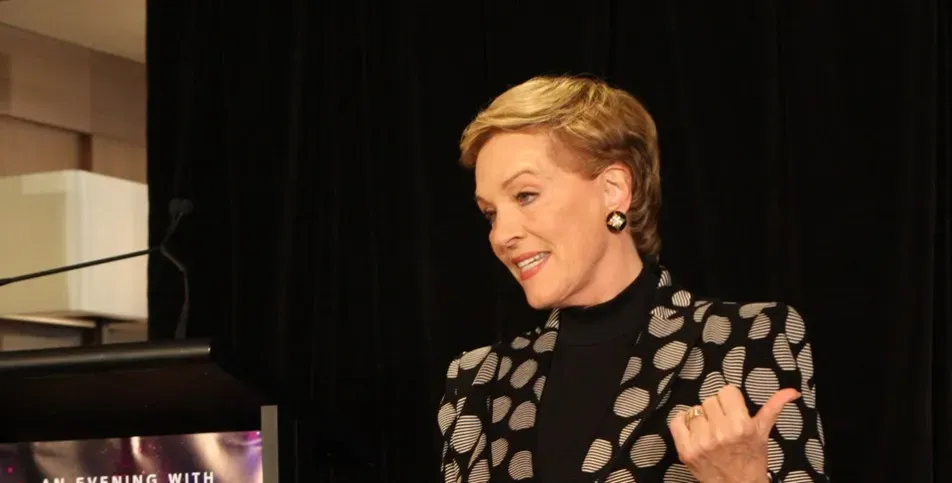
Timing matters in an acting career, and Julie Andrews had just reached a career peak when Maria von Trapp came calling. After she had already won an Academy Award for her legendary role in Mary Poppins in 1964, Julie Andrews was at the peak of her career when she was offered the part of Maria von Trapp in the beloved musical The Sound of Music, though the award-winning actress revealed in her book Home Work that she did not immediately accept the part.
There was a real risk of typecasting, of following one beloved singing nanny with another. Andrews eventually said yes, and the 1965 musical became one of the highest grossing films of its era, cementing her as the defining screen voice of a generation.
Chris Evans wrestled with anxiety before becoming Captain America

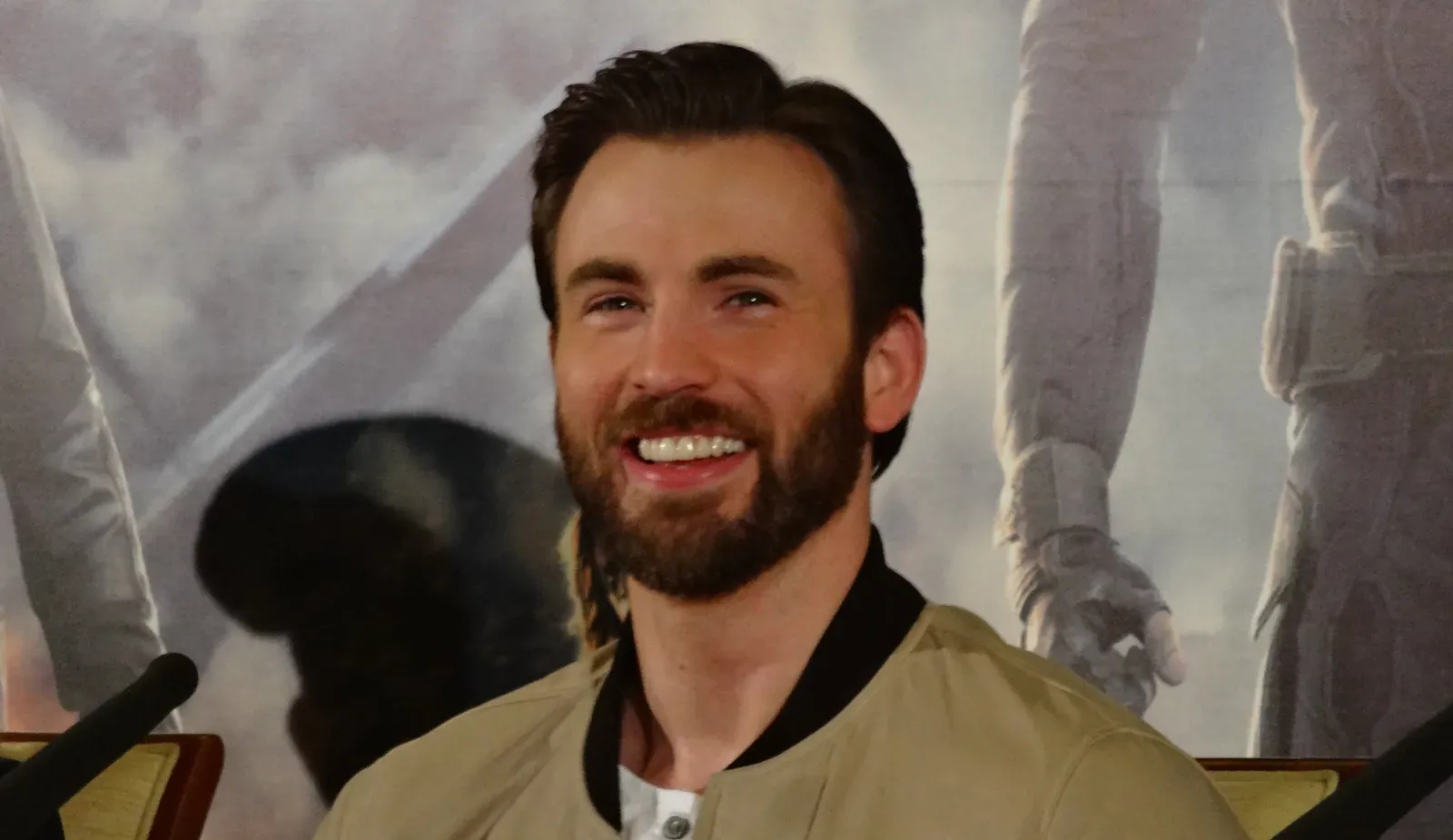
The shield and the star spangled suit look inevitable in hindsight, but Chris Evans came close to walking away entirely. Evans revealed in an interview with The Hollywood Reporter podcast Awards Chatter that he almost refused the part due to mental health issues, having dealt with extreme anxiety that had begun around his debut as the Human Torch in Fantastic Four: Rise of the Silver Surfer.
His friend and future colleague Robert Downey Jr. persuaded him to join the Marvel family, and in hindsight, the public was lucky he didn’t turn down the part because he is so perfect in this iconic role. Evans went on to anchor the character across more than a decade of films, becoming one of the faces most associated with the entire Marvel Cinematic Universe project.
Arnold Schwarzenegger had reservations about The Terminator

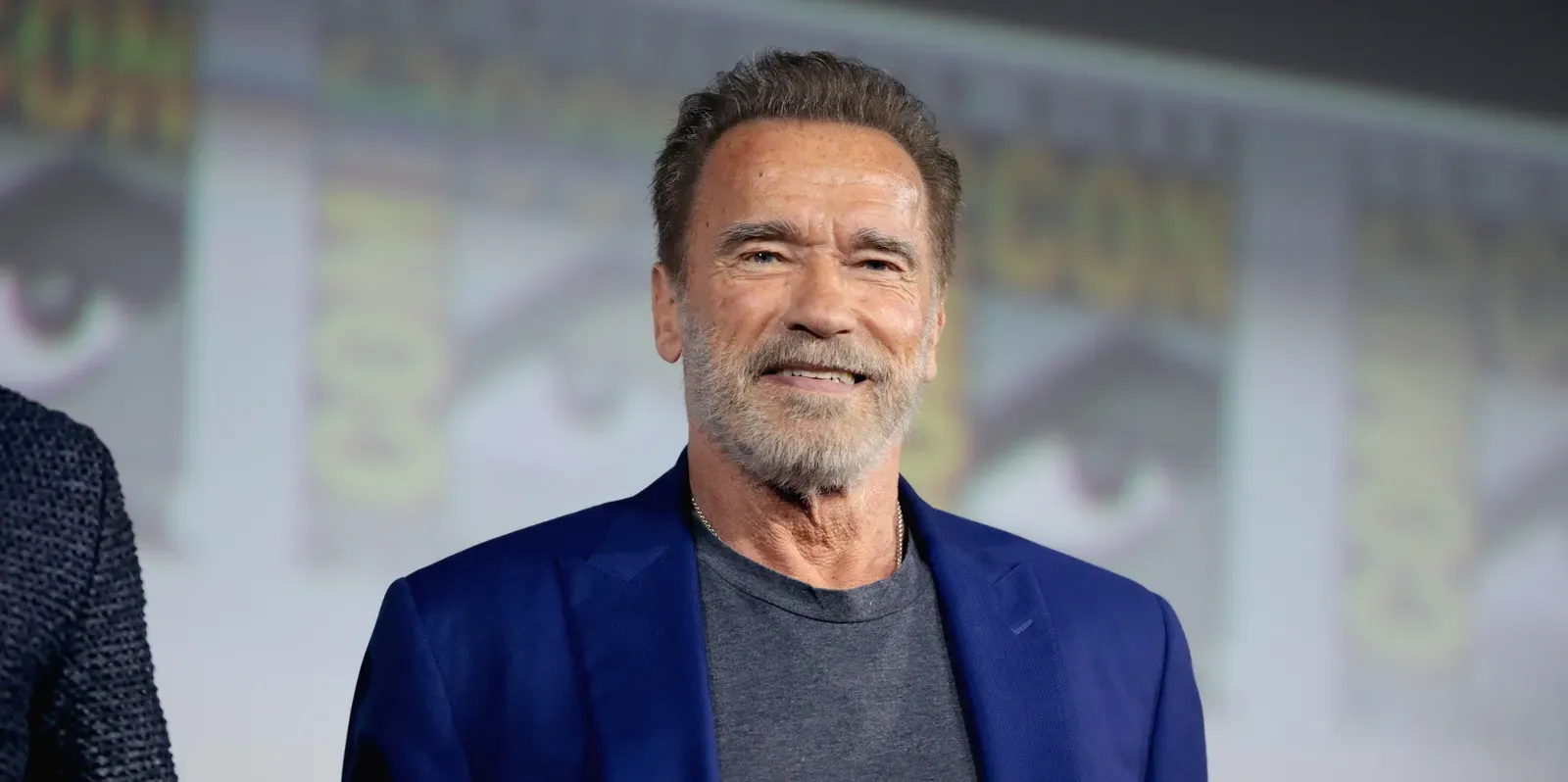
It seems obvious now that Arnold Schwarzenegger was born to play a killing machine from the future. At the time, he wasn’t so sure. Schwarzenegger also almost passed on the role of the T-800 in James Cameron’s The Terminator, a decision that could have reshaped his career, having more than one doubt at the time about portraying the film’s ruthless killing machine.
The 1984 film launched James Cameron’s directing career and turned Schwarzenegger’s clipped, mechanical line delivery into a genuine pop culture catchphrase generator. Few roles have aged as well, or become as thoroughly inseparable from the actor who plays them.
Leonardo DiCaprio needed convincing on Titanic

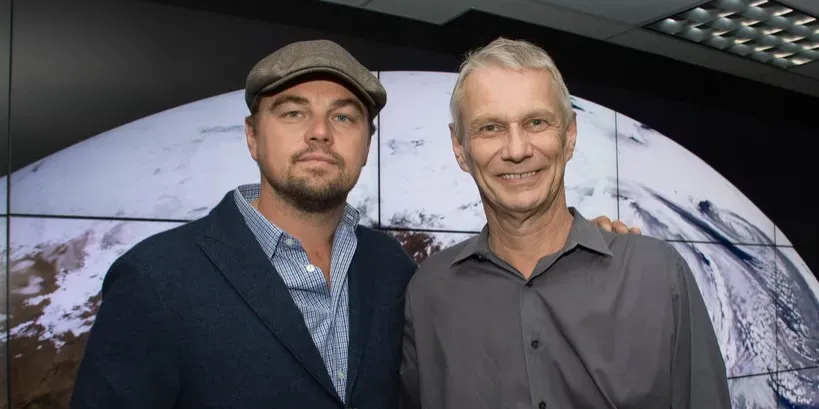
Jack Dawson is remembered as the role that made Leonardo DiCaprio a global superstar, yet the actor wasn’t eager to take it. According to James Cameron, the director of Titanic, Leonardo DiCaprio almost turned down the role of the doomed Jack because the actor had no interest in playing a traditional leading man, with Cameron noting that his character doesn’t go through torment, and Leo previously and subsequently in his career was always looking for that dark cloud.
The director claimed he was able to convince DiCaprio that it was more of a challenge to play a strong character who could hold the audience’s attention without seeming to do all that much. That argument held up. The 1997 film became, for years, the highest grossing movie ever made, and DiCaprio’s boyish charm in the role remains one of the most referenced screen romances of the nineties.
Final thoughts

What ties these nine stories together isn’t fear of failure so much as genuine uncertainty about material that hadn’t yet proven itself. None of these actors had the benefit of hindsight when they were weighing the offer. They were reading unfinished scripts, meeting first time directors, or simply worried about repeating themselves.
It’s worth remembering the next time a favorite performance feels inevitable. Very little about an iconic role is actually inevitable at the moment someone has to decide whether to say yes.
Partner offer
Planning a trip to Vegas?
Compare hotel rates and show tickets on VEGAS.com.