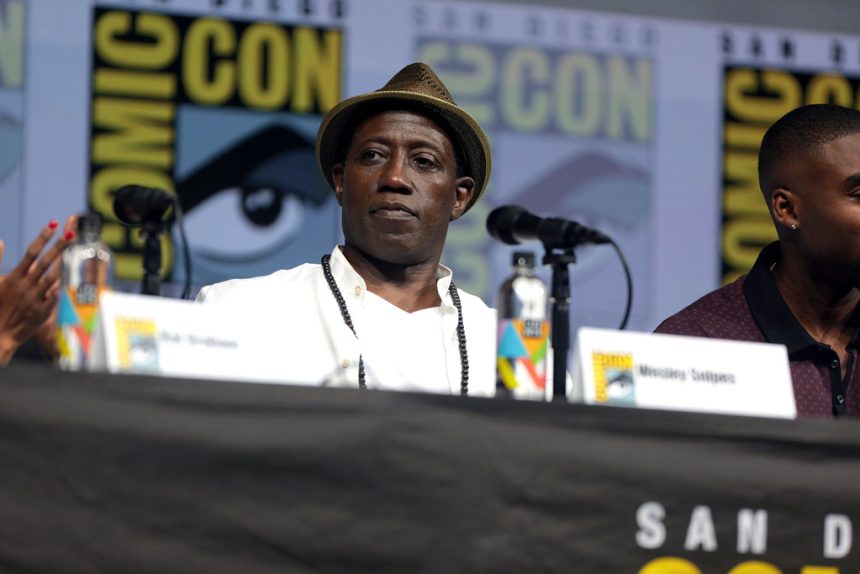
Fame and fortune come with plenty of perks, but they also come with a spotlight that follows every financial misstep. When a celebrity falls behind on taxes, the story rarely stays quiet, and the numbers involved can be almost hard to believe. Some of the biggest names in music and film have found themselves owing sums that dwarf what most people earn in a lifetime, and the way they settled those debts says a lot about fame, fortune, and the long reach of the IRS.
Wesley Snipes: A $17 million reckoning after prison
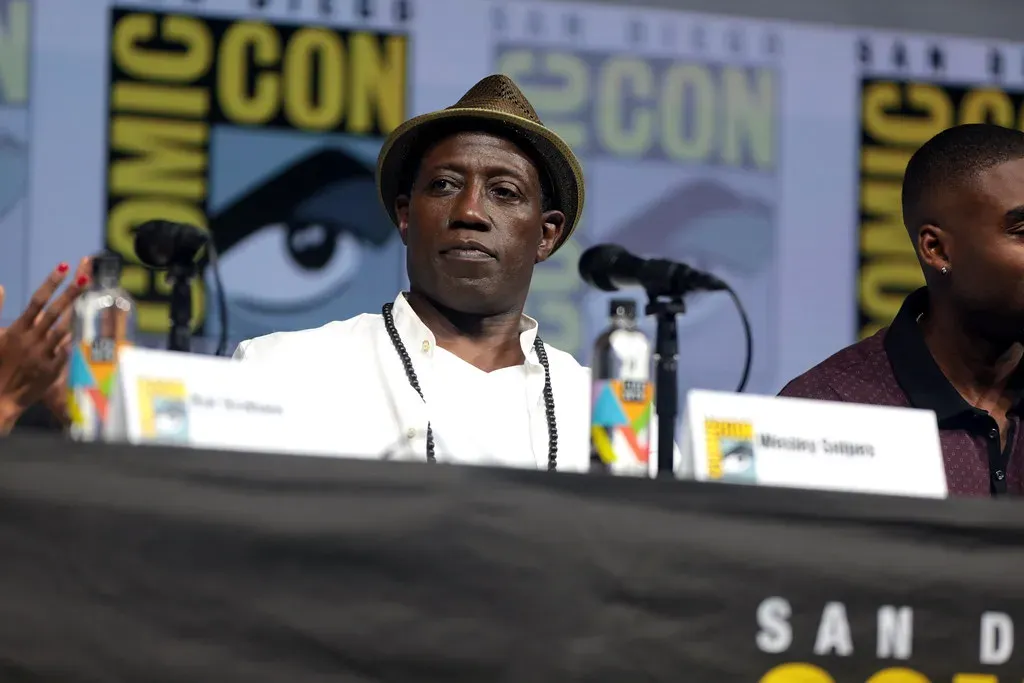
Wesley Snipes became one of the most talked about tax cases in Hollywood history after he was convicted in 2008 on three misdemeanor counts tied to failing to file federal tax returns. In 2008, Wesley Snipes was convicted on three misdemeanor counts of failing to file tax returns from 1999 to 2001, during which time he kept $7 million in taxes from the federal government. The actor ended up serving time in a Pennsylvania federal prison before his case even fully wrapped up on the financial side.
The real financial reckoning came later. The IRS originally attempted to collect $23.5 million from the actor, to which he responded with an offer-in-compromise for $850,000, a mechanism that would have let him settle his debt. The IRS rejected that offer, and after years of legal wrangling, in November of 2018, Snipes was ordered by the Internal Revenue Service to pay $9.5 million in back taxes. Between the original assessment, the court fights, and the final settlement, Snipes’ saga stands as one of the longest and costliest personal tax battles any celebrity has faced.
Willie Nelson: The $32 million bill that turned into an album
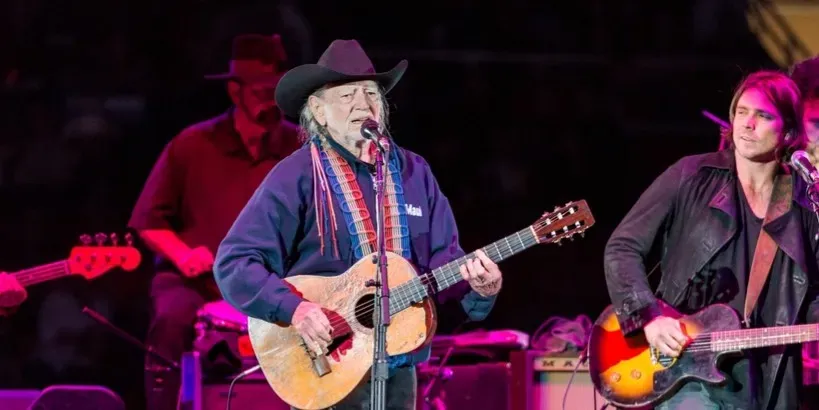
Long before Snipes made headlines, country music legend Willie Nelson was dealing with his own IRS nightmare. Country music superstar Willie Nelson had well-publicized tax problems in the 1990s, and the IRS seized much of his property to help pay off the $32 million debt. Much of the trouble traced back to bad advice, since it is believed Nelson’s debt occurred because his accountant put his money in bogus tax shelters.
What makes Nelson’s story stand out is how he chose to pay it back. Nelson recorded the album “The IRS Tapes: Who’ll Buy My Memories” to help pay the tax bill, turning his own financial trouble into a creative project the public could actually buy into. The IRS only collected $3.6 million from sales of the album, but Nelson’s career eventually picked up and he paid off the rest of his debt. It remains one of the more unusual ways a celebrity has ever settled a tax bill, and it turned a financial disaster into a piece of music history.
Partner offer
Nicolas Cage: Millions owed after a legendary spending spree
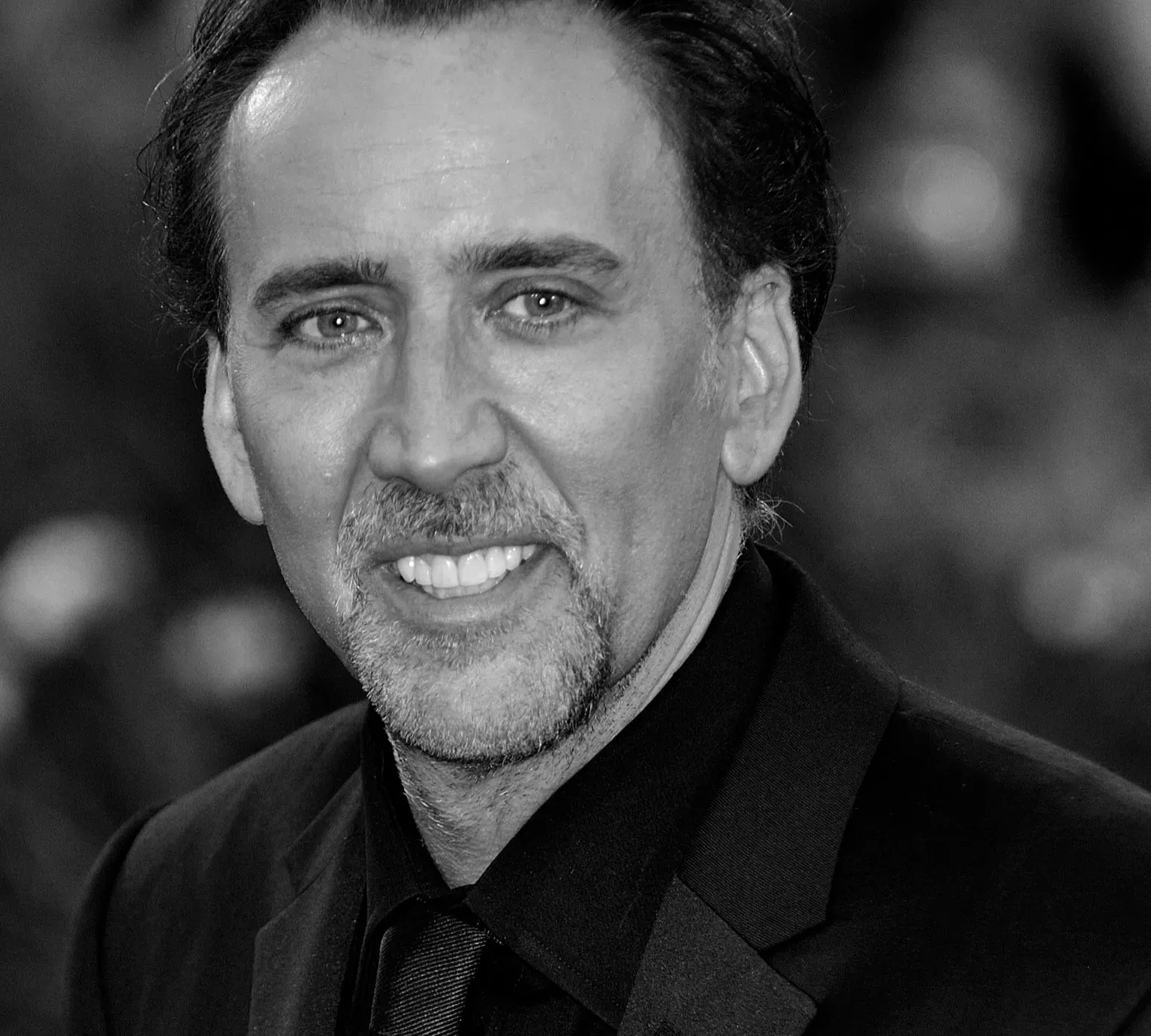
Nicolas Cage’s tax troubles were closely tied to his famously extravagant lifestyle, which included castles, islands, and even a dinosaur skull. The IRS filed documents in 2009 alleging that Nicolas Cage failed to pay more than $6 million in taxes for 2006, and Cage contended his failure to pay was due to his management team, eventually suing his money manager for fraud and negligence. The debt actually ran higher than that single year’s shortfall once other tax periods were factored in.
The debt stemmed from taxes owed for 2002 to 2004 and 2007, and Cage worked to clear it in installments, at one point paying off $6,257,005 toward the total. He later opened up about the scale of what he owed the government over the years, noting in 2010 that “over the course of my career I have paid at least $70 million in taxes.” By 2022, Cage announced that he had finally paid off his tax bills and would be more selective with his film roles, closing a chapter that had defined much of his career choices for over a decade.
Ty Warner: The Beanie Babies fortune and a record penalty

Few celebrity tax stories involve a bigger single payment than the one tied to Ty Warner, the billionaire creator of Beanie Babies. Warner evaded $5.6 million in U.S. taxes by hiding assets in a Swiss bank account, pled guilty to one count of tax evasion, made full restitution, and paid a $53.6 million civil penalty. The scheme had run for over a decade, since from 1996 through 2007, Warner hid some $100 million of his gains in Swiss bank accounts, avoiding tax of $5.6 million on the $24 million in interest he earned.
What makes this case remarkable isn’t just the size of the penalty but how far it outpaced the actual tax loss. Warner’s FBAR penalty was nearly ten times the size of the tax loss he caused, not accounting for interest. Despite the scale of the case, the district judge gave Warner a more lenient sentence of two years’ probation with community service, plus a $100,000 fine and costs, rather than the multi-year prison term federal guidelines called for. The payment itself, though, remains one of the largest sums any individual has ever handed over in connection with a personal tax case, celebrity or otherwise.
Partner offer
Planning a trip to Vegas?
Compare hotel rates and show tickets on VEGAS.com.