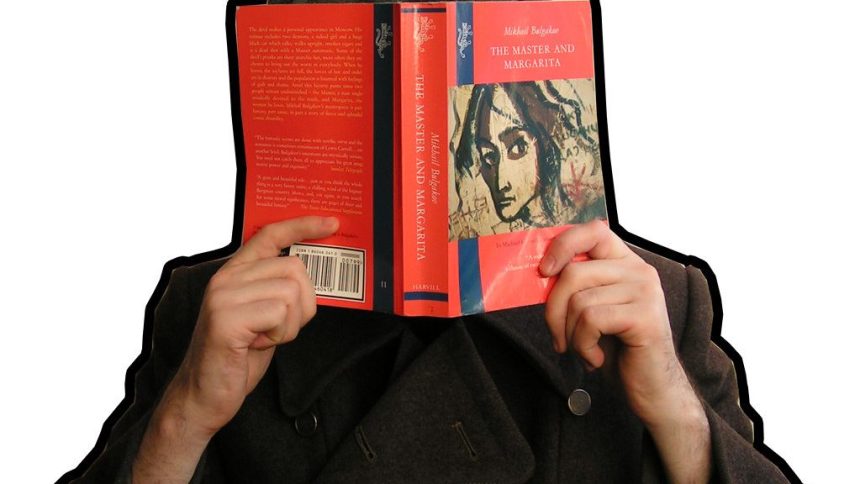
Some books don’t just push boundaries – they detonate them. Throughout literary history, certain works have been so explosive in their content, so radical in their ideas, or so threatening to existing power structures that publishers refused to touch them, governments moved to suppress them, and entire nations worked to keep them out of readers’ hands. Banned books are works that have been prohibited by law or restricted by other means – and this practice of banning books is a form of censorship driven by political, legal, religious, moral, or commercial motives. The books that faced the fiercest resistance were not always the worst written. Often, they were the most honest. Here are four titles that were once considered – and what happened when the world finally read them.
1. Lolita by Vladimir Nabokov (1955)

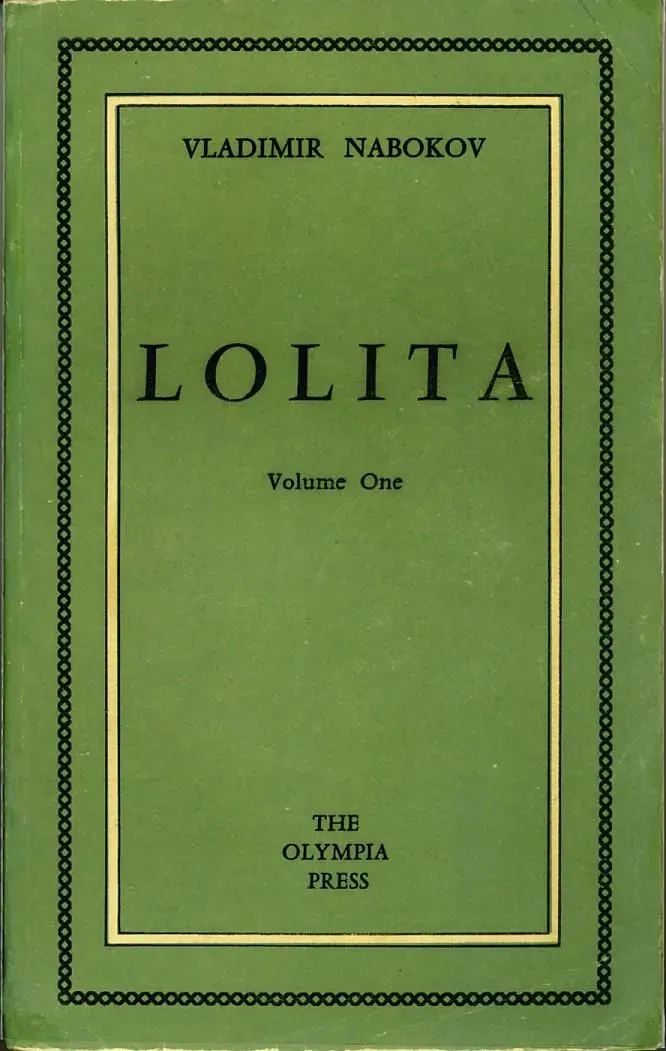
The novel was written in English, but fear of censorship in the U.S. and Britain led to it being first published in Paris, France, in 1955 by Olympia Press. Nabokov finished Lolita but it was rejected by all the major American publishers for fear that its subject matter would prove too controversial. He turned to the Olympia Press in Paris, then notorious for essentially publishing pornography, for the first publication of his famous novel. The premise – a middle-aged professor’s obsession with and abuse of a twelve-year-old girl – made mainstream publishers across the United States and United Kingdom unwilling to stake their reputations on it, regardless of the prose’s undeniable artistry.
The controversy surrounding the Paris edition of Lolita made potential American publishers nervous. Although many critics had praised the book, no publisher in America was willing to risk fines or jail, and so Lolita did not appear in the United States until 1958 – three years after its publication in Paris. Besides the United Kingdom and France, Lolita had been banned in Argentina, Austria, Australia, Belgium, Myanmar, and parts of the United States. Yet once it finally reached American shelves, the book was into a third printing within days and became the first since Gone with the Wind to sell 100,000 copies in its first three weeks. It has since been included in many lists of best books, such as Time’s List of the 100 Best Novels, Le Monde’s 100 Books of the Century, and Modern Library’s 100 Best Novels.
2. Lady Chatterley’s Lover by D.H. Lawrence (1928)

Lady Chatterley’s Lover is the final novel by D.H. Lawrence, first published privately in 1928, in Florence, Italy, and in 1929, in Paris, France. So potentially scandalous was Lady Chatterley’s Lover that no UK publisher even attempted to publish the book until 1960, a full 30 years after Lawrence’s death. It soon became infamous for its explicit descriptions of sex, use of four-letter words, and depiction of a relationship between an upper-class woman and a working-class man. Perhaps most outrageous at the time was the author’s portrayal of female sexual pleasure. The novel didn’t just challenge obscenity laws – it challenged the rigid class hierarchies that Victorian and Edwardian England had built their entire social order upon.
An unexpurgated edition was not published openly in the United Kingdom until 1960, when it was the subject of a watershed obscenity trial against the publisher Penguin Books, which won the case and quickly sold three million copies. The book was also banned for obscenity in the United States, Canada, Australia, India and Japan. The trial itself became notorious for the words used by prosecutor Mervyn Griffith-Jones QC to the jury: “Is it a book you would even wish your wife or your servants to read?” That question was widely mocked as emblematic of a ruling class completely out of touch with ordinary readers. When Penguin Books were taken to court after publishing Lawrence’s allegedly “obscene” novel, the trial that ensued over six days in 1960 became a watershed moment in British legal, literary, and cultural history. Not only did it overturn the ban on Lawrence’s final novel, but it also heralded a shift in society’s sexual mores from past prudishness to a more liberal attitude.
3. The Satanic Verses by Salman Rushdie (1988)

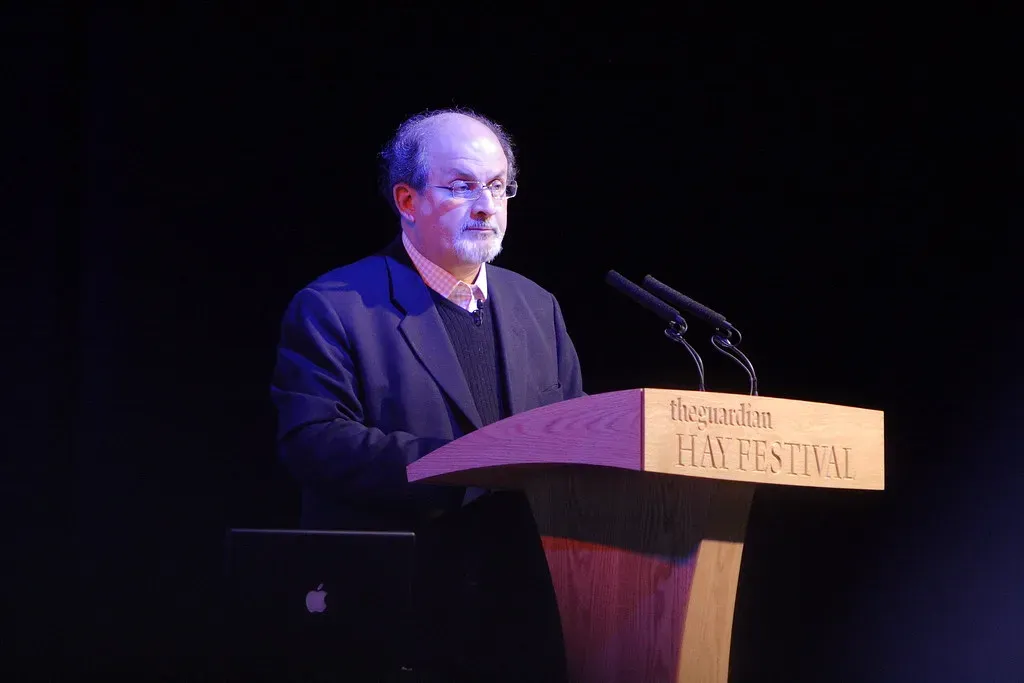
The Satanic Verses is a magic realist epic novel by Indian-born writer Salman Rushdie that upon its publication in 1988 became one of the most controversial books of the late 20th century. Some Muslims considered its fanciful and satiric use of Islam blasphemous, and Ayatollah Ruhollah Khomeini of Iran condemned the book and issued a fatwa in 1989 calling for the killing of Rushdie as well as his editors and publishers. Violent demonstrations followed in Pakistan; copies of the novel were burned in Britain, where several bookstores were bombed; and the work was banned in several countries. The book had actually won the prestigious Whitbread Award for novel of the year in 1988, demonstrating the enormous gulf between its literary reception and the fury it unleashed on the streets.
Rushdie was put under police protection after the issuance of Khomeini’s fatwa, and he spent the better part of the next decade in hiding before the government of Iran declared in 1998 that it no longer sought to enforce it. The violence connected to the book extended far beyond the author himself. Others connected to The Satanic Verses were victims of violence: a Japanese translator, Hitoshi Igarashi, was murdered in 1991; an Italian translator was stabbed in 1991 but survived; and in 1993 the novel’s publisher in Norway was shot but also survived. In September 2012, Rushdie expressed doubt that The Satanic Verses would be published today because of a climate of “fear and nervousness.” The story took a further dramatic turn when, on 12 August 2022, Rushdie was attacked onstage while speaking at an event at the Chautauqua Institution and suffered multiple stab wounds.
4. The Master and Margarita by Mikhail Bulgakov (Written 1930s, Published 1966)

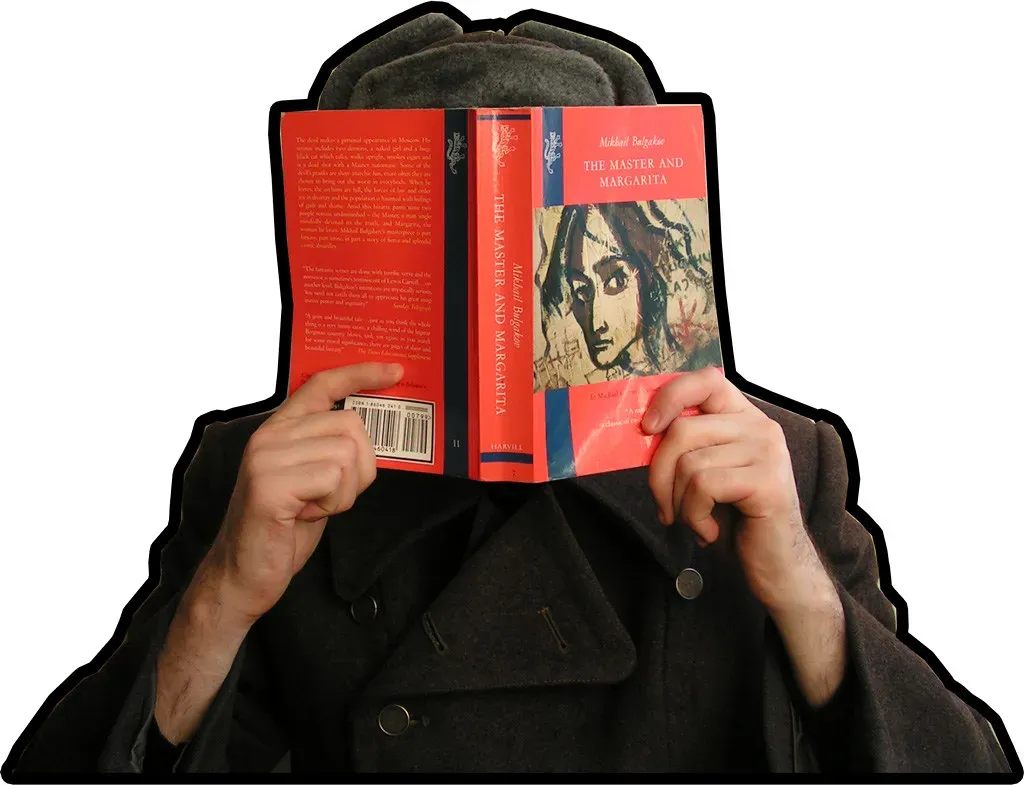
Spared death or disappearance by Stalin’s bizarre personal interest in his work, Bulgakov was nevertheless banned from publishing any of the satirical critiques that spoke with his truest voice. Chief among them was this anarchic tale of the Devil’s visit to a fervently atheistic, smotheringly bureaucratic Moscow. Bulgakov labored on the manuscript for more than a decade under the constant threat of Soviet repression, knowing full well that publishing it in his lifetime was essentially impossible. The novel’s sharp satirical edge – mocking Soviet bureaucracy, atheism, and totalitarian conformity – made it a direct threat to the Stalinist state.
Not published until 26 years after the author’s death, this now-established classic gave the world that most memorable of anti-censorship mantras: “Manuscripts don’t burn.” Bulgakov died in 1940 without ever seeing his masterpiece in print. Some of the most controversial books in history are now regarded as classics – and The Master and Margarita is perhaps the most striking example of this truth. Its eventual publication, in a censored form in a Soviet literary journal in 1966 and then in full abroad, sent shockwaves through the literary world and cemented Bulgakov’s reputation as one of the great writers of the 20th century. The book’s very survival – hidden, revised, and passed hand to hand – remains a testament to the idea that truly dangerous ideas cannot be permanently silenced.
Since 2021, the ALA has tracked a sharp spike in censorship attempts in libraries. In 2024, ALA recorded the third highest number of book challenges since tracking began in 1990, documenting 821 attempts to censor library books and other materials across all library types. PEN America has documented nearly 23,000 book bans in public schools nationwide since 2021, a number never before seen in the life of any living American. The four books profiled here remind us that what societies attempt to suppress often turns out to be exactly what they most need to read. Each survived its moment of maximum hostility and entered the literary canon precisely because the ideas inside them refused to disappear.