
Most toys have a simple job: make kids happy. But history shows that some toys crossed a line far beyond ordinary roughhousing. They sent children to emergency rooms, into comas, and in the most tragic cases, to early graves. According to the latest data from the U.S. Consumer Product Safety Commission (CPSC), there were an estimated 231,700 toy-related injuries in the United States in 2023, and 40 toy-related deaths involving children 14 years of age and younger between 2021 and 2023. The five toys below are not just cautionary tales – they’re proof that “fun” can be a genuinely dangerous word.
1. Lawn Darts (Jarts) – The Backyard Weapon Disguised as a Game

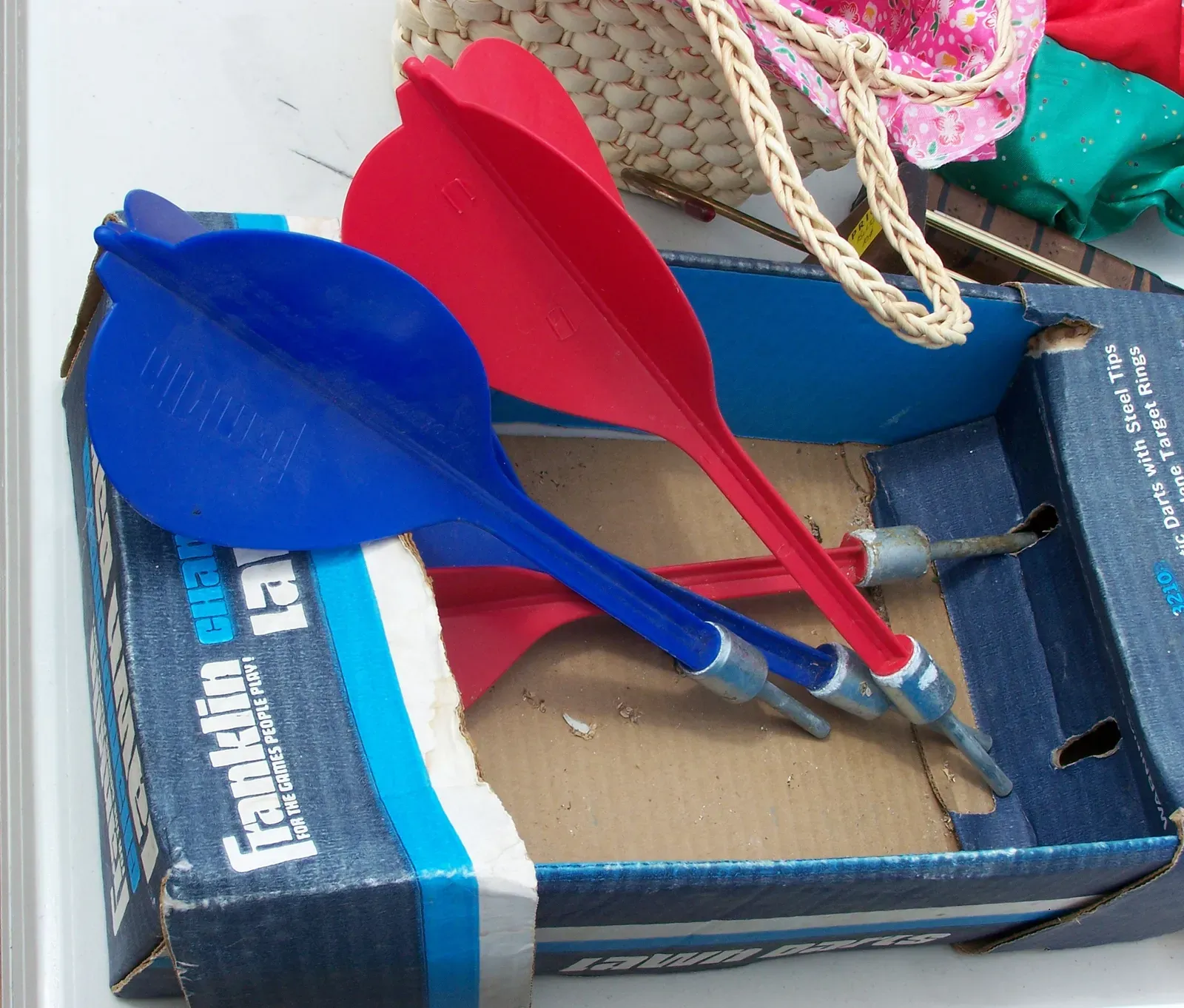
Lawn Darts was a backyard game that had players throw steel-tipped, foot-long darts toward plastic circles on the ground. The setup sounded innocent enough – a casual horseshoe alternative for summer cookouts. These darts weren’t child’s play, though, since they apparently had enough force to pierce a skull. The results were predictably catastrophic once kids got involved.
In the span of eight years in the ’80s, 6,100 people were sent to the emergency room due to injury – 81% of those people were 15 or younger. In 1988, the Consumer Product Safety Commission officially banned lawn darts in the U.S. because it was responsible for three deaths, one of which was a 7-year-old who had one dart pierce his skull. They were officially banned from the United States and Canada in 1989, and are currently on the U.S. Customs list of banned items for entry into the United States.
2. Aqua Dots – The Craft Toy Laced with a Date Rape Drug


In 2007, Aqua Dots was listed among Toy Wishes magazine’s “Hot Dozen” top toys and was named the “Toy of the Year” in Australia. More than 12 million craft kits, containing over 8 billion beads, were sold worldwide. On the surface, it was a charming creative toy: colorful beads that fused together with a sprinkle of water. Nobody suspected the coating was hiding something far more sinister.
Scientists found the popular toy’s coating contained a chemical that, once metabolized, converts into the toxic “date rape” drug GHB, or gamma-hydroxy butyrate. The CPSC received two reports of children swallowing Aqua Dots. A 20-month-old child swallowed several dozen beads, became dizzy and vomited several times before slipping into a comatose state for a period of time, was hospitalized, and has since fully recovered. A second child also vomited and slipped into a comatose state and was hospitalized for five days. In cooperation with the CPSC, Spin Master voluntarily recalled about 4.2 million Aqua Dots. Later, the CPSC confirmed its findings scientifically: it was widely reported that the toxic chemical 1,4-butanediol had been used in place of the benign but more expensive 1,5-pentanediol. A study led by Dr. Jeffrey Suchard of the University of California, Irvine confirmed these reports, finding that Aqua Dots contained no 1,5-PD at all, but had a surprisingly high level – almost 14 percent – of extractable 1,4-BD.
3. Clackers – Two Balls, One String, and a Shattering Problem

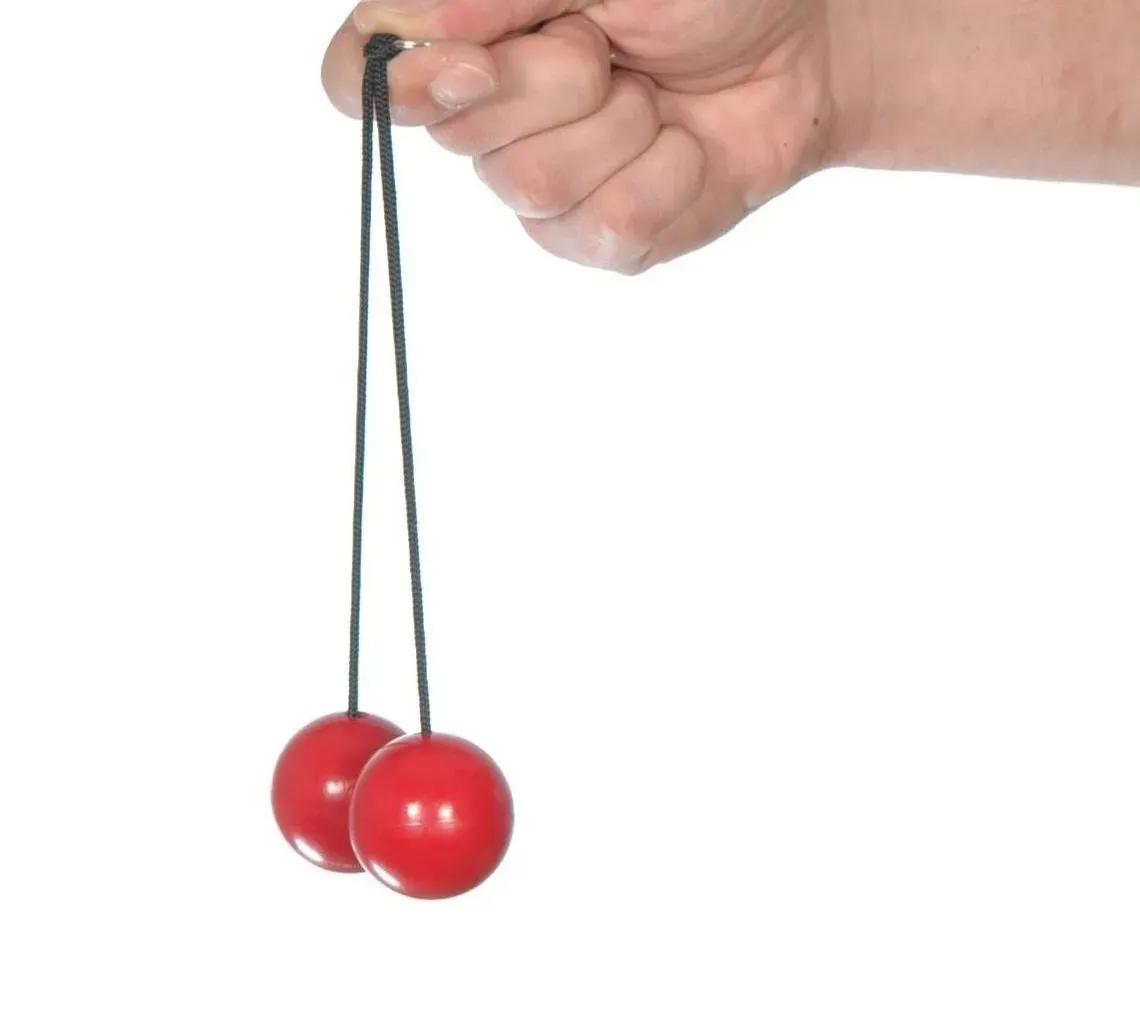
Clackers consisted of two heavy acrylic balls connected by string, designed to be clicked together rhythmically. While seemingly harmless, these toys proved surprisingly dangerous when the acrylic balls shattered during use, sending sharp fragments flying toward faces and eyes. Because the toy was “addicting” to some kids, millions of clackers were sold by the early 1970s. Schools started banning them, and parents grew increasingly alarmed by the injuries piling up.
The acrylic balls were prone to shattering upon impact, sending sharp shards flying in all directions. These shards could cause cuts, eye injuries, and other serious harm. Additionally, the force required to make the balls collide could lead to bruised or broken fingers. In the United States, they were classed as a “mechanical hazard” in United States v. Article Consisting of 50,000 Cardboard Boxes More or Less, Each Containing One Pair of Clacker Balls. The United States Consumer Product Safety Commission announced that the United States Marshal’s Office in Phoenix, Arizona seized almost 4,600 banned “clacker ball” toys, making clear that even years after the initial crackdown, enforcement actions were still necessary to keep them off store shelves.
4. Cabbage Patch Snacktime Kids – The Doll That Ate Fingers

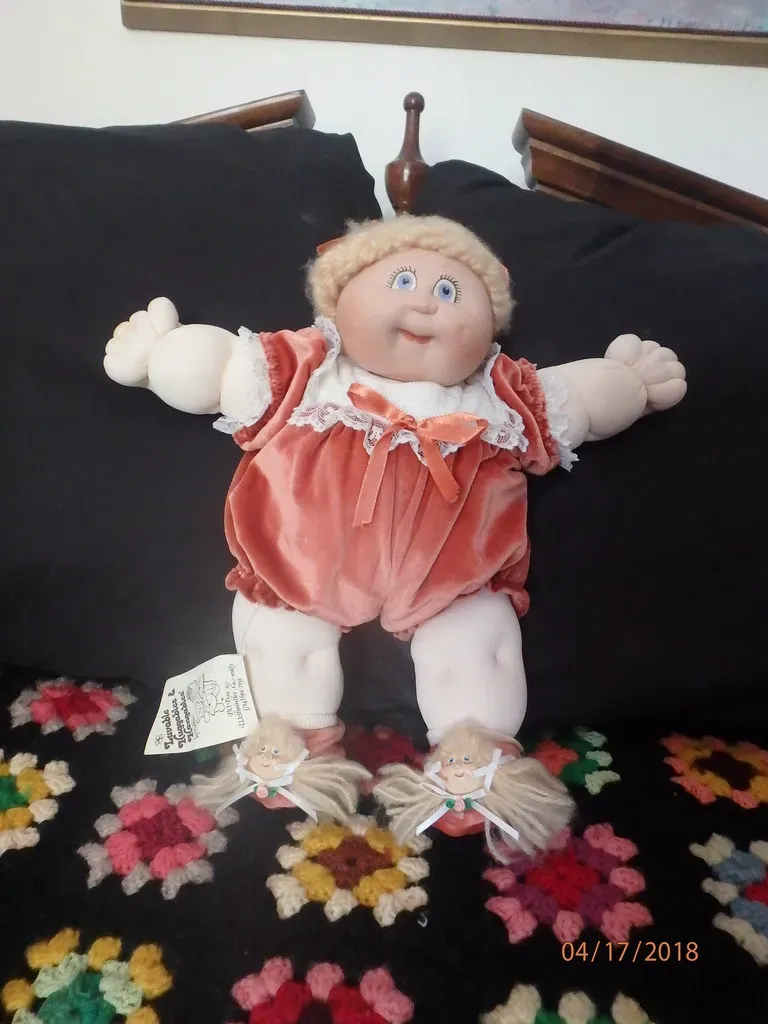
The Cabbage Patch dolls were the must-have toy of their time, sparking department store fights and pulling in billions of dollars in sales. In 1996, Mattel added a new twist to the beloved brand: the Snacktime Kids. The Snacktime’s mechanism was a one-way battery-powered roller with no off switch. It was supposed to be activated by the accompanying snacks, but the little tykes made no distinction between “food” and fingers.
The Cabbage Patch Snacktime doll could “eat” plastic snacks fed to it, but it didn’t stop at pretend food. The doll’s motorized mouth was known to trap children’s fingers or hair, causing painful injuries. In 1997, the CPSC announced that Mattel was offering refunds for any of the 500,000 people who bought the toy. Over 100 incidents were reported of children getting their fingers caught in the doll’s mouth. The toy that was supposed to bring a sense of imaginative play to mealtime ended up leaving real, physical scars.
5. Easy-Bake Oven (2007 Model) – A Beloved Classic Turned Burn Hazard

The Easy-Bake Oven is a nostalgic staple for many, but the 2007 version left a trail of pain and hospital visits. This redesigned model had a new front-loading door, but it turned out to be a trap for small fingers. The original Easy-Bake had charmed generations of children since the 1960s, so parents had every reason to trust it. That trust, it turned out, was misplaced when Hasbro changed the design.
The CPSC received more than 249 reports of children getting their fingers stuck, and at least 77 kids suffered burns – some so severe that partial finger amputations were required. Over 985,000 units were recalled, and parents were warned to take the toy away immediately. One five-year-old girl required a partial finger amputation. Hasbro recalled about one million ovens in 2007. The case became a landmark reminder that even a product with a spotless decades-long reputation can become lethal when a design revision goes unchecked by adequate safety testing.