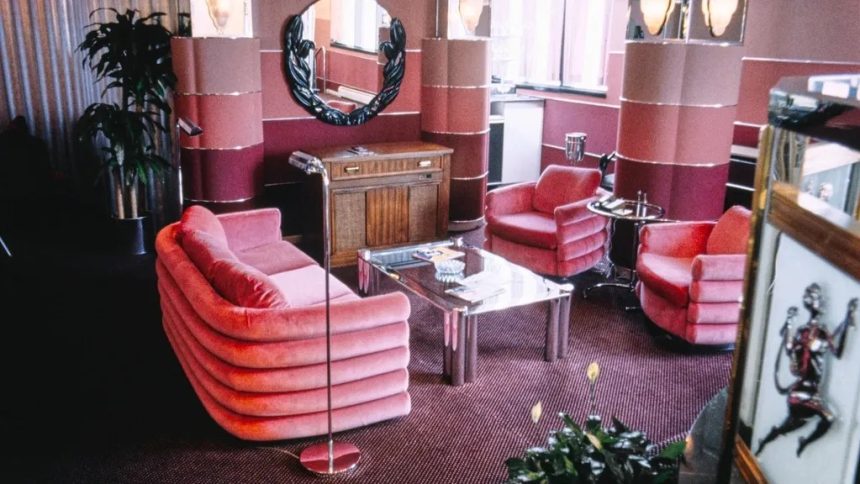
Las Vegas in the early 1960s was something almost impossible to recreate. The air smelled of cigarette smoke and cologne, the jazz never stopped, and a man in a sharp suit could walk from a headlining show into a dimly lit booth and order a martini without a single eyebrow raised. That was Sinatra’s Las Vegas, and honestly, a lot of people still chase it.
Here’s the surprising thing though: you don’t have to just chase it. A handful of places in this city have somehow held on, resisting the relentless tide of luxury hotels and Instagram-ready bottle service lounges. They still carry that particular feeling. Let’s dive in.
The Golden Steer Steakhouse: Where Sinatra Had His Own Booth

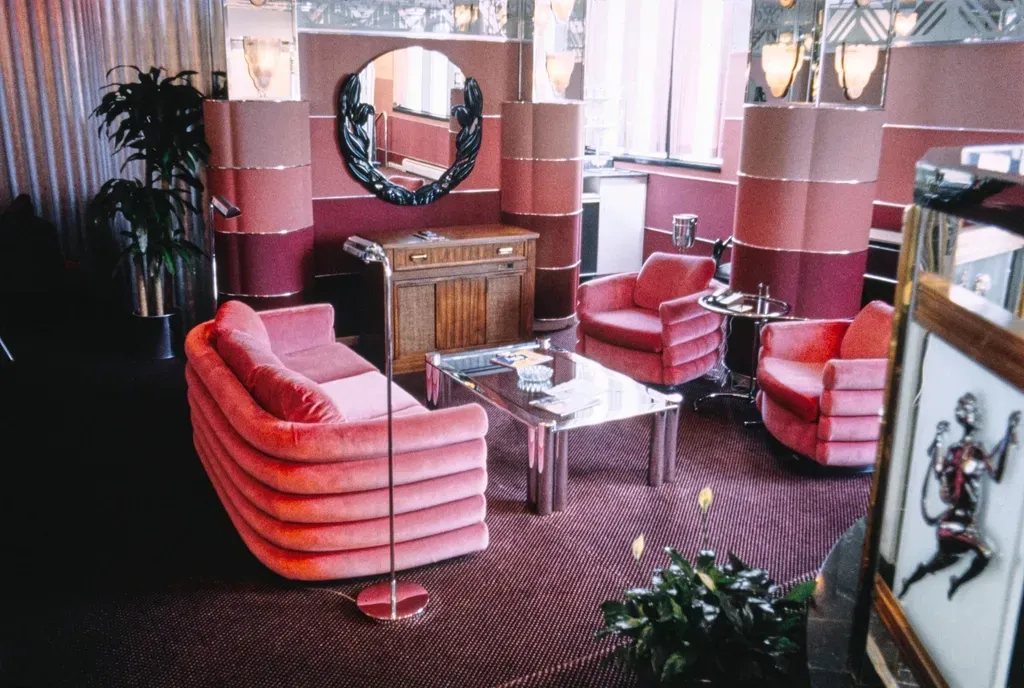
Some places earn their legend through marketing. The Golden Steer earned it through actual history. It is the oldest continually operating steakhouse in Las Vegas, serving guests since 1958. Sinatra frequented this restaurant so regularly that his favorite booth, number 22, was eventually named after him, and guests can still visit and sit in the late legend’s booth. That’s not a theme park reconstruction. That’s the real thing.
The reason the Golden Steer became a favorite hangout of Sinatra’s can be attributed to Sammy Davis Jr., who first brought Sinatra and Dean Martin to the establishment because it was one of the only restaurants where the singers could hang out and eat together before showtime, at least before the Sands and the rest of the Strip were desegregated. The restaurant dedicated booth number 20 to Davis, booth number 21 to Martin, and booth number 22 to Sinatra, where all three tables remain next to one another to this day.
Featuring rich leather booths, dim lighting, and vintage charm, the Golden Steer offers an intimate yet lively atmosphere paired with impeccable service. Today, patrons dine there to experience fine dining at its most classic core: tuxedoed servers, white tablecloths, Caesar salad tableside, flaming desserts, giant twice-baked potatoes, and some of the most flavorful steak you’ll find anywhere. I think if Sinatra walked in today, he’d sit right down and order without a second glance at the menu.
The Peppermill Fireside Lounge: Neon, Fire, and Pure Retro Magic

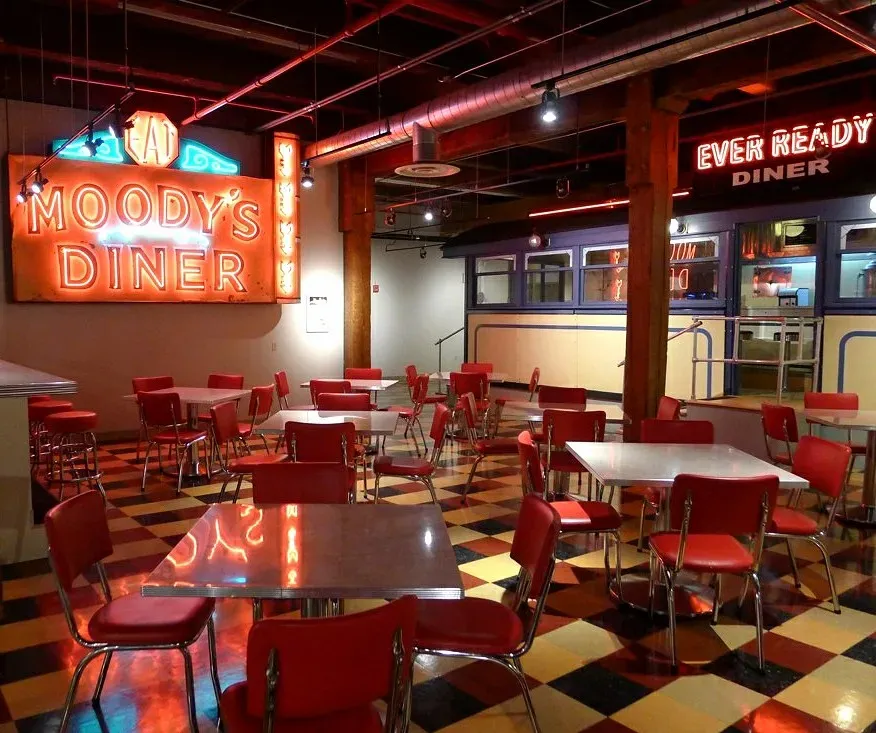
Since 1972, the Peppermill Restaurant and Fireside Lounge has been lighting up the Las Vegas Strip with larger-than-life portions, dreamy retro decor, and a side of pure Old Vegas charm. Born just one year after the original Peppermill opened in Reno, this spot quickly became a must-visit destination for both locals and neon-loving visitors. It’s the kind of place that makes you want to slow down and actually enjoy a drink, which frankly is a lost art.
Step inside and you find a time capsule of classic Las Vegas, complete with Tiffany-style flamingo lamps, plush royal blue booths, mirrored walls, and an iconic fire pit. The restaurant and lounge have been frequented by celebrities, including singers Frank Sinatra and Elvis Presley, comedian Jerry Lewis, filmmaker Quentin Tarantino, and boxer Floyd Mayweather, among others. The guest list alone tells you everything about the kind of atmosphere this place creates.
In 2024, the Peppermill was proudly named a James Beard America’s Classics Award winner, joining an elite group of just over 100 restaurants nationwide. This prestigious honor is reserved for locally owned institutions with timeless appeal and food that reflects the heart and soul of their community. The property also appeared in the 1995 films Showgirls and Casino. It’s the kind of place that has outlasted every trend because it never tried to follow one.
The Sand Dollar Lounge: Where the Blues Never Died

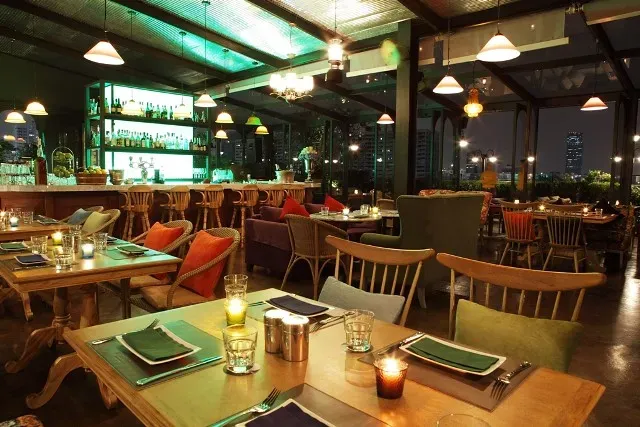
Not every Sinatra-era venue is about white tablecloths and filet mignon. Some of them are a little rougher around the edges, a little smokier in spirit, and honestly more honest because of it. In 1976, the Sand Dollar Blues Bar opened its doors and almost instantly became one of Las Vegas’ most iconic bars. Some of the greatest blues legends, as well as many other famous musicians, graced the stage for over 30 years. That’s exactly the kind of unbroken musical legacy that defines the lounge culture Sinatra helped create.
Partner offer

People like Muddy Waters, B.B. King, and even Mick Jagger would swing into the Sand Dollar when they were in Vegas. In 2007, the Sand Dollar closed its doors, but the ghosts in the bar would not die. It was resurrected in 2009, the spirit of live music in Las Vegas unwilling to fade away. There is something deeply poetic about a bar that refused to stay dead.
Located at 3355 Spring Mountain Road, the lounge is open seven days a week from 4pm to 4am, offering free live music every night from 10pm to 2am. Since 2015, the Sand Dollar Lounge has made its creative original cocktail programs a central feature of the experience, changing menus seasonally and fearlessly exploring the range of fun, tasty drinks, all named after classic songs. It’s free live music in a city that charges for absolutely everything. That alone feels like a small act of rebellion.
El Cortez Hotel and Casino: The Last Standing Original

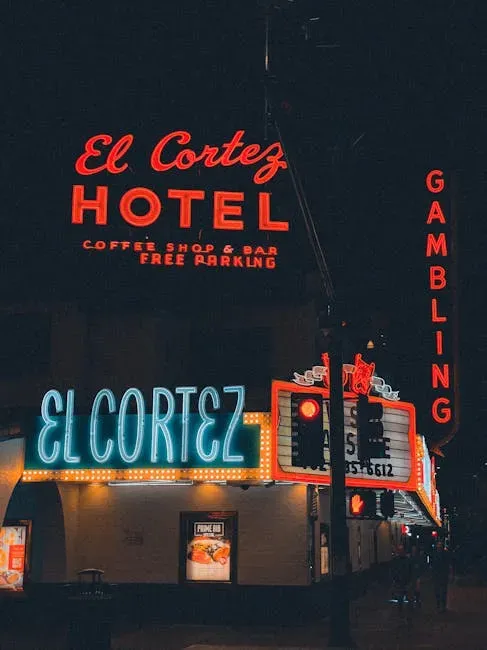
Here’s the thing about El Cortez that most visitors walk right past without realizing: this building has been standing since before America entered World War II. It opened on Fremont Street on November 7, 1941, and is one of the oldest casino-hotel properties in Las Vegas. In 2013, El Cortez was included on the National Register of Historic Places, becoming the only active casino in the country to hold this distinction. That’s not a marketing slogan. That’s a federal designation.
The El Cortez has ties to infamous figures during the height of the mob’s involvement in Las Vegas. Bugsy Siegel, Meyer Lansky, Moe Sedway, and Gus Greenbaum owned the property for a short time from 1945 to 1946. The walls here have absorbed more raw Vegas history than almost any structure still standing. Walking through the casino floor feels less like a tourist attraction and more like a living timeline.
The application for historic designation was based mostly on the fact that the El Cortez facade on Fremont and Sixth streets has barely changed since 1941. The architecture is considered significant because it is an example of Spanish Colonial Revival style with a Western flair, which was popular in the Western United States around the time of World War II. The Celebrity Lounge once featured continuous entertainment from 5:30pm to 6am. In a city that tears things down before they’re thirty years old, El Cortez is something close to a miracle.
Conclusion: The Feeling Is Still There, If You Know Where to Look

Las Vegas welcomed roughly 40.8 million visitors in 2023, according to the Las Vegas Convention and Visitors Authority, and the vast majority of them will walk straight into a mega-resort and never find any of these places. That’s genuinely their loss. Classic lounge culture in Las Vegas grew during the 1950s and 1960s casino boom, when performers played smaller rooms late at night after headlining theater shows, and the energy of those rooms was something particular and irreplaceable.
The four venues above carry different pieces of that original spirit. One has Sinatra’s actual booth. One has a fire pit and neon straight out of 1972. One keeps the blues alive every single night for free. One is older than the atomic bomb. Together, they form something like a living museum of what Vegas felt like before it became a theme park.
You don’t need a time machine to feel like Sinatra for an hour. You just need to know which door to walk through. Which one would you choose first?
Partner offer
Planning a trip to Vegas?
Compare hotel rates and show tickets on VEGAS.com.