


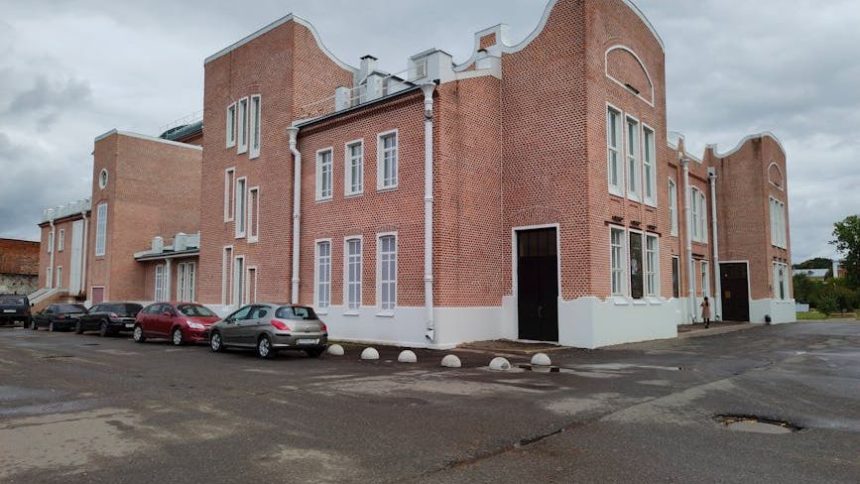
If you’ve been paying attention to the real estate market lately, you’ve probably noticed something quietly happening in neighborhoods like Section 10, the sought-after Las Vegas community near Sahara Avenue and Rainbow Boulevard. People are snapping up homes that need serious work. Not the kind of polished, move-in-ready places you’d see on a glossy listing. We’re talking genuine fixer-uppers, properties with cracked tiles, outdated kitchens, and the ghost of renovation projects past.
Honestly, at first glance it sounds counterintuitive. Why would anyone voluntarily sign up for a renovation headache when prices are already so high? The answer, it turns out, is surprisingly smart. Let’s dive in.
Home Prices Have Pushed Buyers to Get Creative

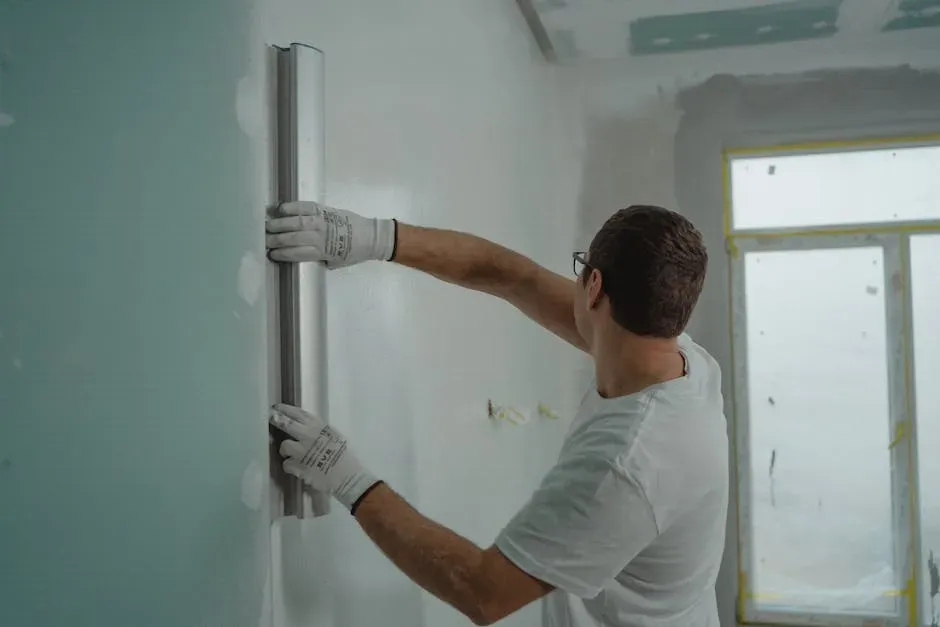
The numbers tell a stark story. The median price for an existing home climbed in fifteen consecutive months of year-over-year increases through 2024. That relentless pressure has fundamentally changed the way buyers think about what they are willing to accept.
Many buyers are turning to homes that need renovation as a way to enter the market at a lower price point. It is a bit like flying in economy when business class is sold out. You might not love the legroom, but you are still going somewhere.
The Fixer-Upper Price Gap Is Enormous


Here is where things get genuinely interesting. As of mid-2025, the typical listing price of all single-family homes countrywide is around $436,250, while the median listing price of homes classified as fixer-uppers is $200,000, a discount of roughly 54 percent. That is not a small difference. That is the financial breathing room that changes lives.
In standout cities like St. Louis, Detroit, Jackson, Toledo, and Dayton, buyers can often pay less than half of what a move-in-ready property would cost. In Jackson, Mississippi, the median fixer-upper listing was around $66,750, nearly 78 percent below the citywide average. Section 10 in Las Vegas, with its custom lots and spacious properties, sits in a similarly compelling value position for buyers willing to put in the work.
Online Search Demand Has Tripled

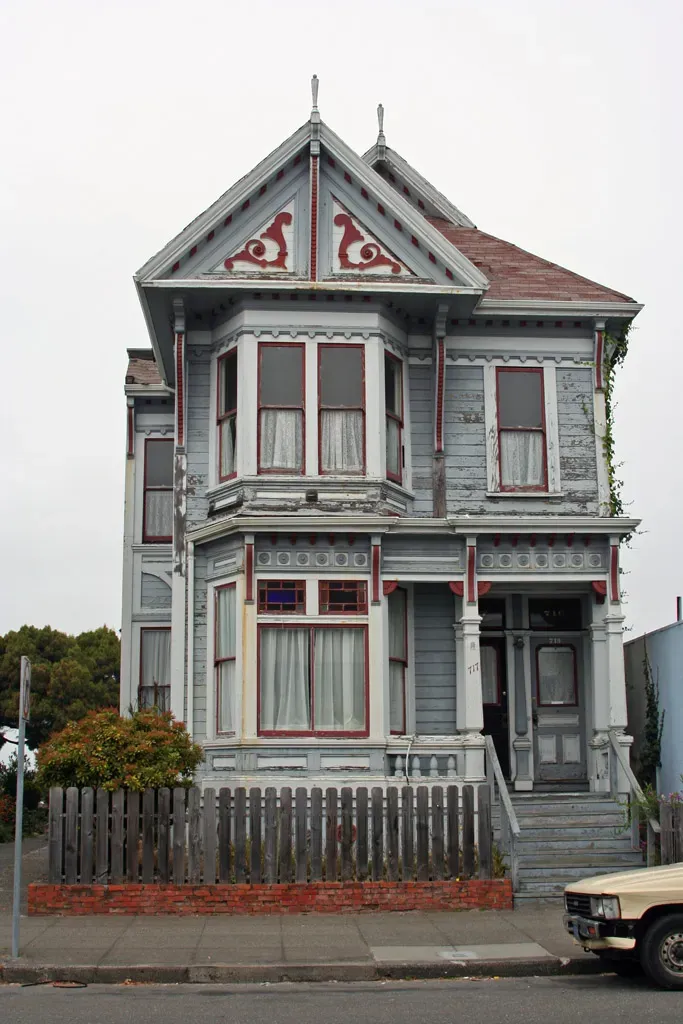
A Realtor.com report showed searches for “fixer-upper” homes have more than tripled in the last four years, with homebuyers nationwide eyeing these heavily discounted homes to break into today’s tough housing market. That is not a small uptick. That is a genuine shift in buyer mindset at scale.
Fixer-upper homes are getting 52 percent more page views per property than comparable older, inexpensive homes, according to a Realtor.com analysis. Think about that. Buyers are not just tolerating these project homes. They are actively seeking them out, and with more enthusiasm than ever before.
A Serious Housing Shortage is Fueling the Rush

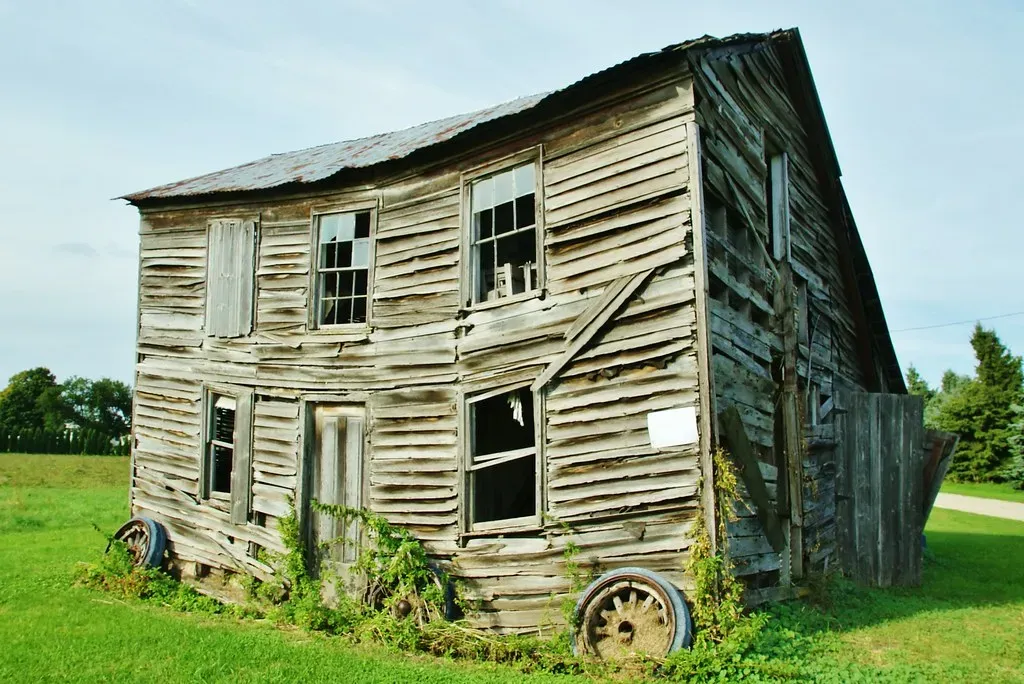
Let’s be real about the bigger picture driving all of this. Most experts say the largest contributor to the U.S. housing crisis is a lack of home building. There simply aren’t enough homes for people who want them, with most estimates ranging from two to six million units short. That shortage is what makes neglected, older homes so valuable.
New construction is typically the least common in markets with the highest concentration of fixer-uppers. The supply of housing cannot keep up with demand in areas where land is limited or construction faces regulatory obstacles. Because of this, older and less expensive properties become excellent candidates for remodeling by buyers ready to take on a project.
Mortgage Rates Made New Builds Feel Impossible


Adjustable-rate mortgages surged in popularity as 30-year fixed rates climbed toward 7 percent in 2023 and 2024. That dramatic rate environment pushed massive numbers of buyers away from pricier new construction and toward any home with a lower sticker price, even one that needs serious repair.
Buyer behavior shifted significantly due to rising mortgage rates and property prices, making the strategy of purchasing cheaper properties and building sweat equity even more alluring. Fixer-uppers became a unique chance to enter the market at a cheaper cost, and the data indicates demand rapidly increased as rising home prices and mortgage rates continued to pose problems for purchasers around the country.
The FHA 203(k) Loan Changed Everything for Regular Buyers

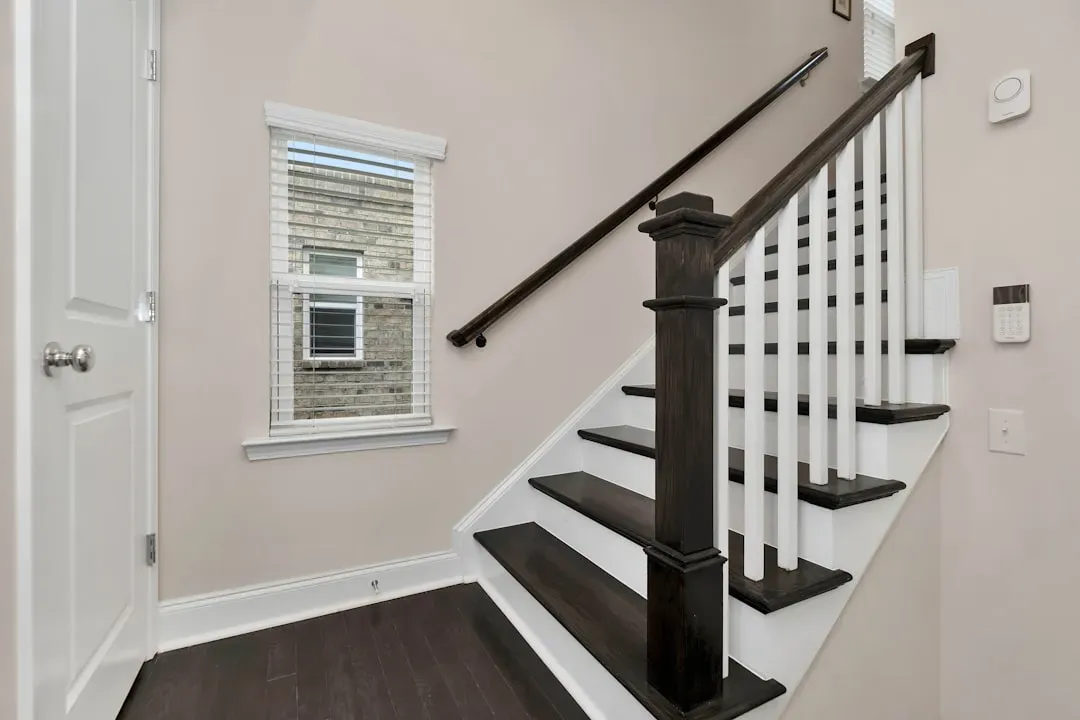
One of the most underrated reasons fixer-uppers are surging in appeal is financing. Insured by the Federal Housing Administration, the FHA 203(k) renovation loan allows homeowners to finance the cost of both the property and its renovations in a single loan. That is a powerful tool. Instead of scrambling to fund separate renovation costs out of pocket, buyers can roll it all together.
HUD announced that it increased the loan amount for Limited FHA 203(k) loans to $75,000, up from $35,000, effective November 2024. The time limit on rehabilitations was also extended, from six months to 12 months for the standard program and nine months for the limited version. These are not cosmetic changes. For a buyer renovating an older Section 10 home on a half-acre lot, this kind of flexibility is genuinely transformative.
Construction Costs Made New Homes Even Less Attractive

Here is a fact that often gets buried in housing conversations. Construction costs rose more than 30 percent between 2020 and 2024, according to the National Association of Home Builders. That staggering increase made newly built homes dramatically more expensive compared to buying something older and renovating it strategically.
When averaging across the entire year, 2025’s median sale price was 1.7 percent higher than 2024. Affordability remained a major issue for buyers and sellers, especially as tariffs, inflation, and elevated mortgage rates impacted the economy. Buying a cheaper, imperfect existing home and improving it yourself starts to look not just sensible, but genuinely smart.
The Renovation Market Itself is Massive and Growing

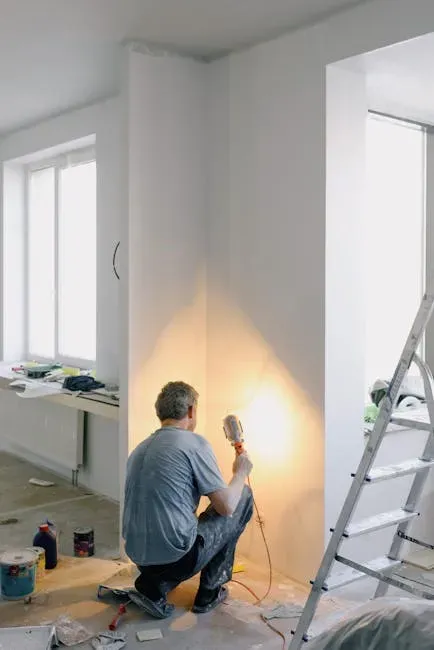
There is a whole economic ecosystem behind the fixer-upper trend. According to the Harvard Joint Center for Housing Studies, U.S. homeowners spent over $472 billion on home renovations in 2022, and the remodeling market has remained historically strong through 2024 and 2025. That is an enormous amount of activity, and it reflects a culture that has fully embraced the idea of building value through renovation.
A 2024 Renovation Survey from Houzz found that nearly four in five homeowners said their final renovation costs were higher than originally planned. The average cost overrun was about 27 percent. I think this is important to mention because it is a genuine cautionary note. The savings on a fixer-upper are real, but so are the surprises once you start tearing into walls.
House Flipping Activity Still Confirms Investor Interest

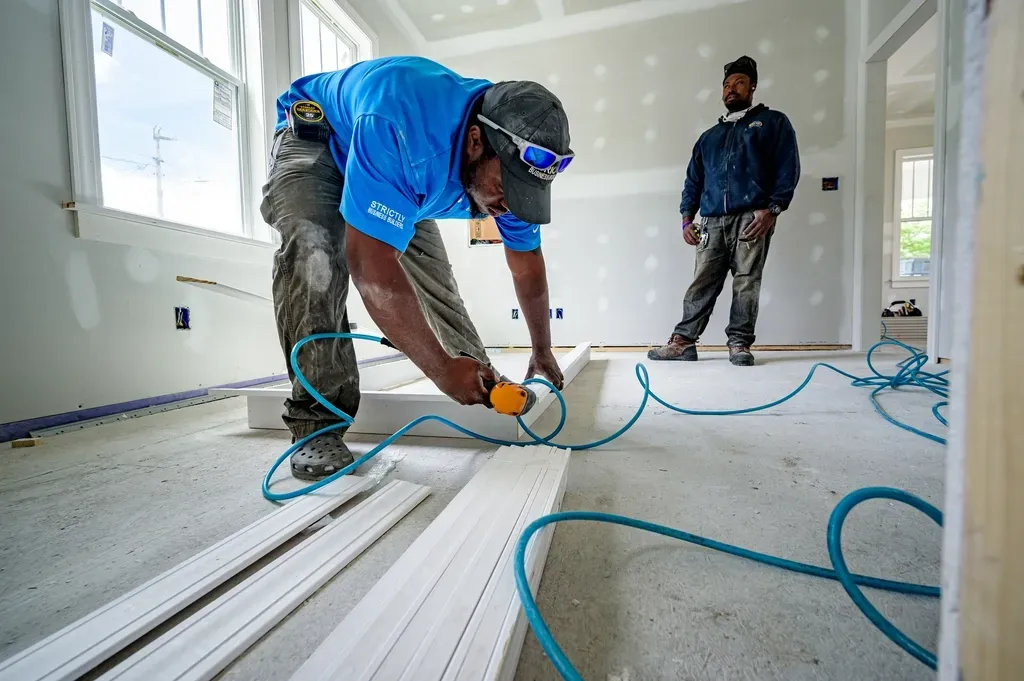
ATTOM’s year-end 2024 Home Flipping Report shows that nearly 298,000 single-family homes and condos were flipped in 2024. That figure was down from the prior year but still represented about 7.6 percent of all home sales. Even with declining volumes, that is a significant slice of the entire market still actively chasing renovation opportunities.
Gross profits on typical home flips in 2024 increased to $72,000 nationwide, calculated as the difference between the median sales price and the median amount originally paid by investors. The affordability crunch has buyers looking for sweat-equity opportunities, yet high acquisition costs, labor shortages, and pricier materials are eroding the resale profits that once drew investors into the space. The game is harder now, but the players are still showing up.
Section 10 Specifically Offers Something Rare: Space and Potential

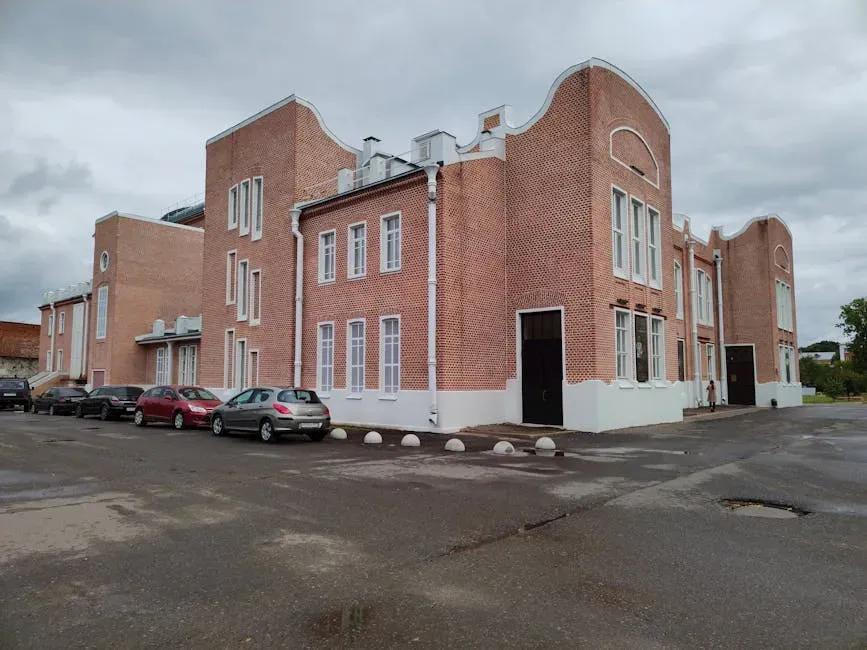
The Section 10 neighborhood in Las Vegas features lots of half an acre or larger with custom-built real estate. Most of the area is HOA-free, with the exception of a few gated subdivisions. That kind of freedom is hard to find anywhere close to a major metro. HOA-free living on large lots is essentially the renovation buyer’s dream scenario.
Section 10 offers a refreshing departure from cookie-cutter communities with its architecturally remarkable homes. Each is custom-designed, with great attention to detail. Many feature impressive interiors, including great kitchens and well-appointed living areas. Most of the area is HOA-free, meaning you can customize and create a dwelling that truly reflects your style and personality. For someone with a vision, that is an invitation. A dated Section 10 fixer-upper is not just a project. It is a blank canvas sitting on some of the largest residential lots in all of Clark County.
Conclusion: The Quiet Buyers Might Be the Smartest Ones in the Room

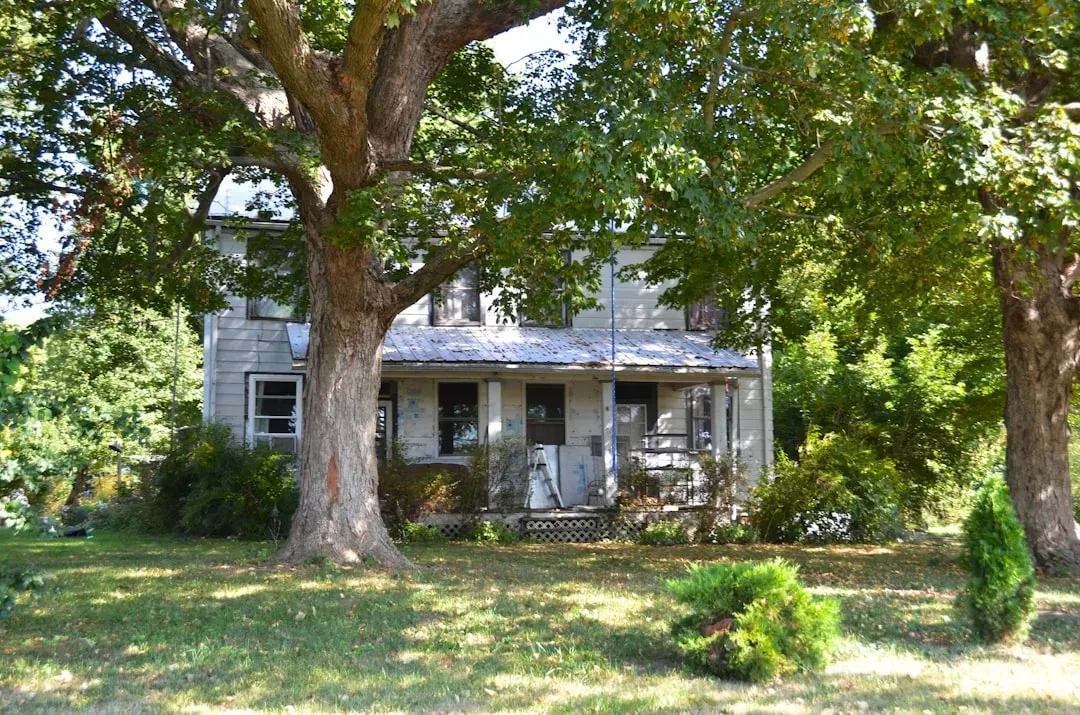
It is hard to say for sure where home prices go from here. But what is clear from the data is that fixer-uppers have shifted from a last resort to a genuine strategy. The price discounts are real, the financing tools have improved, and in neighborhoods like Section 10, the raw potential is difficult to ignore.
As Danielle Hale, chief economist at Realtor.com, noted, fixer-uppers give buyers a way to break into the housing market at a time when affordability is still stretched thin. For those with the vision and the resources, they provide both a starting point in the market and the chance to create a home that is truly their own. That is not just a financial argument. That is something closer to freedom.
The buyers are not naive. They are patient, creative, and they have done their homework. The real question is: will you still be watching from the sidelines when the last one sells? What would you do if you found a half-acre Las Vegas lot at a 54 percent discount? Tell us in the comments.


