
Most novels stretch across years, sometimes generations. A handful of writers have gone the other way, squeezing an entire book into twenty-four hours or less. The result is a particular kind of intensity, where every small errand or passing thought carries extra weight.
These four books are well-established examples of the form. Each one uses the single-day frame differently, and each has held its place on reading lists for decades.
Ulysses by James Joyce
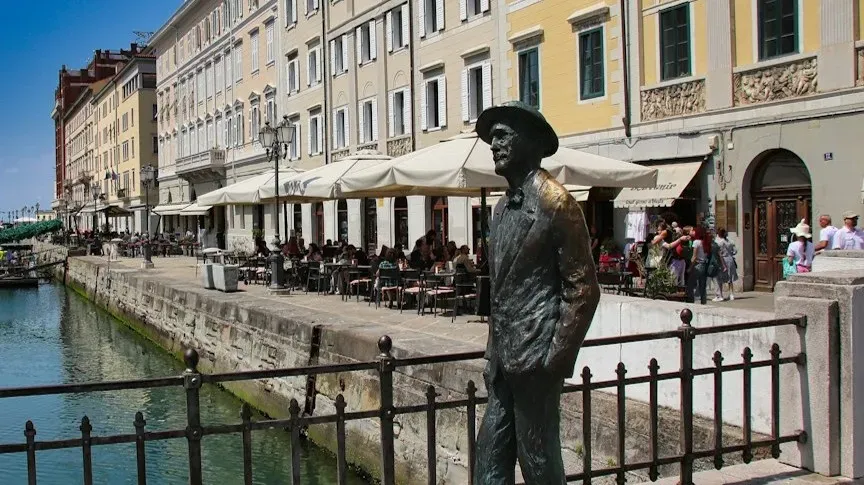
Joyce’s novel follows Leopold Bloom, Stephen Dedalus and others through Dublin on June 16, 1904. It was published in full in 1922 in Paris, and the date is now celebrated by readers worldwide as Bloomsday. The book’s eighteen episodes loosely echo Homer’s Odyssey.
What makes it demanding is its range of styles, from interior monologue to parody to a stage-play section. It’s long and dense, yet the events themselves are ordinary: breakfast, a funeral, a pub, a late-night walk. Joyce turned a regular day into a vast portrait of a city.
Mrs Dalloway by Virginia Woolf

Woolf’s 1925 novel unfolds on a single June day in post-First World War London. Clarissa Dalloway spends the hours preparing for an evening party, while the shell-shocked veteran Septimus Warren Smith moves through the same streets. The two never meet, but their stories mirror each other.
Woolf uses a flowing stream-of-consciousness style, with Big Ben’s chimes marking time between characters’ thoughts. The book is a compact look at memory, mental illness and the long shadow of war. It’s also much shorter than Ulysses, which makes it a common first step into modernist fiction.
One Day in the Life of Ivan Denisovich by Aleksandr Solzhenitsyn

This short novel, published in 1962 in the Soviet journal Novy Mir, describes one day in the life of a prisoner in a Stalin-era labor camp. Ivan Denisovich Shukhov wakes before dawn, works in the freezing cold, and fights for scraps of food. Solzhenitsyn drew on his own years in the camps.
The day is described as a fairly good one for Shukhov, and that is the point. Small wins, like extra bread or a hidden piece of metal, show how survival works under extreme control. Its publication was a landmark, as it was among the first works to openly depict the Gulag in the Soviet Union.
Saturday by Ian McEwan

McEwan’s 2005 novel takes place on February 15, 2003, the day of a huge anti-war march in London. Henry Perowne, a neurosurgeon, goes through his Saturday: squash, a hospital shift, a family reunion. A minor car collision early in the day sets off a tense encounter that returns later.
The novel is rooted in the uneasy mood of the period before the Iraq War. McEwan keeps the focus tight on one man’s routines, comforts and anxieties. It shows how the single-day structure can hold both domestic life and big political unease.