Think about the last book that completely transformed how you saw the world. Now imagine someone tried to take that away from you. Throughout history, the most powerful books have always been the ones people tried to silence. When authorities feel threatened enough to ban a book, they’re often revealing just how dangerous ideas can be to the status quo.
Censorship has always been about control. From religious authorities burning pages to modern school boards pulling titles from libraries, the urge to suppress certain stories never really goes away. What’s fascinating is that many banned books didn’t just survive their censorship; they became cultural landmarks precisely because someone tried to silence them.
Uncle Tom’s Cabin: The Novel That Ignited a Nation

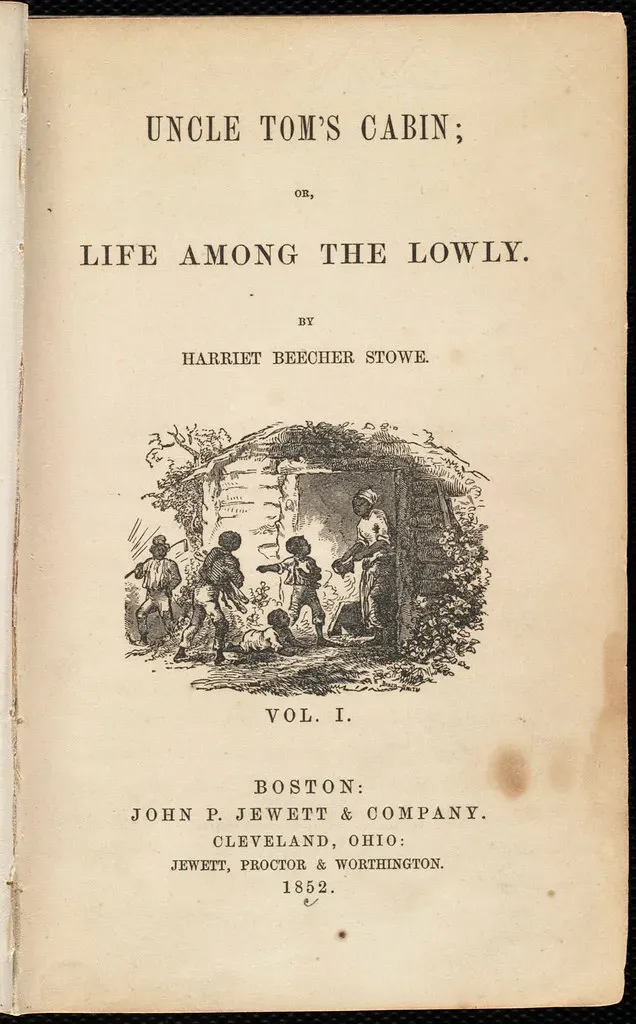
Harriet Beecher Stowe defied multiple Southern states that had outlawed expressing anti-slavery sentiments when she published Uncle Tom’s Cabin in 1851, a novel aimed at exposing the evils of slavery. The reaction was swift and brutal. The book became an instant bestseller while slaveholders burned copies and banned it from bookshelves. In Maryland, free Black minister Sam Green was sentenced to 10 years in the state penitentiary for owning a copy.
The novel’s impact went far beyond literature. Uncle Tom’s Cabin was perceived as a direct threat to Southern ideology and was deliberately banned to defend the institution of slavery and maintain the established social and racial hierarchy. The book humanized enslaved people in ways that made their oppression impossible to ignore, transforming abstract debates about slavery into visceral, emotional experiences for readers across the North.
1984: Stalin’s Nightmare Come to Life

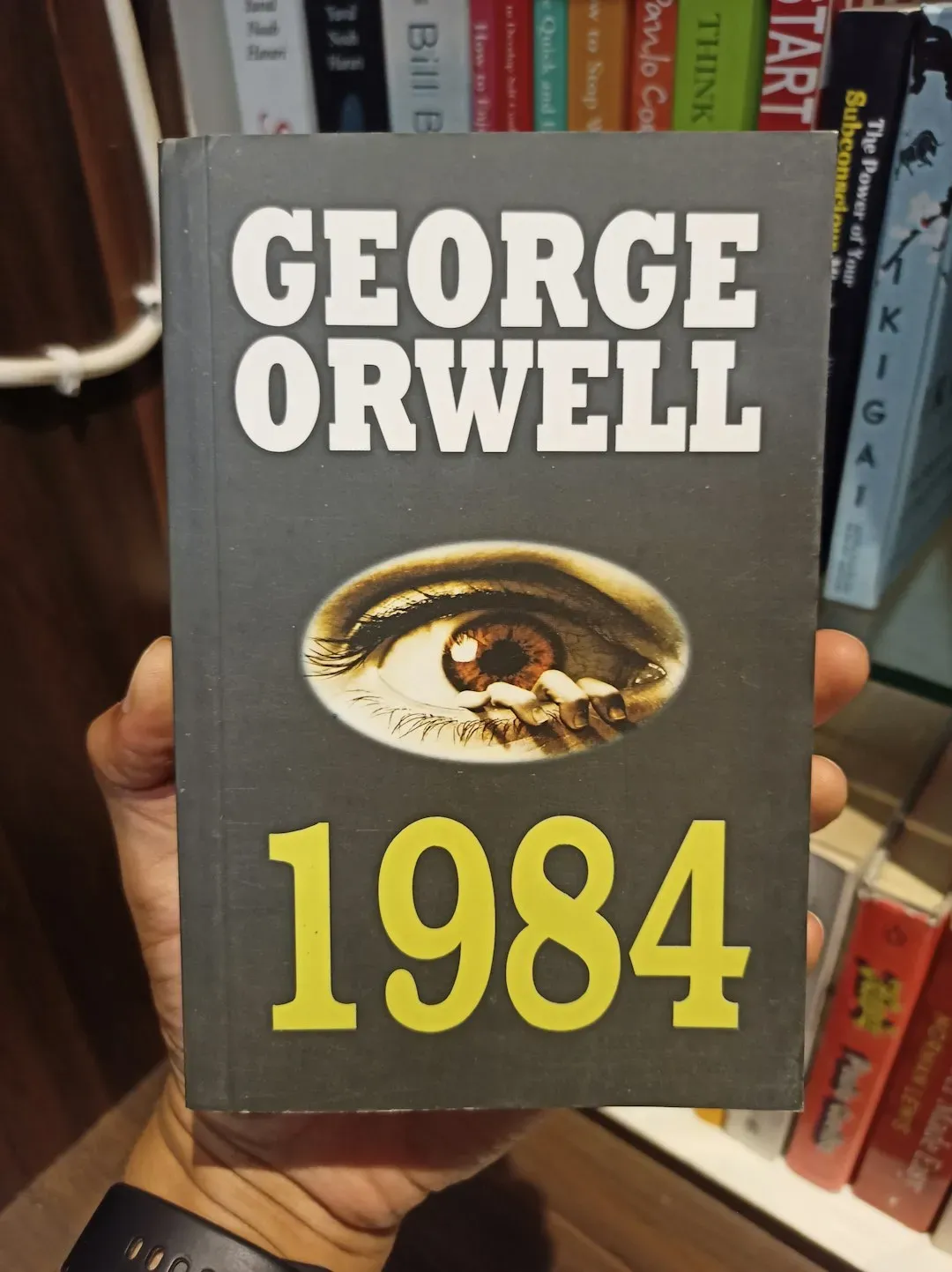
After providing critical commentary of Soviet premier Joseph Stalin with Animal Farm in 1945, George Orwell went even further when he wrote Nineteen Eighty-four in 1949. Stalin viewed the text as an unwanted critique on his ruling style, leading him to ban it in the Soviet Union, a ban that remained in effect until 1988.
The controversial novel followed an average citizen attempting to escape the omnipresent eye of a dystopian government, dealing with themes concerning nationalism, sexual repression, censorship, and privacy. What made the book truly terrifying to authoritarian regimes wasn’t just its critique of totalitarianism; it was how accurately it predicted the mechanics of thought control and surveillance. The irony of banning a book about censorship wasn’t lost on readers who managed to obtain smuggled copies.
The Satanic Verses: Literature That Sparked International Fury

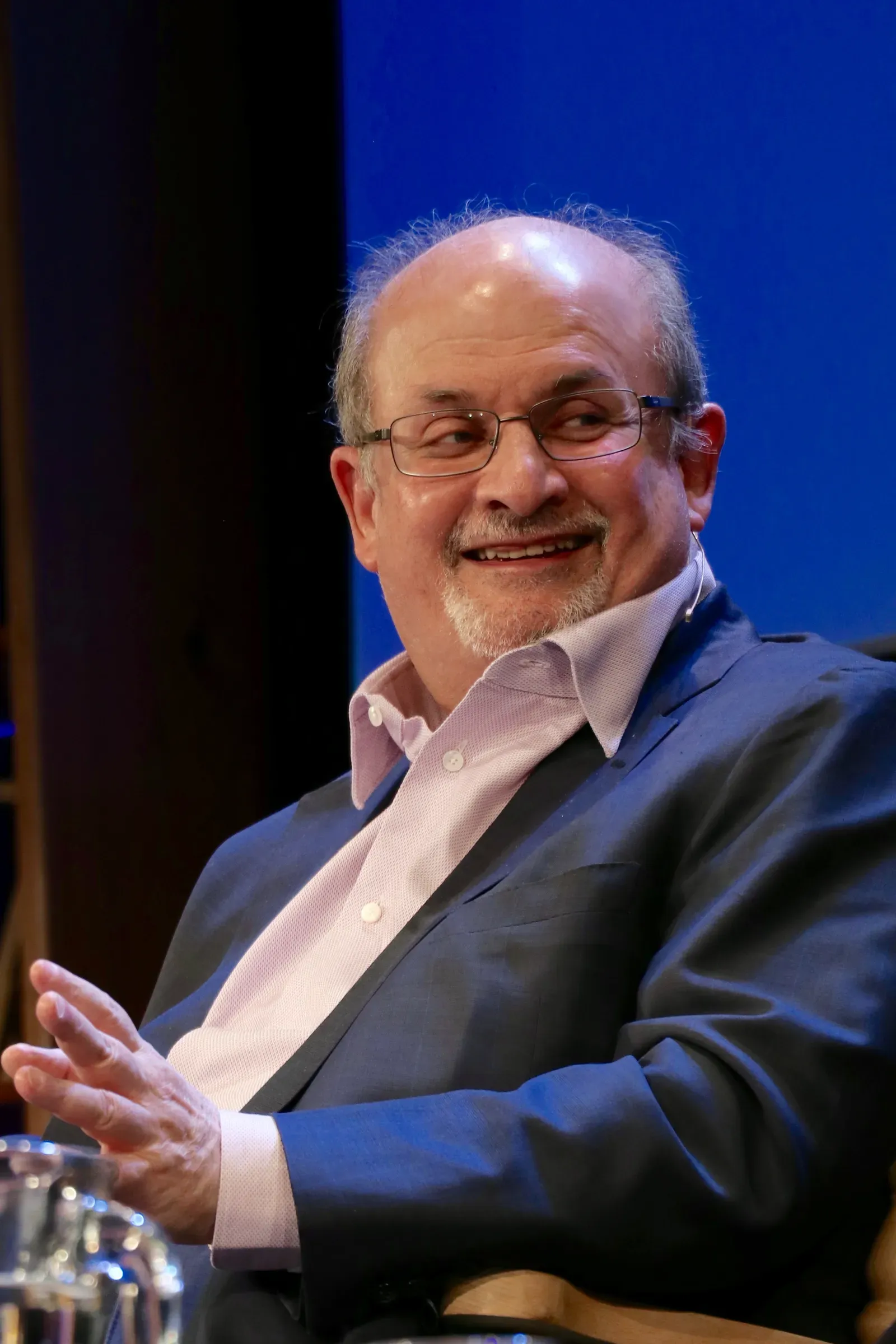
Salman Rushdie’s The Satanic Verses was burned repeatedly by Muslims in the United Kingdom, and in October, India became the first of several countries to ban the novel. The book faced bans in many countries, including Bangladesh, Egypt, Iran, Pakistan, and South Africa.
The fallout was unprecedented in modern literary history. Rushdie’s public appearances were drastically limited thereafter, and he was forced to move frequently from residence to residence, all the time accompanied by bodyguards. India placed a ban on the importation of The Satanic Verses in 1988, though it was overturned in 2024 when original documents could not be supplied to a court. The controversy fundamentally changed conversations about artistic freedom, religious sensitivity, and the globalizing nature of cultural conflict in ways we’re still grappling with today.
The Bluest Eye: Confronting Uncomfortable Truths

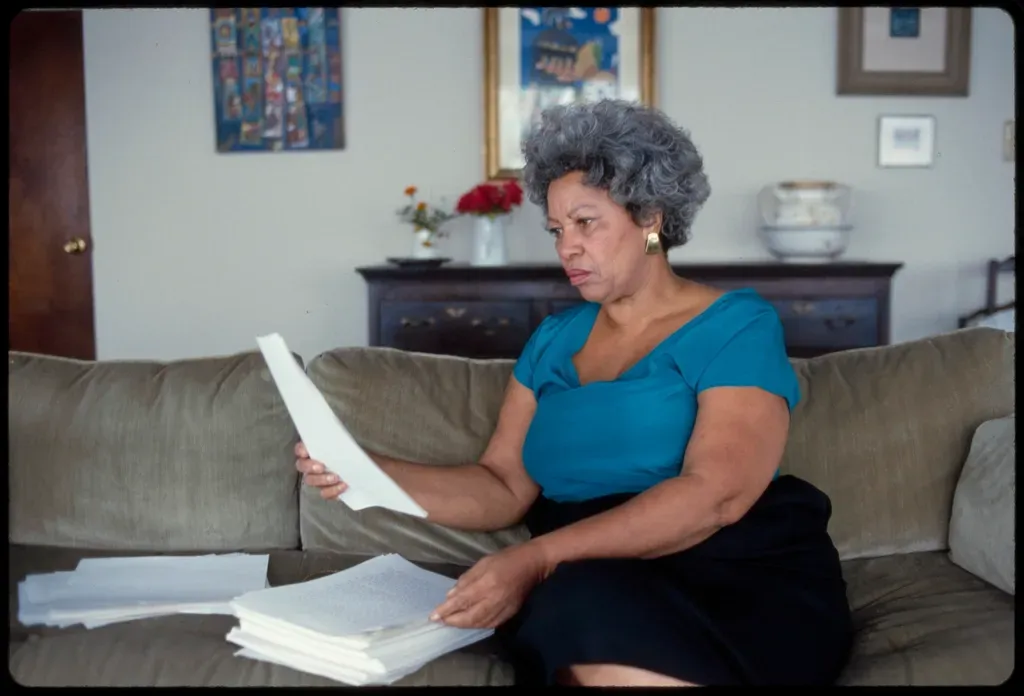
Toni Morrison’s groundbreaking 1970 novel has never stopped making people uncomfortable. This work of tremendous emotional, cultural, and historical depth has faced numerous attempts to ban it from schools and libraries because of its depictions of sex, violence, racism, incest, and child molestation, and it frequents the American Library Association’s list of banned and challenged books.
The National Association for the Advancement of Colored People claimed that censorship of this book perpetuates ignorance and intolerance, leaving youth ill-prepared to tackle the complexities of racism they will inevitably face, and that Morrison’s work is a critical part of our country’s literary heritage. Here’s the thing: the very discomfort that drives censorship attempts is exactly what makes the book essential. Morrison didn’t write it to make anyone comfortable; she wrote it to reveal truths about internalized racism and trauma that society preferred to ignore.
The Color Purple: When Art Threatens Power Structures

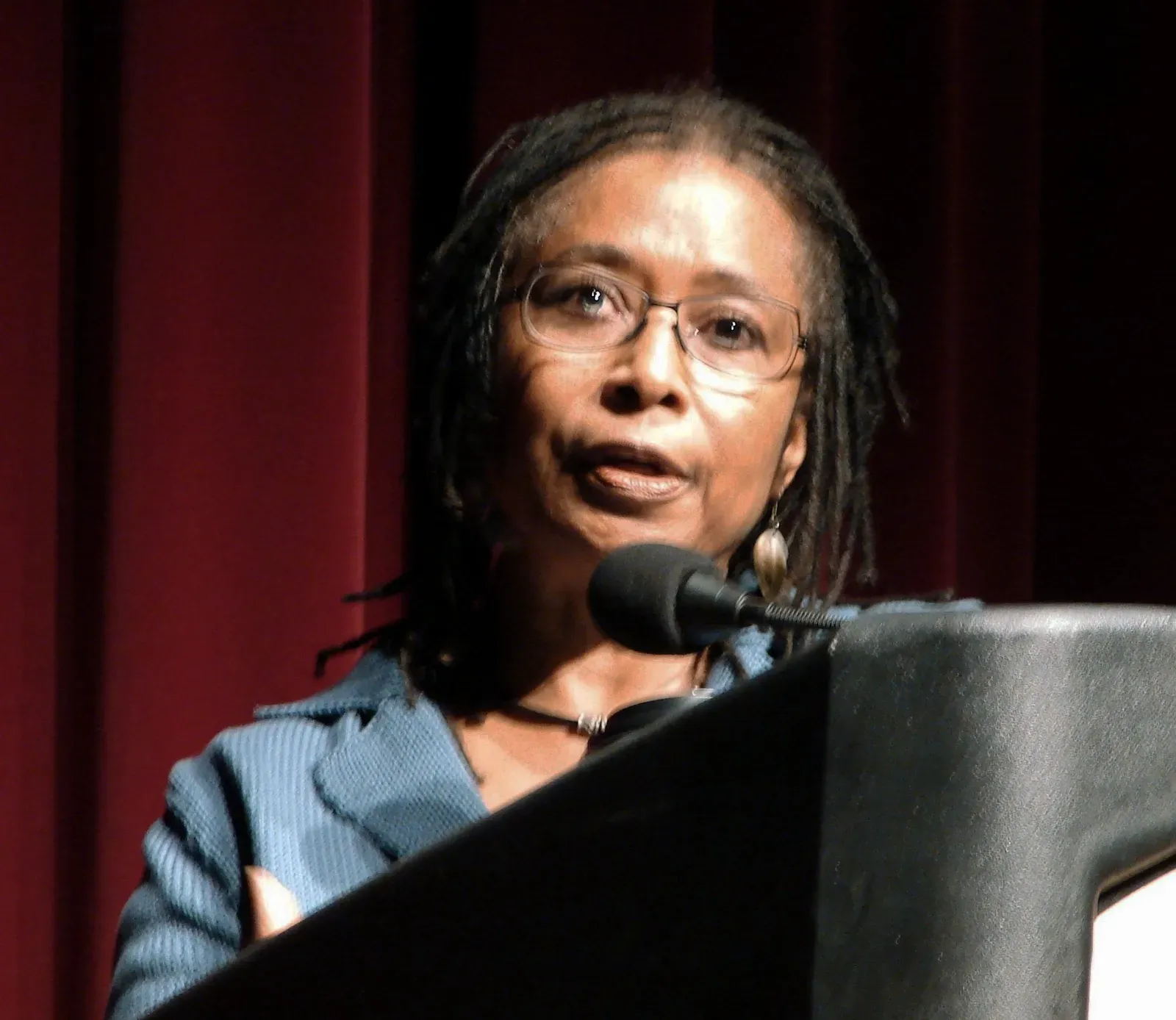
Winner of the Pulitzer Prize and the National Book Award for Fiction, The Color Purple by Alice Walker focuses on the lives of African-American women in the South spanning the 1930s and has faced many challenges due to its portrayal of rape, violence, and use of racial slurs. The National Coalition Against Censorship intervened in an attempt to remove the book from Brunswick County Schools in North Carolina, where Commissioner Pat Sykes told the board that the only result of reading such a book will be “Trash in, trash out,” though the board voted 3-2 to keep it.
The book has been targeted since the beginning of the book banning movement in 2021, and book bans overwhelmingly feature stories with people or characters of color. Walker’s novel gave voice to Black women whose stories had been systematically silenced, depicting their resilience and humanity in ways that challenged both racism and patriarchy simultaneously. That dual threat explains why censors have never stopped trying to remove it from shelves.
Harry Potter: Modern Mythology Meets Moral Panic

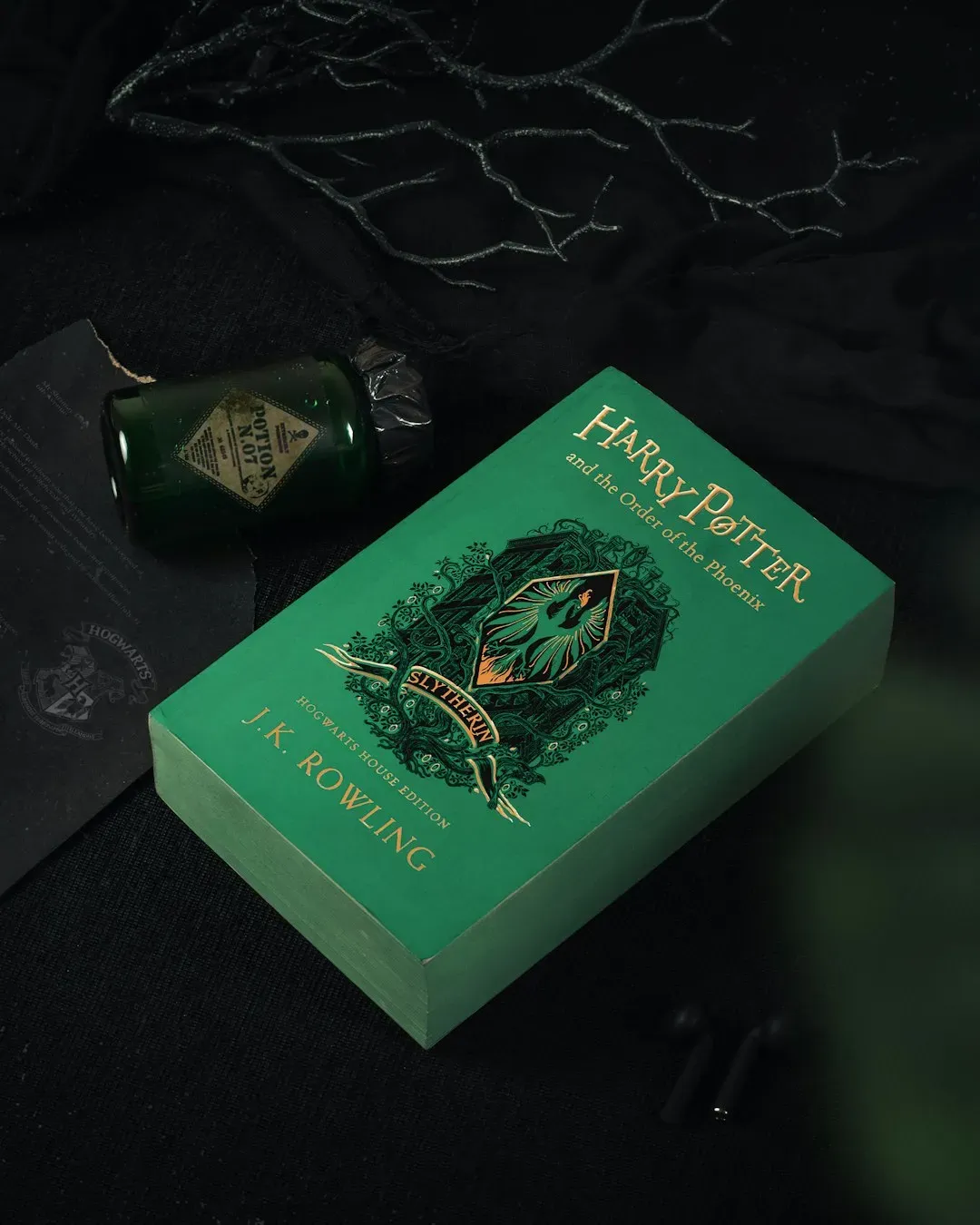
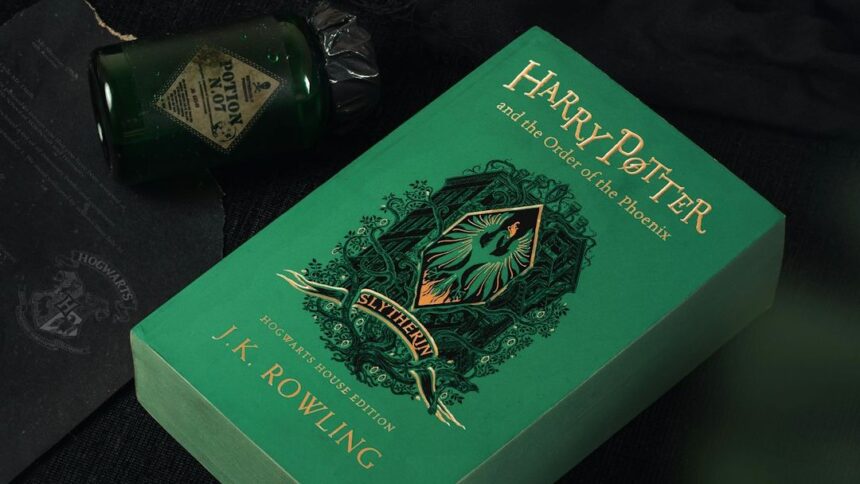
Few people would have predicted that a children’s fantasy series would become one of the most banned books of the 21st century. J.K. Rowling’s series of Harry Potter books rose to top the list of most banned and challenged books between 2000 and 2009, according to the American Library Association. The series drew complaints from parents and others about alleged occult or satanic themes, religious viewpoint, anti-family approach and violence.
In 2019, people demanded removal from public libraries, objecting to depictions of magic, witchcraft, actual curses and spells in the text, and the characters’ use of nefarious means to achieve their goals. The irony runs deep here. A series fundamentally about the importance of love, friendship, and standing up against fascism became a target precisely because it encouraged children to think critically about authority and question established systems. The books sold millions of copies worldwide while simultaneously sitting on banned book lists, proving that censorship often backfires spectacularly.
The Meritorious Price of Our Redemption: America’s First Ban

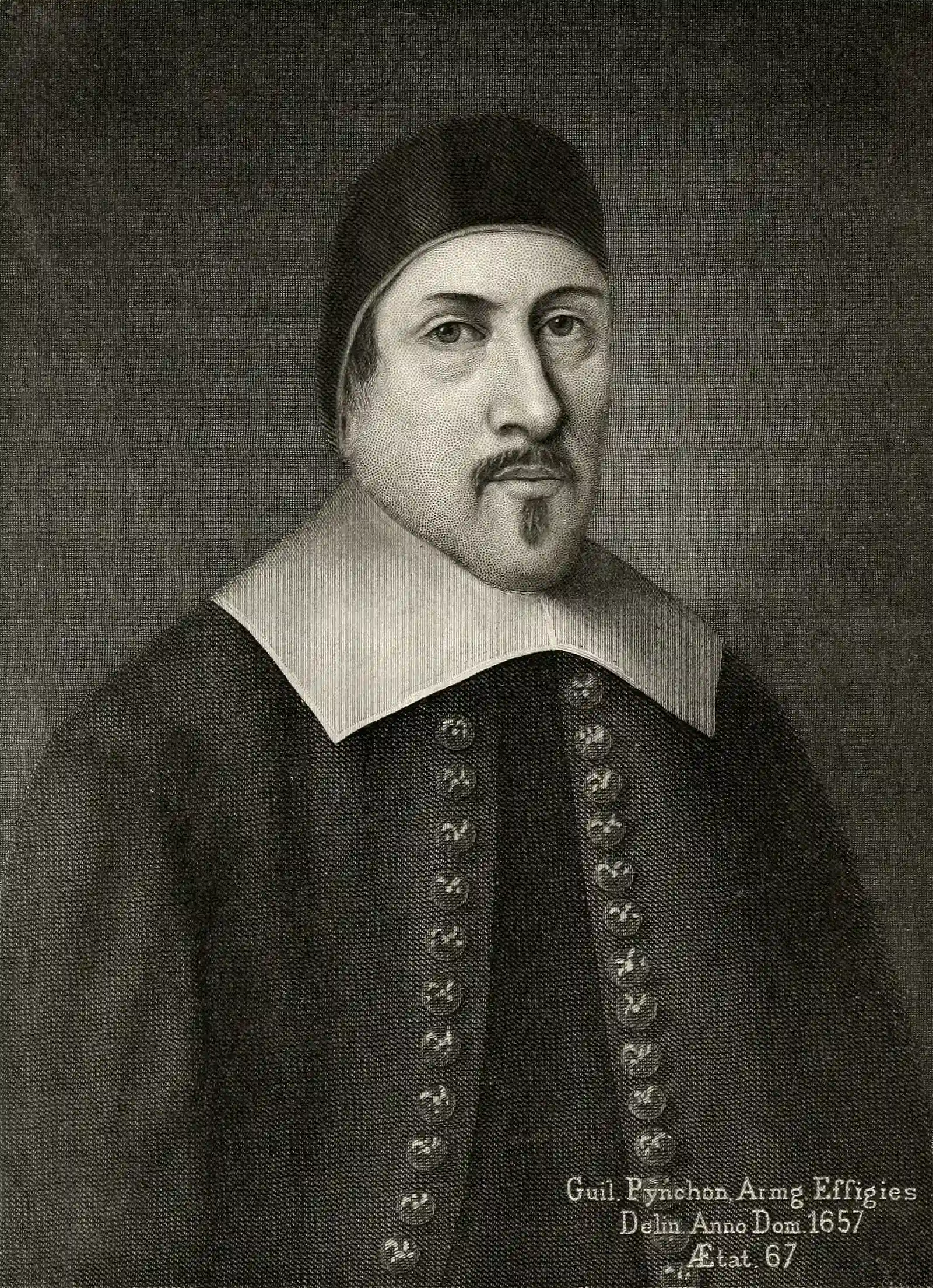
In 1650, prominent Massachusetts Bay colonist William Pynchon published The Meritorious Price of Our Redemption, a pamphlet arguing that anyone obedient to God and following Christian teachings could get into heaven, which flew in the face of Puritan Calvinist beliefs. Outraged, Pynchon’s fellow colonists denounced him as a heretic, burned his pamphlet, and banned it – the first event of its kind in what would later become the U.S.
This theological disagreement set the precedent for American censorship. Attempts to limit access to literature in the US are as old as our nation itself. Pynchon’s pamphlet challenged the elite religious doctrine that only a select few were destined for salvation, democratizing the path to heaven in ways that threatened established religious hierarchies. His ideas were too dangerous not because they were evil, but because they suggested ordinary people deserved spiritual agency.
The Call of the Wild: When Politics Trumps Content

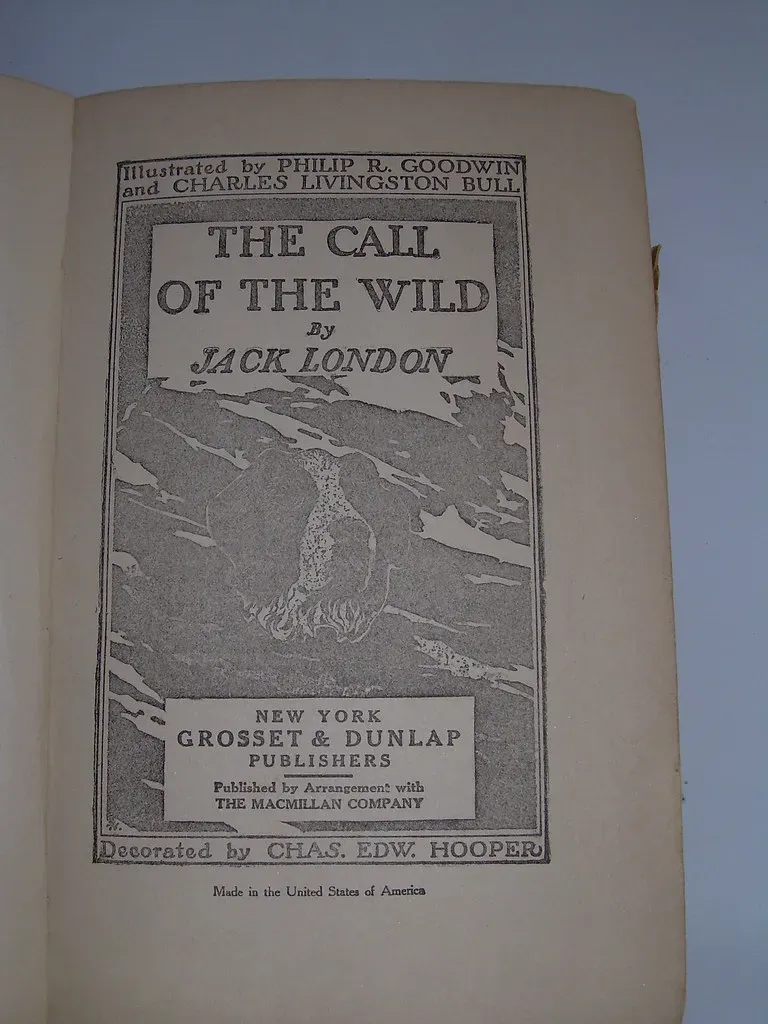
The vicious dog fights, mistreatment of animals and harsh undertones in Jack London’s tale of the Klondike gold rush have spurred censorship calls since its publication in 1903. Yet the animal violence wasn’t really the issue. It was the leftist political views of the author – who was twice the Socialist Party candidate for mayor of Oakland – rather than the book’s blood and gore that ran The Call of the Wild afoul of fascist authorities in Italy during the 1920s and early 1930s and resulted in the Nazi Party burning several of London’s socialist-leaning writings in 1933.
This reveals something crucial about censorship: the stated reason often masks the real threat. London’s adventure story about a dog returning to wildness became dangerous not because of its content, but because of who wrote it and what he represented politically. Fascist regimes understood that even stories seemingly unrelated to politics could carry subversive ideas about freedom, solidarity, and resistance to domestication – whether literal or metaphorical.
Modern Book Banning: History Repeating Itself

If you think book banning is ancient history, think again. In the 2023-2024 school year, there were more than 10,000 instances of banned books in public schools, affecting more than 4,000 unique titles, often targeting books with characters of color, LGBTQ+ identities, and sexual content. In 2024, the American Library Association documented 821 attempts to censor library books, a decrease from 2023 when a record high 1,247 attempts were reported.
We face the worst spate of book bans since the Red Scare of the 1950s, according to PEN America. The 2024 data shows the majority of book censorship attempts now originate from organized movements, with pressure groups and government entities initiating 72% of demands to censor books. The parallels to historical censorship are striking: books that challenge existing power structures, give voice to marginalized communities, or encourage critical thinking about authority remain the primary targets. We’re witnessing the same battles our predecessors fought, just with new battlegrounds and slightly different rhetoric.