Most people who sit down at a casino table, whether online or in a physical room, share a quiet belief that they are somehow different from the statistics. They won’t be the one to lose. The math won’t catch up to them tonight. This is, of course, exactly what the house depends on.
At its heart, gambling is a paradoxical behavior, because it is widely known that the house always wins. Whether you are gambling on slot machines, horse racing, blackjack, or roulette, the odds have been meticulously arranged to ensure a steady profit for the casino or bookmaker. Still, a small subset of players does consistently hold their own over time, and what separates them is almost never about luck. It’s about psychology.
Trait 1: Emotional Regulation Under Pressure

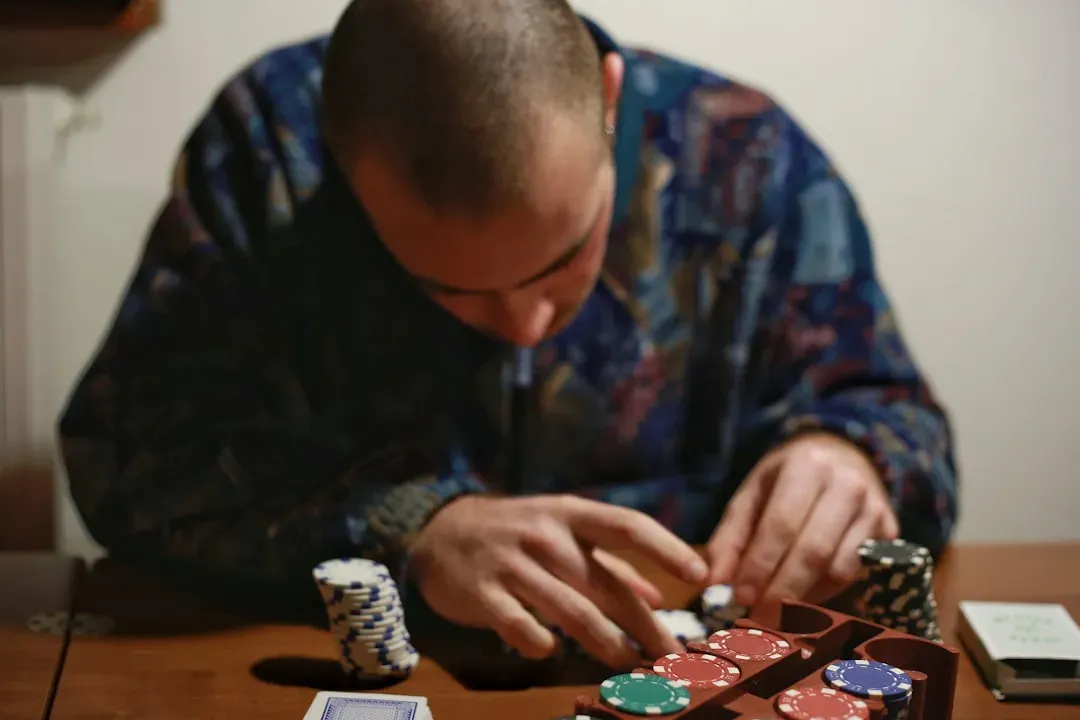
Poker, and indeed most forms of gambling that involve repeated decisions, requires players to regulate their emotions in order to be successful. This isn’t a soft observation. It is increasingly well-supported by research.
Expertise in poker critically requires both mastery of the technical aspects of the game and proficiency in emotion regulation, making it a strong environment for studying these skills in controlled settings. Players who can keep their composure after a bad hand, a losing streak, or a near-miss are far better positioned to make decisions based on probability rather than frustration.
A 2022 study from BASIS Online found that gamblers who struggle with emotional regulation are far more likely to go on tilt. Once there, impulsive bets become the norm and losses can spiral out of control. The players who avoid this cycle share a clear trait: they treat each hand or session as isolated information, not as a personal verdict on their luck.
Trait 2: A Calibrated Understanding of the House Edge
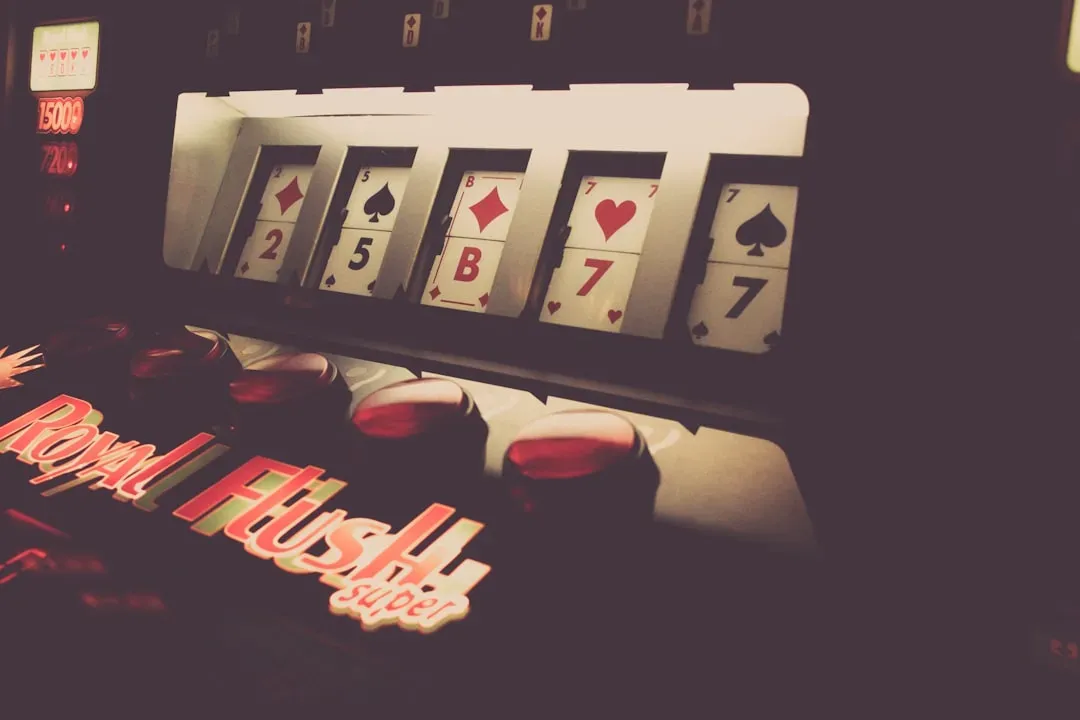
The house edge is a statistical indicator characterizing every bet that can be placed at a game. From the casino’s perspective, it represents the mathematical guarantee that a game is worth functioning, because it ensures a profit for the house over the long run. Most players operate without truly internalizing this.
The longer you play, the closer your losses will get to the house edge. Players who genuinely understand this don’t fight it romantically. They accept it as structural reality and adjust their behavior accordingly. They seek games with the thinnest edges and play shorter, more disciplined sessions.
By knowing the odds, players can make informed decisions about which games to play and how to place their bets strategically. Games with lower house edges, like blackjack and certain video poker variants, often provide better long-term returns for players. Notice that the harder a game is to master, the better the odds. It takes some time to learn how to play blackjack, craps, or video poker properly, but they have the lowest house edge.
Trait 3: Immunity to the Gambler’s Fallacy
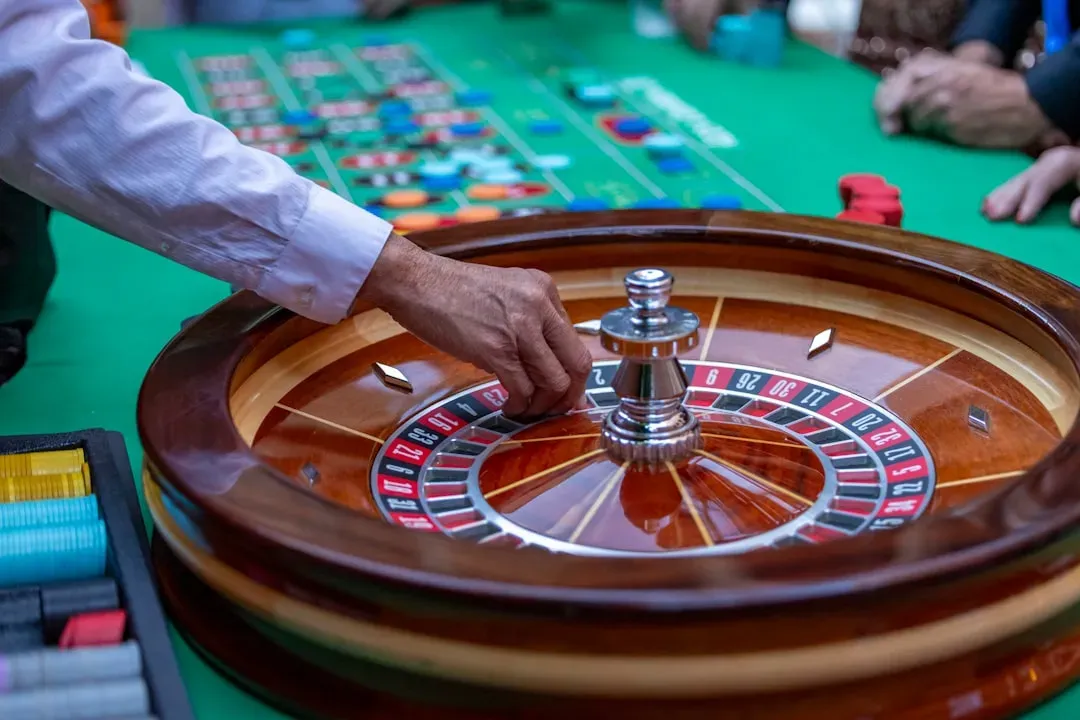
The most famous cognitive trap in gambling is the Gambler’s Fallacy: the deep-seated belief that a streak of a particular outcome makes the opposite outcome more likely, or “due.” After a roulette ball lands on black six consecutive times, the brain screams that red is an almost certainty. It isn’t.
A 2023 study in Frontiers in Psychology found that even people who aren’t problem gamblers frequently expect luck to “even out.” This mindset leads to irrational bets, either chasing losses or betting bigger on a supposed hot streak, despite no change in actual odds. Successful players have internalized the independence of random events. Each outcome is its own event, entirely disconnected from whatever came before.
This bias stems from our “law of small numbers,” a tendency to assume a small sample size must reflect the properties of a large one. Beating it requires a working model of probability that overrides intuition, which is much harder in practice than it sounds in theory. The rare players who do this consistently tend to have trained their thinking over time, often through study rather than intuition alone.
Trait 4: Mastery of Loss Aversion Awareness

According to the original research by Daniel Kahneman and Amos Tversky, the pioneers of loss aversion, the psychological torment of a loss can be twice as powerful as an equivalent gain. This isn’t a personality quirk. It is a near-universal human trait, and the casino environment is engineered to exploit it precisely.
There is a phenomenon that refers to the behavior of continuing to gamble after experiencing a loss, to win back the losing money, called “chasing losses.” Loss-chasing describes the tendency of a gambler to amplify their betting in an effort to recoup prior losses. Players who beat the house edge over time are not immune to this instinct. They simply have systems in place to counteract it before it takes hold.
The stop-loss limit addresses chasing: you pre-commit to a maximum acceptable loss before your session begins. The stop-win target addresses the “on a roll” problem: you pre-commit to a profit level at which you leave, before the variable reward schedule starts whispering that more is coming. These are not exotic strategies. They are structured commitments that remove in-the-moment emotion from financial decisions.
How Tilt Destroys Even the Best Players
Tilt can lead to impaired decision-making, the illusion of control, increased risk-taking, and an increase in the likelihood of impulsive behavior, making it difficult for the player to stop gambling. The loss of control over gambling behaviors through tilt is associated with negative financial consequences.
This cycle is exactly what keeps the house edge so reliable. When emotions take over, discipline breaks down, and casinos profit from those moments most of all. Tilt is not just a poker concept. It applies equally at a blackjack table, in a sports betting session, or at any game where prior results influence present decisions.
Sleep deprivation has been linked to alterations in emotional regulation, decision-making, and risk-taking behaviors, all of which are known to induce episodes of tilt. The players who last longest are often also the ones who manage their physical state as carefully as their bankroll. Rest, timing, and session length all matter.
The Role of Discipline in Game Selection

Games like blackjack, baccarat, and craps offer some of the lowest house edges, making them a strong choice for players seeking favorable odds. Knowing this is only valuable if a player actually acts on it consistently. Many gamblers know the theory but drift toward higher-edge games because the atmosphere or the jackpot size pulls them away from rational selection.
A typical blackjack player probably plays at roughly a two to three percent disadvantage, not the half-percent listed for a player using basic strategy. The gap between knowing basic strategy and applying it flawlessly under pressure is where most players quietly lose ground. Discipline is what closes that gap.
Players can implement strategies like limiting bets to no more than one percent of their total bankroll on any single game. This method helps ensure longevity in play and reduces the likelihood of quick depletion of funds, allowing for a more strategic and less emotional gambling experience. It sounds almost mundane. That’s precisely why it works.
Why Near-Misses Trap the Mind

Near-misses activate our brains’ reward systems almost as strongly as real wins do. A near-miss gambling effect review published in 2024 confirms this: near misses actually trigger win-like responses, raising heart rate and boosting motivation to continue.
Near-misses occur when the outcome is close to the jackpot, but there is no actual win. They are common in many forms of gambling, such as when your chosen horse finishes in second place. A moderate frequency of near-misses encourages prolonged gambling, even in student volunteers who do not gamble on a regular basis.
Players who genuinely understand how near-misses work can catch themselves in real time. The instinct to stay is biological. The ability to override it is psychological. This difference alone separates recreational players from those who walk away with their bankroll intact.
Pattern Recognition vs. the Illusion of Control
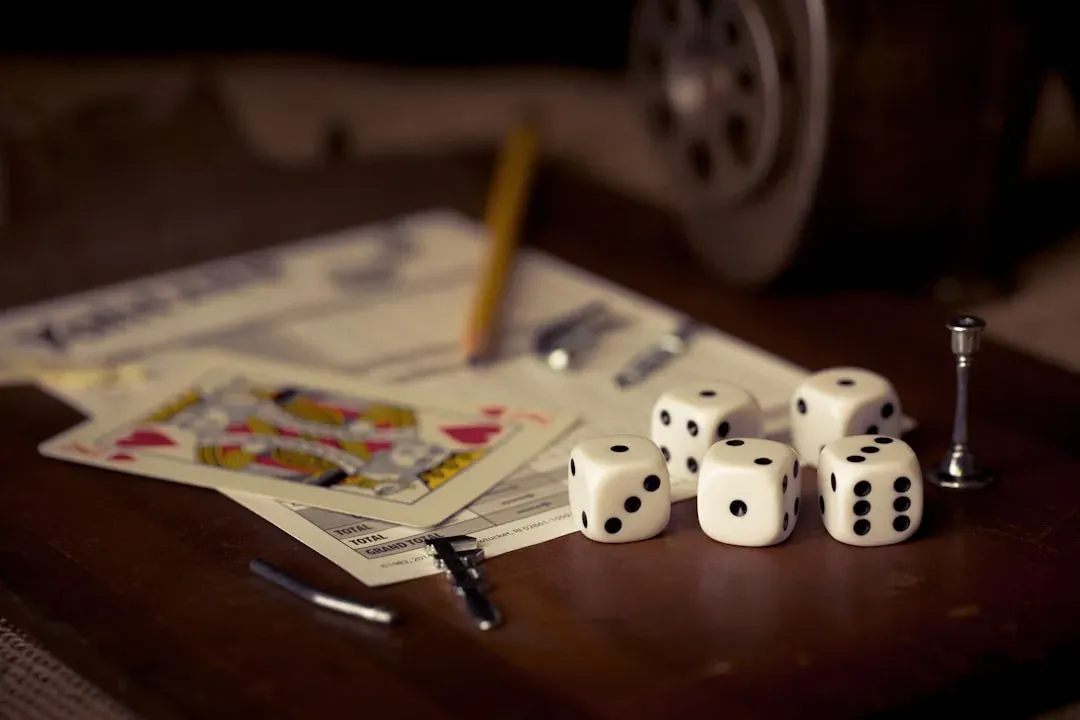
Many gamblers display impressive attention to detail and pattern recognition skills. They can recall specific hands in poker games from years ago or remember exact sequences of numbers on a roulette wheel. This keen observational ability can be a double-edged sword, however. While it might occasionally lead to successful predictions, it can also reinforce the illusion of control and fuel further gambling behavior.
Dr. Luke Clark, in the Department of Experimental Psychology at Cambridge, is interested in the different ways in which gamblers overestimate their chances of winning, including the effects of near-misses and personal choice. These features of gambling games promote an “illusion of control”: the belief that the gambler can exert skill over an outcome that is actually defined by chance.
The players who beat the house edge in skill-based games like poker or blackjack do develop genuine pattern recognition. The critical difference is that they can distinguish between patterns that are statistically real and patterns their brain invents to feel in control. That self-awareness is rarer than most people suppose.
Bankroll Management as a Psychological Tool


Understanding the house edge helps players predict the average loss per bet and improve their bankroll management by setting realistic expectations and budgeting wisely. Bankroll management is often treated as a financial concept. In reality, it functions as a psychological buffer, one that removes the stakes from individual decisions and shifts focus to the long game.
The concept of loss aversion is essential in gambling psychology. Players are often more motivated to avoid losses than to achieve equivalent gains. This can lead to risky behaviors, like chasing losses. Successful gamblers learn to manage this instinct by sticking to a solid strategy that prioritizes long-term success over short-term gains.
A predetermined budget entered before sitting down is not just financial planning. It is a commitment device that limits the damage that emotional states can do once you’re inside the experience. The best players use it exactly that way.
Competitive Drive Without Ego

Understanding the house edge can serve as a motivator for players who enjoy the thrill of competition against the odds. Some gamblers relish the challenge of attempting to outsmart a game or find the best strategies to mitigate the house advantage. This mental game can add layers of engagement to the overall gambling experience, making it more complex and genuinely interesting.
The higher the stakes, the greater the emotional intensity and the greater the need for discipline. Self-awareness, reflection after sessions, and structured breaks help keep the mind clear when bankroll decisions carry weight. Players with competitive personalities tend to do well in skill-based games when that drive is directed at improving their own process rather than simply defeating opponents or “beating” the casino in a single night.
Previous studies assessing experience and skill in poker have revealed that proficiency in emotion regulation is a consequential factor in explaining financial success in the game. The ego is what loses money. The player who can step back, review their own decisions honestly, and adjust without bitterness is the one who survives long enough for skill to matter.
Conclusion


The four traits outlined above are not exotic gifts. They are learnable disciplines: emotional regulation, a clear-eyed understanding of mathematical odds, freedom from cognitive fallacies, and a structured approach to loss aversion. What they share is that none of them feel natural in the heat of the moment.
The real house edge is cognitive. The most successful casino patrons are those who master the deeply ingrained, irrational biases of their own minds. The casino floor is designed to work against every one of these traits simultaneously. Lights, sounds, near-misses, and the flow of wins and losses are engineered to pull players away from rationality and into impulse.
The players who genuinely hold their edge over time are not the ones who got lucky. They are the ones who showed up knowing exactly what their own brain would try to do to them, and had a plan for every move it made. That, more than any strategy card or betting system, is what actually shifts the odds.