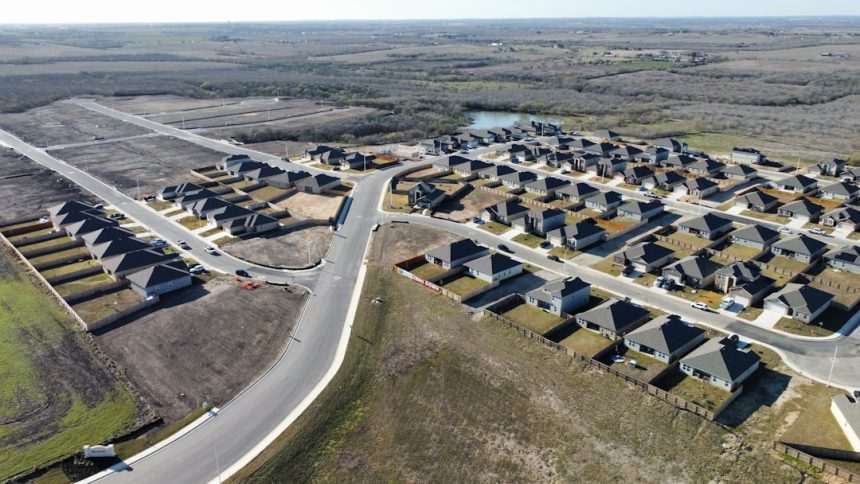
Summerlin didn’t become a national benchmark overnight. It took more than three decades of disciplined planning, infrastructure investment, and a relentless commitment to livability before it became what it is today. A Howard Hughes community, Summerlin began taking shape in 1990 and has ranked in the country’s top ten best-selling master-planned communities for nearly two decades, spanning 22,500 acres with roughly 5,000 gross acres still reserved for future growth.
That kind of track record sets a high bar. Yet across the Las Vegas Valley and beyond, a handful of neighborhoods are quietly doing the early work that Summerlin once did. They’re not yet household names, but the data and development activity suggest they’re heading somewhere significant.
What Makes a Neighborhood the “Next Summerlin”?

Before pointing to specific communities, it’s worth understanding what earned Summerlin its reputation in the first place. Summerlin earned the number five spot with new home sales of 1,055 on the 2024 list of the country’s top-selling master-planned communities, according to RCLCO, a national real estate consultant that has ranked MPCs nationwide since 1994. According to RCLCO Principal Karl Pischke, Summerlin leads all ranked MPCs in total appearances on its national best-selling list, with over 28 years on the top 25.
The community also distinguished itself on sustainability. As of March 2024, Summerlin had removed over 638,000 square feet of decorative grass, saving roughly 35 million gallons of water annually, and its carbon footprint sits at only 3.3 metric tonnes per person per year, which is 78 percent less than the national average. For a neighborhood in the Mojave Desert, those aren’t small achievements.
New home sales in master-planned communities continue to outperform the broader market overall. While new home sales overall were down just over six percent at mid-year in 2025, top MPCs improved by year-end, and the data suggests that MPCs will continue to outperform the market in 2026, given their lifestyle appeal, amenities, and broader mix of housing product. In short, the community model still works, and the neighborhoods below are leaning into it.
1. Grand Park Village, Summerlin West, Las Vegas


Grand Park Village is the headline for 2026 in Summerlin West, centered around a planned 90-acre central park that will eventually serve as the green heart of the western expansion. It’s a neighborhood that has barely gotten started, but its bones are already impressive.
Within Summerlin’s residential sector in 2025, ten new neighborhoods opened offering dozens of new floorplans, with new neighborhoods in Grand Park village including Ashland by Taylor Morrison, SHAWOOD at Arcadia, Glenrock by Toll Brothers, Caldwell Park by KB Home, Carlisle by Tri Pointe Homes, Primrose Park by Richmond American Homes, and Brantley by Pulte Homes. That’s not a slow rollout. That’s momentum.
Grand Park is where Summerlin West levels up its offering for families, with the vision of creating a multigenerational neighborhood where design, flexibility, and amenities are built around real life. What makes it a future classic is the park-first philosophy, with a central park system featuring sports fields, walking trails, splash pads, and shaded play areas as the beating heart of the district. By 2027, this village will look considerably more complete.
2. Cadence, East Henderson, Nevada

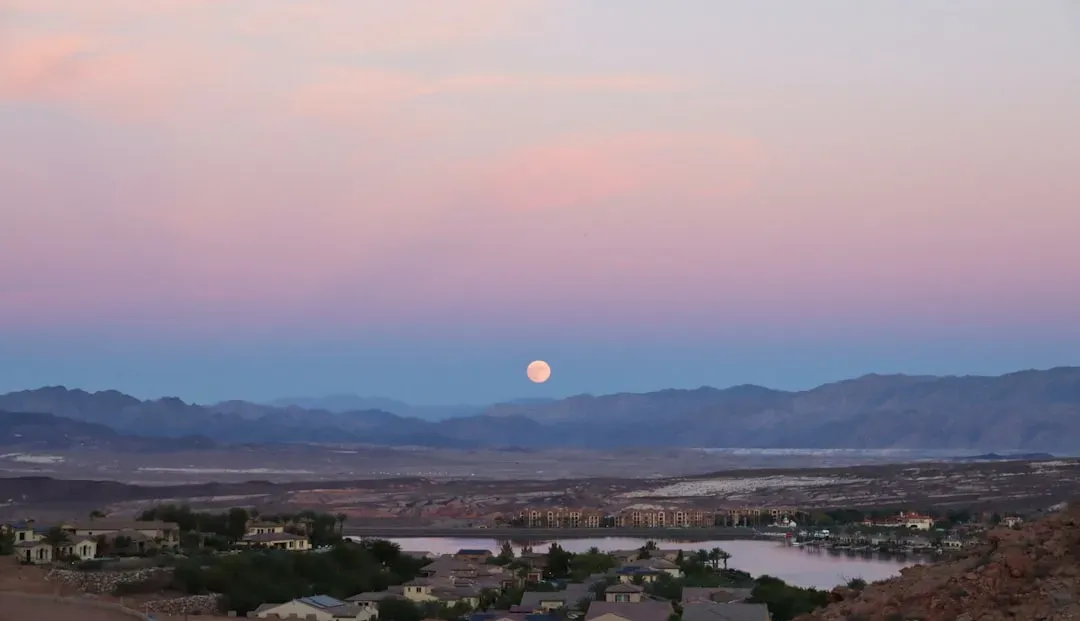
Cadence in Henderson, Nevada earned the third-place national ranking with 1,247 new home sales in 2025, according to RCLCO. For a community that’s still actively building, that number reflects genuine buyer demand, not just marketing noise.
Cadence at Henderson is a vibrant master-planned community sprawling across 2,200 acres, boasting approximately 450 acres of open space, community parks, and an extensive network of walking trails and bike paths. Home prices as of 2024 generally range from the upper $300,000s to above $500,000s, with local amenities including Central Park, a 50-acre park with walking trails, an amphitheater, playgrounds, and splash pads.
Cadence has already sold more than 7,000 homes, including attached and detached, and its planned build-out is 12,250. Sustaining Henderson’s growth is getting tougher with Inspirada winding down in 2026 and Cadence having two to three years left before that master plan also winds down its development cycle. That remaining runway is exactly why buyers who move now stand to benefit most.
3. Kestrel and Kestrel Commons, Summerlin West

Summerlin has long been one of the most sought-after areas in the Las Vegas Valley, and Summerlin West is its newest and fastest-growing expansion, with modern communities like Redpoint, Kestrel, and the upcoming Urban Core offering strong appreciation potential and desirable lifestyle amenities. Kestrel sits at the center of this story.
Rooftop decks, desert-friendly courtyards, and sustainable features like solar panels and EV-ready garages are standard in Kestrel. The true brilliance of the district lies in the implementation of early community features – developers built the heart of the neighborhood first, before waiting to see how it sells, and that move has paid off.
Two recent land transfers sent a 36.3-acre site to Richmond American Homes for about $55 million and a 28.3-acre parcel to Toll Brothers for roughly $51.4 million, both on the desert west of the 215 Beltway and Summerlin Parkway interchange. Clark County records show Richmond American has sketched out an 89-lot subdivision, while Toll Brothers is lining up about 148 homes on its site. This is active, verifiable investment, not speculation.
4. Heartland at Tule Springs, North Las Vegas
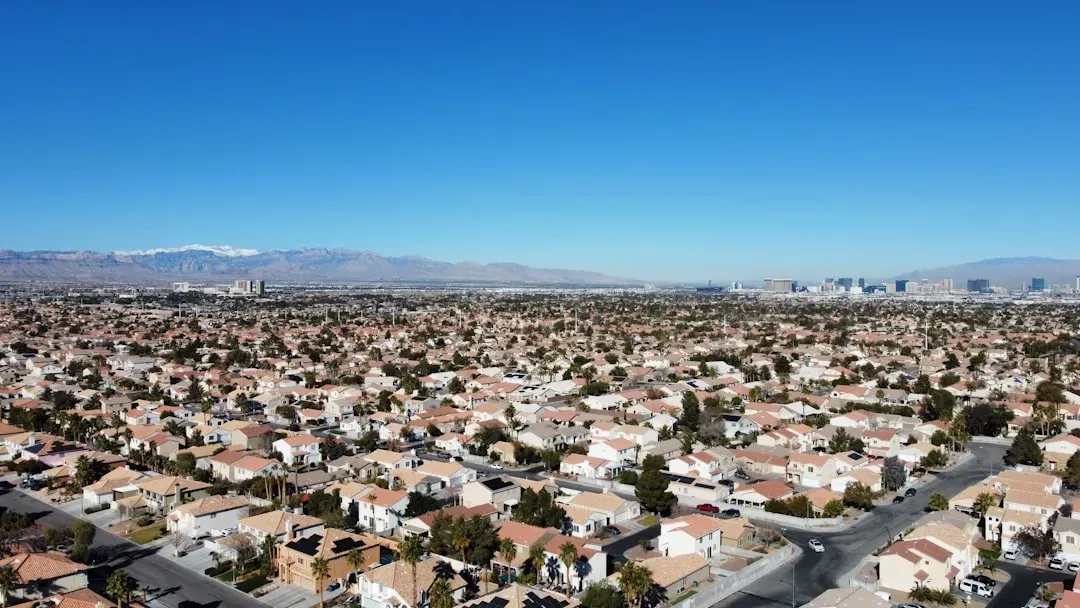
RCLCO Principal Karl Pischke called it impressive that Heartland at Tule Springs was able to crack into the national top 40 in its infancy and was excited to see what its growth would mean for 2025. That kind of attention from the leading industry consultant carries weight.
Heartland is D.R. Horton’s newest master-planned community in the North Las Vegas area, featuring six neighborhoods in a community surrounded by parks and the Eglington Preserve. Tule Springs, one of the safer neighborhoods in the Las Vegas Valley, averages around $637,500 for newer builds and is safer than roughly 88 percent of Las Vegas neighborhoods.
There are big plans for the northwestern portion of the Las Vegas Valley over the next quarter century, including thousands of new homes and a major resort-casino by Station Casinos, and the city of Las Vegas has been actively soliciting resident input on how the broader Kyle Canyon area should be developed. Infrastructure, retail, and gaming investment together suggest a more complete community taking shape. That’s the Summerlin playbook in motion.
5. Villages at Tule Springs, North Las Vegas

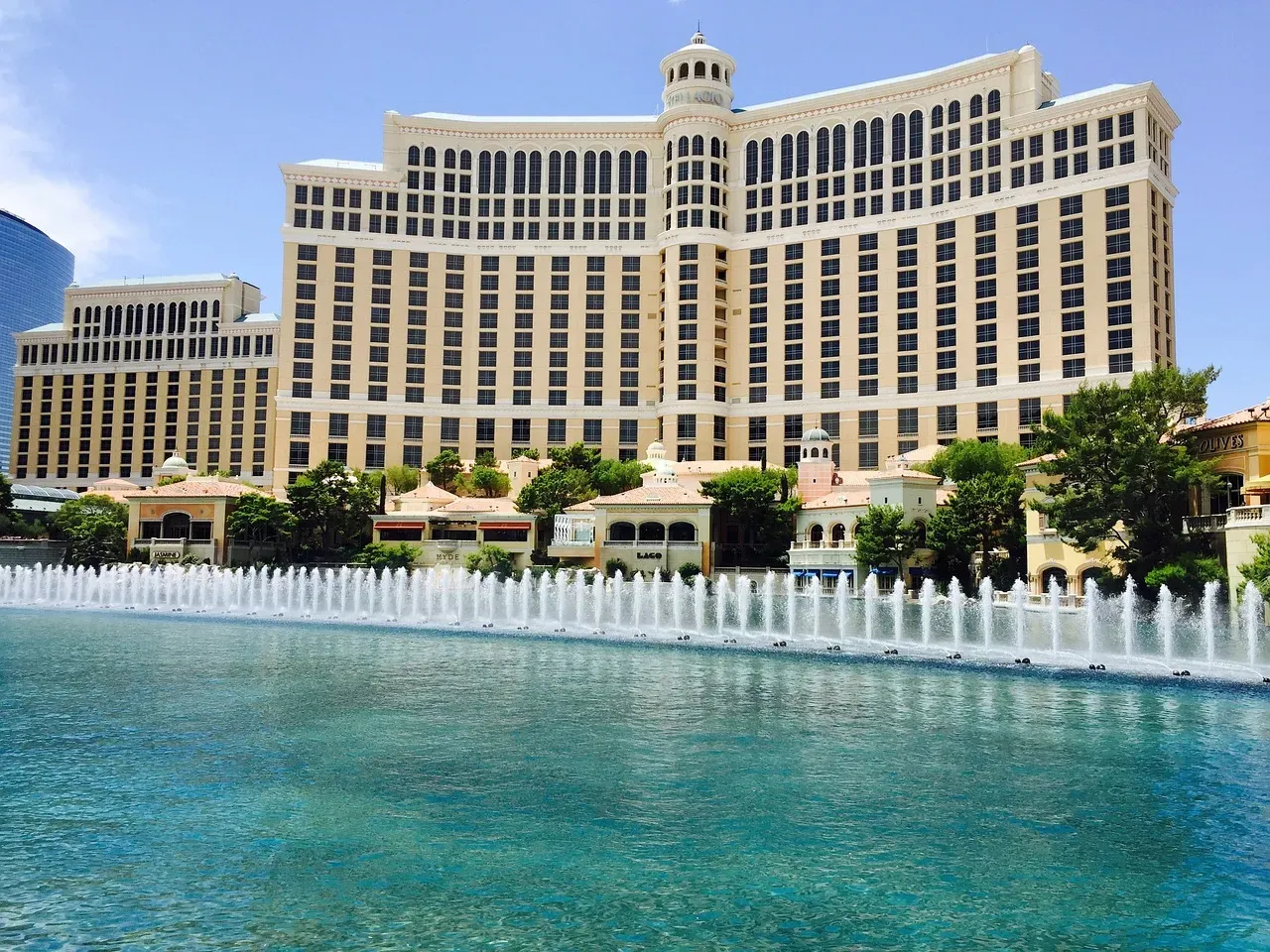
The roughly 2,000-acre North Las Vegas housing development known as Villages at Tule Springs is the largest master-planned community to be developed in North Las Vegas since before the recession, and when finished, will have more than 8,600 homes, including 2,000 reserved for active adults 55 and older. That scale alone puts it in rare company.
Partner offer

In April 2025, the North Las Vegas Planning Commission officially approved KB Home’s plans to develop a massive new residential expansion known as Village 2, which will bring over 700 new homes to the area and will cover six parcels featuring a mix of townhomes and single-family detached residences near North 5th Street and the 215 Beltway.
North Las Vegas continues to shine as an attractive option for homebuyers seeking newer homes, master-planned living, and proximity to both downtown Las Vegas and the scenic beauty of Tule Springs Fossil Beds National Monument. According to both developers and reports, Villages at Tule Springs is expected to be broadly comparable to the 2,200-acre Cadence community in Henderson and the 1,700-acre Skye Canyon community in northwest Las Vegas. That’s strong company to be benchmarked against.
6. Kyle Canyon / Skye Canyon, Northwest Las Vegas

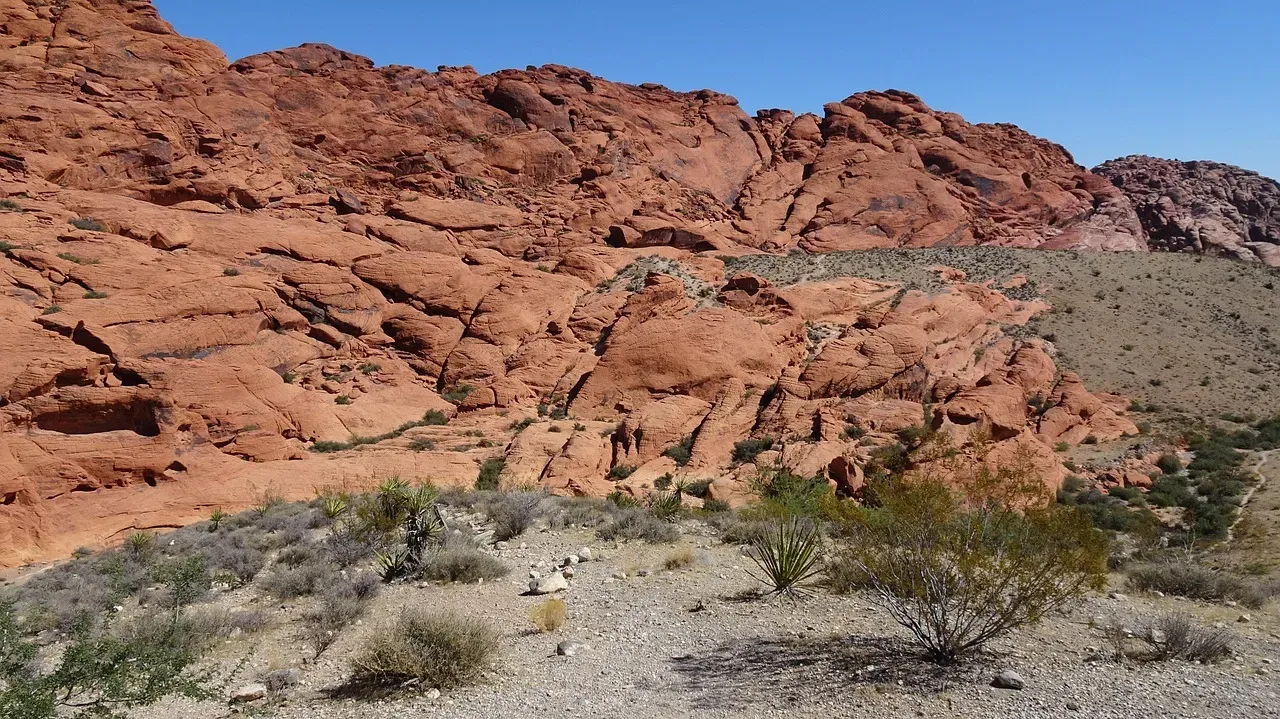
The fast-growing Kyle Canyon area sits near the Spring Mountains and Tule Springs Fossil Beds National Monument and contains undeveloped land that will require significant public infrastructure upgrades including street improvements, new water service, fire and public safety services, and a new northwestern regional park. The infrastructure conversation is already underway, which is a meaningful signal.
The city’s growth plan for Kyle Canyon centers around housing and mixed-use developments while looking to develop the area as a hub for both working and living, with small-scale commercial centers planned at major interchanges and at least one major resort-casino to be constructed as part of Skye Canyon’s Gaming Enterprise District. A resort-casino anchor near a residential community changes the demand calculus significantly.
Skye Canyon in the northwest valley was leading current appreciation at 2.6 percent year-over-year, with a median price of $587,000, according to recent local market data. A Nevada Governor’s Office of Economic Development study estimates that by 2030, Nevada will face a severe land shortage that will hamper economic development, as Clark County is adding approximately 115 residents a day to its population, with the county expected to break three million residents sometime before 2050. For a corridor this positioned geographically, that demographic pressure is more tailwind than headwind.
The Broader Las Vegas Market Backdrop

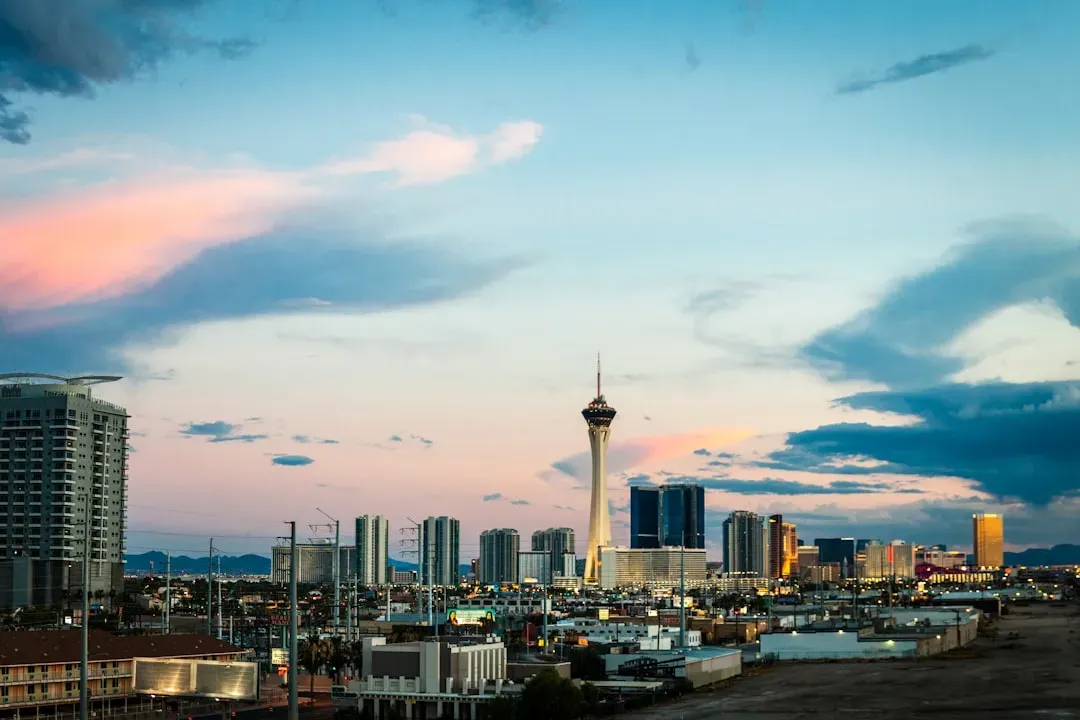
Las Vegas represented about ten percent of the national top-50 master-planned community list in 2024, up from 7.3 percent a year prior. RCLCO’s Pischke said it is clear that Las Vegas as a destination is growing in its appeal to households and is cementing itself as one of the heavy hitters in master-planned community development.
One analyst noted that Las Vegas has become a unique market in that all of its master plans are close to employment and services, which is rare. Land availability is getting farther out, and Las Vegas being land-constrained makes it increasingly difficult to duplicate these master plans. Scarcity, when paired with ongoing demand, tends to reward early movers.
If interest rates continue to decline, Las Vegas will be able to punch above its weight and unlock new home demand, and given continued migration from California and elsewhere, master plans in Las Vegas should continue to do well as the region offers strong value compared with its western neighbors. That migration story hasn’t peaked yet.
Why the Sunbelt MPC Formula Keeps Winning

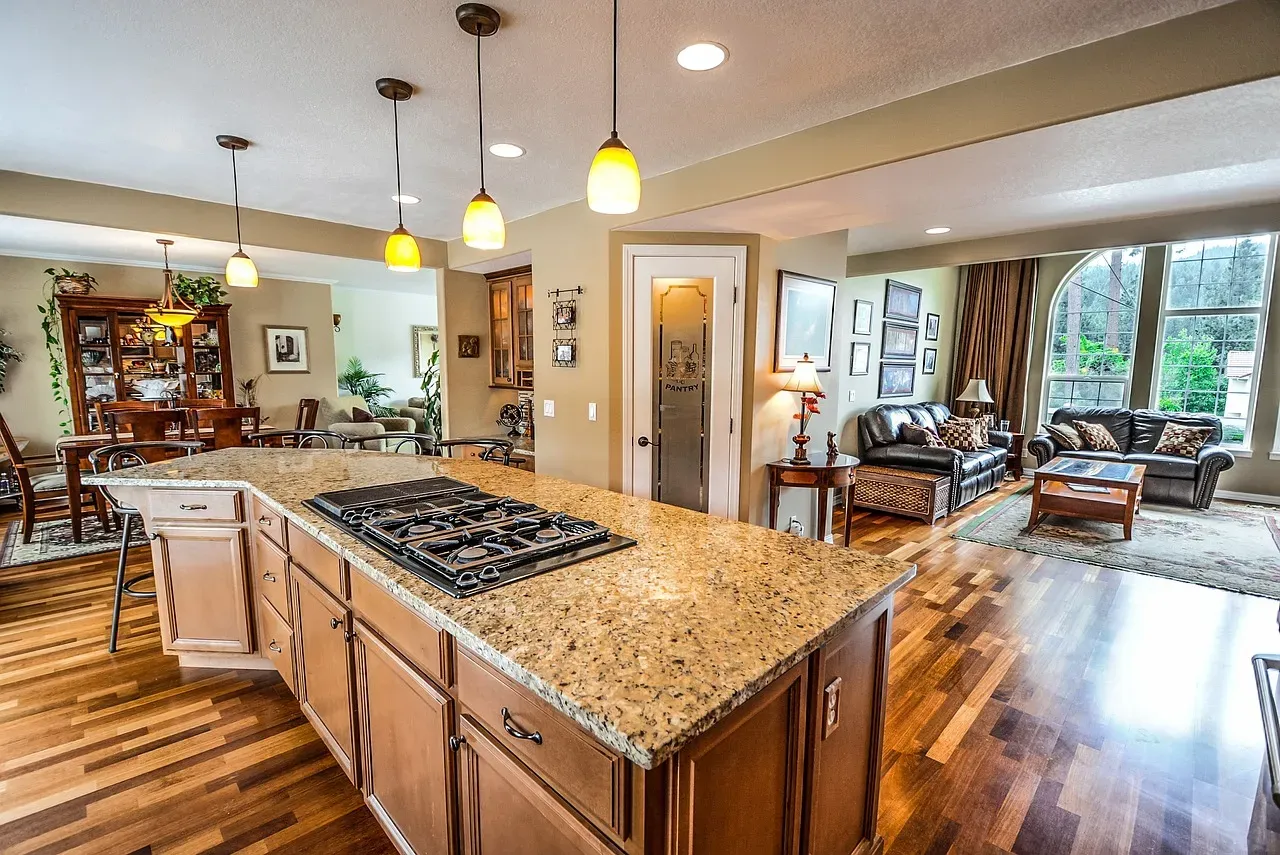
The consistency year-over-year among top performers highlights the resilient nature of U.S. homebuyer demand and, specifically, the tremendous appeal of master-planned communities located in the Sunbelt, with Nevada claiming over 26 percent of all sales among the top five best-selling master plans. That’s not a coincidence.
The data suggests that master-planned communities will continue to outperform the market in 2026, given their lifestyle appeal, amenities, and broader mix of housing product, including more attainably priced detached homes on smaller lots. Each of the six neighborhoods in this article is benefiting from exactly that dynamic, pairing lifestyle infrastructure with a range of price points that the broader market increasingly can’t match.
Southern Nevada’s economy is set to benefit from a significant boost as companies representing the automotive, health innovation, and artificial intelligence sectors prepare to launch or expand operations in the region, while a long-awaited art museum and massive development projects are reshaping the city skyline and making Las Vegas not only a commercial hub but also a cultural one. Job creation and cultural investment are the quiet ingredients behind every great residential boom.
What the Next Summerlin Actually Requires


Entering its 36th year of development, Summerlin continued its decades-long trajectory in 2025, marking another year of residential, commercial, and community growth. Within the residential sector, 2025 saw the opening of ten new neighborhoods offering dozens of new floor plans, with the close-out of six neighborhoods, demonstrating both strong demand and healthy absorption. That balance between growth and sell-through is harder to achieve than it looks.
The six communities profiled here are not Summerlin. They don’t have its three-decade track record, its downtown retail anchor, or its name recognition. What they do have is a credible claim on the same underlying formula: master-planned infrastructure, diverse price points, proximity to employment and nature, and active builder commitment measured in real land purchases and approved subdivision plats.
Real estate analysts predict master plan sales in 2026 will be flat to slightly improved as builders reset prices, with the real acceleration expected in 2027 and 2028. That window is exactly what makes right now an interesting moment to be paying attention to these communities, before the next cycle begins in earnest.
Conclusion

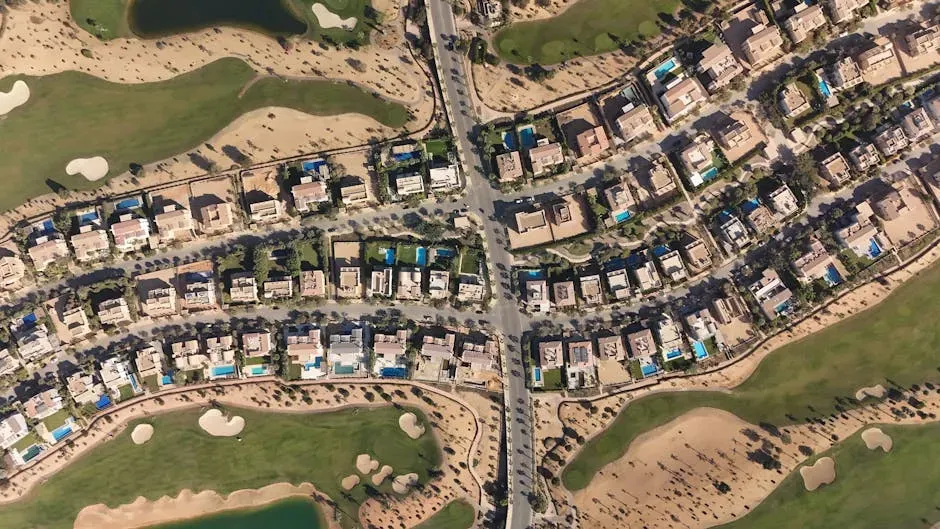
Summerlin’s story is one of patience and infrastructure, of building amenities before the buyers arrived and trusting that the plan would hold. The neighborhoods that follow a similar discipline tend to be the ones that earn lasting reputations. The six communities in this article are at varying stages of that journey.
Some, like Grand Park Village and Cadence, are already deep into their development cycles with proven sales numbers. Others, like Kyle Canyon and Villages at Tule Springs, are in the early chapters where land decisions and planning votes still determine long-term trajectories. None of them is guaranteed to become the next Summerlin.
What history does suggest is that the valley’s land constraints, its continued population growth, and the sustained outperformance of the master-planned community model all point in the same direction. The neighborhoods that get the formula right by 2027 won’t need the comparison anymore. They’ll have their own story to tell.
Partner offer
Planning a trip to Vegas?
Compare hotel rates and show tickets on VEGAS.com.