Some art movements don’t just change what hangs on gallery walls – they challenge the very idea of what art is, what it means, and who it belongs to. From wartime Switzerland to postwar New York, history has seen a handful of radical movements that forced the world to stop, stare, and argue. These weren’t polite conversations about aesthetics. They were cultural earthquakes. Here are four of them.
1. Dadaism: The Movement That Declared War on Art Itself

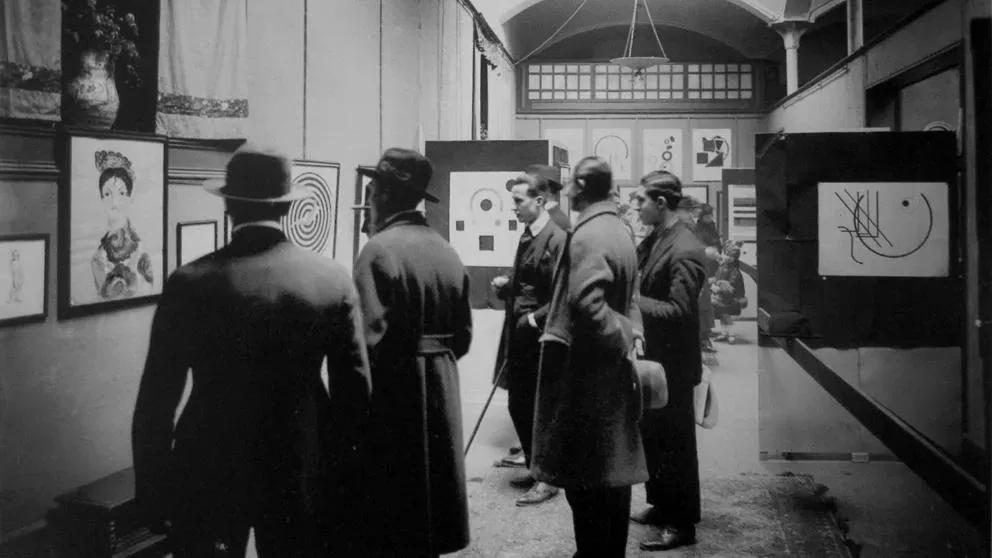
Dada, also known as Dadaism, was an international art movement that developed in the context of the Great War and Futurism, first established in Zürich, Switzerland, and later quickly spreading to Berlin, Paris, New York City, and a variety of artistic centers in Europe and Asia. Art historian Leah Dickerman of the National Gallery traces Dada’s origins to the Great War, which left 10 million dead and some 20 million wounded. The sheer scale of that catastrophe shattered the faith of an entire generation in civilization, reason, and traditional values – and Dadaism was born from that rage.
There is some dispute over the definitive origin of the word “Dada,” but many art historians trace it back to one night at the Cabaret Voltaire, where Richard Huelsenbeck and Hugo Ball turned to a random page in a French-German dictionary and found the word “dada,” meaning “yes yes” in Romanian and “rocking horse” in French. They liked that it sounded like a nonsense word and used it to describe the kind of absurdist art that they and their contemporaries were creating. Marcel Duchamp is best known for his readymades – everyday objects he transformed into works of art by signing them and presenting them in galleries. His readymades were intended to challenge the notion of what could be considered art. The most famous of these is the Fountain, a toilet bowl, submitted to an exhibition in 1917.
2. Dadaism’s Lasting Legacy: From Anti-Art to Cultural Rebellion

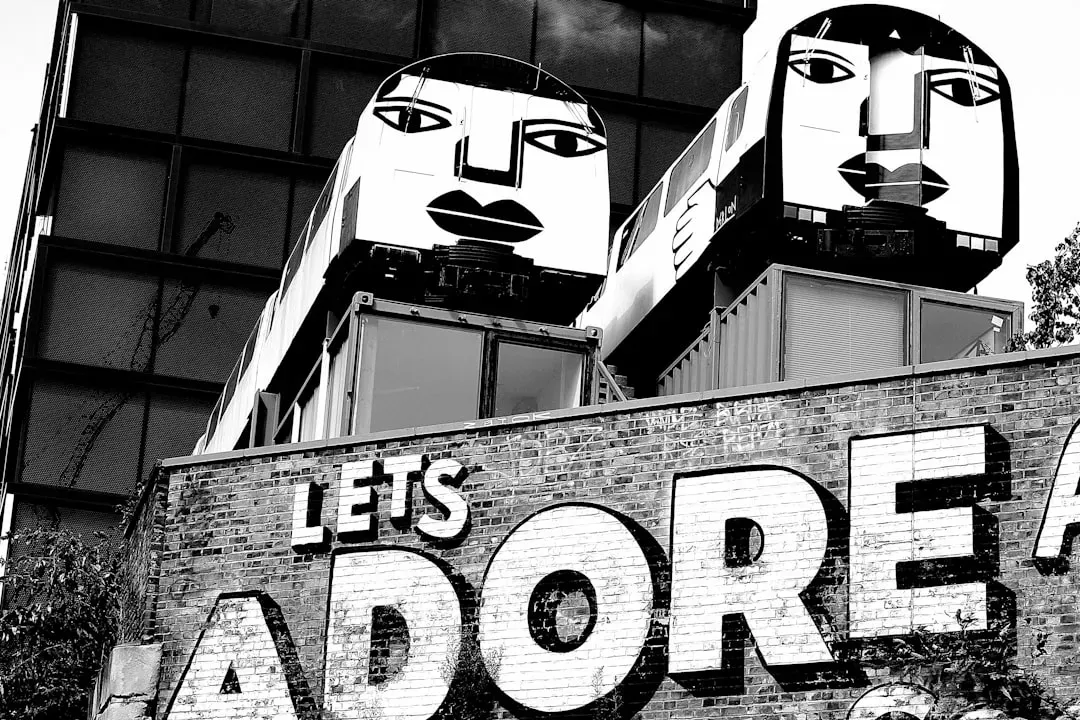
The Dadaists considered themselves the rebels of the art world and inspired later major movements such as Surrealism and even Punk Rock. Although Dadaism originally started as a protest of the First World War, it soon grew into a cultural phenomenon, permeating attitudes thought to be taboo, offensive, or childish. The movement officially only existed between 1916 and 1924, characterized by its rejection of traditional values and its emphasis on absurdity and irrationality. Dadaists sought to challenge the conventions of art and society and to create a new form of artistic expression.
The movement influenced later styles like the avant-garde and downtown music movements, and groups including Surrealism, nouveau réalisme, Pop Art, and Fluxus. Dadaism also blurred the line between literary and visual arts – Dada is the groundwork to abstract art and sound poetry, a starting point for performance art, a prelude to postmodernism, an influence on Pop Art, a celebration of anti-art. The movement’s reach extended far beyond visual art: even musicians like Frank Zappa openly claimed Dadaist influence as a core part of their creative identity.
3. Surrealism: Unlocking the Unconscious Mind

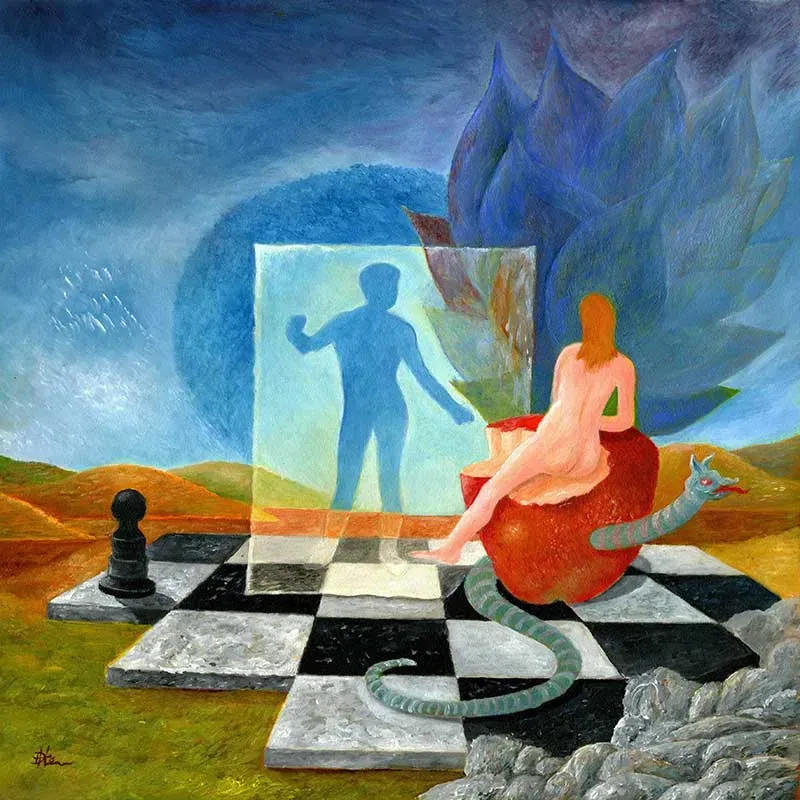
Surrealism originated in the late 1910s and early 1920s as a literary movement that experimented with a new mode of expression called automatic writing, or automatism, which sought to release the unbridled imagination of the subconscious. It was officially consecrated in Paris in 1924 with the publication of the Manifesto of Surrealism by the poet and critic André Breton. Breton, a trained psychiatrist, along with French poets Louis Aragon, Paul Éluard, and Philippe Soupault, were influenced by the psychological theories and dream studies of Sigmund Freud and the political ideas of Karl Marx. The result was an art form that felt genuinely unprecedented – strange, dreamlike, and unsettling in equal measure.
During the 1936 International Surrealist Exposition held in London, guest speaker Salvador Dalí addressed his audience costumed head-to-toe in an old-fashioned scuba suit, holding two dogs on leashes and a billiard cue. Mid-lecture, constrained by the scuba mask, he began to suffocate and flailed his arms for help. The audience, unfazed, assumed his gesticulations were all part of the performance. As art legend has it, the Surrealist poet David Gascoyne eventually rescued Dalí, who upon recovery remarked, “I just wanted to show that I was plunging deeply into the human mind.” Surrealist works possess an element of surprise with unexpected, uncanny juxtapositions and absurd themes, and Surrealists were interested in the interpretation of dreams, viewing them as expressions of suppressed emotions and desires.
Partner offer

4. Surrealism’s Global Reach and Cultural Impact

The most important center of the movement was Paris, France. From the 1920s onward, the movement spread around the globe, impacting the visual arts, literature, theatre, film, and music of many countries and languages, as well as political thought and practice, philosophy, and social and cultural theories. Though Surrealism originated in France, strains of it can be identified in art throughout the world. Particularly in the 1930s and 1940s, many artists were swept into its orbit as increasing political upheaval and a second global war encouraged fears that human civilization was in a state of crisis and collapse. The emigration of many Surrealists to the Americas during WWII spread their ideas even further.
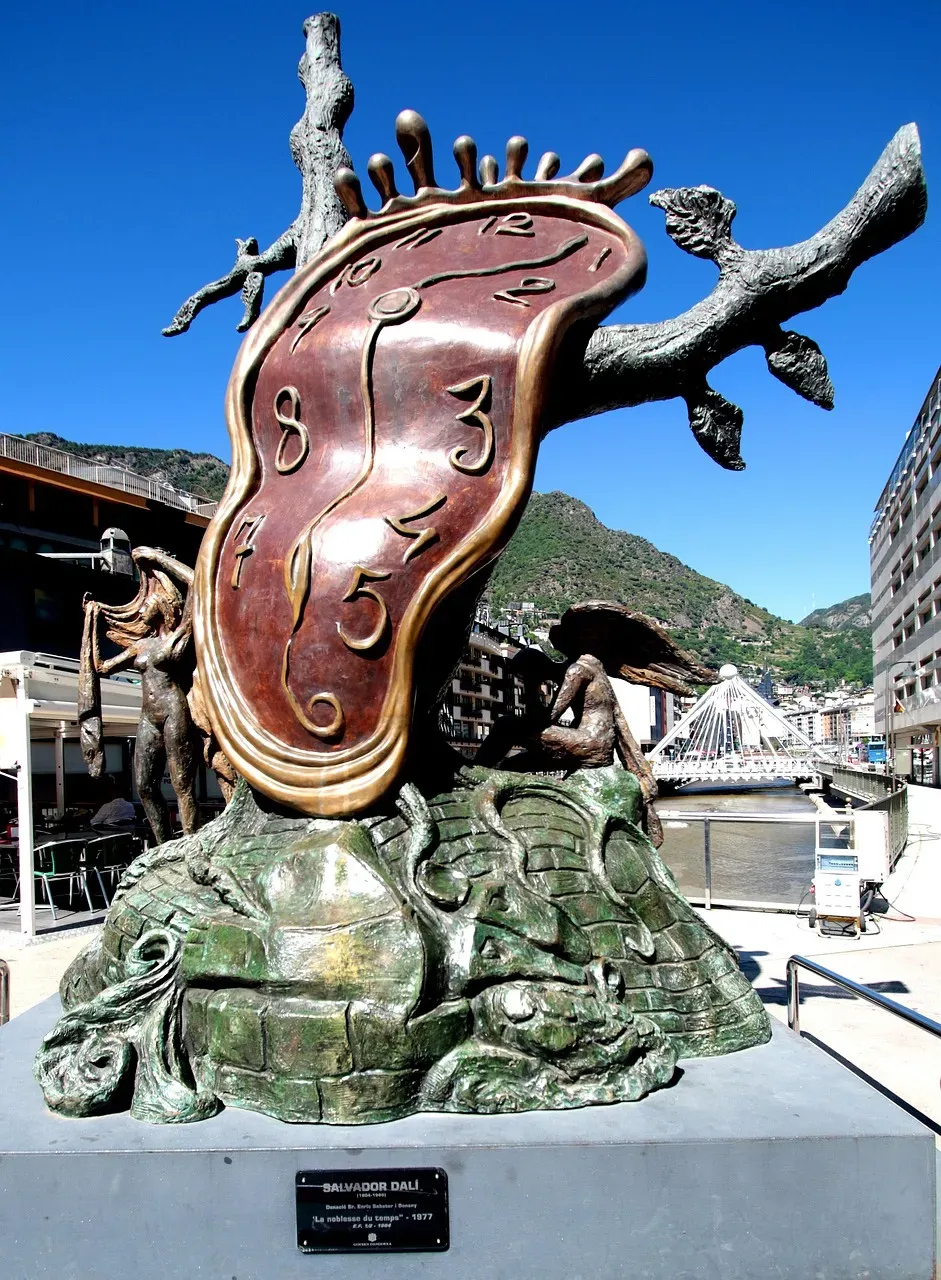
Spanish painter Salvador Dalí joined the Surrealist movement in 1928 and captured the attention of Sigmund Freud himself, who preferred Dalí’s work to any other Surrealist. Dalí’s paintings feature self-torturing psycho-sexual undertones depicting what Freud characterized as the unconscious manifesting within the conscious world. His paintings border on illusion, employing realistic draftsmanship that brought him long-lasting worldwide popularity. One of his most famous paintings, 1931’s The Persistence of Memory, features melting clocks draped on a desolate landscape. The Tate Modern held an exhibition of Surrealist art in 2001 that attracted over 170,000 visitors.
5. Abstract Expressionism: America’s First Radical Art Revolution

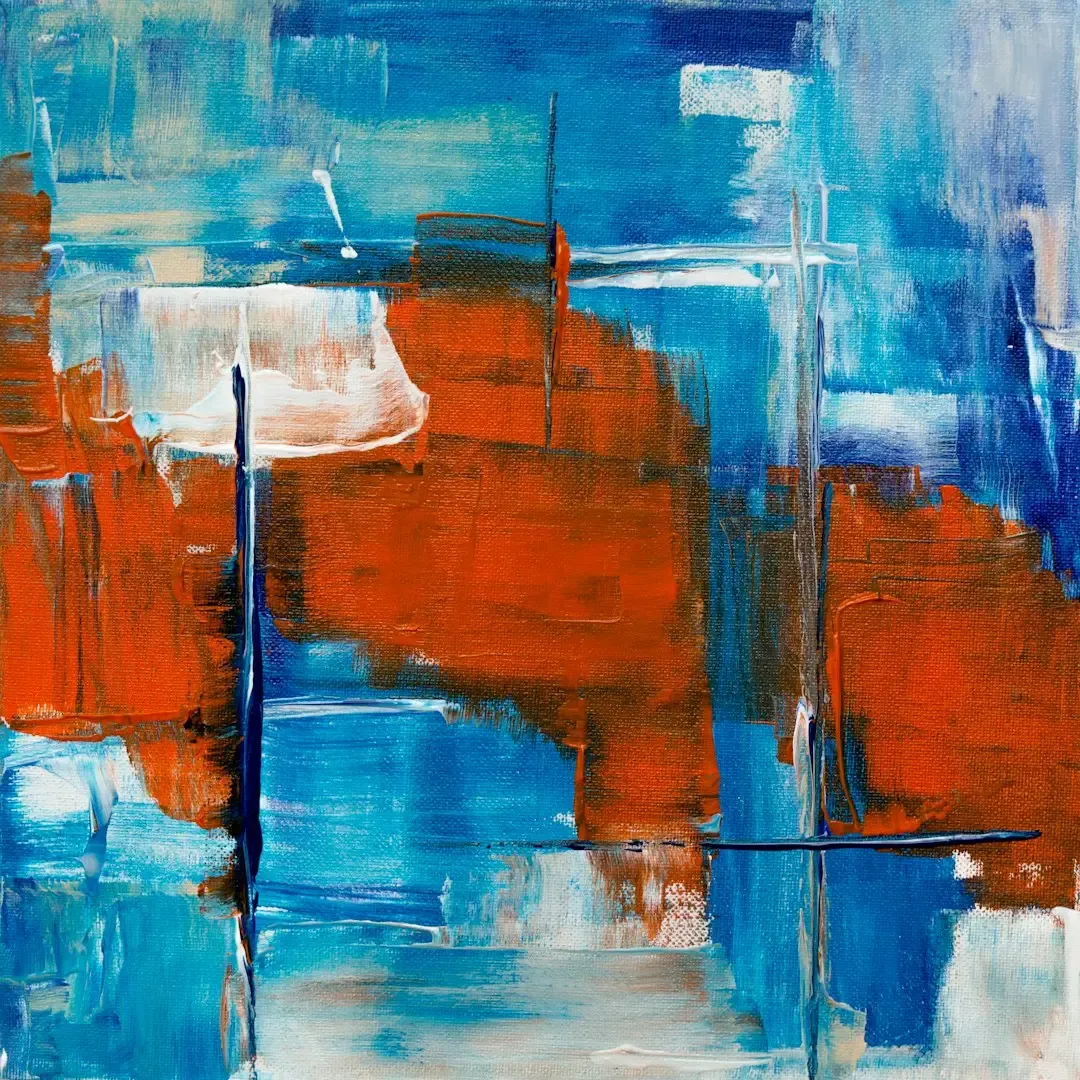
Abstract Expressionism in the United States emerged as a distinct art movement in the aftermath of World War II and gained mainstream acceptance in the 1950s, shifting from the American social realism of the 1930s. The term was first applied to American art in 1946 by art critic Robert Coates. It was the first specifically American movement to achieve international influence and put New York City at the center of the Western art world, a role formerly filled by Paris. This was a seismic cultural shift – the moment the American art scene stopped looking to Europe for validation and began defining the conversation itself.
Jackson Pollock often used house paint instead of traditional oil paint and laid his enormous canvases on the ground rather than mounting them on the wall or on an easel, which made the technique of action painting all the more impactful. Abstract Expressionist paintings emphasize free, spontaneous, and personal emotional expression, exercising considerable freedom of technique and execution, with a particular emphasis on the exploitation of the variable physical character of paint. They show a similar emphasis on the unstudied and intuitive application of paint in a form of psychic improvisation akin to the automatism of the Surrealists, with a similar intent of expressing the force of the creative unconscious in art.
6. Pop Art: When Consumer Culture Became the Canvas

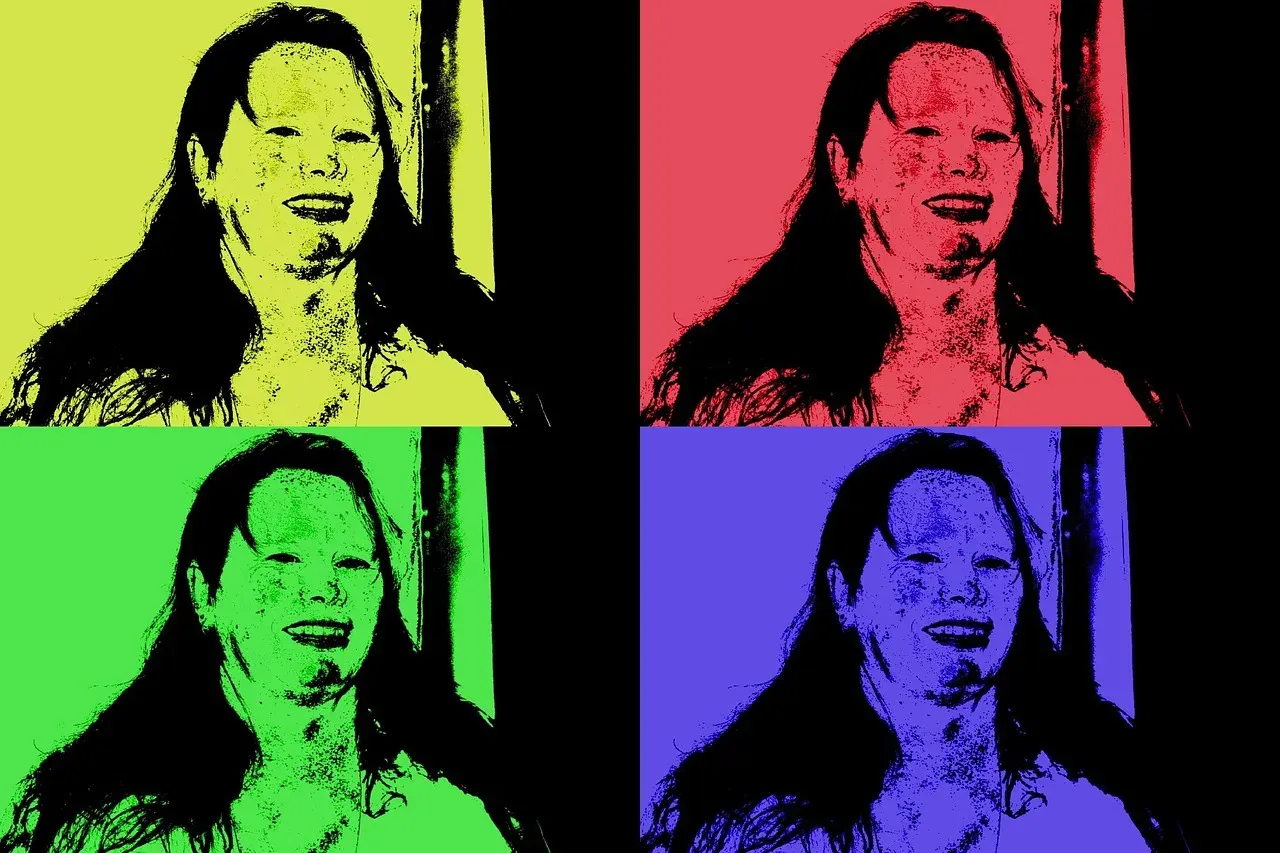
Pop Art’s refreshing reintroduction of identifiable imagery drawn from media and popular culture was a major shift for the direction of modernism. With roots in Neo-Dada and other movements that questioned the very definition of “art” itself, Pop was birthed in the United Kingdom in the 1950s amidst a postwar socio-political climate where artists turned toward celebrating commonplace objects and elevating the everyday to the level of fine art. Widely regarded as the most important artist of the second half of the 20th century, Andy Warhol’s work spanned various media, including painting, filmmaking, photography, publishing, and performance art. As a leading figure in the Pop Art movement, his work explores the relationship between advertising, consumerism, mass media, and celebrity culture, transforming everyday consumer goods and familiar icons into renowned artworks.
Warhol depicted all 32 flavors of Campbell Soup available in 1962 across 32 individual canvases, originally designed to be sold separately. The 1962 exhibition at Sidney Janis’s New York gallery was widely seen as a turning point in the acceptance of Pop Art; The New Yorker likened its impact on the New York art world to an “earthquake.” Warhol’s famous 1964 portrait of Marilyn Monroe became the most expensive 20th-century piece of art ever sold at auction, fetching roughly $195 million after auction expenses at Christie’s New York. Fascinated by materialism and mass media, Warhol and his depictions of consumer goods and celebrities fundamentally altered the art world and its relationship to consumerism. Pop Art didn’t just reflect society – it held up a mirror so close that the reflection made people deeply uncomfortable, which, as history has shown, is precisely what radical art is meant to do.
Partner offer
Planning a trip to Vegas?
Compare hotel rates and show tickets on VEGAS.com.