Most music careers follow some version of a plan: auditions, showcases, demo submissions, years of grinding through small clubs before anyone with real influence takes notice. Then there are the stories that refuse to fit that mold, the ones where a wrong turn, a misclicked link, or a canceled backing band ends up changing everything. These moments tend to sound almost too neat for real life, yet they are documented, remembered, and retold by the people who lived through them. What makes these four stories worth revisiting isn’t just the surprise factor. It’s how ordinary the setup was right before everything shifted, a teenager too nervous to dance, a stranded opening act, a tape handed off in a crowded room. Here is a closer look at four singers whose big break arrived without anyone actually looking for it.
Ella Fitzgerald and the dance contest she never finished
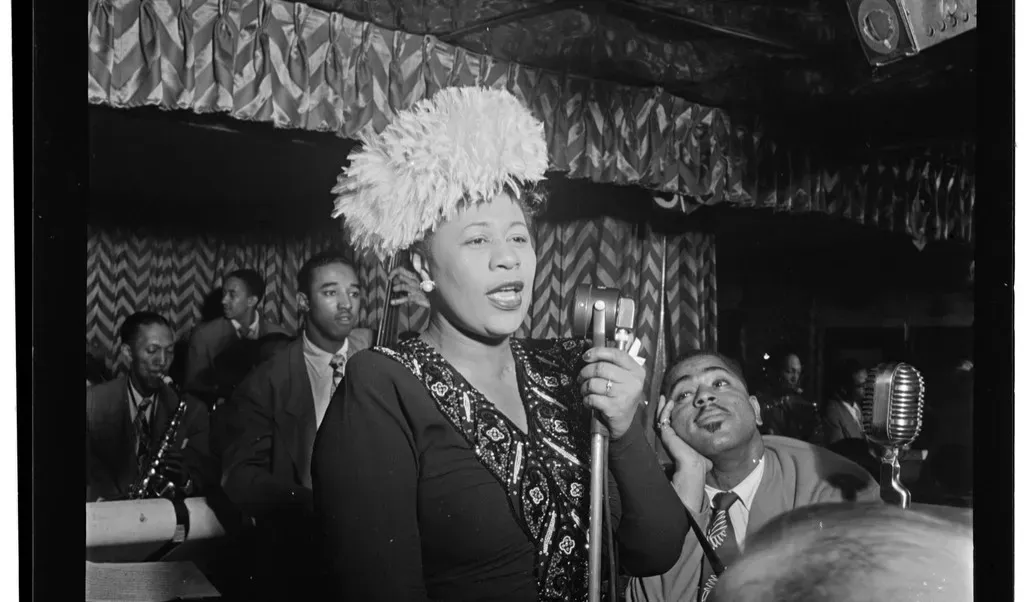
In November 1934, a seventeen-year-old Ella Fitzgerald showed up at Harlem’s Apollo Theater fully intending to dance. She found herself onstage as a result of pure chance after her name was drawn out of a hat, and the aspiring dancer spontaneously decided to turn singer instead. The switch wasn’t confidence, it was panic. Fitzgerald came to the stage immediately after a talented and popular local dance duo, and afraid that she could not measure up to their dancing talents, she was petrified.
So she sang instead, doing her best impression of a singer she admired. Fitzgerald debuted in her first Amateur Night at the Apollo Theater that November, and although her intention was to dance, she decided to sing instead after seeing the dance competitors. She won that night, and within months she caught the attention of someone who could actually build a career around her voice. In January 1935, Fitzgerald won the chance to perform with the Tiny Bradshaw Band at the Harlem Opera House, where she met Chick Webb, a bandleader who had hired a lead male singer but was still searching for a female one. One nervous decision on a random Wednesday night ended up launching one of the defining voices of American jazz.
Al Green’s band quit, and a stranger in the crowd noticed
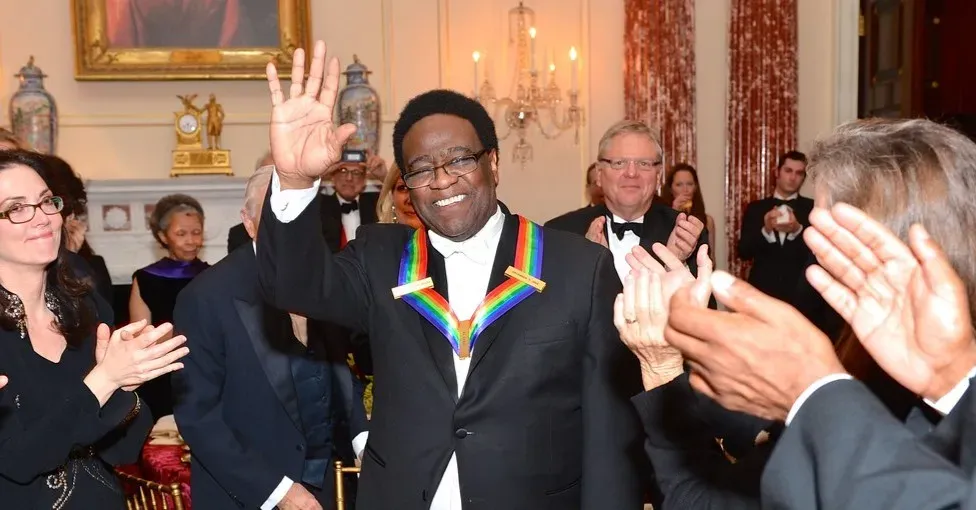
By the late 1960s, Al Green already had one regional hit with “Back Up Train,” but his momentum had stalled and his backing group was falling apart. While on tour somewhere in Texas, his band, the Soulmates, quit, leaving Green to work a show date in Midland with bandleader Willie Mitchell, a producer for Memphis’s Hi Records. Green wasn’t there to impress anyone specific. He was simply trying to fulfill a booking with whatever backup he could find.
Mitchell happened to be on the same bill and liked what he heard. At that Midland club, the opening act was a young man named Albert Greene, whose career had stalled after sounding like just another Otis Redding imitator, but Mitchell saw past that and immediately called his label in Memphis to invite the singer back with them. That impromptu meeting turned into one of soul music’s most productive partnerships, producing hits like “Let’s Stay Together” and “Tired of Being Alone” over the following years.
Partner offer
Mariah Carey’s tape almost didn’t make it out of the room
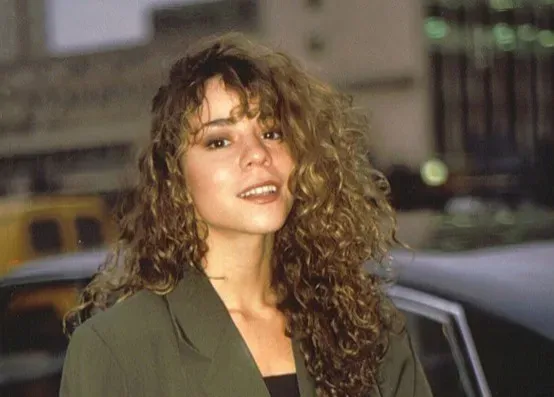
In December 1988, an eighteen-year-old Mariah Carey attended a Christmas party in New York with her friend Brenda K. Starr, hoping simply to be seen. Carey attended a Christmas party at Media Sound in New York with Starr, who approached producer Arthur Baker and introduced Carey’s demo as belonging to her talented background singer. Carey wasn’t the intended focus of the evening at all, she was a backup singer’s friend with a cassette tape and not much else.
What happened next depended entirely on who grabbed which tape. Carey had two tapes that night; she handed one to executive Jerry Greenberg, but before he could take it, Tommy Mottola, the newly appointed president of CBS Records, intercepted it. As legend goes, Mottola listened to its songs in his car after leaving the party and rushed back to find her, though she had already left. It took a search of nearly two weeks to track her down, but that intercepted cassette eventually became the foundation of her self-titled 1990 debut album.
Justin Bieber and the video Scooter Braun never meant to click
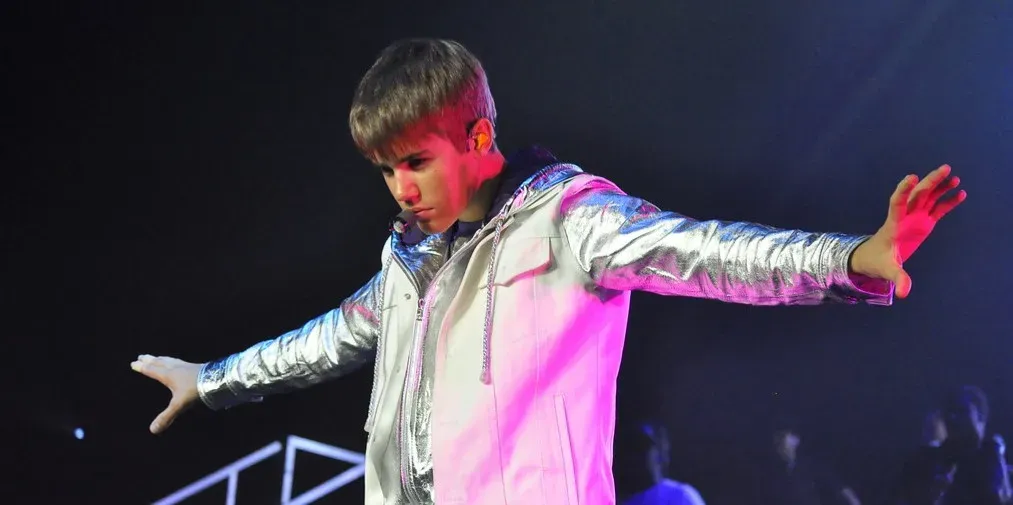
In 2007, Justin Bieber’s mother was posting home videos of her son singing R&B covers for family members who lived too far away to watch him grow up in person. There was no label interest, no manager, nothing beyond a small YouTube channel meant for relatives. Talent manager Scooter Braun was on YouTube searching for a completely different artist when he clicked the wrong video.
That misclick changed the trajectory of pop music for the next decade. Braun accidentally clicked on a different video featuring a young Bieber performing a Ne-Yo cover, and was immediately struck by his innate talent and charisma. He came away so impressed that he began searching for the theater in Bieber’s video, eventually tracking down his school and calling its board members to reach Bieber’s mother. Within a year, a boy who had been busking outside a small Ontario theater was recording demos in Atlanta and performing for Usher.
Partner offer
Planning a trip to Vegas?
Compare hotel rates and show tickets on VEGAS.com.