


Most people on the outside imagine a film set as a place humming with creative energy, where directors pull magic from their actors with every take. The reality is often quieter and more complicated. Between setups, lighting adjustments, and schedule pressures, the human beings doing the actual performing can spend long stretches without a single word of genuine acknowledgment from the person calling the shots.
In both film and theatre, the relationship between director and actor is widely considered the most important and challenging dynamic on set, one built on mutual trust, imagination, empathy, and openness. When that relationship runs dry on feedback, even skilled performers start to second-guess themselves. These are the five things actors genuinely wish they heard more often.
1. “That Choice Was Exactly Right – Keep That”


Positive feedback works. When actors know what they’re doing well, they can easily do more of it. It’s much harder to “not do” something. This is why naming a specific choice that landed well is so much more useful than general approval. It gives the actor a clear creative anchor to return to across multiple takes.
When giving notes, starting off by pointing out something that is working not only helps the actor avoid feeling completely off base, but gives them a strong sense of what energy or tone the director likes, and lets them know to lean in that direction. For actors, that kind of specificity is the difference between performing confidently and performing nervously.
2. “I Trust Your Instincts on This Character”

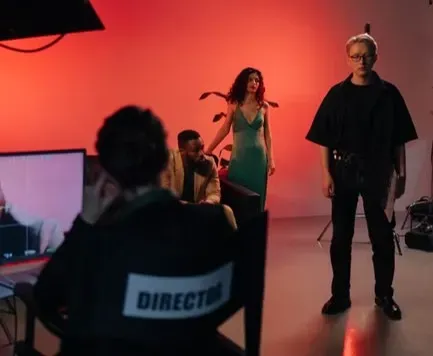
In acting, vulnerability is defined as willingly putting oneself in front of possible emotional danger. It is the trait that sets successful actors apart. Reaching that level of openness requires more than talent. It requires a genuine sense of safety. When a director signals real trust in an actor’s instincts, it lowers the internal guard that prevents performers from going to risky, truthful places.
A strong director-actor relationship is built on trust, open communication, and mutual respect, and it’s essential to create an environment where actors feel safe to explore their characters and take creative risks. At the heart of vulnerability lies trust. Actors must cultivate trust in their director, their co-actors, and the material. Trusting a director means accepting constructive criticism as a tool for growth, while trusting peers creates a safe environment where creative risks feel possible.
3. “Your Preparation Really Shows”

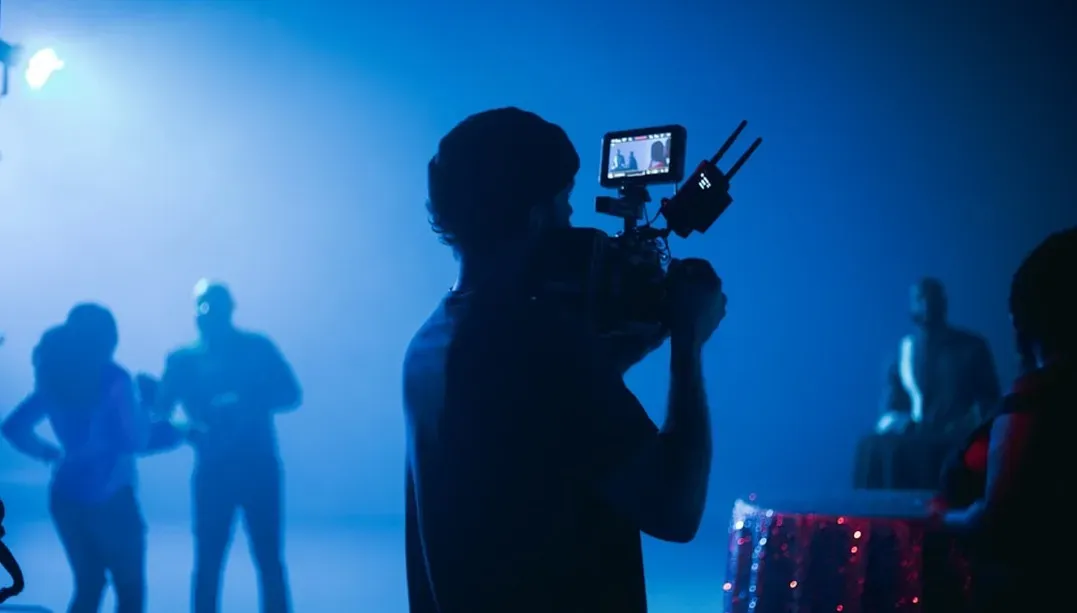
In an industry that celebrates transformation, visibility, and storytelling, the inner lives of actors often remain unseen. While their craft demands emotional depth and vulnerability, the cost of living in a world of constant performance, evaluation, and image management can take a significant toll. Much of an actor’s work happens long before the camera rolls, in solitary hours of research, rehearsal, and emotional excavation that nobody on set ever witnesses directly.
Partner offer

Every time an actor steps into a scene, they are sharing something of themselves; it really is a gift to those who are observing. Recognizing that preparation out loud tells an actor that their behind-the-scenes effort matters and didn’t go unnoticed. Showing appreciation for the actors’ talents and acknowledging their contributions, while avoiding undermining their ideas or dismissing their concerns, creates an environment where actors feel valued and heard.
4. “Let’s Try It Your Way”


Directors who tend to think of actors as artists and collaborators end up with actors who bring way more to the table than the director who just has a “delivery” model in mind. Five short words – “let’s try it your way” – signal exactly that kind of collaborative mindset. They transform the dynamic from instruction-following into genuine co-creation, which is where the most surprising performances tend to emerge.
Directors should ask actors to do something rather than tell them to be something, and listen to their insights and feedback. Good direction for actors is clear, brief, and gives playable actions for the character. Directors must respect an actor’s creative territory and be open to their perspectives on a character. Inviting an actor’s interpretation, even briefly, sends a clear message about whose creativity is genuinely welcome in the room.
5. “That Scene Took Real Courage – Thank You”


Actors are often required to tap into intense emotions and to go through physically and emotionally demanding scenes. When actors are pushed into real distress for long hours, it’s not just “commitment” – it’s a workplace risk. Emotionally exposed performances don’t just cost effort. They cost something harder to measure and harder to recover from. Acknowledging that openly matters more than most directors realize.
Professional vulnerability transcends individual performances and positively influences creative collaboration among cast and crew by fostering trust and openness. When team members witness one another’s authentic emotions, it breaks down barriers and creates a supportive atmosphere where ideas flow freely – an environment that encourages experimentation, risk-taking, and honest feedback. A director who names an actor’s courage out loud doesn’t just strengthen one relationship. They set the tone for every performance that follows.
None of these five phrases require extra time on a packed shoot day. They take seconds to say. The gap between how often actors hear them and how much they’d mean isn’t a scheduling problem. It’s a habit one. Perhaps more than any other relationship on set, the chemistry between director and actor can play a huge part in how successful a film is. The simplest way to protect that chemistry is often the most overlooked: tell people, clearly and specifically, when they’re doing something right.
Partner offer
Planning a trip to Vegas?
Compare hotel rates and show tickets on VEGAS.com.


