


Hollywood has a way of making everything look effortless from the outside. The polished trailers, the press junkets, the carefully worded interviews – it all creates a picture of actors who can’t wait to get back on set. Reality tends to be a little more complicated than that. When actresses speak candidly, a recurring pattern emerges: certain genres come with demands that go far beyond memorizing lines. Physical danger, emotional exposure, and logistical strangeness are often baked into entire categories of filmmaking. These are the seven genres that more actresses quietly dread than most people realize.
1. Horror Films

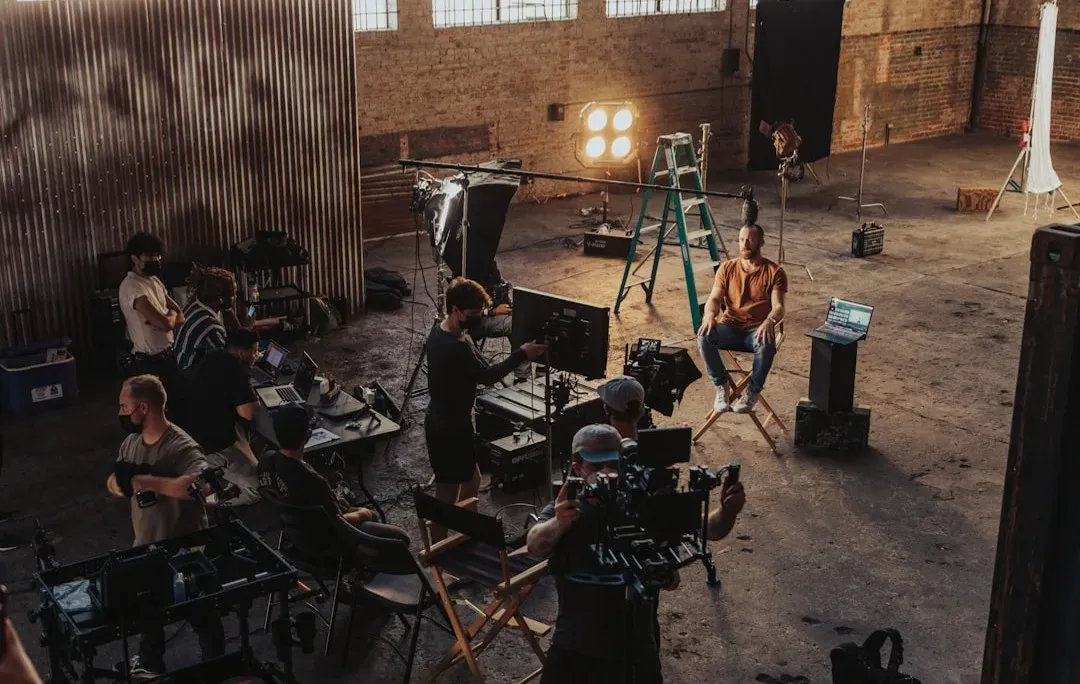
Working on a film set can be exhausting, grueling, and even dangerous, and horror movies in particular require actors to perform under extraordinarily demanding conditions, from filming in unsettling locations to dealing with complex, uncomfortable, or painful special effects. The physical toll is real, but so is the psychological one. Spending weeks inhabiting fear, grief, and extreme distress doesn’t simply switch off when the director calls cut.
Florence Pugh’s performance in “Midsommar” is widely praised, but it came at a cost, and she expressed some regret over her acting choices as the intensity of the role built over time. Behind the scenes of The Shining, actress Shelley Duvall was put through sustained mental pressure in order to make her look stressed and emotionally drained for the camera. Stories like these aren’t isolated outliers – they reflect a pattern specific to the genre.
2. Explicit Romantic and Erotic Films

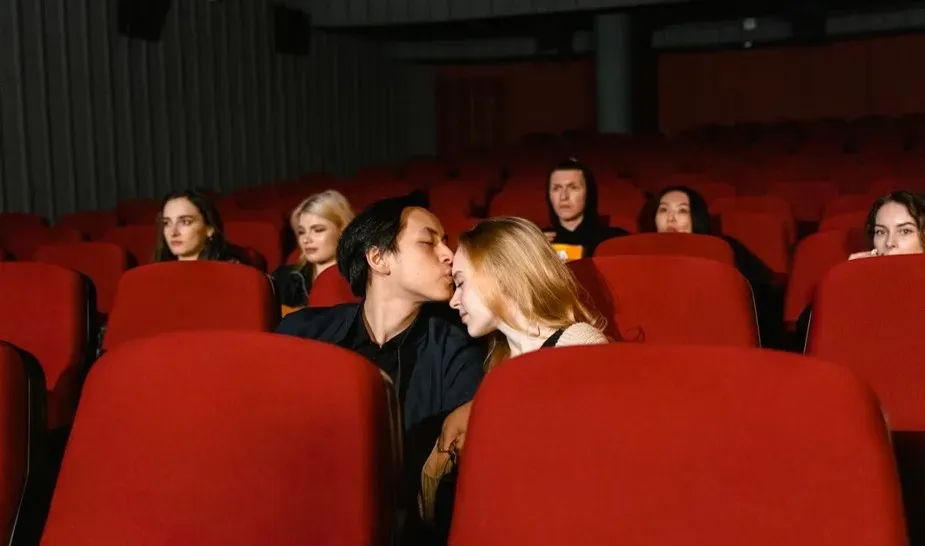
The actors who set the mood for intimate scenes don’t always enjoy them as much as they appear to, and they’re sometimes required to spend hours fully nude in front of camera crews as they act out humanity’s most private moments. The gap between how these scenes read on screen and how they actually feel to film is enormous. Multiple actresses have described the experience as clinical, technically awkward, and anything but romantic.
Léa Seydoux called filming Blue is the Warmest Color “horrible” and stated she would “never” work with the director again due to the pressure she faced to film sex scenes. Many actors have found themselves shedding their clothes for a scene because they worried about the implications of saying “no,” or were intimidated into doing as they were told. That kind of pressure sits underneath much of what gets called “bold” or “brave” in the genre.
3. Action and Stunt-Heavy Blockbusters

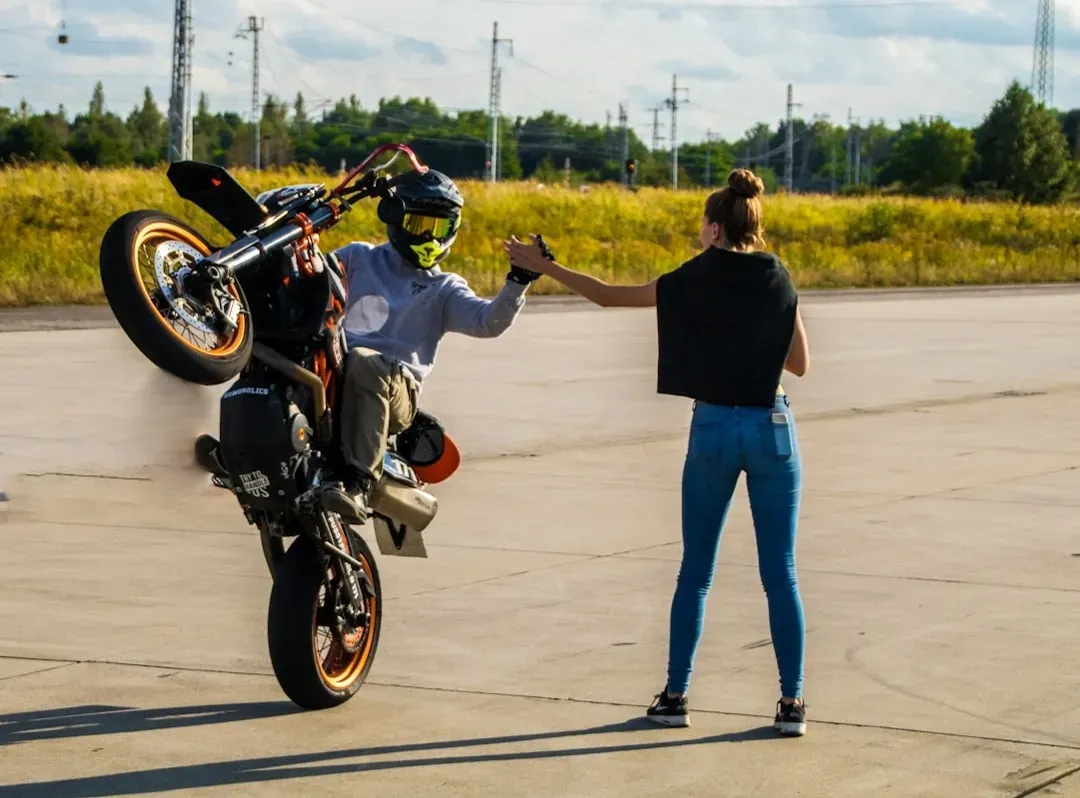
Charlize Theron, reflecting on the state of female-led action movies in Hollywood, has spoken openly about why she is no longer doing as many stunts as before, and noted that studios are less likely to give second chances to women who spearhead blockbusters, especially when a film doesn’t perform at the box office. The genre asks for enormous physical sacrifice while offering actresses a narrower margin for error than their male counterparts.
Nicole Kidman suffered a recurring injury while filming the musical action sequences of Moulin Rouge, breaking a rib during dance rehearsals and then injuring it again while being fitted for a corset, with the injury so severe that some scenes had to be filmed from the waist up while she sat in a wheelchair. Salma Hayek Pinault developed a recurring back injury during the intense physical demands of the film Everly, spending much of the production in significant discomfort while trying to maintain the high energy the role required.
4. Superhero and Franchise Films


Superhero films occupy a specific kind of misery all their own. The shoots run extraordinarily long, often stretching across multiple sequels that were greenlit before the first one even finished. While some stars insist on performing every jump and fight themselves, many actresses prefer to let trained professionals handle the physical risks, and action movies often rely on the thrill of dangerous sequences that push performers to their physical limits.
Partner offer

The costume and makeup requirements in this genre are particularly taxing. Hours in prosthetics, tight suits designed more for aesthetics than comfort, and endless reshoots for visual effects sequences that won’t be finished until months after filming wraps – it’s a strange, piecemeal way to build a performance. Reshoots for Wonder Woman occurred while the lead actress was five months pregnant, requiring the production team to use a combination of green screen techniques and a stunt double to complete the necessary action sequences.
5. War Films with Extreme Physical Conditions

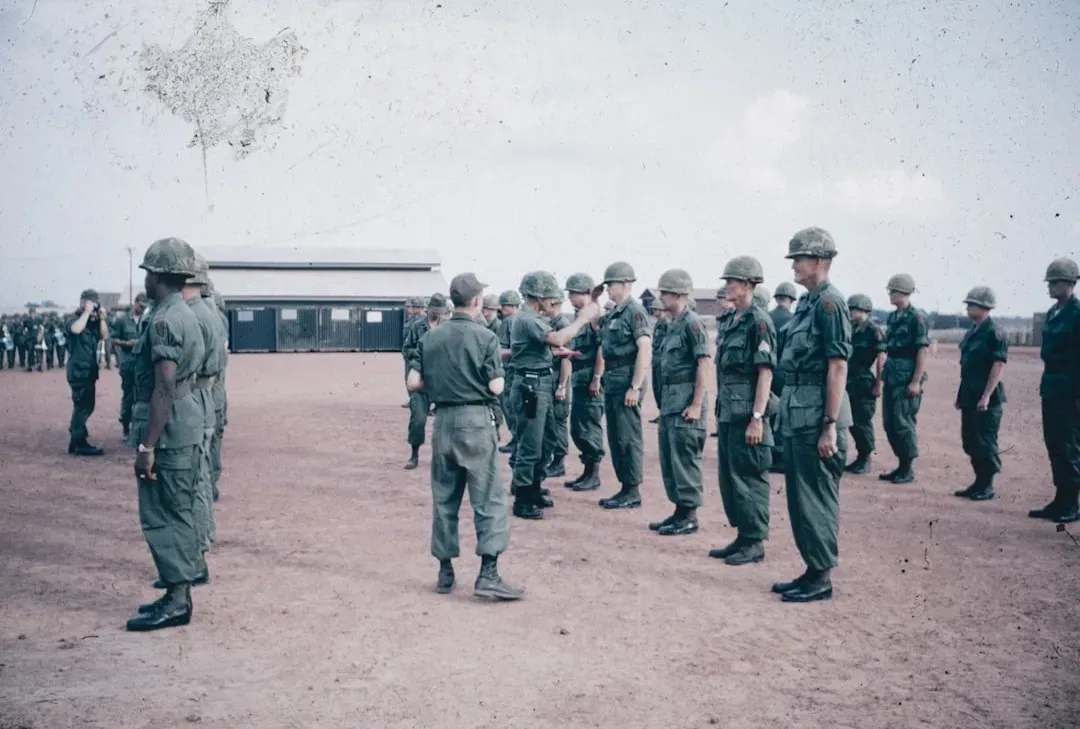
War films are built on discomfort. Mud, cold, physical exhaustion, and simulated violence are considered necessary ingredients for authenticity, and actresses working in the genre have consistently described shoots that pushed well past professional tolerance. The physical environment is engineered to look real, which often means it feels uncomfortably close to real as well.
One actress spent weeks in a massive water tank performing stunts that involved being buffeted by heavy debris, describing the experience as physically and mentally exhausting due to the constant threat of submersion, suffering minor injuries and frequent illness from the wet conditions – though her performance ultimately earned an Academy Award nomination for its visceral realism. Dedication and misery are not mutually exclusive, and war films tend to demand both simultaneously.
6. Psychologically Intense Drama and Method-Driven Films


There’s a long-standing reverence in film culture for “difficult” roles – performances that require actresses to access genuine grief, trauma, or psychological breakdown. Audiences and awards bodies tend to reward this kind of work. What’s discussed far less openly is what it costs the person doing it.
Many people assume acting in psychologically demanding films should be straightforward, but it’s frequently emotionally taxing and occasionally traumatic for those involved. The lines between craft and genuine distress can blur over a multi-month shoot, and unlike physical injuries, emotional exhaustion doesn’t show up on a production’s insurance claim. Sandra Bullock, despite previously insisting on doing demanding work herself, reconsidered her approach to challenging on-set demands after becoming a mother, openly asking what the right choice was if the risk of serious harm became real.
7. Films with Mandatory Nudity or Filmed Intimacy

Hollywood actresses often navigate complex contracts regarding on-screen intimacy and nudity, with many prominent stars maintaining strict personal and professional boundaries, frequently using body doubles or insisting on specific clauses that prohibit explicit sequences. The introduction of intimacy coordinators was intended to make these shoots safer, but the reality on set remains layered and often uncomfortable in ways that go beyond logistics.
Australian actress Toni Collette has detailed the discomfort she has felt filming sex scenes, including her views on intimacy coordinators, which she has discussed openly in interviews. She explained that on occasions where coordinators were brought in, the people meant to make her feel at ease were actually making her feel more anxious. Heather Graham echoed a similar ambivalence, acknowledging good intentions behind the role while describing how suddenly having a stranger in the room during an intimate scene felt genuinely odd and uncomfortable.
The public rarely sees any of this. What appears on screen is confidence, chemistry, and commitment. What happens between the camera setups is something most actresses have learned to manage quietly – or, occasionally, to talk about honestly when the film is safely in the past.Partner offer
Planning a trip to Vegas?
Compare hotel rates and show tickets on VEGAS.com.


